Normal Upper & Lowercase Letters Worksheets for Ages 6-8 - Page 2
43 filtered results
-
From - To
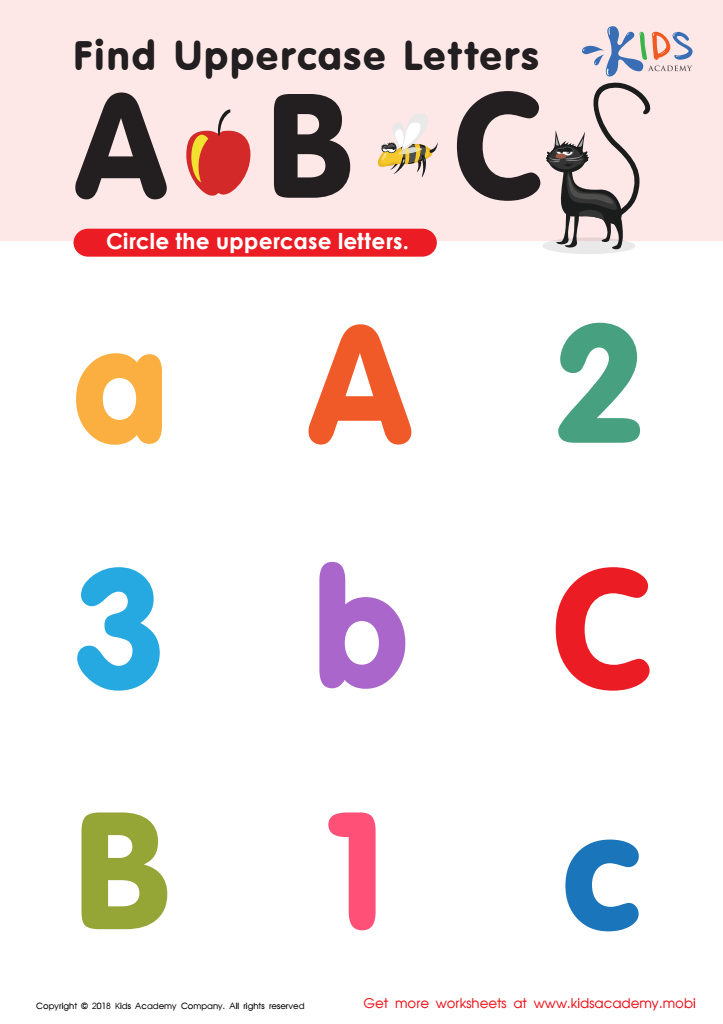
Find Uppercase Letters A, B, and C Worksheet
 Assign to My Students

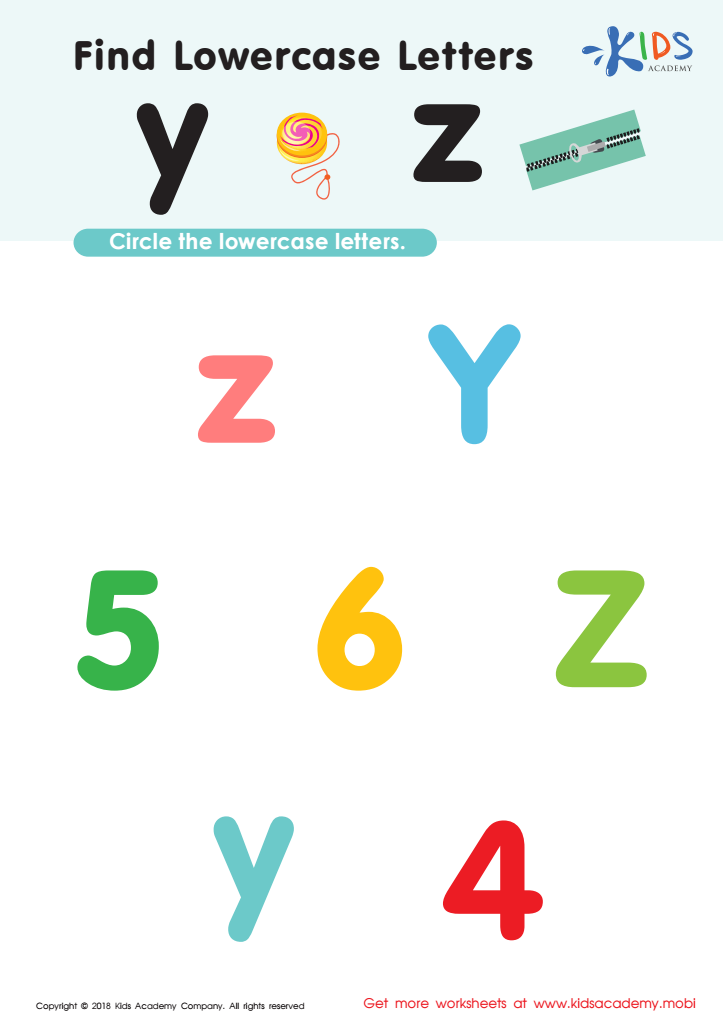
Find Lowercase Letters y z Worksheet
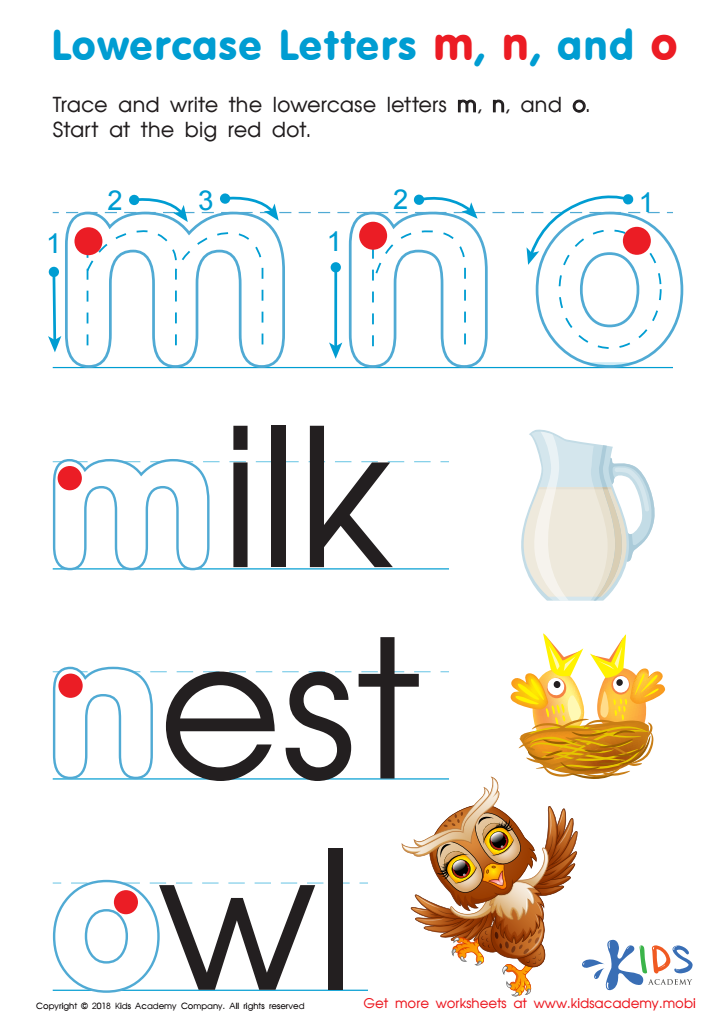
Lowercase Letters m n o Worksheet
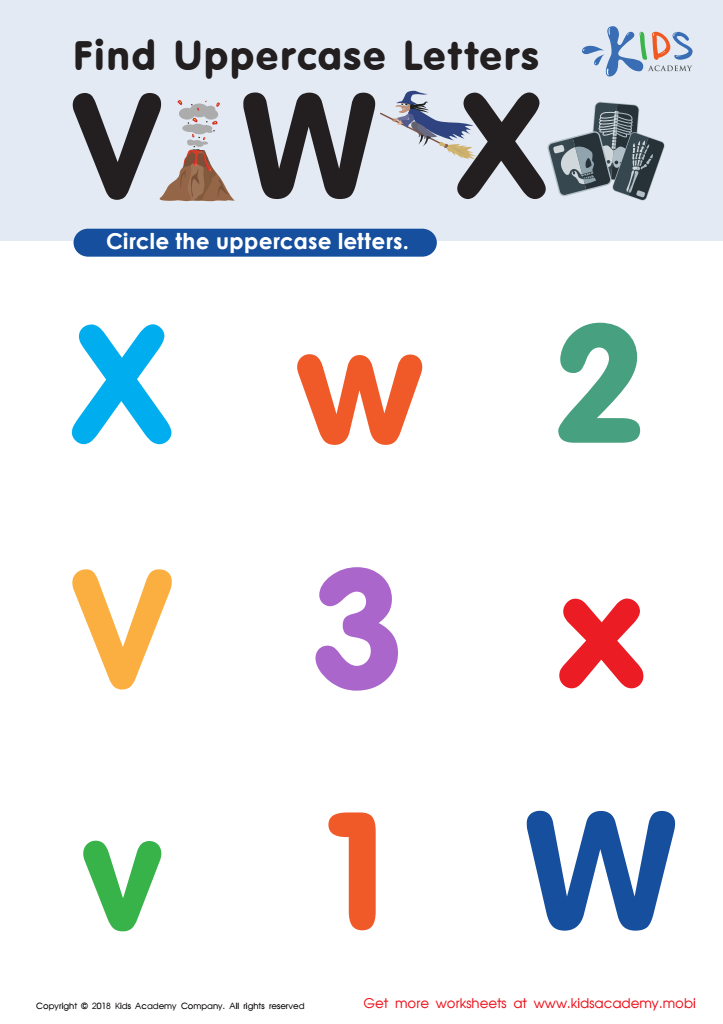
Find Uppercase Letters V, W, X Worksheet
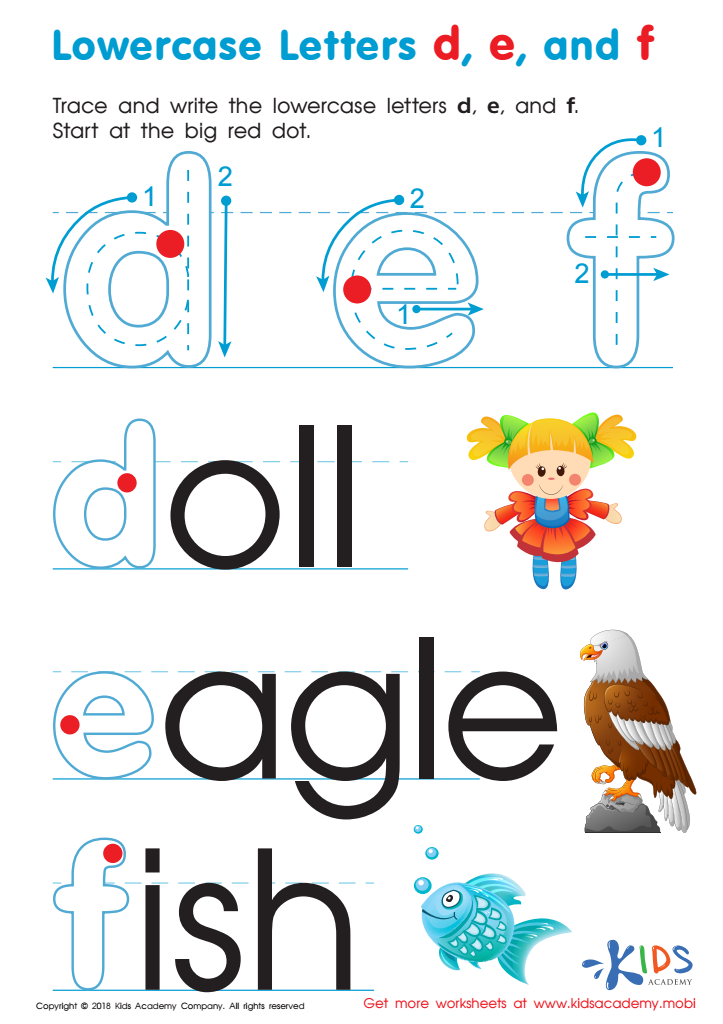
Lowercase Letters d e f Worksheet
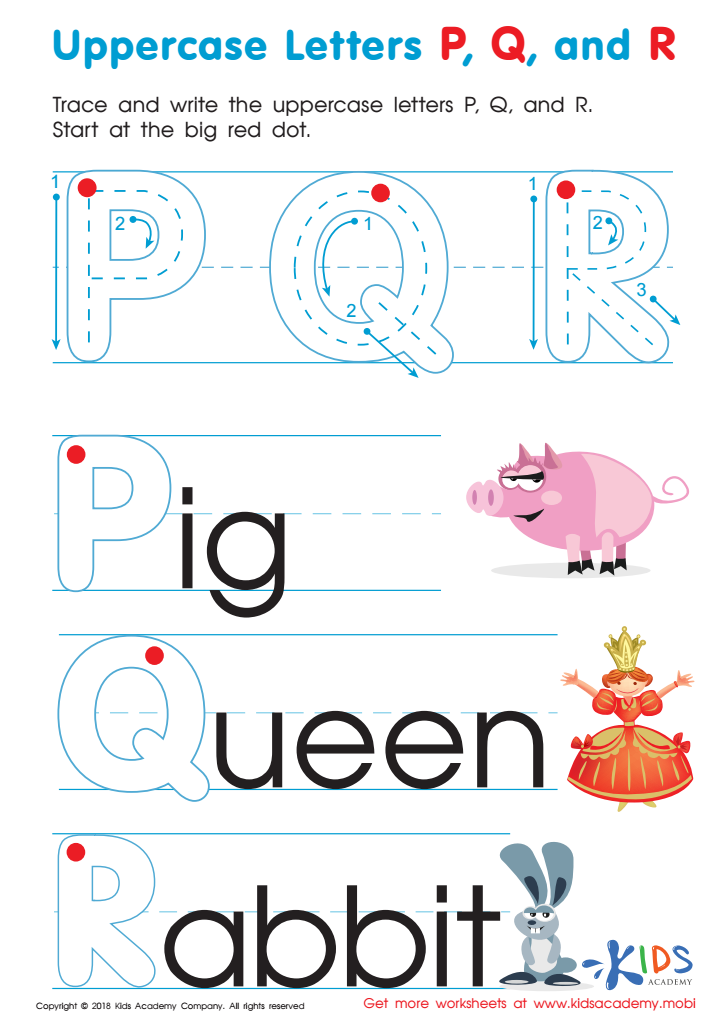
Uppercase Letters P, Q, and R Worksheet
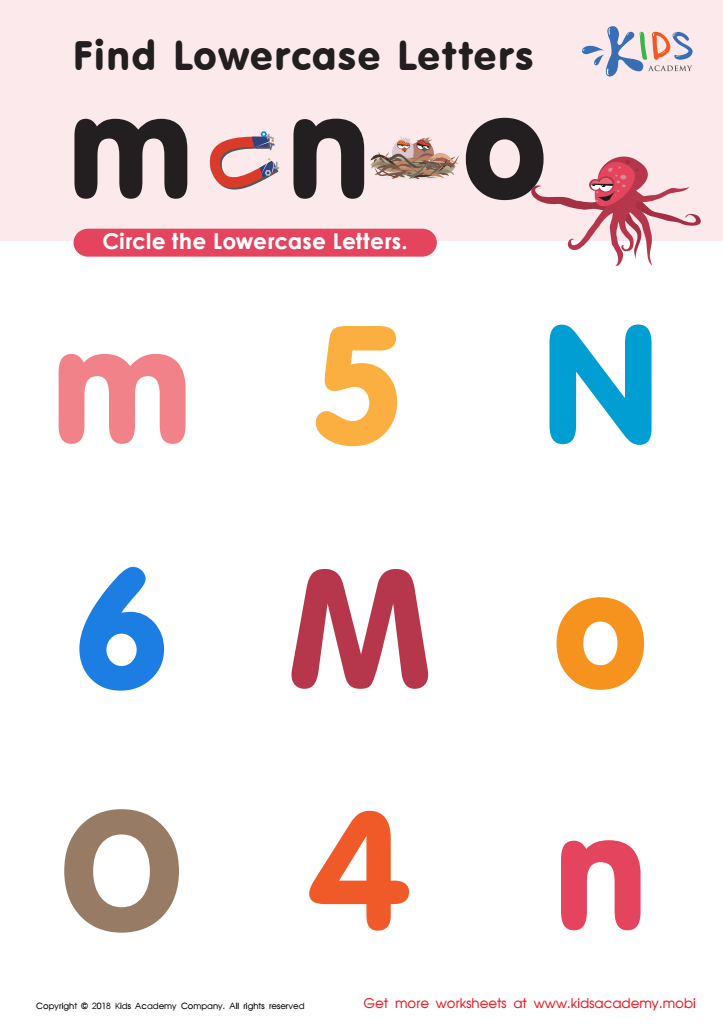
Find Lowercase Letters m n o Worksheet
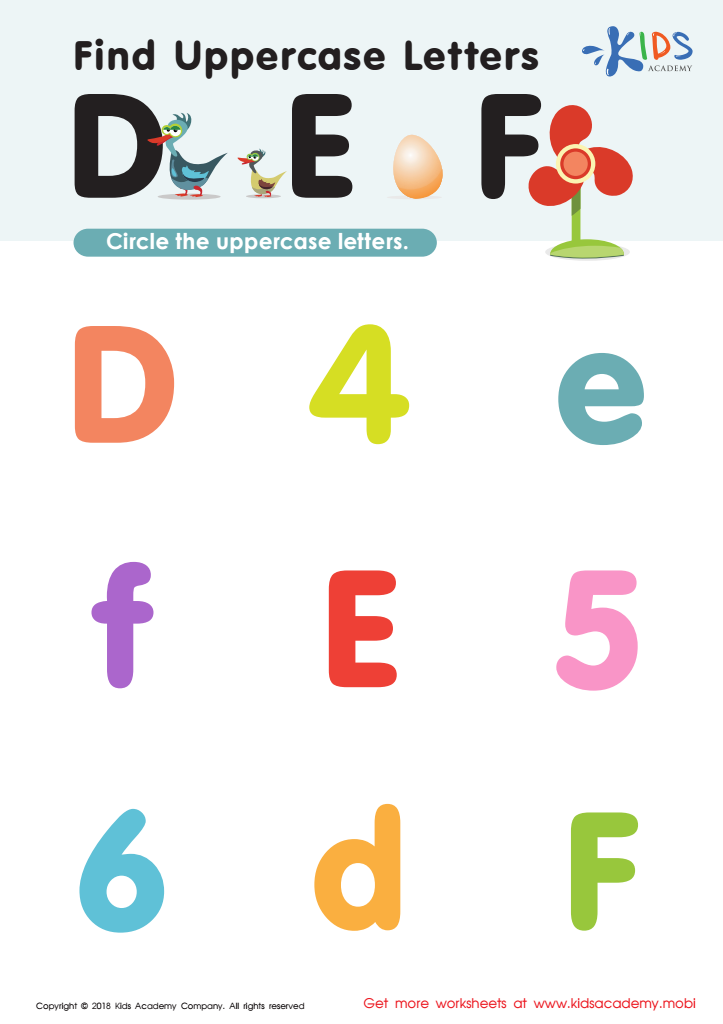
Find Uppercase Letters D, E, and F Worksheet
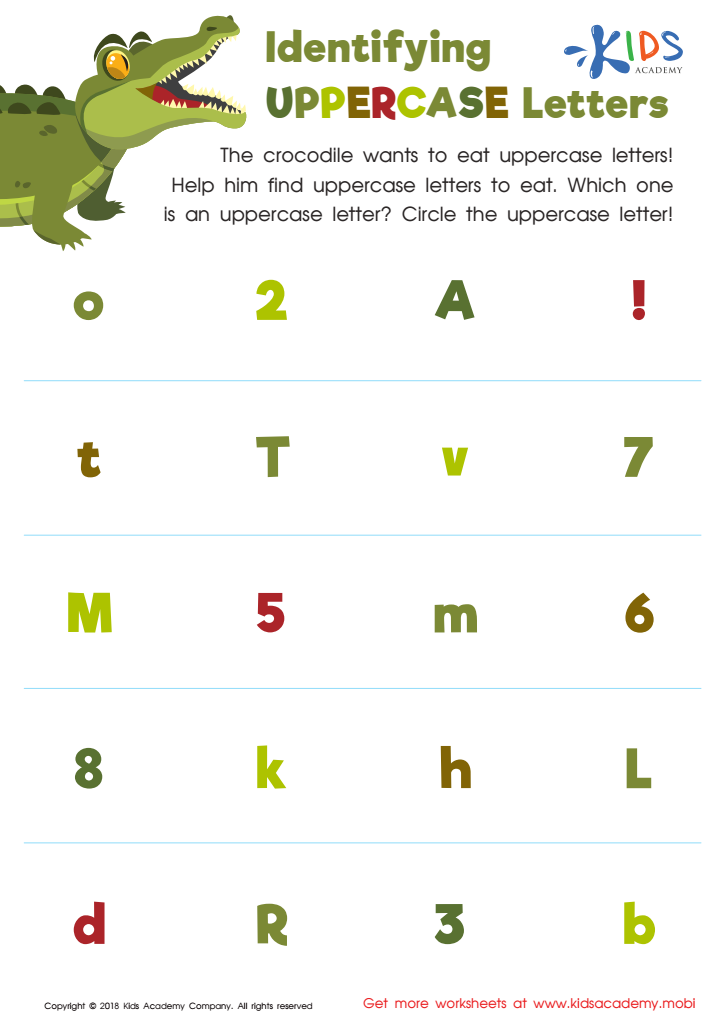
Identifying Uppercase Letters Worksheet

Find lowercase letters a b c Worksheet
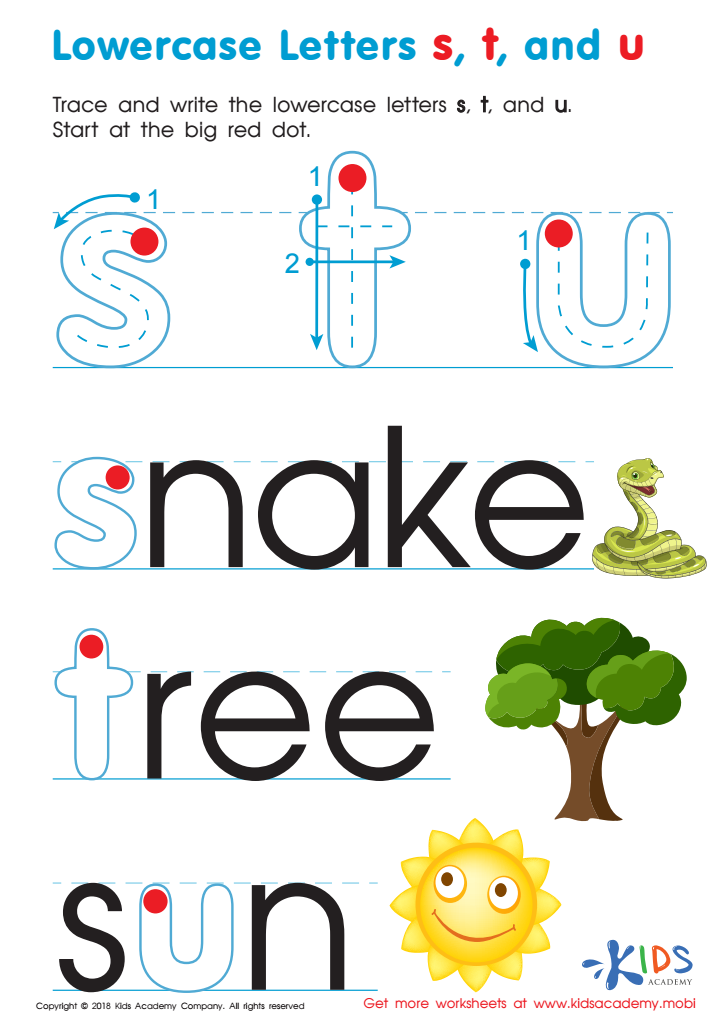
Lowercase Letters s t u Worksheet
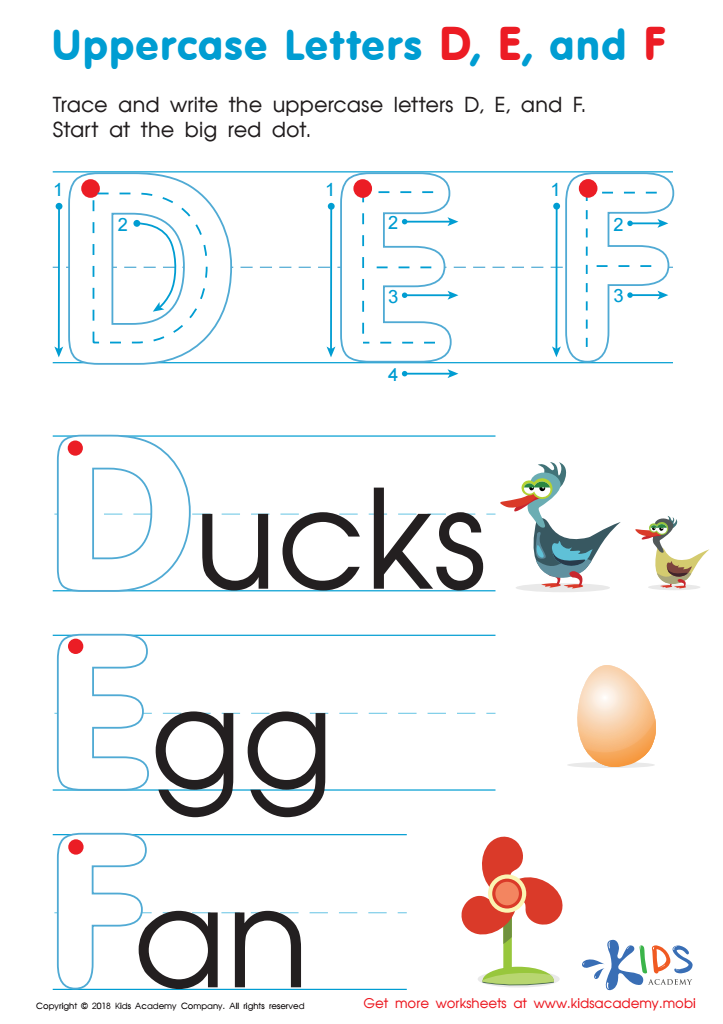
Uppercase Letters D, E, and F Worksheet
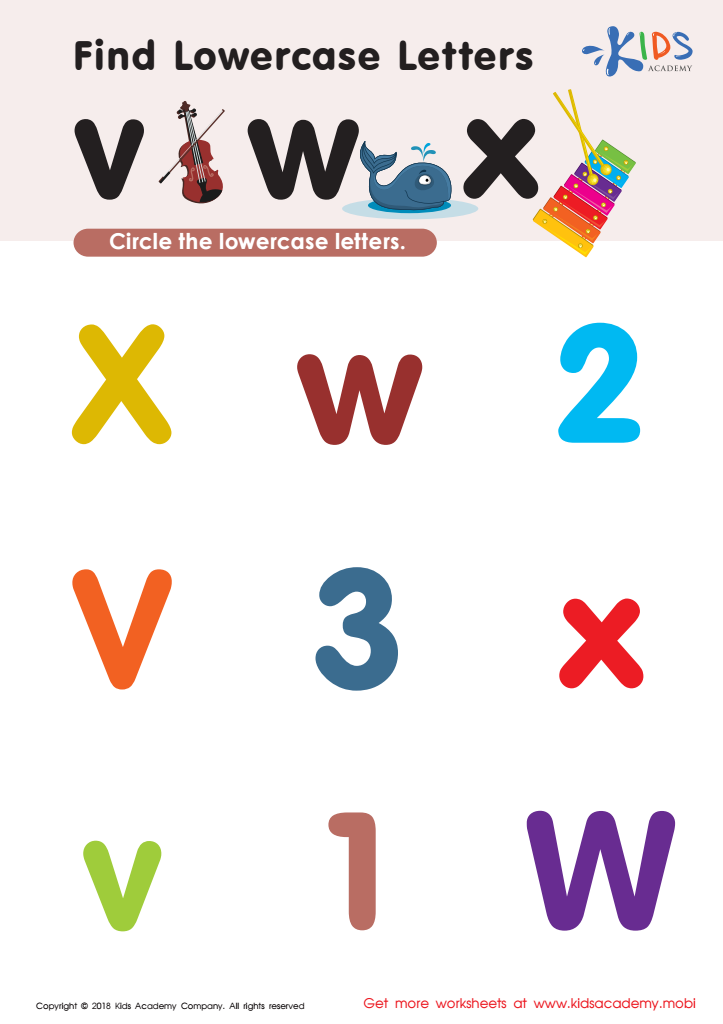
Find Lowercase Letters v w x Worksheet
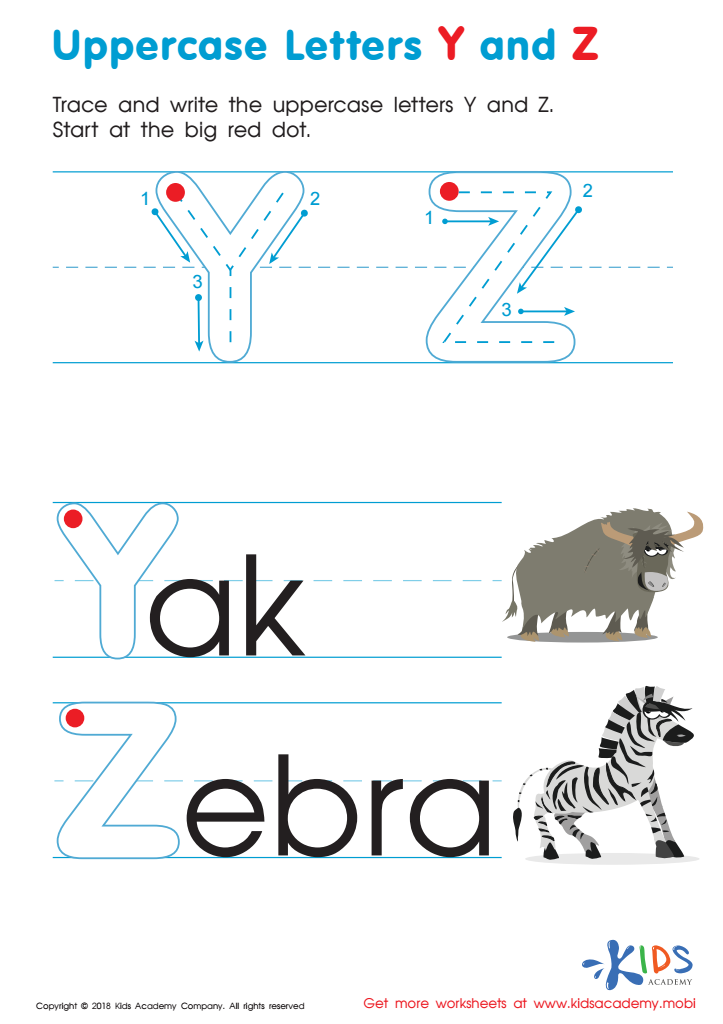
Uppercase Letters Y Z Worksheet
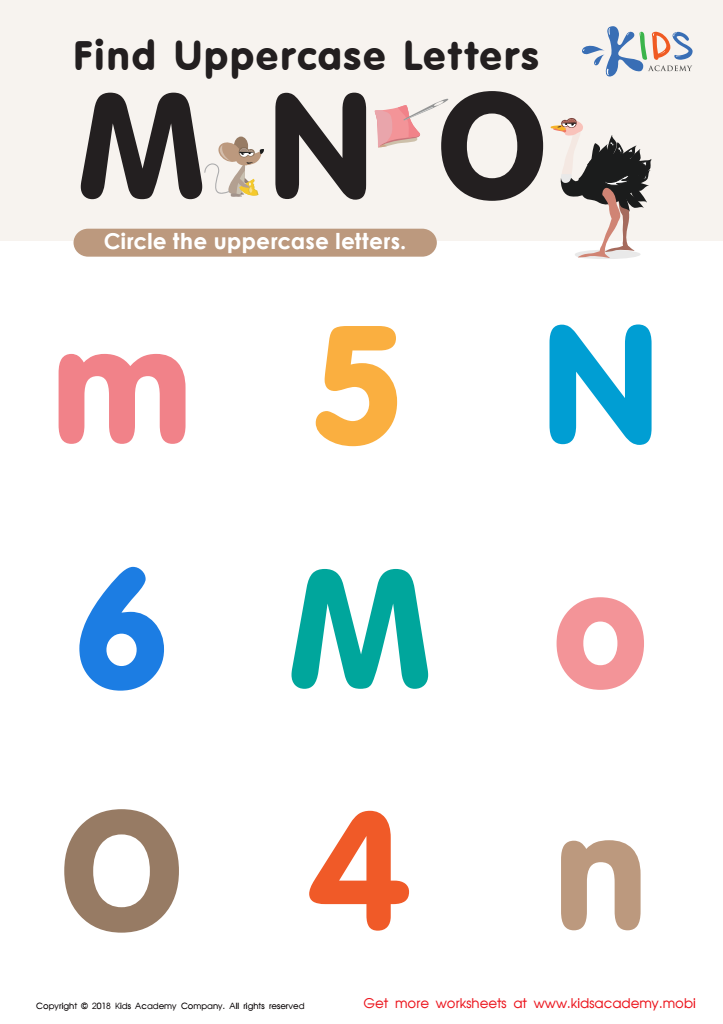
Find Uppercase Letters M, N, and O Worksheet
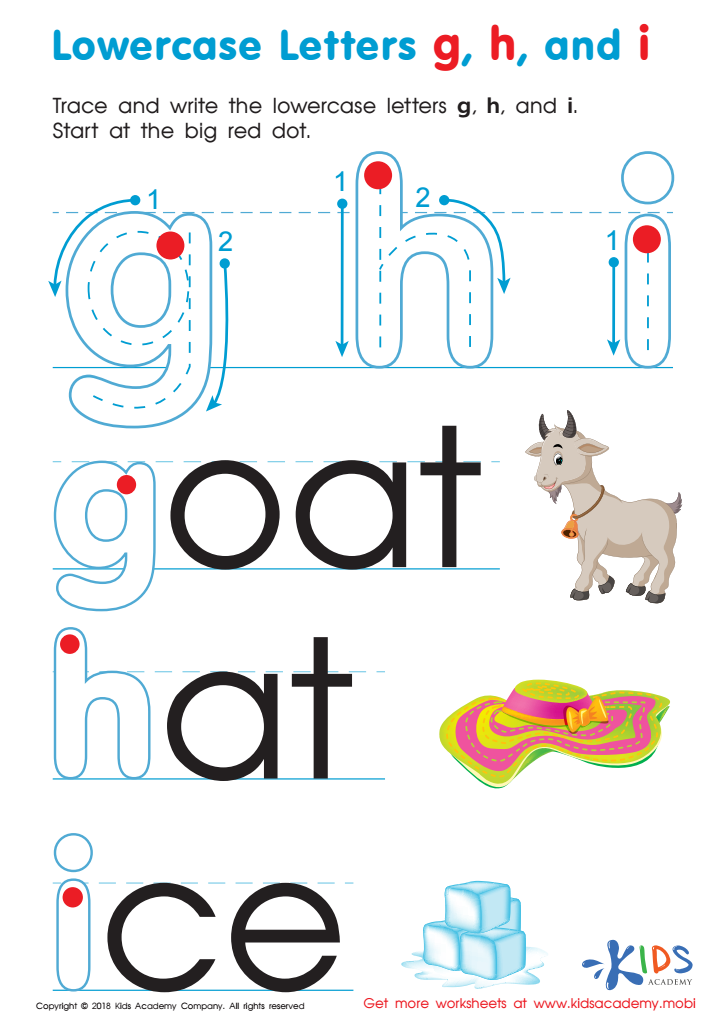
Lowercase Letters g h i Worksheet
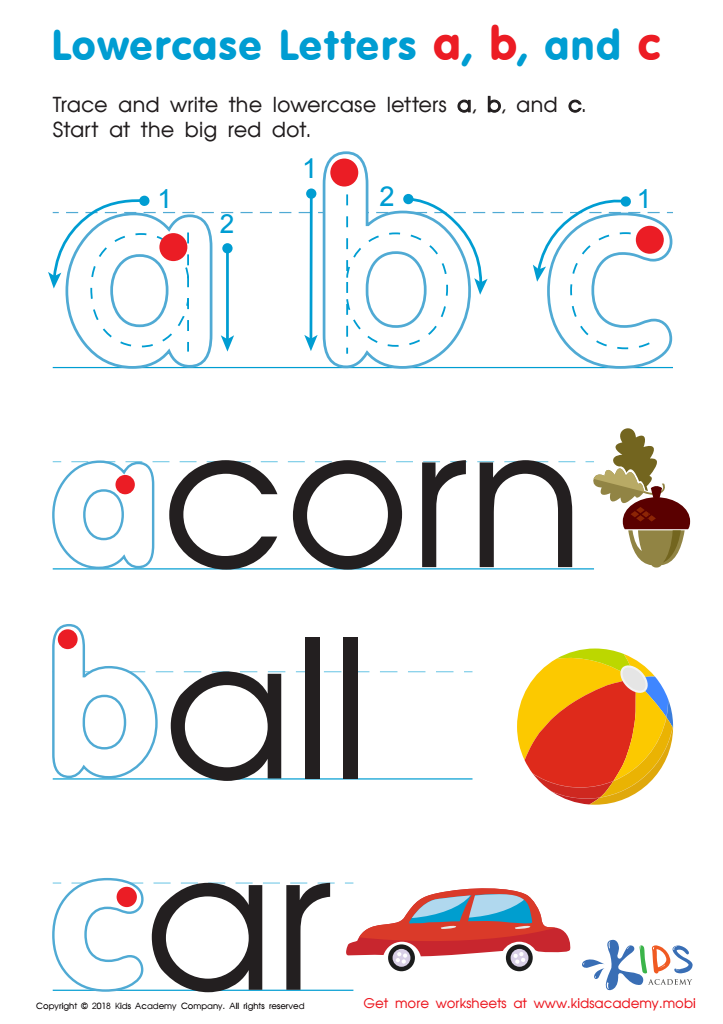
Lowercase Letters a b c Worksheet
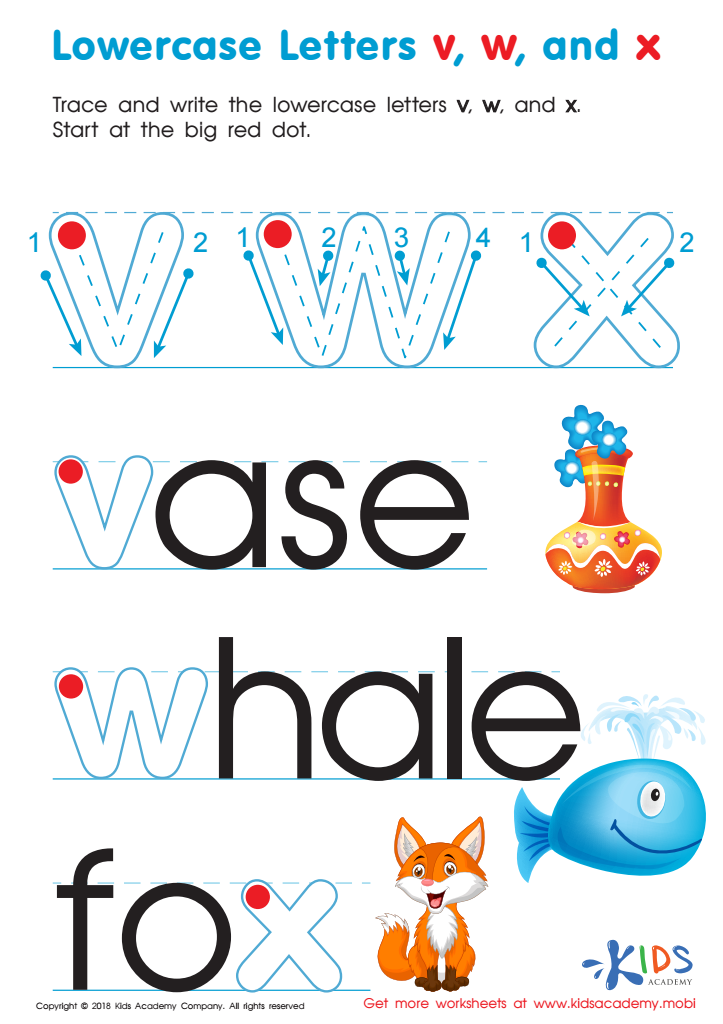
Lowercase Letters v w x Worksheet
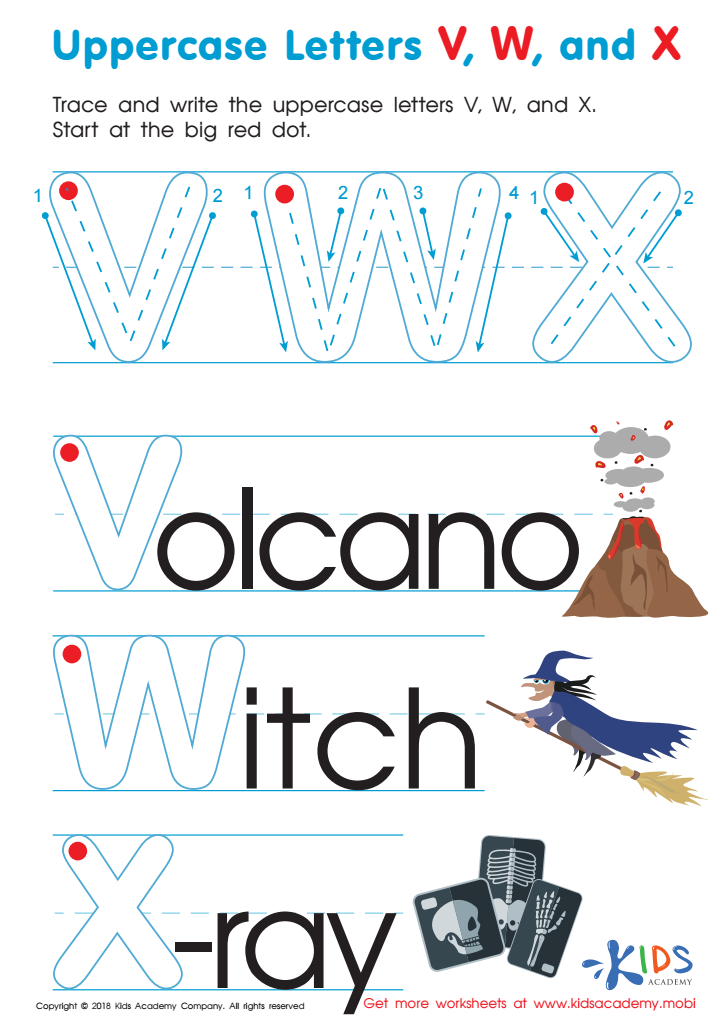
Uppercase Letters V, W, and X Worksheet






Understanding and practicing normal upper and lowercase letters is crucial for children aged 6-8, a period when their cognitive and motor skills are rapidly developing. First, mastering both forms of letters builds foundational literacy skills essential for reading and writing. At this age, children typically transition from recognizing shapes and symbols to reading complete words and sentences. Differentiating between upper and lowercase letters is a key step in this process, aiding their ability to read fluently.
Second, proper use of upper and lowercase letters enhances grammatical understanding. Knowing when to use capital letters, for instance, at the beginning of a sentence or for proper nouns, sets the stage for more complex grammar rules. This basic skill promotes clearer writing and better communication.
Additionally, developing the fine motor skills needed to accurately form different letters contributes significantly to a child’s overall motor development. Practicing writing both uppercase and lowercase letters can enhance hand-eye coordination and aid in other areas such as drawing or playing musical instruments.
Moreover, teachers and parents observing how children write can identify potential learning issues early, such as dyslexia or developmental coordination disorder, leading to timely intervention. Therefore, nurturing proficiency in using both letterforms is essential for a child’s academic and developmental growth.







