Normal Animals Worksheets for Ages 6-8
5 filtered results
-
From - To
Discover our engaging and educational "Normal Animals Worksheets for Ages 6-8," designed to captivate young learners with fun, interactive coloring activities featuring their favorite animals. Each worksheet promotes creativity, enhances fine motor skills, and introduces fascinating animal facts tailored for children aged 6-8. Perfect for classrooms or at-home learning, these printables make learning about the animal kingdom an exciting adventure. Expect detailed illustrations with easy-to-understand instructions that provide an enriching educational experience. Download our free worksheets today to inspire your child's love for animals and foster their artistic talents. Educators and parents alike will appreciate these high-quality resources!
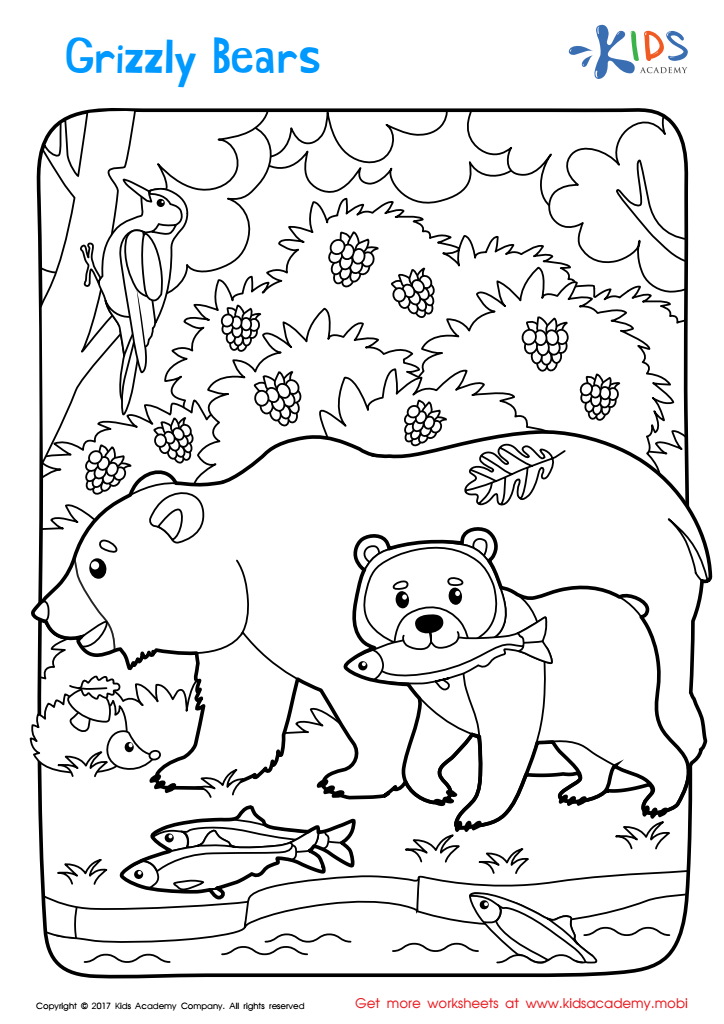
Free Printable Grizzly Bear Coloring Page
 Assign to My Students
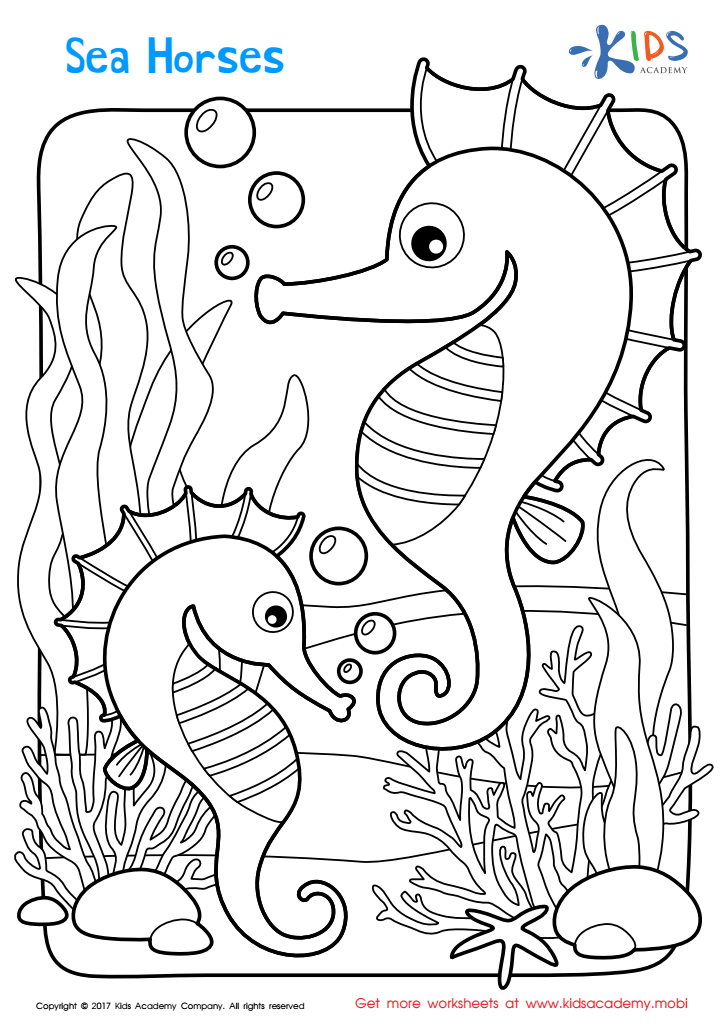
Sea Horses Printable
Assign to My Students
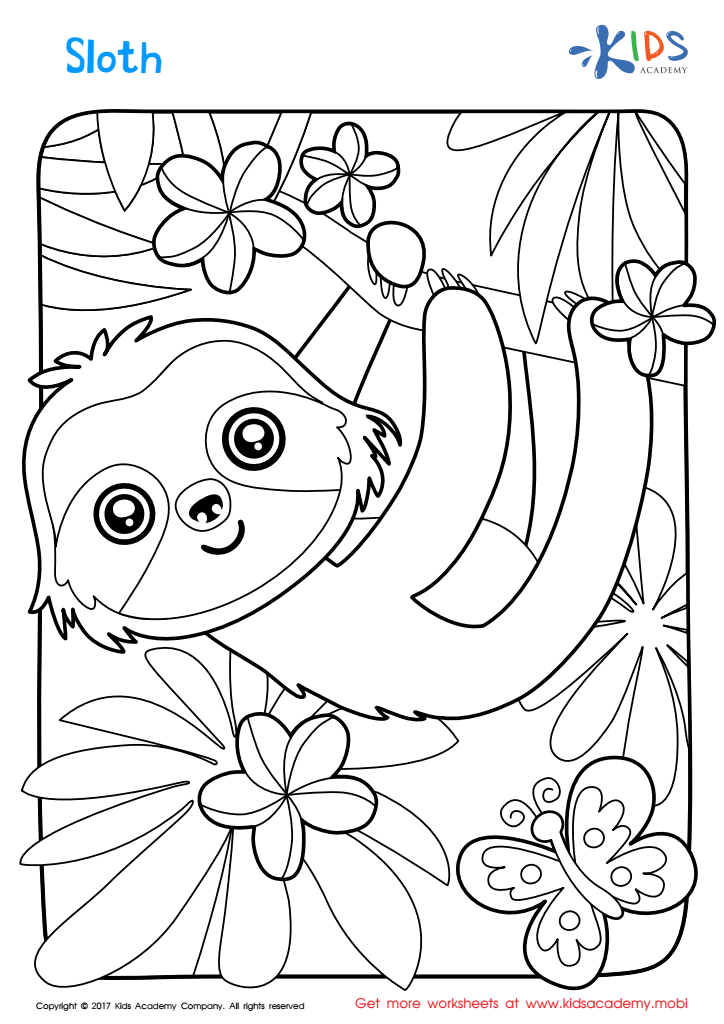
Sloth Worksheet
Assign to My Students
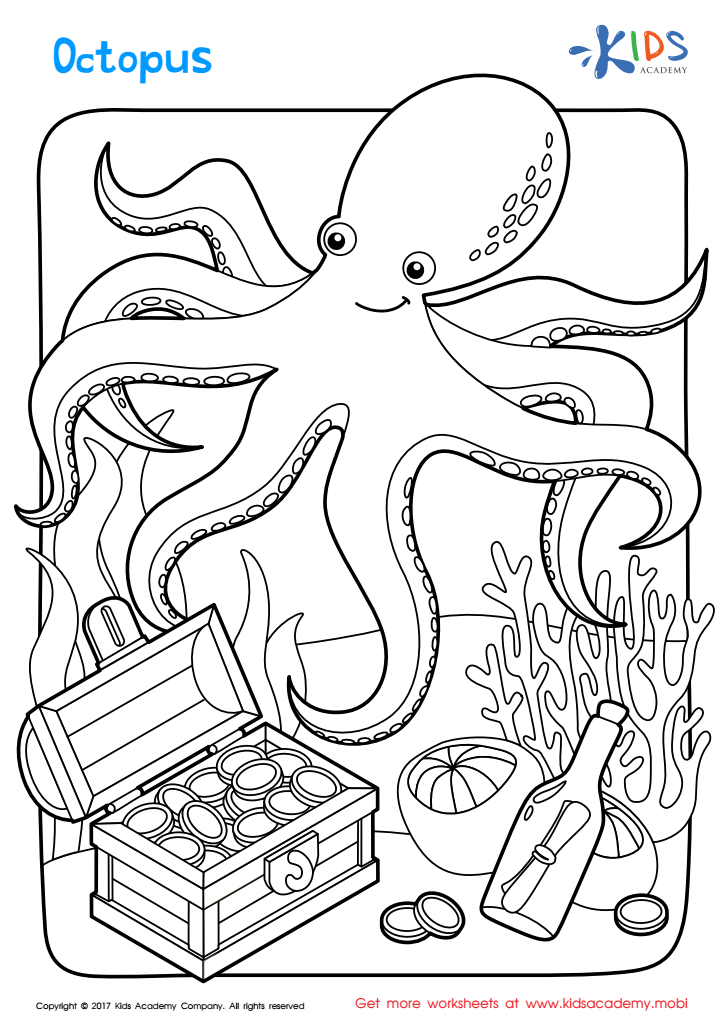
Octopus Printable
Assign to My Students
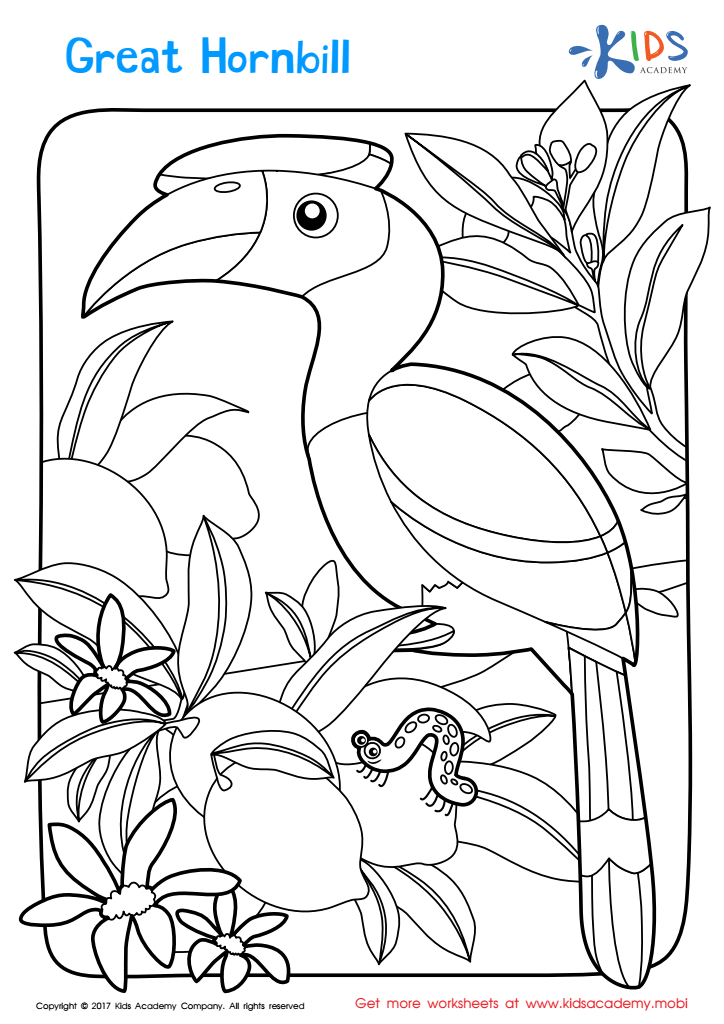
Great Hornbill Worksheet
Assign to My Students







Parents and teachers of children aged 6-8 should care about teaching normal animals because it nurtures curiosity, empathy, and foundational scientific understanding in young learners. At this impressionable age, children are naturally curious about the world around them, and learning about animals can captivate their interest and motivate them to explore and ask questions. Introducing children to a variety of common animals fosters empathy by teaching them about animal behaviors, habitats, and needs. Understanding animals' roles in the ecosystem helps kids appreciate biodiversity and the environment, which can inform positive attitudes towards conservation and sustainability.
Additionally, learning about animals contributes to essential educational development. It provides practical content for lessons in biology, geography, and ecology, helping children build a foundational understanding of these subjects. This knowledge can support critical thinking skills as they compare and contrast different species and consider human interactions with the animal kingdom. Hands-on activities, such as observing animals and reading age-appropriate books, enhance engagement and retention of information. Educators and parents who prioritize teaching about animals can tap into children's natural interests, laying groundwork for lifelong learning and respect for the living world.