Handwriting practice Normal Worksheets for Ages 6-8 - Page 2
57 filtered results
-
From - To
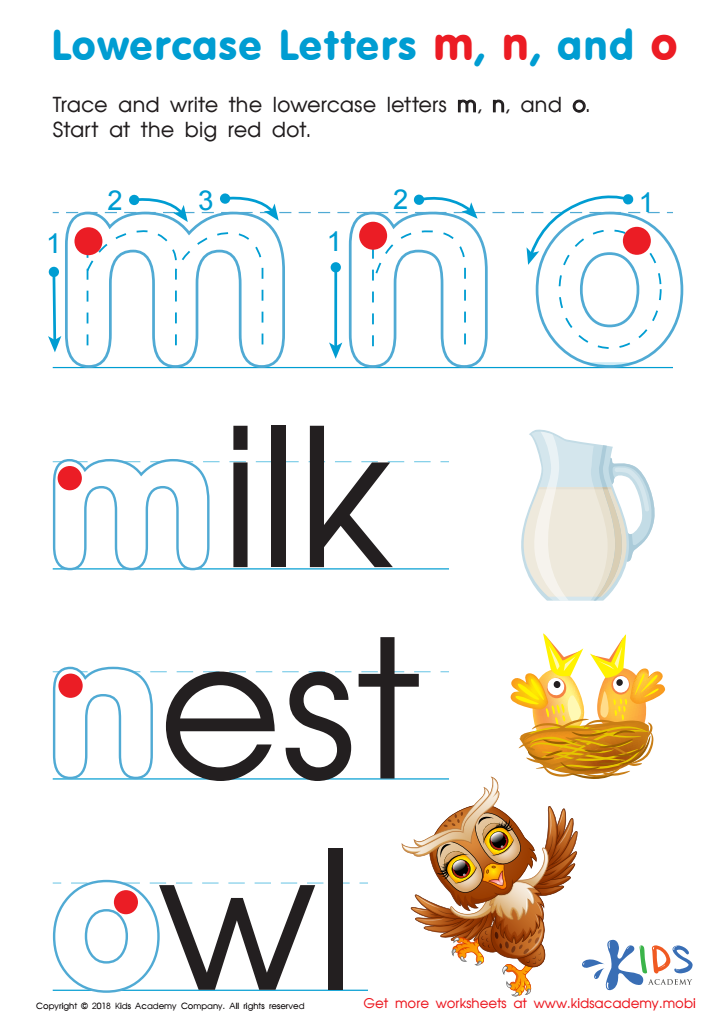
Lowercase Letters m n o Worksheet
Letter O Coloring Sheet
 Assign to My Students
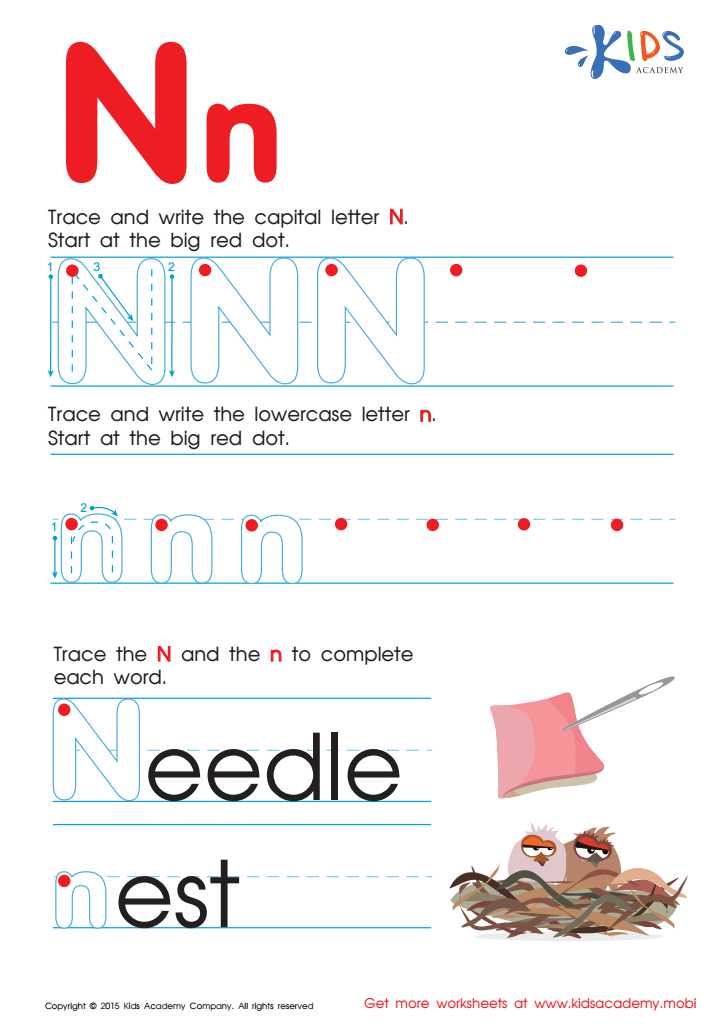
Letter N Tracing Page
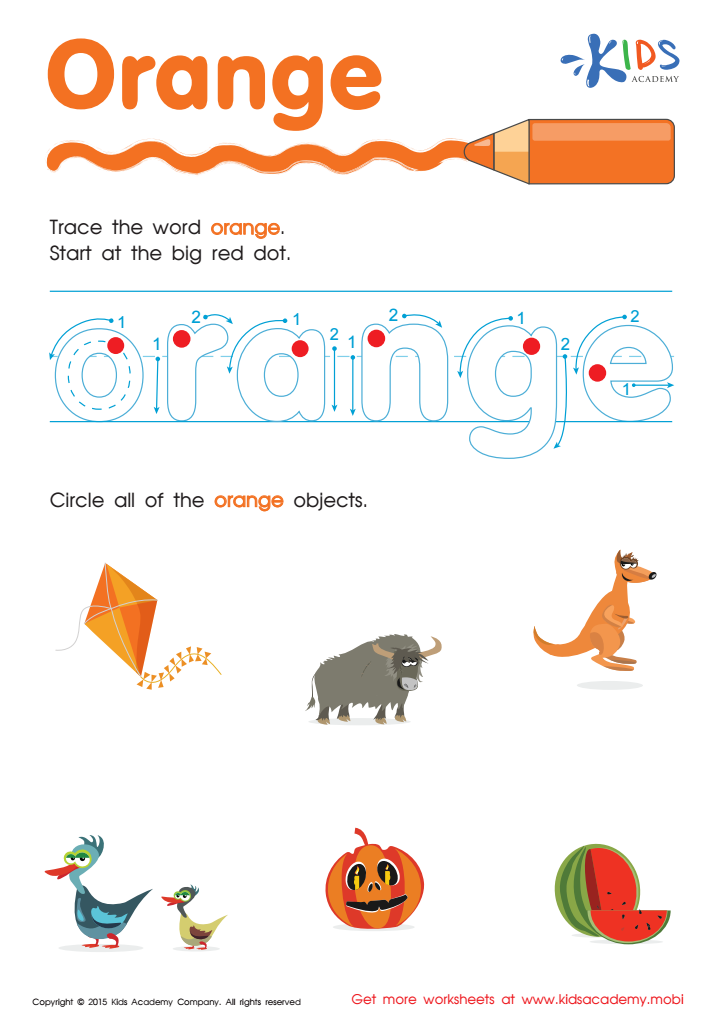
Orange Tracing Color Words Worksheet
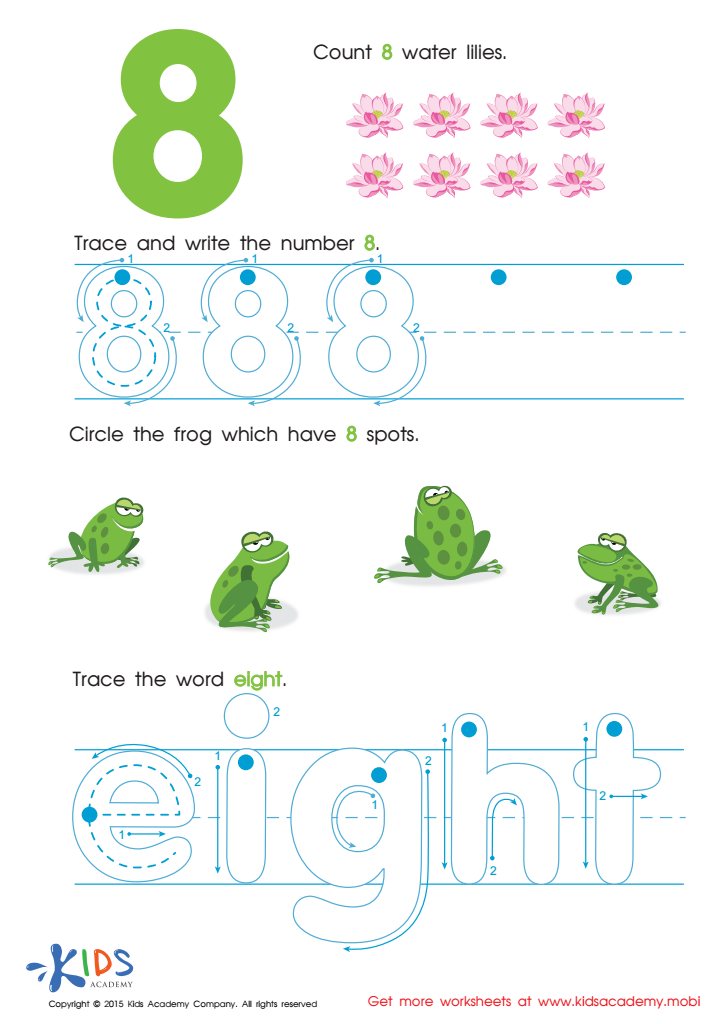
Learn Number 8 Easily Worksheet
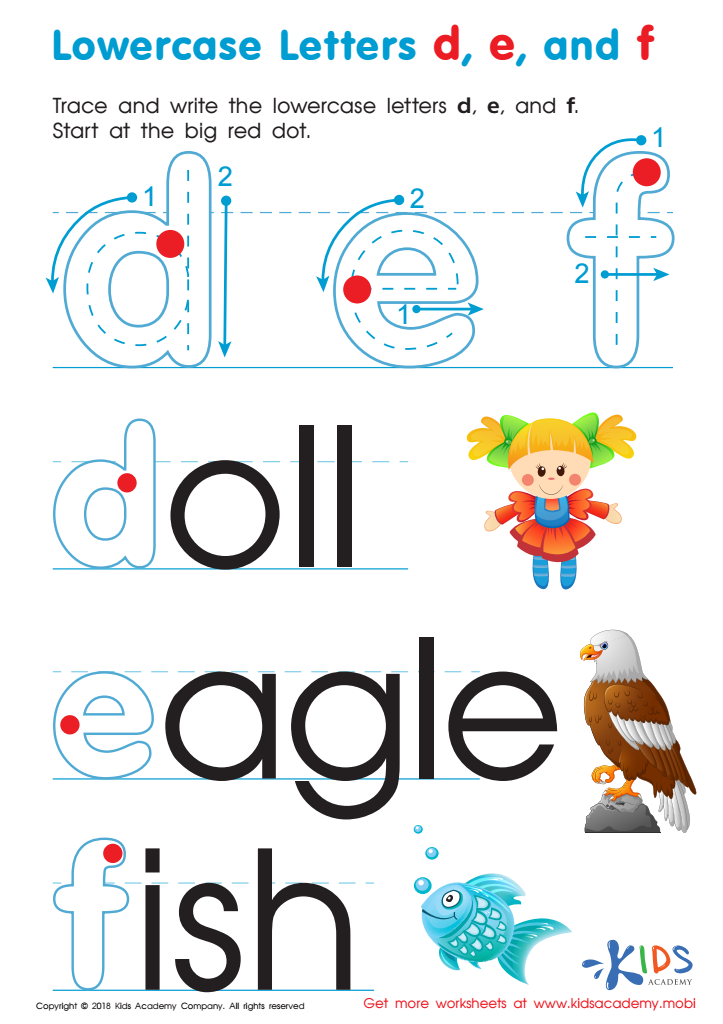
Lowercase Letters d e f Worksheet
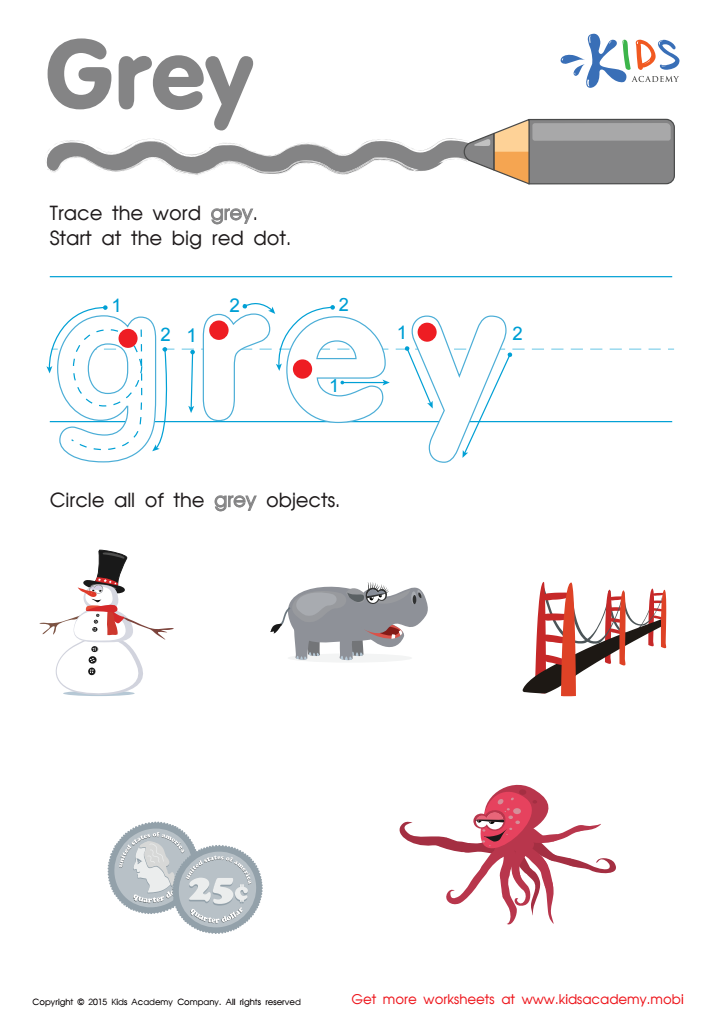
Grey Tracing Color Words Worksheet
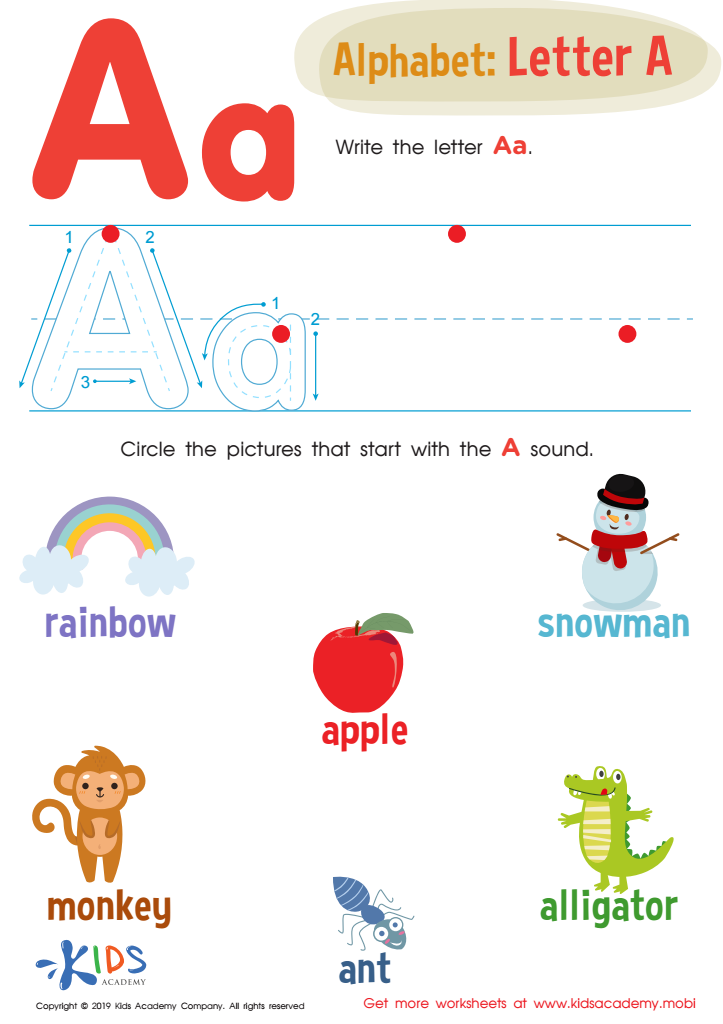
Letter A Tracing Worksheet
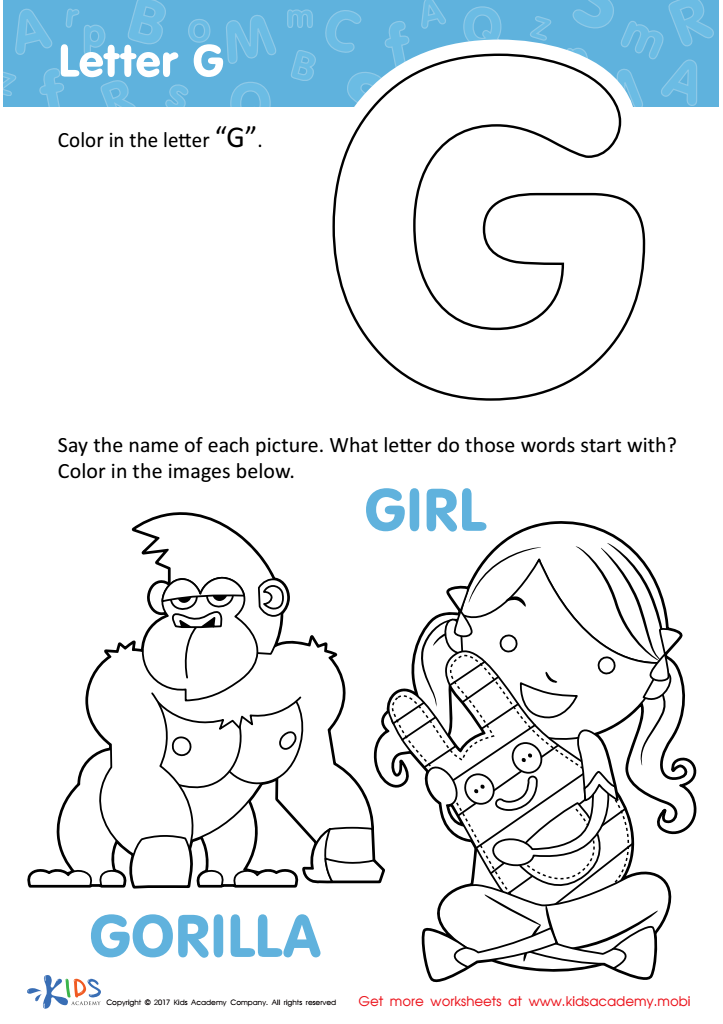
Letter G Coloring Sheet
Assign to My Students
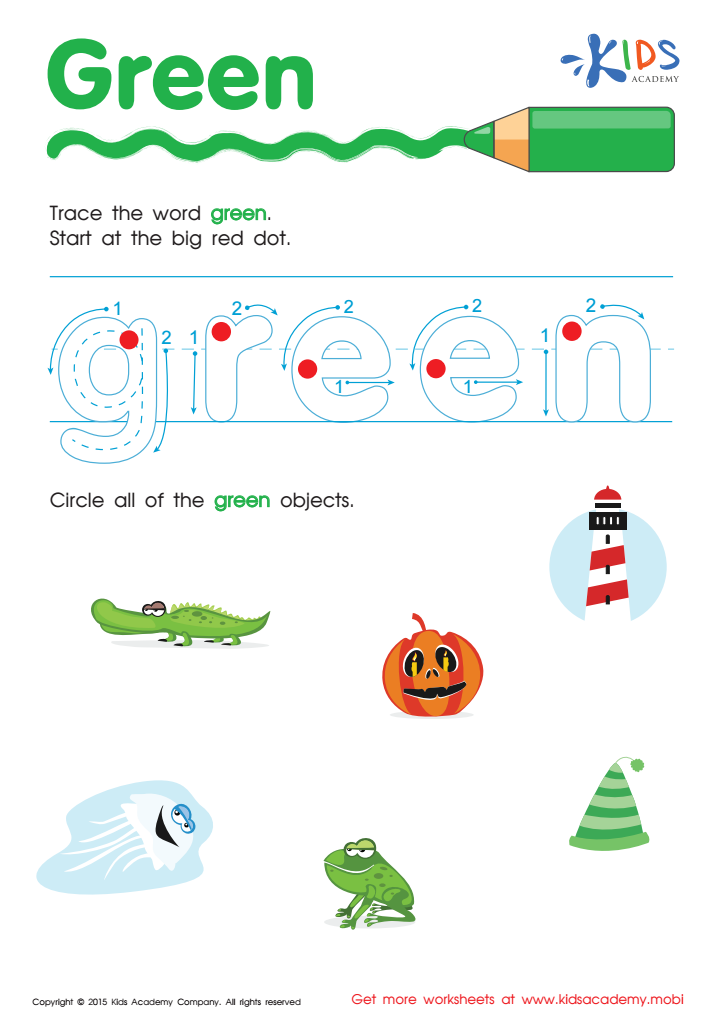
Green Tracing Color Words Worksheet
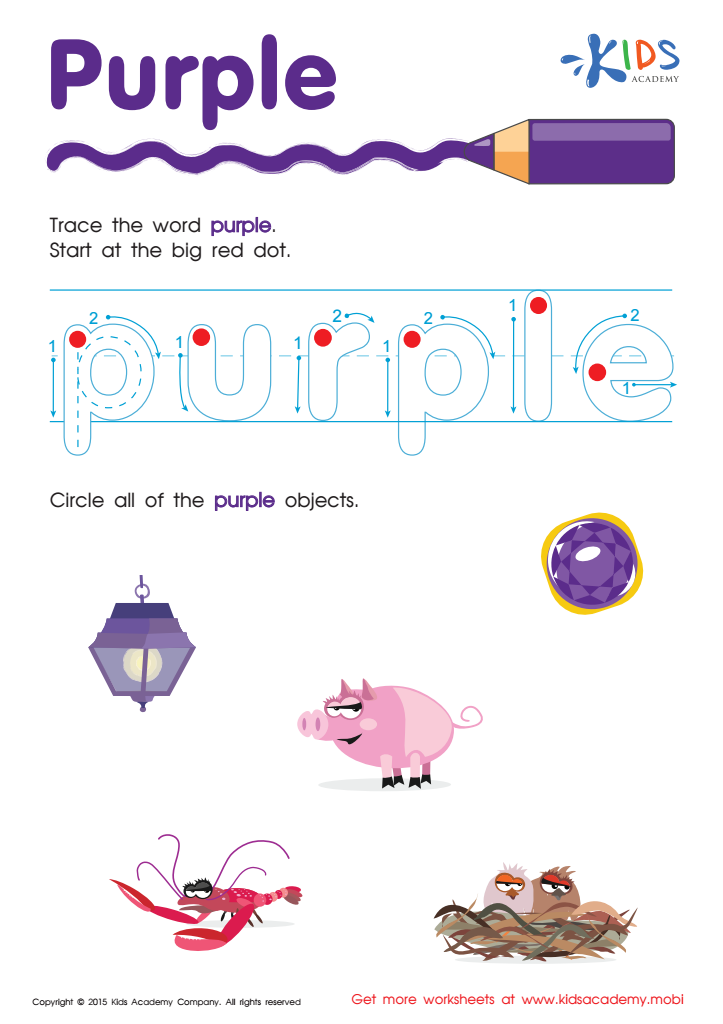
Purple Tracing Color Words Worksheet
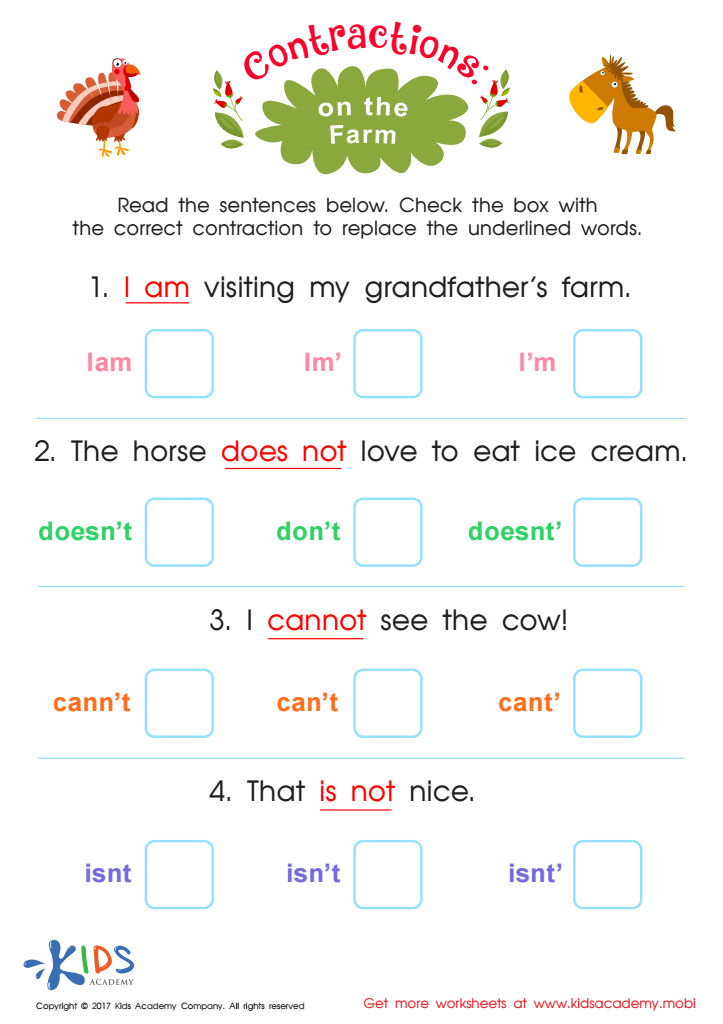
Contractions: On the Farm Printable
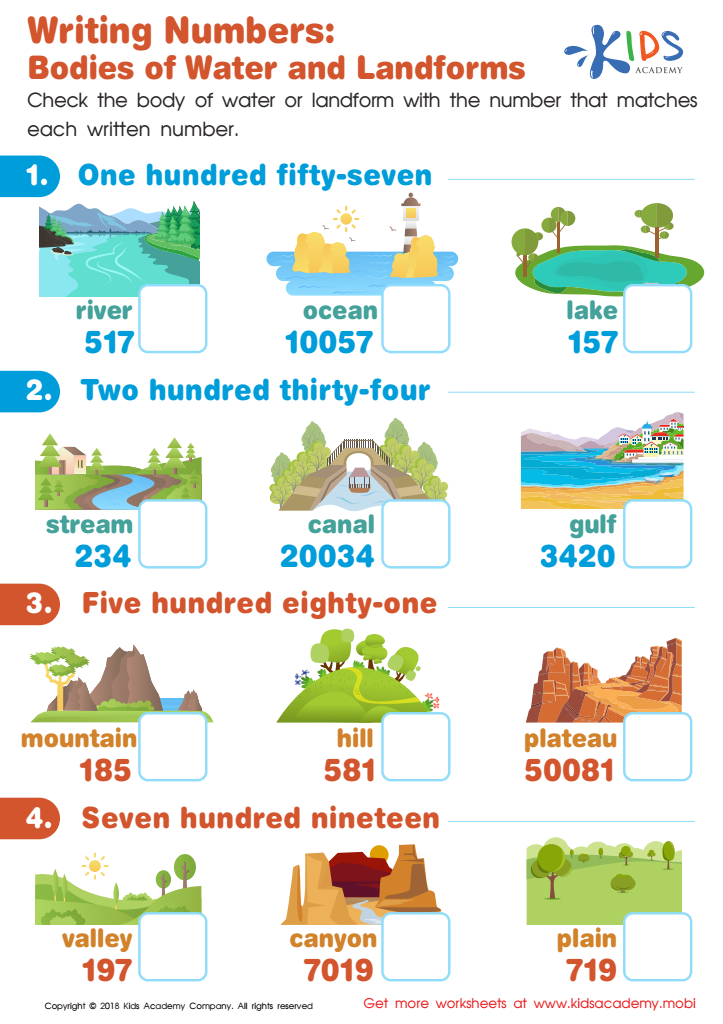
Bodies of Water and Landforms Writing Numbers Worksheet
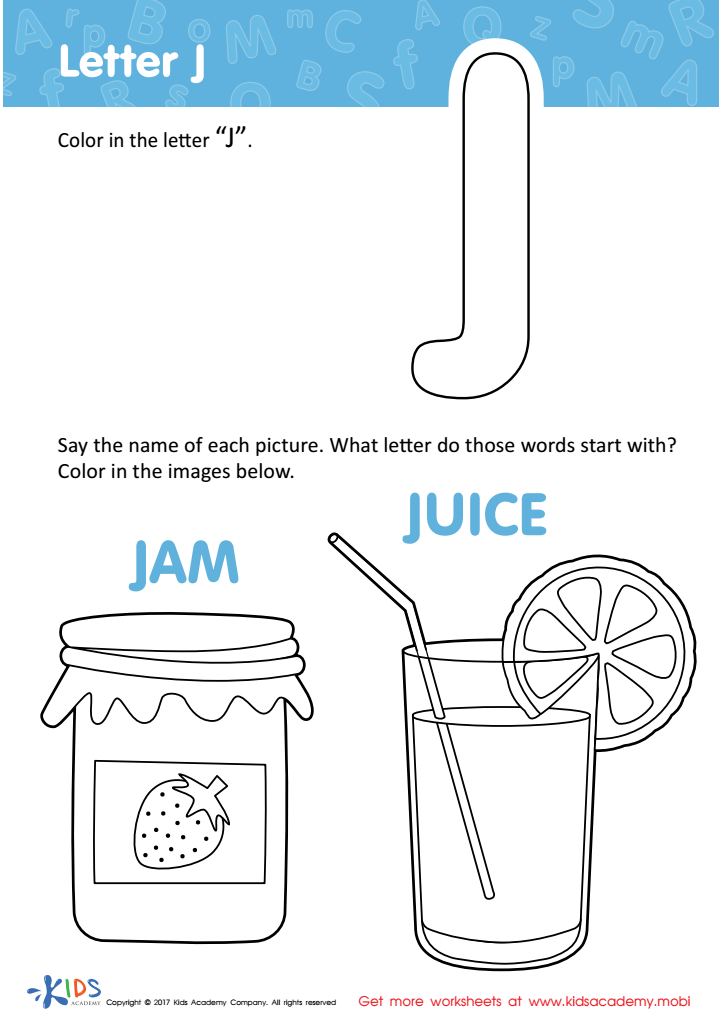
Letter J Coloring Sheet
Assign to My Students
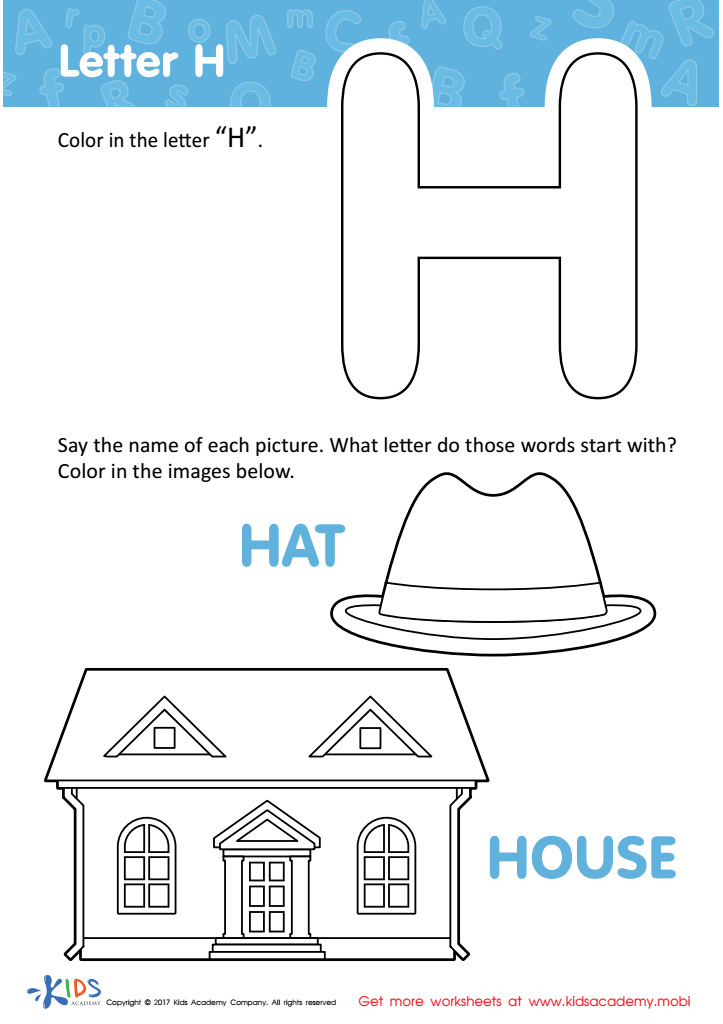
Letter H Coloring Sheet
Assign to My Students
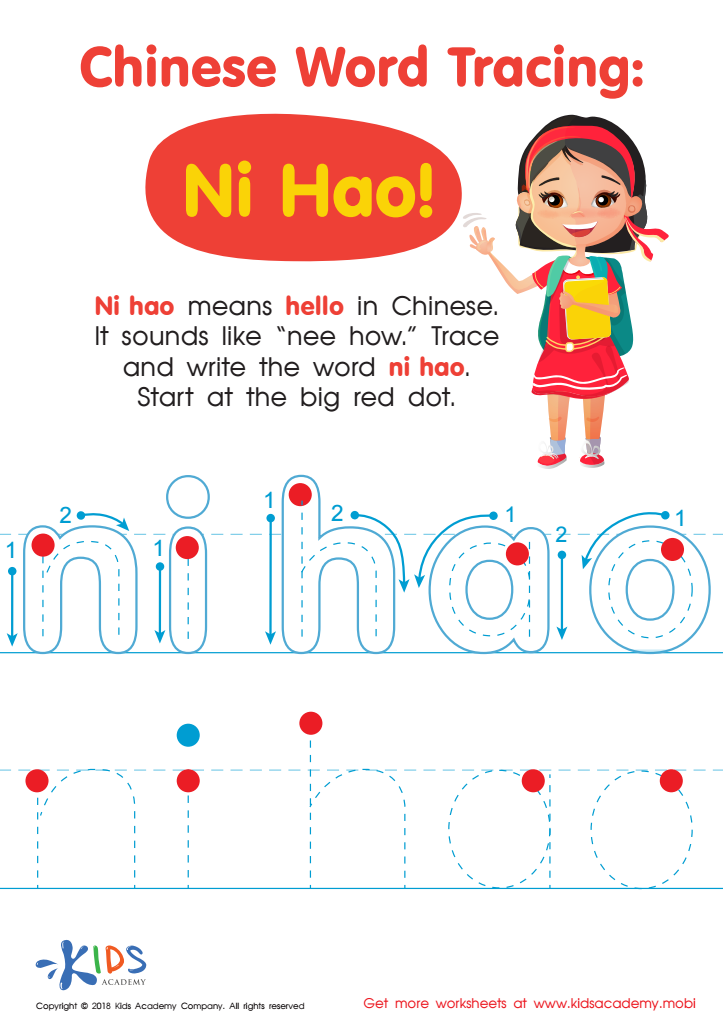
Chinese Word Tracing: Ni Hao Worksheet
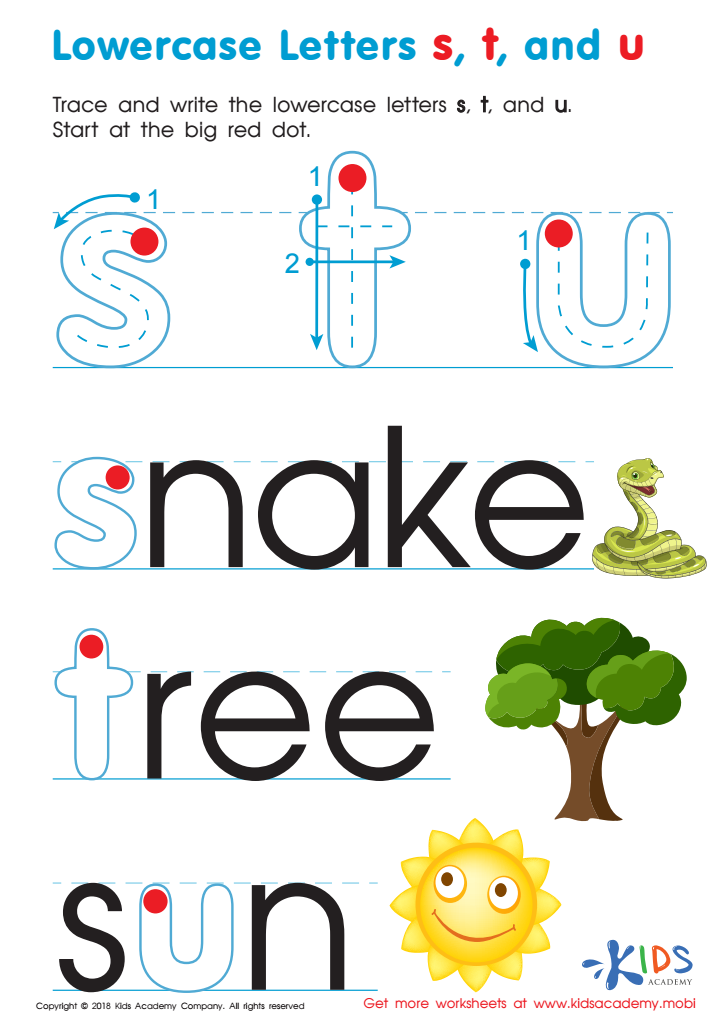
Lowercase Letters s t u Worksheet
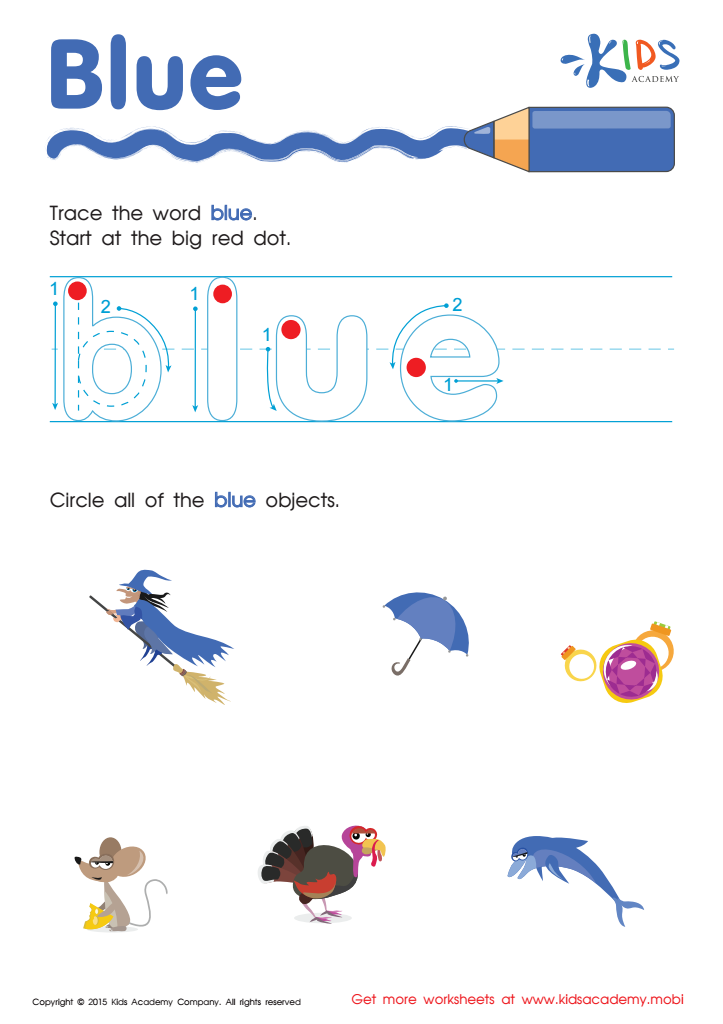
Blue Tracing Color Words Printable
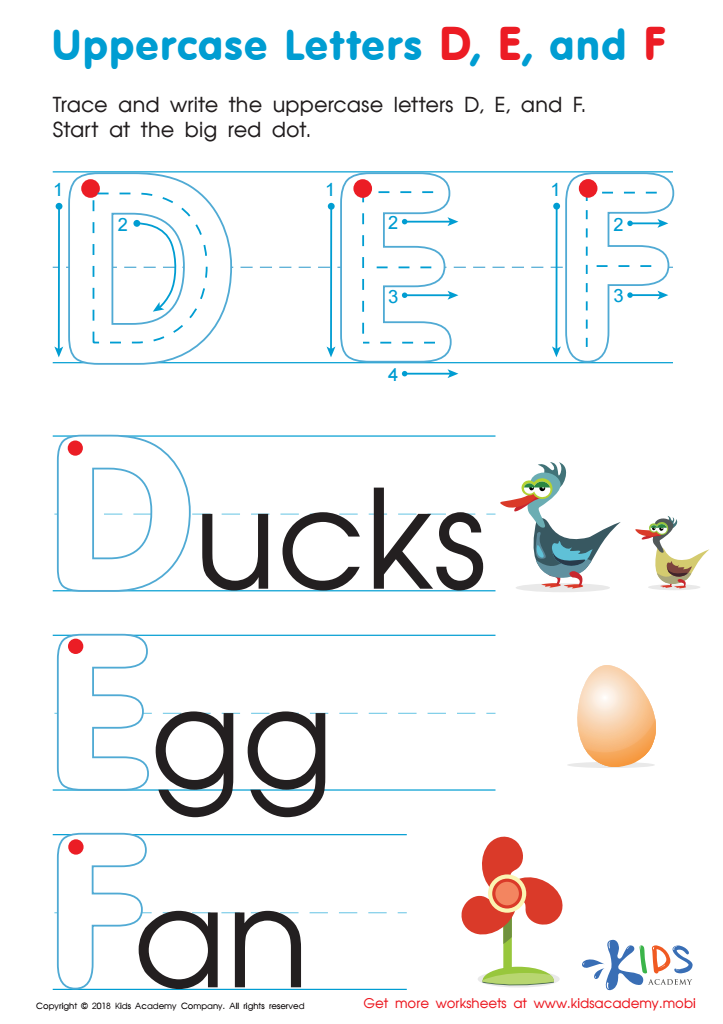
Uppercase Letters D, E, and F Worksheet

Brown Tracing Color Words Worksheet
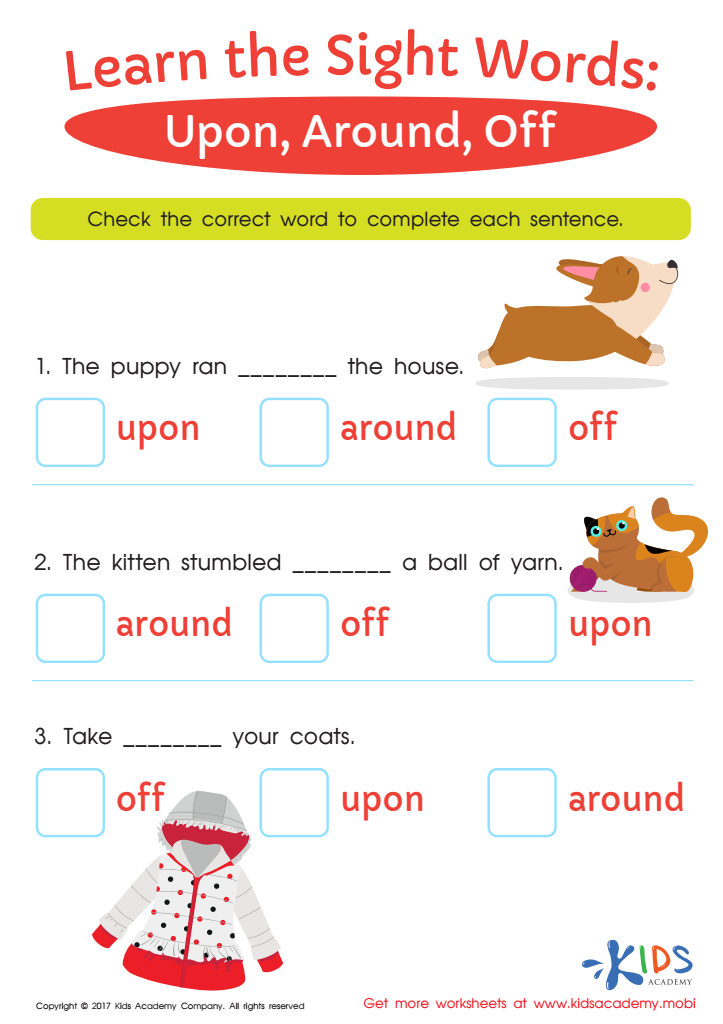
Upon, Around, Off Sight Words Worksheet
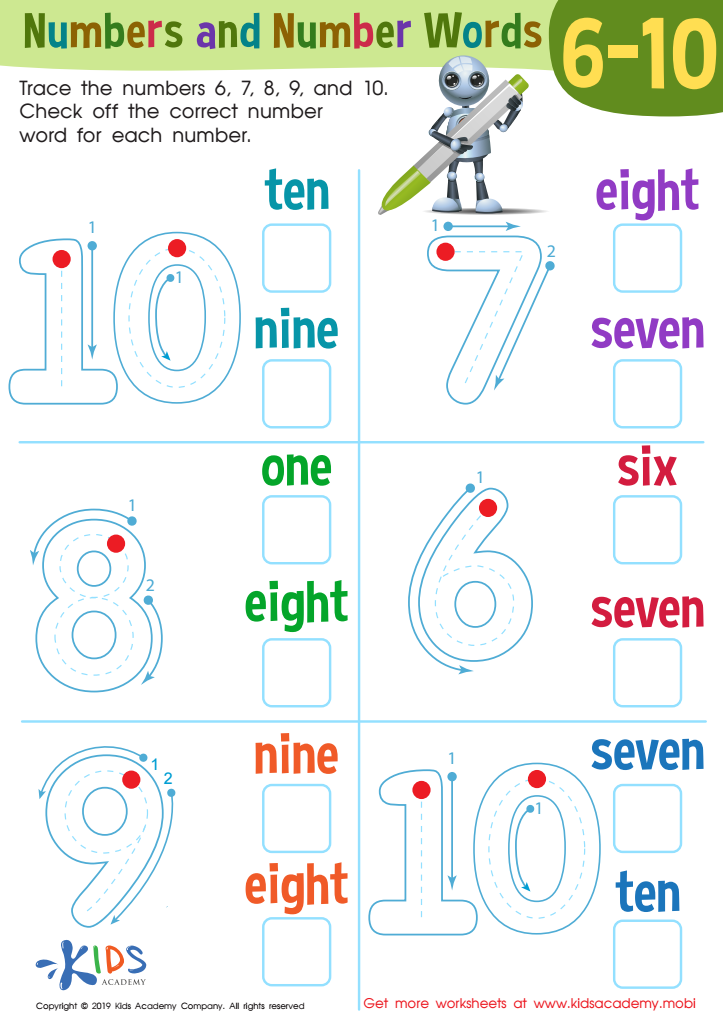
Numbers and Number Words 6–1 Worksheet
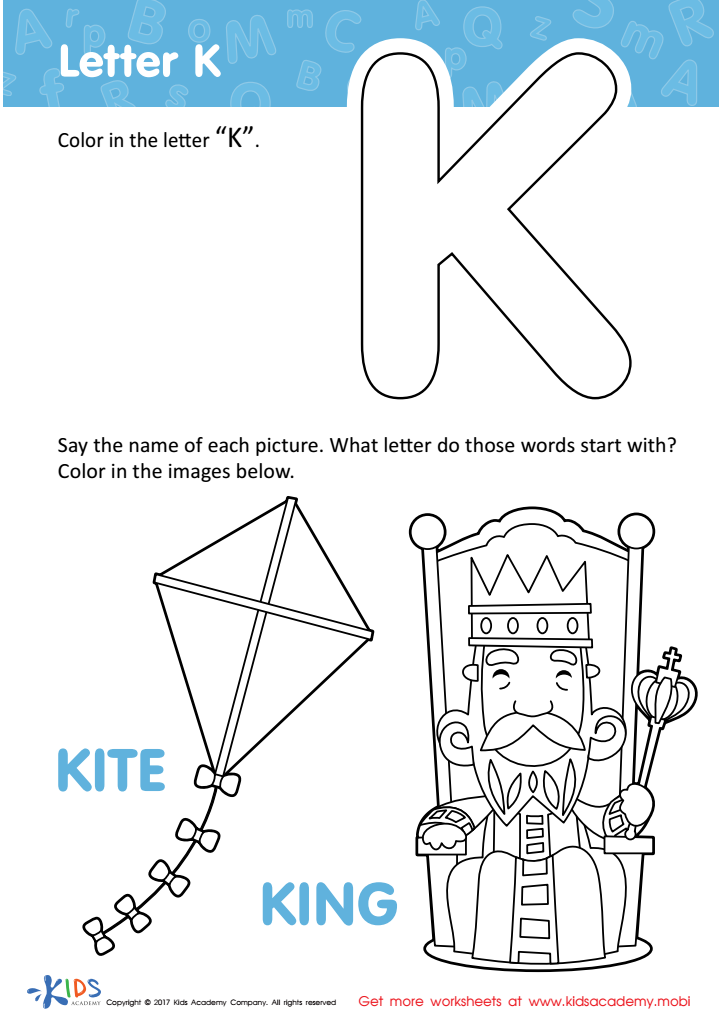
Letter K Coloring Sheet
Assign to My Students
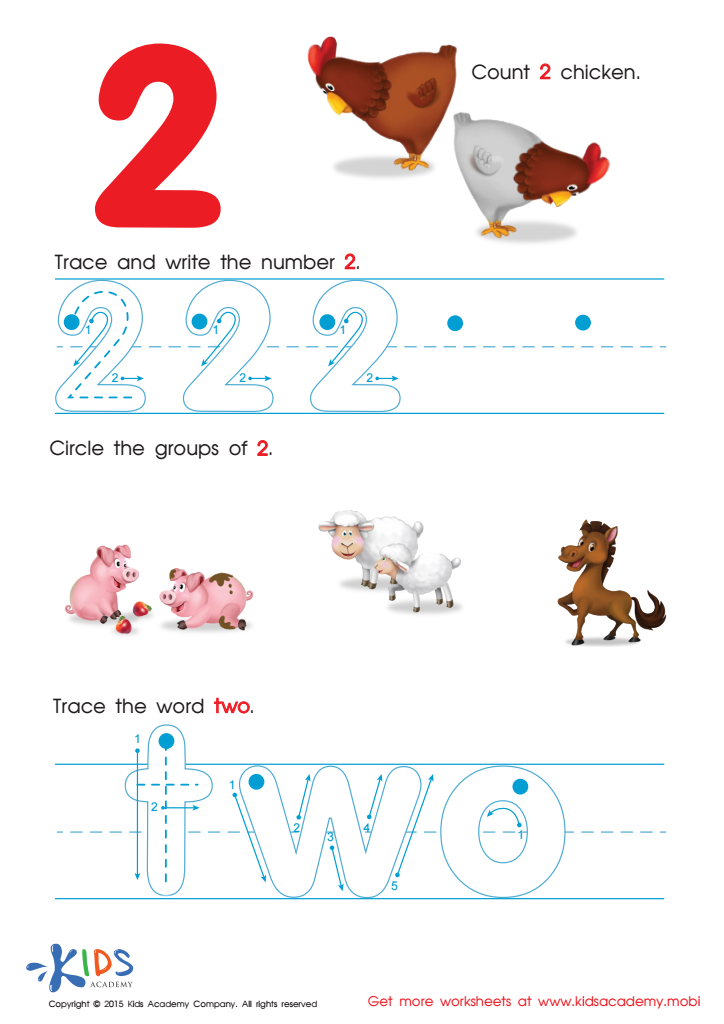
Learn to Write the Number 2 Worksheet







Handwriting practice is crucial for children aged 6-8 as it significantly impacts their overall development and academic success. At this foundational stage, children are refining their fine motor skills, and handwriting helps strengthen the small muscles in their hands and fingers, essential for tasks like buttoning shirts and tying shoelaces. This physical component fosters greater dexterity and coordination, which are critical as they progress through school.
Moreover, handwriting supports cognitive development. The process of forming letters and words engages the brain, enhancing memory retention and comprehension of spelling and vocabulary. Children learning to write discover their thoughts more clearly, a skill vital for expressive writing in later years.
Social-emotional benefits also arise from handwriting practice. As children see their progress and improvement in their writing skills, it boosts their confidence and instills a sense of achievement. Writing by hand allows for personal expression and creativity, sharpening storytelling and communication abilities.
Lastly, filling the gaps in the digital age, teaching handwriting ensures children understand the basic tools of communication, which remains essential despite technological advancements. Therefore, parents and teachers should prioritize handwriting practice as it lays the groundwork for a child’s long-term educational journey.








