Logical thinking Normal Worksheets for Ages 6-8
12 filtered results
-
From - To
Our "Logical Thinking Normal Worksheets for Ages 6-8" are designed to boost critical thinking and problem-solving skills in young minds. These engaging activities challenge children to recognize patterns, sequences, and relationships, laying a solid foundation for future learning. With our fun, age-appropriate worksheets, kids will develop essential skills such as reasoning, decision-making, and analytical thinking. Perfect for both classroom and at-home learning, these resources are crafted to keep kids motivated and excited about learning. Help your child improve their logical thinking abilities while having fun with our expertly designed worksheets!
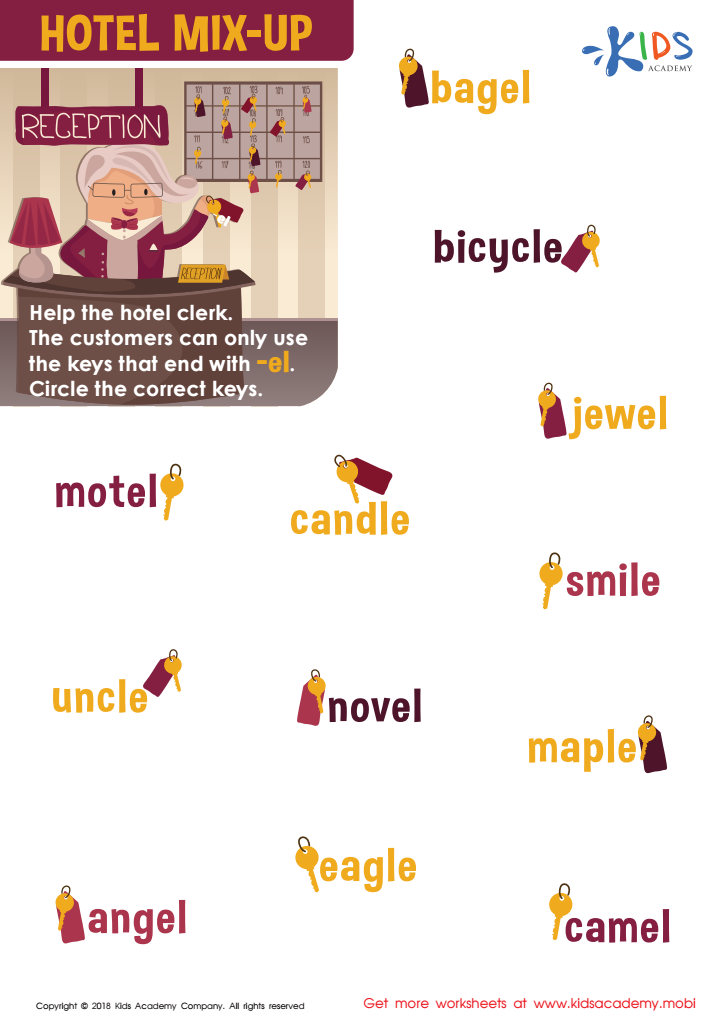
Hotel Mix-up Worksheet
 Assign to My Students
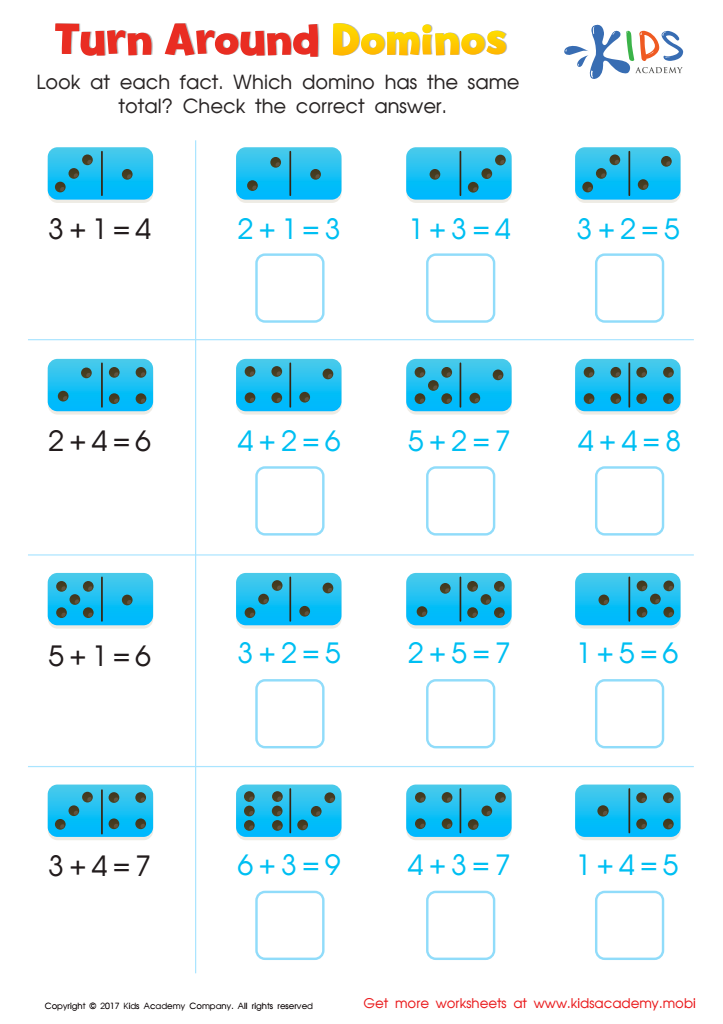
Turn Around Dominos Worksheet
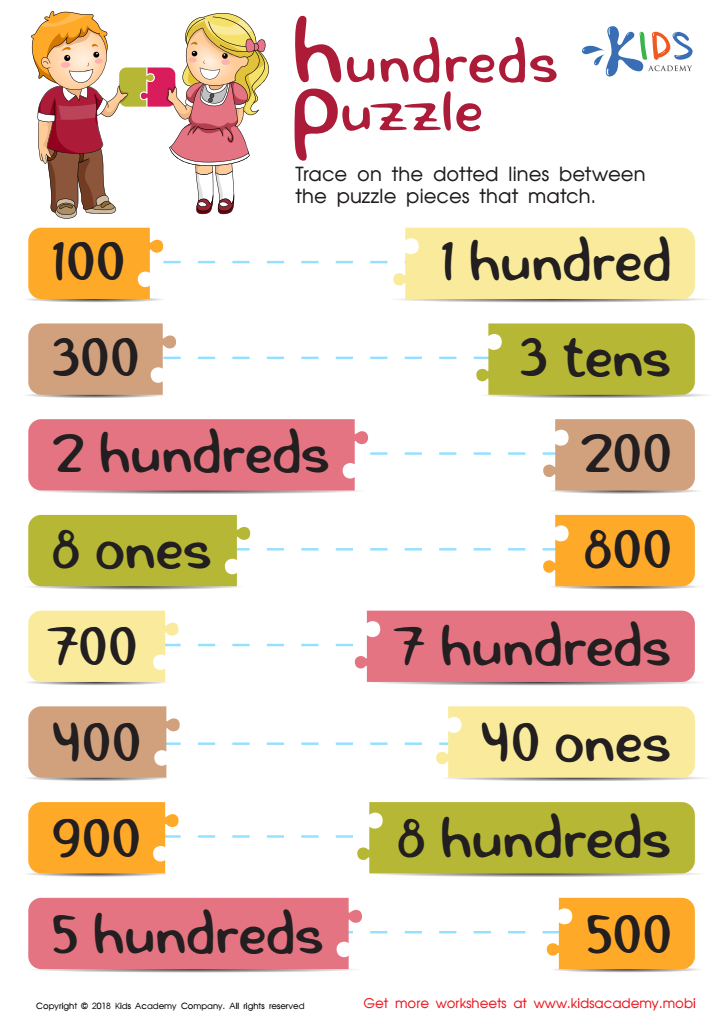
Hundreds Puzzle Worksheet

The Dog and His Bone Worksheet
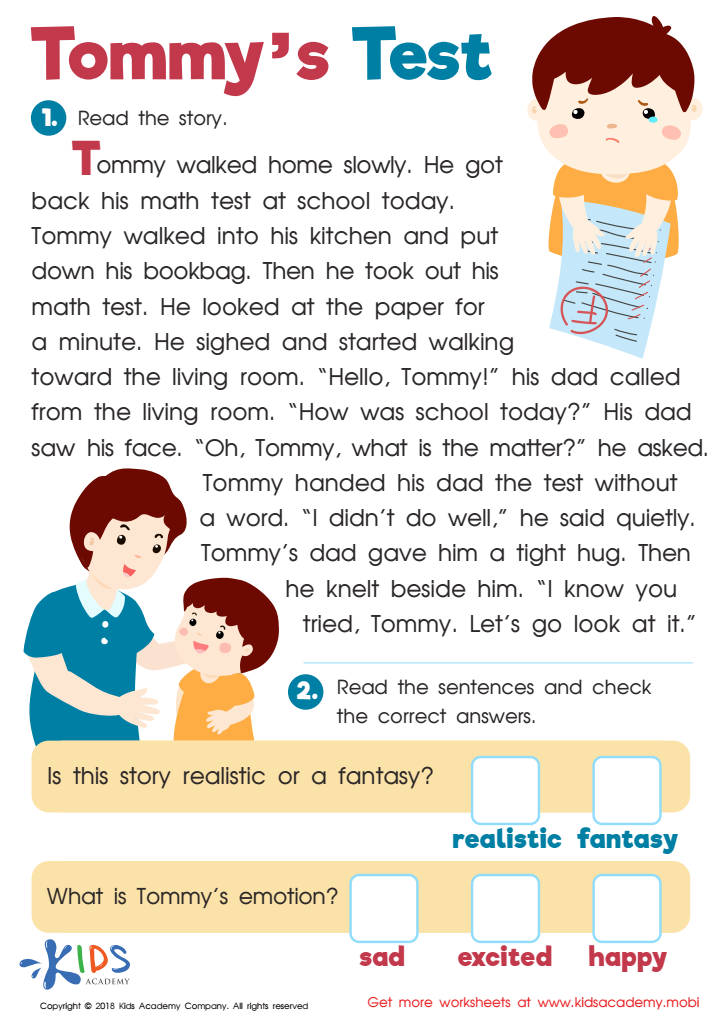
Tommys Test Worksheet
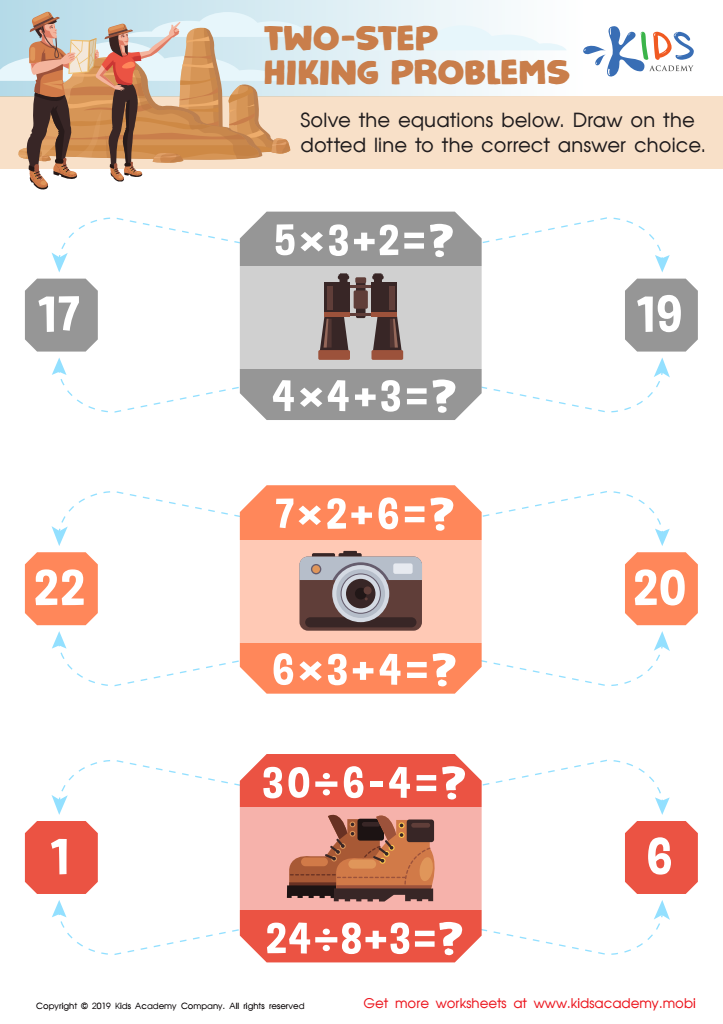
Two-Step Hiking Problems Worksheet
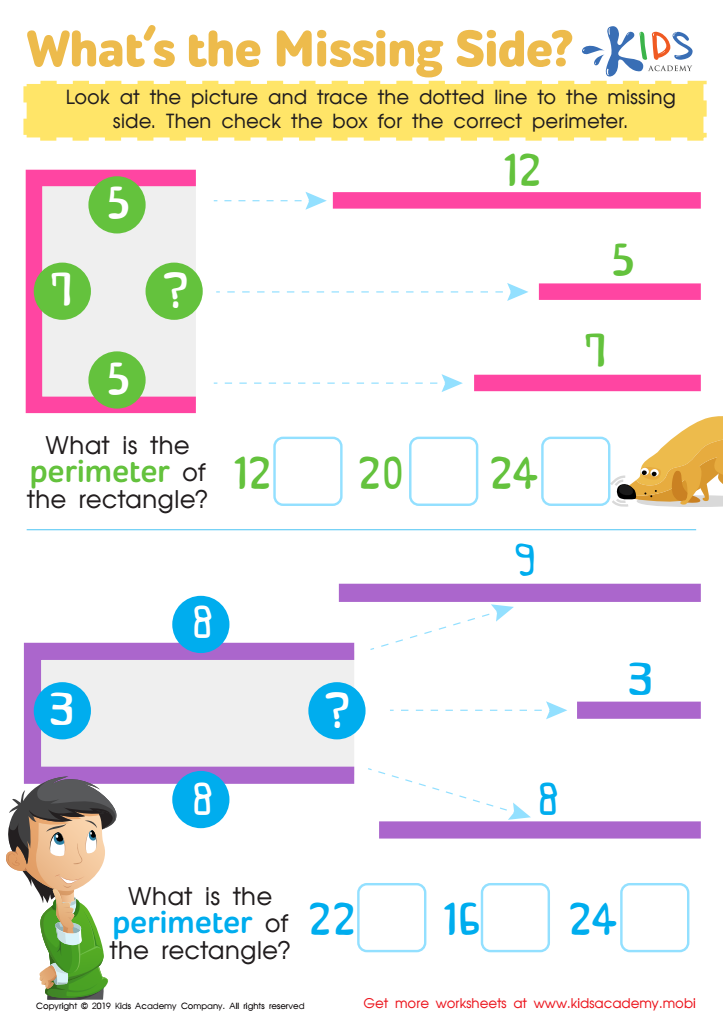
What's the Missing Side Worksheet

Cinderella Geometry Maze Worksheet
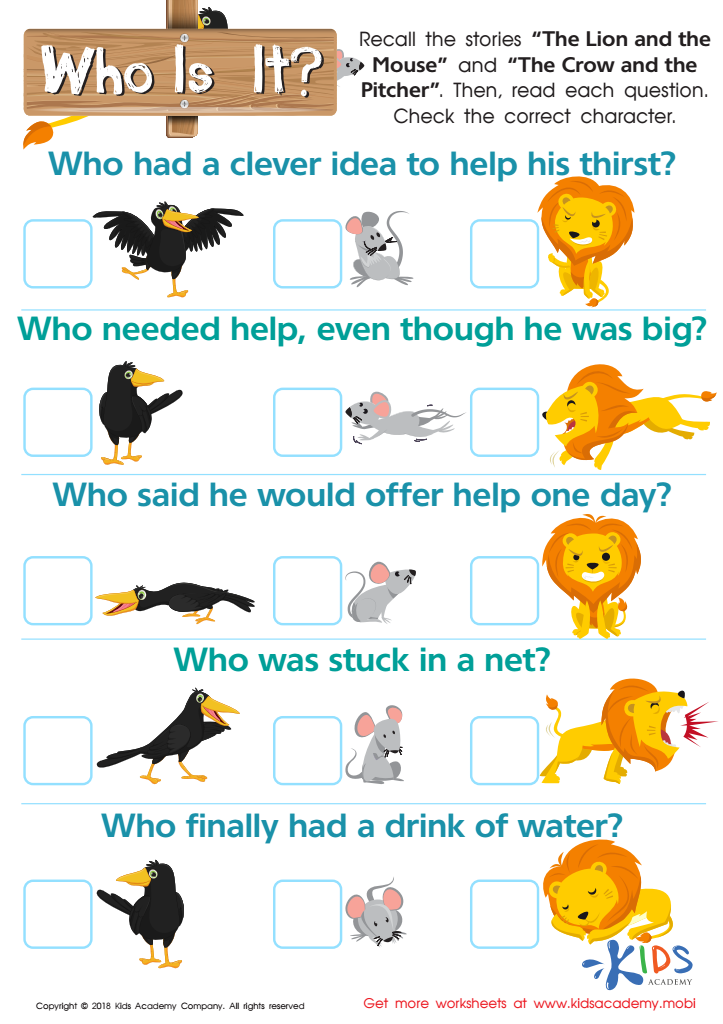
Who Is It? Worksheet
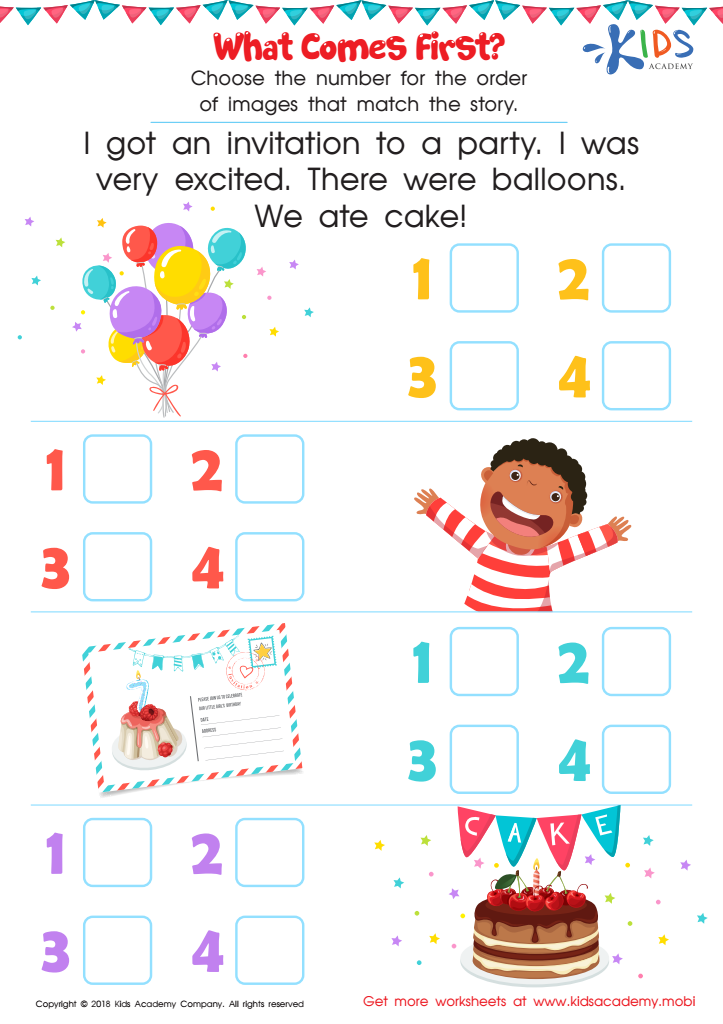
What Comes First Worksheet
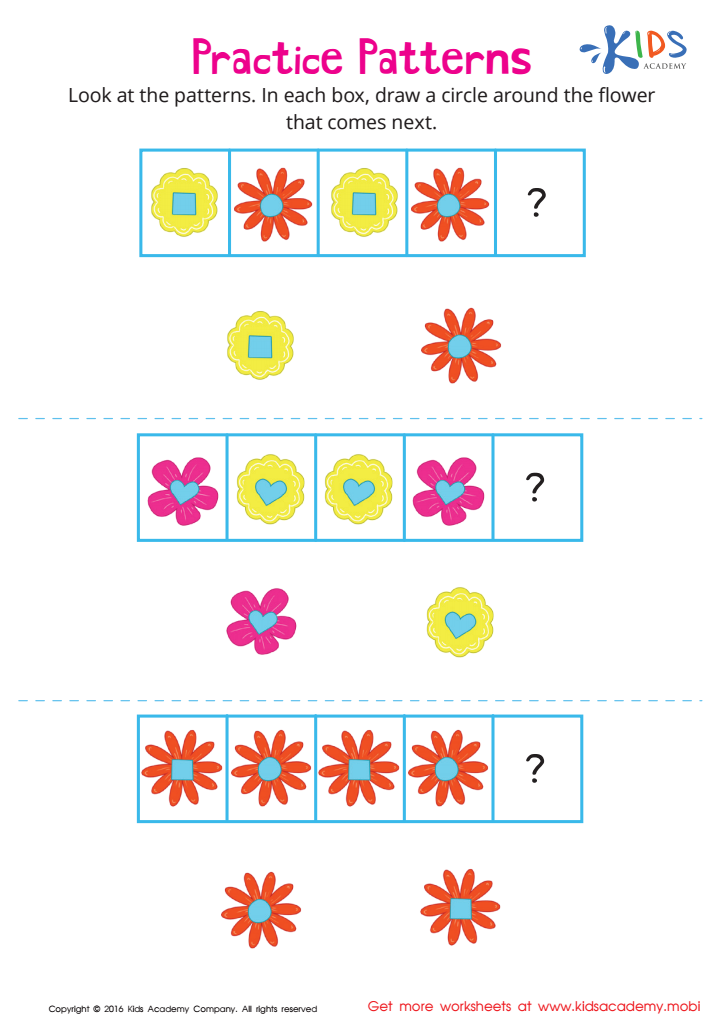
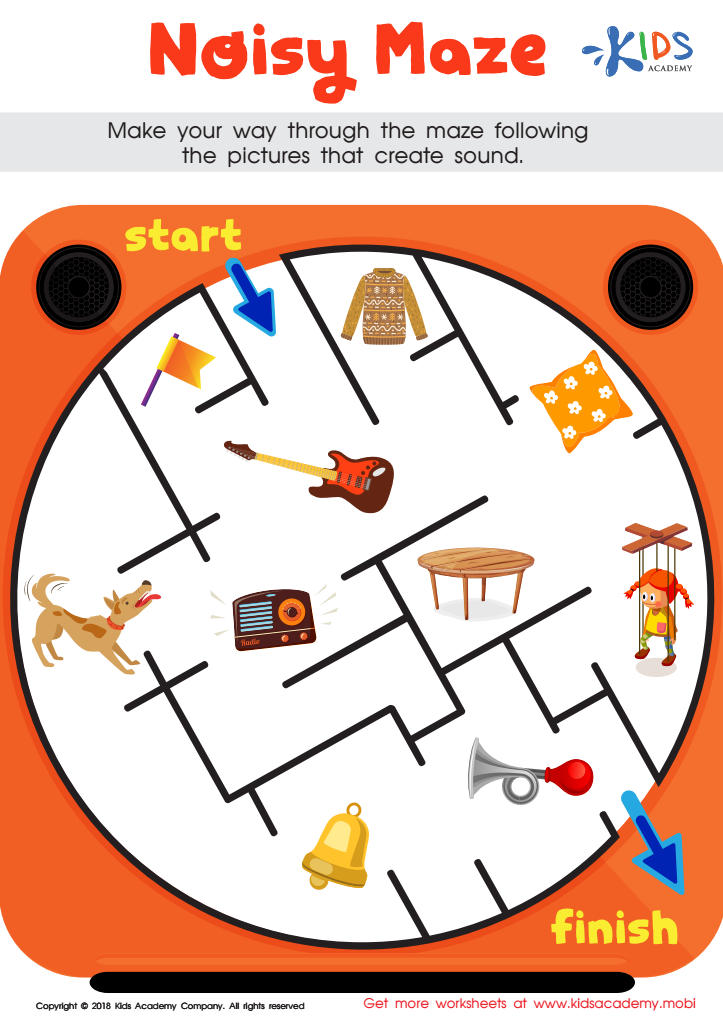
Noisy Maze Worksheet








Parents and teachers should care about logical thinking for children aged 6-8 because it is foundational to their cognitive development, problem-solving skills, and academic achievement. At this critical age, children transition from concrete to more abstract thinking. Logical thinking skills, such as ordering, classifying, and organizing information, equip children to better understand the world around them.
For example, mastering these skills can enhance their performance in subjects like mathematics, reading comprehension, and science. When children can think logically, they are more adept at following multi-step directions, identifying patterns, and drawing conclusions from information—all crucial skills for successful learning and everyday functioning.
Moreover, fostering logical thinking helps develop critical thinking and decision-making skills from an early age. Children learn to approach problems systematically, consider various solutions, and make reasoned choices. This not only aids in academic scenarios but also in social interactions where they might need to negotiate or resolve conflicts.
Encouraging logical thinking increases children's confidence and independence, enabling them to tackle challenges persistently and with resilience. Therefore, integrating activities that promote reasoning, such as puzzles, sequencing games, and hands-on experiments, is essential. In summary, investing time in developing these skills sets a strong, versatile foundation for children's future academic and personal success.








