Normal Alphabet Worksheets for Ages 6-9 - Page 6
250 filtered results
-
From - To
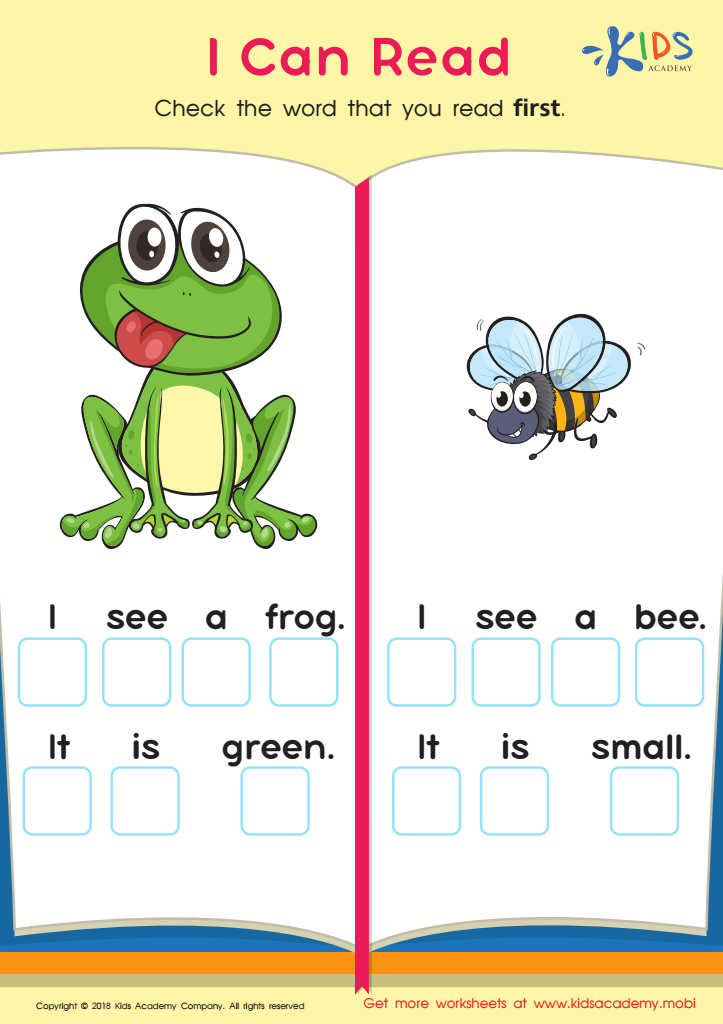
I Can Read Worksheet
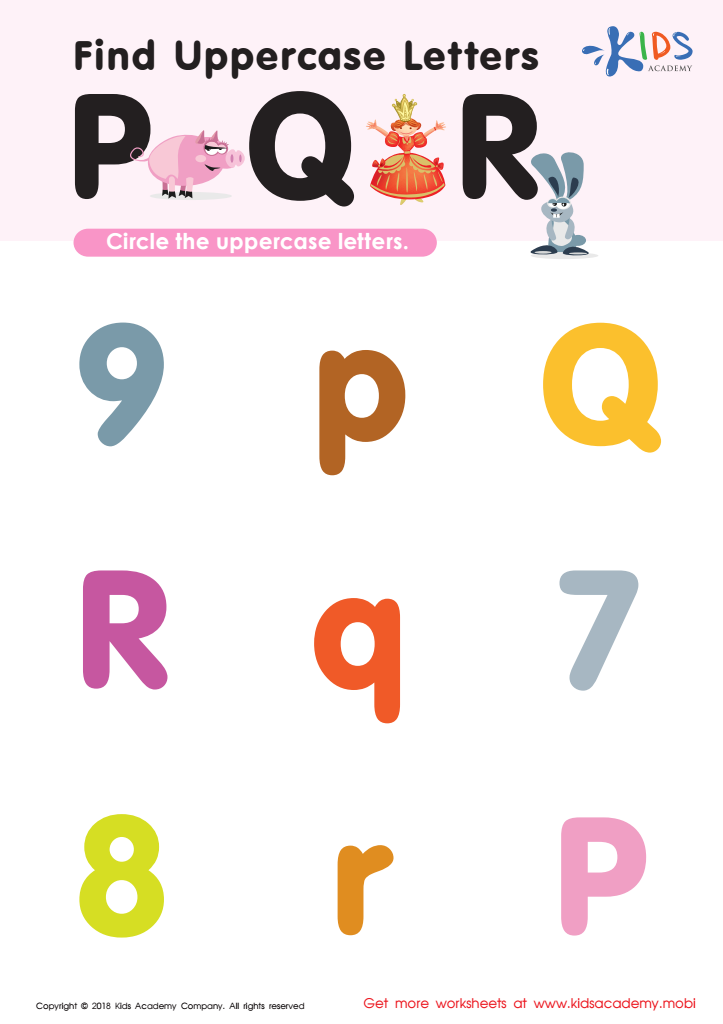
Find Uppercase Letters P, Q, and R Worksheet
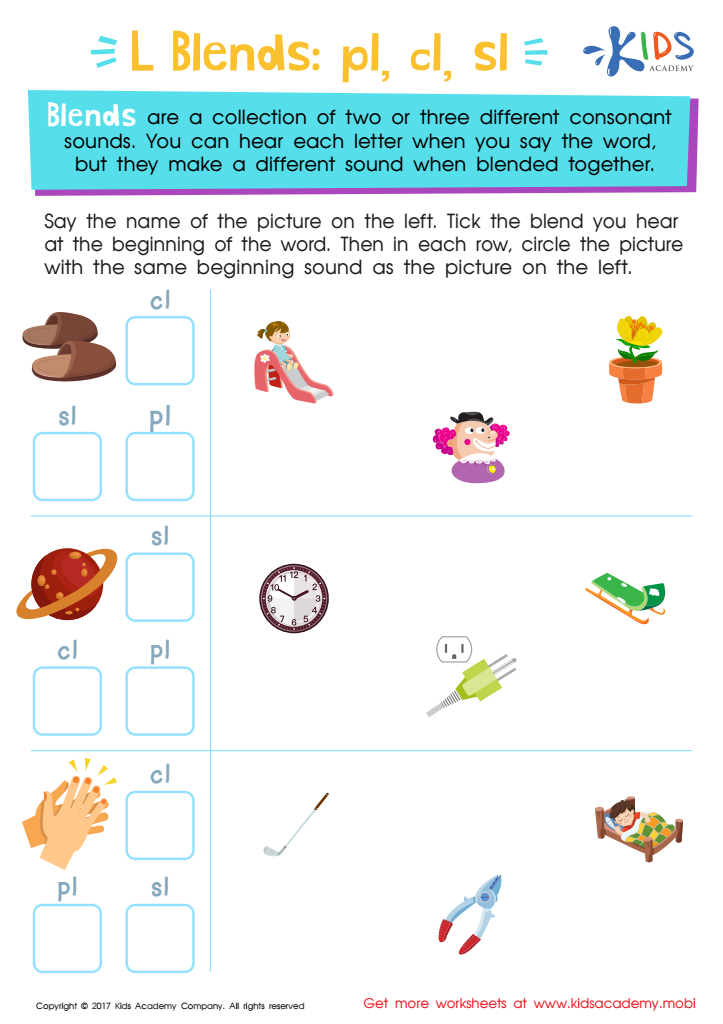
L Blends: "Pl", "Cl" and "Sl" Printable
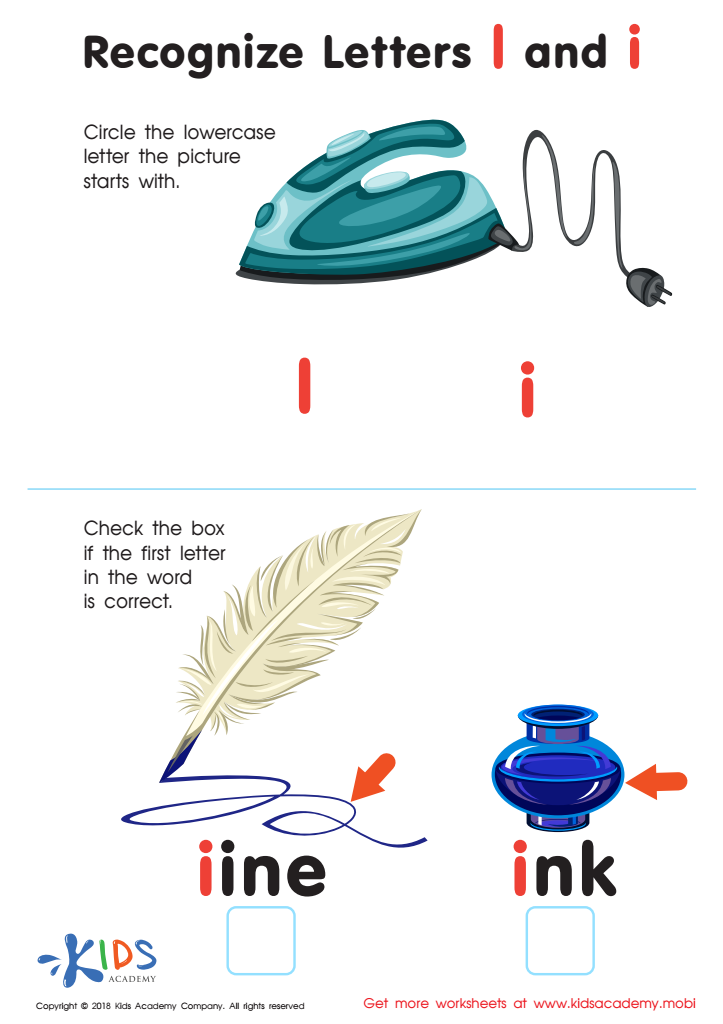
Recognize Letters l and i Worksheet
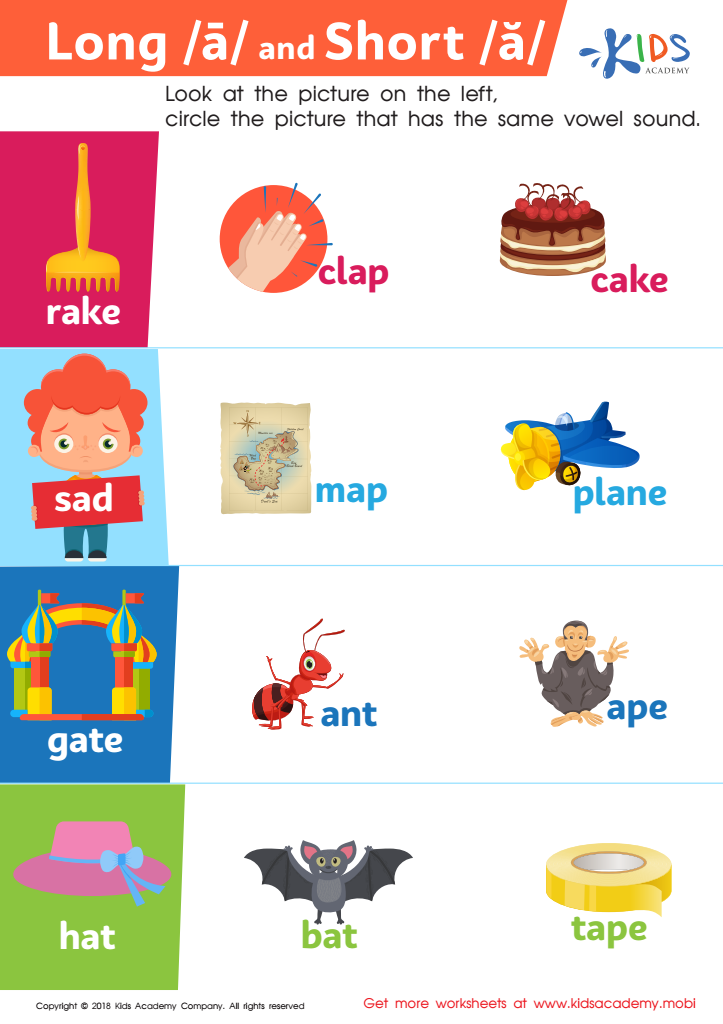
Reading: Long a and Short a Worksheet
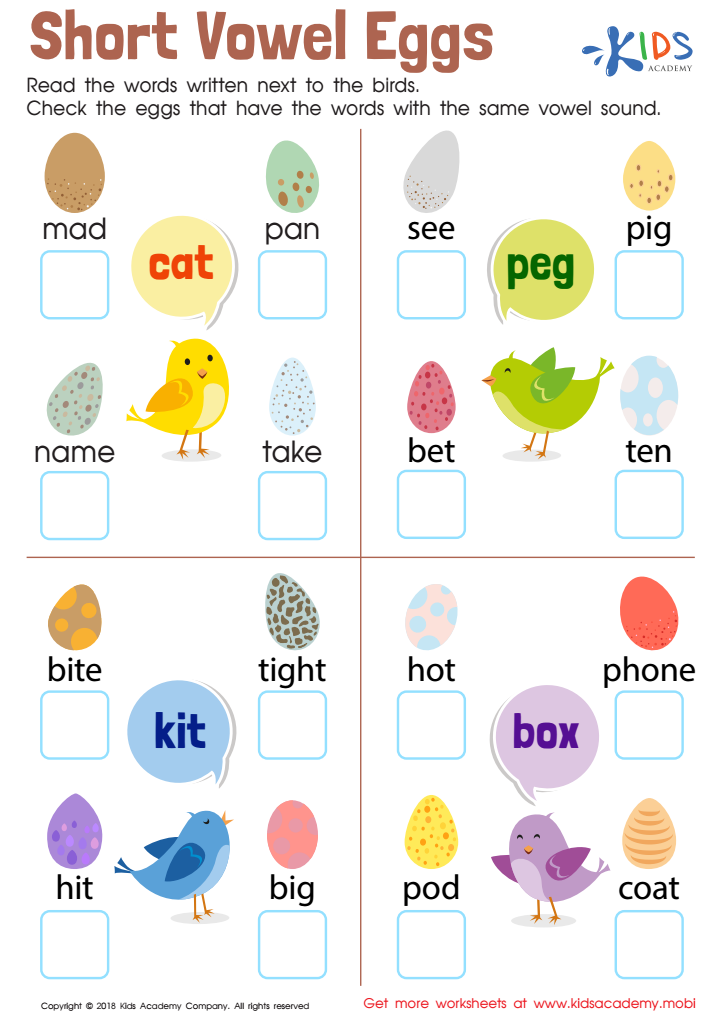
Short Vowel Eggs Worksheet
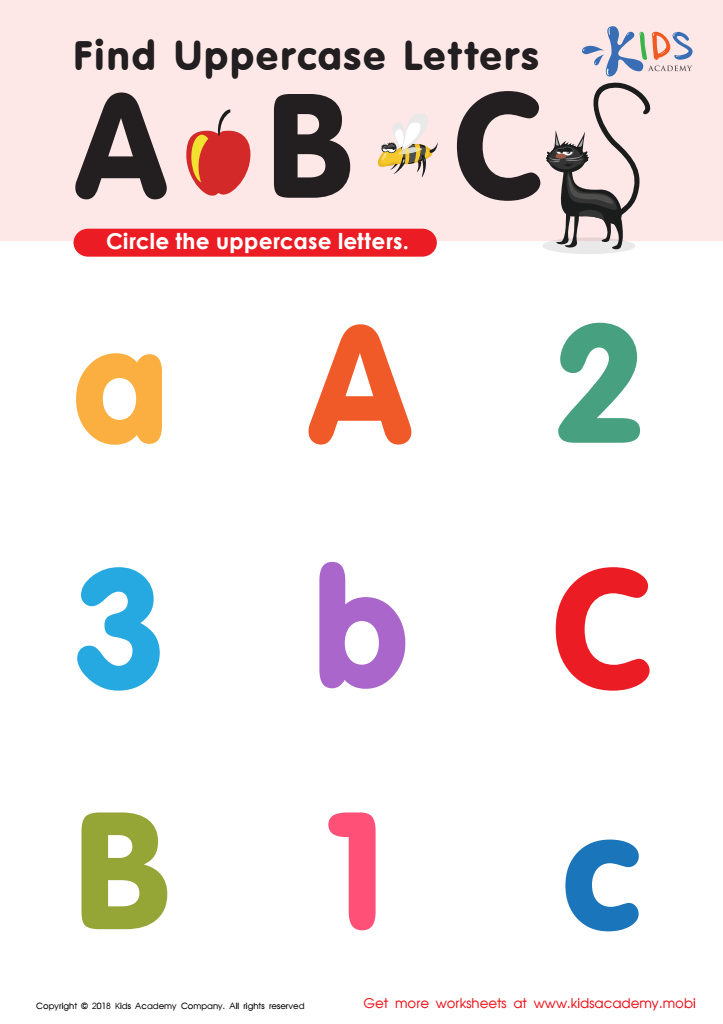
Find Uppercase Letters A, B, and C Worksheet
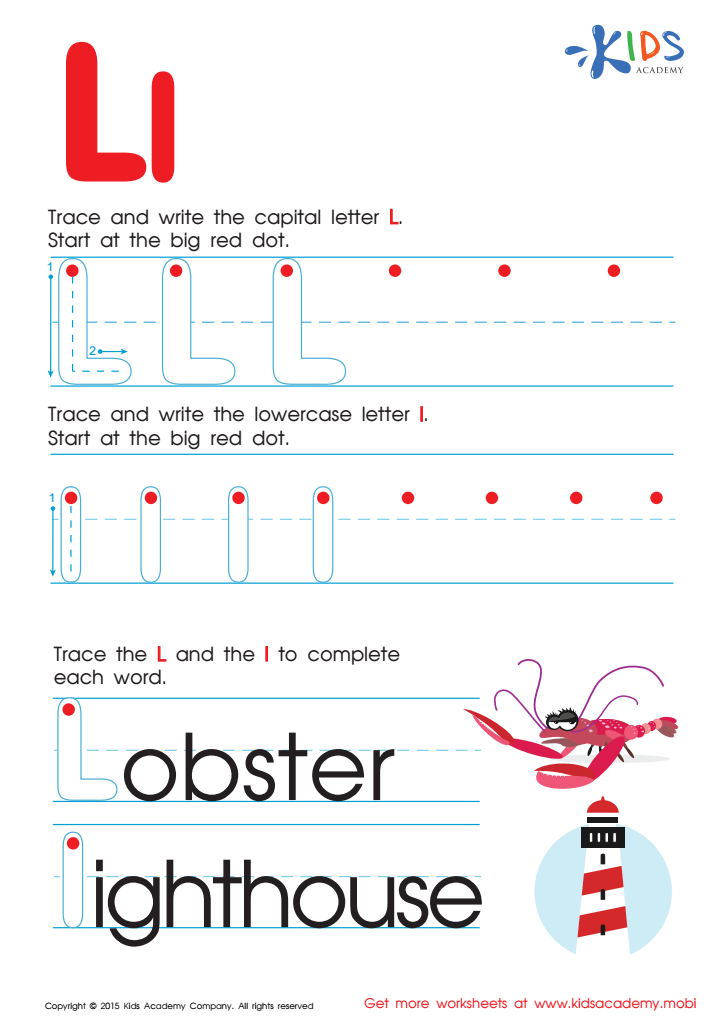
Letter L Tracing Page
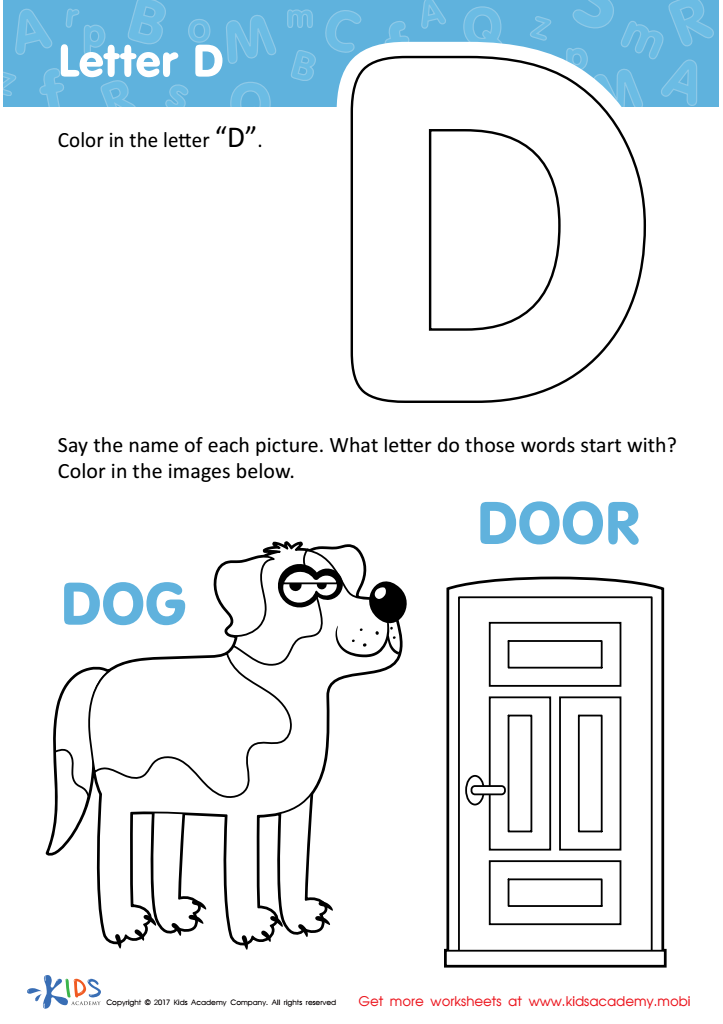
Letter D Coloring Sheet
 Assign to My Students
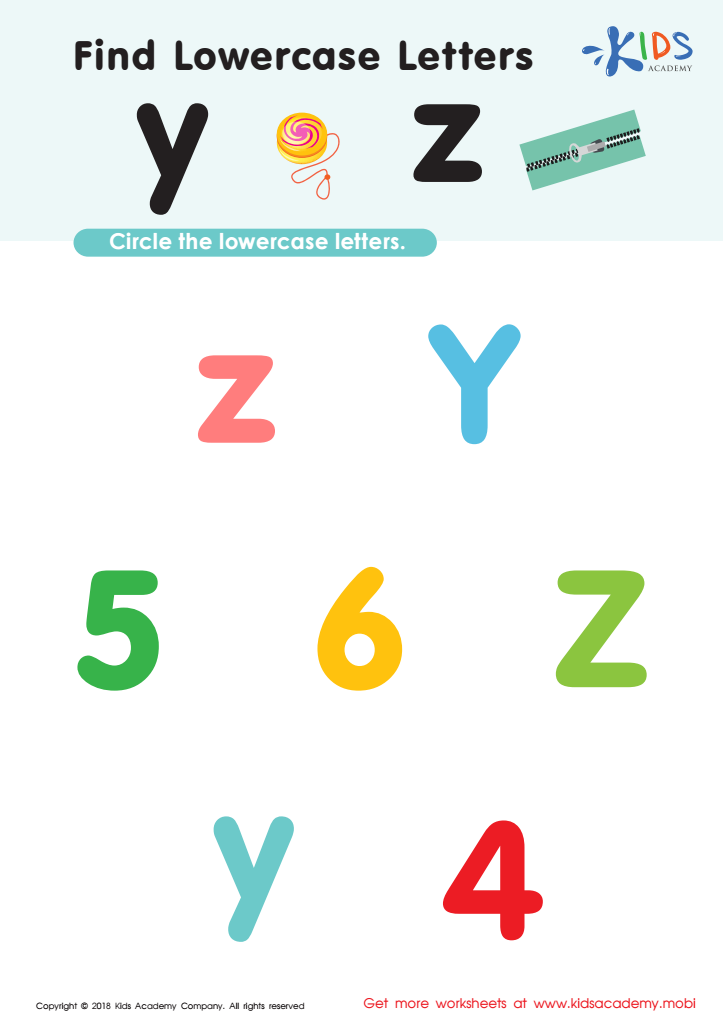
Find Lowercase Letters y z Worksheet

Letter E Tracing Worksheet
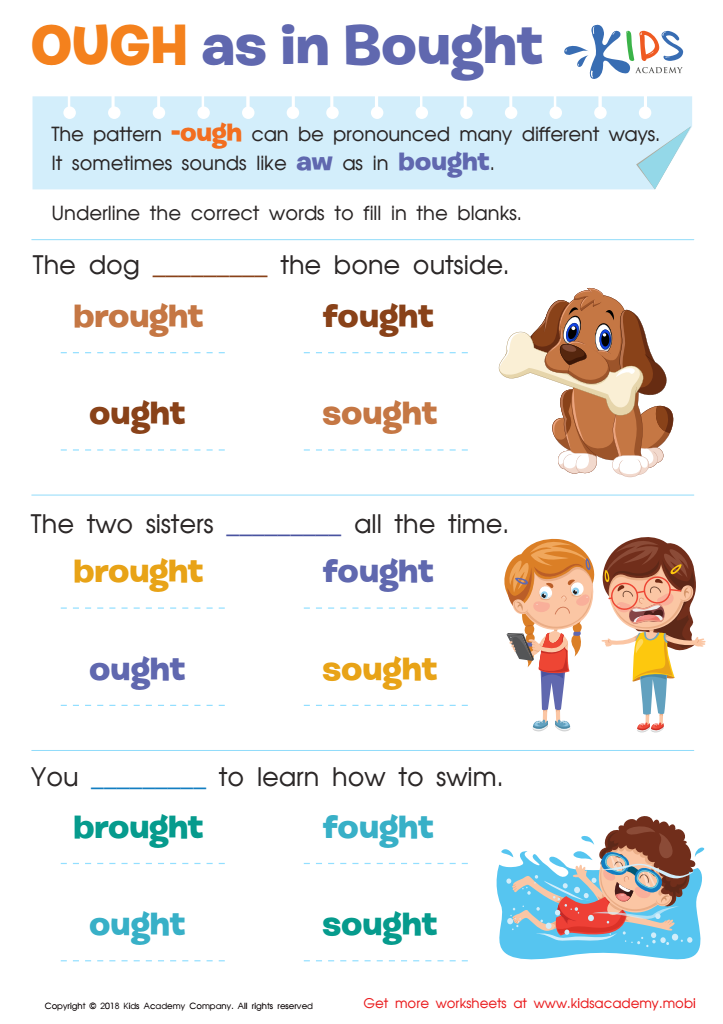
OUGH as in Bought Worksheet
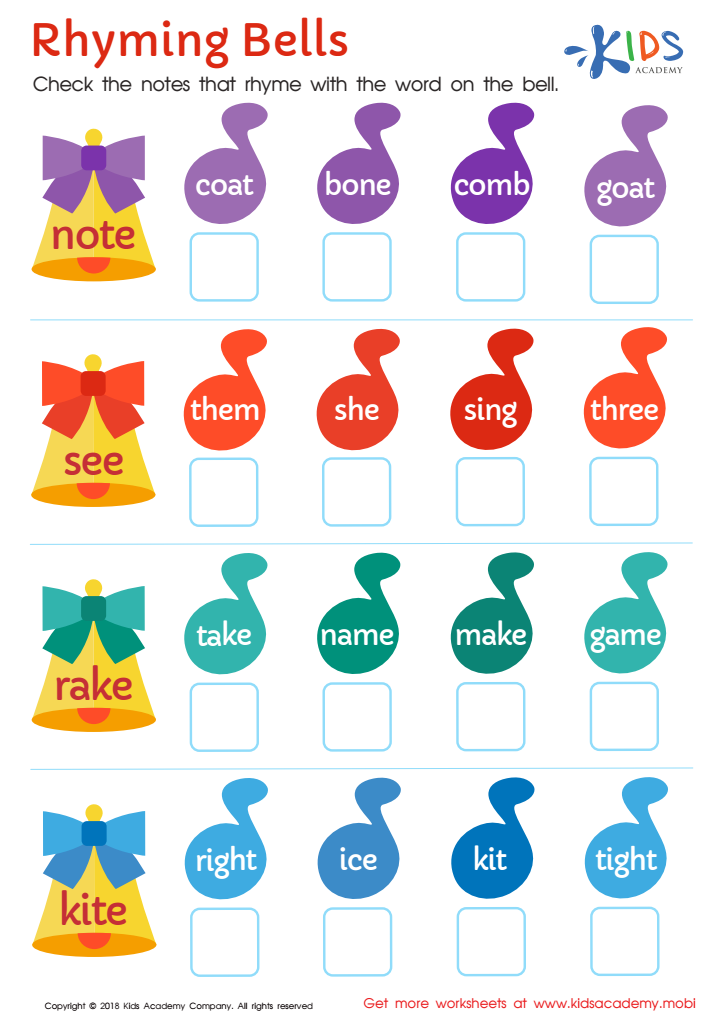
Rhyming Bells Worksheet
Letter I Coloring Sheet
Assign to My Students
Find the Vowels Reading Worksheet
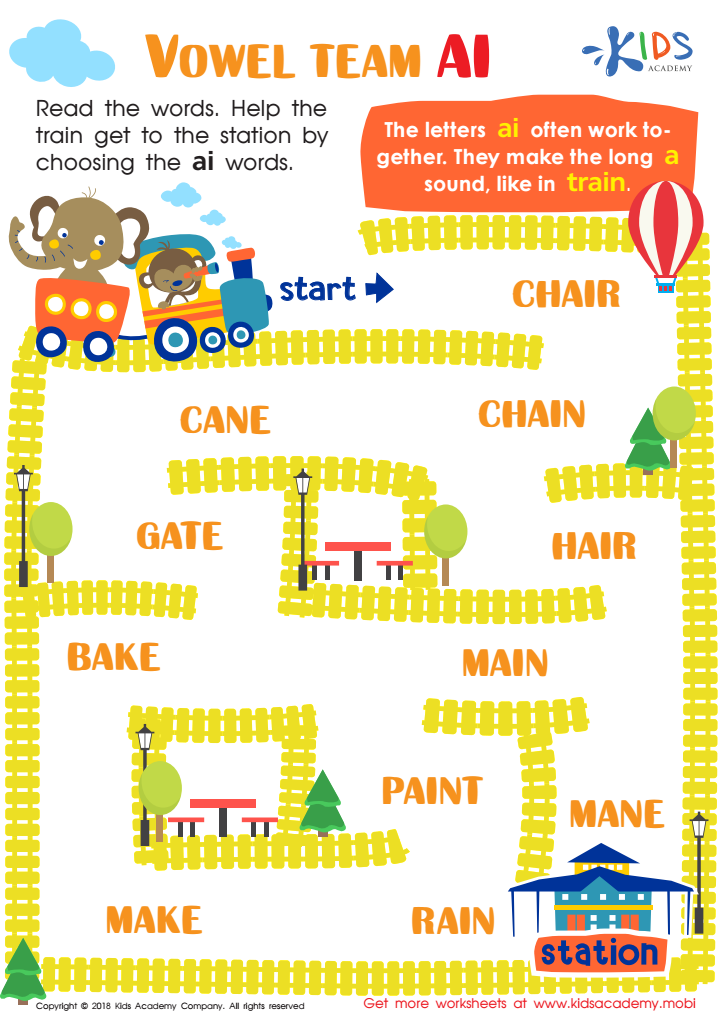
Vowel team ai Worksheet
Long and Short U Worksheet
Assign to My Students
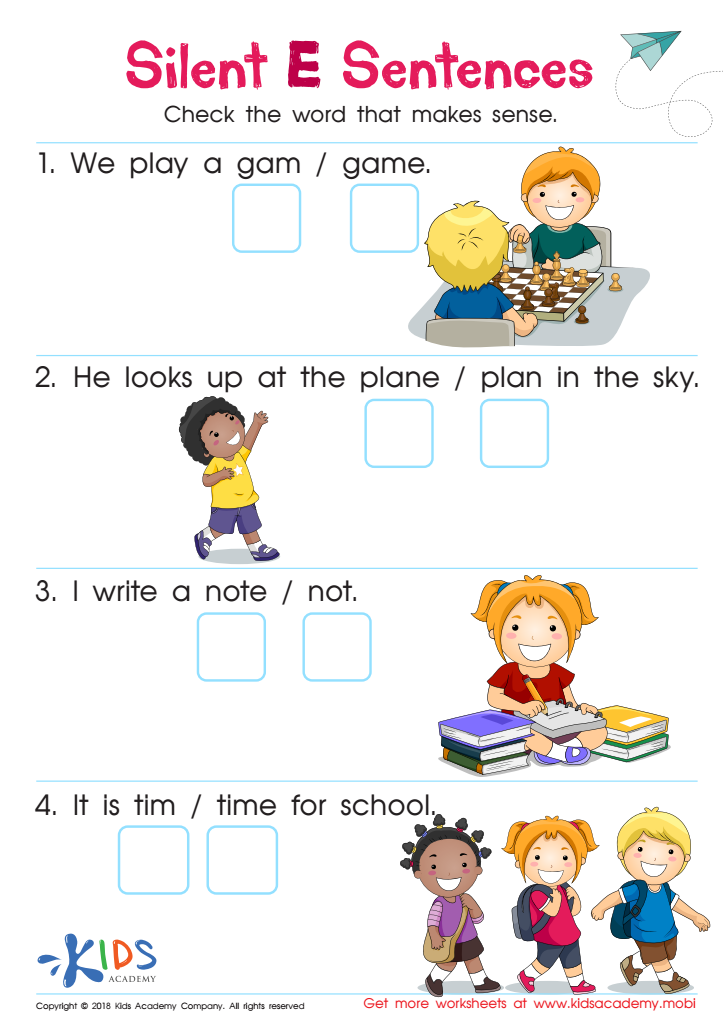
Silent E Sentences Worksheet
Long and Short A Worksheet
Assign to My Students
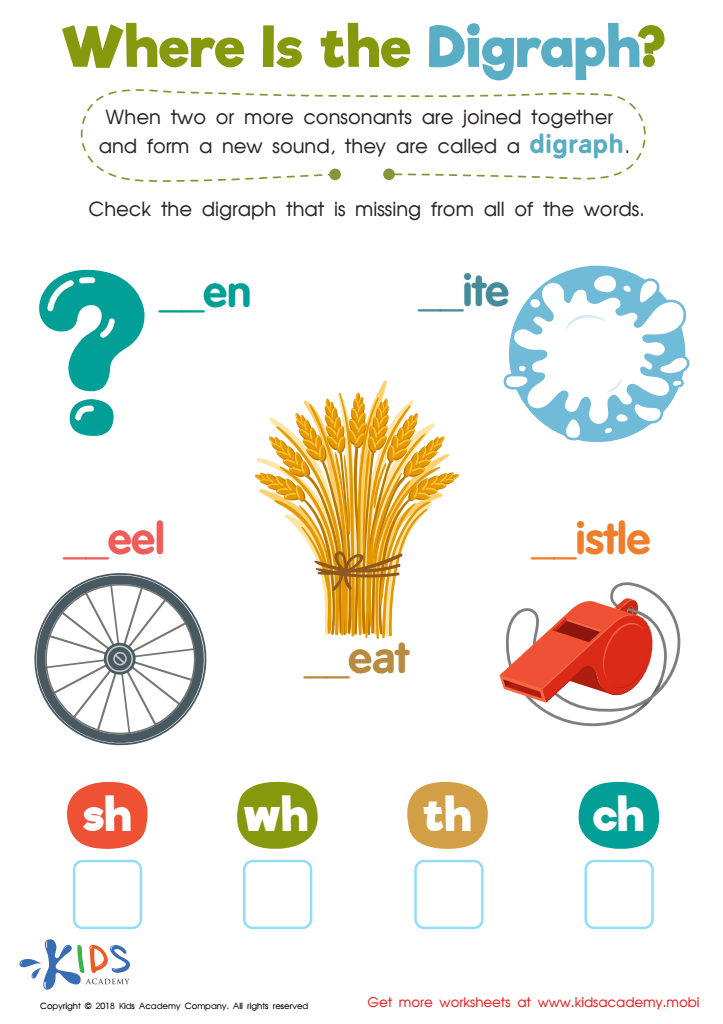
Where Is the Digraph? Worksheet
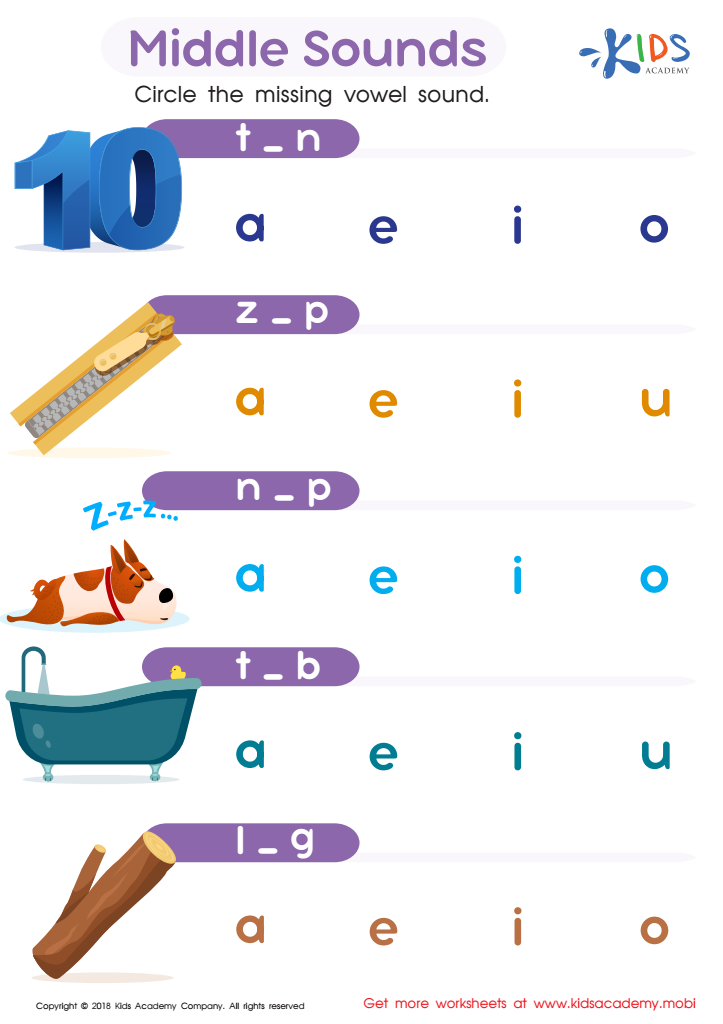
Middle Sounds Worksheet
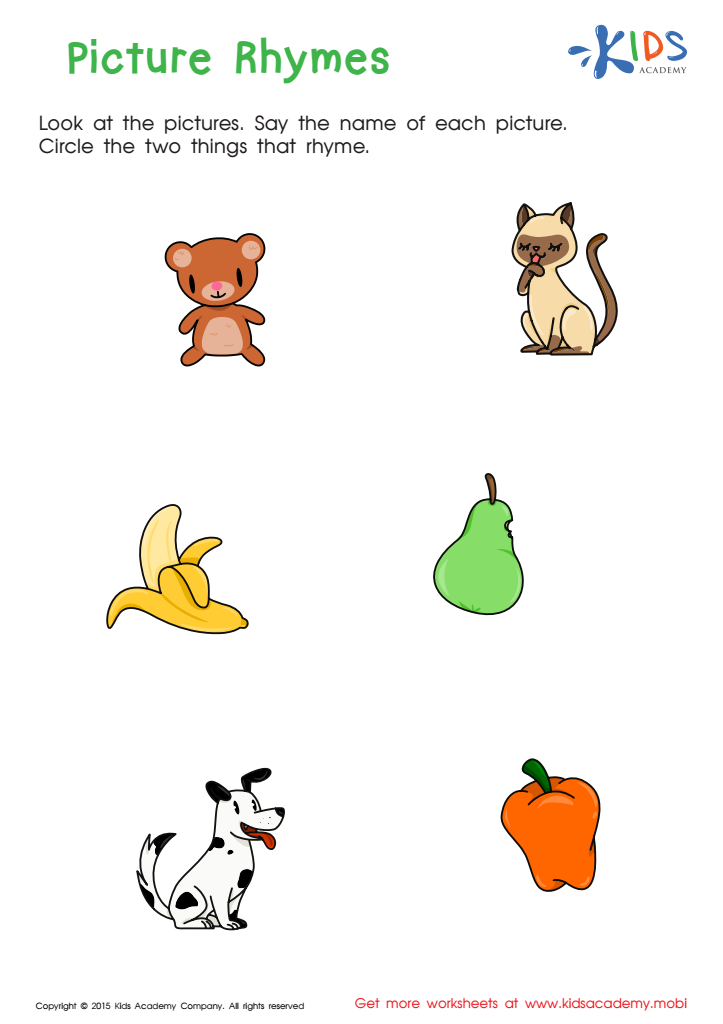
First Words: Picture Rhymes Worksheet
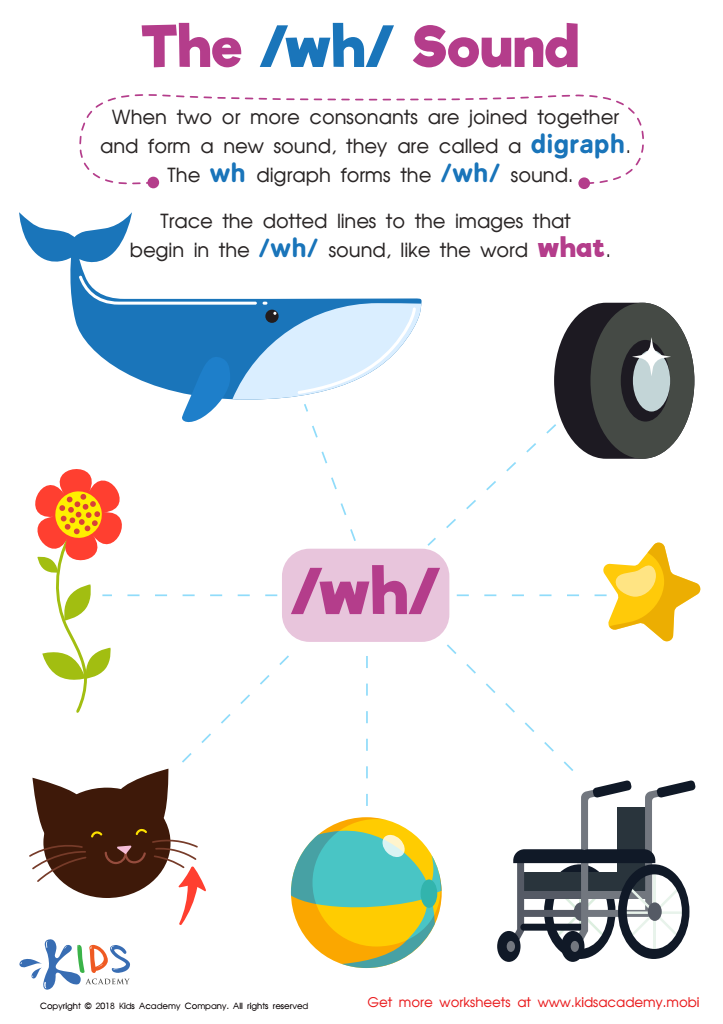
The /wh/ Sound Worksheet
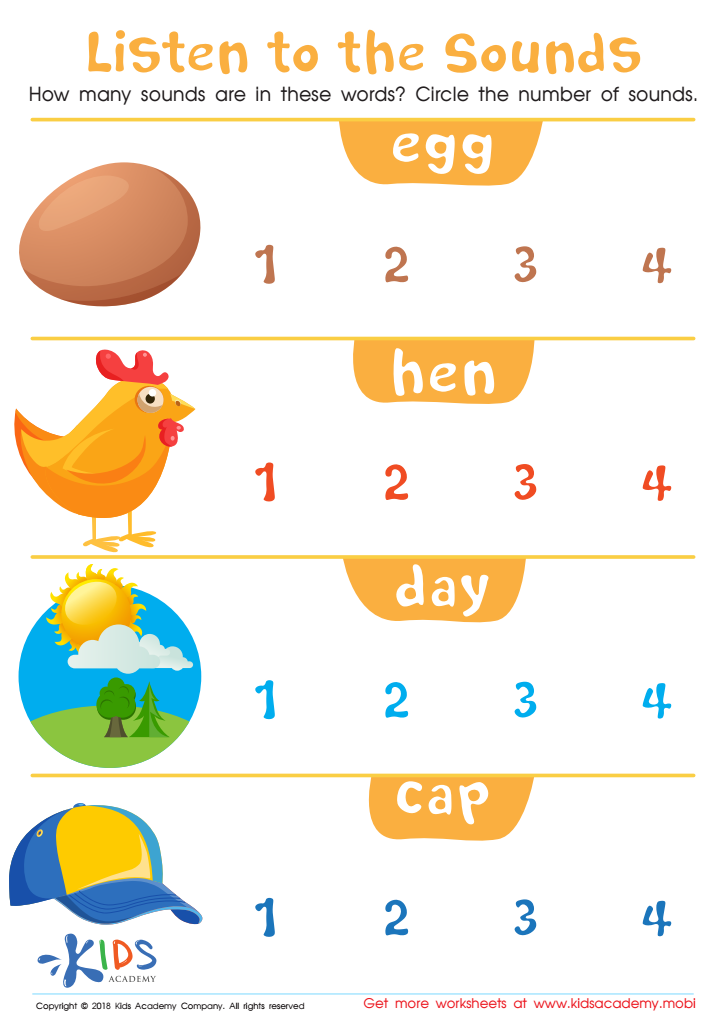
Listen to the Sounds Worksheet







Parents and teachers should prioritize knowledge of the Normal Alphabet for children aged 6-9 because it lays the crucial foundation for effective literacy skills. During this developmental stage, children refine their understanding of letters and their sounds, which is essential for reading and writing. Familiarity with the alphabet enhances phonemic awareness, allowing children to decode words, improving their overall reading fluency and comprehension.
Furthermore, the Normal Alphabet introduces children to the concept of letter formation and recognition, which is vital for handwriting skills. As they practice writing letters consistently, students develop their fine motor skills, which are essential for many everyday tasks beyond literacy.
Socially, mastering the Normal Alphabet empowers children to express themselves through writing, building their confidence and encouraging communication. It fosters a love for reading, ultimately influencing their educational trajectory.
Additionally, learning the Normal Alphabet in a structured environment allows for the integration of creativity, such as storytelling and language games, making education enjoyable. Overall, parents and educators play a pivotal role in supporting children during this crucial learning period, ensuring they are prepared for future academic success and lifelong literacy appreciation.







