Normal Phonics Coloring Pages Worksheets for Ages 6-9
10 filtered results
-
From - To
Discover our engaging Normal Phonics Coloring Pages Worksheets, specially designed for children aged 6-9! These fun and interactive worksheets combine the excitement of coloring with essential phonics practice, helping young learners strengthen their reading and writing skills. Each page features captivating illustrations tied to phonetic sounds, allowing kids to explore letters and words creatively. Perfect for classroom activities or at-home learning, these coloring pages promote fine motor skills while reinforcing phonemic awareness. Download our printable worksheets today and provide your child with a joyful way to enhance their phonics knowledge through art! Ideal for early education and literacy development.
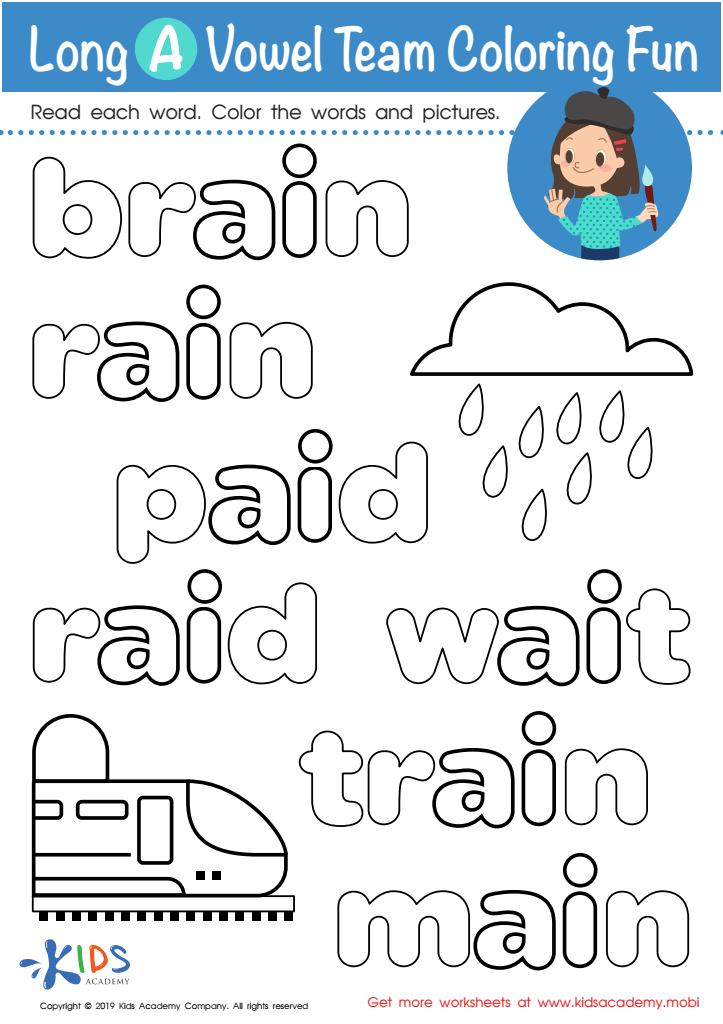
Long A Vowel Team Coloring Fun Worksheet
 Assign to My Students
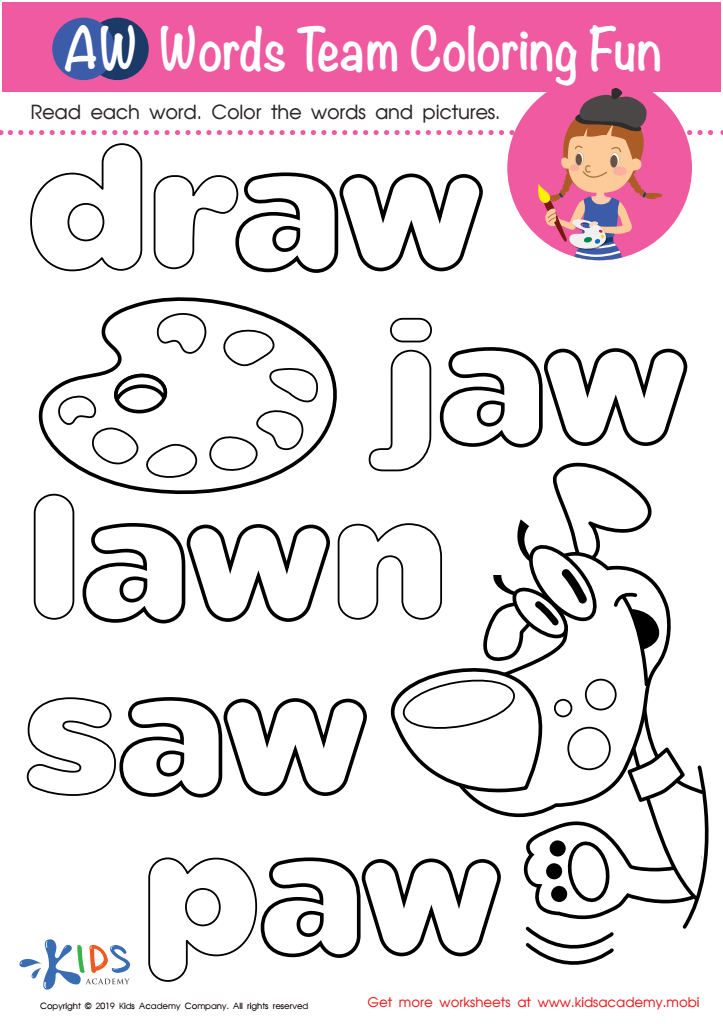
AW Words Team Coloring Fun Worksheet
Assign to My Students
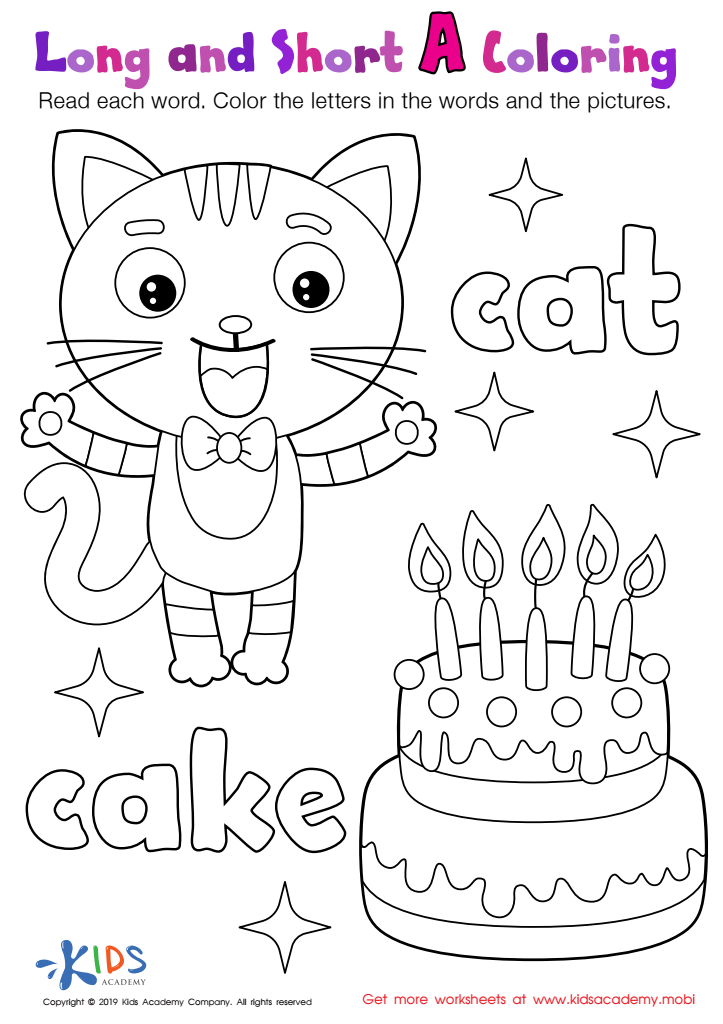
Long and Short A Worksheet
Assign to My Students
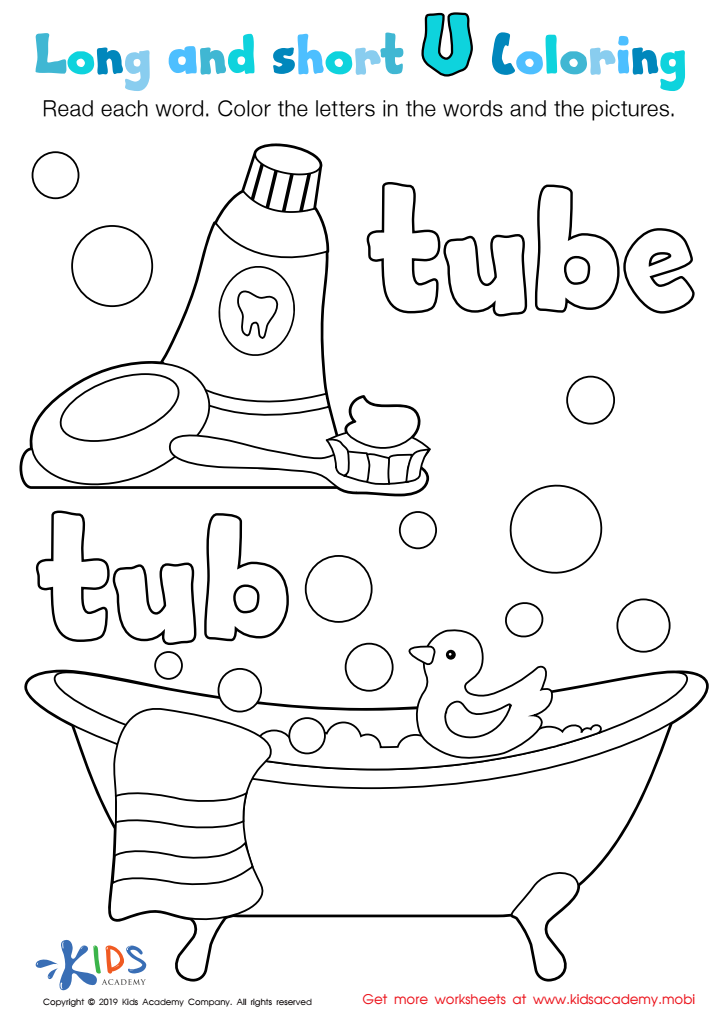
Long and Short U Worksheet
Assign to My Students
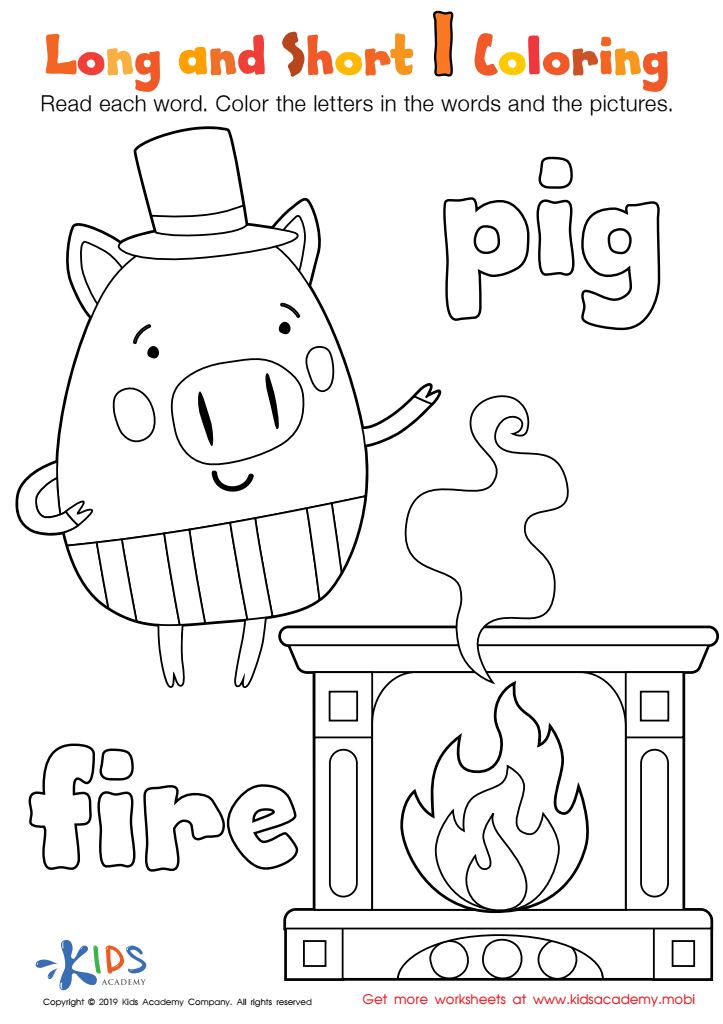
Long and Short I Worksheet
Assign to My Students
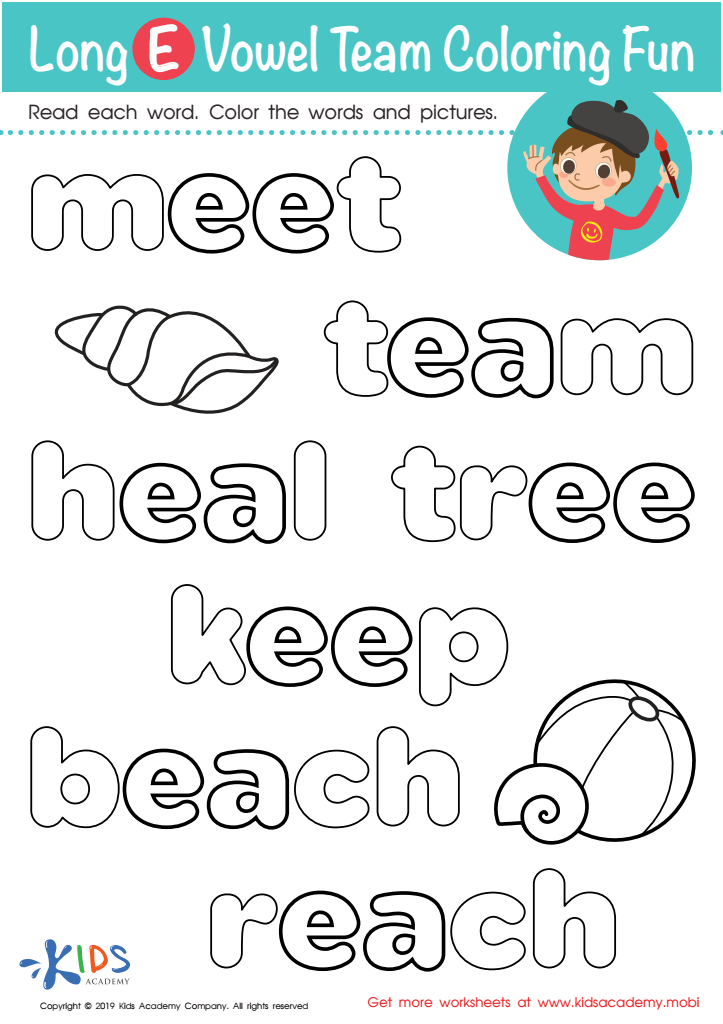
Long E Vowel Team Coloring Worksheet
Assign to My Students
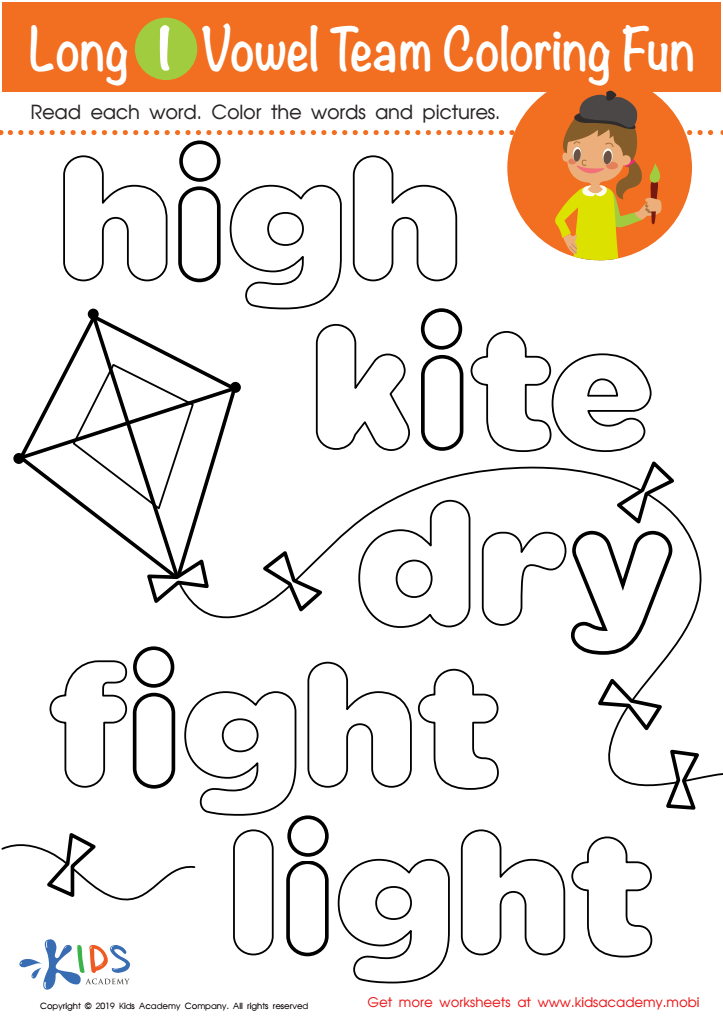
Long I Vowel Team Coloring Worksheet
Assign to My Students
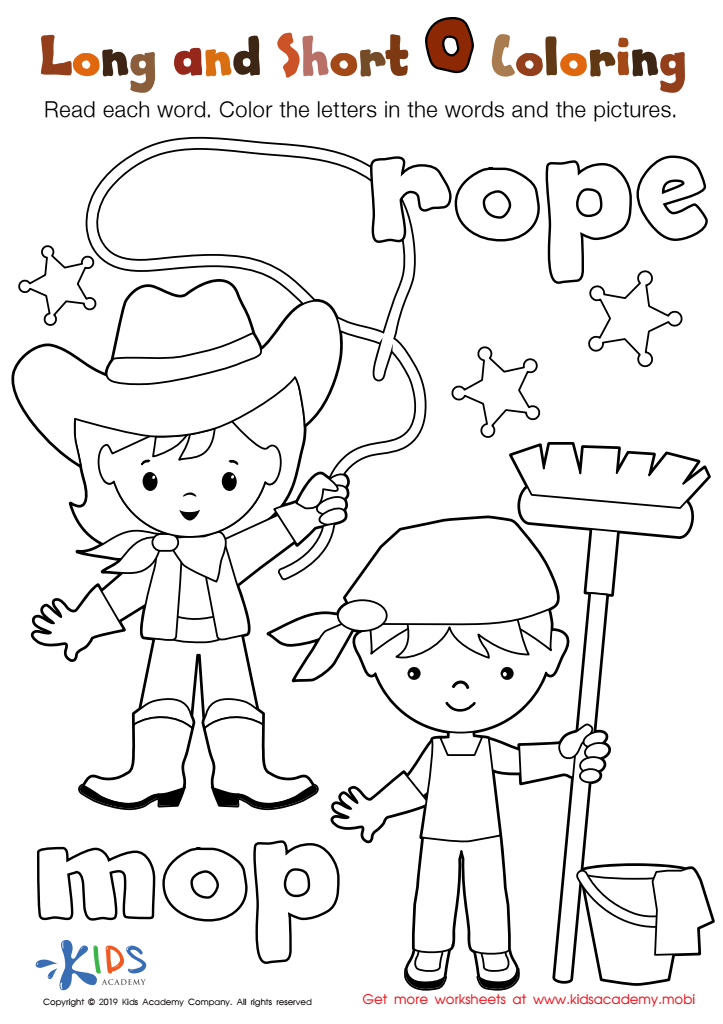
Long and Short O Worksheet
Assign to My Students
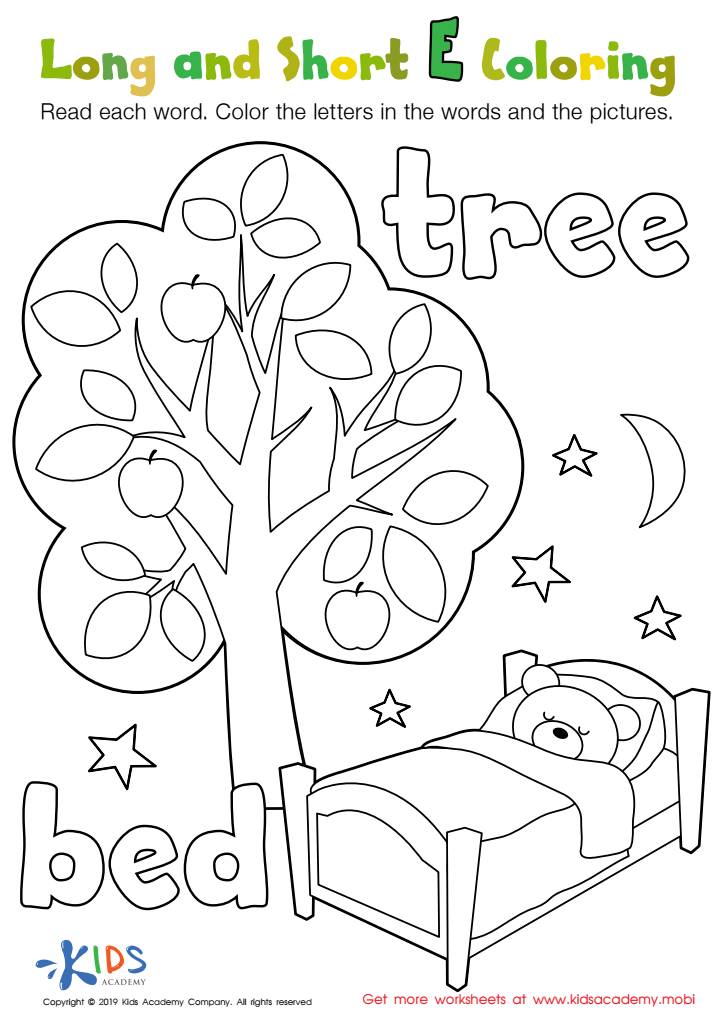
Long and Short E Worksheet
Assign to My Students
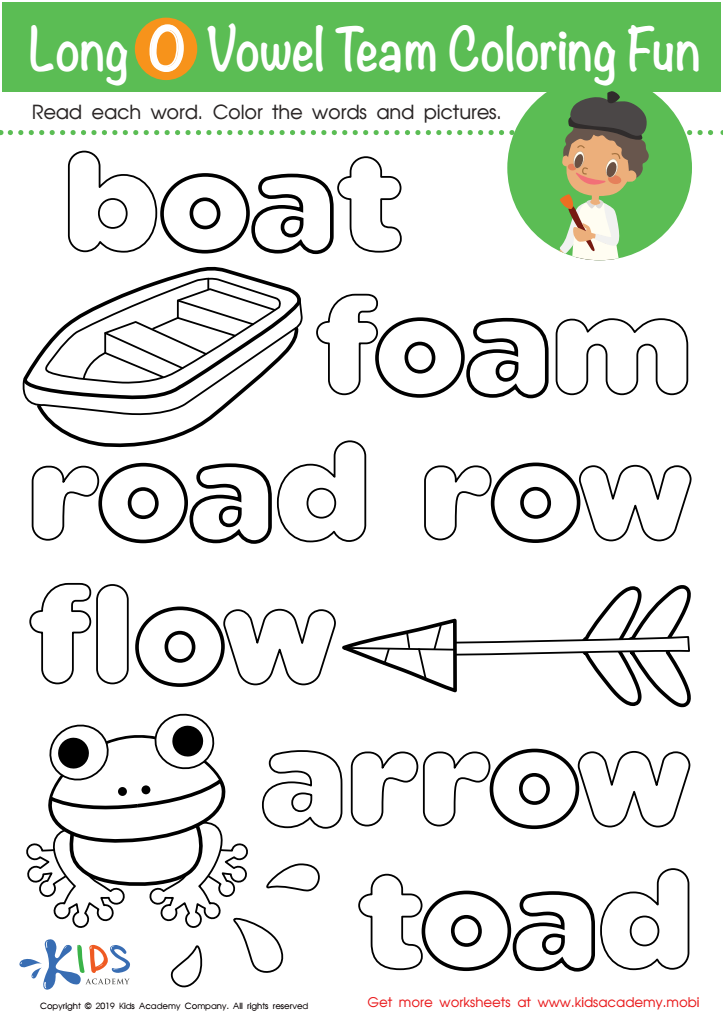
Long O Vowel Team Coloring Worksheet
Assign to My Students







Normal phonics coloring pages for ages 6-9 are key educational tools that combine creativity with learning, making phonics fun and engaging for young learners. Parents and teachers should care about these resources for several reasons.
Firstly, phonics is foundational for reading and writing proficiency. By integrating coloring with phonics practice, these pages help reinforce letter-sound relationships in an enjoyable manner. This dual approach caters to different learning styles—kinesthetic learners can benefit from the tactile experience of coloring, while visual learners can better grasp letter shapes and sounds.
Moreover, coloring enhances fine motor skills, which are crucial for young children. As they color letters and images related to phonics, they develop hand-eye coordination and dexterity, further supporting their writing abilities down the line.
Additionally, these pages can foster parental involvement in education. Parents can engage with their children during coloring activities, creating opportunities for bonding and positive discussions about learning. This collaboration can boost a child's confidence and motivation.
In summary, normal phonics coloring pages are effective educational tools that foster literacy skills, enhance motor development, and encourage parental engagement, which are all essential components of a child’s academic growth.