Color Identification Normal Worksheets for Ages 6-9
22 filtered results
-
From - To
Discover our engaging Color Identification Normal Worksheets for children ages 6-9, designed to make learning fun and interactive! These worksheets focus on enhancing your child’s ability to recognize and name colors while developing important fine motor skills. Through a variety of themed exercises, children will explore colors in different contexts, improving their observation and critical thinking skills. Our age-appropriate activities encourage creativity and self-expression, ensuring an enjoyable learning experience. Ready to support your child's educational journey? Browse our collection today to find colorful worksheets that will inspire a lifelong love for learning! Perfect for both classroom and at-home practice!
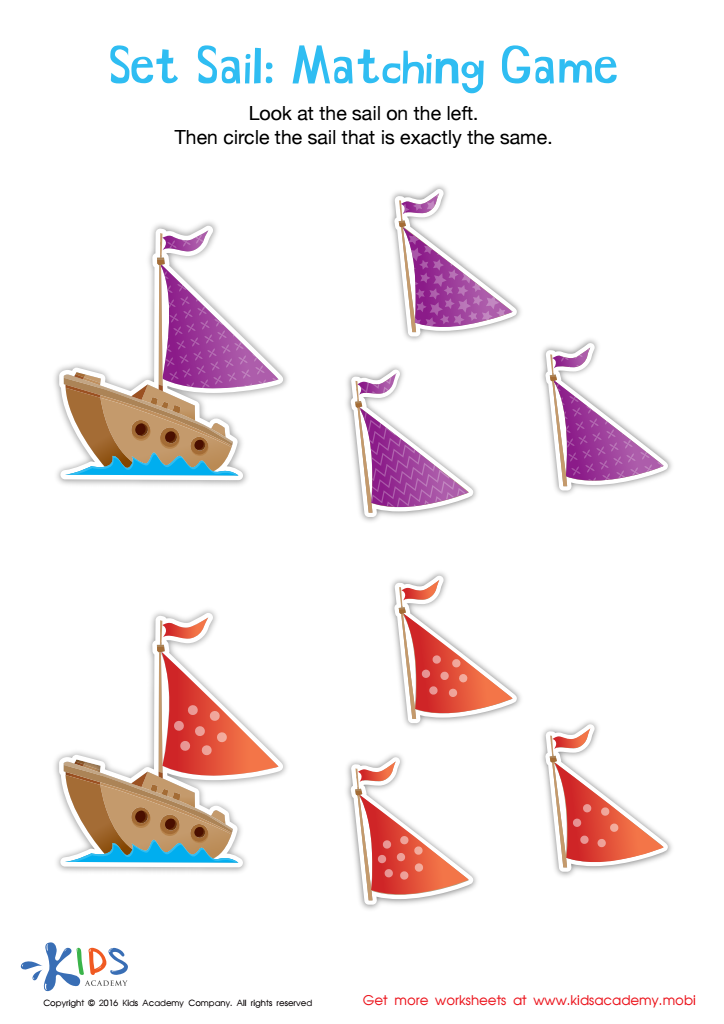
Set Sail Worksheet
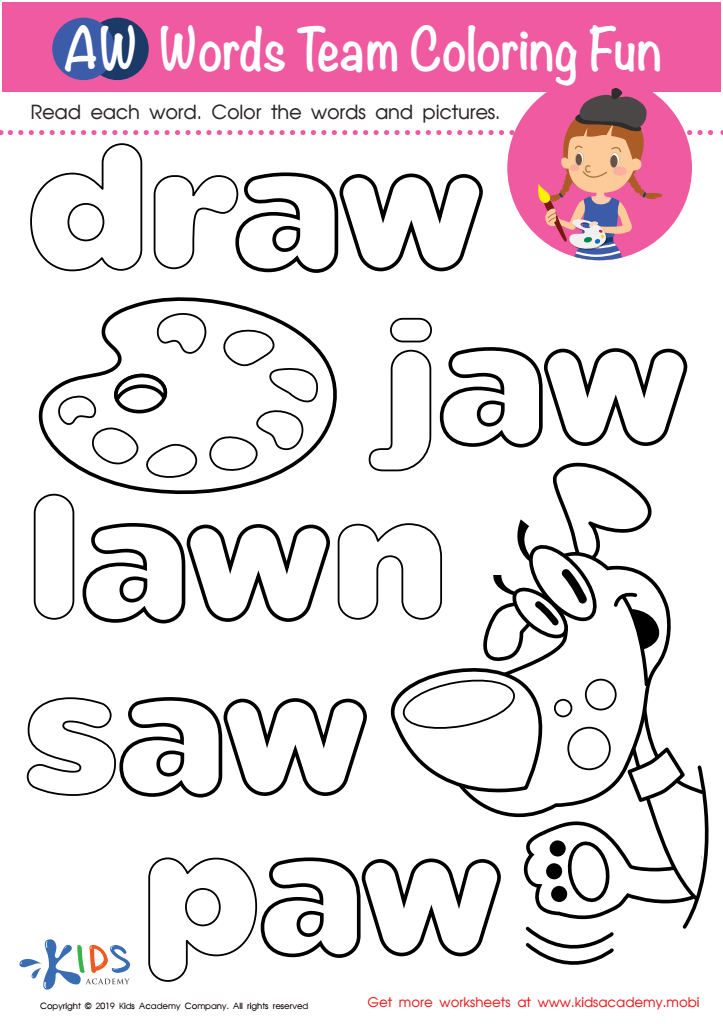
AW Words Team Coloring Fun Worksheet
 Assign to My Students
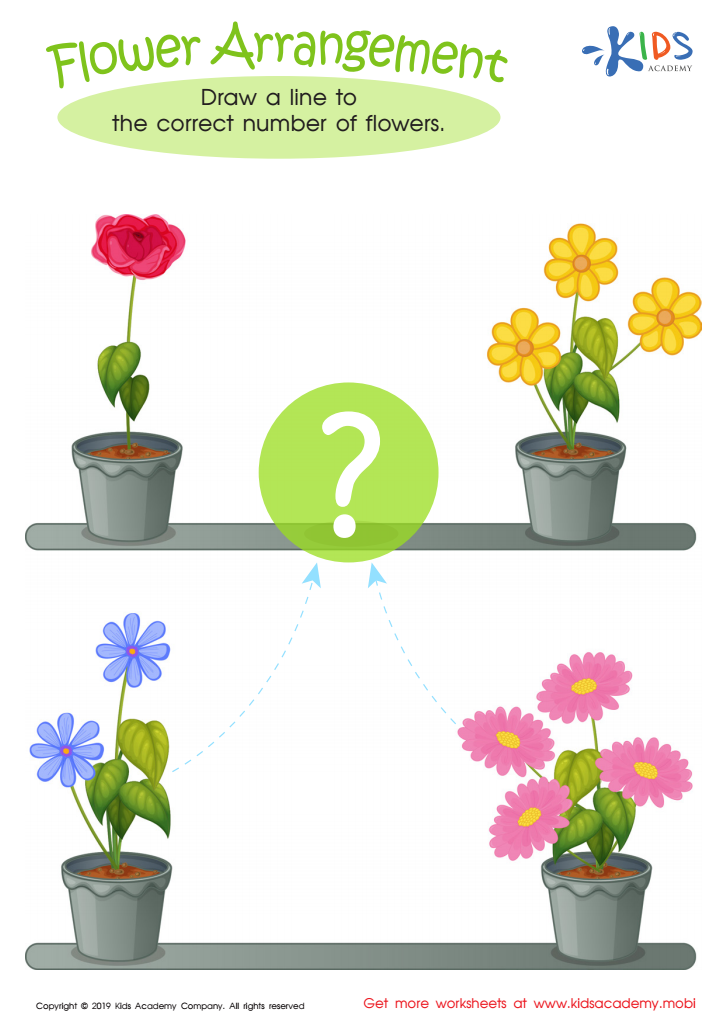
Flower Arrangement Worksheet
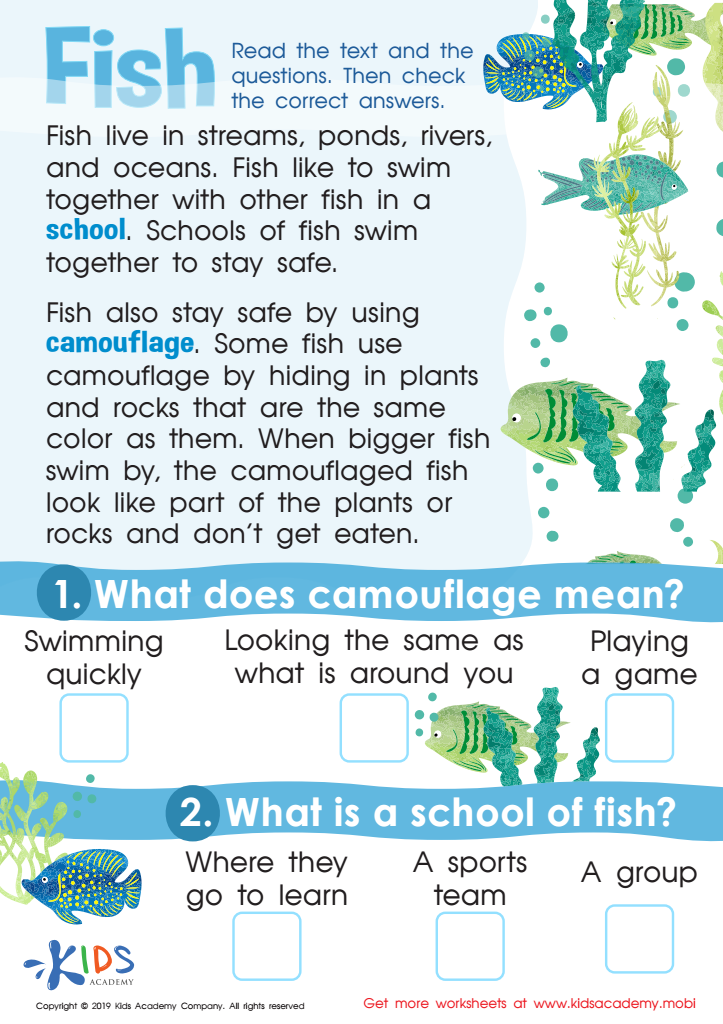
Fish Worksheet
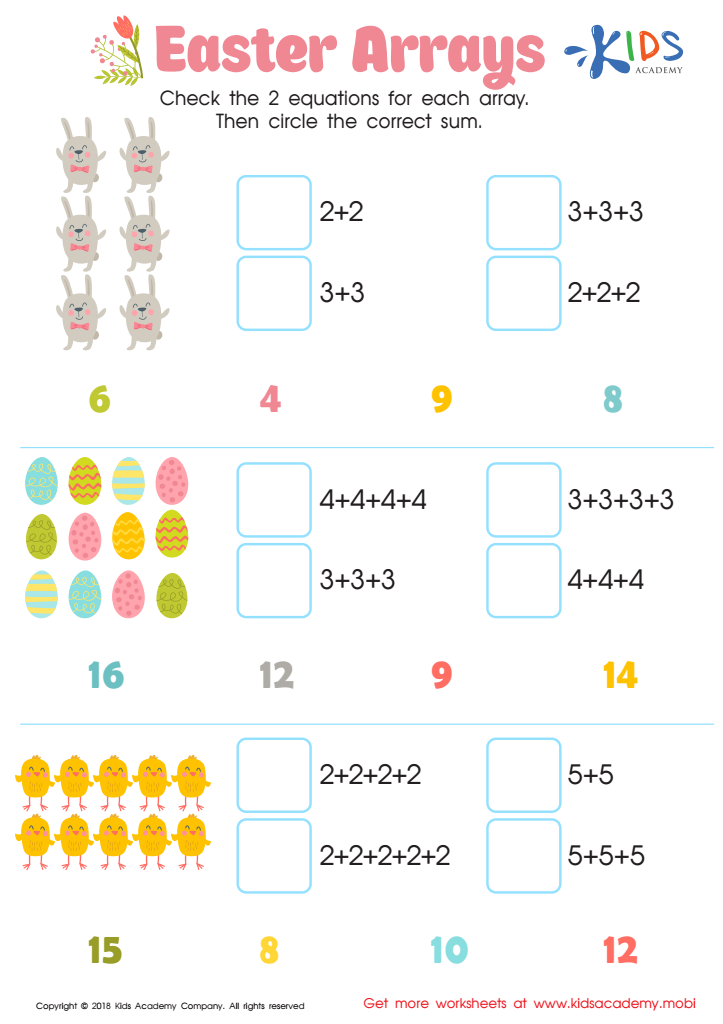
Easter Arrays Worksheet
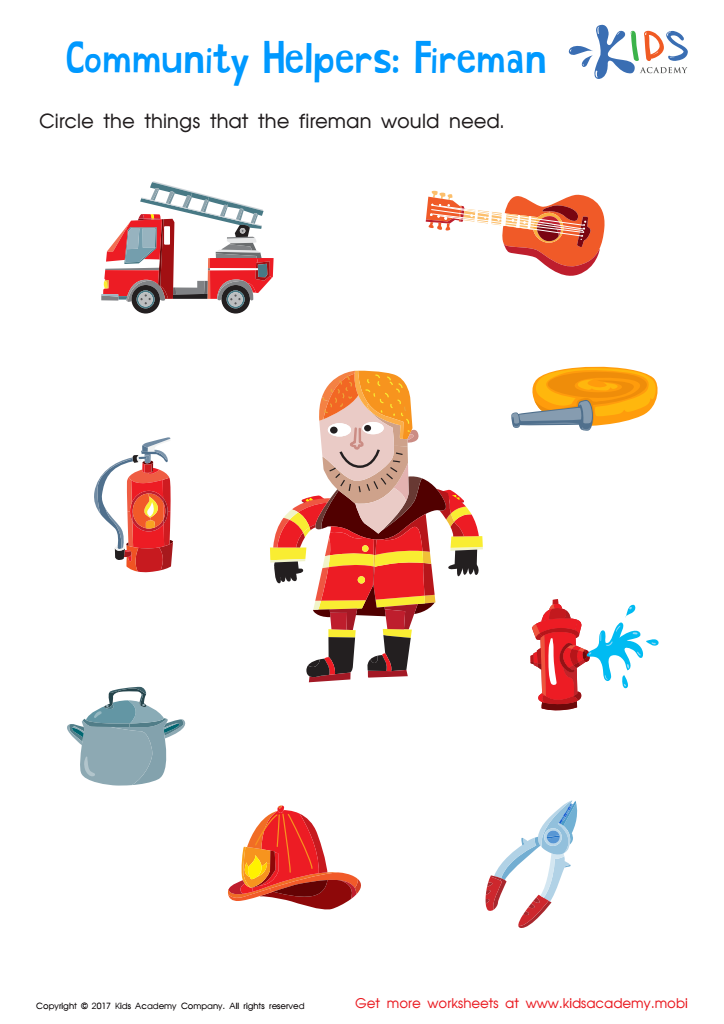
Fireman Worksheet
Halloween: A Funny Monster Worksheet
Assign to My Students
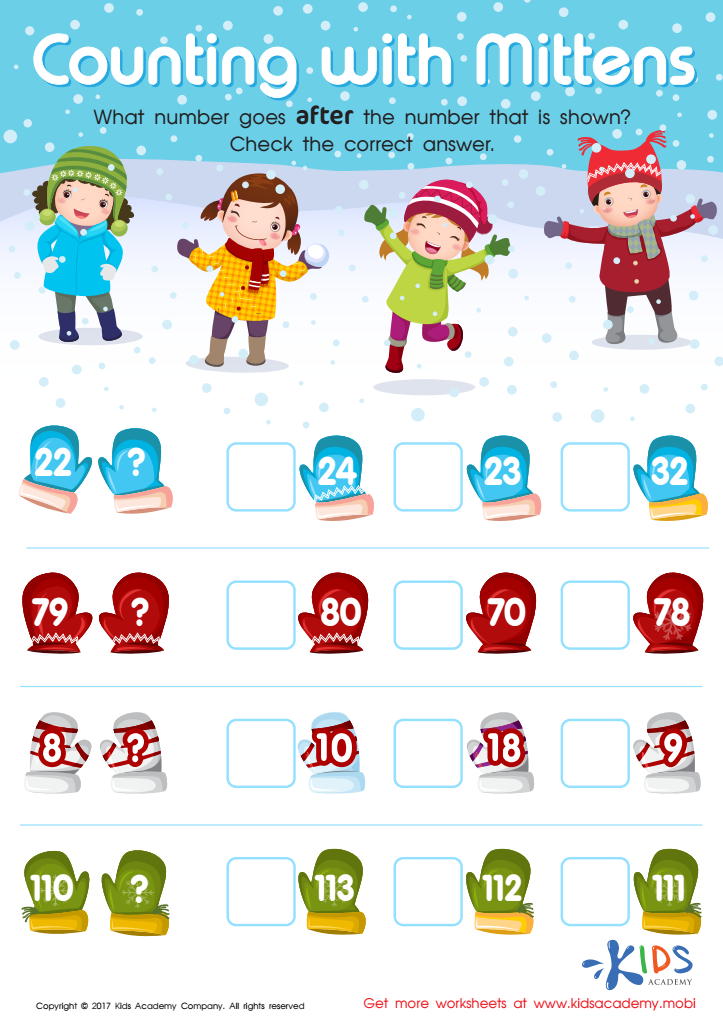
Counting with Mittens Worksheet
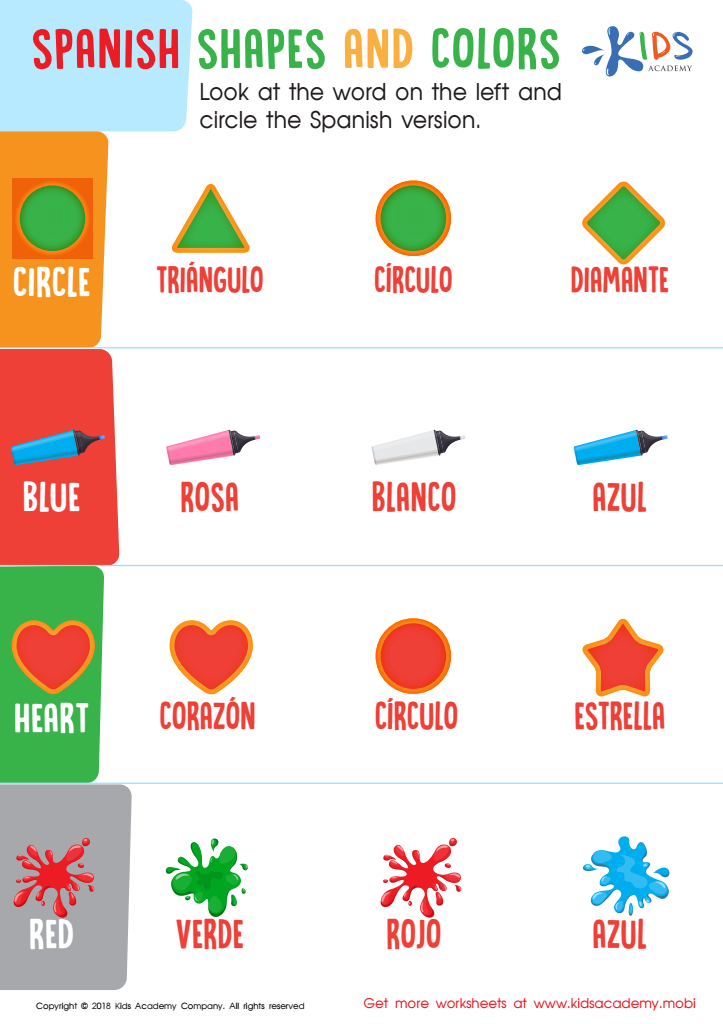
Spanish Shapes and Colors Worksheet
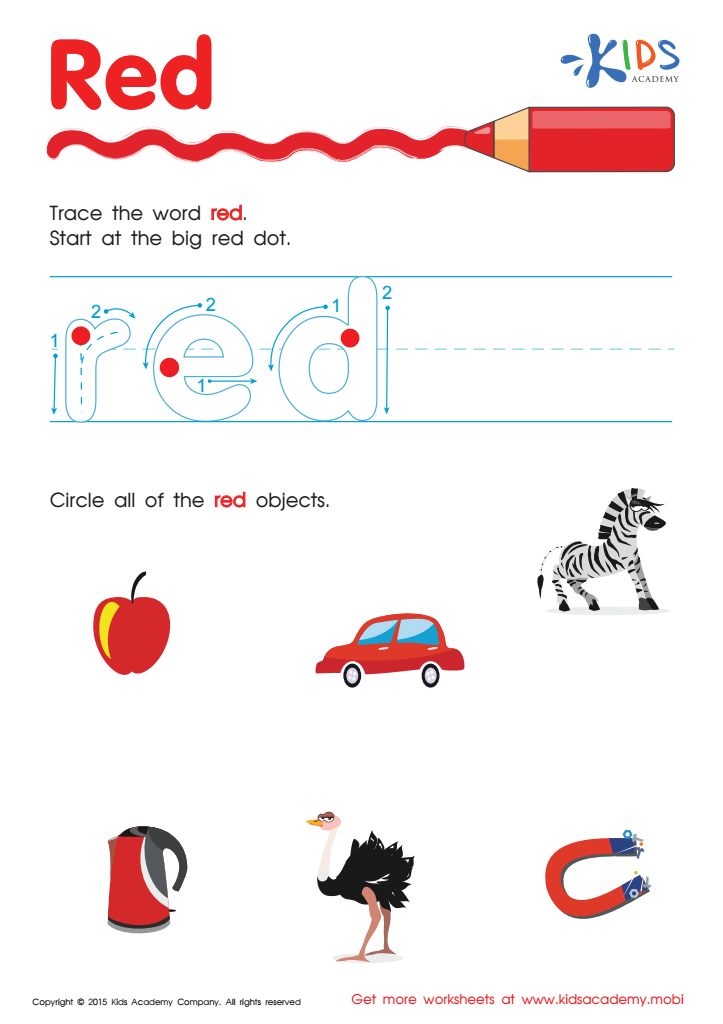
Red Tracing Color Words Printable
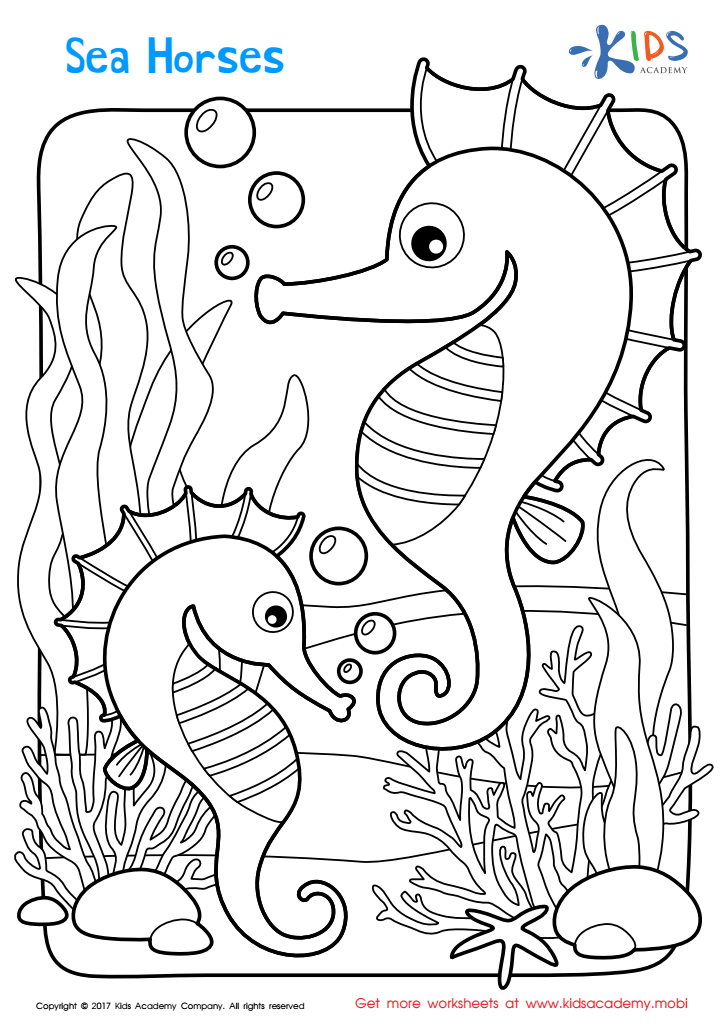
Sea Horses Printable
Assign to My Students
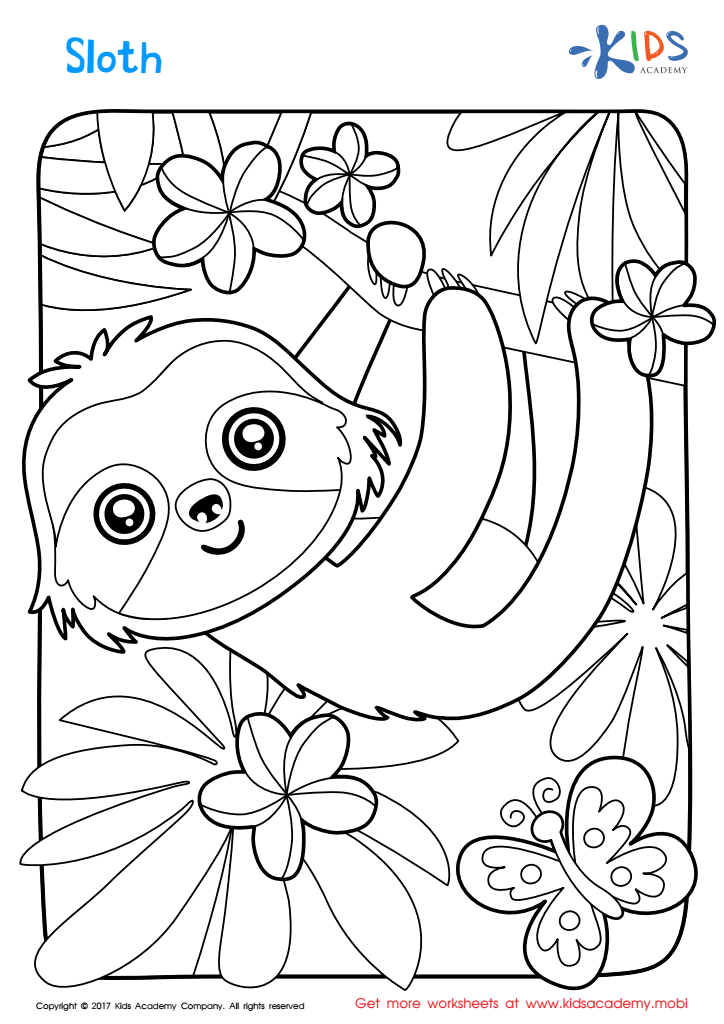
Sloth Worksheet
Assign to My Students
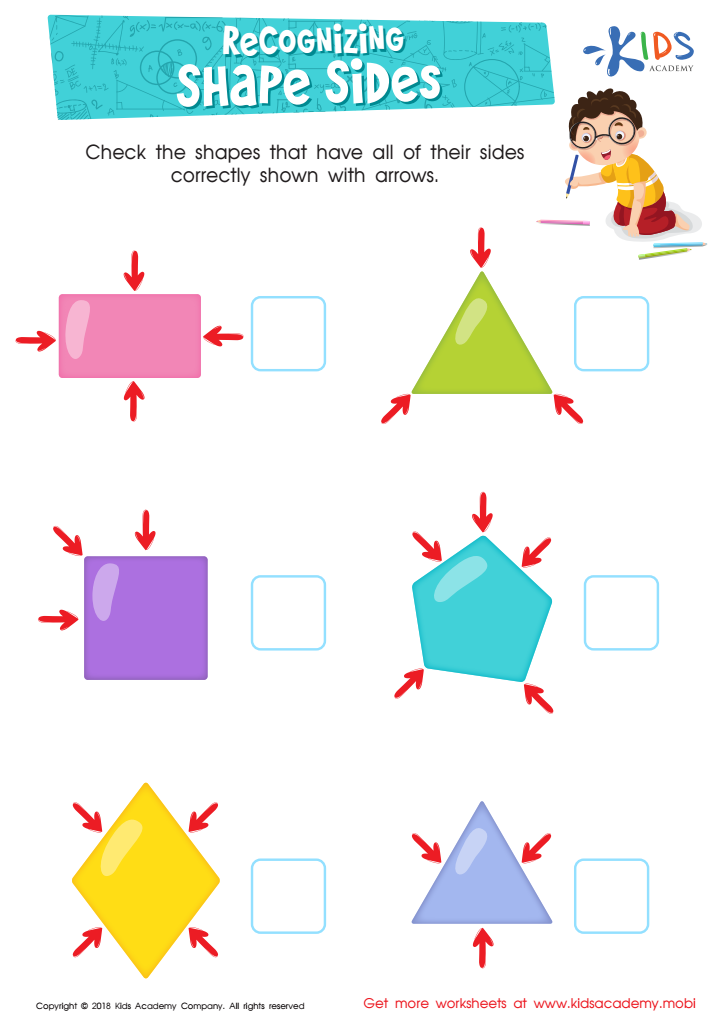
Recognizing Shape Sides Worksheet
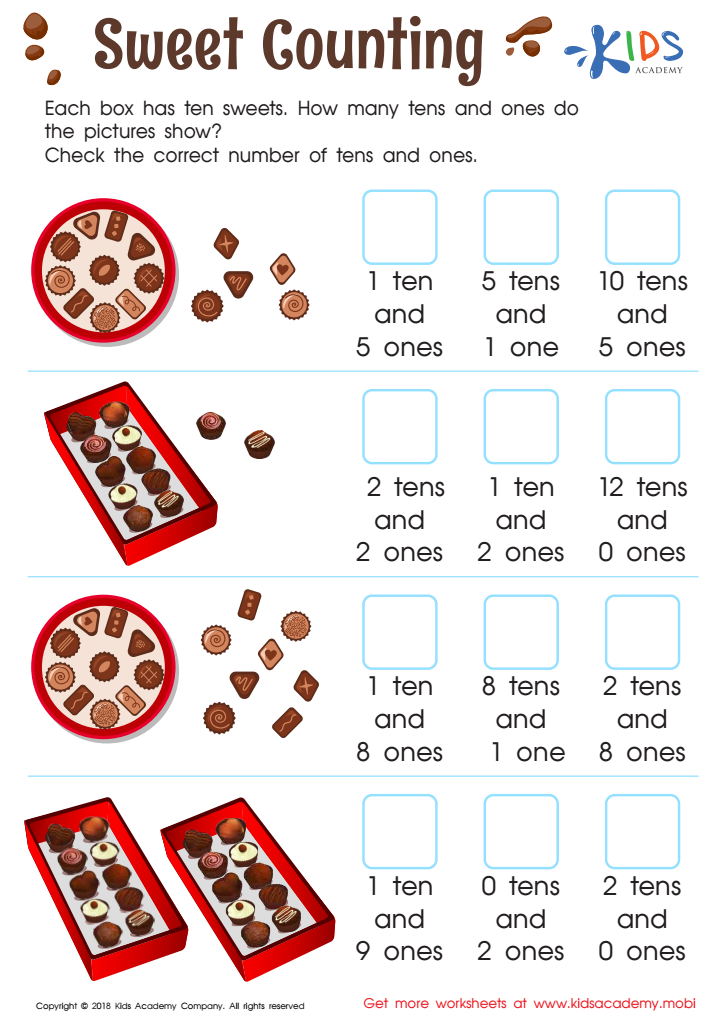
Sweet Counting - Part 2 Worksheet
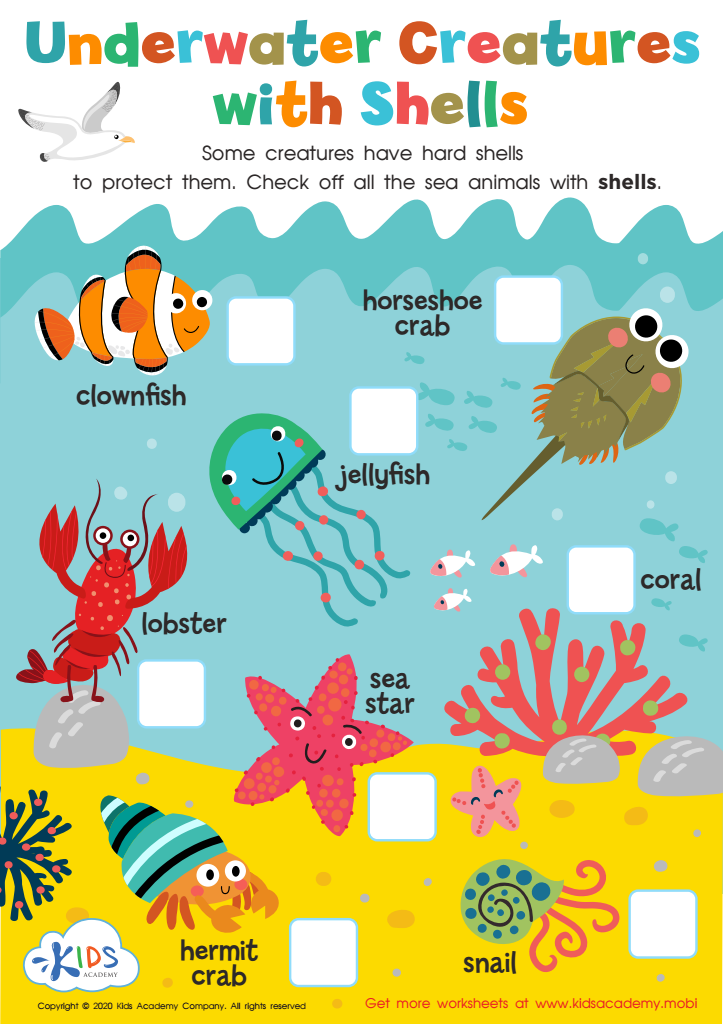
Underwater Creatures with Shells Worksheet
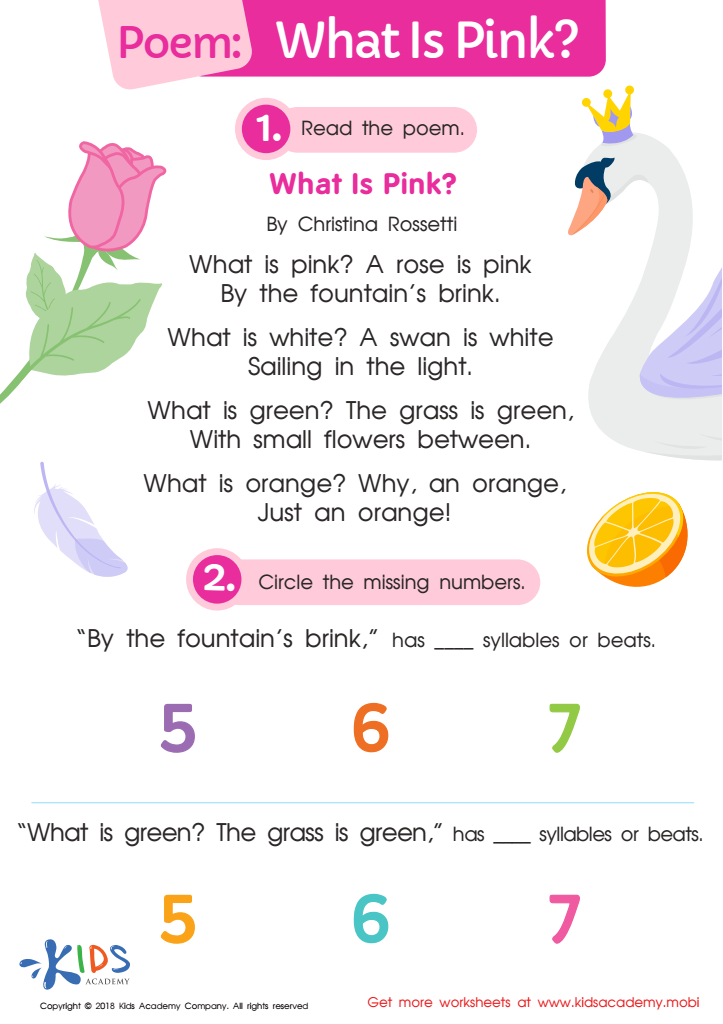
Poem: What Is Pink? Worksheet
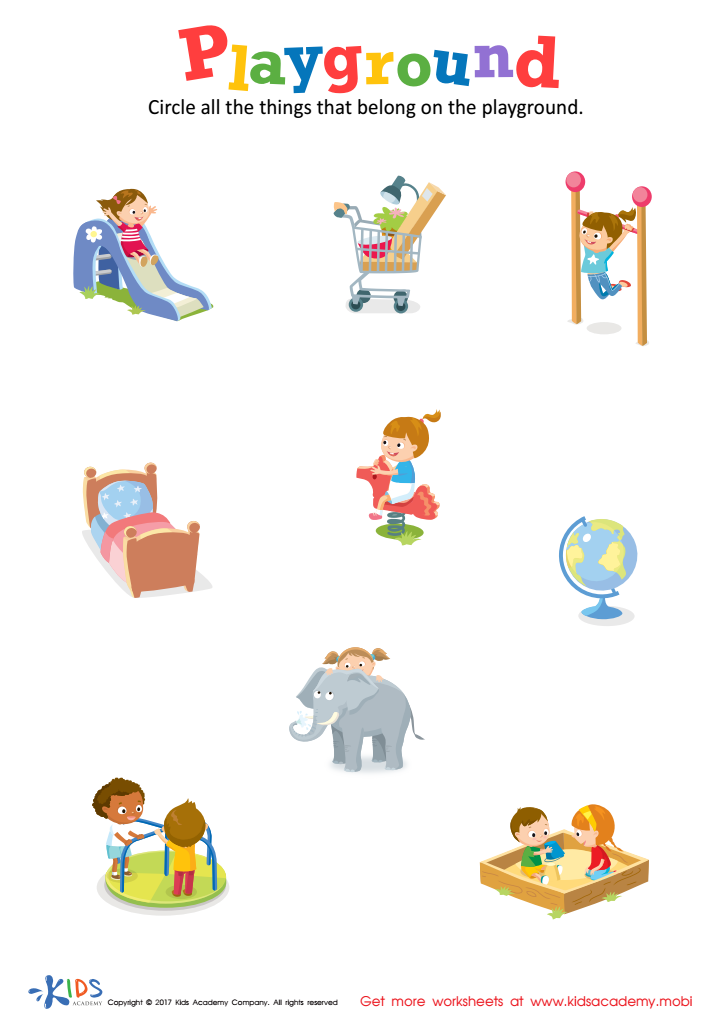
Playground Worksheet
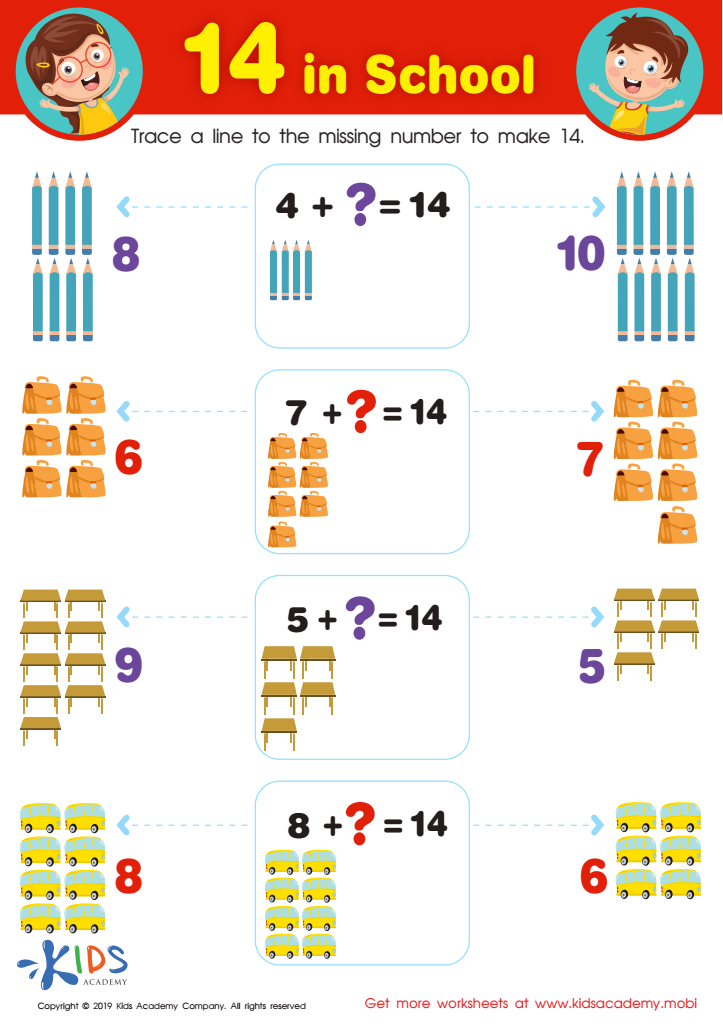
14 in School Worksheet
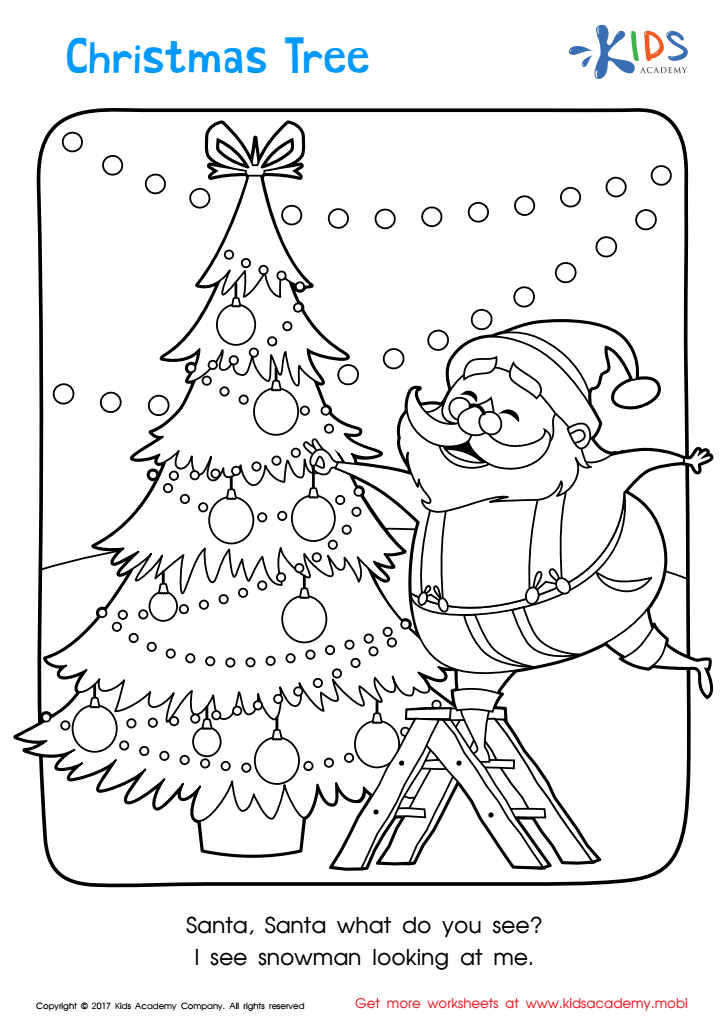
Christmas: Christmas Tree Printable
Assign to My Students
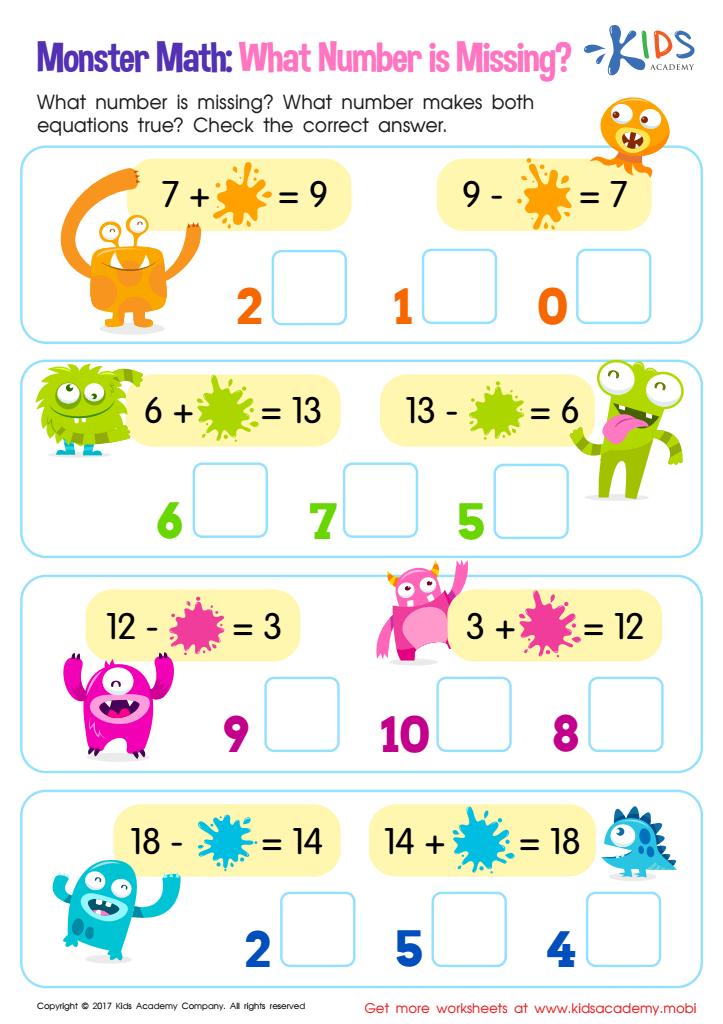
Missing Number: Monster Math Worksheet
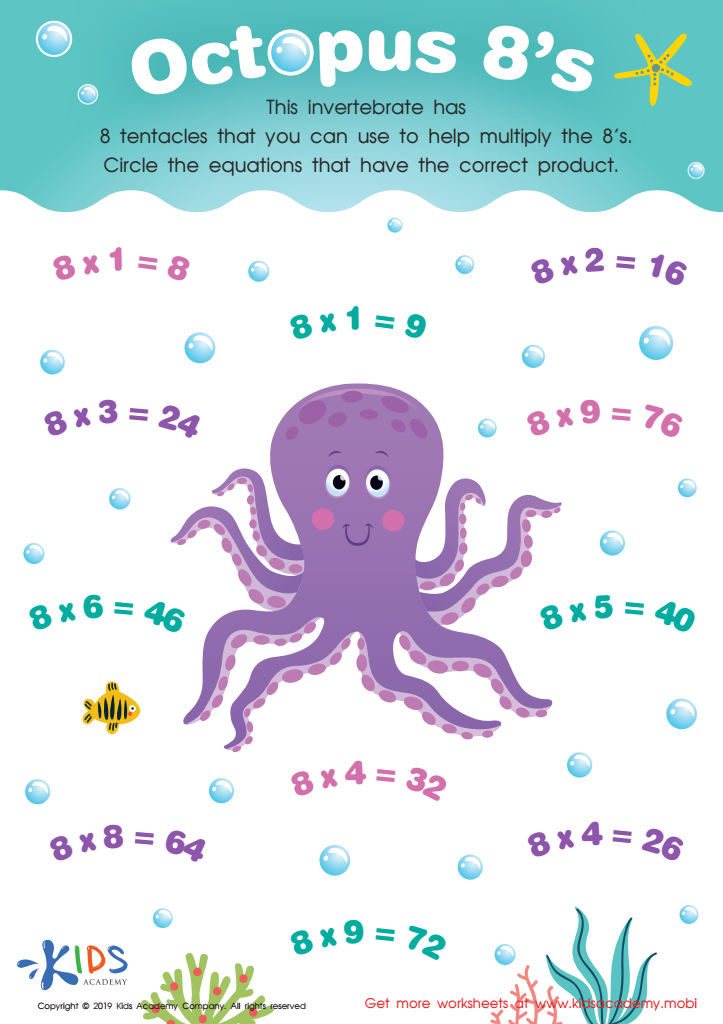
Octopus 8’s Worksheet







Color identification is a fundamental skill that plays a crucial role in the cognitive and emotional development of children aged 6 to 9. Understanding colors helps children sharpen their observation skills and enhances their ability to categorize and communicate effectively, which are foundational elements of early arithmetic and literacy skills.
For parents and teachers, nurturing color recognition serves multiple purposes. First, it stimulates brain development by encouraging children to activate various cognitive pathways that link color to concepts and perceptions of the world around them. This ability to associate colors with emotions, objects, and ideas fosters creativity and imagination.
Additionally, color identification supports social development. When children learn to recognize and express their preferences for particular colors, they build vocabularies and confidence. This can facilitate peer interactions, especially in play settings and group activities, where color-based themes are prevalent.
Moreover, colors can influence mood and behavior, making it vital for parents and teachers to recognize their impact. Incorporating color-related activities can enhance the learning environment, making lessons more engaging. Hence, fostering color identification is not just about teaching a fundamental skill; it’s about supporting holistic development in countless ways that shape how children understand and interact with their world.








