Number Recognition Normal Addition & Subtraction Worksheets for Ages 6-9
39 filtered results
-
From - To
Enhance your child’s mathematical journey with our engaging Number Recognition Normal Addition & Subtraction Worksheets, tailored for ages 6-9. These worksheets provide a fun and interactive way for children to practice essential skills like number recognition alongside basic addition and subtraction. Designed to reinforce learning through colorful visuals and age-appropriate exercises, your young learners will gain confidence in their math abilities. Perfect for home schoolers or supplemental practice, our worksheets will help students improve their problem-solving skills and number sense while keeping them entertained. Download your worksheets today and watch your child excel in their math adventures!
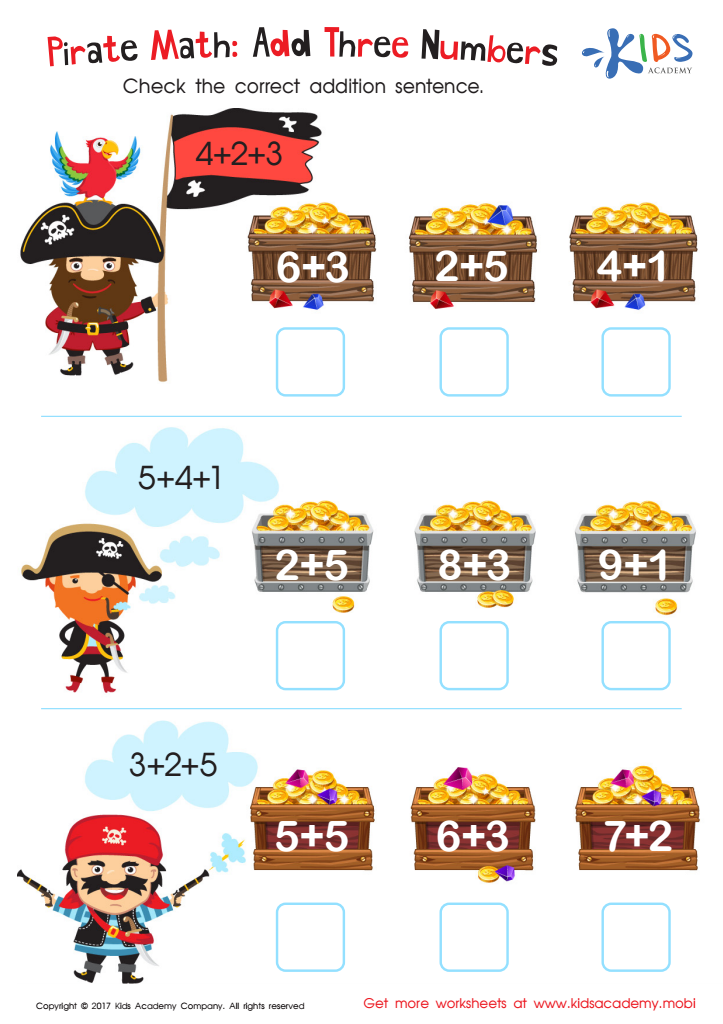
Pirate Math Printable
 Assign to My Students
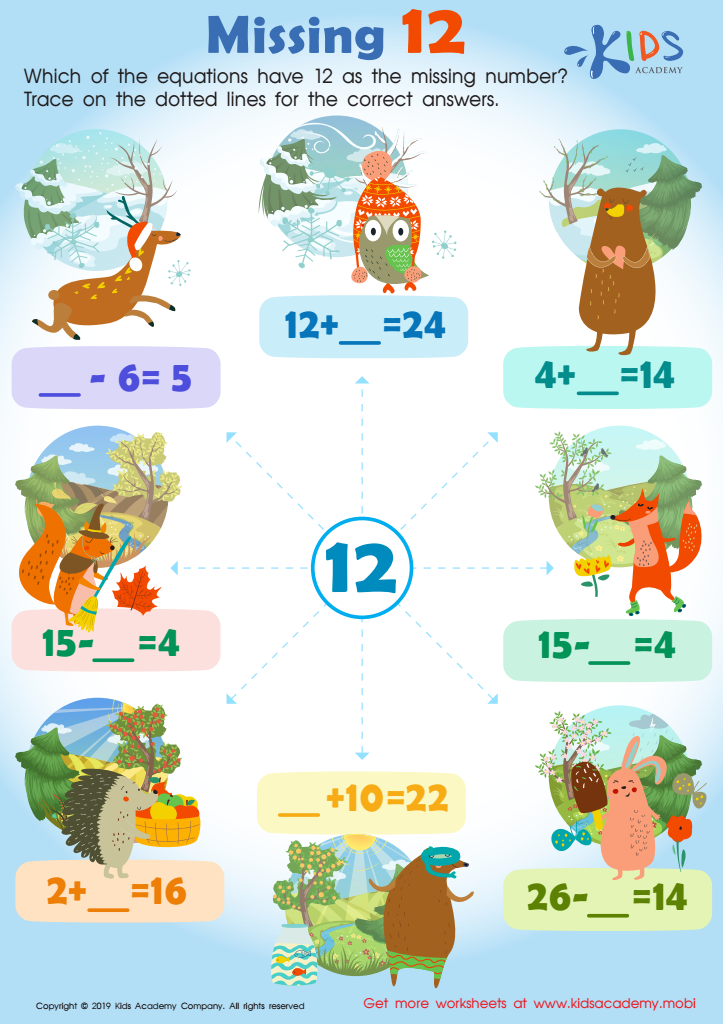
Missing 12 Worksheet
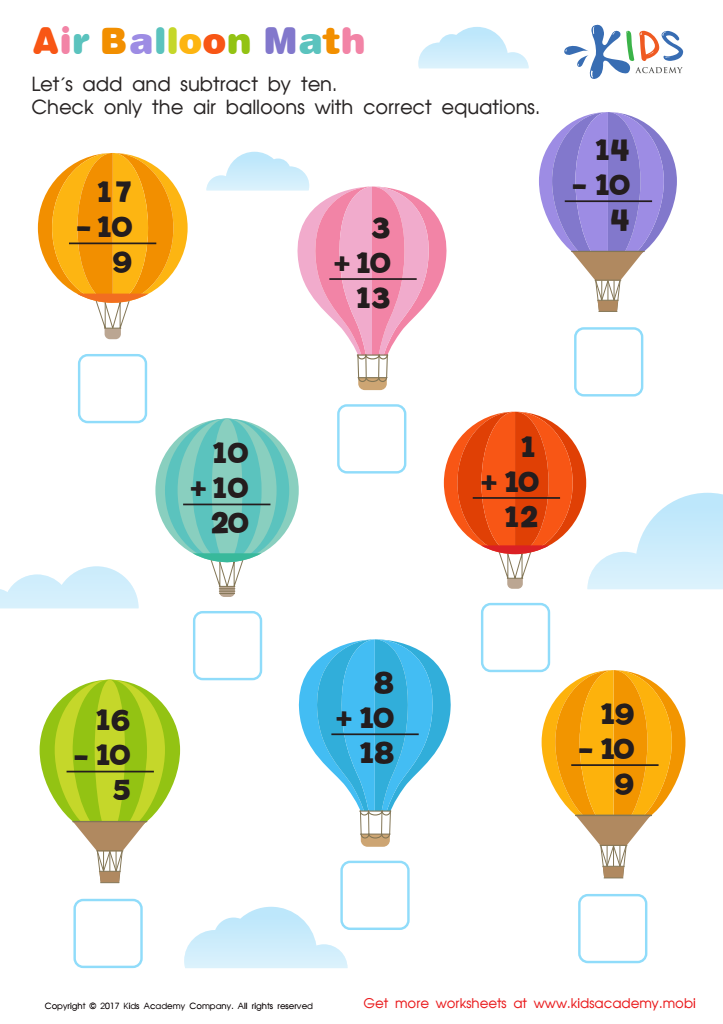
Air Balloon Math Worksheet
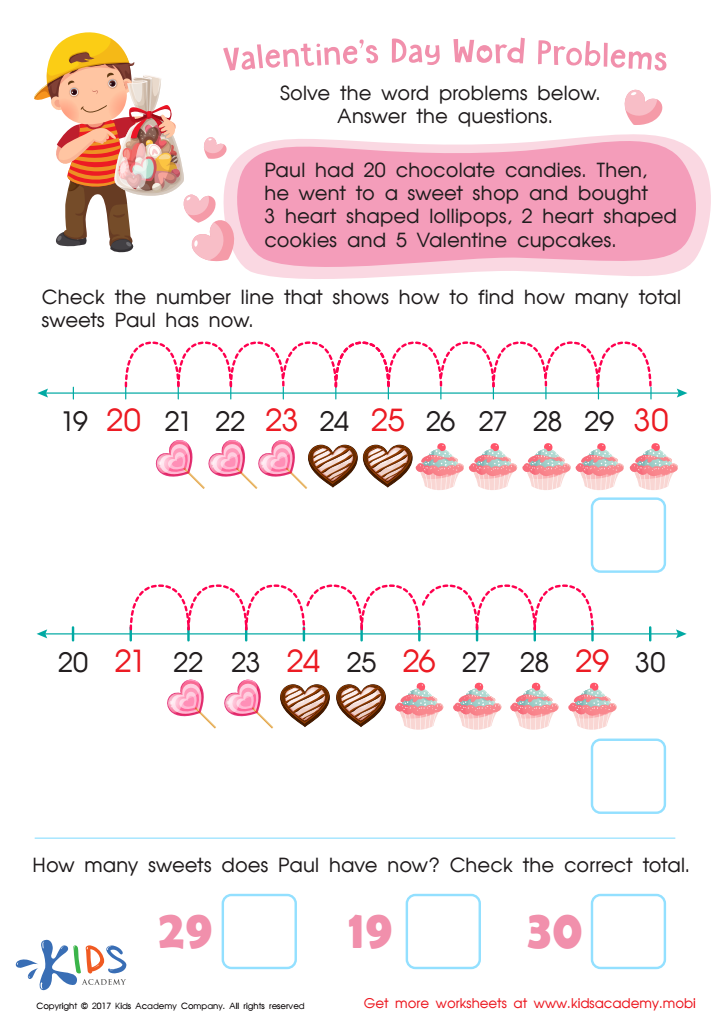
Valentines Day 2 Printable
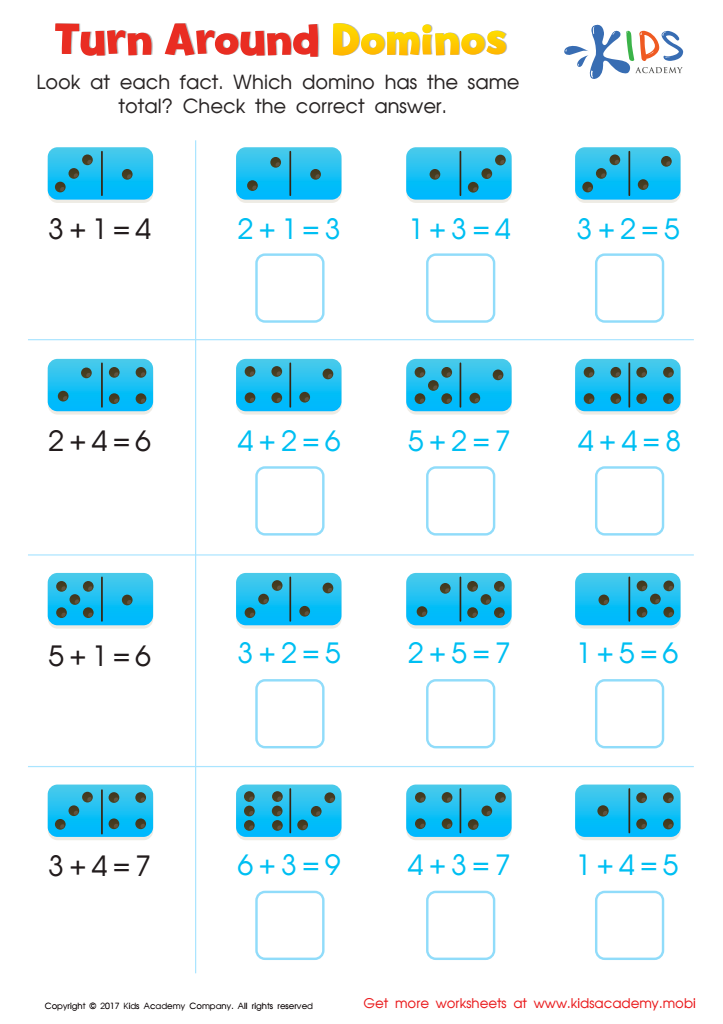
Turn Around Dominos Worksheet
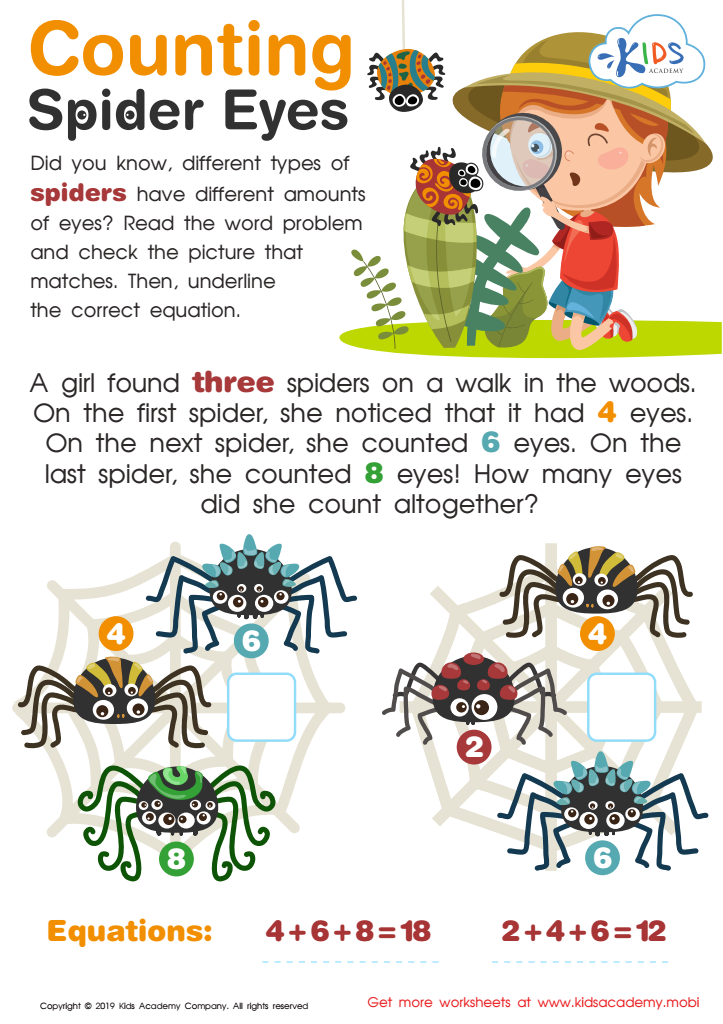
Counting Spider Eyes Worksheet
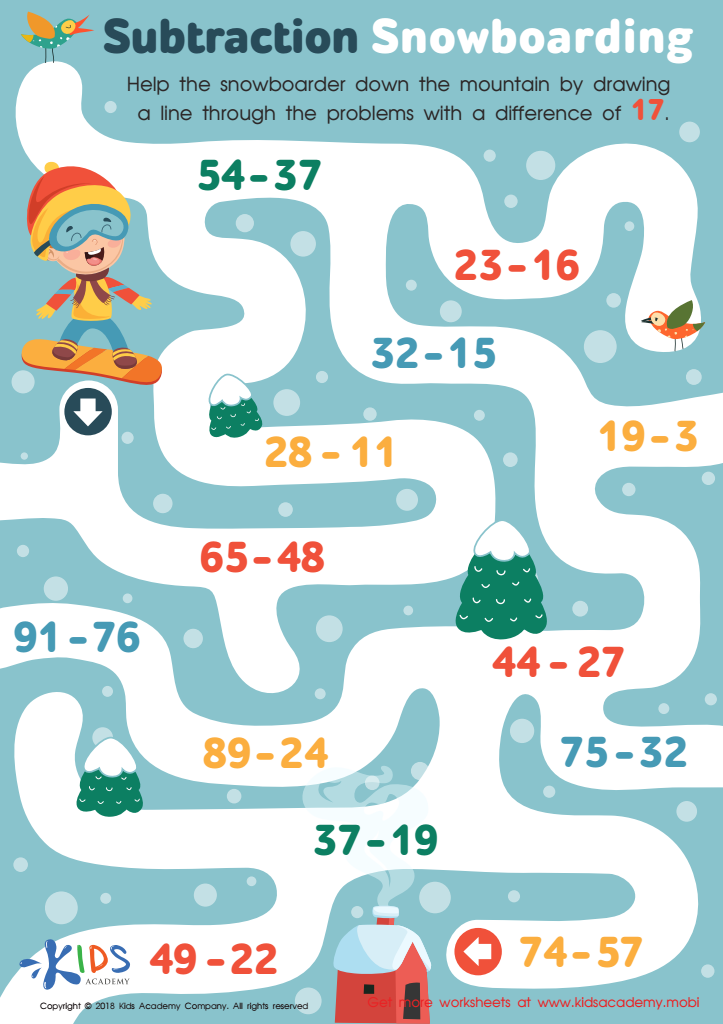
Subtraction Snowboarding Worksheet
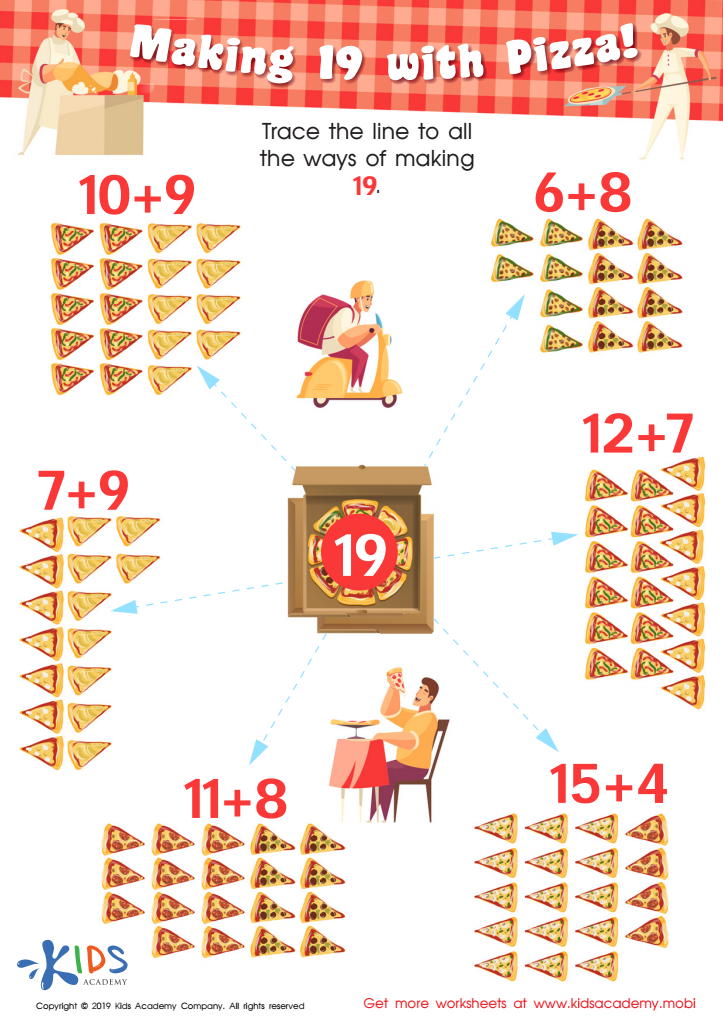
Making 19 with Pizza! Worksheet
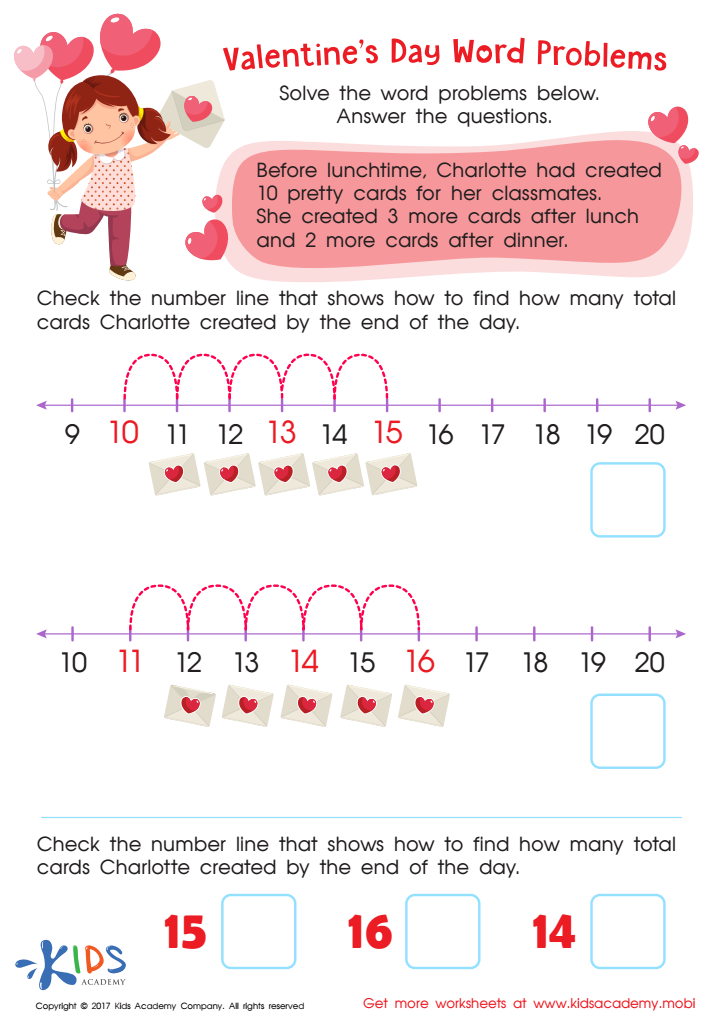
Valentines Day Word Problem Worksheet
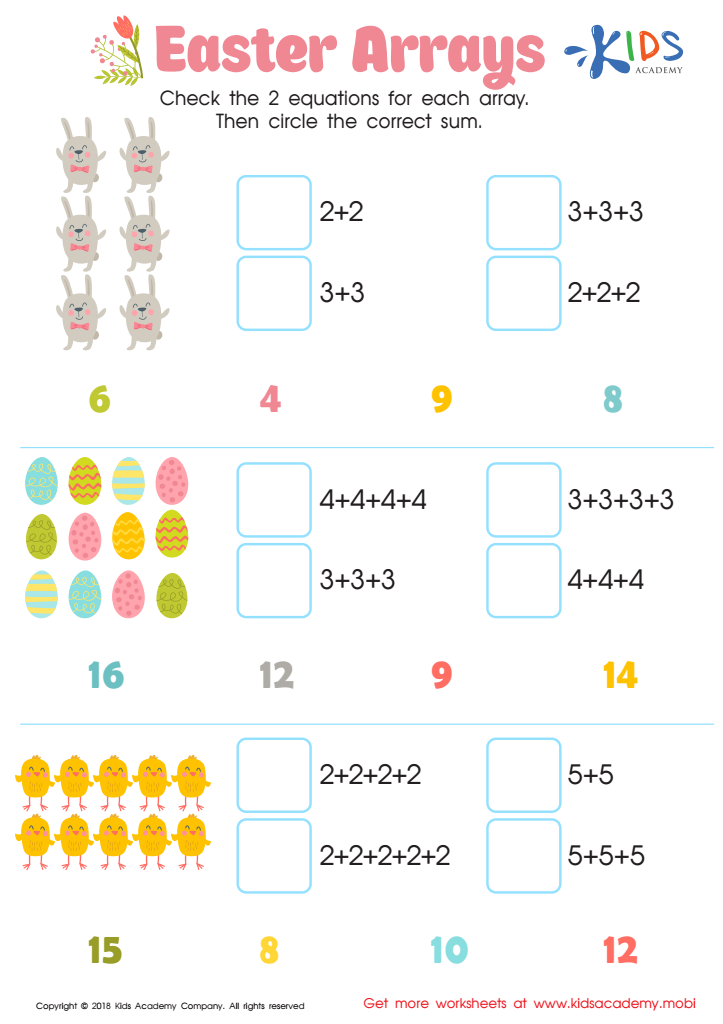
Easter Arrays Worksheet
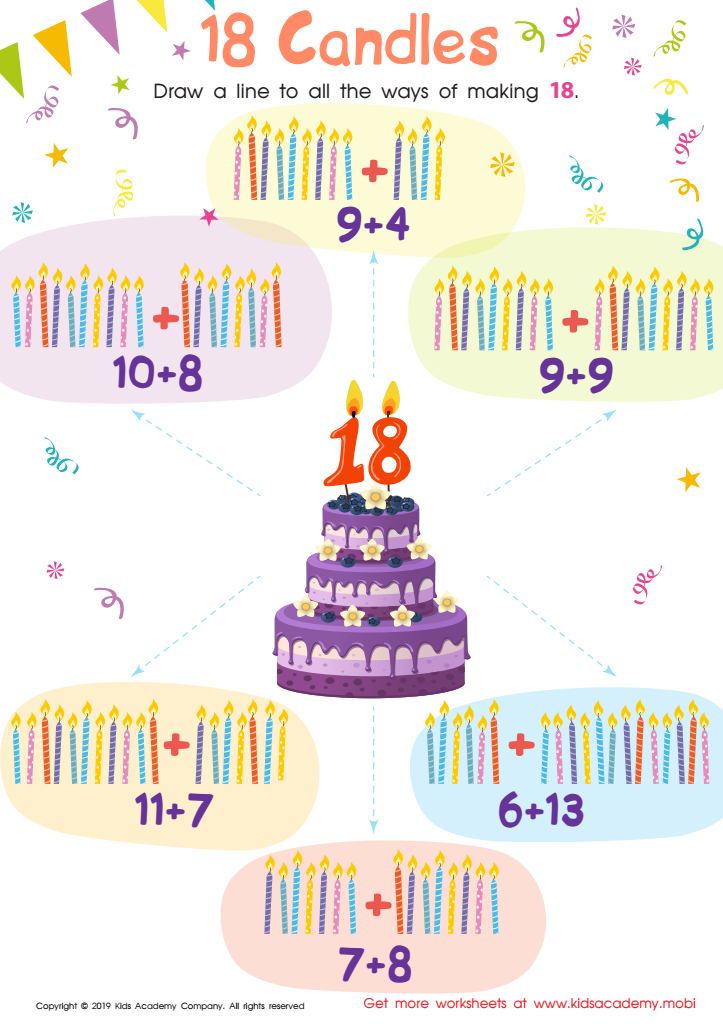
18 Candles Worksheet
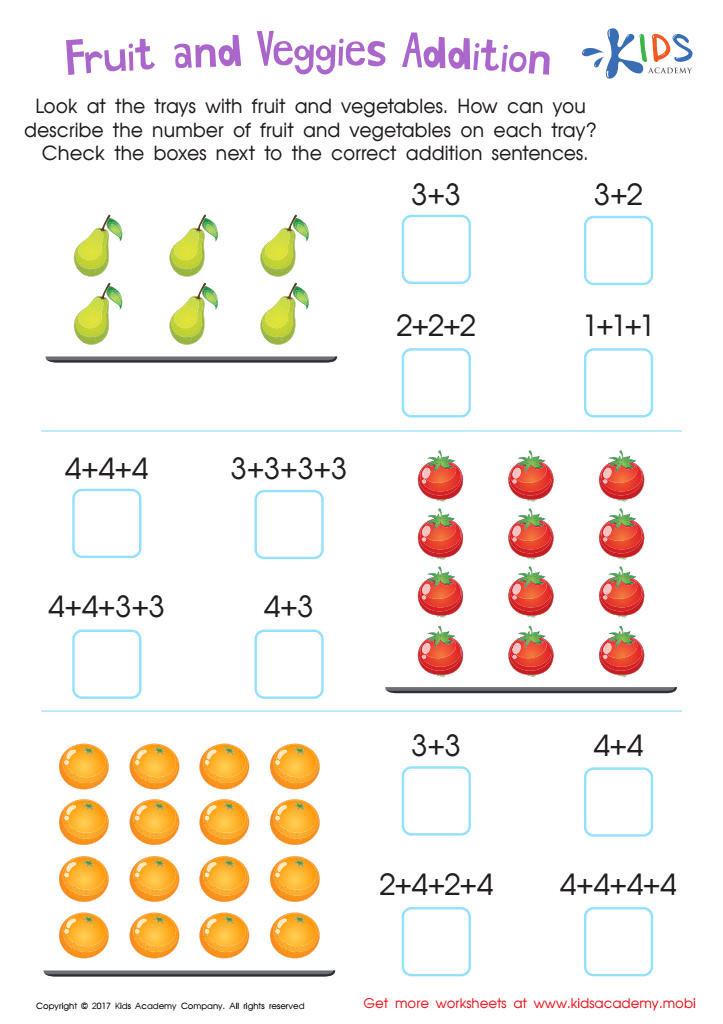
Fruit and Veggies Worksheet
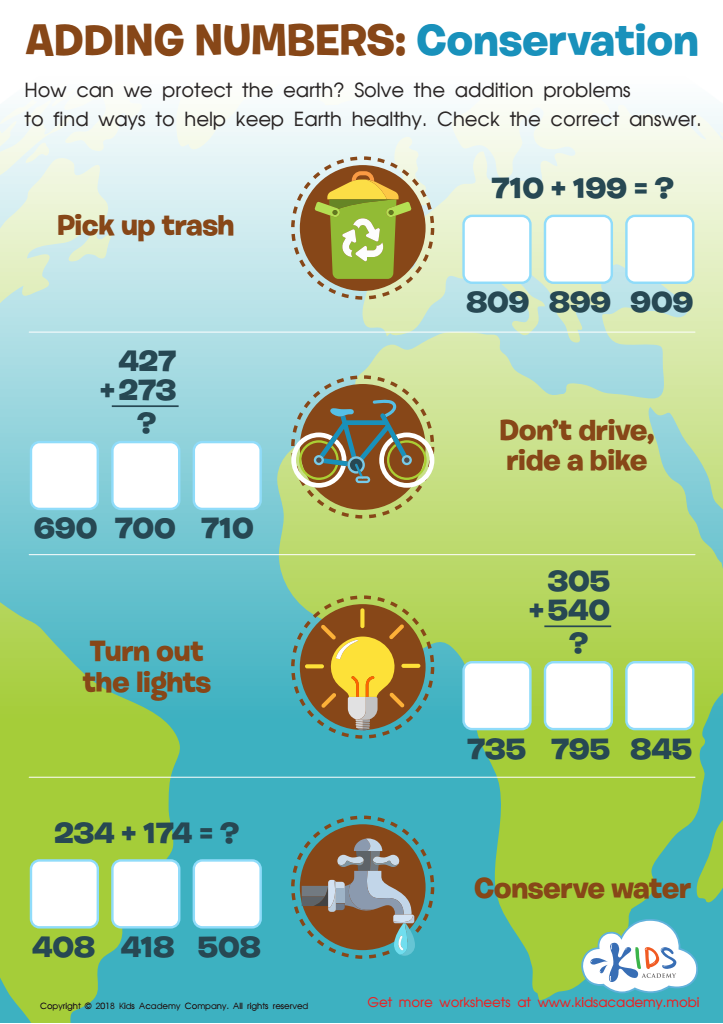
Adding Numbers: Conservation Worksheet
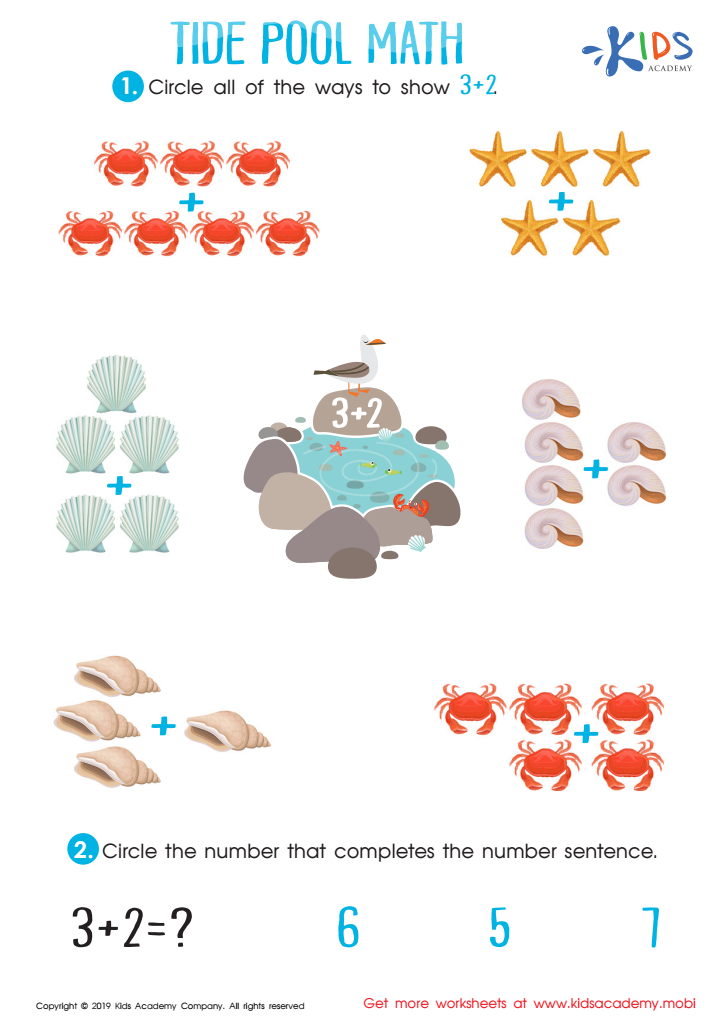
Tide Pool Math Worksheet
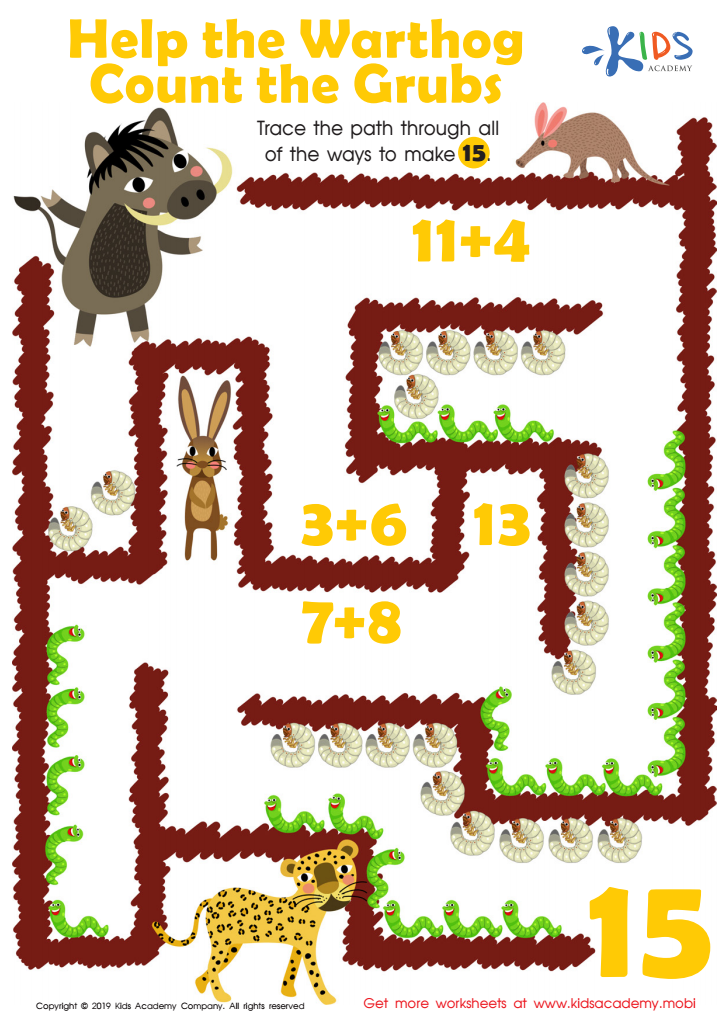
Help the Warthog Count the Grubs Worksheet
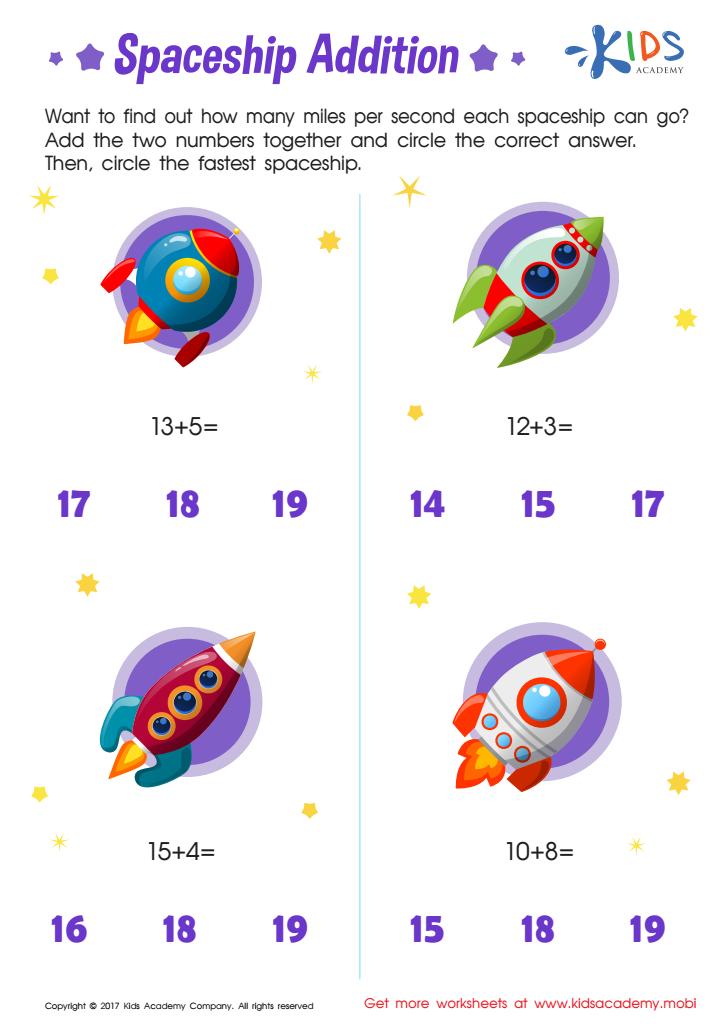
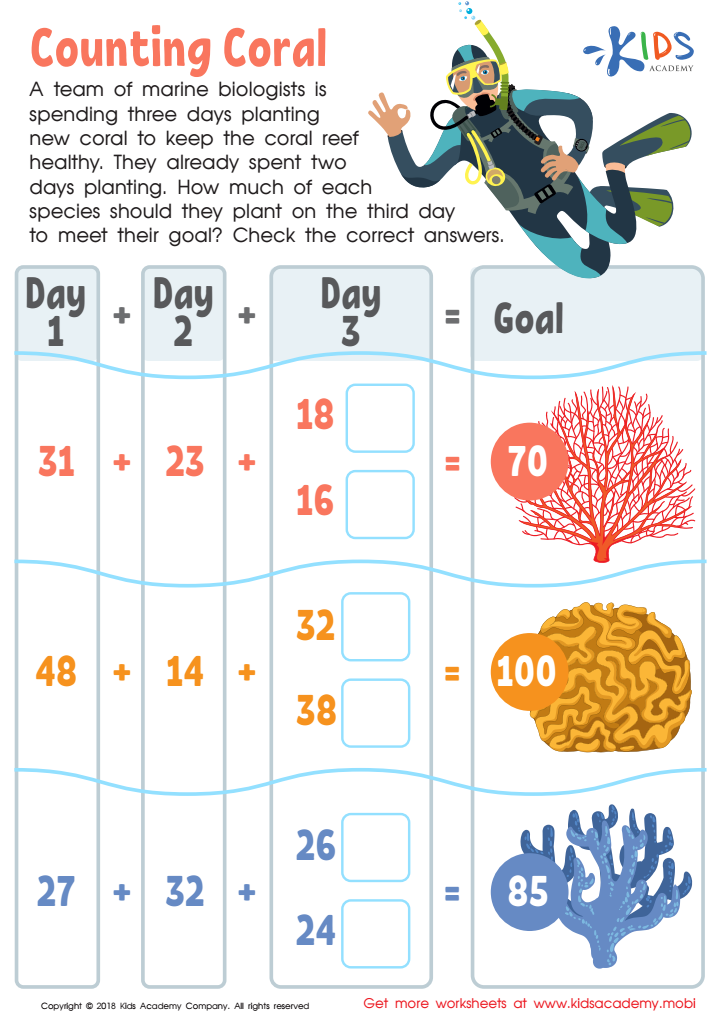
Counting Coral Worksheet
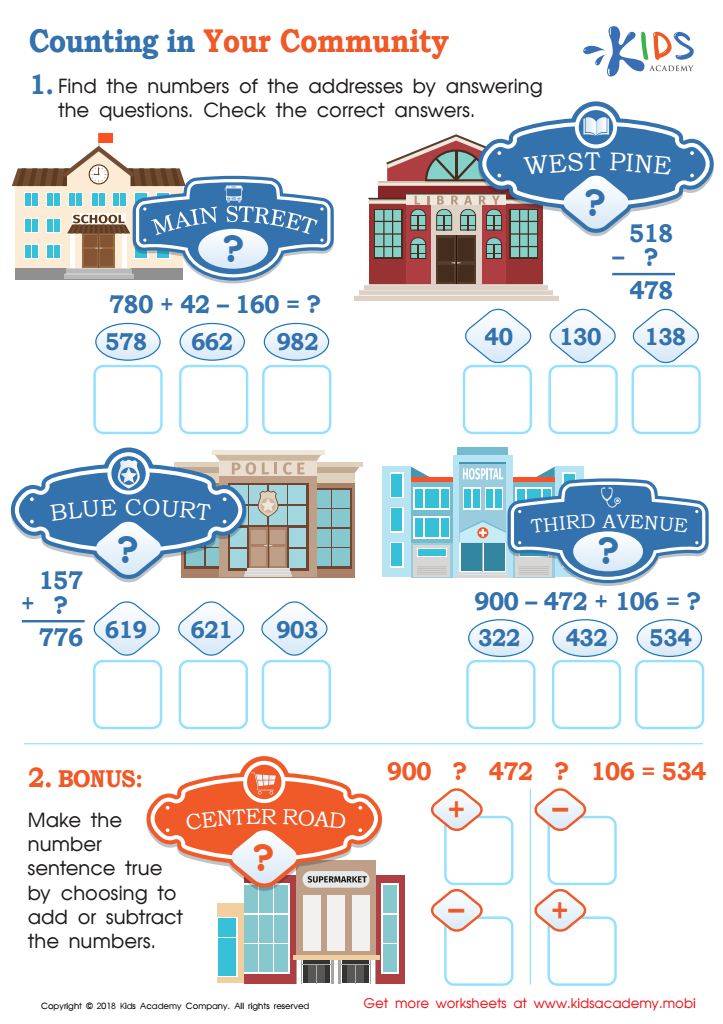
Counting in Your Community Worksheet
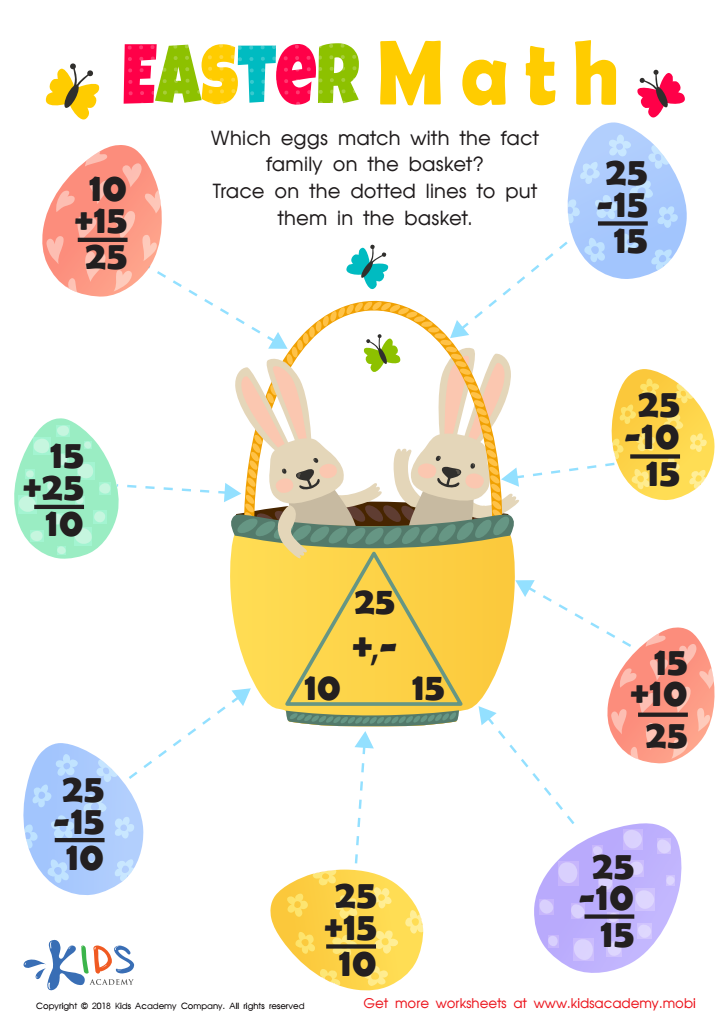
Fact Families: Easter Math Worksheet
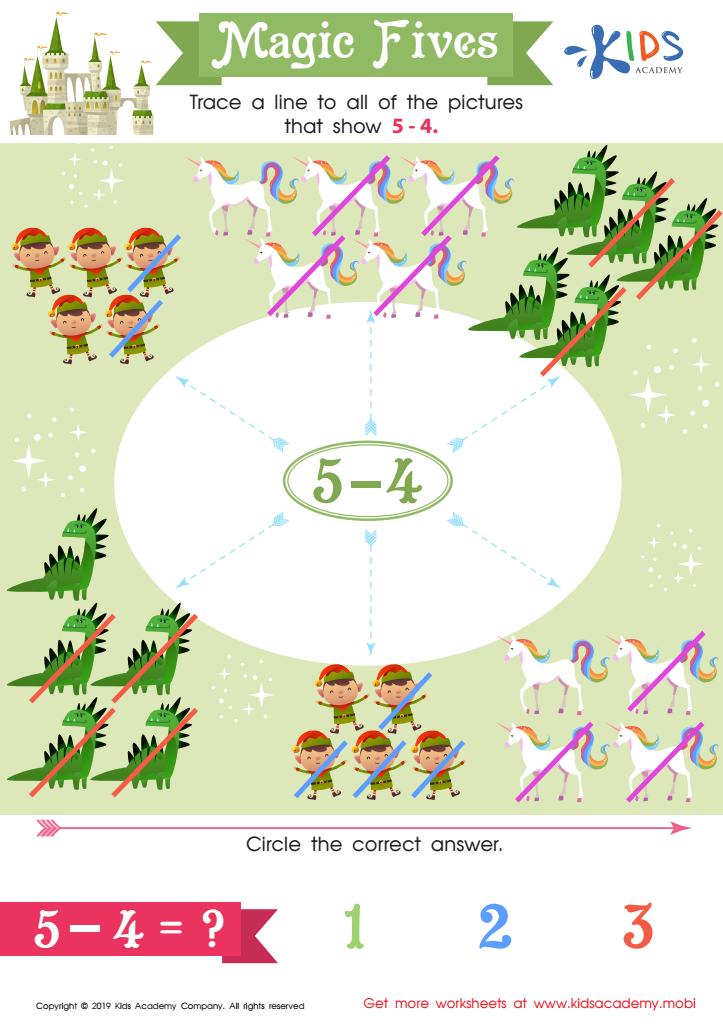
Magic Fives Worksheet
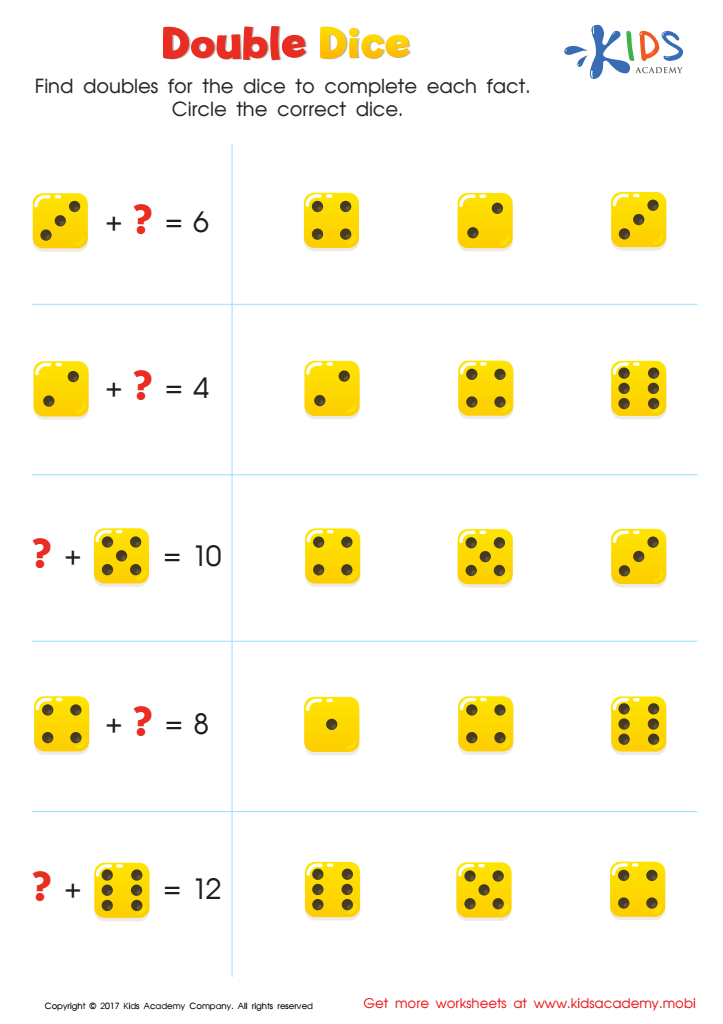
Addition Facts: Double Dice Worksheet
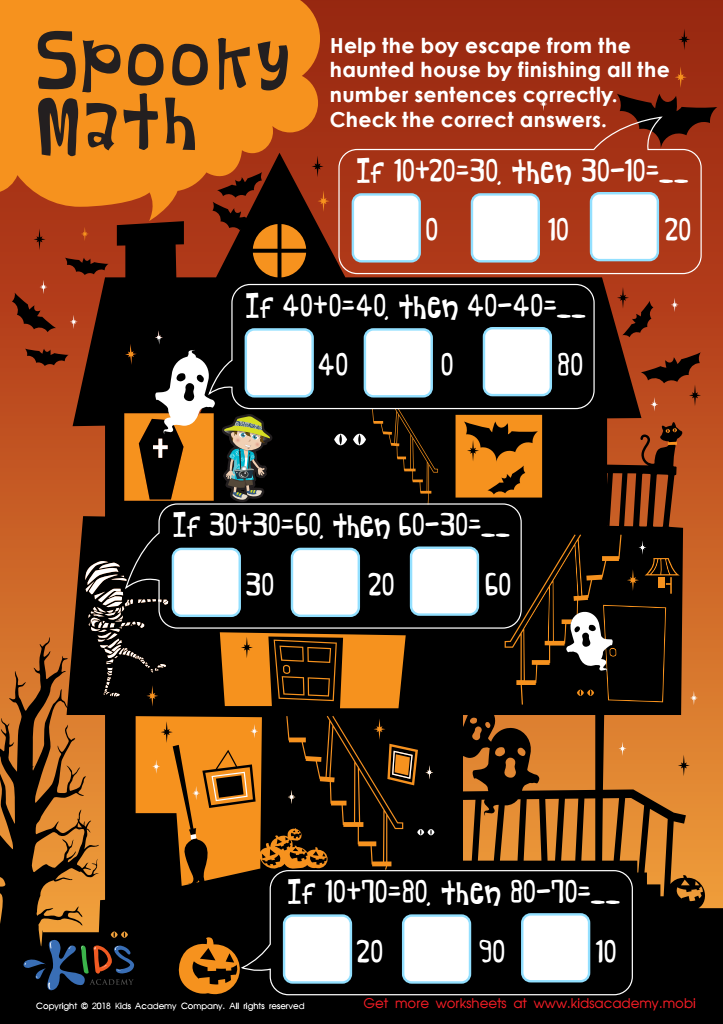
Subtract Tens: Spooky Math Worksheet








Number recognition, addition, and subtraction skills are foundational to a child's early mathematical development, making them essential for both parents and teachers to emphasize. During ages 6 to 9, children are at a critical stage of cognitive and social development. Mastery of these concepts allows kids to build confidence in their ability to tackle more complex mathematical operations later on.
Understanding number recognition aids in developing pattern recognition and logical reasoning, essential skills for academic success. Addition and subtraction are not merely operations; they help children grasp important relational concepts — understanding how quantities interact lays the groundwork for all future math learning, including multiplication, division, and fractions.
Moreover, fluency in these basic operations enhances a child's problem-solving abilities, encouraging them to think critically in everyday situations, such as budgeting allowance or measuring ingredients for a recipe. By supporting and promoting these skills, parents and teachers help enhance a child’s overall learning experience, creating a strong mathematical mindset. This commitment fosters a love for numbers, develops a sense of accomplishment, and ultimately prepares children not just for future academic challenges but for real-life applications as well. Hence, involvement in these early stages can lead to long-term educational benefits.








