Problem-Solving Skills Normal Addition & Subtraction Worksheets for Ages 6-9 - Page 2
33 filtered results
-
From - To
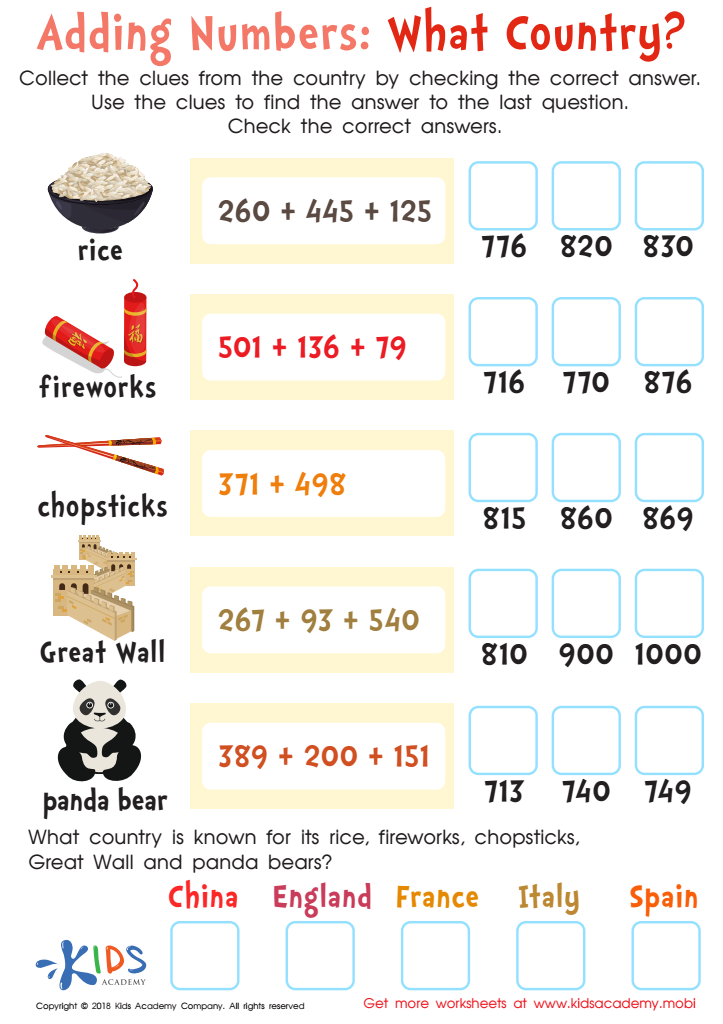
Adding Numbers: What Country Worksheet
 Assign to My Students
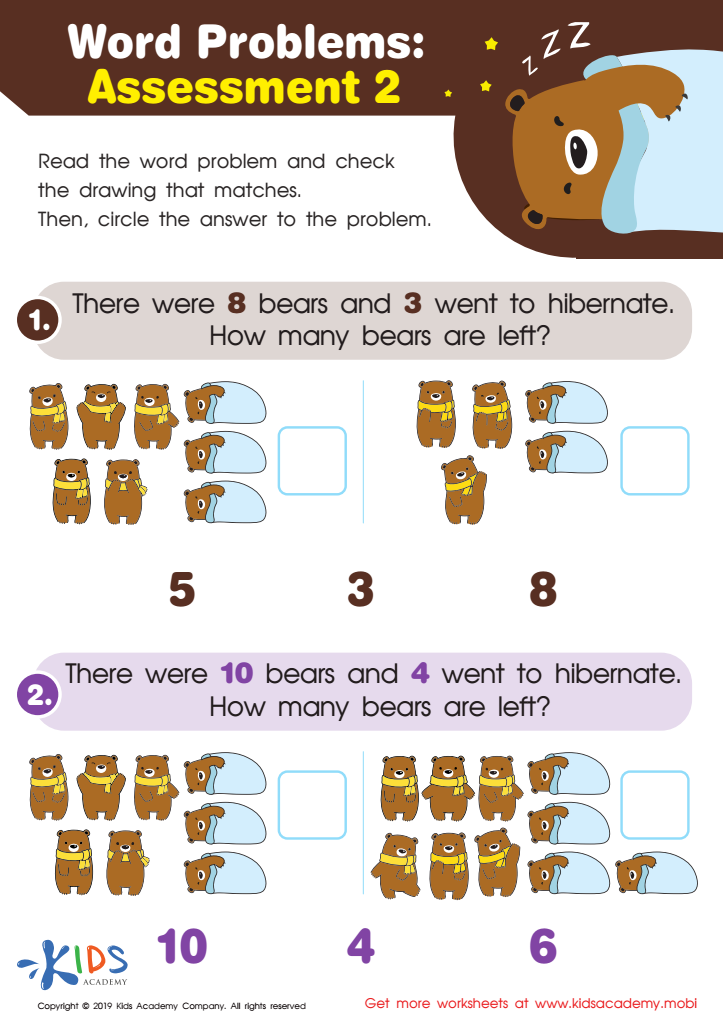
Word Problems: Assessment 2 Worksheet
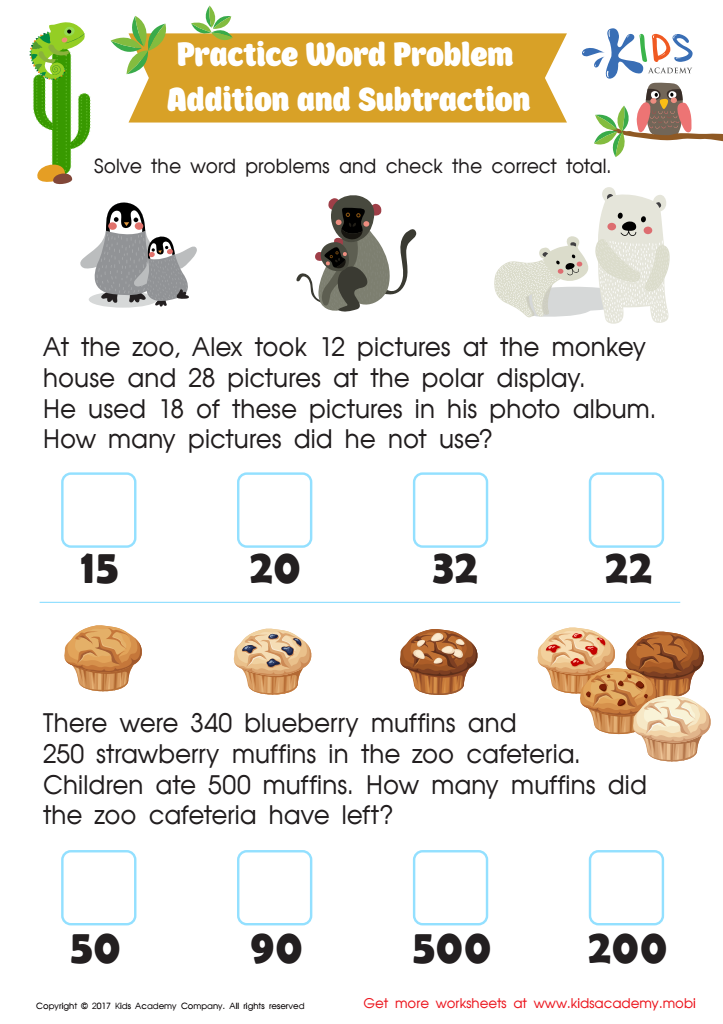
Addition and Subtraction: Word Problems Worksheet
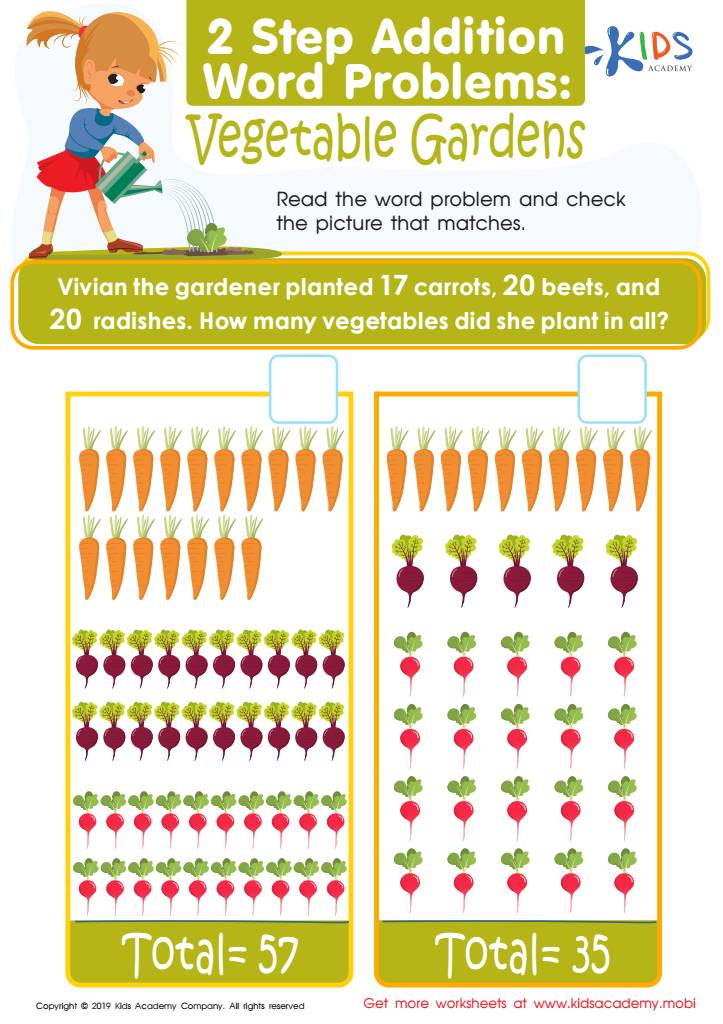
Vegetable Gardens Worksheet
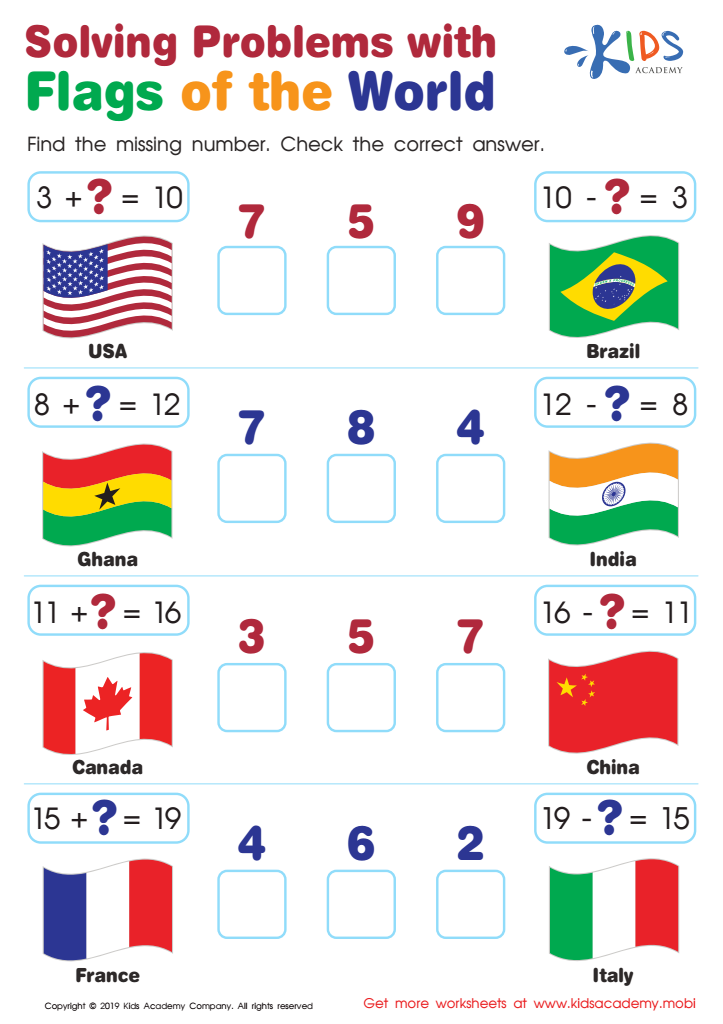
Solving Problems with Flags of the World Worksheet
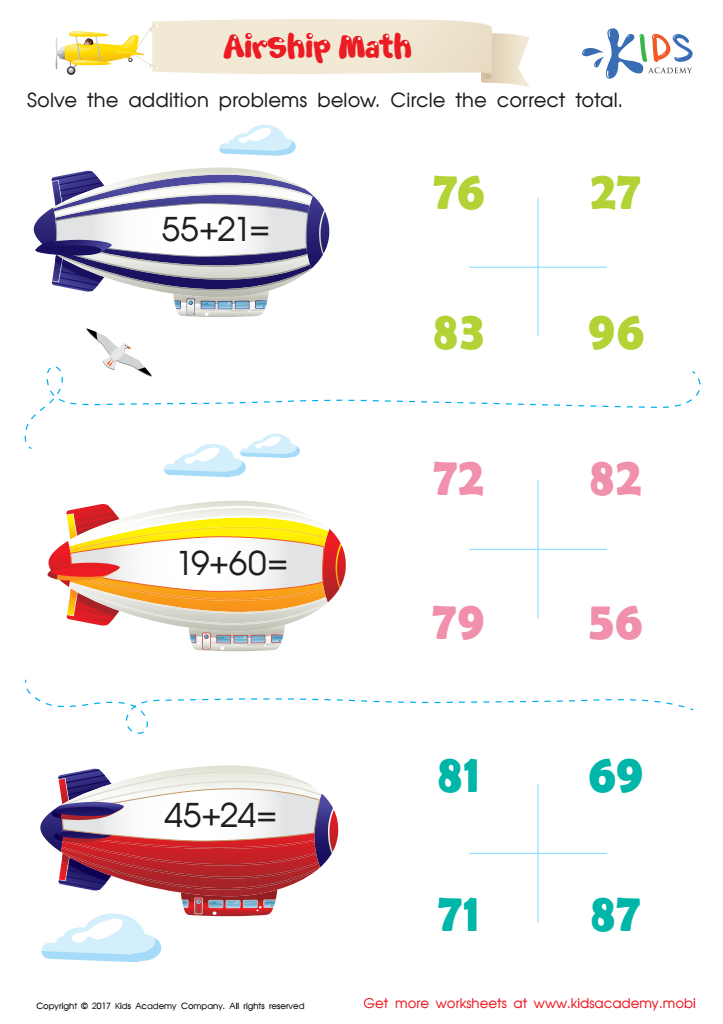
Airship Math Addition Printable
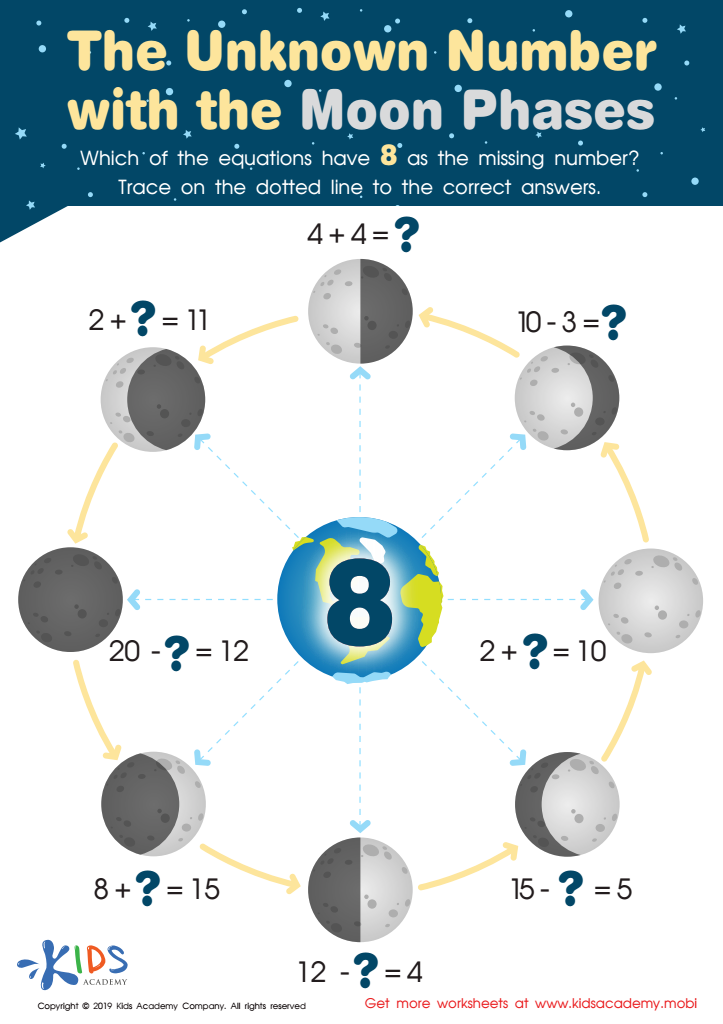
The Unknown Number with the Moon Phases Worksheet
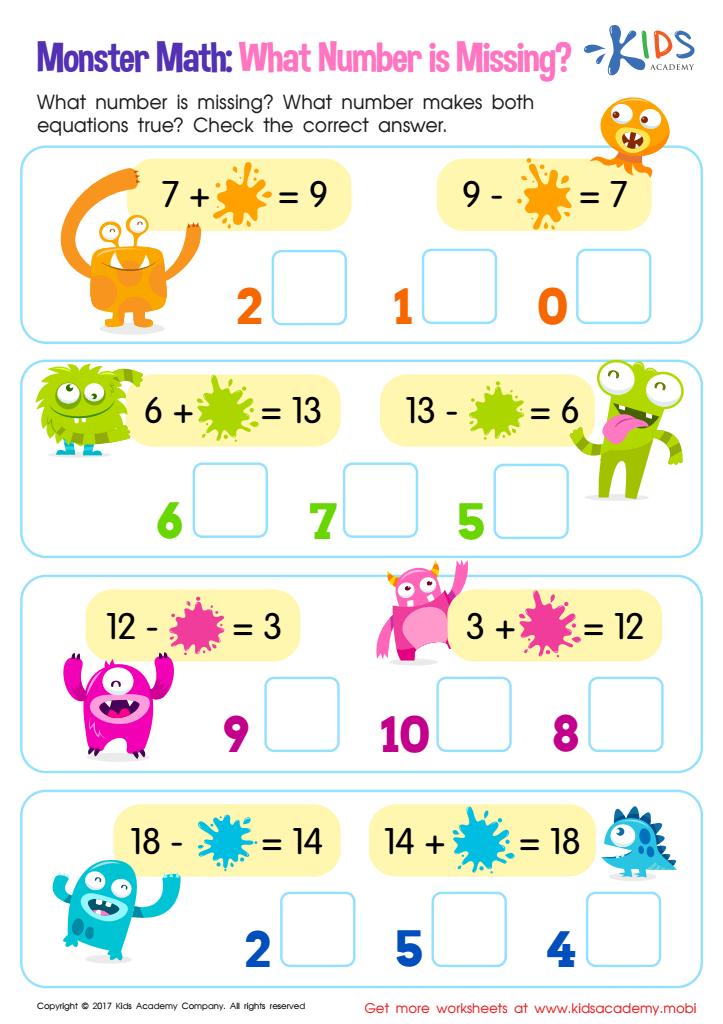
Missing Number: Monster Math Worksheet
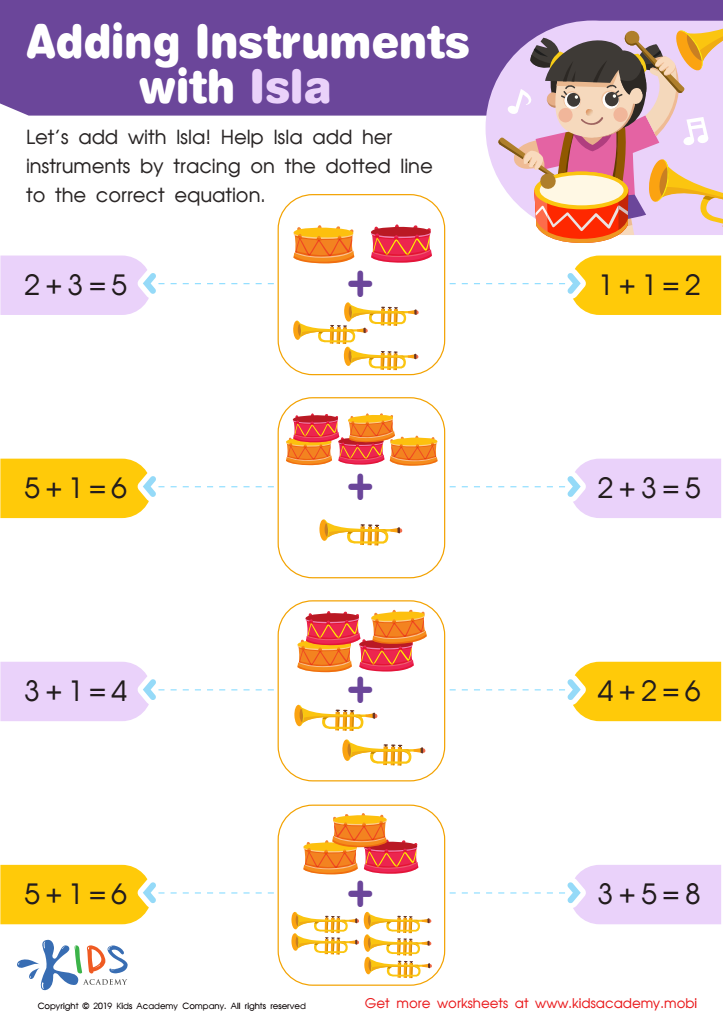
Adding Instruments with Isla Worksheet








Problem-solving skills in normal addition and subtraction are essential for children aged 6-9 as they form the foundation for more complex mathematical concepts. During these early years, developing strong problem-solving skills helps children build confidence in their ability to tackle math challenges. This confidence encourages a positive attitude toward mathematics, which can influence their overall academic success.
Parents and teachers should prioritize these skills because they promote critical thinking and logical reasoning. When children learn to solve addition and subtraction problems, they practice identifying patterns, understanding relationships, and making calculated decisions. These skills are not just restricted to math but are transferable to various aspects of life and other academic subjects, from science to social studies.
Moreover, addition and subtraction are practical skills that kids will use daily, from simple tasks like counting money and measuring ingredients for a recipe to more complex ones like budgeting their allowances. Effective problem-solving strategies in these areas can help children develop a practical understanding of numbers, fostering independence and self-reliance.
In summary, fostering strong problem-solving skills in addition and subtraction for ages 6-9 sets the stage for lifelong learning and practical decision-making, making it a crucial focus for educators and parents alike.








