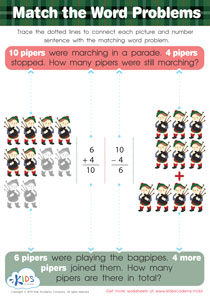
Counting skills Normal Addition Worksheets for Ages 6-9
11 filtered results
-
From - To
Unlock your child's potential in basic math with our Counting Skills Normal Addition Worksheets for ages 6-9. Perfectly designed to build a strong foundation in counting and addition, these engaging worksheets blend learning with fun. Each sheet progresses in difficulty, allowing children to practice and hone their skills. As pupils work through the worksheets, they'll develop confidence in solving addition problems and mastering essential math concepts. Ideal for classroom use or home practice, our worksheets offer a variety of challenges to ensure a thorough understanding. Empower your child with effective, enjoyable math practice today!
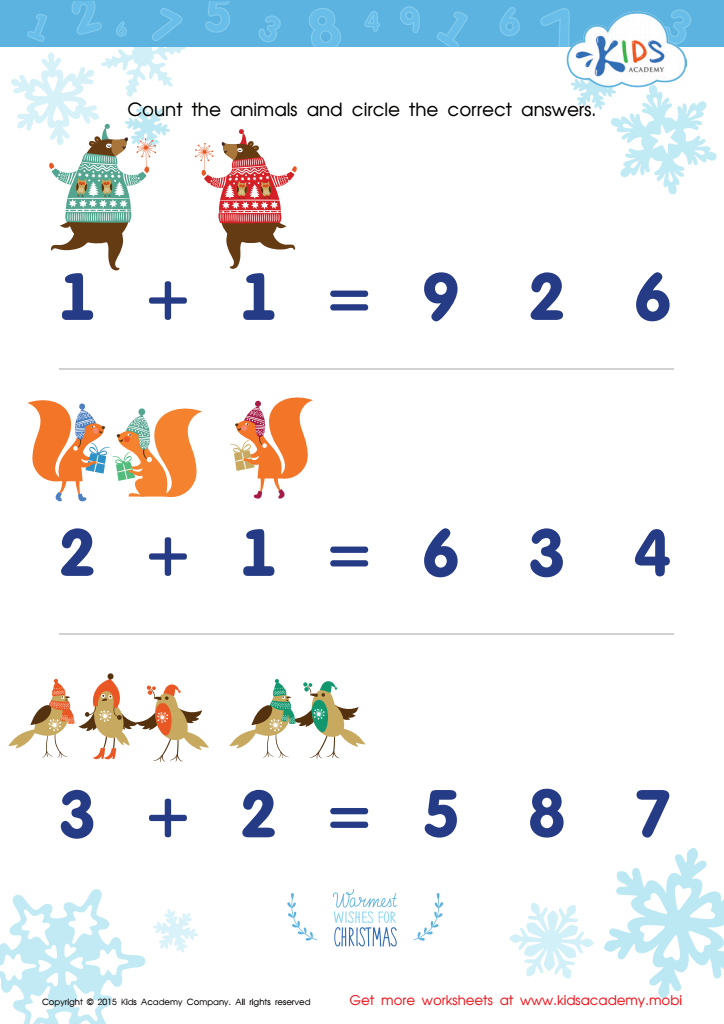
Count Funny Animals Worksheet
 Assign to My Students
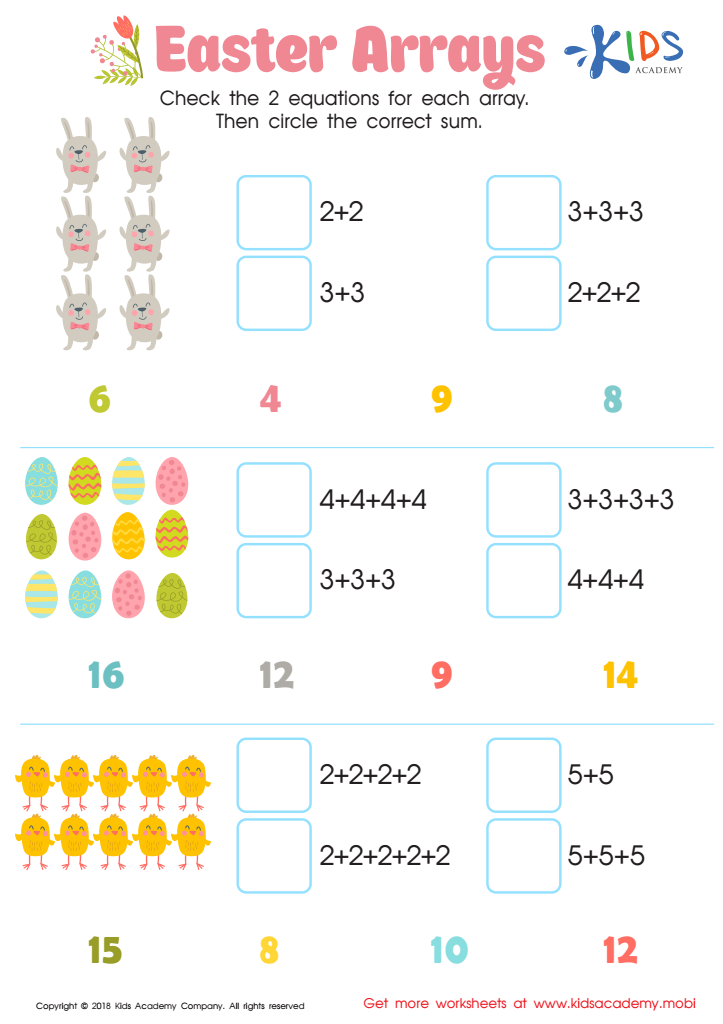
Easter Arrays Worksheet
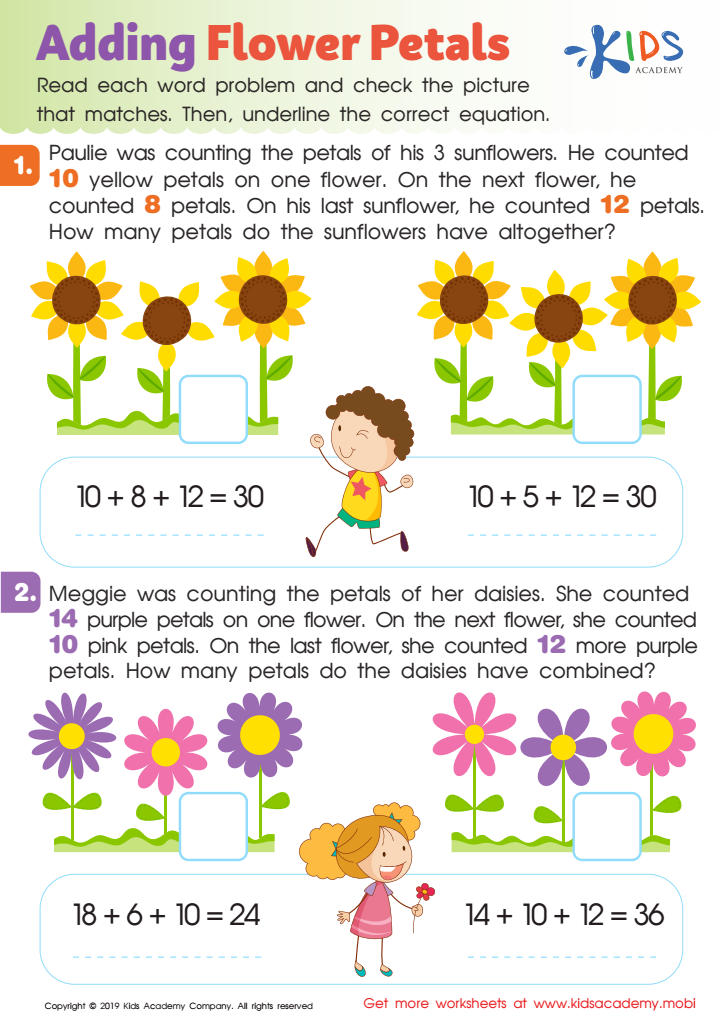
Adding Flower Petals Worksheet
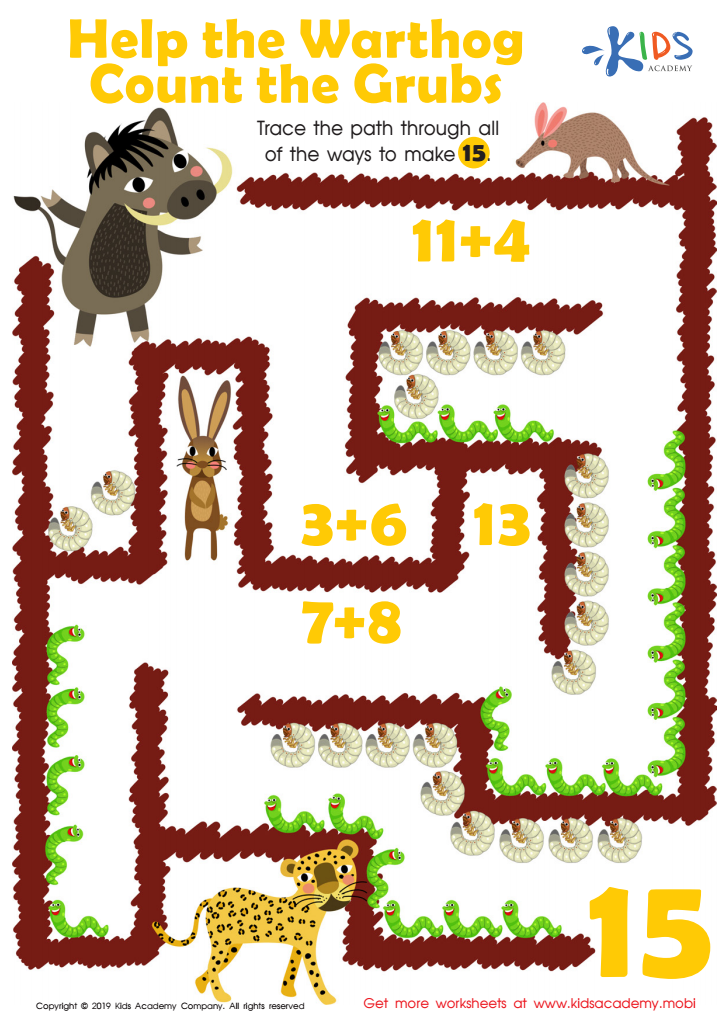
Help the Warthog Count the Grubs Worksheet
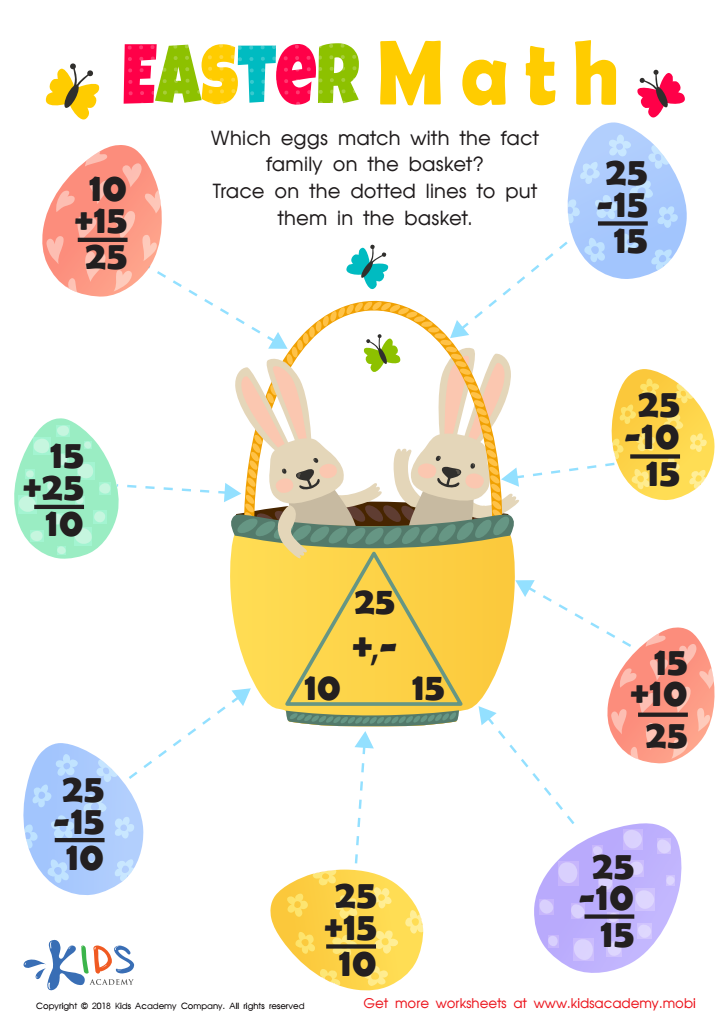
Fact Families: Easter Math Worksheet
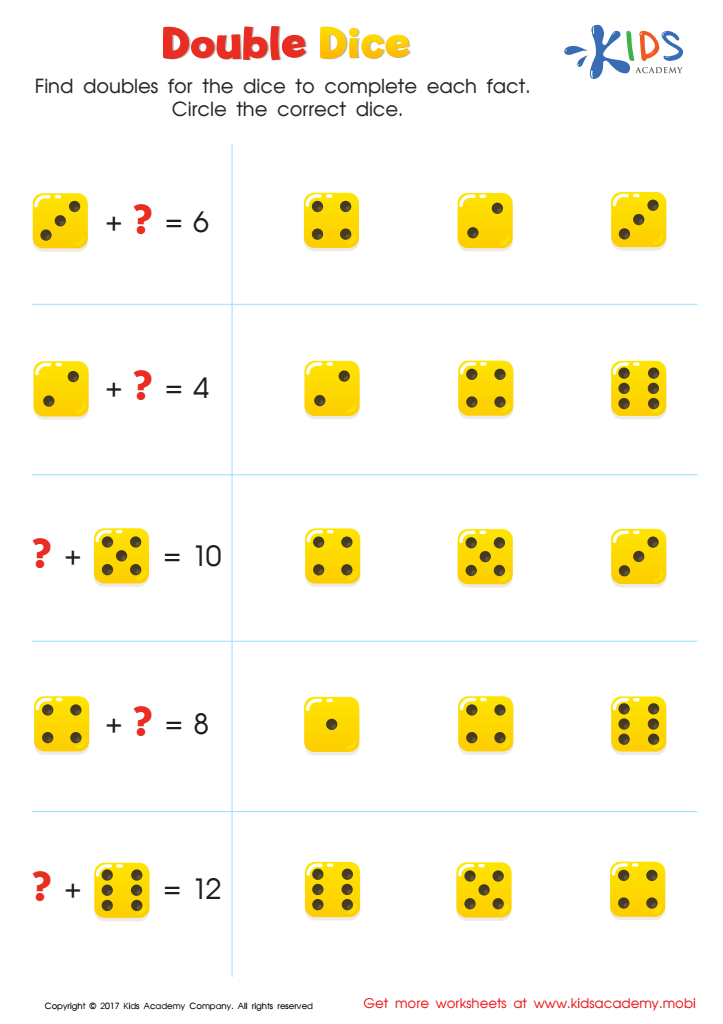
Addition Facts: Double Dice Worksheet
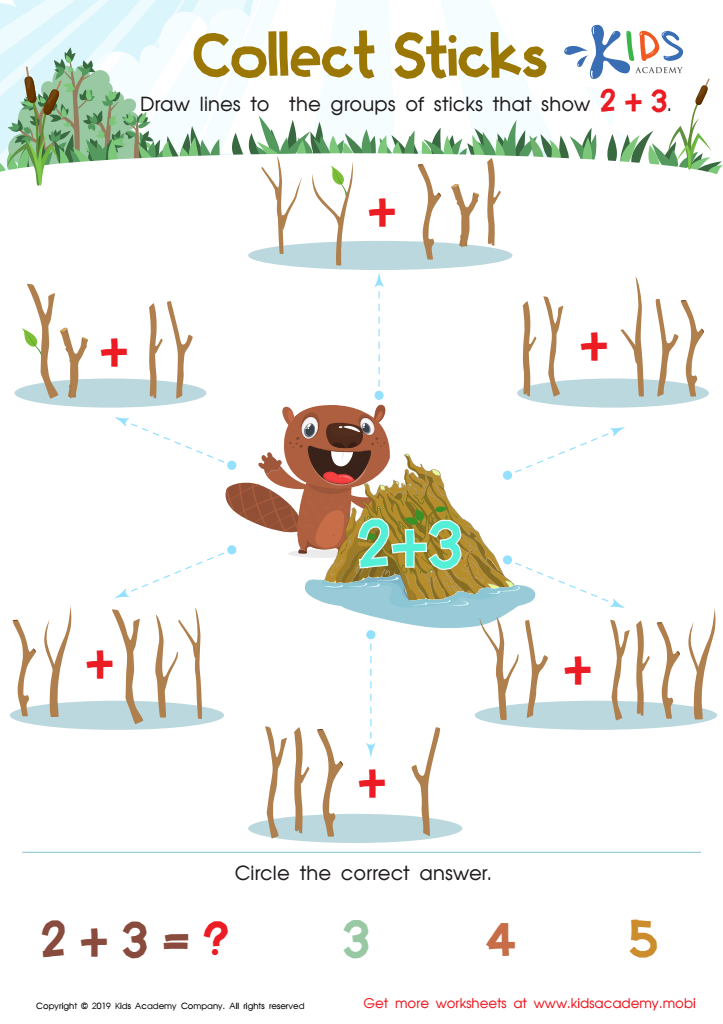
Collect Sticks Worksheet
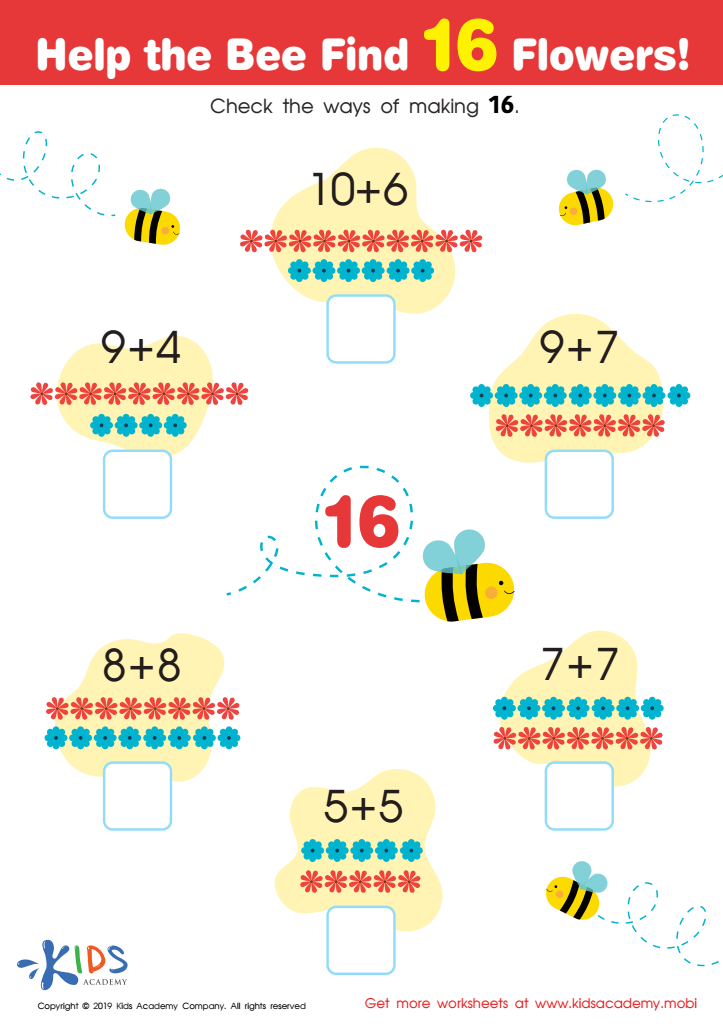
Help the Bee Find 16 Flowers Worksheet
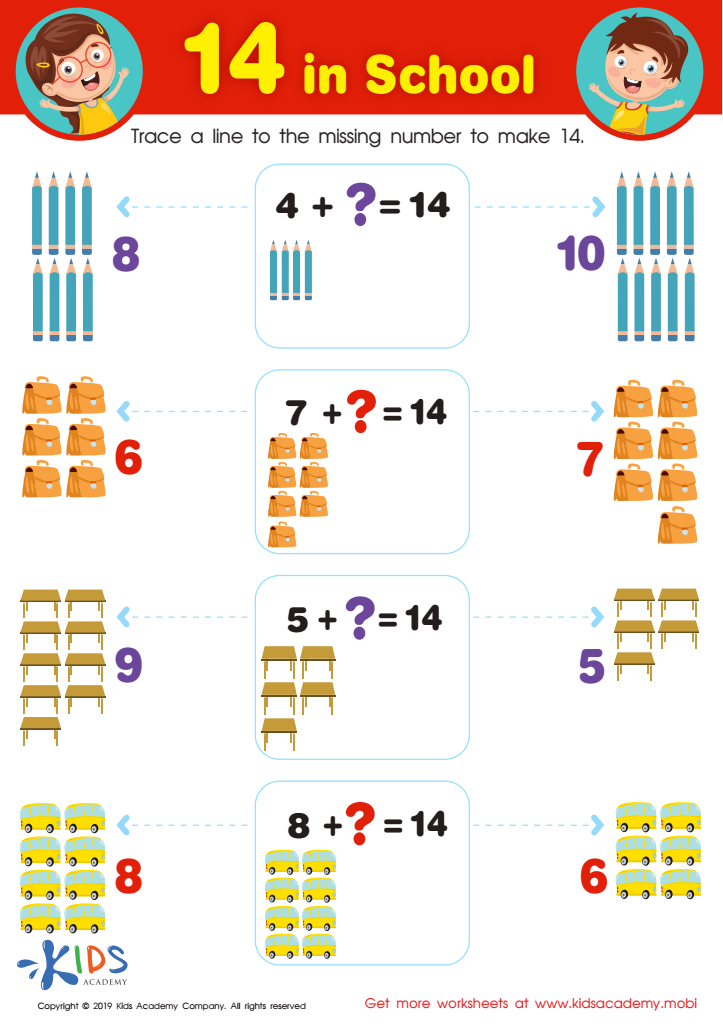
14 in School Worksheet
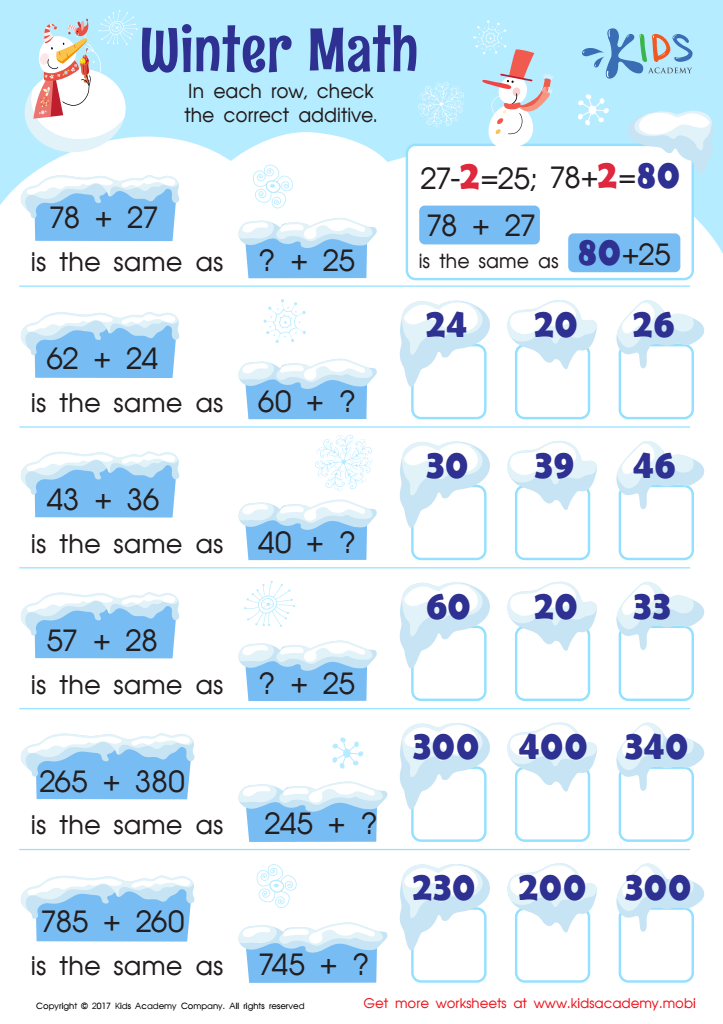
Free Addition Worksheet
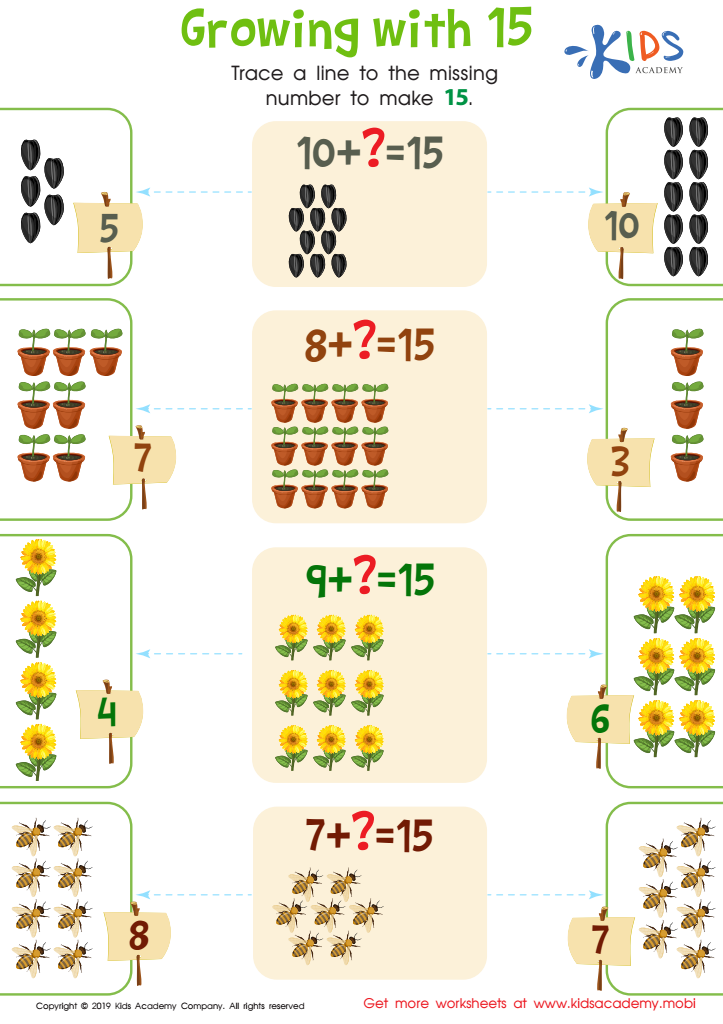
Growing with 15 Worksheet








Counting skills and normal addition are foundational building blocks for children aged 6-9, serving as crucial components for their overall mathematical development and cognitive growth.
Firstly, mastering counting skills fosters numerical fluency and confidence. It helps children understand the concept of quantity and develop a sense of numbers, which is essential for grasping more complex mathematical operations in future grade levels. When children successfully count objects or numbers, they are engaging in one-to-one correspondence, an important strategy that ensures they can link numbers with quantities accurately.
Normal addition, on the other hand, is a step forward from mere counting. It introduces children to the idea of combining numbers to form a new total, enhancing their problem-solving abilities and analytical thinking. Addition is relevant in everyday contexts, such as counting money, measuring ingredients, or even understanding time, making it a practical life skill.
Moreover, these skills prepare children for more advanced concepts, such as multiplication, division, and algebra. A robust understanding of counting and addition helps build a solid mathematical foundation, thereby preventing future learning gaps.
For teachers and parents, nurturing these skills in early grades is essential. It can be facilitated through fun, interactive activities and games, thus instilling a positive attitude toward math which is critical for children’s academic success and lifelong numeracy.