Normal Comparing Numbers Worksheets for Ages 6-9 - Page 2
32 filtered results
-
From - To
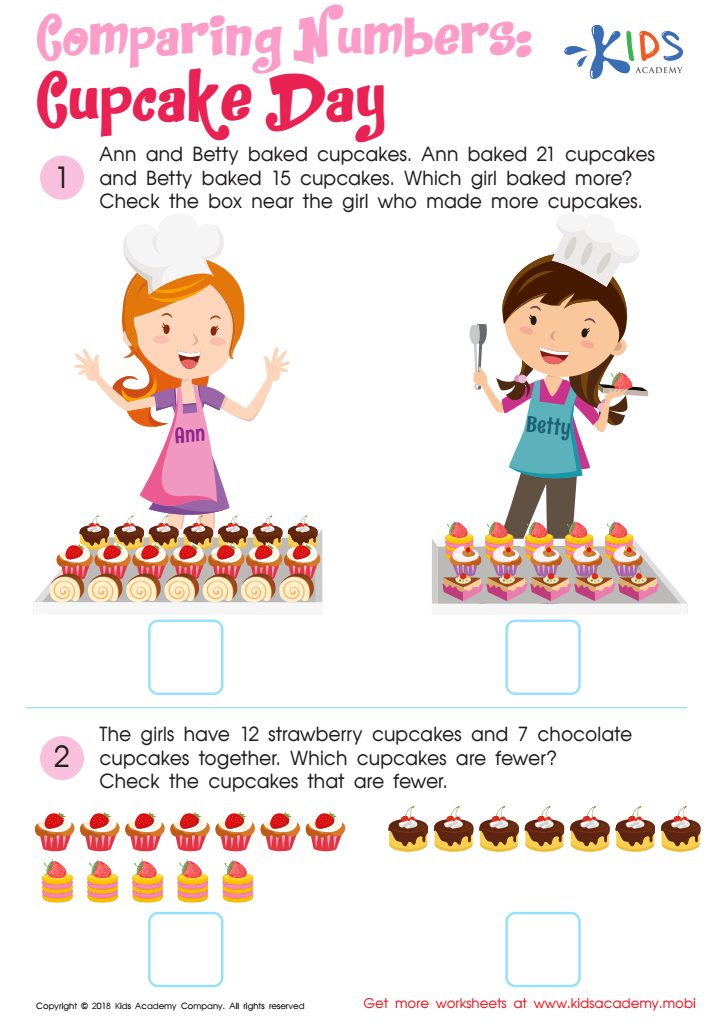
Cupcake Day Worksheet
 Assign to My Students
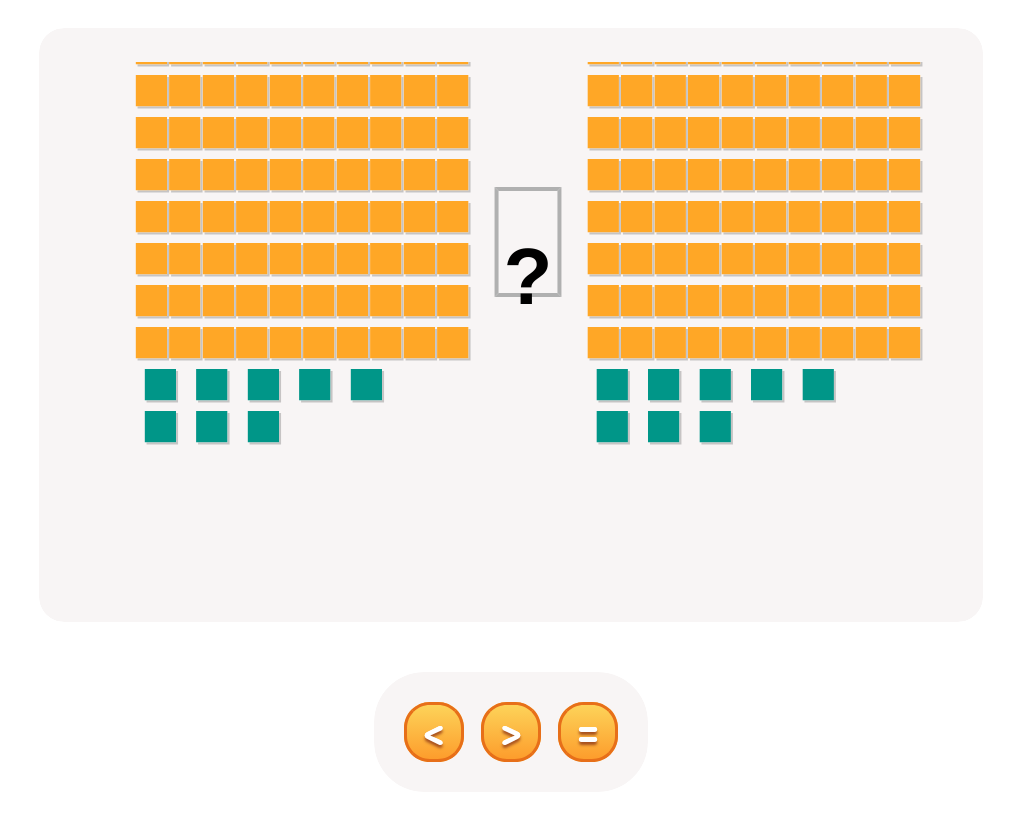

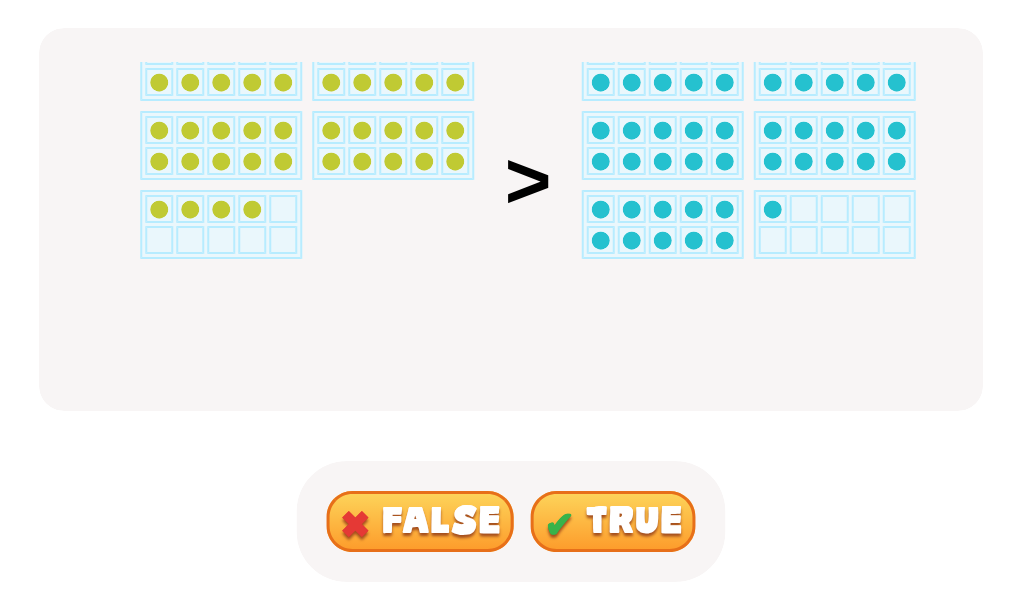
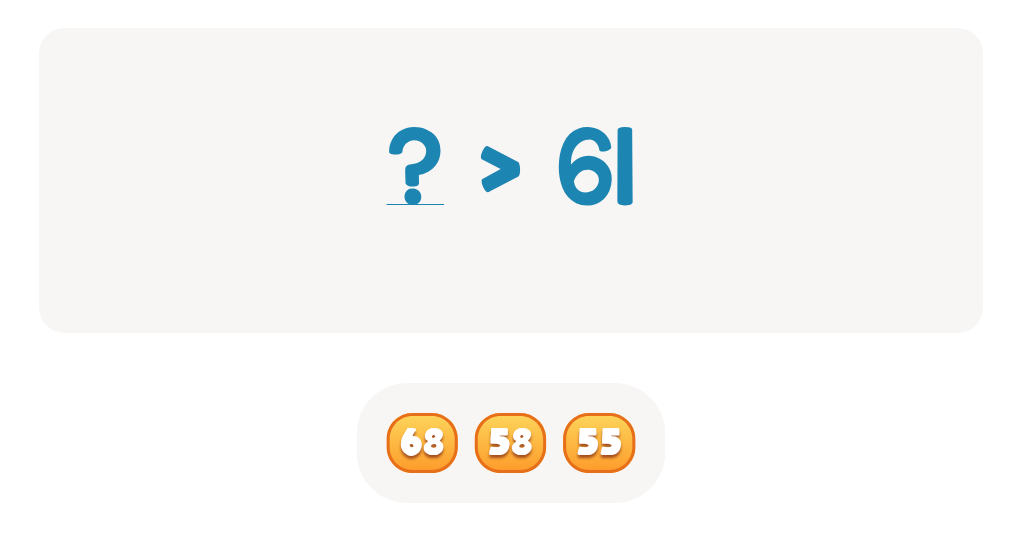
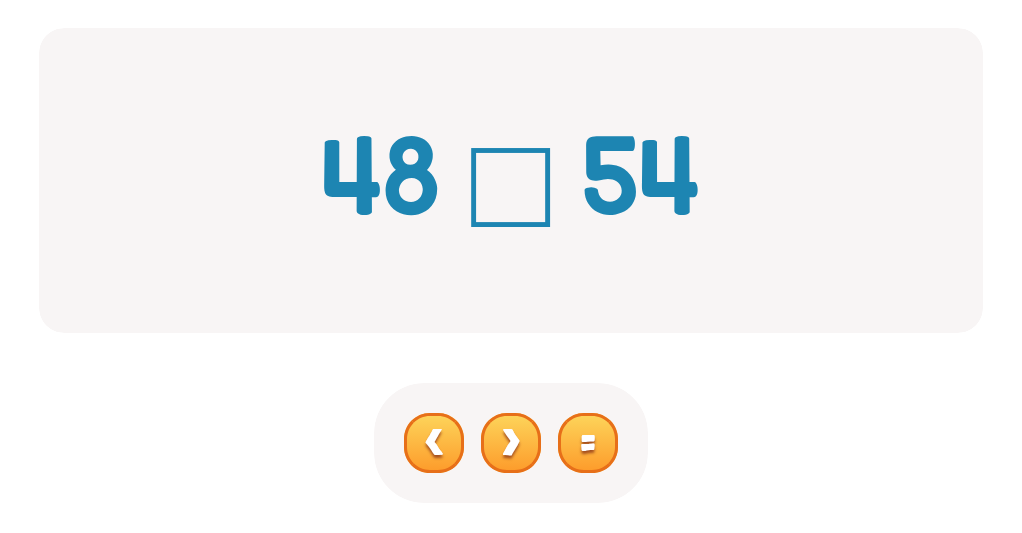
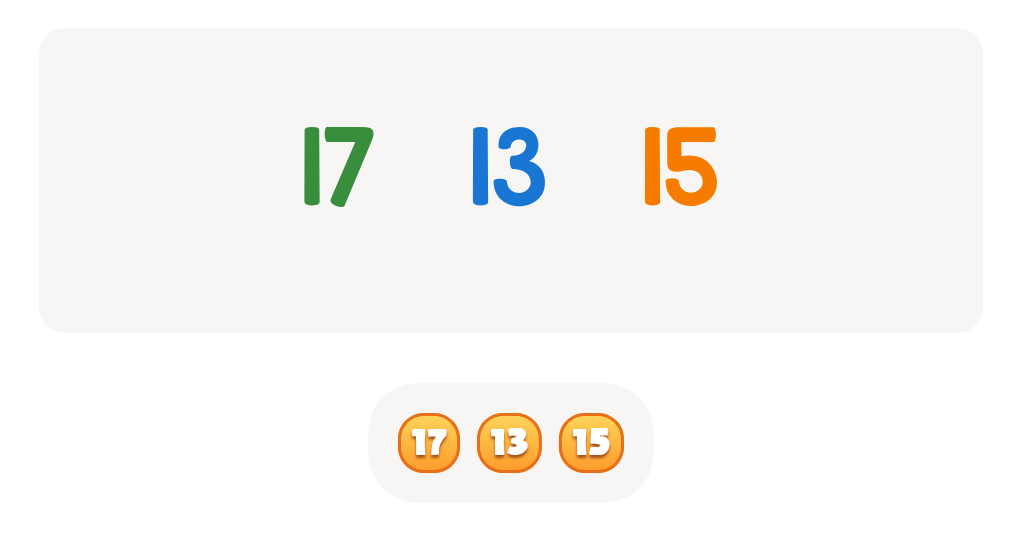
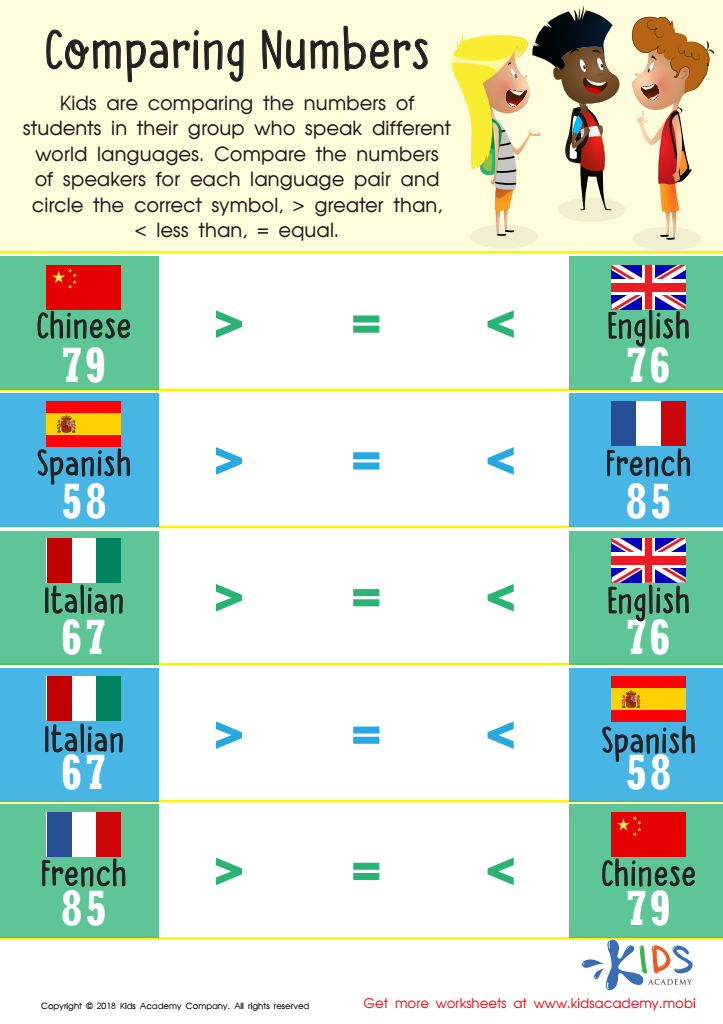
Comparing Numbers Worksheet for 1st Grade
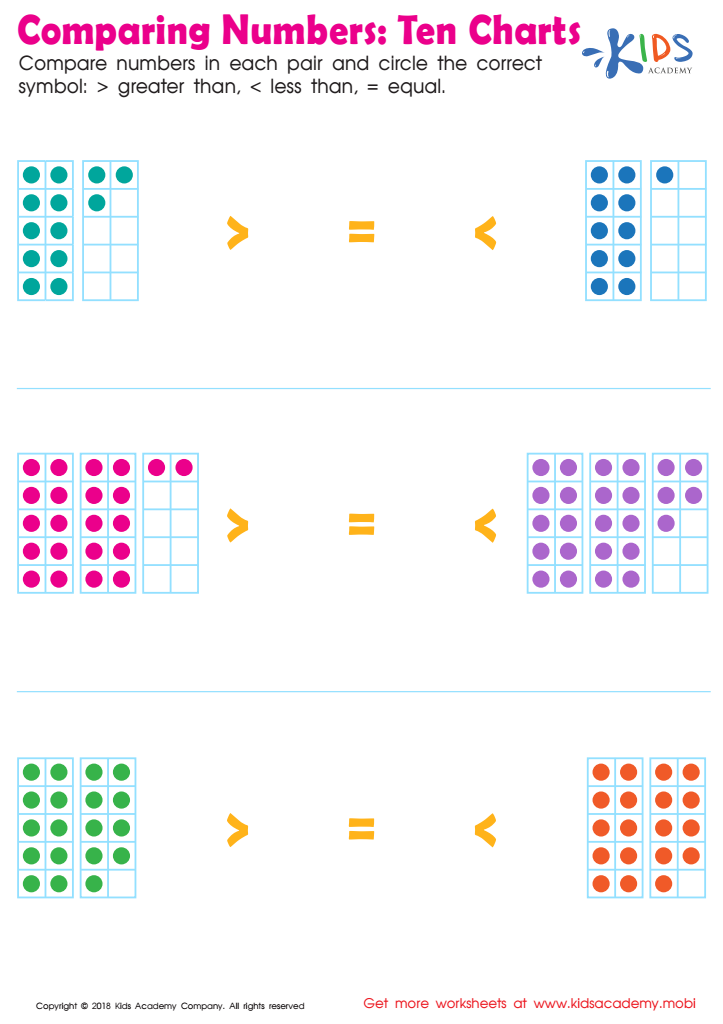
Ten Charts Worksheet
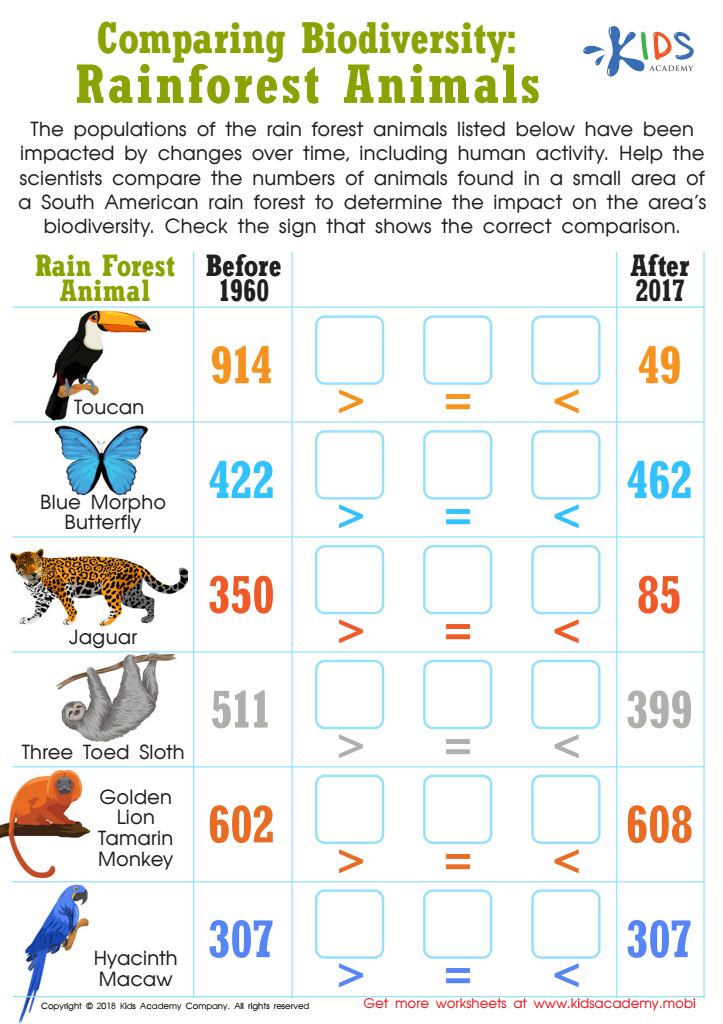
Comparing Biodiversity: Rainforest Animals Worksheet
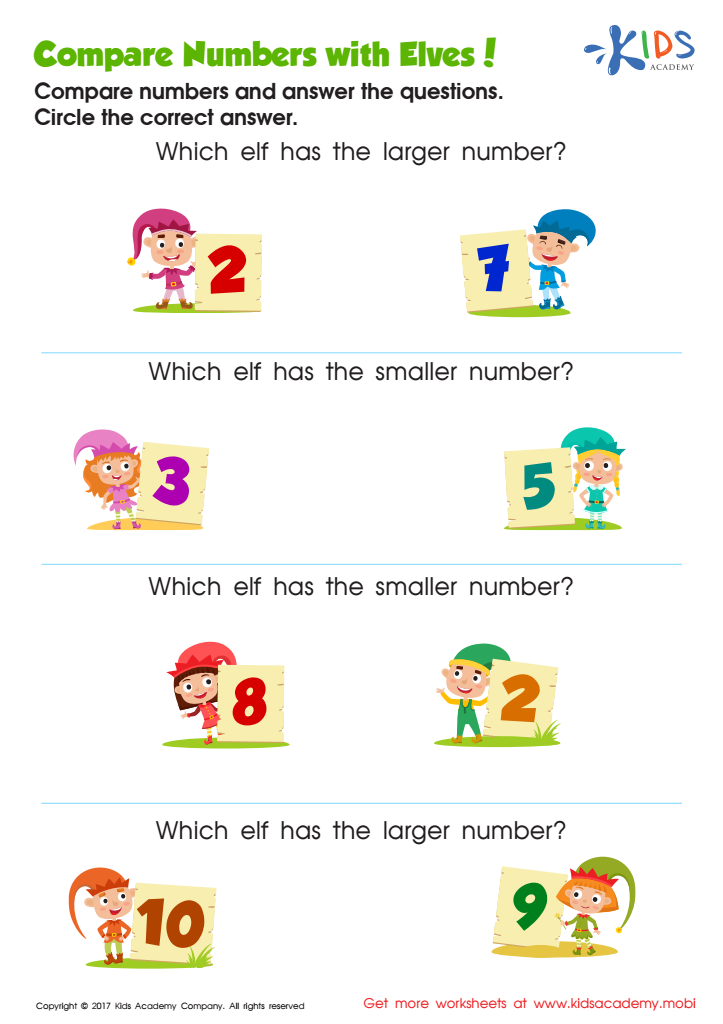
Comparing Numbers Worksheet for Kindergarten
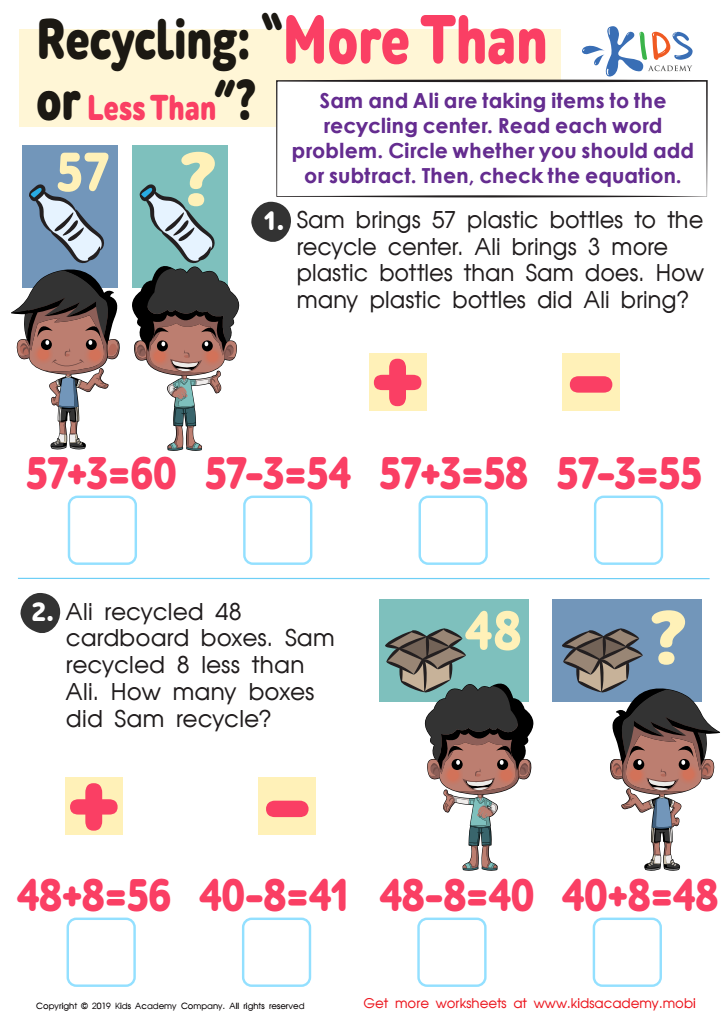
Recycling - More or Less Worksheet
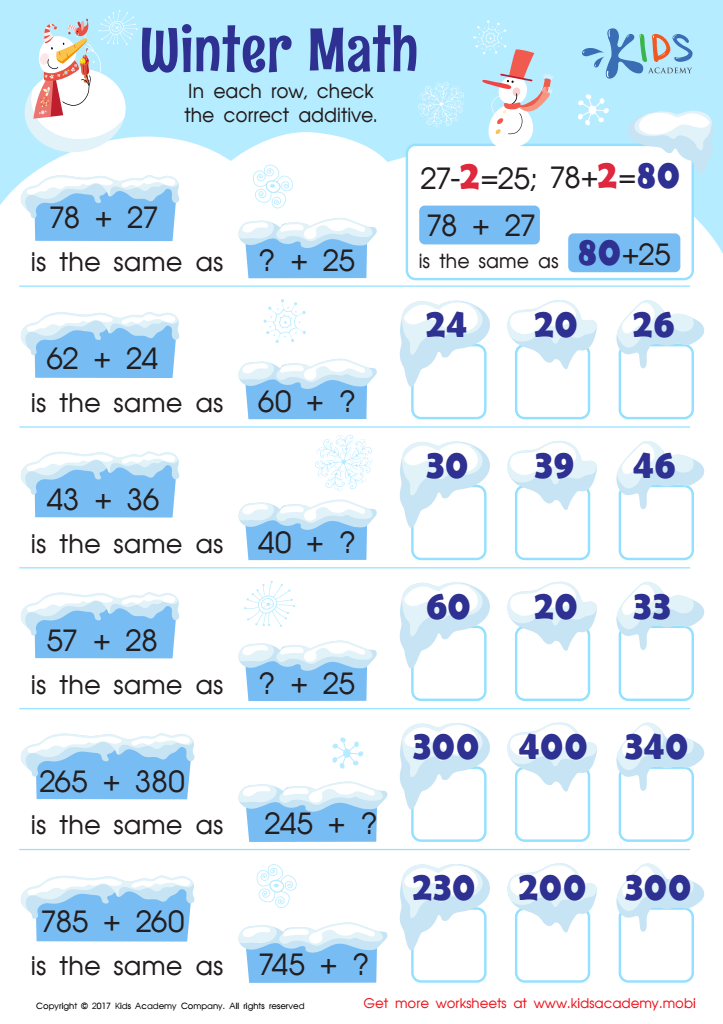
Free Addition Worksheet
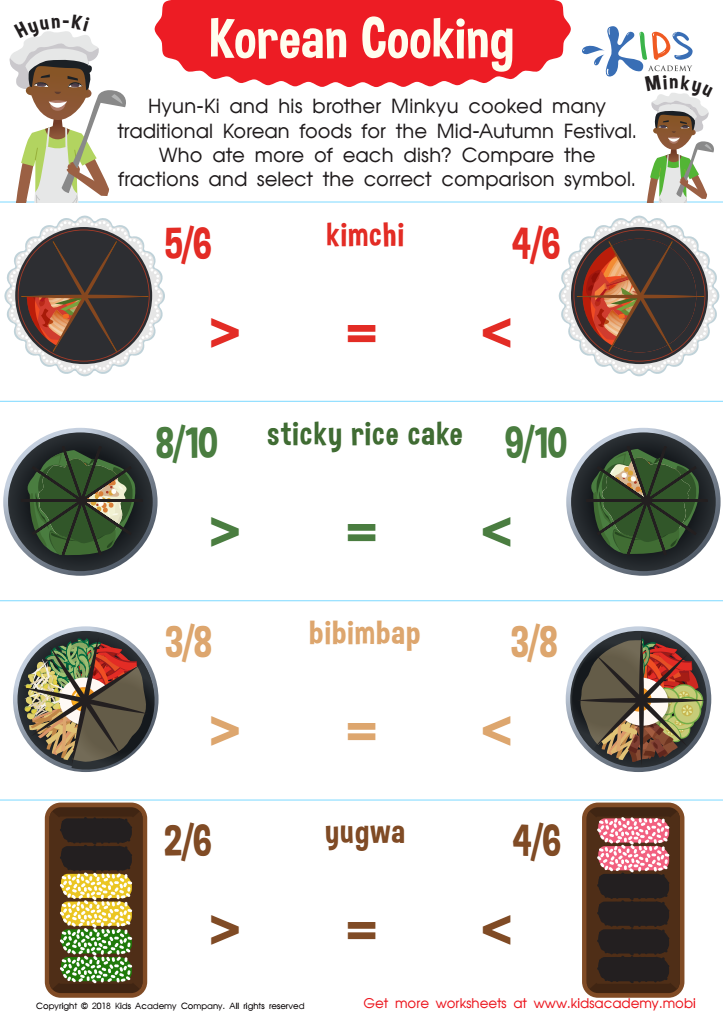
Korean Cooking Worksheet








Understanding normal comparing numbers is crucial for children aged 6-9 as it lays the foundation for essential mathematical skills and extends to real-life reasoning. At this developmental stage, kids are transitioning from simple counting to more complex numerical concepts like greater than, less than, and equal to.
When parents and teachers prioritize teaching comparing numbers, they equip children with tools that help with critical problem-solving and logical thinking. For instance, grasping the concept of comparing numbers allows children to make informed decisions, such as choosing the longer queue at a theme park, or figuring out if they have enough pocket money for a particular toy.
Moreover, comparing numbers enhances their ability to understand sequencing and order, which is vital for grasping more advanced mathematical topics. Skills developed during these comparison activities, including attention to detail and accurate observation, also translate well into other academic areas, such as reading comprehension and science experiments.
Lastly, this knowledge builds confidence in young learners. As they master comparing numbers, children start to experience the joy of discovery and accomplishment in math, setting a positive precedent for continued interest and success in the subject.
Teacher-led games and parental encouragement can make the learning process interactive and fun, fully paving the way for these young minds to thrive academically and practically.