Fine Motor Skills Normal Geometry Worksheets for Ages 6-9
9 filtered results
-
From - To
Enhance your child's fine motor skills while exploring the exciting world of geometry with our engaging worksheets designed specifically for ages 6-9! These printable resources provide a fun and interactive way for young learners to practice shape recognition, drawing, and tracing while developing essential hand-eye coordination and dexterity. With a variety of activities featuring vibrant visuals and clear instructions, your child will enjoy mastering basic geometric concepts. Our fine motor skills worksheets not only promote academic growth but also foster creativity and confidence. Perfect for both at-home learning and classroom use, these resources will keep Kids engaged and eager to learn!
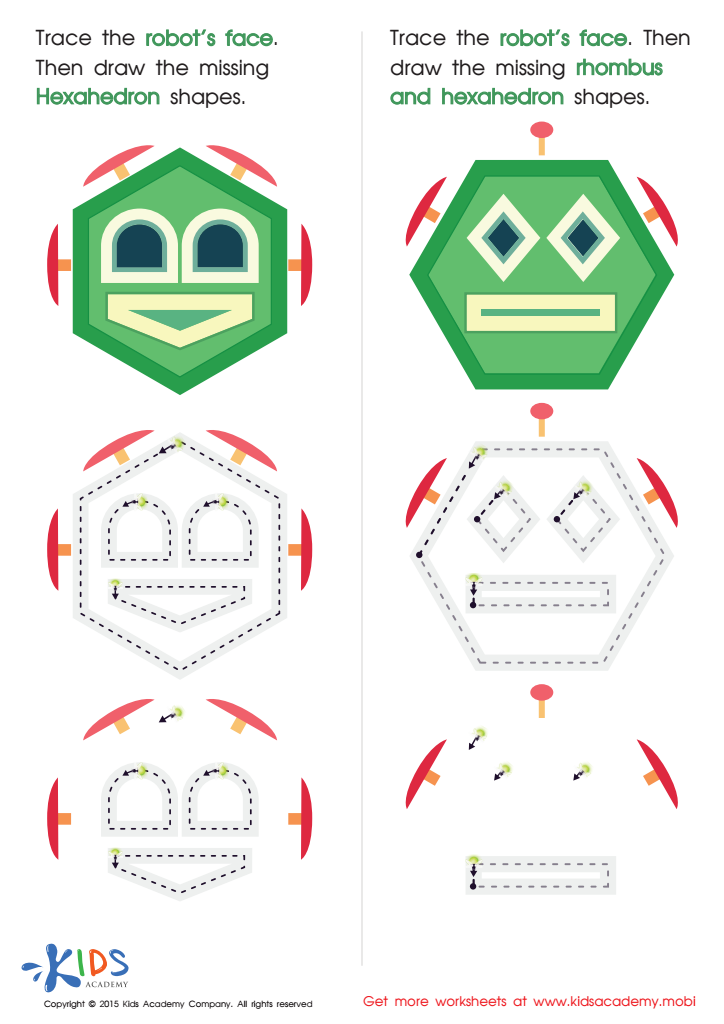
Practice Drawing Hexahedrons And a Rhombus Worksheet
 Assign to My Students











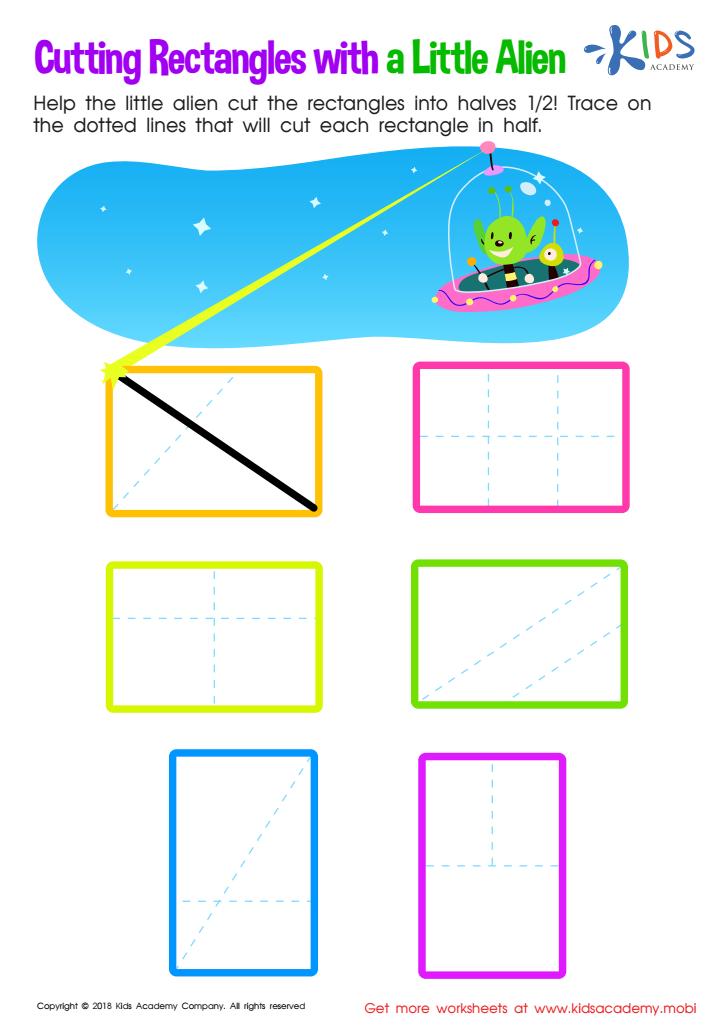
Cutting Rectangles with Alien Worksheet
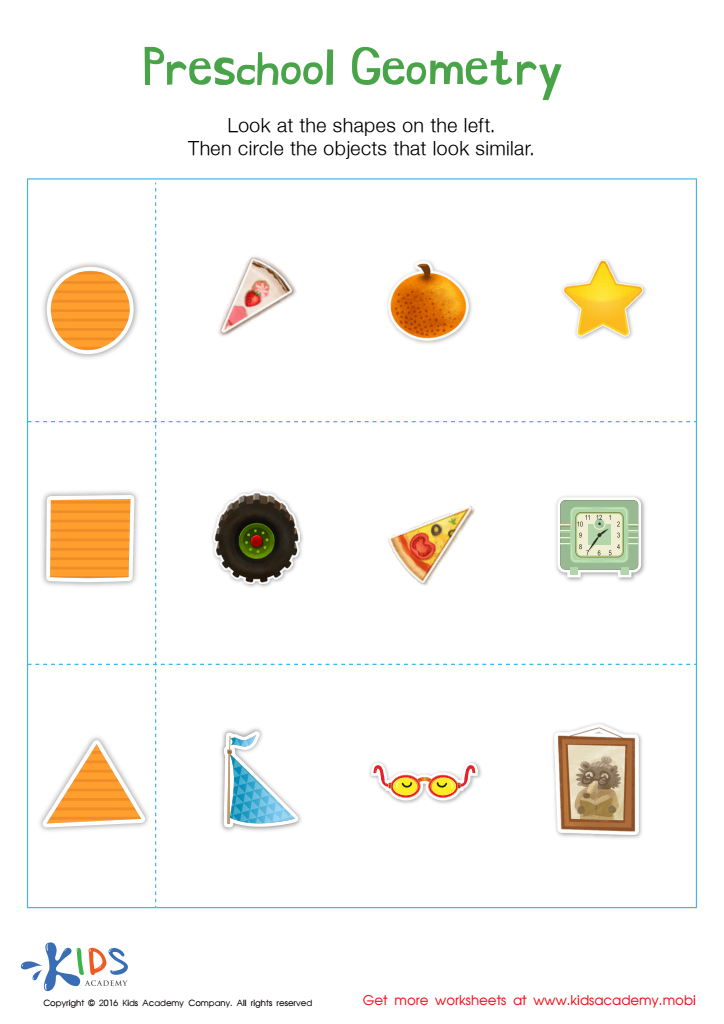
Preschool Geometry Match Up Worksheet

Learning to Draw Crescents And Triangles Worksheet
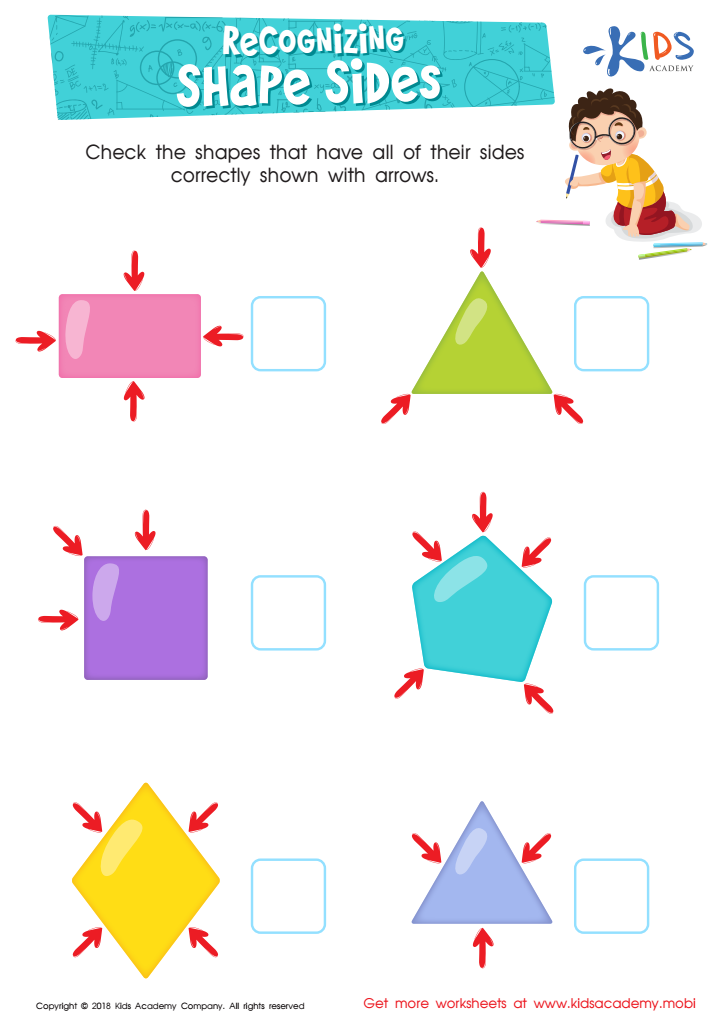
Recognizing Shape Sides Worksheet
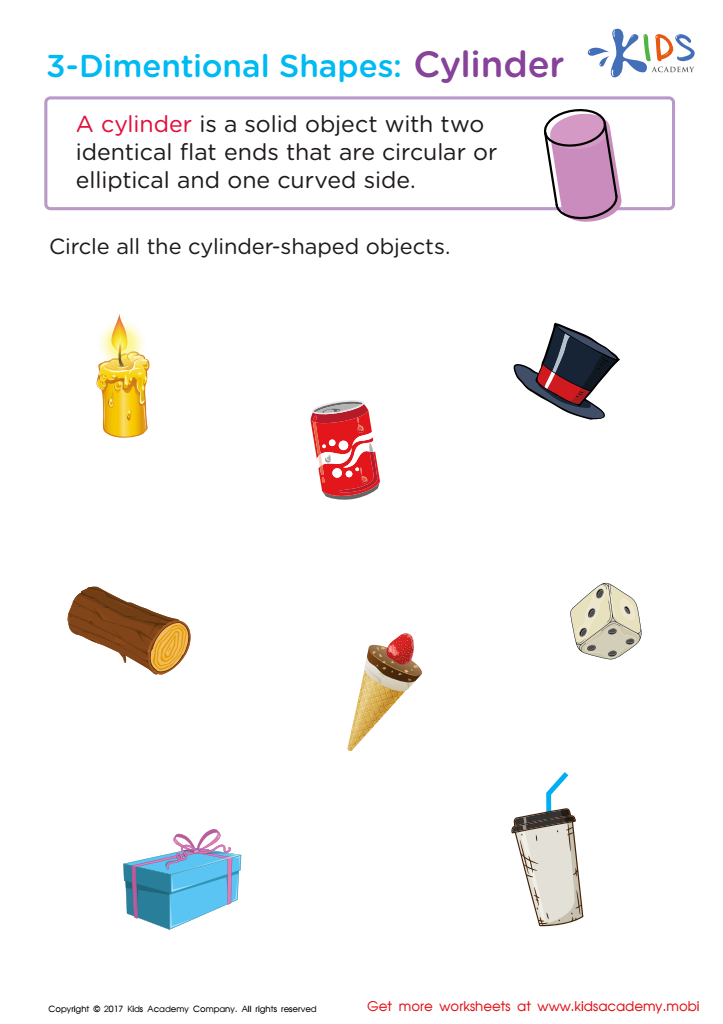
Three–Dimensional Shapes: Cylinder Worksheet
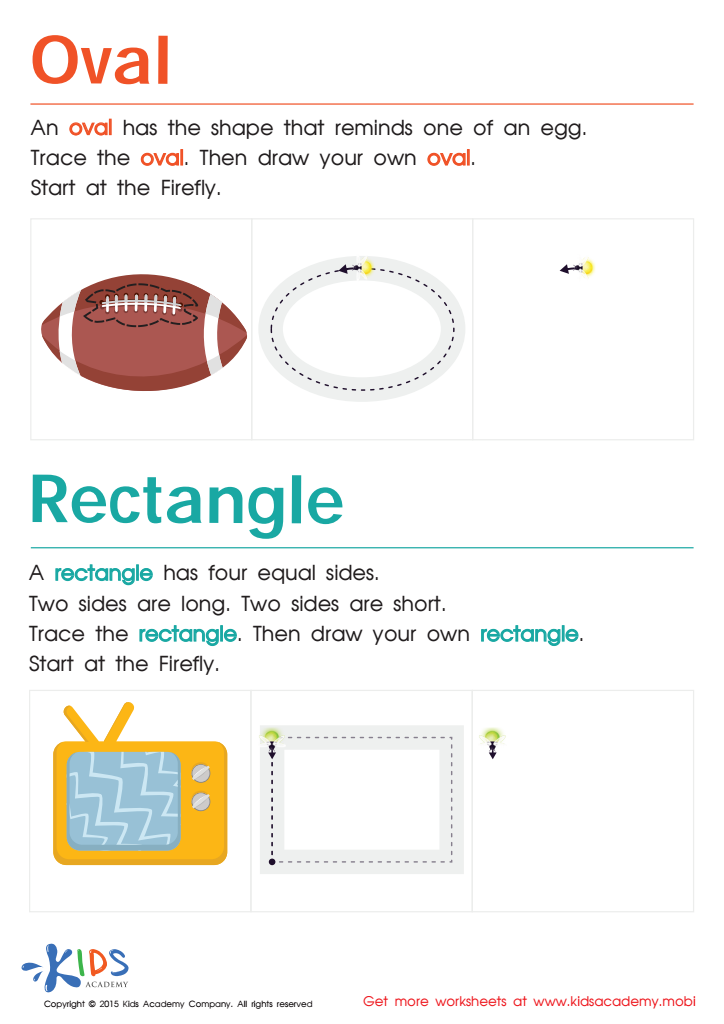
Easy Drawing of Ovals And Rectangles Worksheet
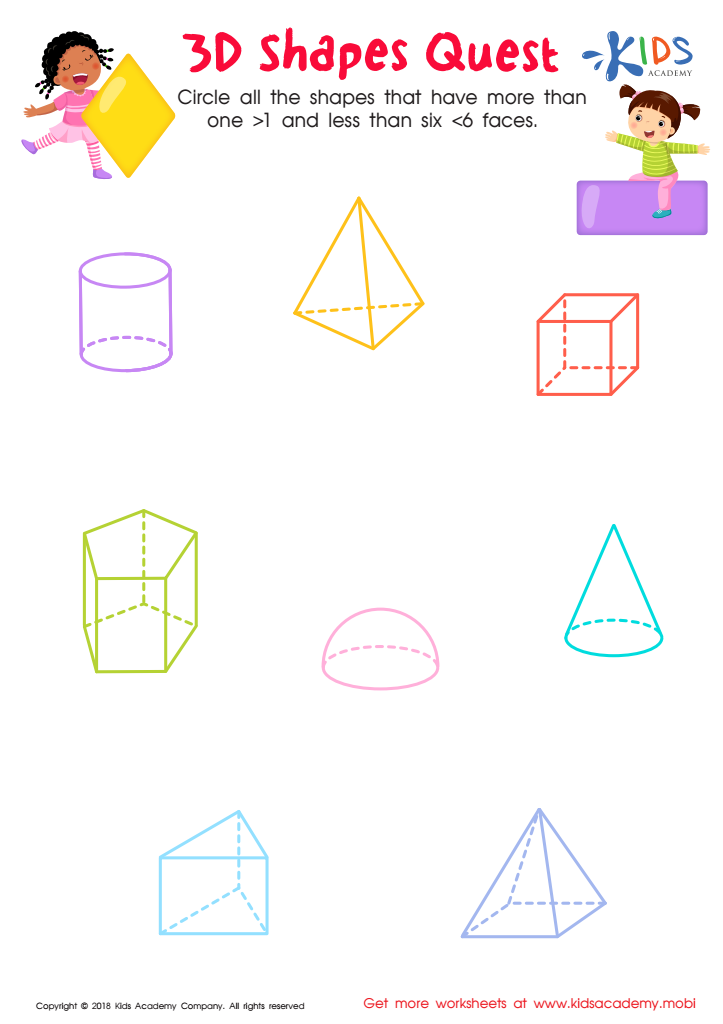
3D Shapes Quest Worksheet
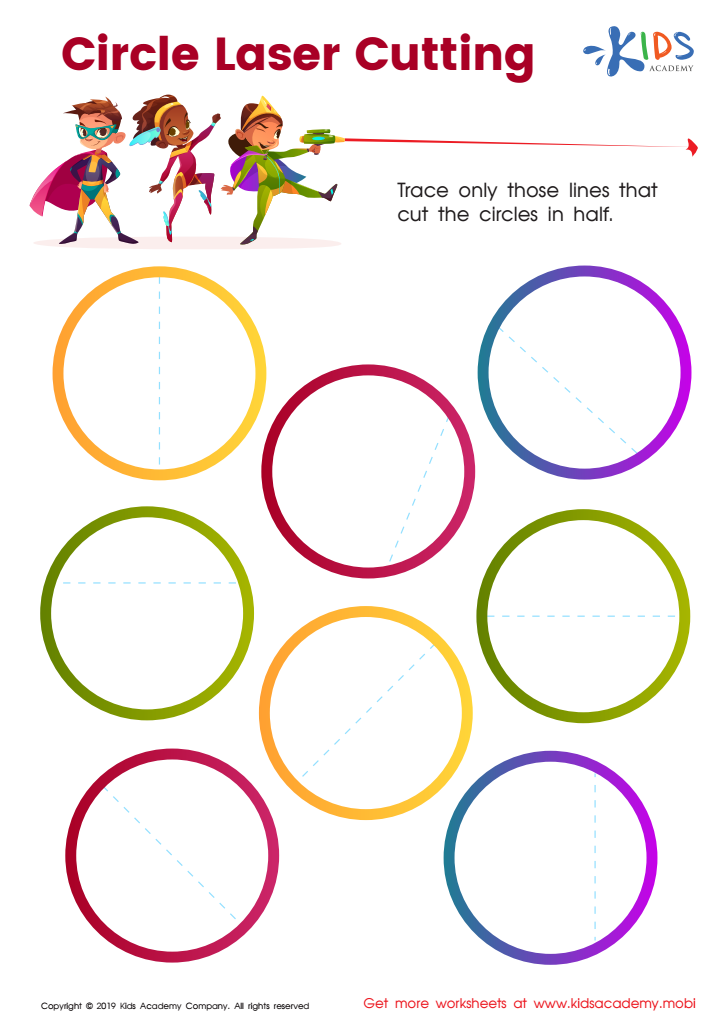
Circle Laser Cutting Worksheet








Fine motor skills and an understanding of geometry are crucial for children aged 6-9, playing a significant role in their cognitive, physical, and social development. Parents and teachers should prioritize these skills for several reasons.
Firstly, fine motor skills, such as gripping, cutting, and writing, are foundational for daily tasks and future academic success. Children who practice these skills become more proficient in writing and drawing, which are essential for expressing their thoughts and creativity.
Additionally, understanding normal geometry is vital in helping children recognize shapes, patterns, and spatial relationships. This knowledge is linked not only to mathematics but also to problem-solving and critical thinking skills. Mastering geometric concepts boosts their confidence in tackling more complex mathematical tasks in later grades.
Moreover, integrating fine motor activities with geometric learning—like building with blocks or tracing shapes—encourages hands-on, exploratory learning that keeps children engaged. This multi-faceted approach supports both individual development and collaborative play, fostering social interactions and teamwork.
Investing in fine motor skills and geometry prepares children for academic advancements and daily life, ensuring they develop a solid foundation for future learning and personal growth. Thus, parents and teachers play a key role in nurturing these essential skills.








