Vocabulary expansion Normal Animals Worksheets for Ages 6-9
5 filtered results
-
From - To
Enhance your child's vocabulary with our engaging "Vocabulary Expansion Normal Animals Worksheets" designed for ages 6-9. These interactive worksheets introduce young learners to a variety of animal-related vocabulary, encouraging them to explore the fascinating world of wildlife. With colorful illustrations and fun activities, children will strengthen their language skills while studying normal animals they encounter every day. Each worksheet promotes recognition and usage of new words through matching, fill-in-the-blank, and word search tasks, making learning enjoyable and effective. Perfect for supplemental learning at home or in the classroom, our resources will spark curiosity and boost your child's confidence in language skills!
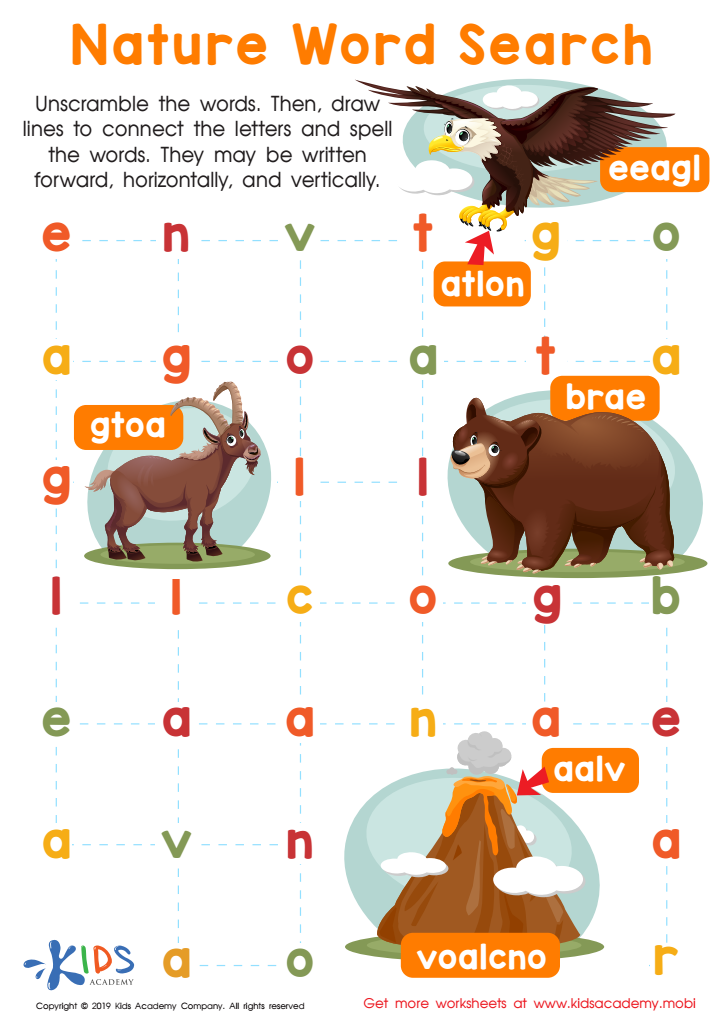
Nature Word Search Worksheet
 Assign to My Students
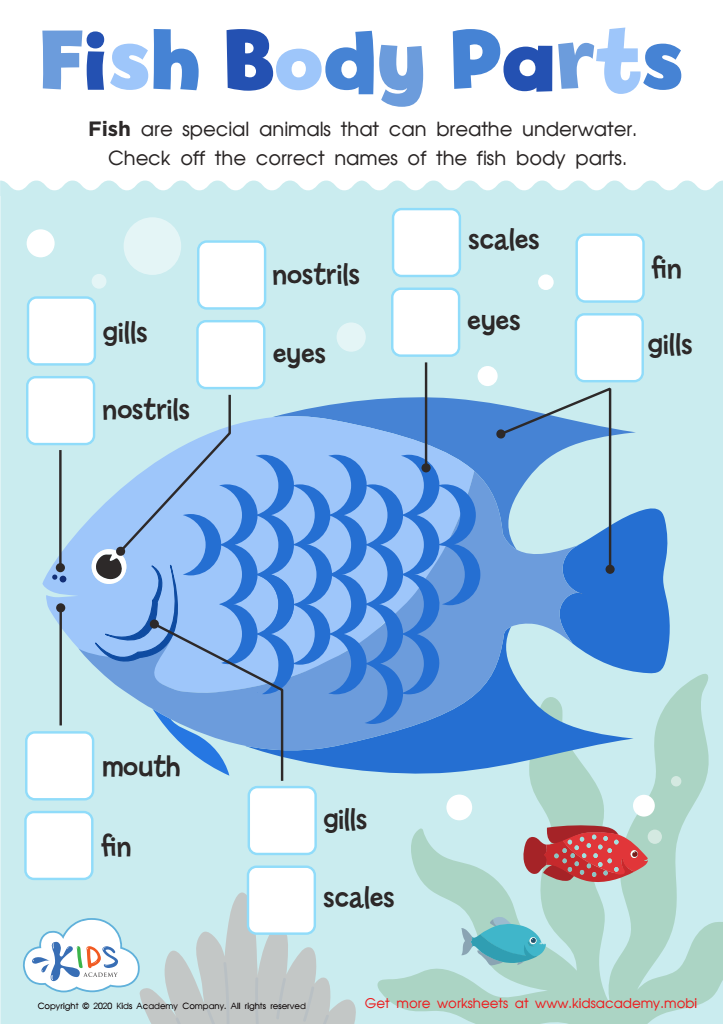
Fish Body Parts Worksheet
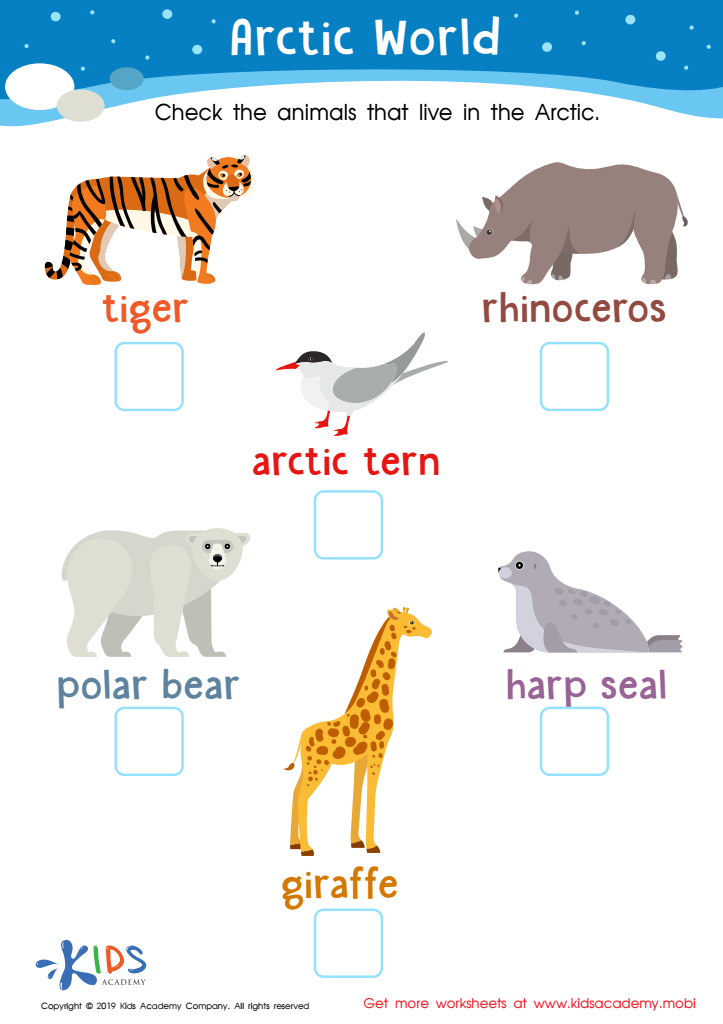
Arctic World Worksheet
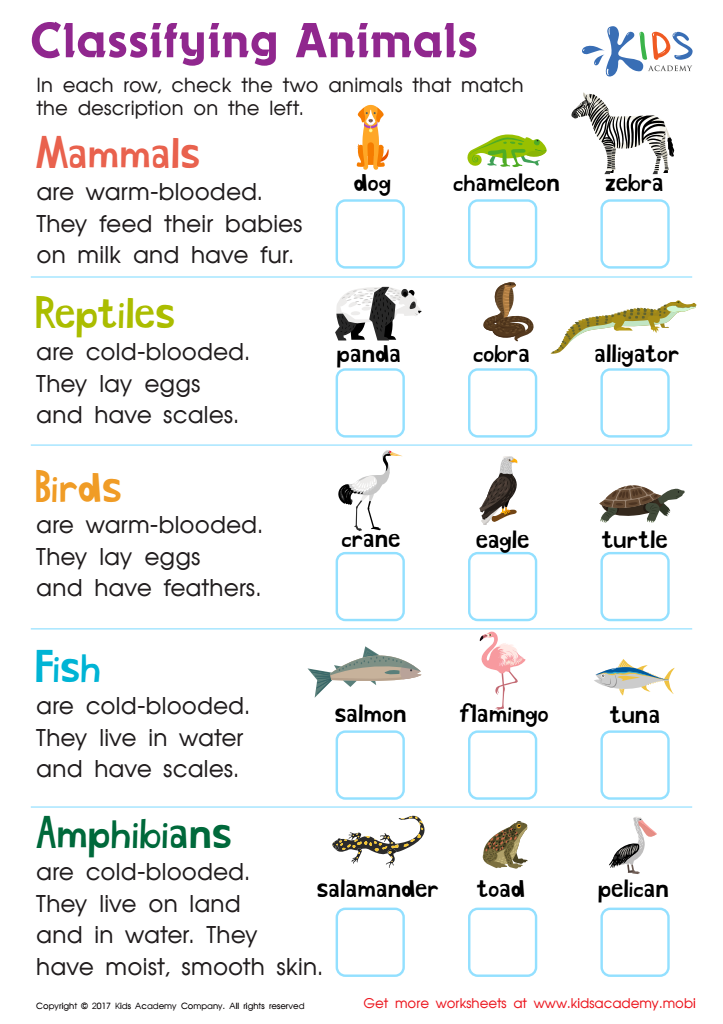
Classifying Animals Worksheet
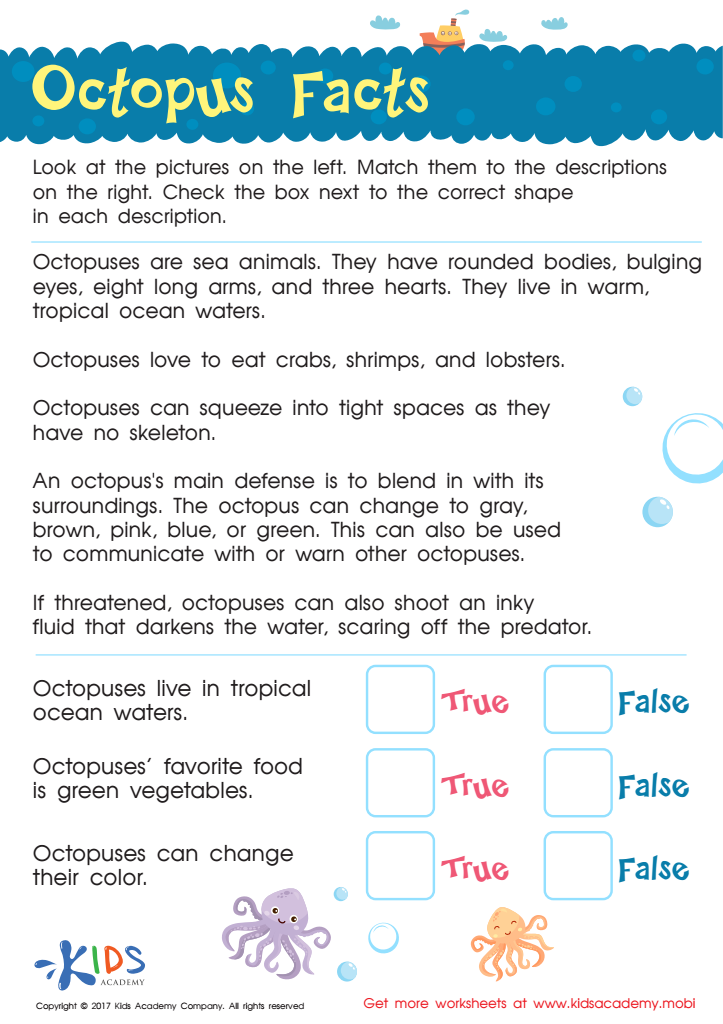
Octopus Facts Worksheet For Kids








Vocabulary expansion related to normal animals is crucial for children aged 6-9 because it lays the foundation for effective communication and cognitive development. At this age, children are naturally curious, eager to explore, and learn about the world around them. By introducing them to a diverse vocabulary related to animals, parents and teachers can stimulate their imagination and encourage exploratory learning.
Understanding animal-related vocabulary helps children express themselves better and enhances their reading comprehension, as many children's books feature animals as central characters. The knowledge of these words also nurtures a sense of empathy and connection with creatures, fostering a caring attitude toward wildlife and nature.
Moreover, vocabulary expansion aids critical thinking, as children start making associations and connections to the world around them. This encourages questions and conversations, contributing to their overall language skills and confidence in social interactions. Lastly, incorporating fun facts and stories about normal animals can make learning engaging and enjoyable, fostering a lifelong love of learning. In essence, enriching children's vocabulary in this foundational area cultivates well-rounded individuals with a deeper understanding of their environment.








