Normal Physical Science Worksheets for Ages 6-9 - Page 2
71 filtered results
-
From - To
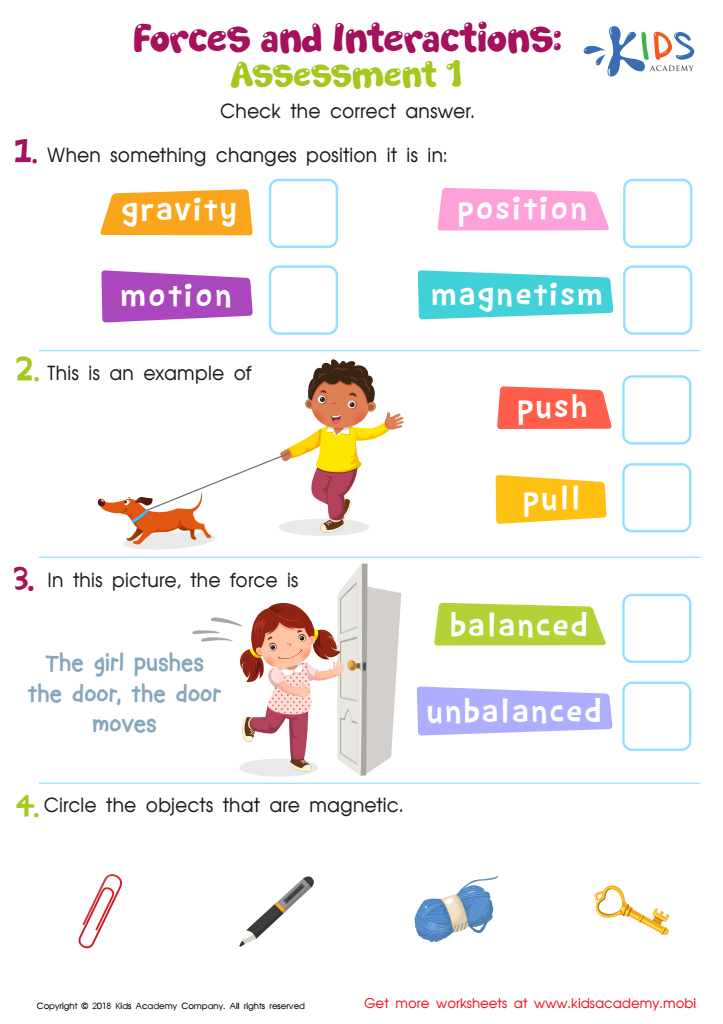
Forces and Interactions Printable
 Assign to My Students
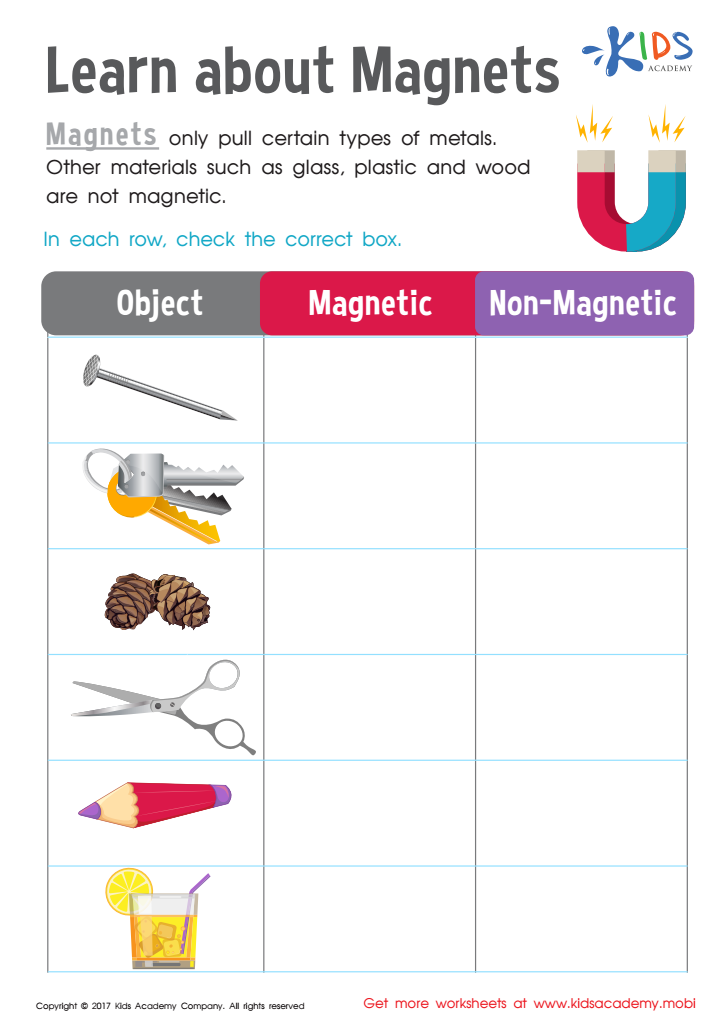
Magnetic Or Not Worksheet
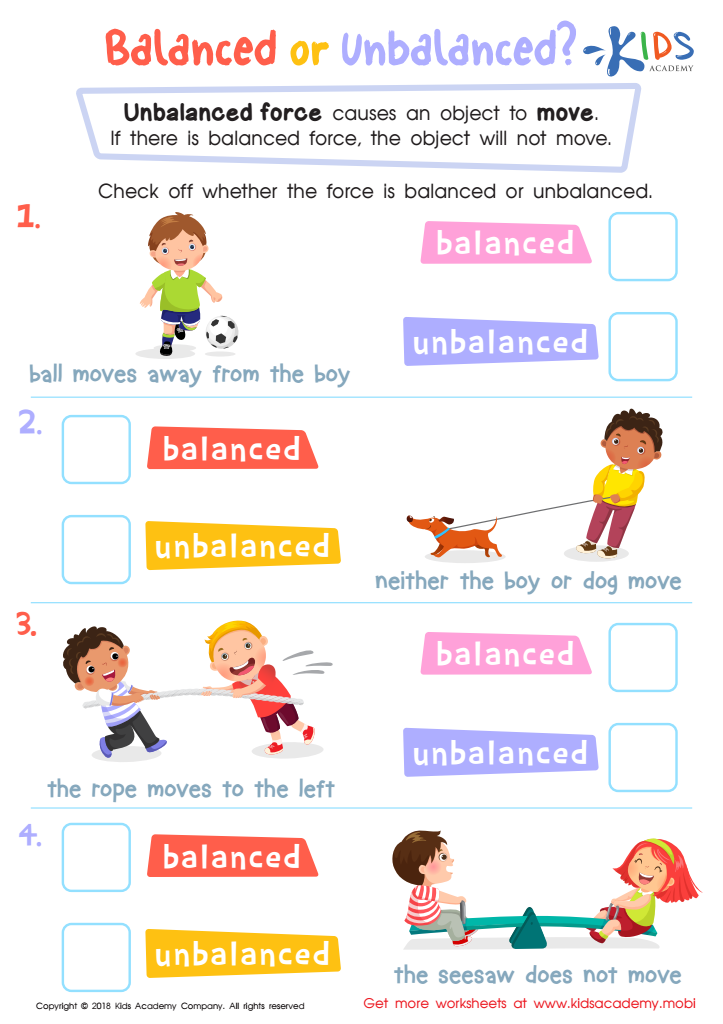
Balanced or Unbalanced Science Worksheet
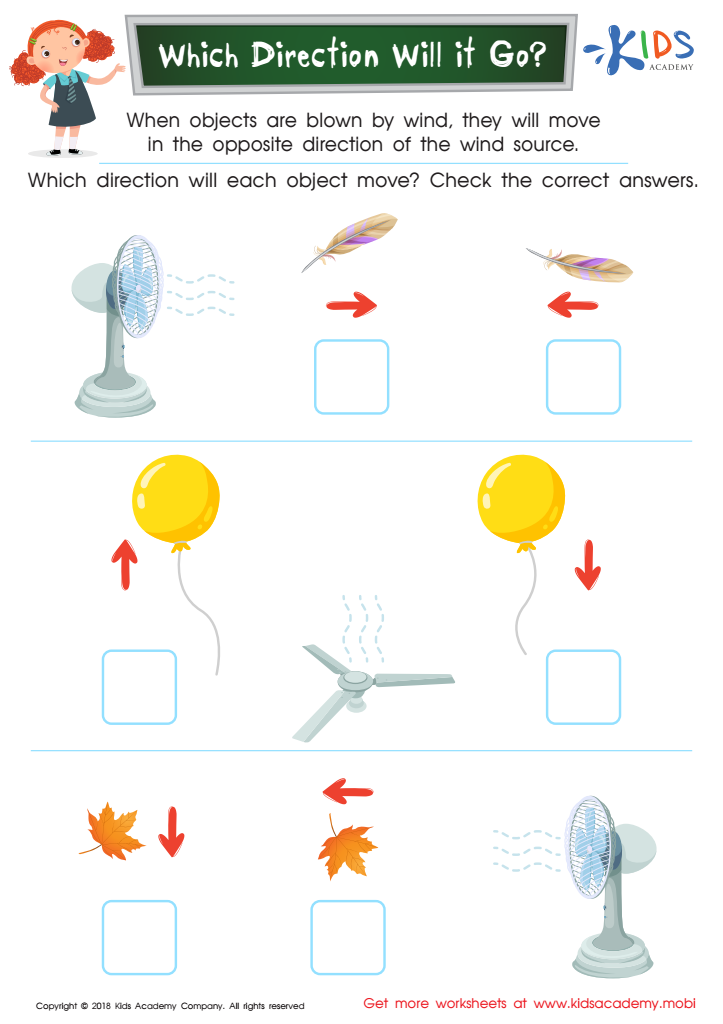
Which Direction Will it Go? Worksheet
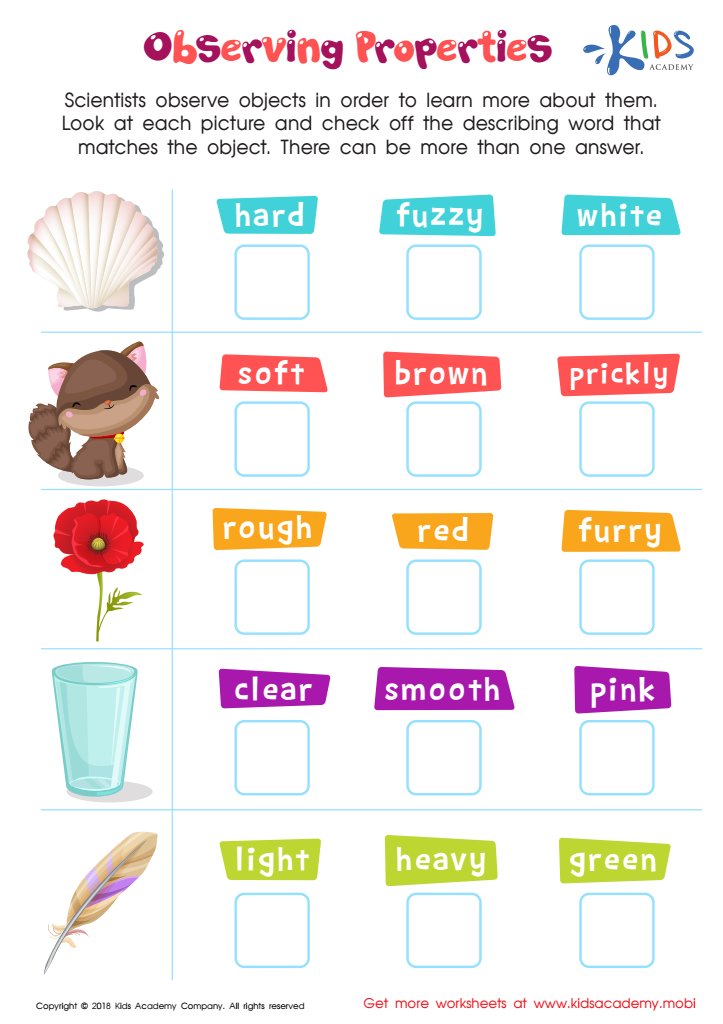
Observing Properties Worksheet
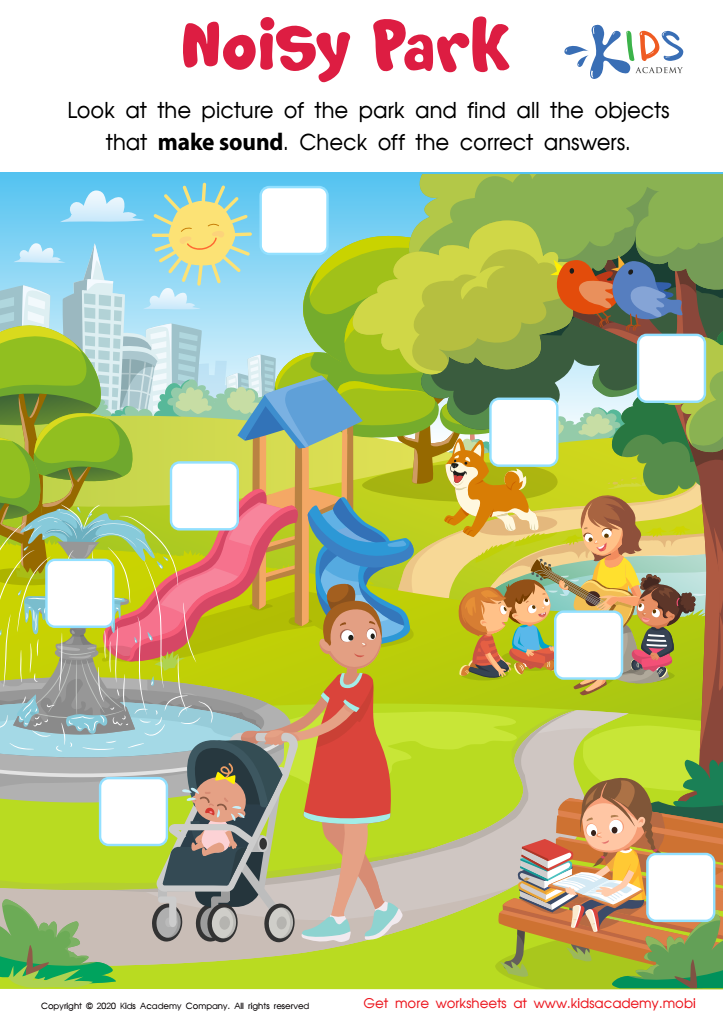
Noisy Park Worksheet
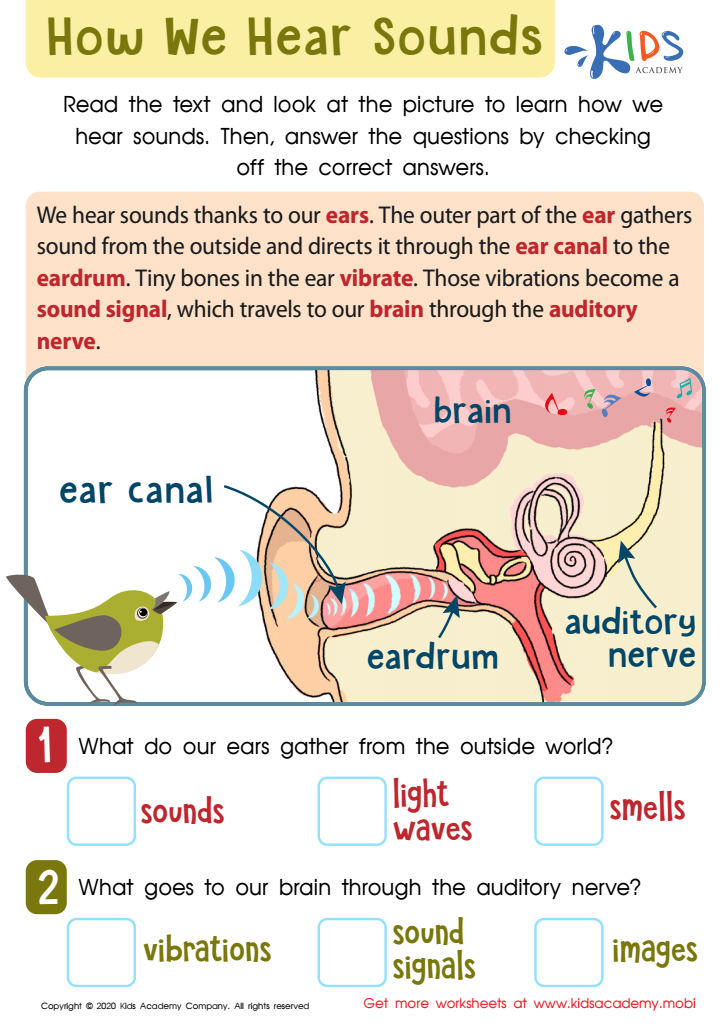
How We Hear Sounds Worksheet
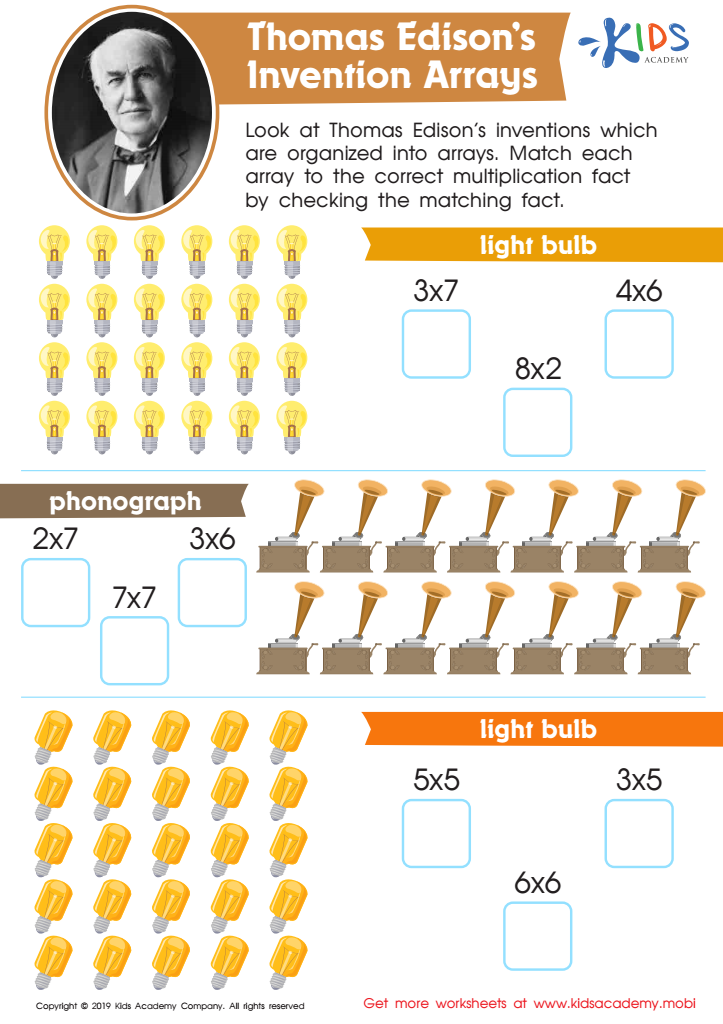
Thomas Edison’s Invention Arrays Worksheet
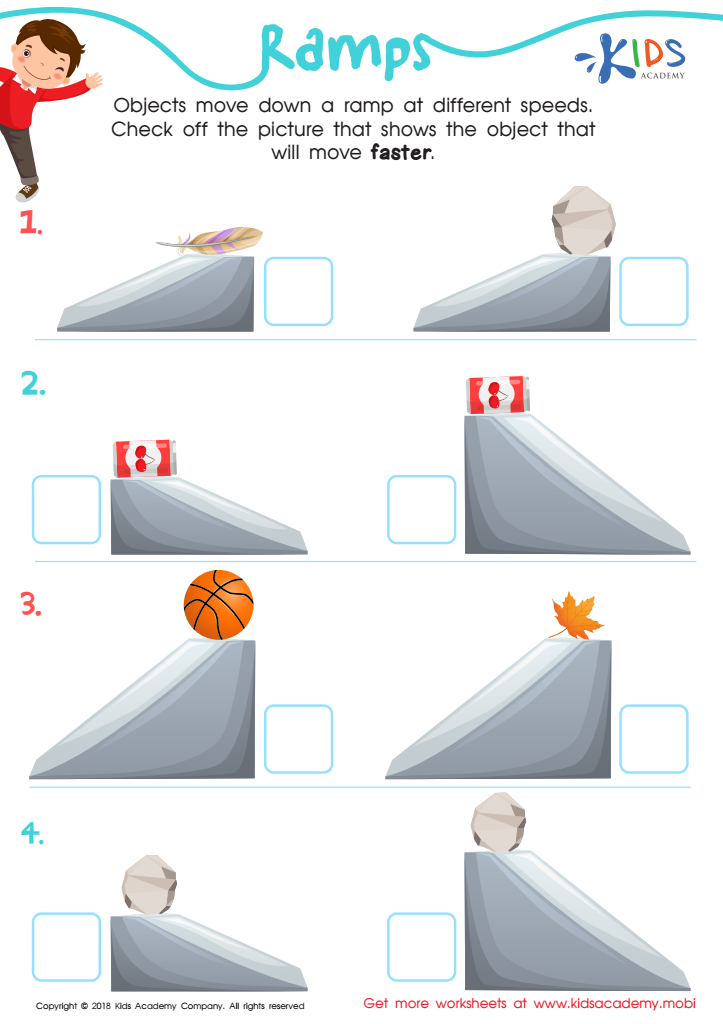
Ramps Worksheet
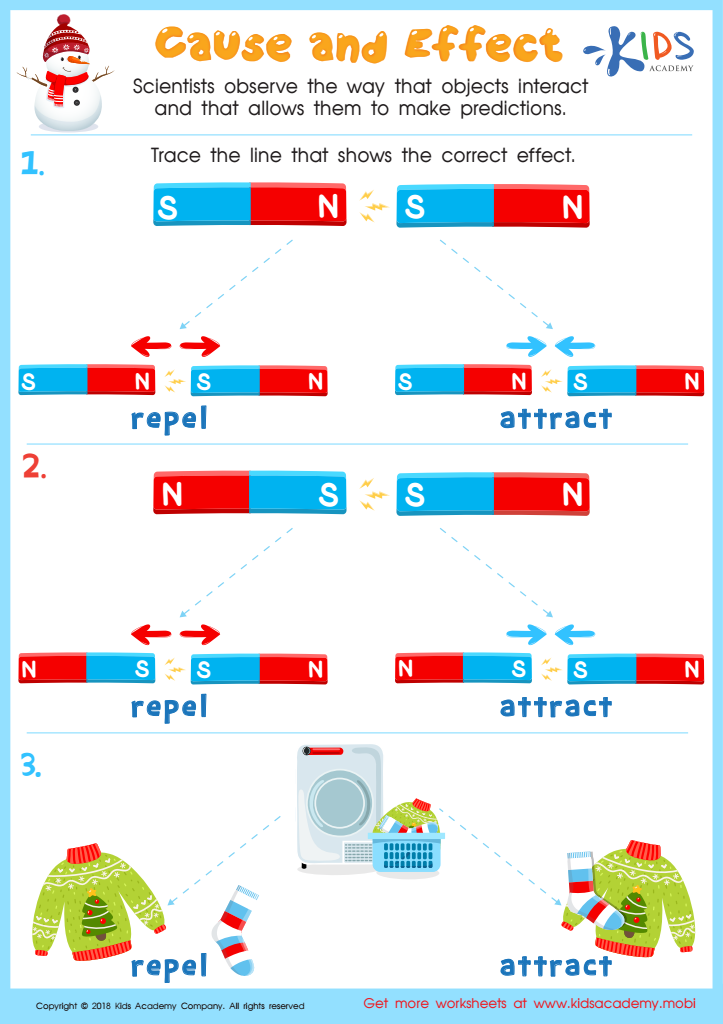
Repel and Attract Magnet Worksheet
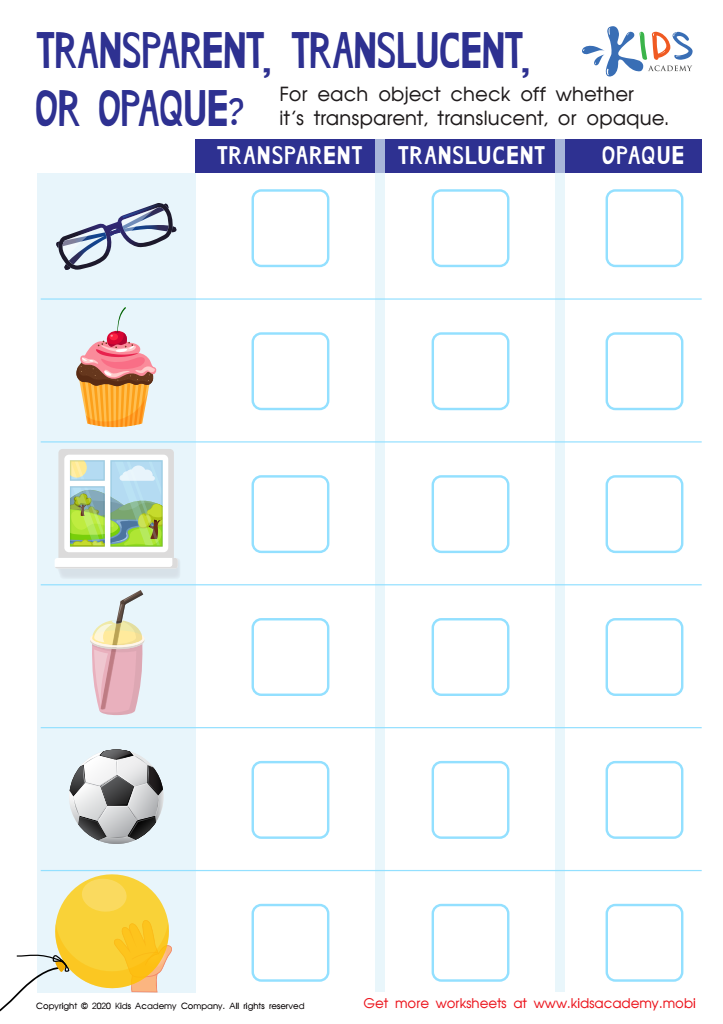
Transparent, Translucent, or Opaque Worksheet
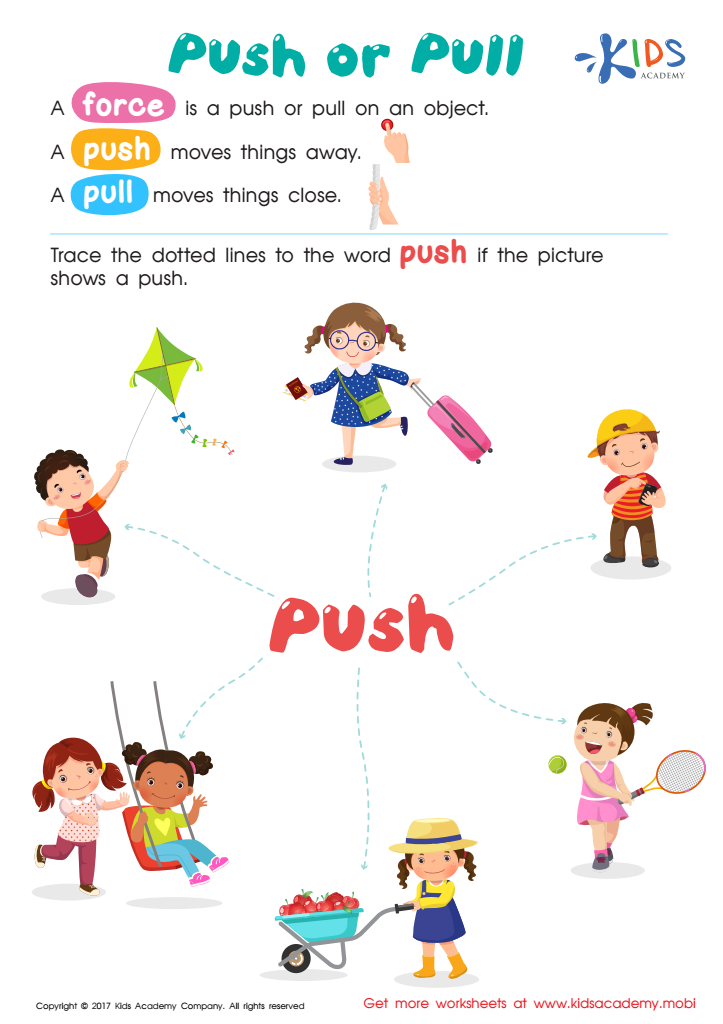
Push or Pull Worksheet
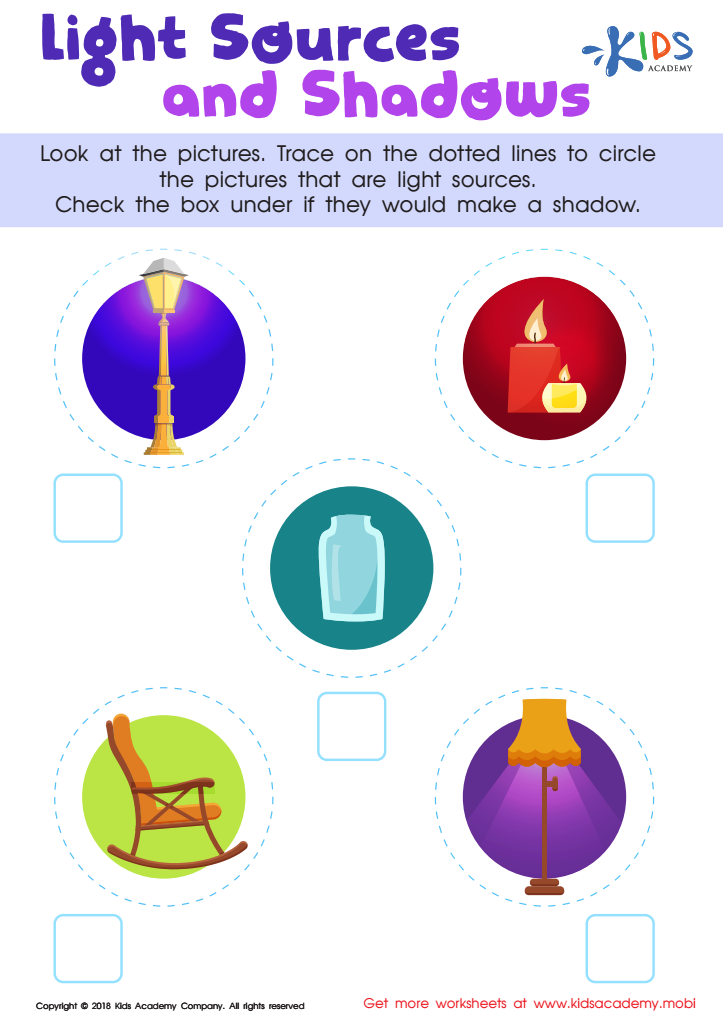
Light Sources and Shadows Worksheet
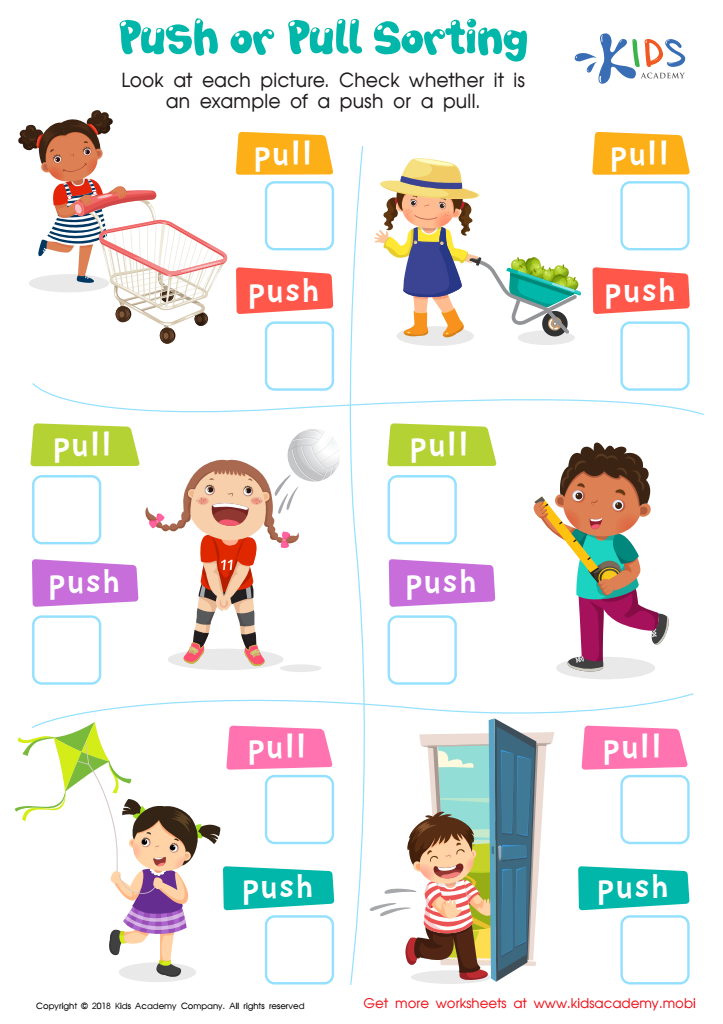
Push or Pull Sorting Worksheet
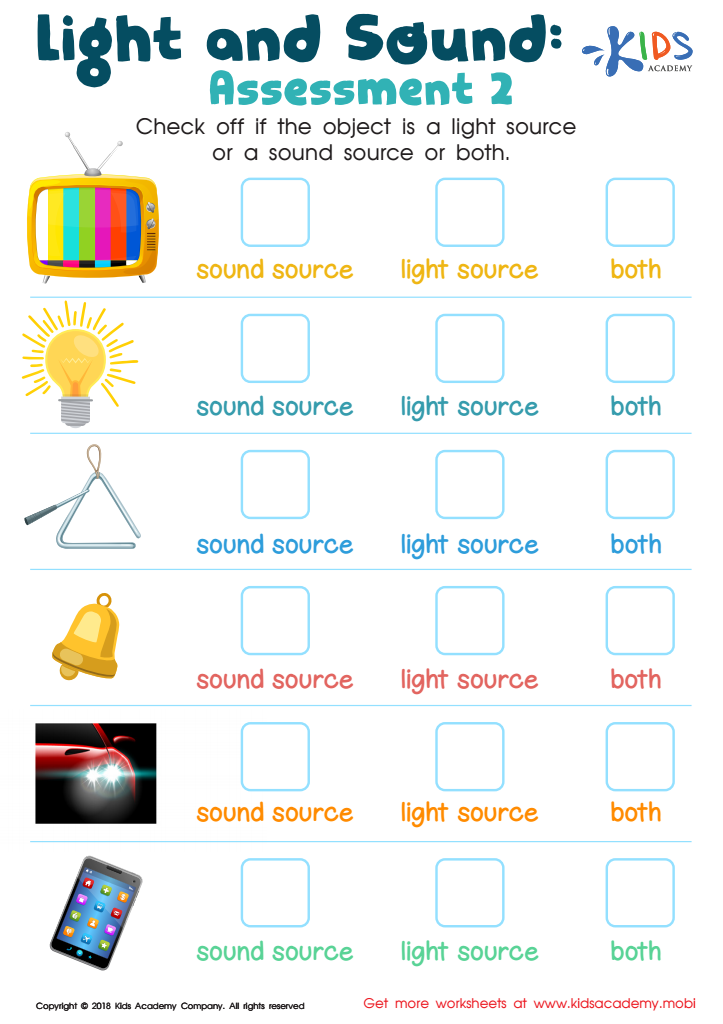
Light and Sound: Assessment 2 Worksheet
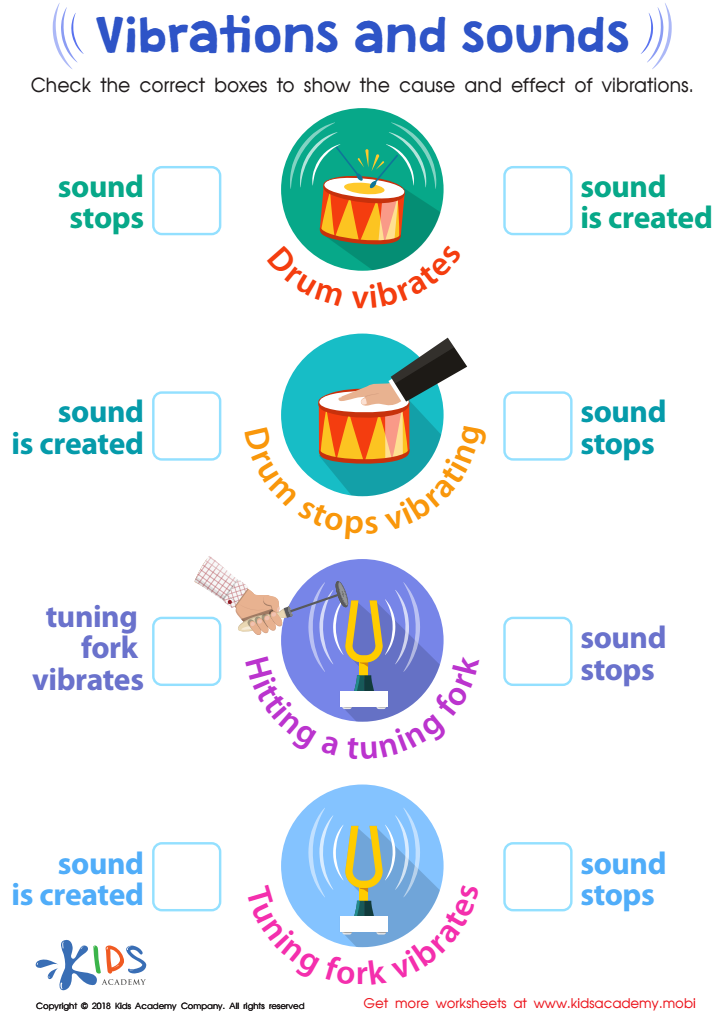
Vibrations and Sounds Worksheet
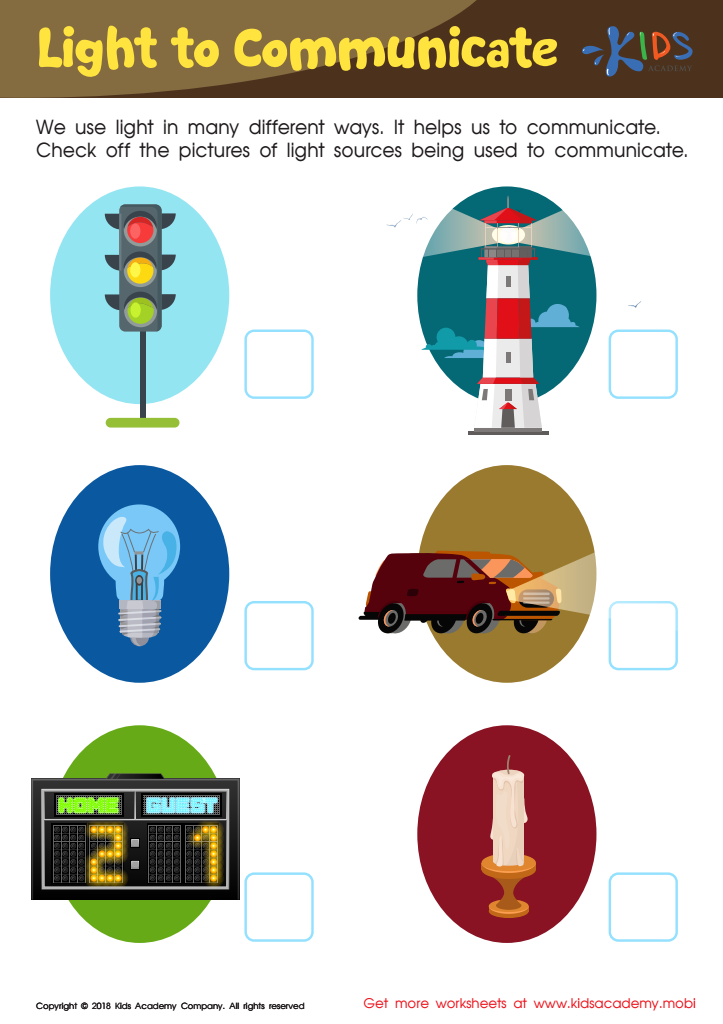
Light to Communicate Worksheet
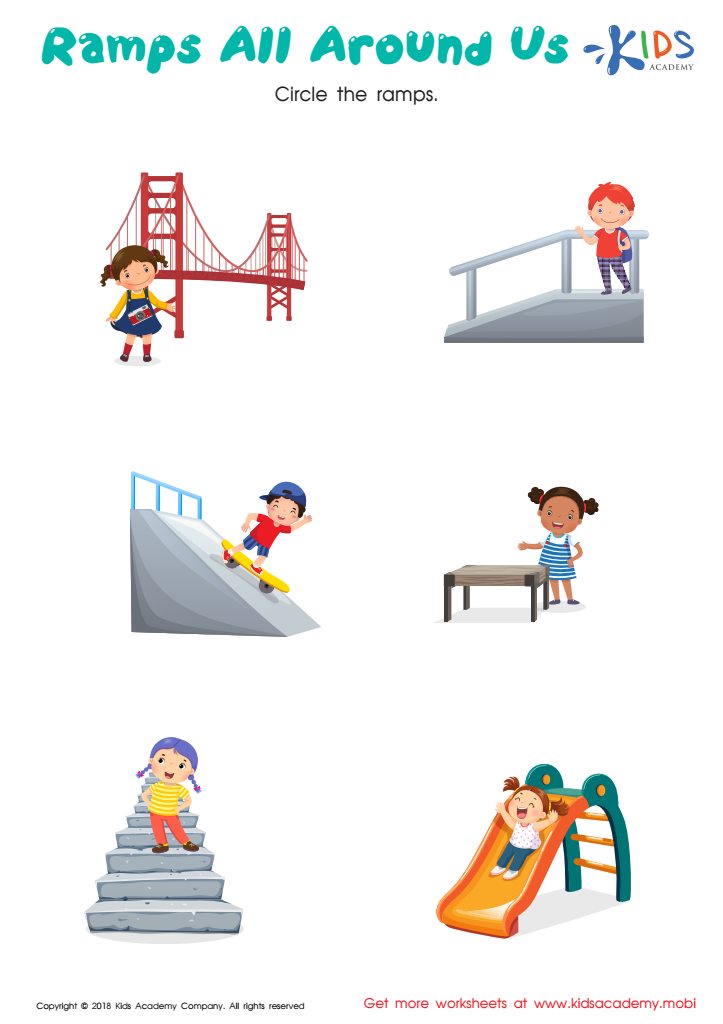
Ramps All Around us Worksheet
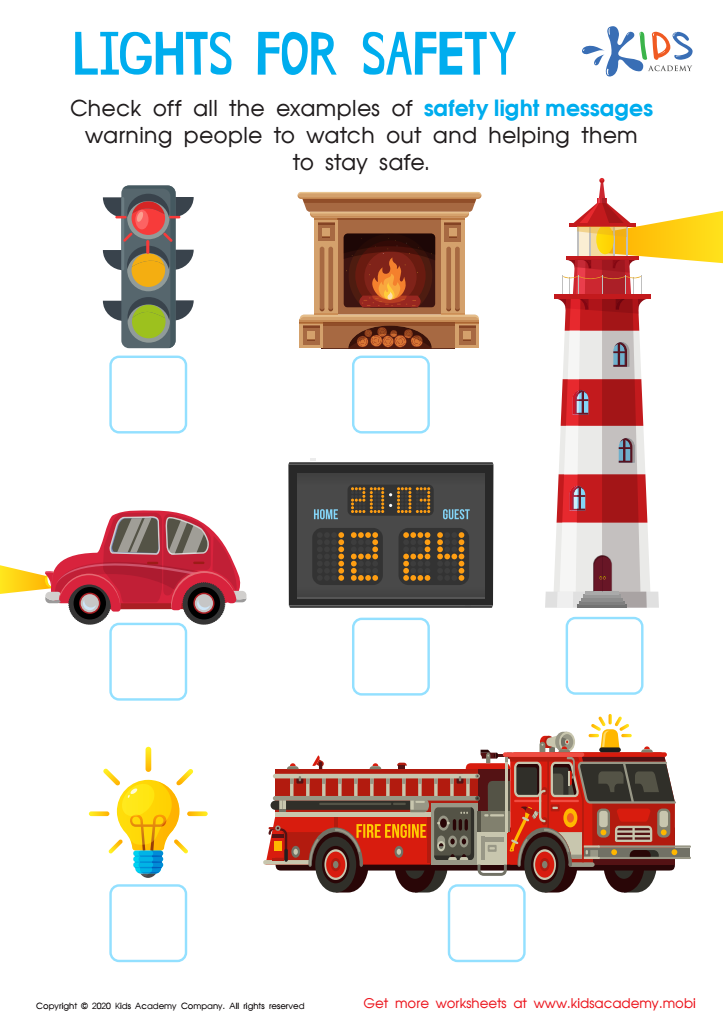
Lights for Safety Worksheet
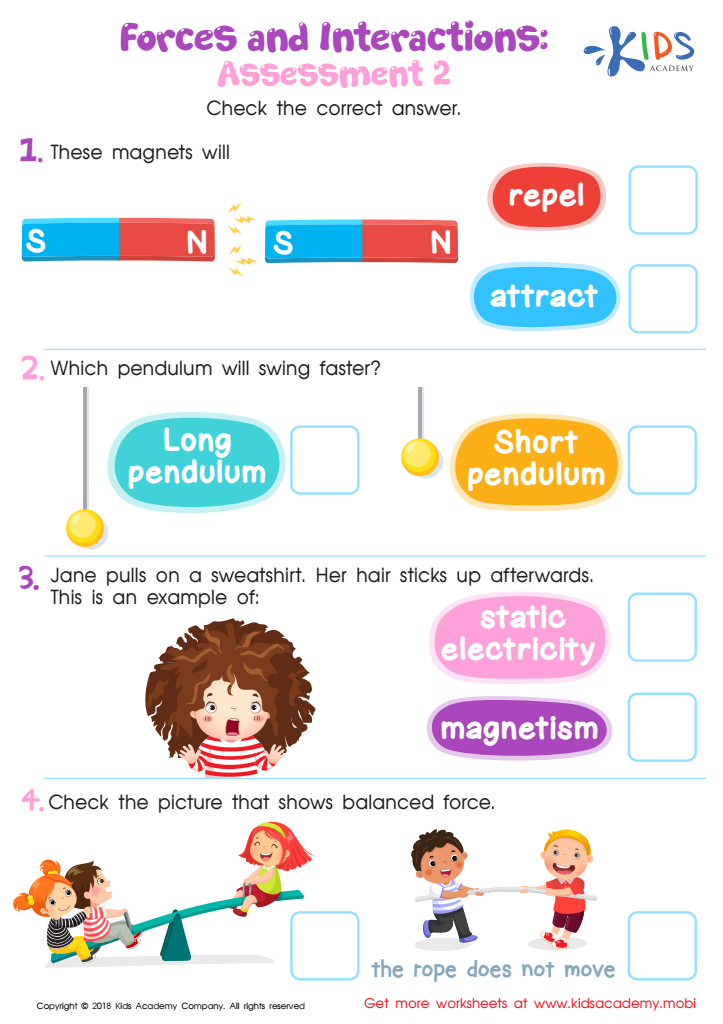
Forces and Interactions Worksheet For 3rd Grade
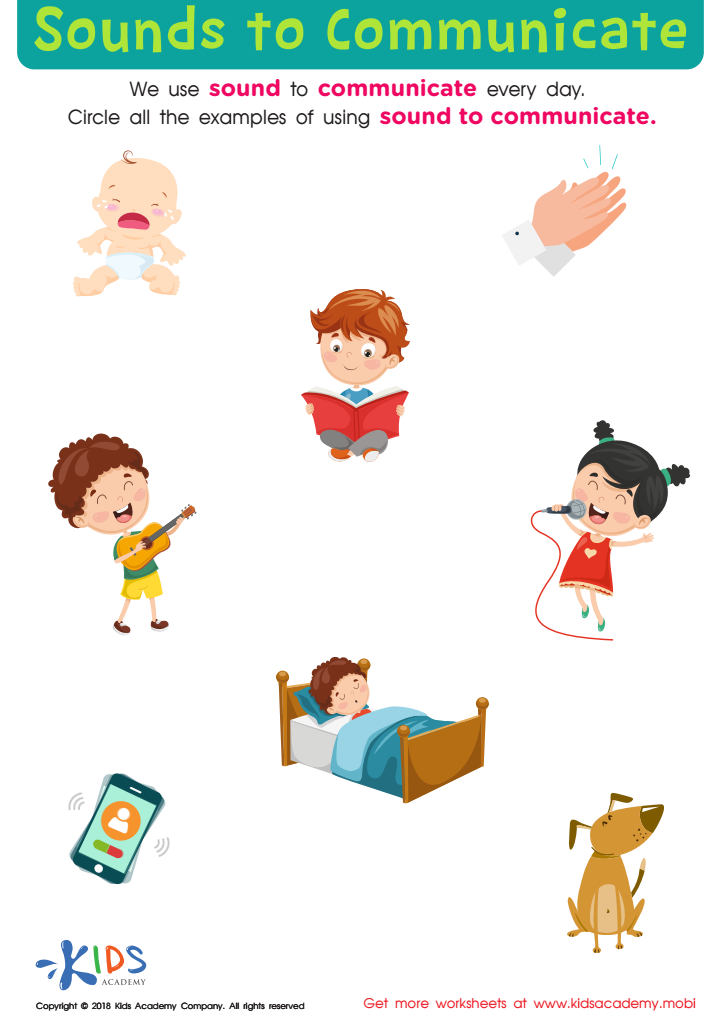
Sounds to Communicate Worksheet
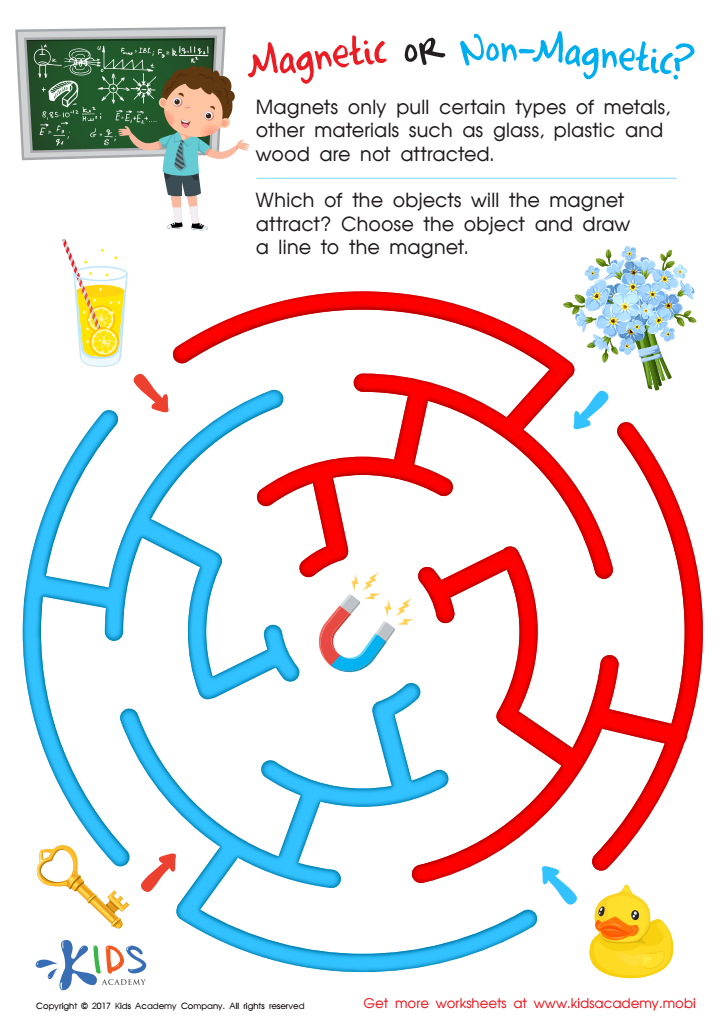
Magnetic or Non–Magnetic Worksheet
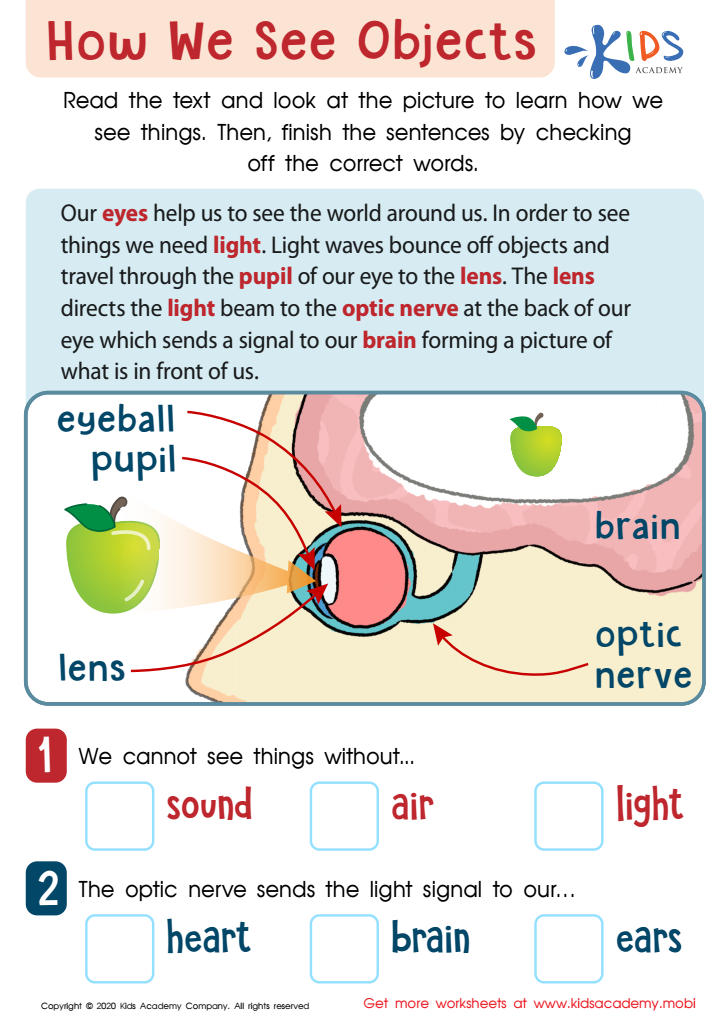
How We See Objects Worksheet
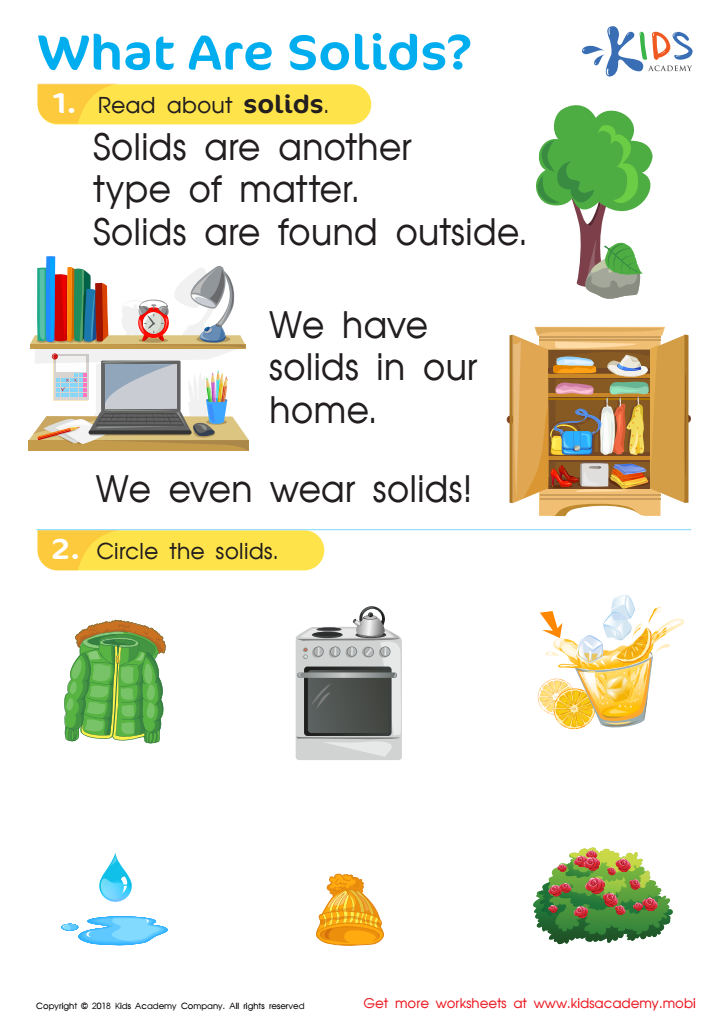
What Are Solids? Worksheet







.jpg)
Parents and teachers should prioritize Normal Physical Science for children aged 6-9 because it lays the foundation for scientific literacy and critical thinking. At this stage, children are naturally curious, and engaging them in physical science helps harness that curiosity into learning. Concepts such as matter, energy, forces, and basic physics principles can be explored through fun, hands-on experiments that make complex ideas accessible and enjoyable.
Developing an understanding of these fundamental principles not only nurtures a child’s intellectual growth but also cultivates important life skills such as problem-solving, observation, and reasoning. Moreover, early exposure to science can foster a love for learning, encouraging students to ask questions and seek answers. This inquiry-driven approach nurtures their ability to think critically about the world around them, an essential skill in today’s ever-evolving society.
Furthermore, science education promotes collaboration and communication skills as children often work in groups or share their findings with peers. Ultimately, understanding normal physical science is vital in preparing young learners for future academic pursuits and instilling a lifelong appreciation for the natural world and scientific exploration. Thus, investing time in physical science is an investment in a child’s comprehensive development.







