Normal Plants and Animals Worksheets for Ages 6-9
12 filtered results
-
From - To
Welcome to our "Normal Plants and Animals Worksheets for Ages 6-9" page! Explore the wonders of nature with engaging, printable worksheets designed for young learners. These activities will help children discover diverse plants and animals while developing essential skills in reading, writing, and critical thinking. Tailored to suit kids aged 6 to 9, our worksheets feature vibrant illustrations and interactive exercises that make learning fun and informative. Perfect for home or classroom use, these resources empower children to connect with the world around them, fostering a love for science and the environment. Dive into nature's mysteries—start your adventure today!
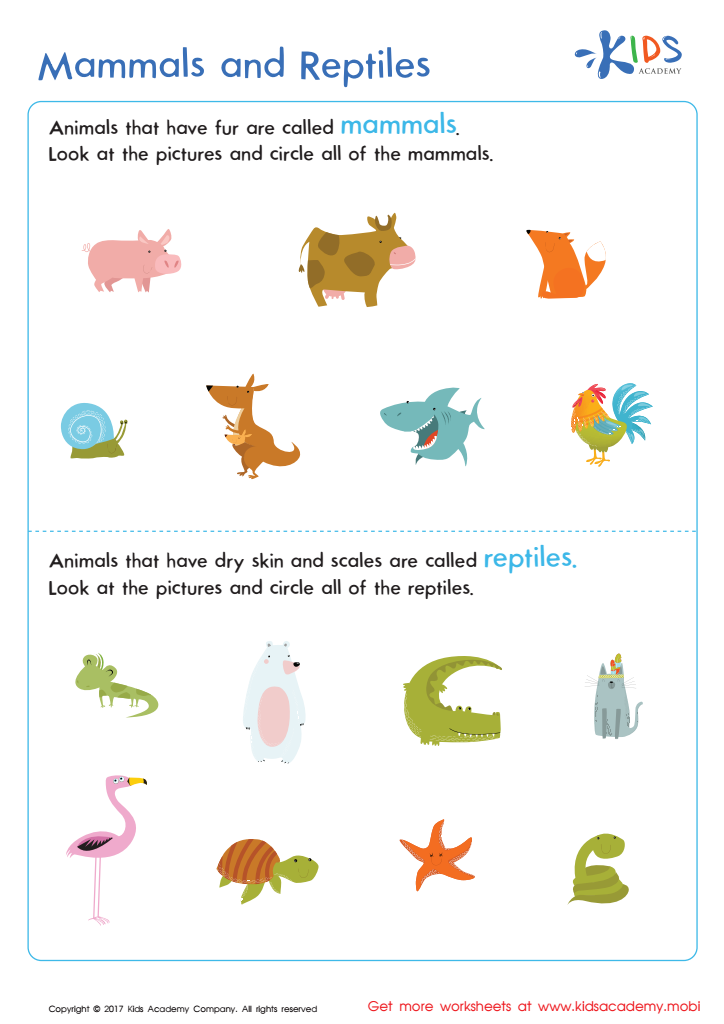
Mammals and Reptiles Worksheet
 Assign to My Students











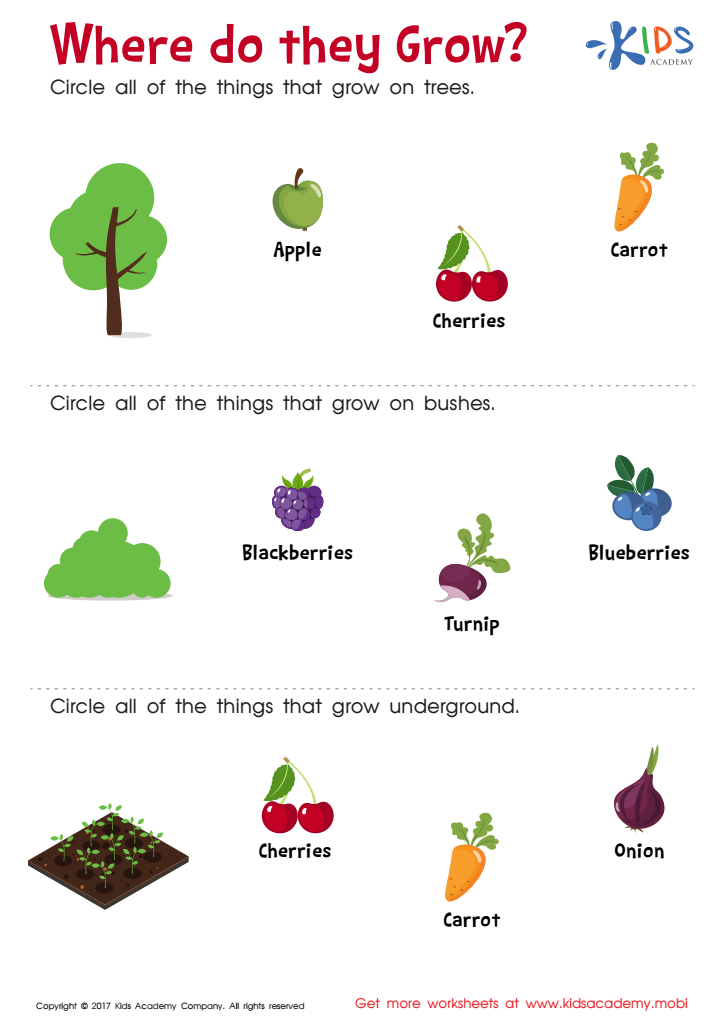
Where Do They Grow Worksheet
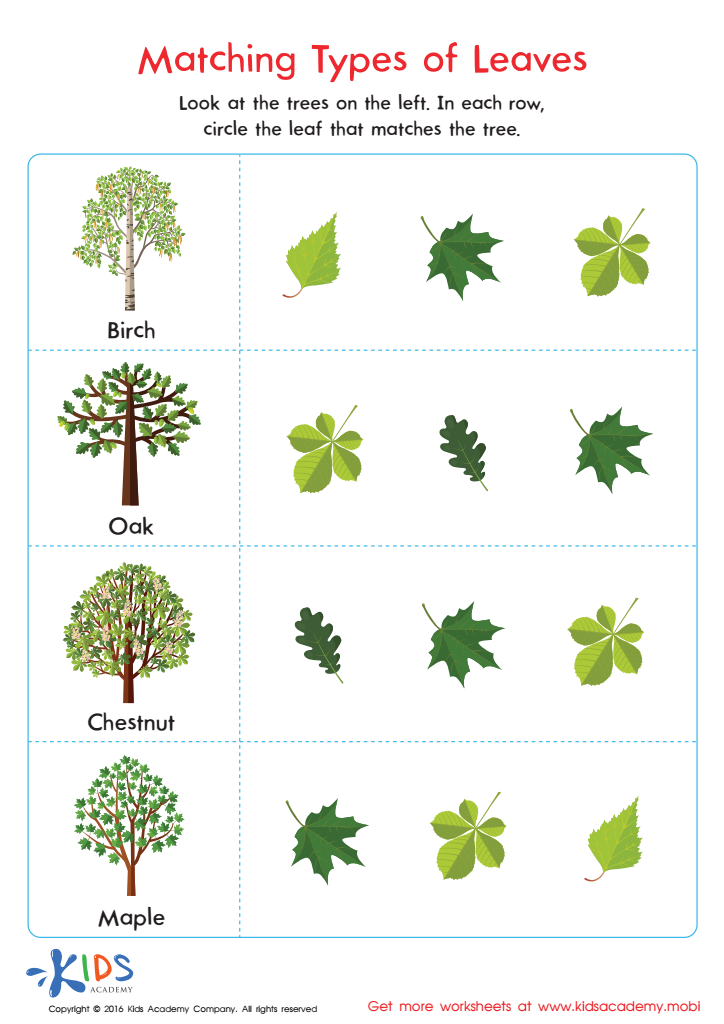
Matching Types of Leaves Printable
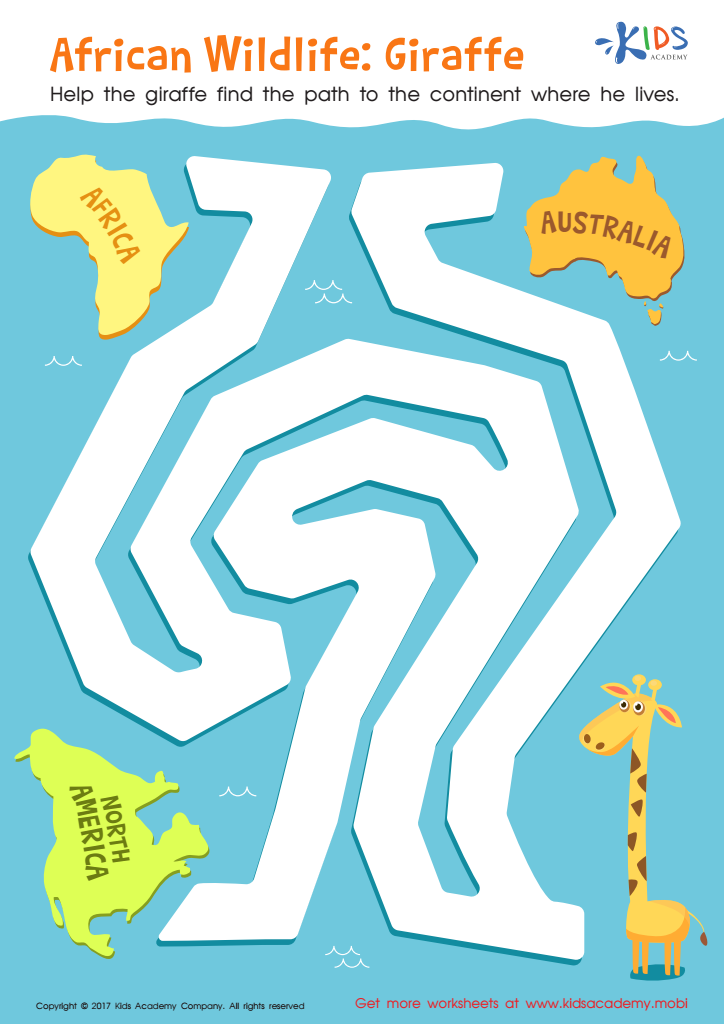
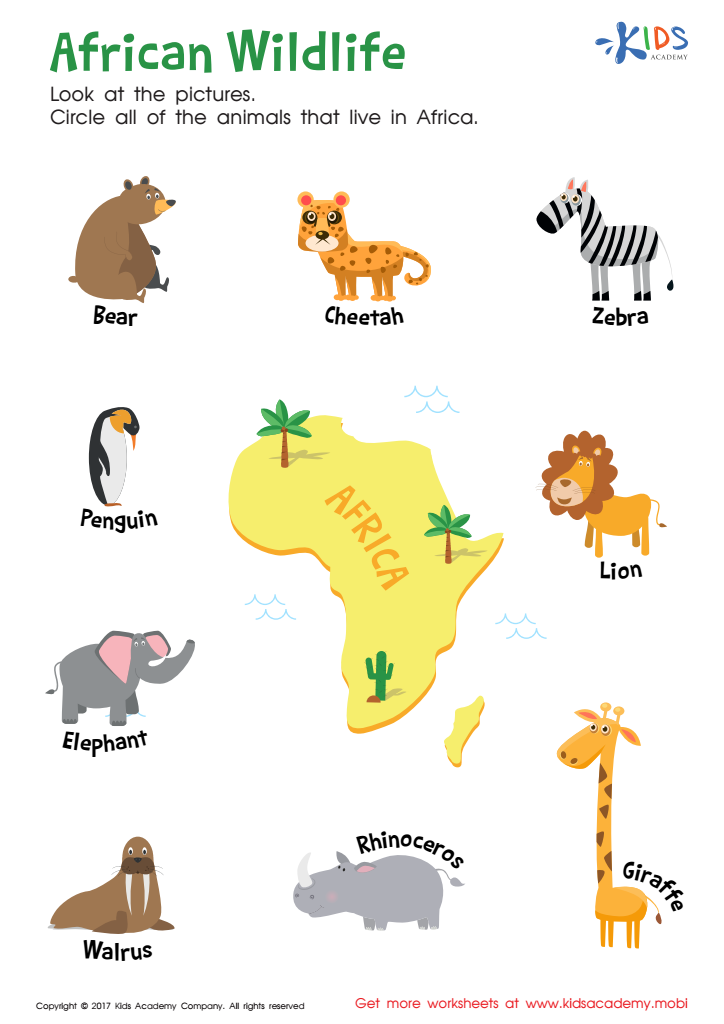
African Wildlife: Giraffe Worksheet
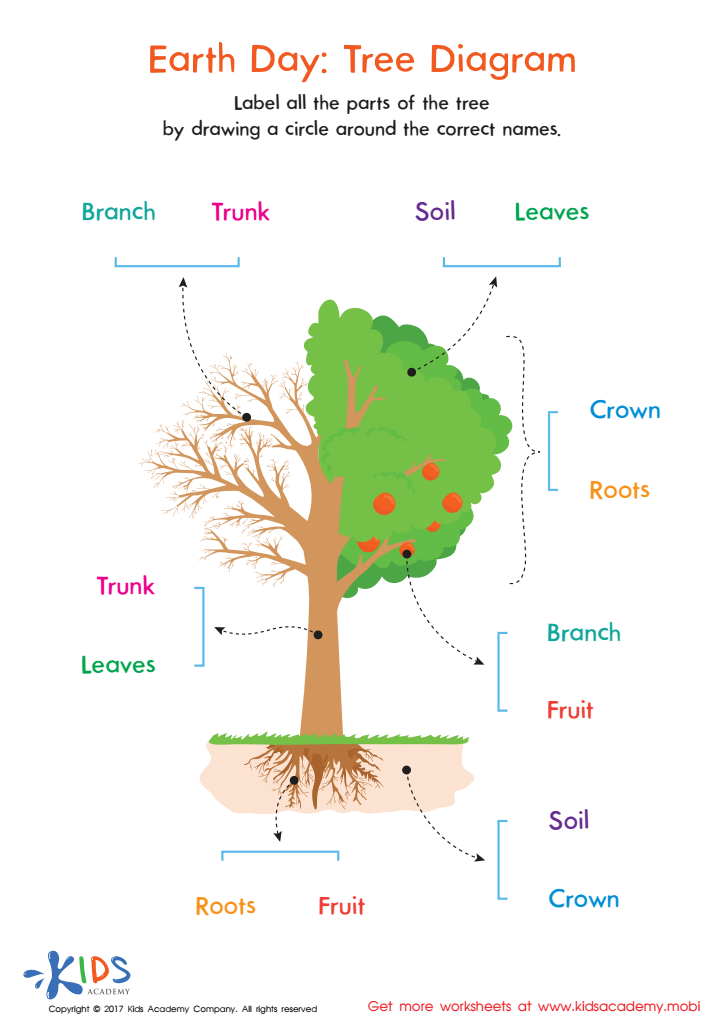
Earth Day: Tree Diagram Worksheet
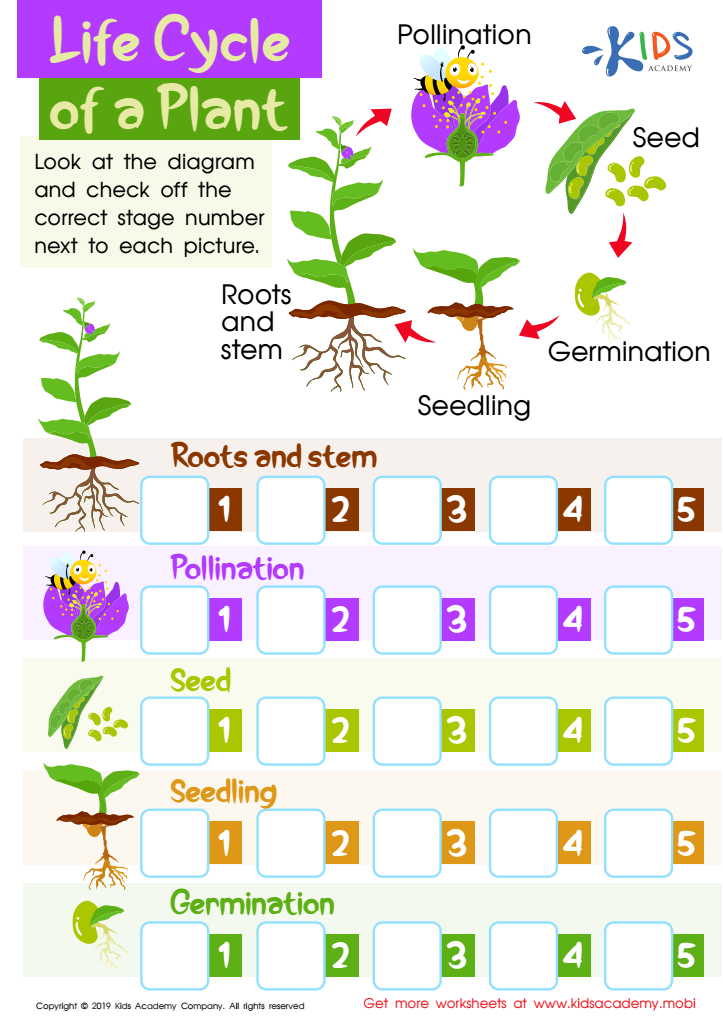
Life Cycle of a Plant Worksheet
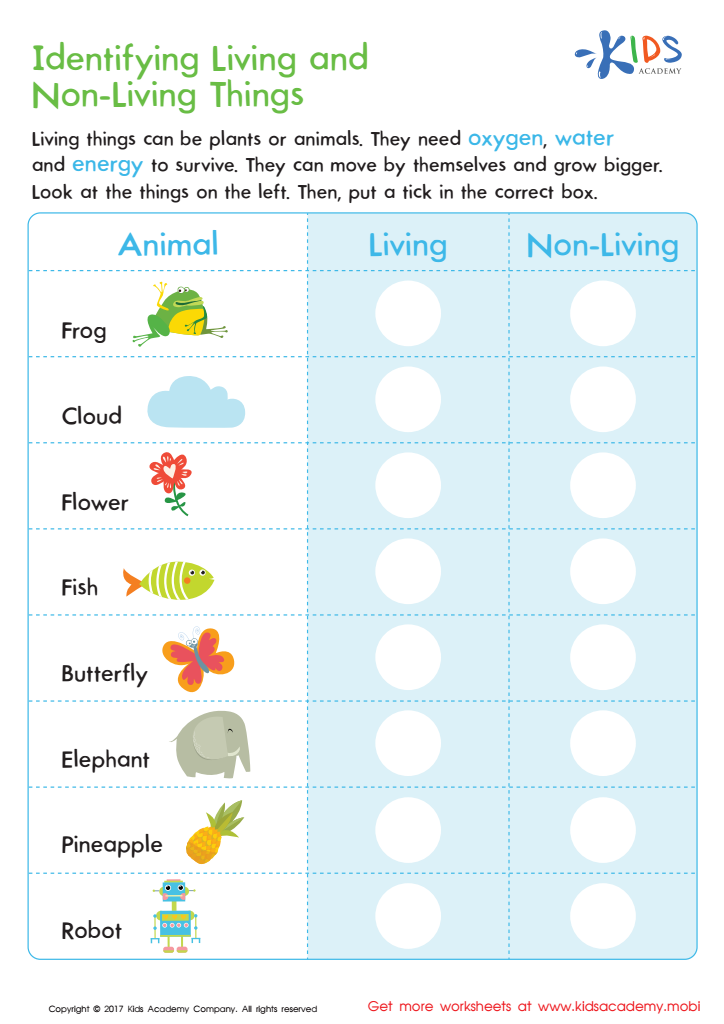
Identifying Living or Non–living Worksheet
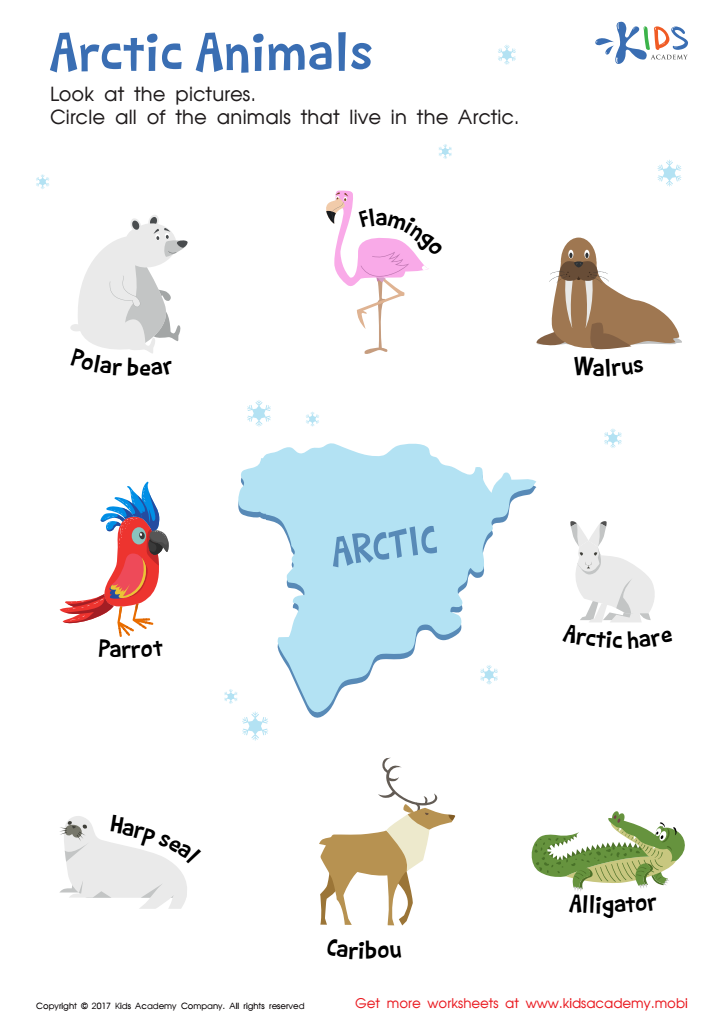
Arctic Animals Worksheet
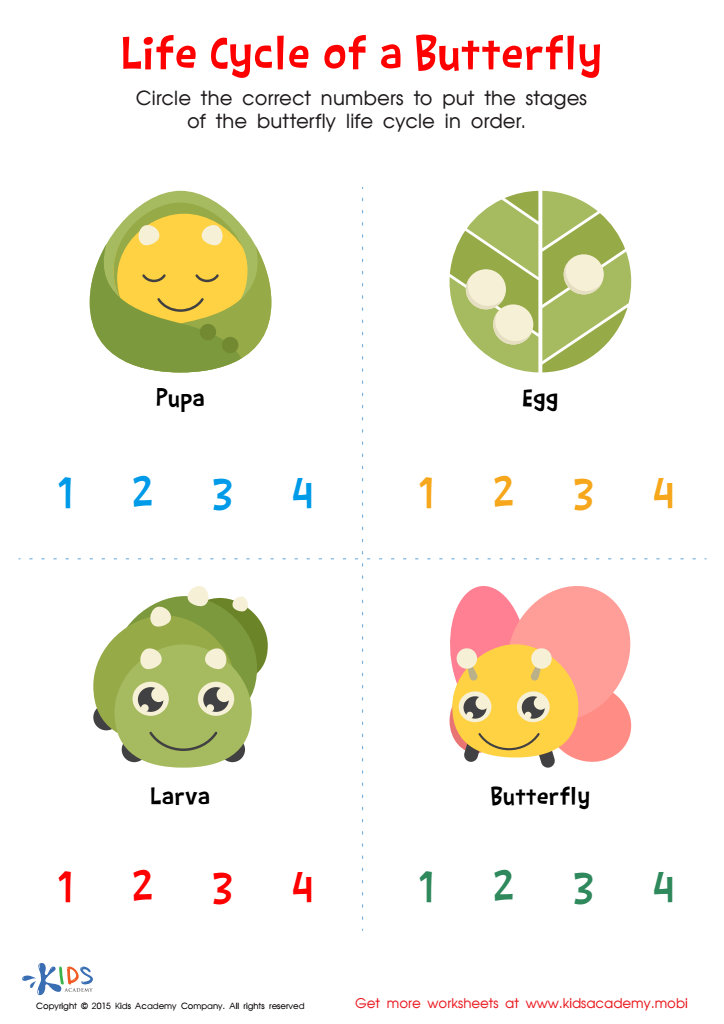
Life Cycle of Butterfly Printable


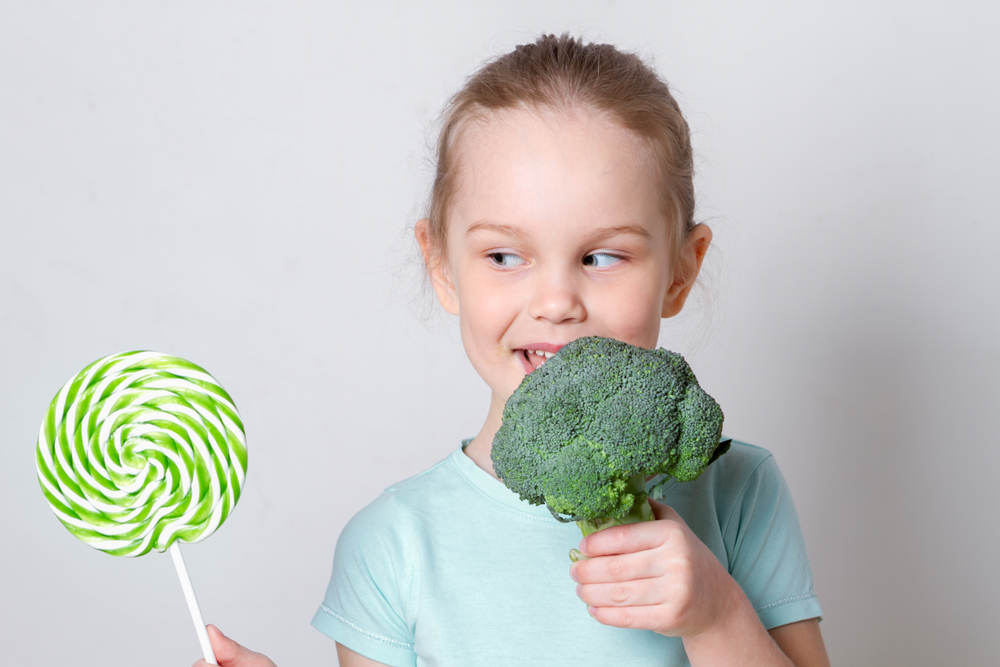





Parents and teachers should prioritize teaching children about normal plants and animals because it fosters a deep connection to nature, essential for young minds. At ages 6-9, children are naturally curious and eager to learn about their surroundings. Understanding local flora and fauna enhances their observational skills and encourages them to explore and appreciate biodiversity.
Learning about plants and animals also plays a crucial role in environmental education. By familiarizing children with the importance of ecosystems and their roles within them, we nurture a sense of stewardship towards the environment. This foundation instills values such as respect for nature, responsibility toward conservation efforts, and awareness of wildlife protection.
Moreover, studying plants and animals can enhance cognitive skills. Engaging in activities like nature walks, gardening, or observing wildlife encourages critical thinking and problem-solving as children ask questions and seek answers about life cycles and habitats. Additionally, these interactions promote physical well-being and mental health, allowing children to experience the healing power of nature.
In summary, understanding normal plants and animals enriches children's education, fosters environmental stewardship, and supports their overall development, making it a vital aspect of their early learning experiences.