Critical Thinking Normal Worksheets for 6-Year-Olds - Page 2
46 filtered results
-
From - To

Thanksgiving Holiday Printable
 Assign to My Students
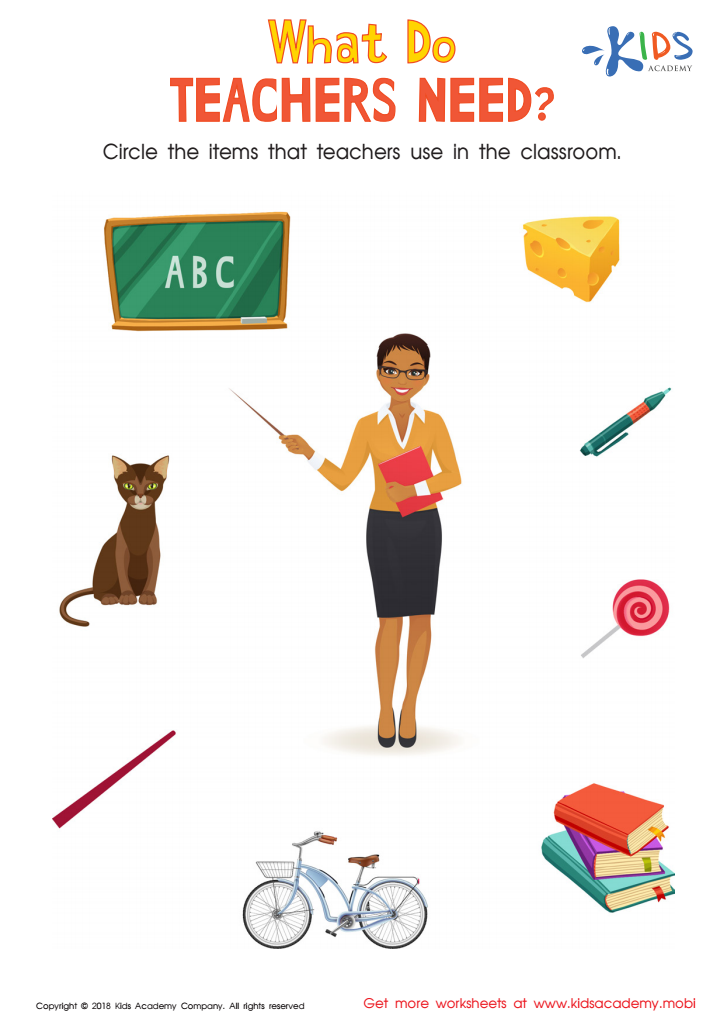
What Do Teachers Need Worksheet
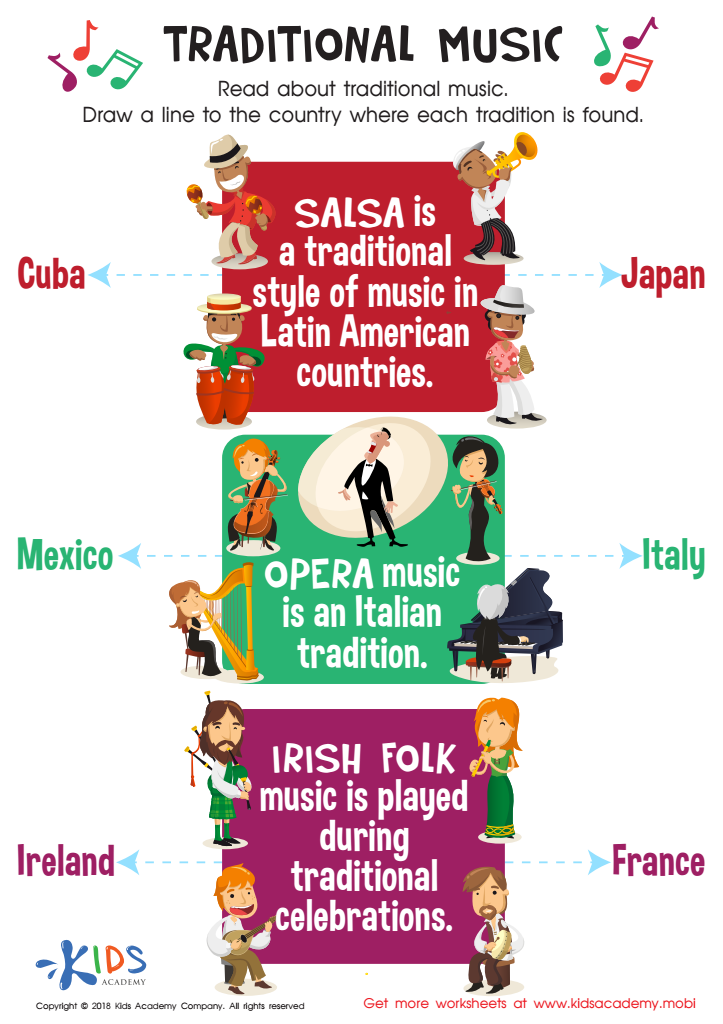
Traditional Music Worksheet
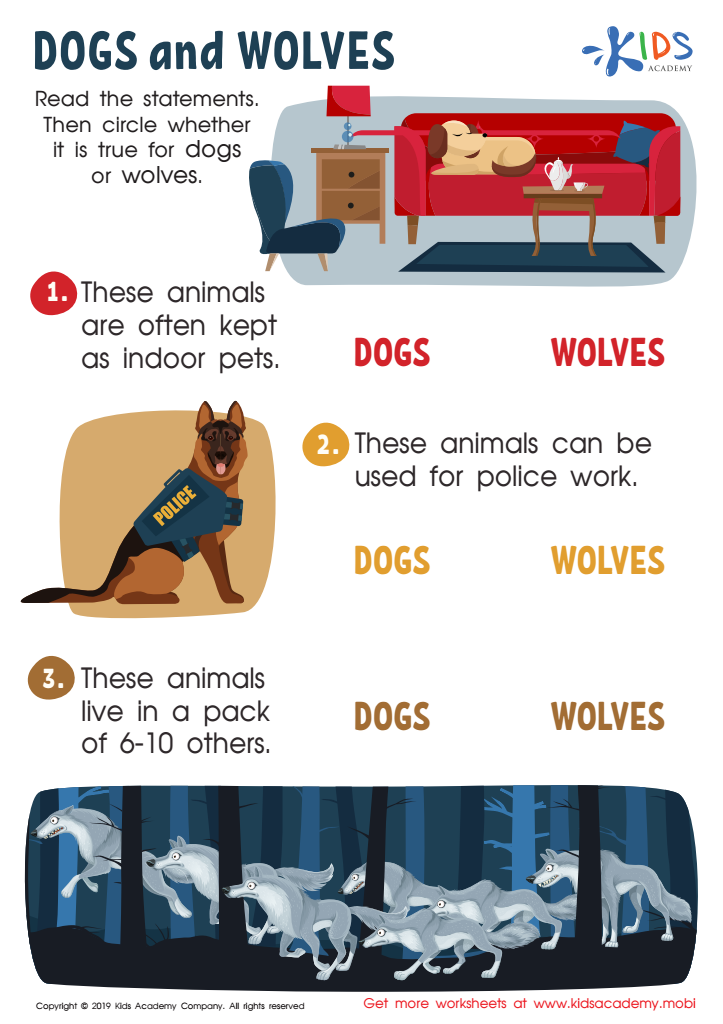
Dogs and Wolves Worksheet
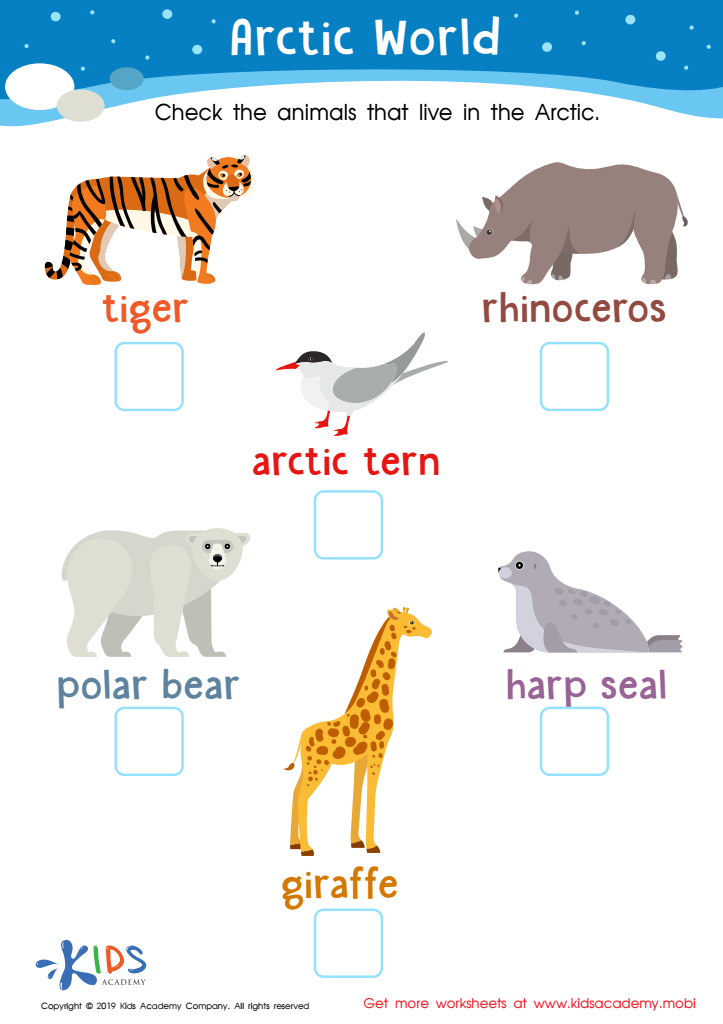
Arctic World Worksheet
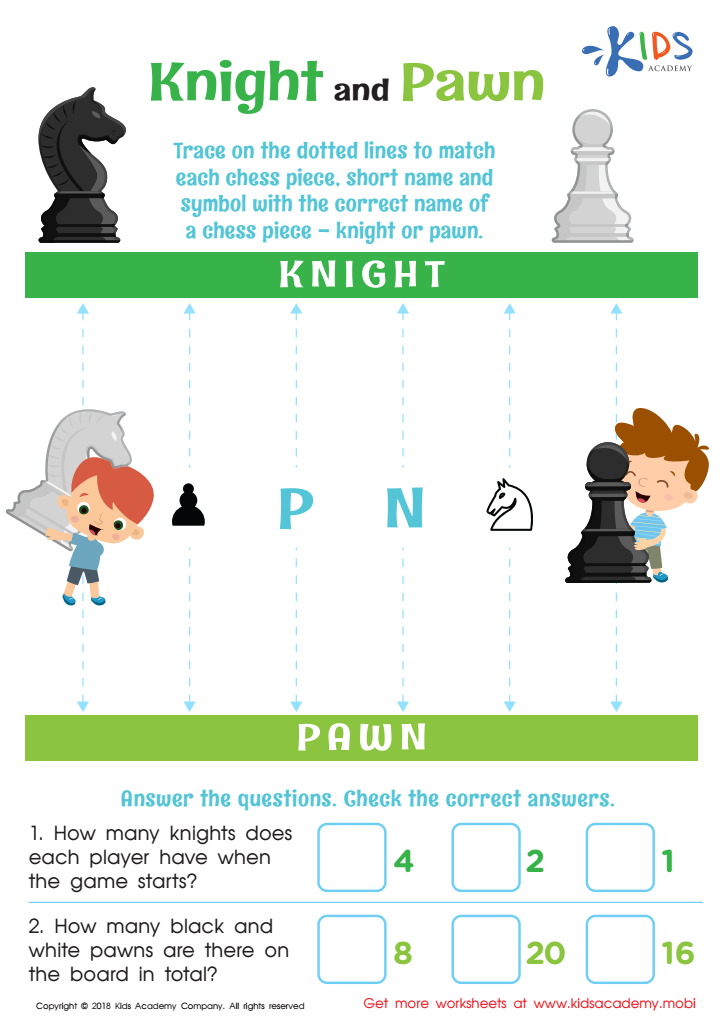
Knight and Pawn Worksheet
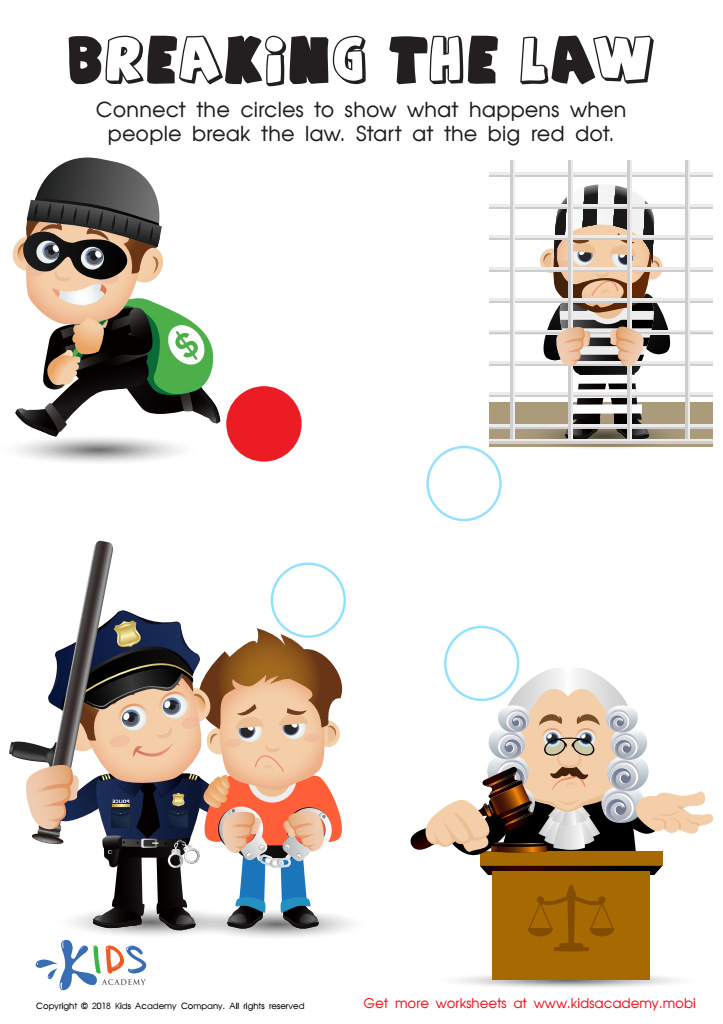
Breaking the Law Worksheet
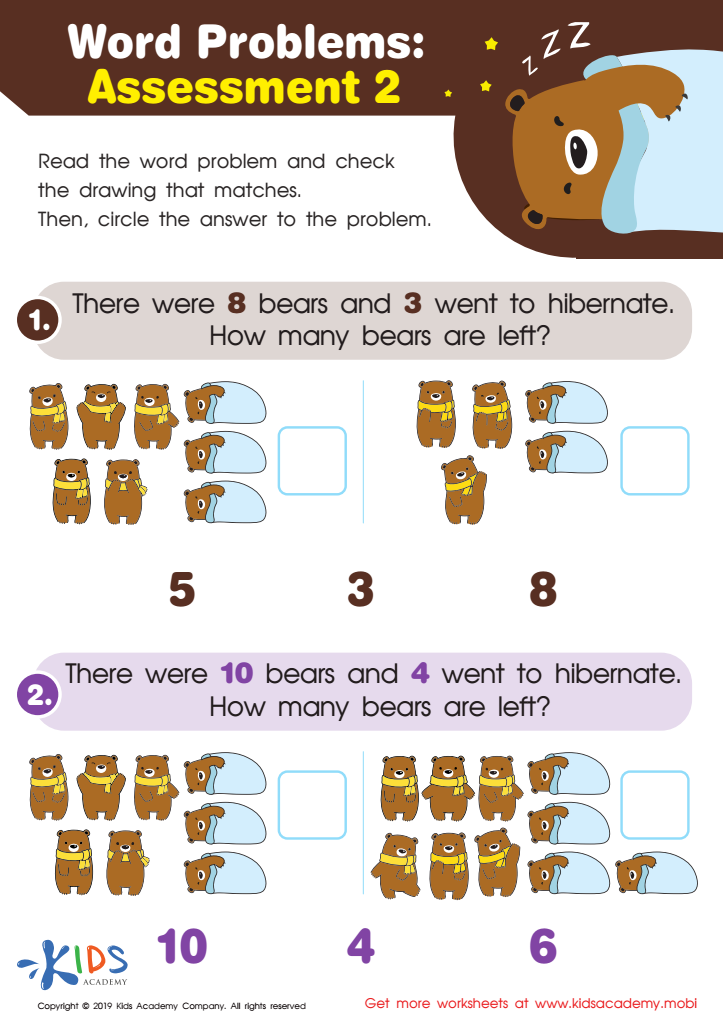
Word Problems: Assessment 2 Worksheet
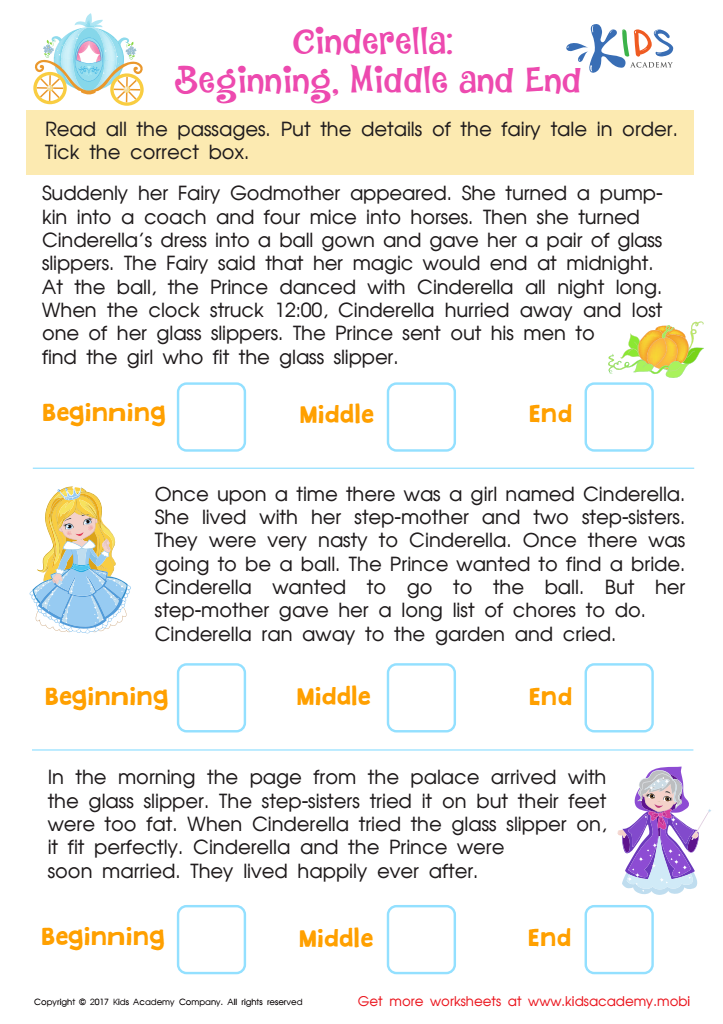
Cinderella: Beginning, Middle and End Worksheet
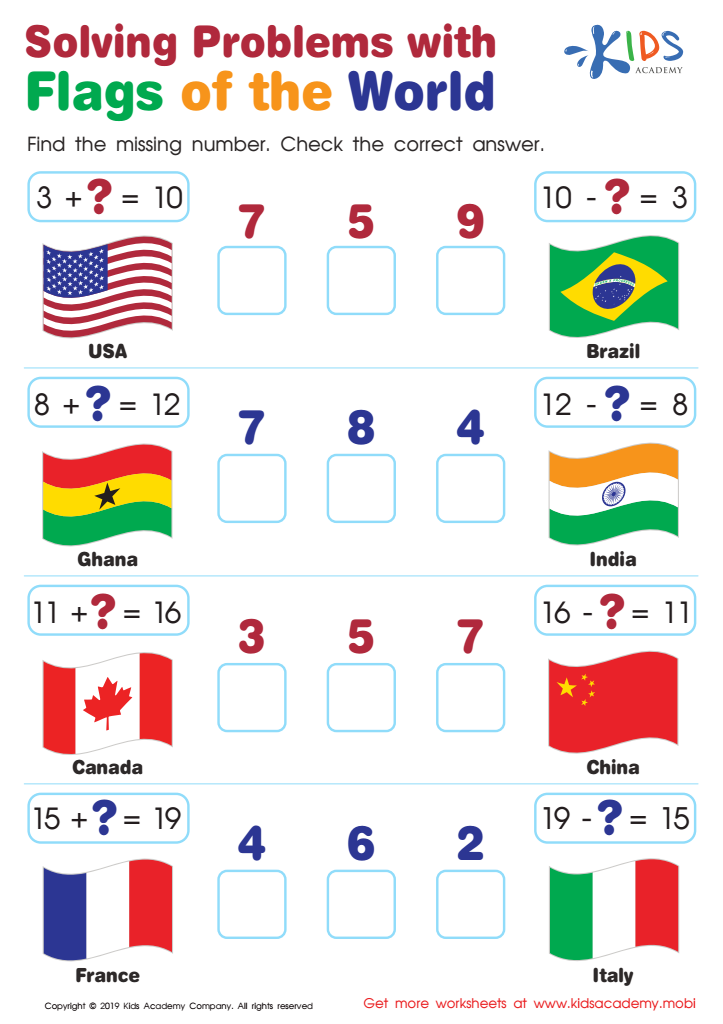
Solving Problems with Flags of the World Worksheet
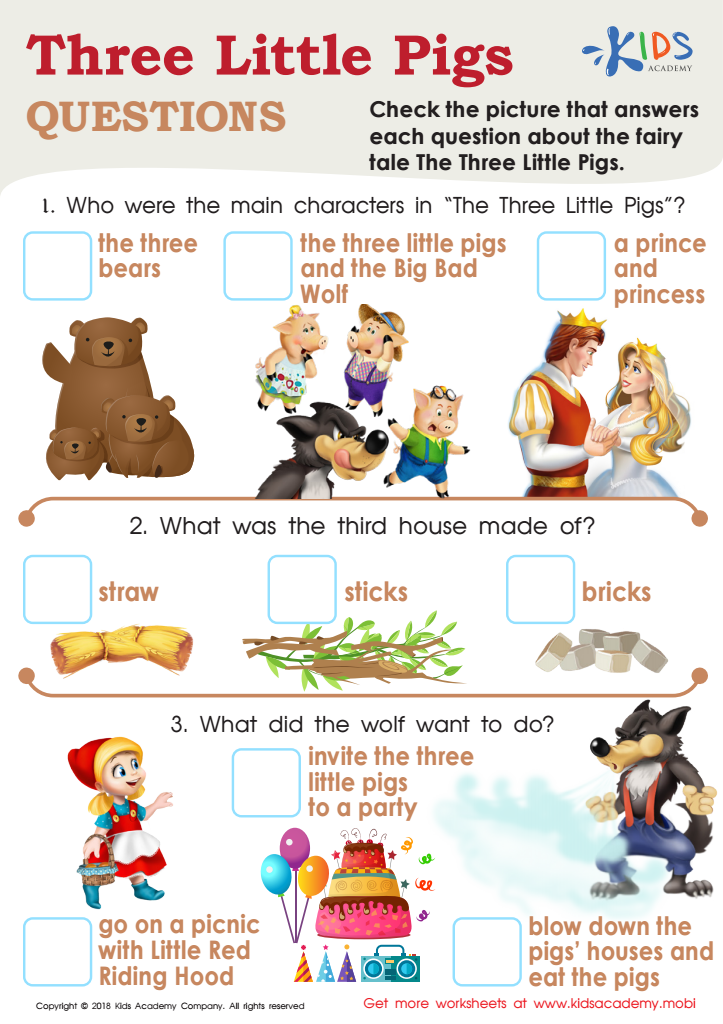
Three Little Pigs Questions Worksheet
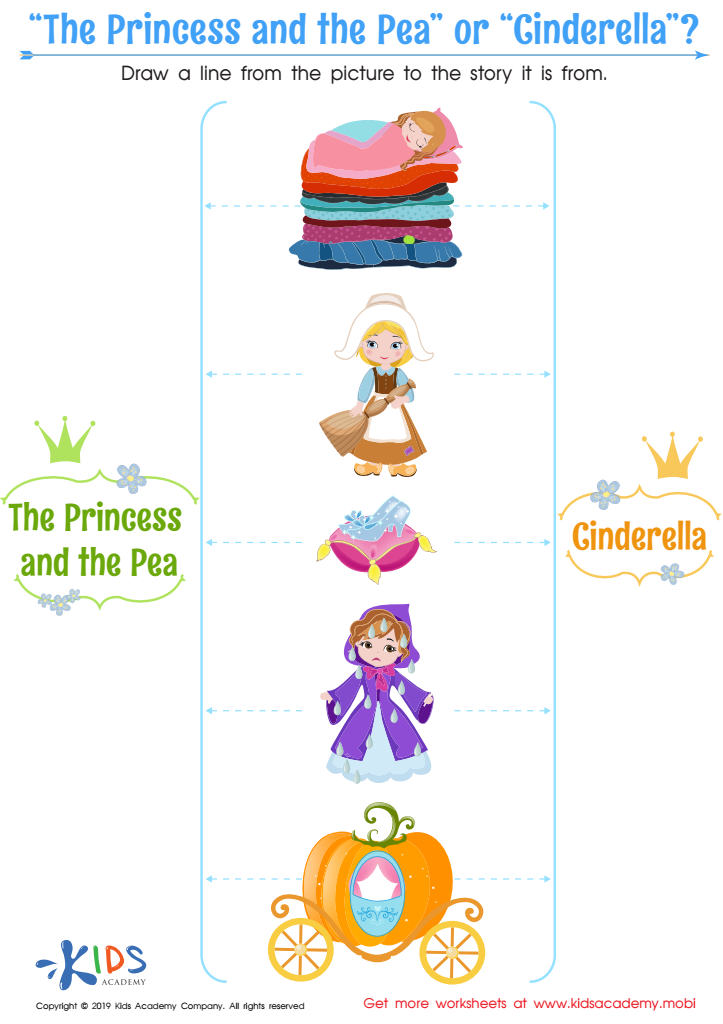
“The Princess and the Pea” or “Cinderella” Worksheet
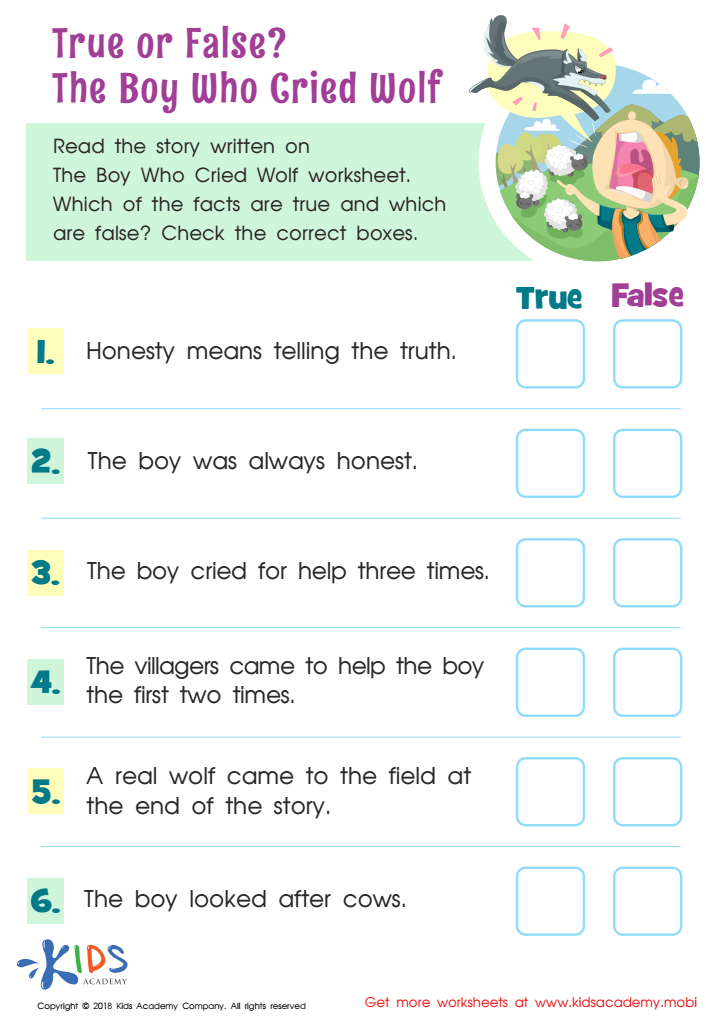
True or False? The Boy Who Cried Wolf Worksheet
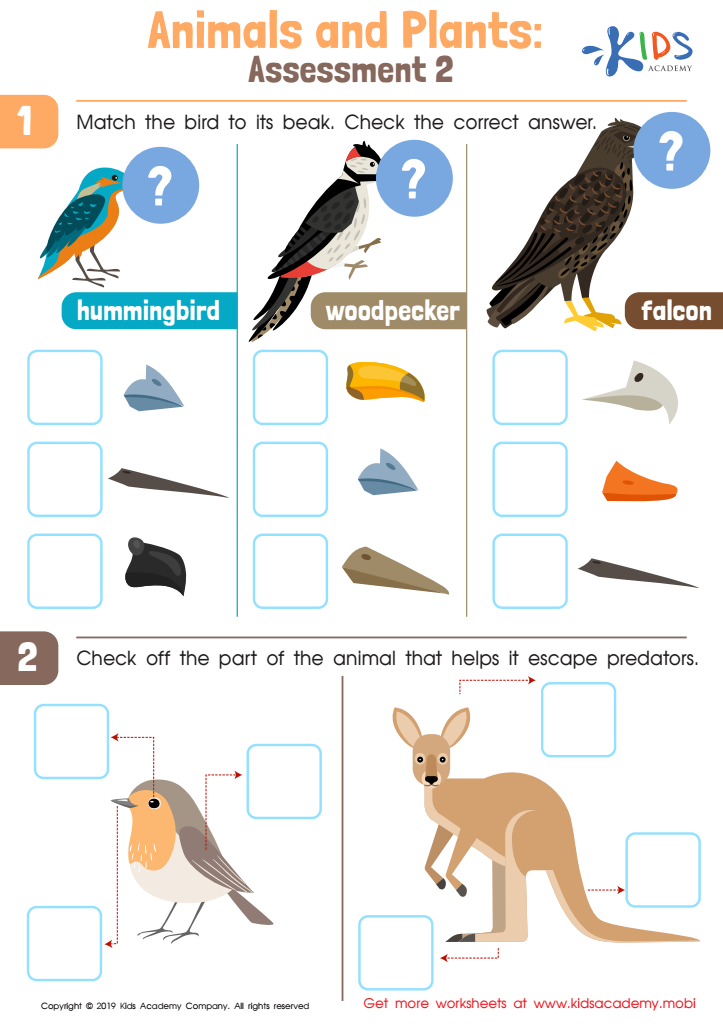
Animals and Plants: Assessment 2 Worksheet
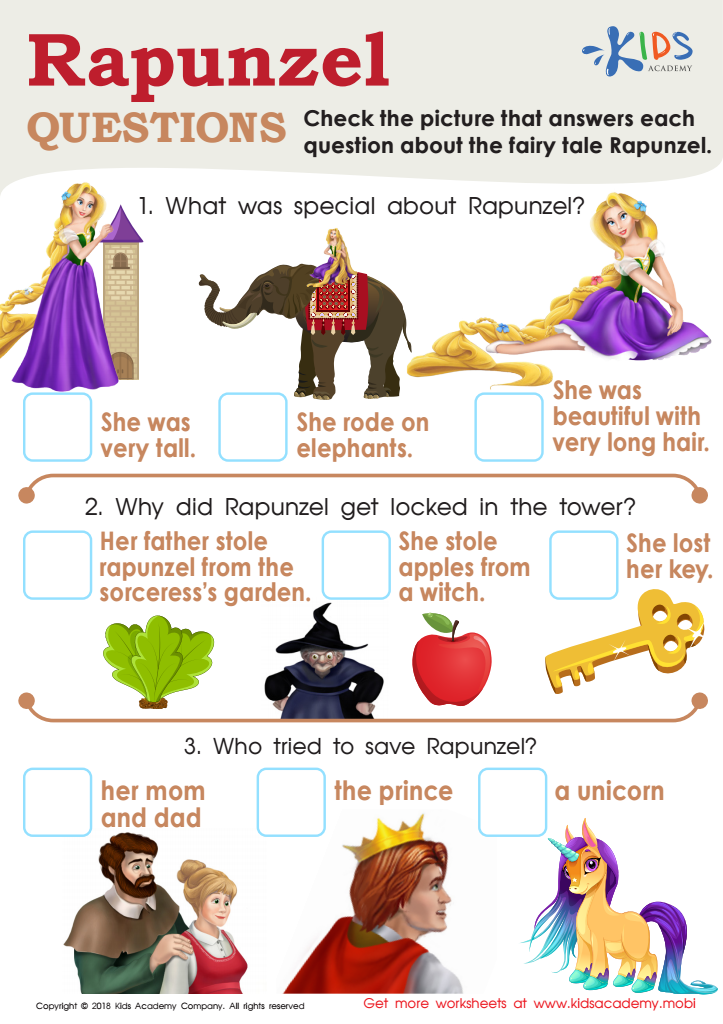
Rapunzel Questions Worksheet
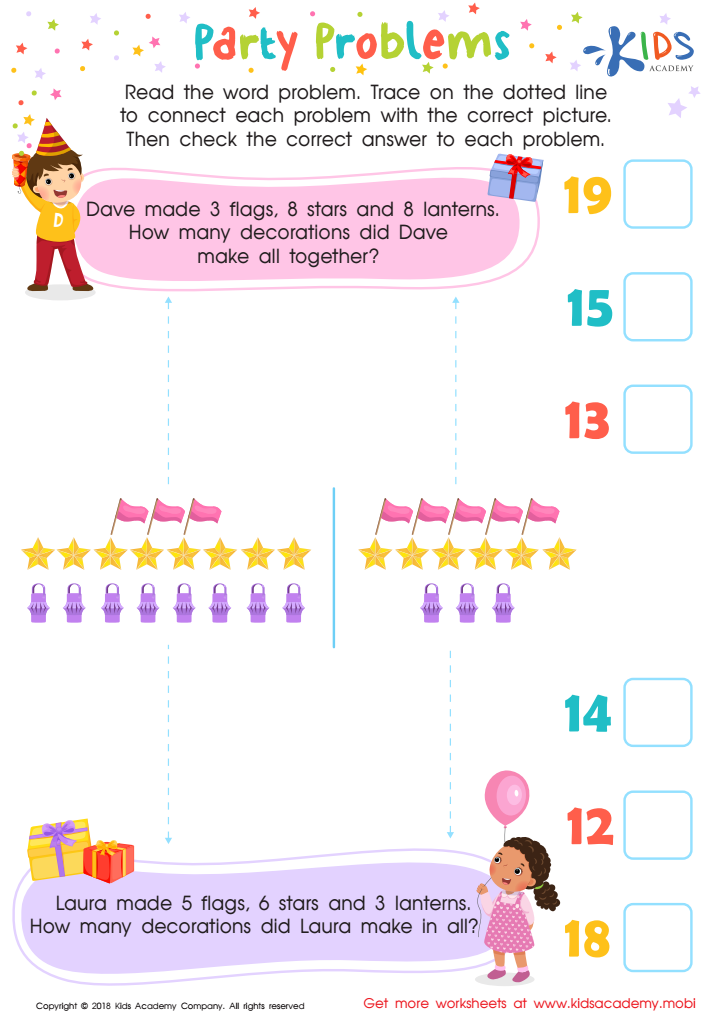
Party Problems Worksheet
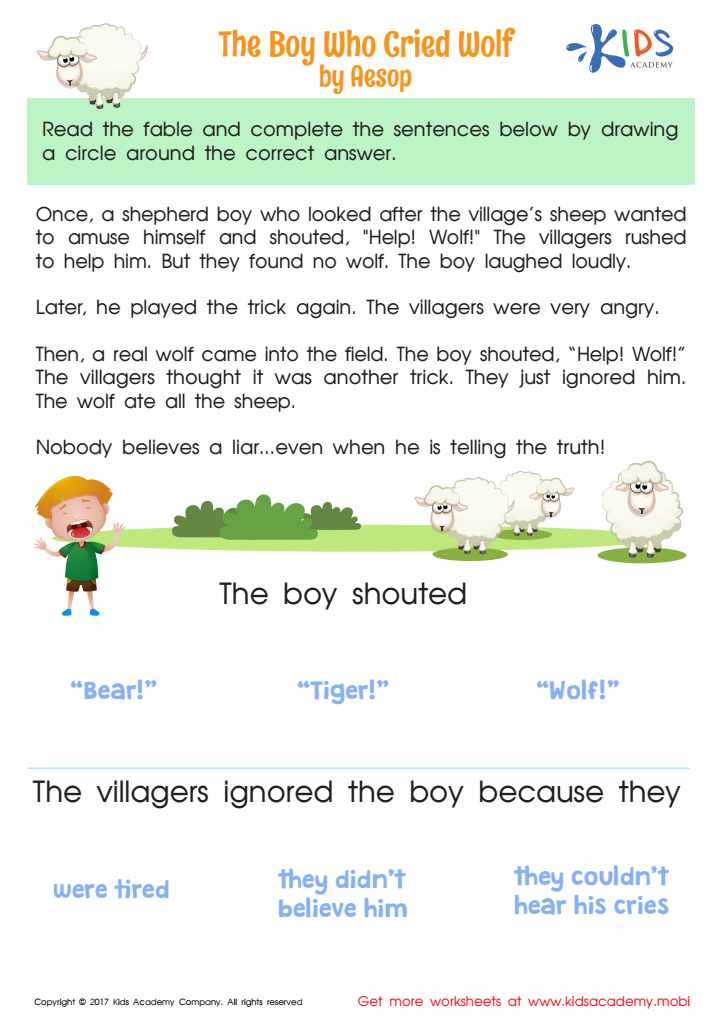
The Boy Who Cried Wolf Worksheet
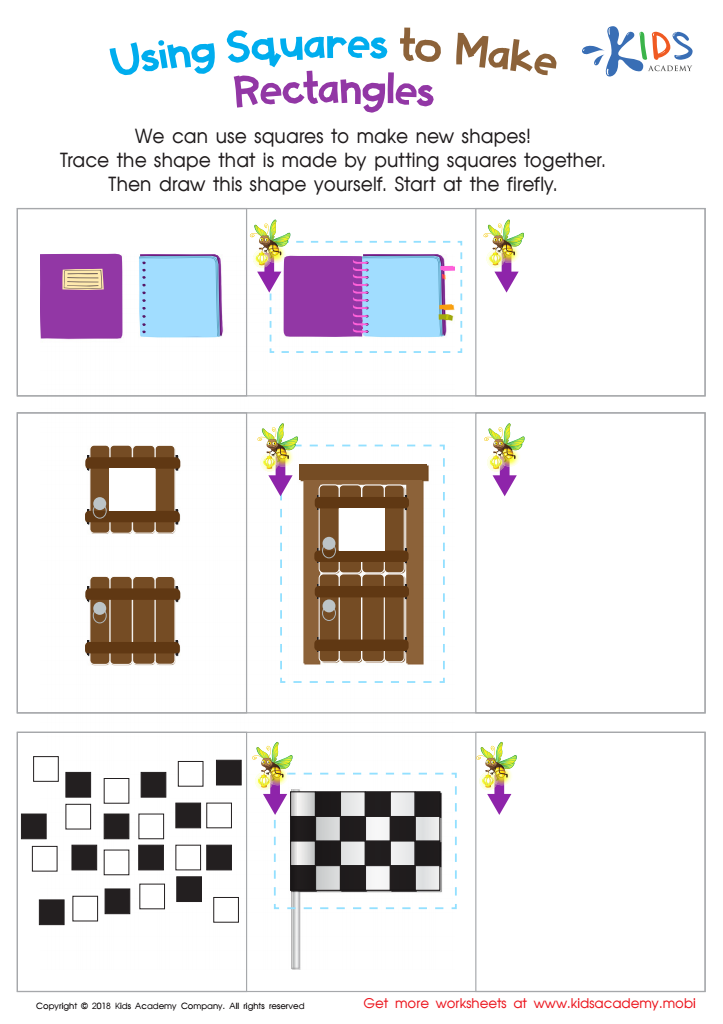
Using Squares to Make Rectangles Worksheet
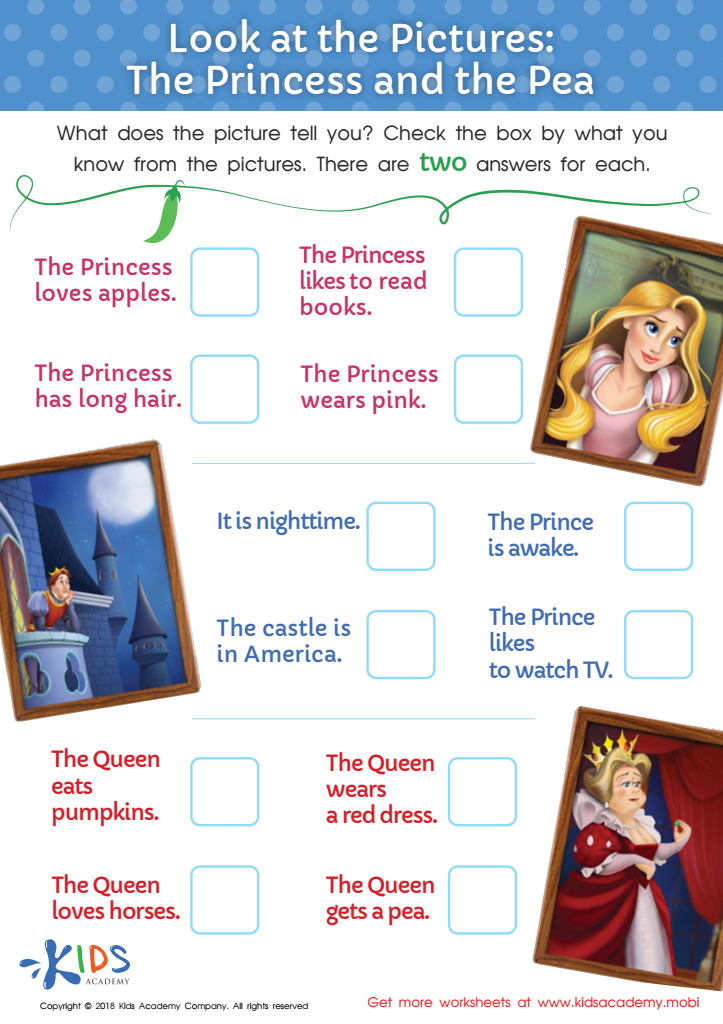
Look at the Pictures: The Princess and the Pea Worksheet
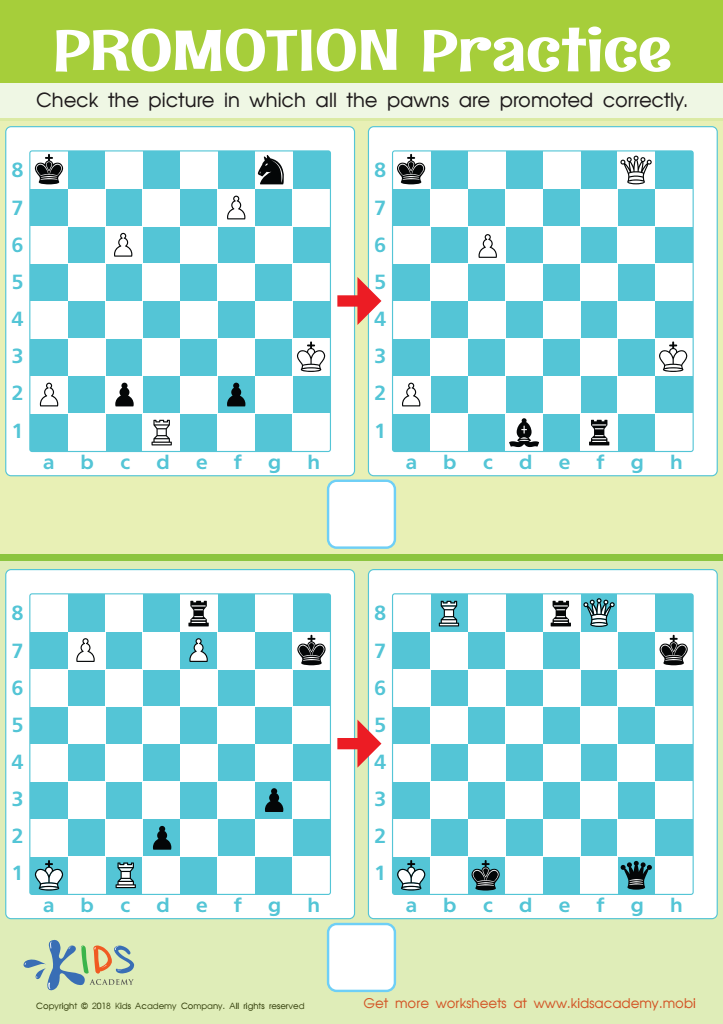
Promotion Practice Worksheet
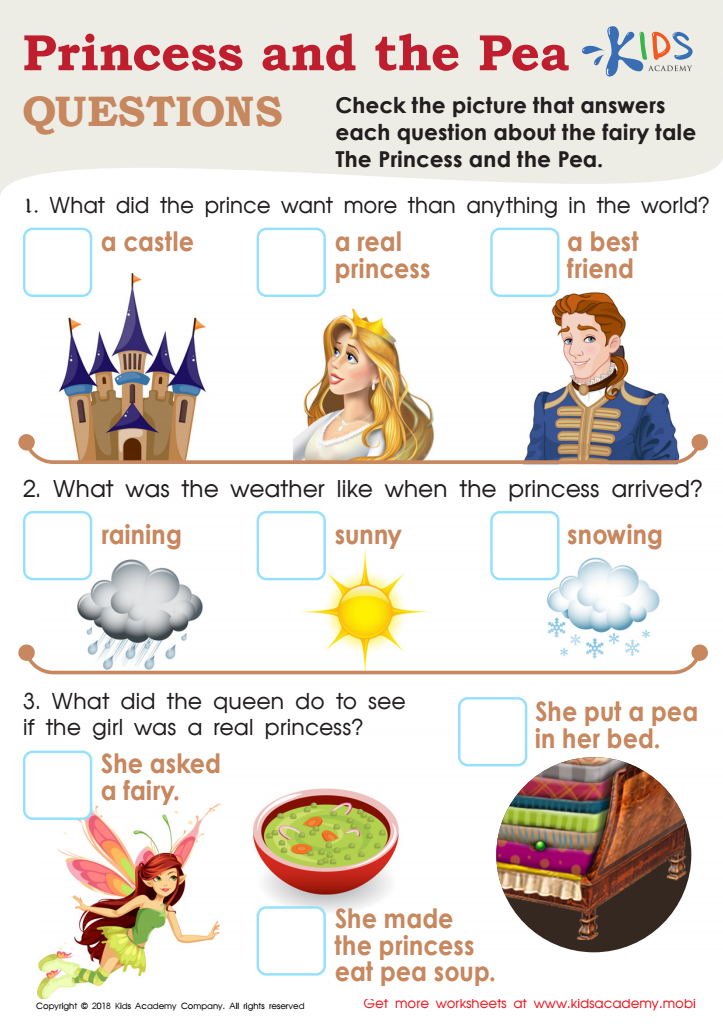
Princess and the Pea Questions Worksheet
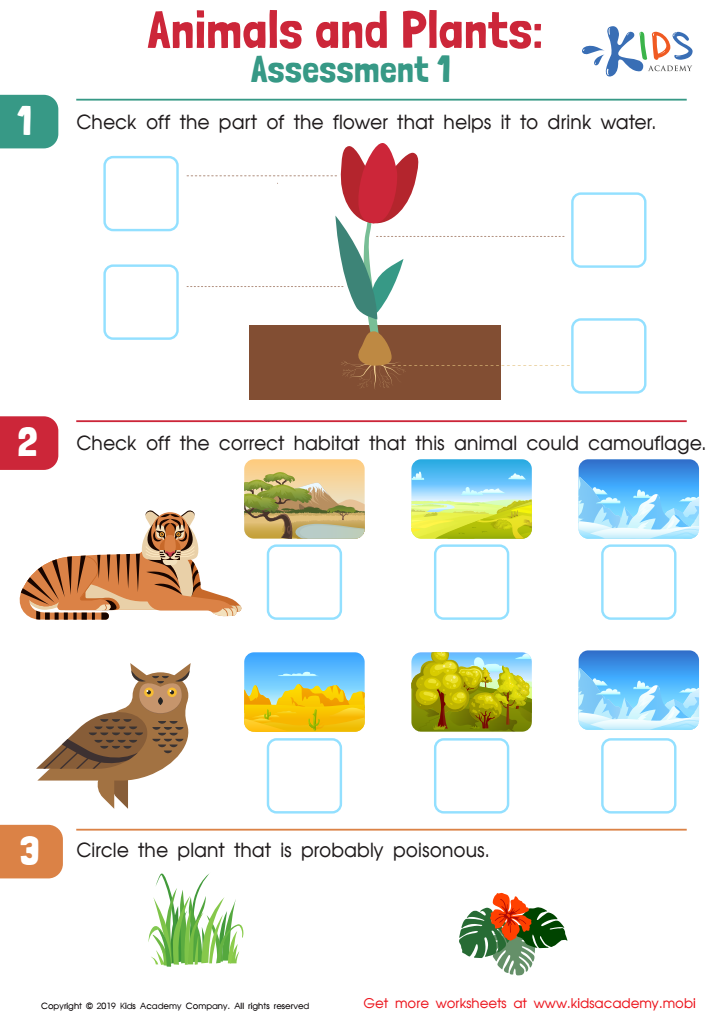
Animals and Plants: Assessment 1 Worksheet








Critical thinking is an essential skill that contributes significantly to a child's overall development, and it is particularly vital for 6-year-olds who are at a critical stage of cognitive growth. Parents and teachers should care about fostering critical thinking in young children because it equips them with the ability to analyze, evaluate, and synthesize information effectively.
At this age, children begin to express their opinions and engage in more complex reasoning. Encouraging critical thinking helps them ask questions, seek explanations, and think independently rather than simply accepting information. This foundational skill promotes creativity, enhancing their problem-solving abilities in various contexts. Moreover, children who develop strong critical thinking skills are better prepared to navigate social situations, resolve conflicts, and make informed decisions.
Additionally, nurturing these skills supports academic success, as critical thinking is linked to improved performance in school. It fosters a love for learning since inquisitive children often engage more passionately in subjects that interest them. By emphasizing critical thinking, parents and teachers cultivate a generation of thoughtful, engaged, and adaptable individuals, crucial for both personal fulfillment and societal progress. Supporting these abilities in early education sets a strong precedent for lifelong skills essential in an ever-evolving world.








