Handwriting practice Normal Worksheets for 6-Year-Olds - Page 2
54 filtered results
-
From - To
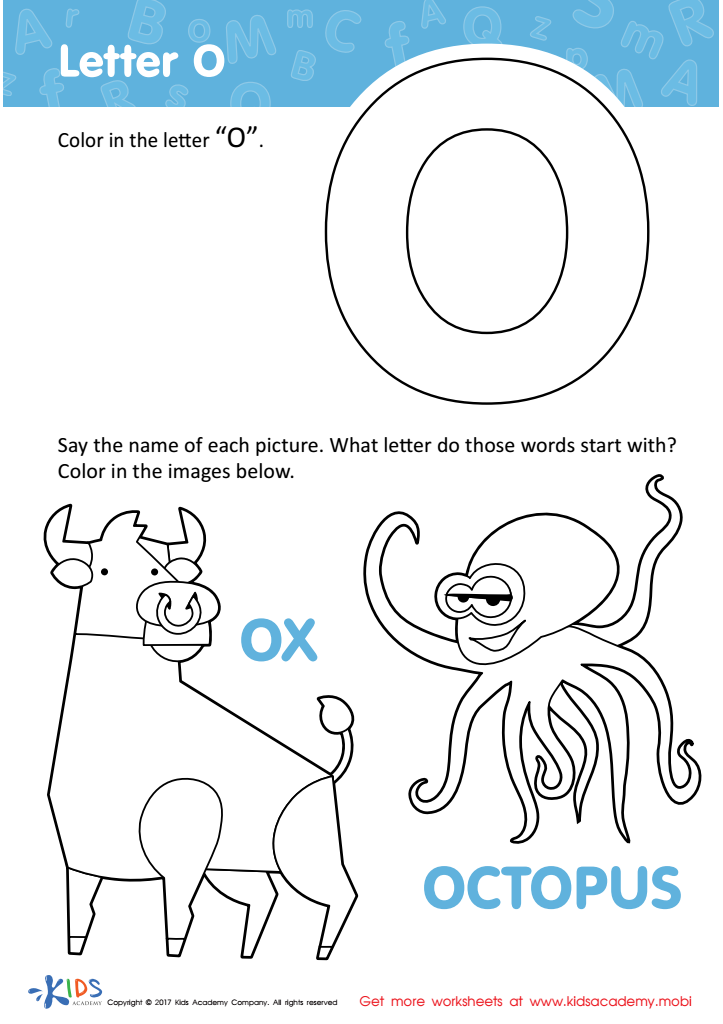
Letter O Coloring Sheet
 Assign to My Students
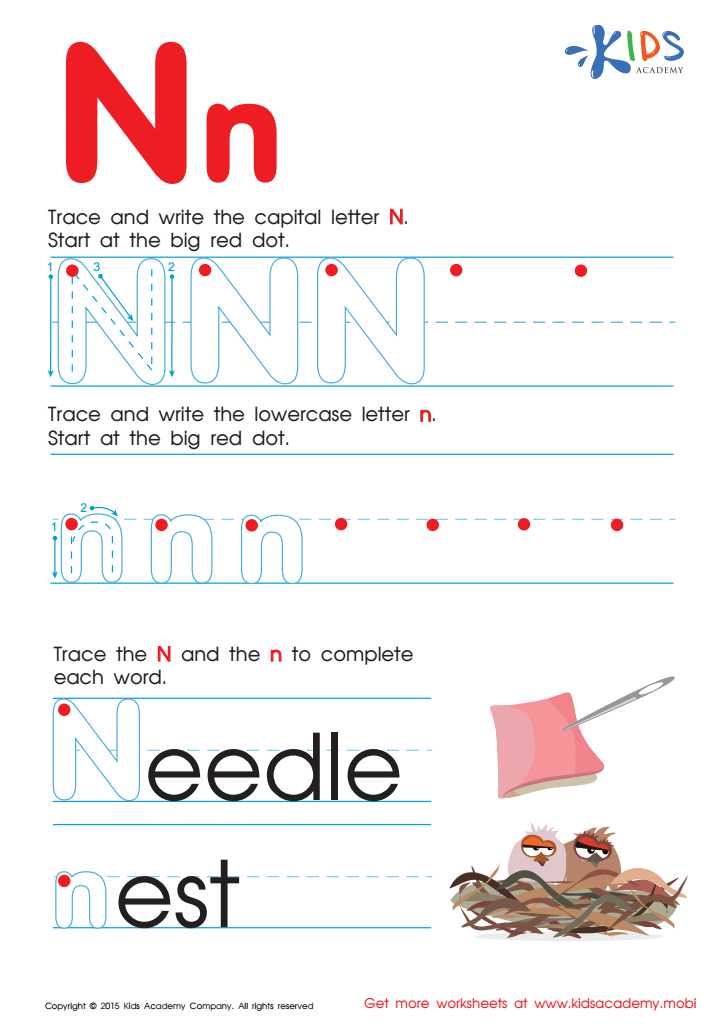
Letter N Tracing Page
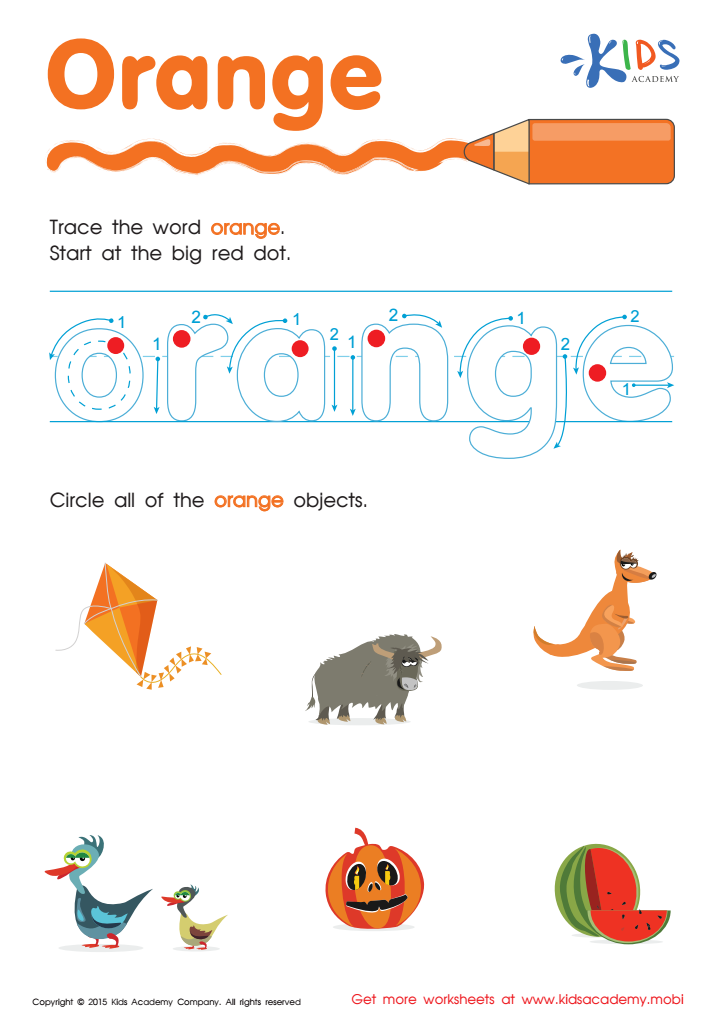
Orange Tracing Color Words Worksheet
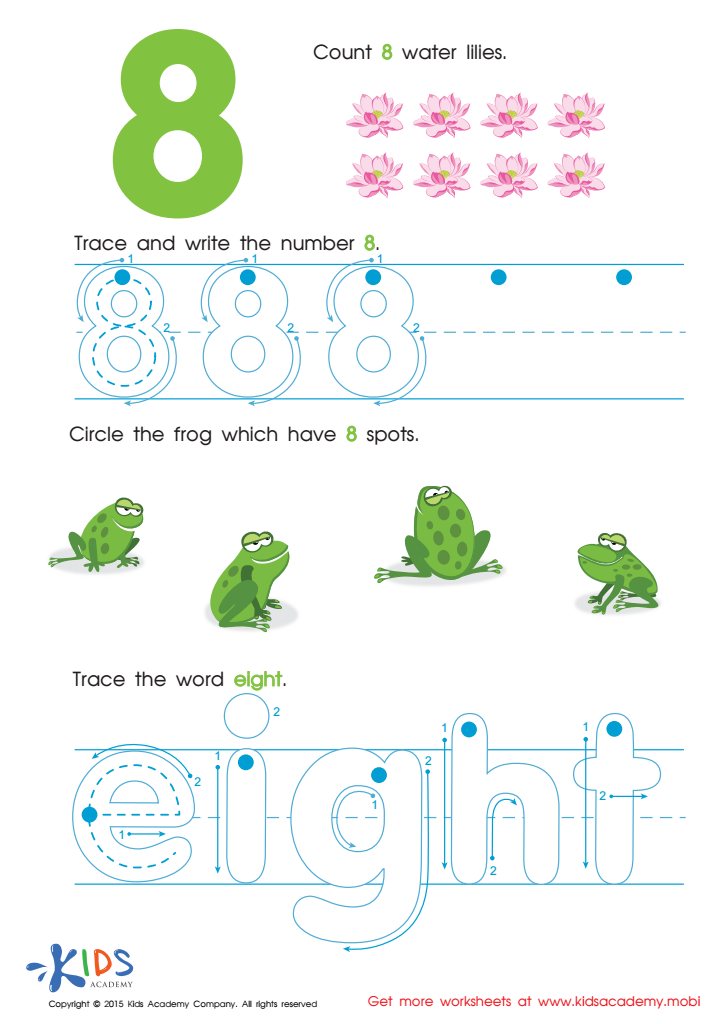
Learn Number 8 Easily Worksheet
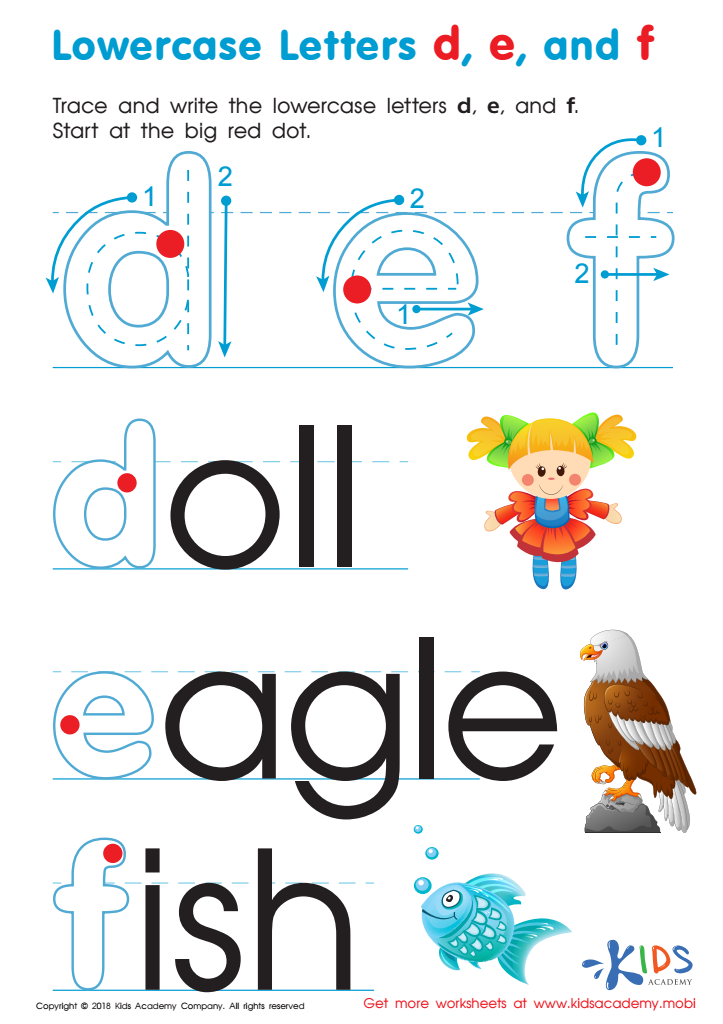
Lowercase Letters d e f Worksheet
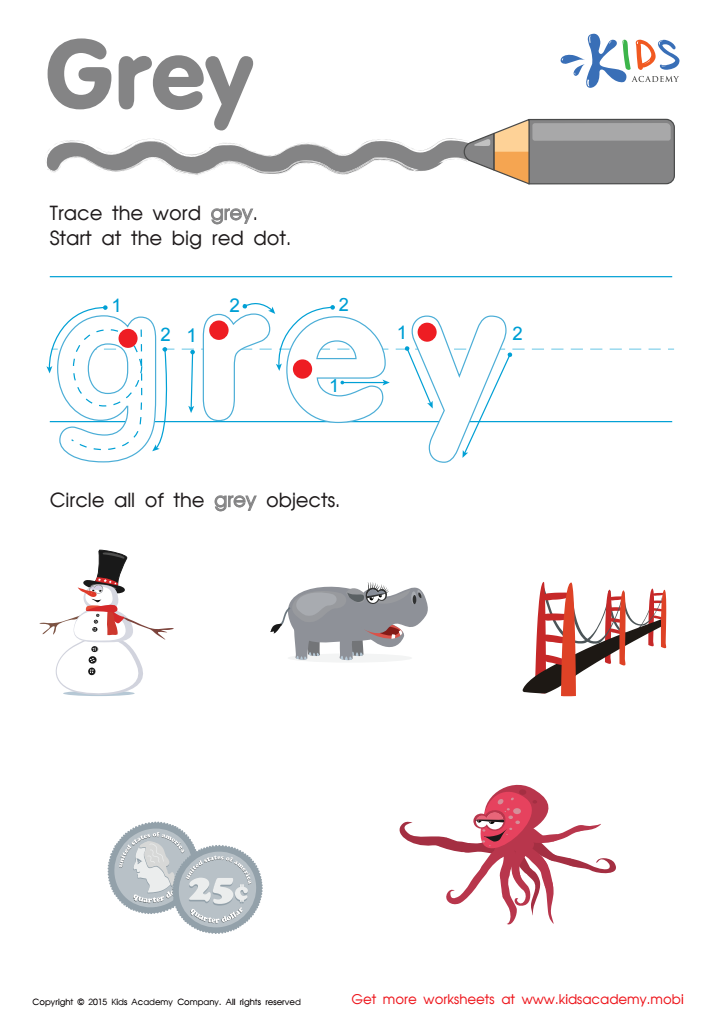
Grey Tracing Color Words Worksheet
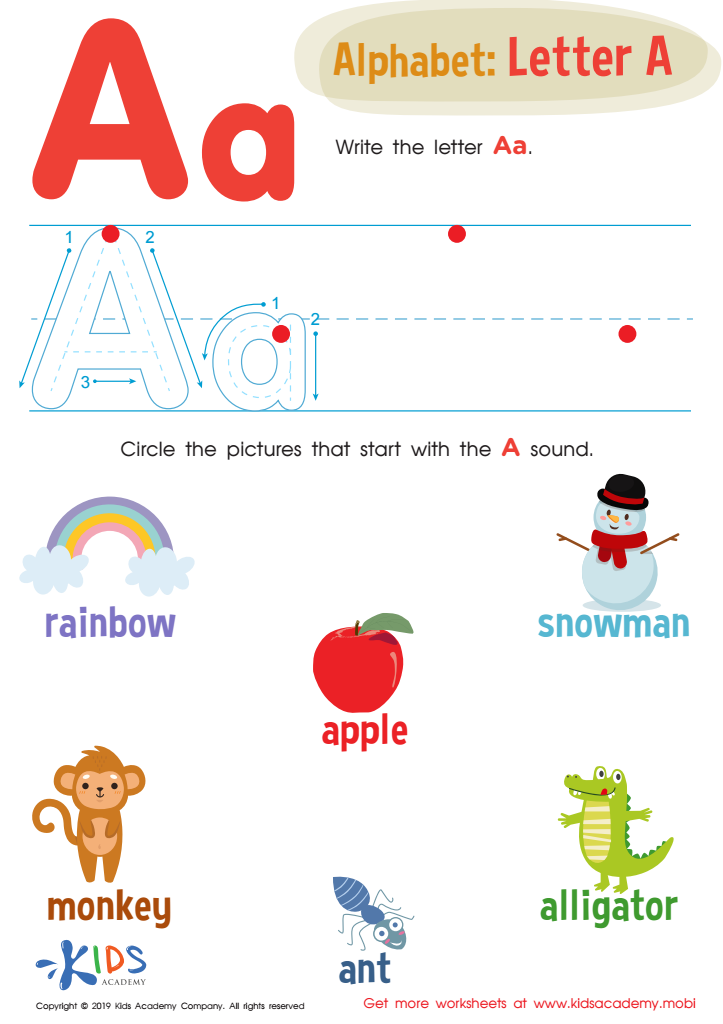
Letter A Tracing Worksheet
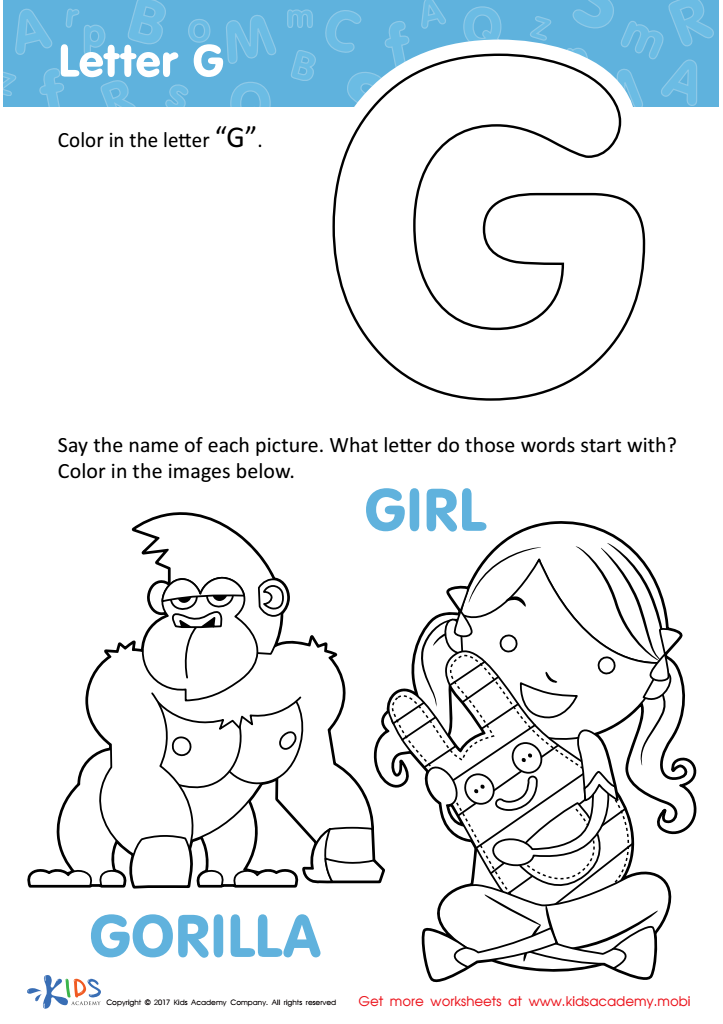
Letter G Coloring Sheet
Assign to My Students
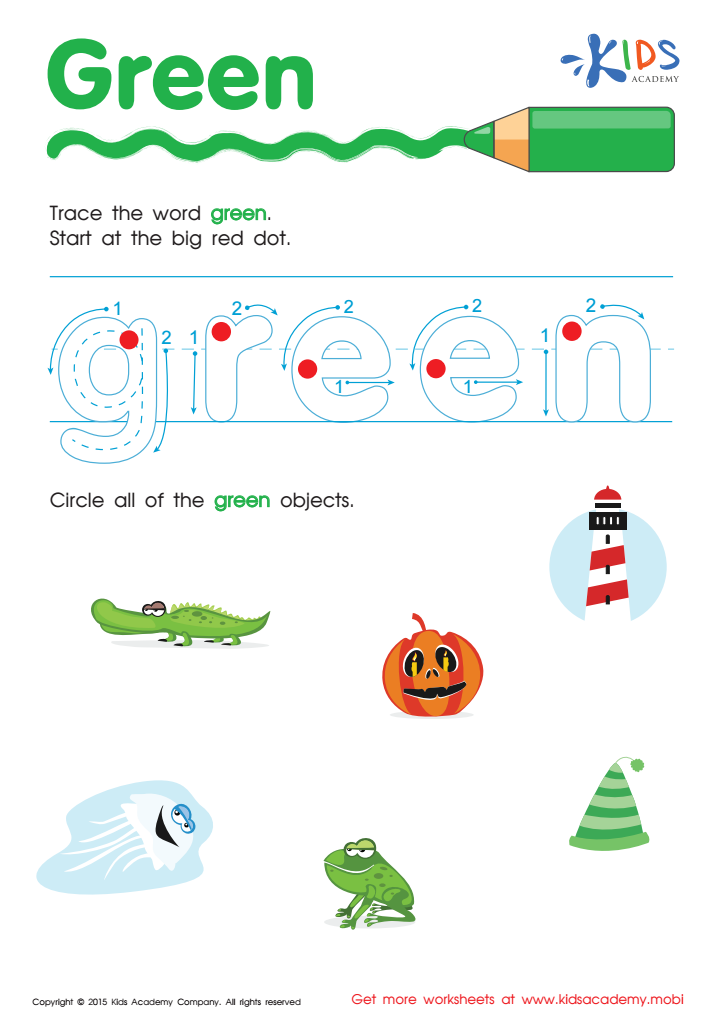
Green Tracing Color Words Worksheet
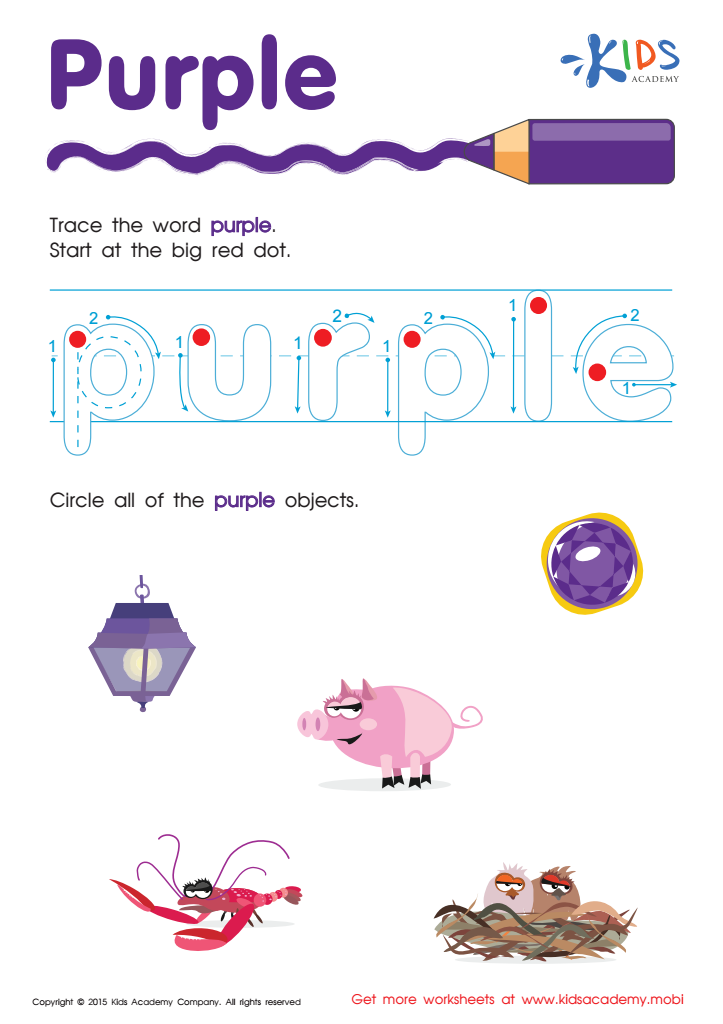
Purple Tracing Color Words Worksheet
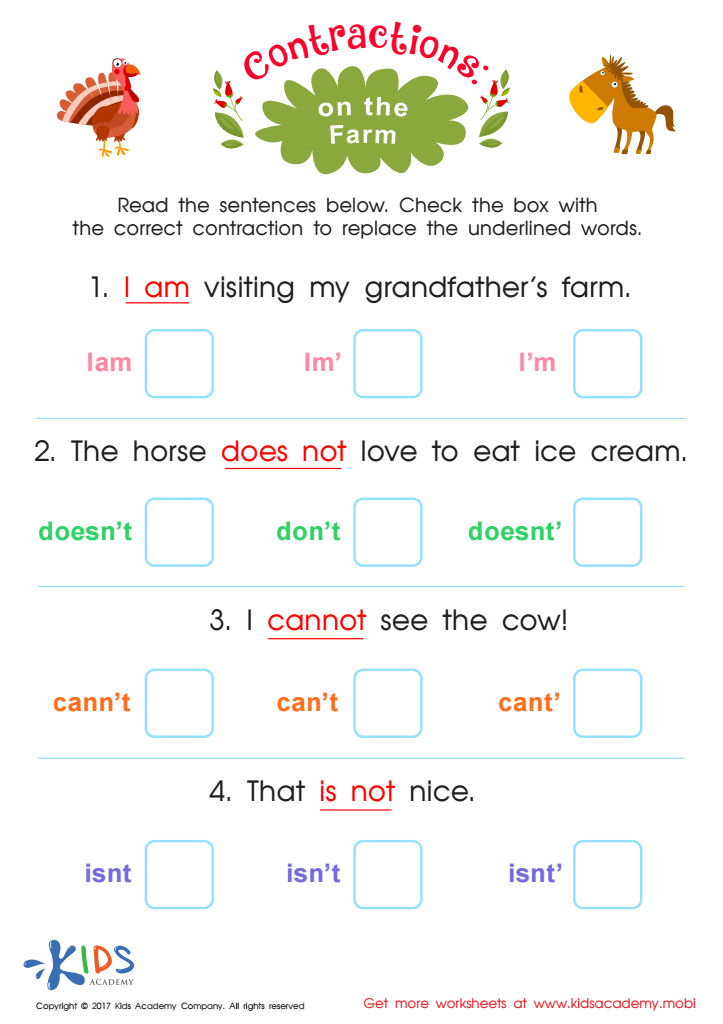
Contractions: On the Farm Printable
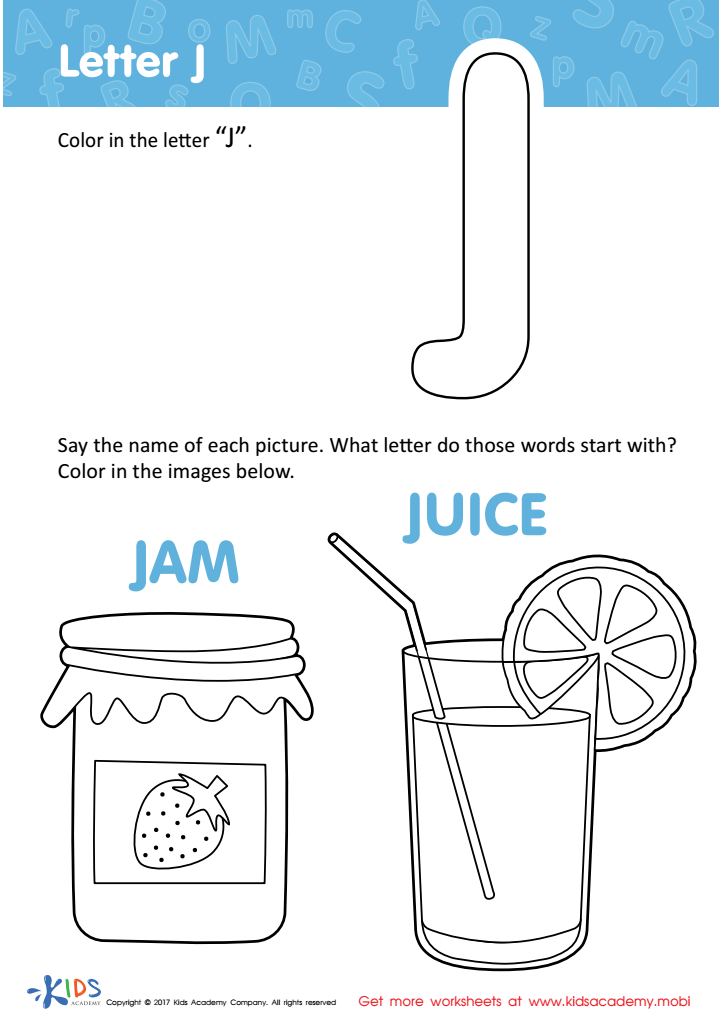
Letter J Coloring Sheet
Assign to My Students
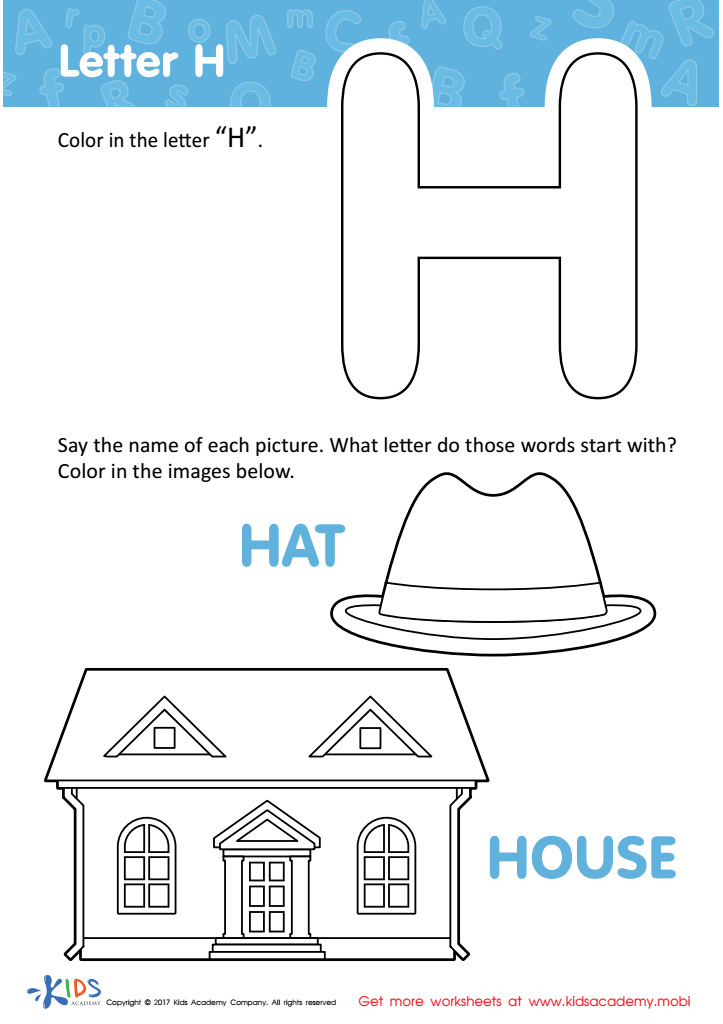
Letter H Coloring Sheet
Assign to My Students
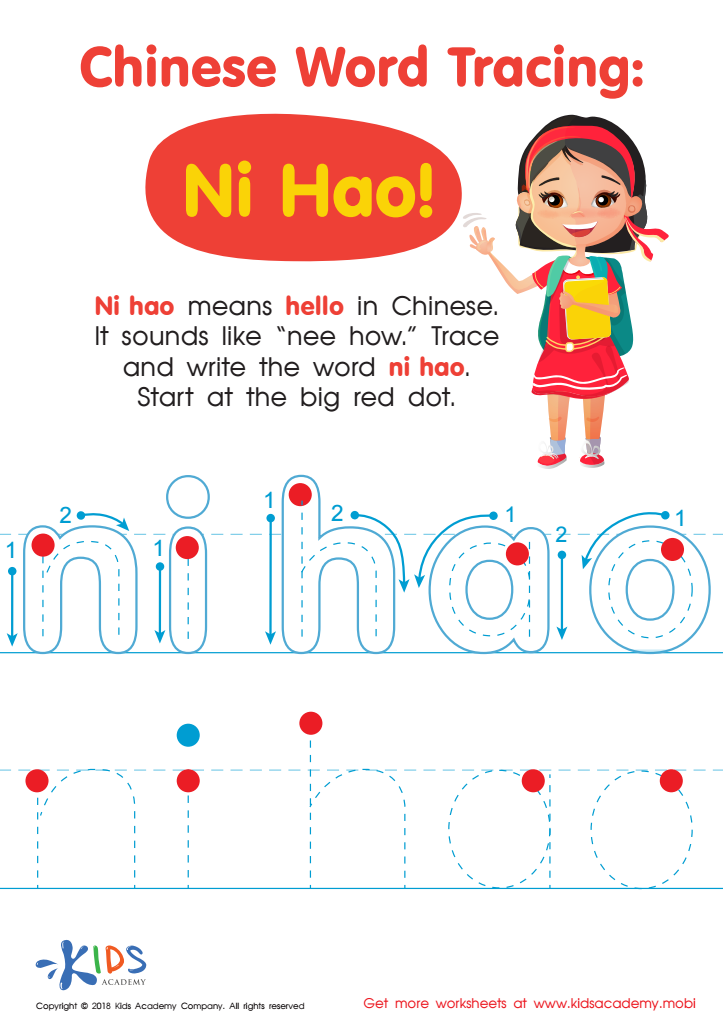
Chinese Word Tracing: Ni Hao Worksheet
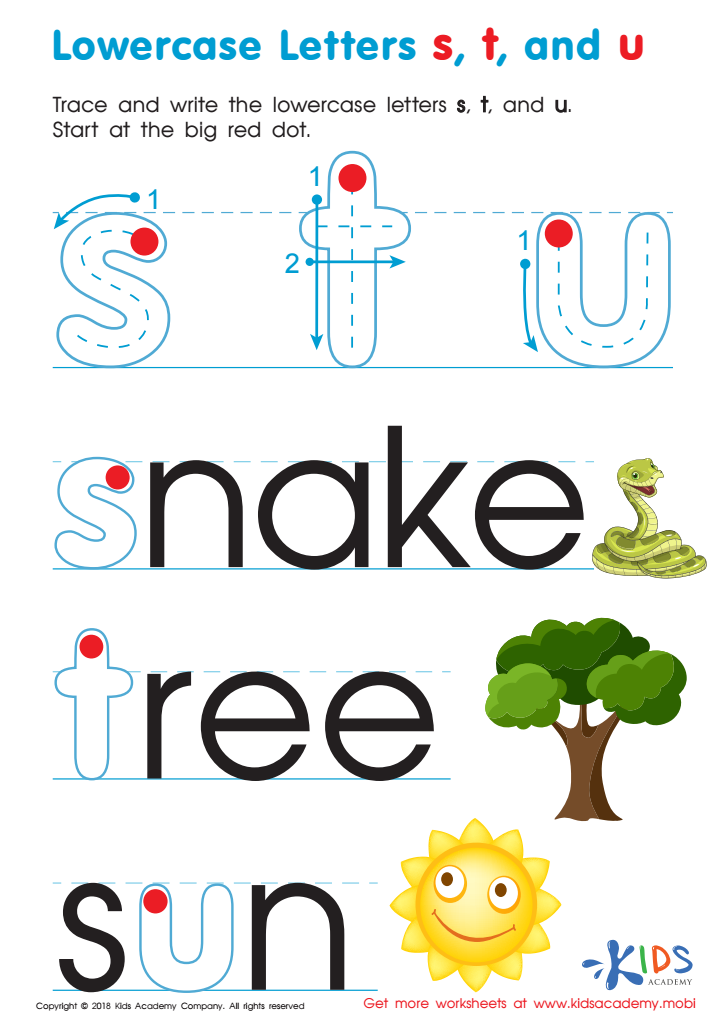
Lowercase Letters s t u Worksheet
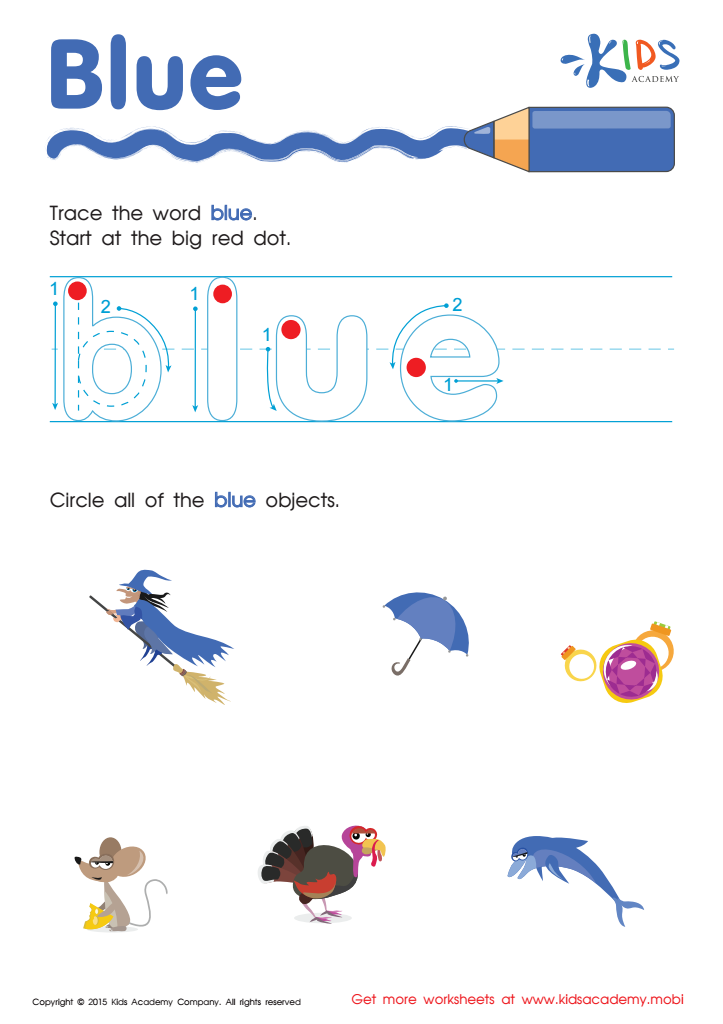
Blue Tracing Color Words Printable
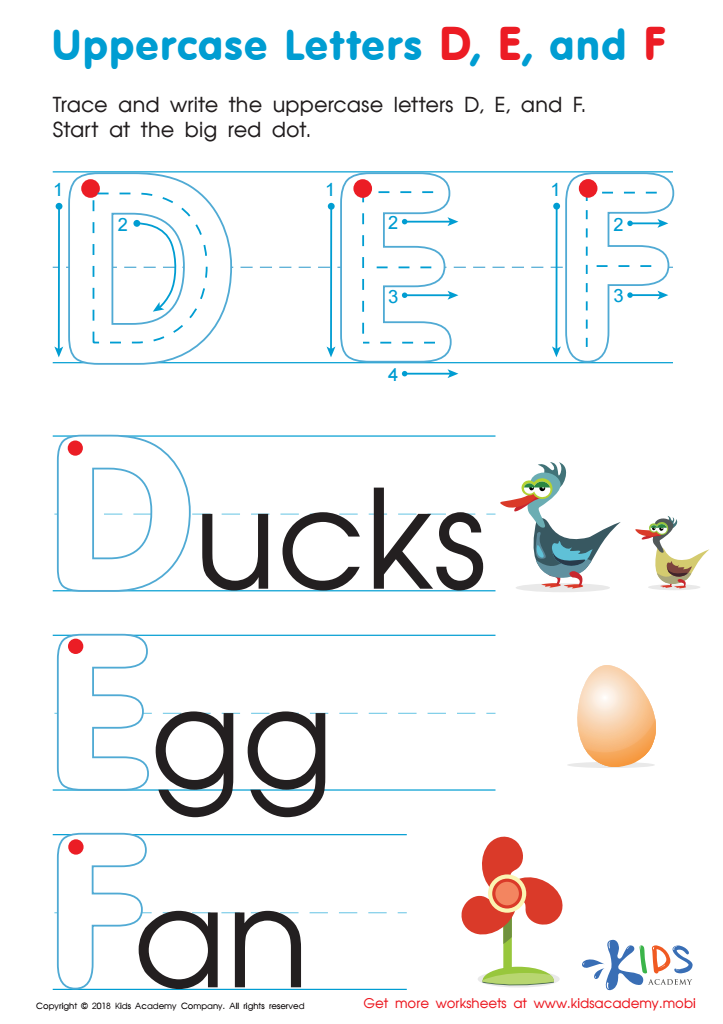
Uppercase Letters D, E, and F Worksheet
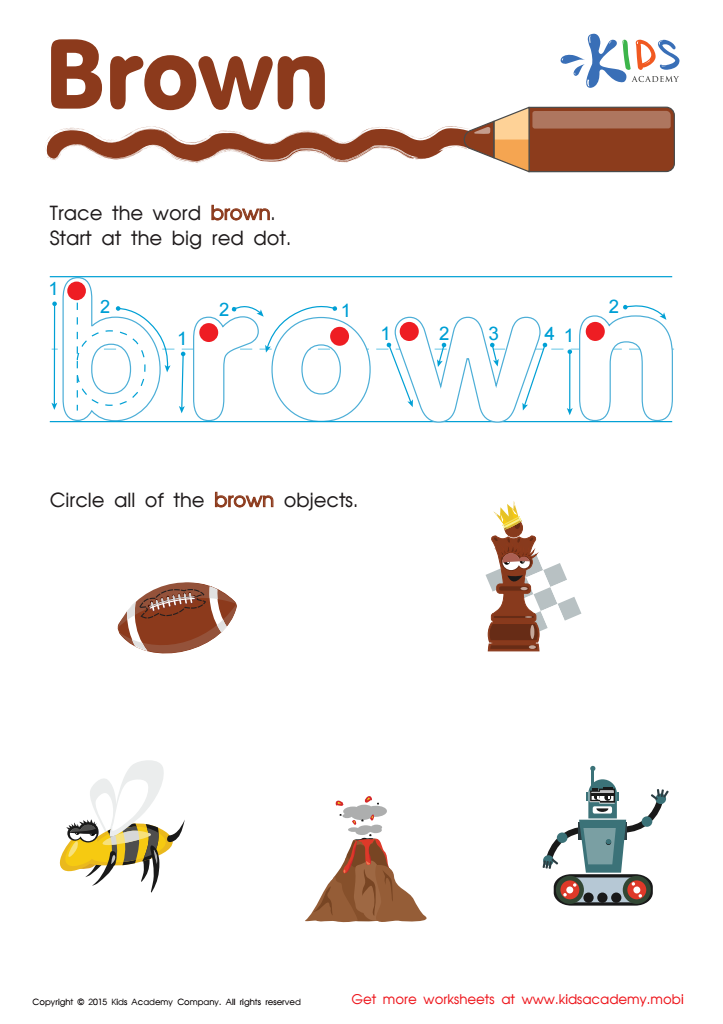
Brown Tracing Color Words Worksheet
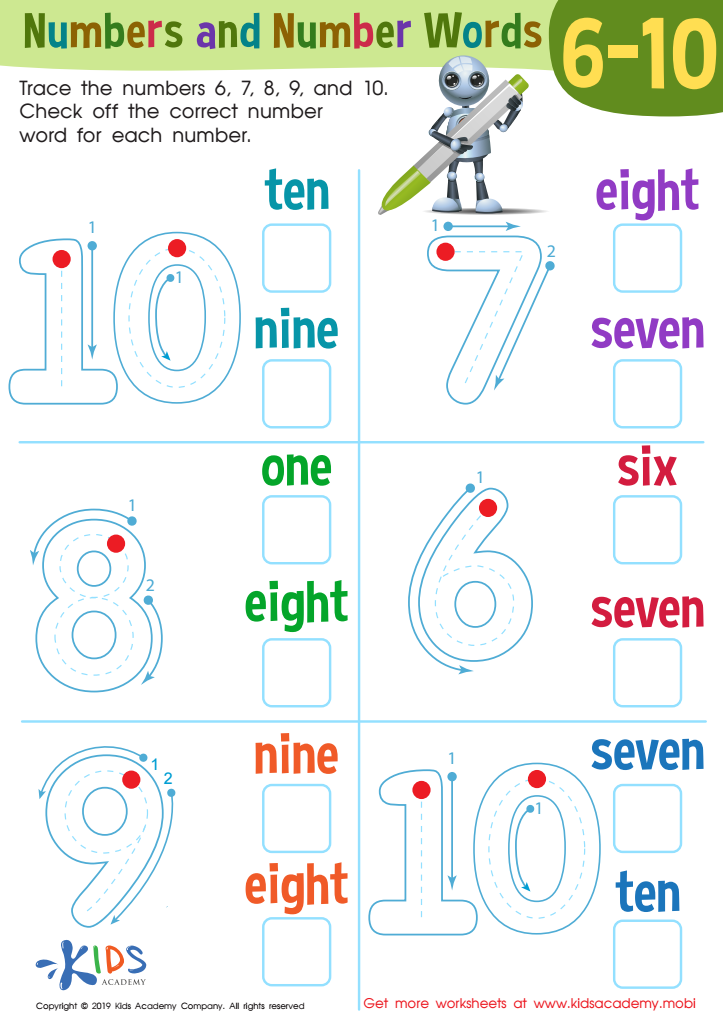
Numbers and Number Words 6–1 Worksheet
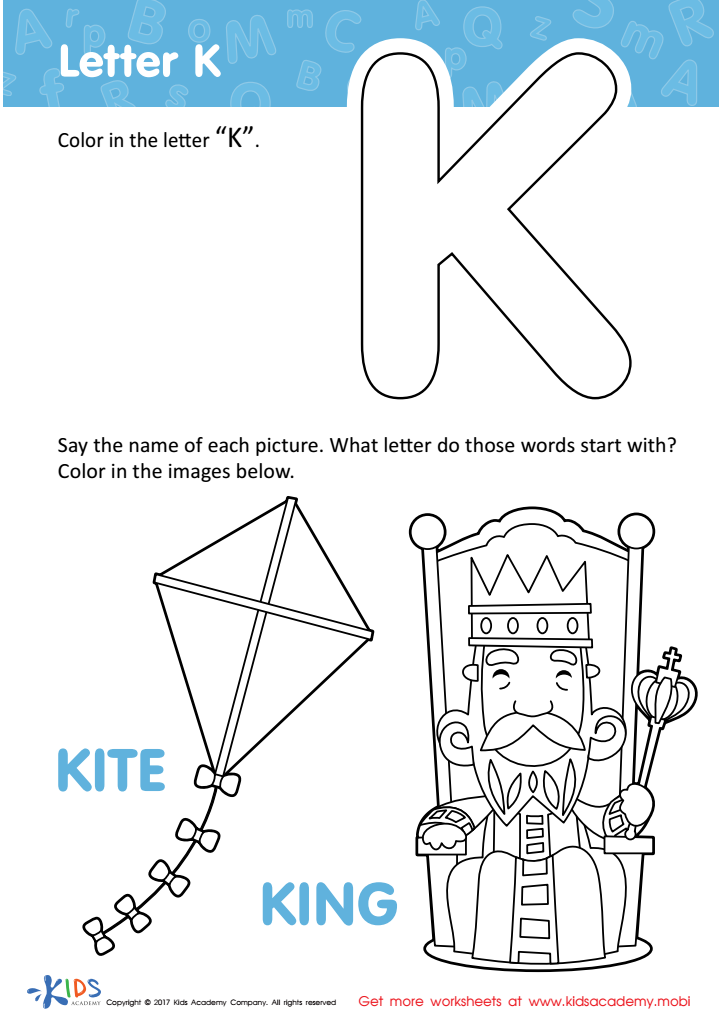
Letter K Coloring Sheet
Assign to My Students
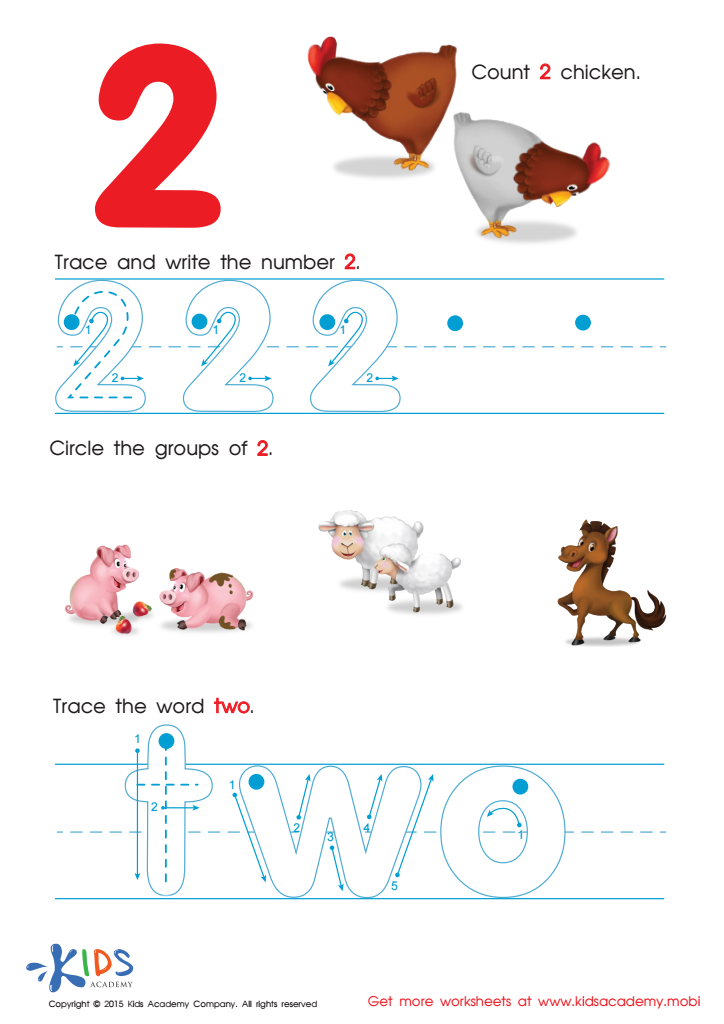
Learn to Write the Number 2 Worksheet
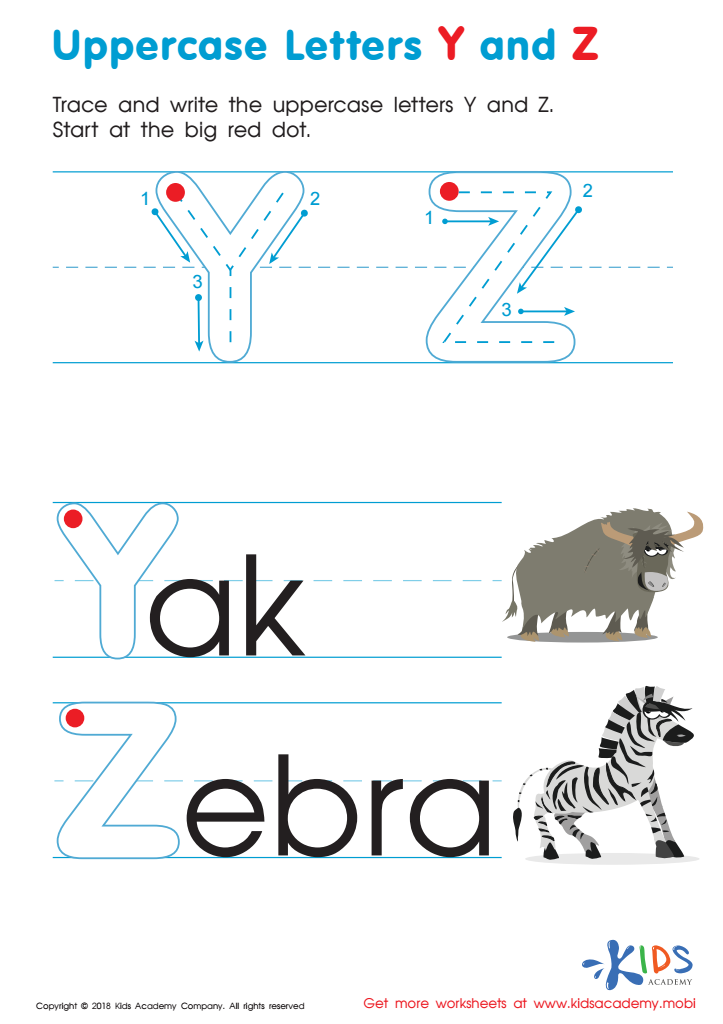
Uppercase Letters Y Z Worksheet
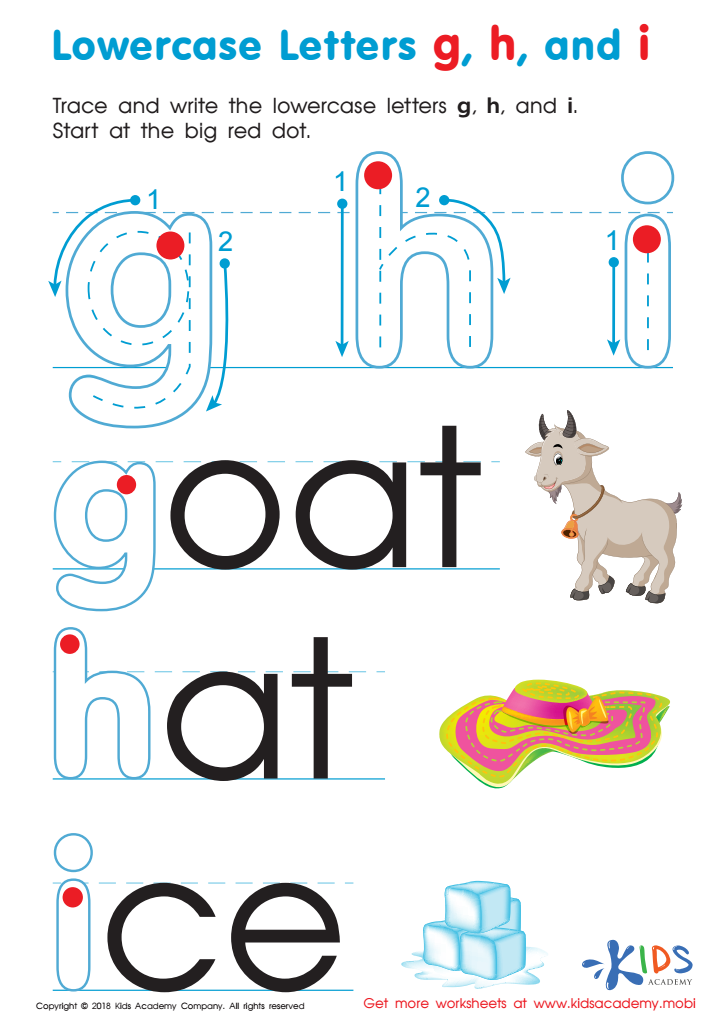
Lowercase Letters g h i Worksheet
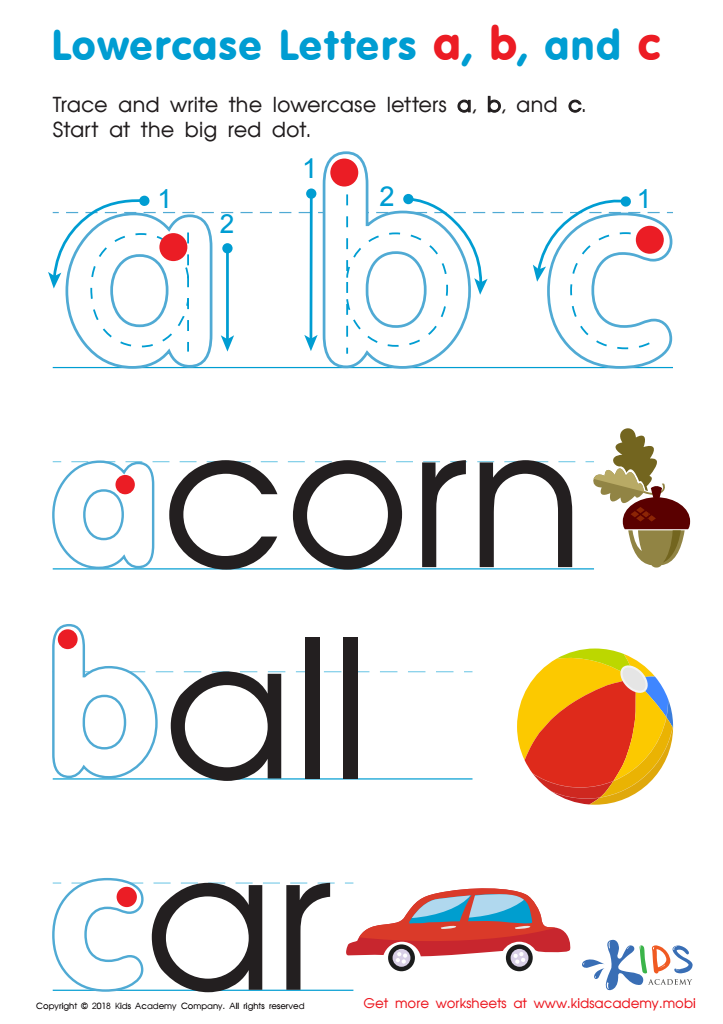
Lowercase Letters a b c Worksheet








Handwriting practice is vital for 6-year-olds as it significantly impacts their overall development. At this age, children are transitioning from learning to write simple letters to composing sentences, making effective handwriting practice crucial. Engaging in consistent writing exercises helps improve fine motor skills, which are essential for various daily tasks, from holding a pencil to manipulating buttons or tying shoelaces.
Moreover, legible handwriting cultivates confidence in children, enhancing their willingness to communicate through writing. Clear expression of thoughts enhances academic performance, as students often rely on writing to convey their understanding in subjects like language arts and science.
Additionally, handwriting encourages cognitive development; it aids in memory retention as children learn to form letters and understand their sound associations. This process further supports reading readiness, which is foundational for lifelong learning.
Parents and teachers should be actively involved in this practice to provide guidance and reinforcement. Incorporating fun activities, such as writing games or art projects, can make handwriting less daunting and more enjoyable for young learners. Through collaboration and encouragement, adults can inspire a positive attitude towards handwriting, paving the way for successful future communication skills.








