Shape Recognition Normal 2D Shapes Worksheets for 6-Year-Olds
14 filtered results
-
From - To
Discover our engaging Shape Recognition worksheets designed specifically for 6-year-olds! These interactive Normal 2D Shapes worksheets help young learners identify and categorize common shapes such as circles, squares, triangles, and rectangles. Through fun activities and colorful illustrations, children will develop their shape recognition skills while reinforcing their understanding of geometry. Perfect for use at home or in the classroom, these worksheets promote early math concepts, enhance fine motor skills, and encourage creative thinking. Download and print now to provide your child with a fun, educational experience that will build a strong foundation in mathematics! Start their learning journey today!
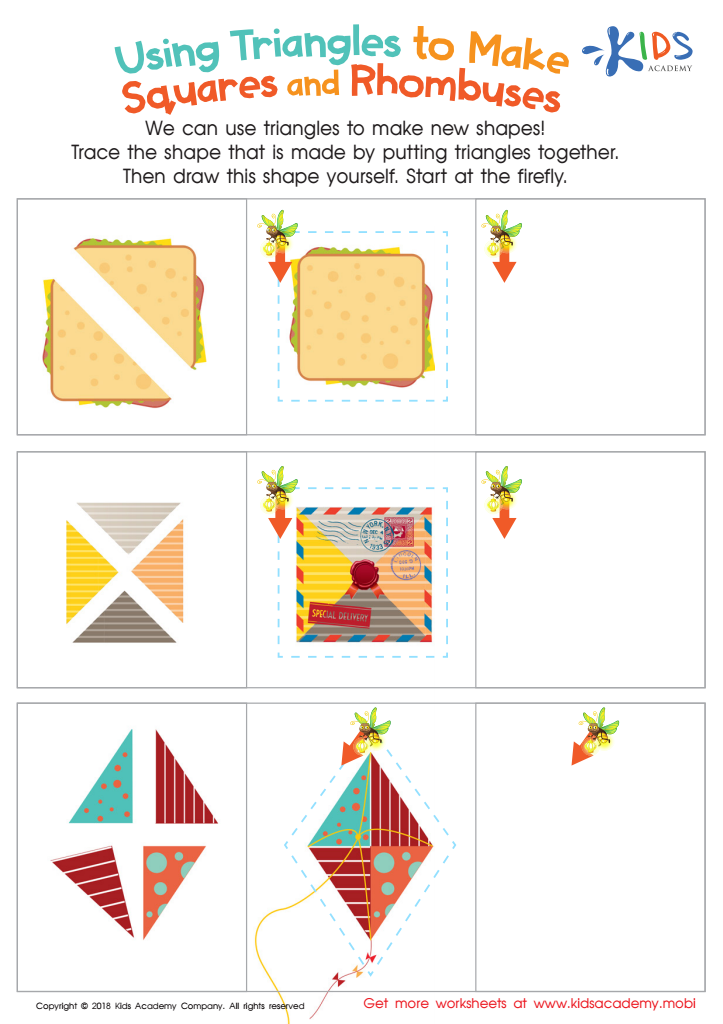
Using Triangles to Make Squares and Rhombuses Worksheet
 Assign to My Students

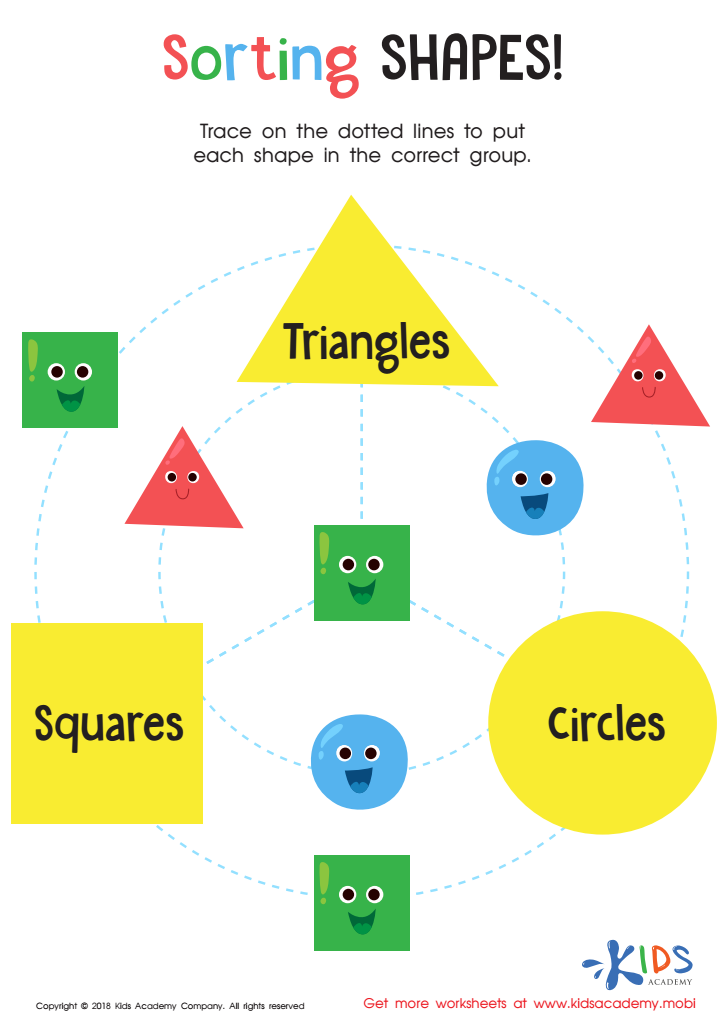
Sorting Shapes - Part 3 Worksheet
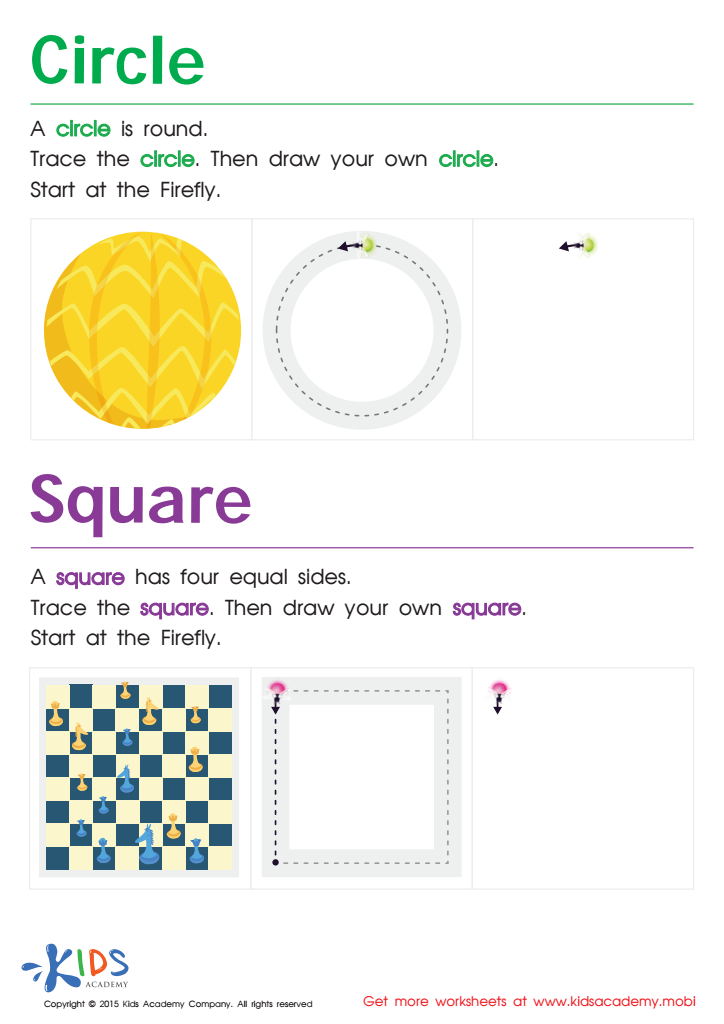
Trace And Draw a Circle And a Square Worksheet
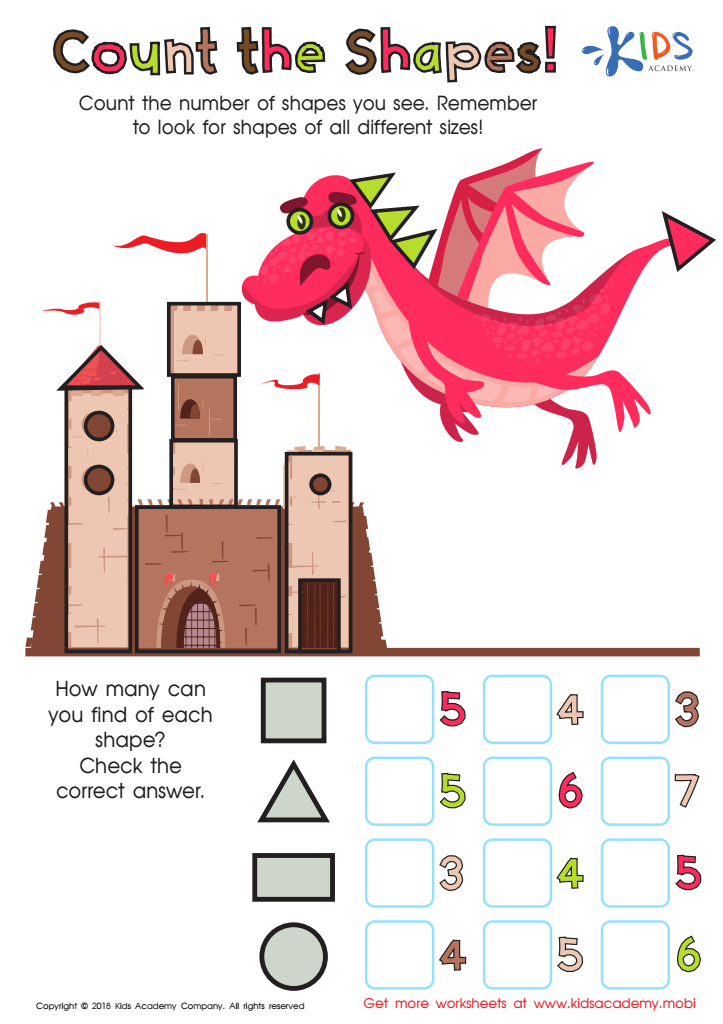
Count the Shapes Worksheet
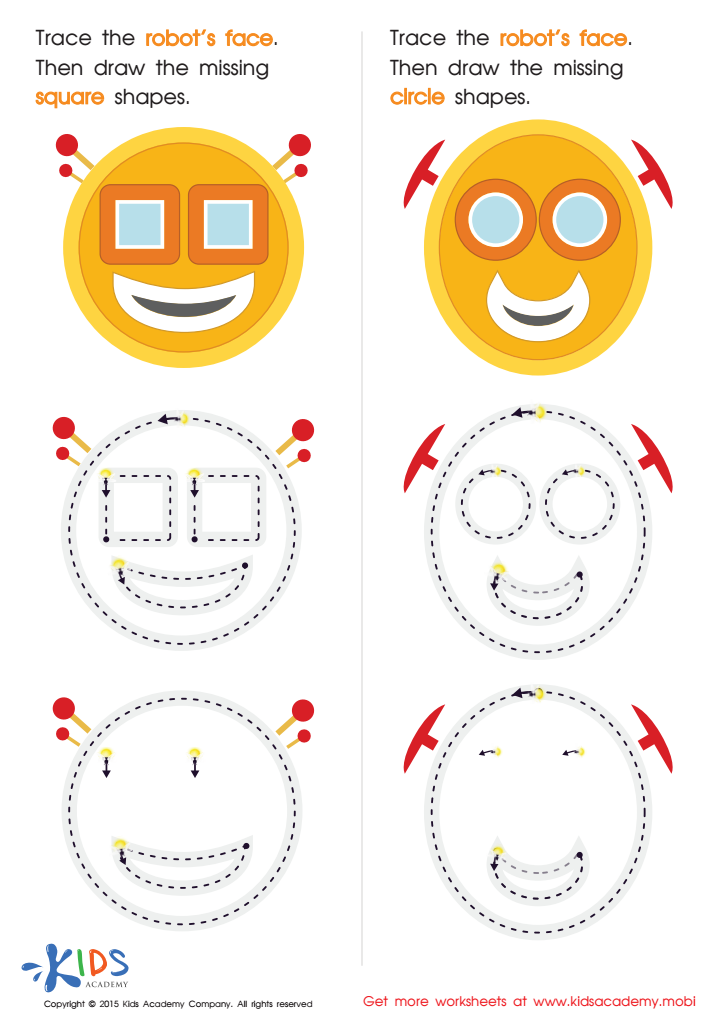
Practicing to Draw Circles And Squares Printable
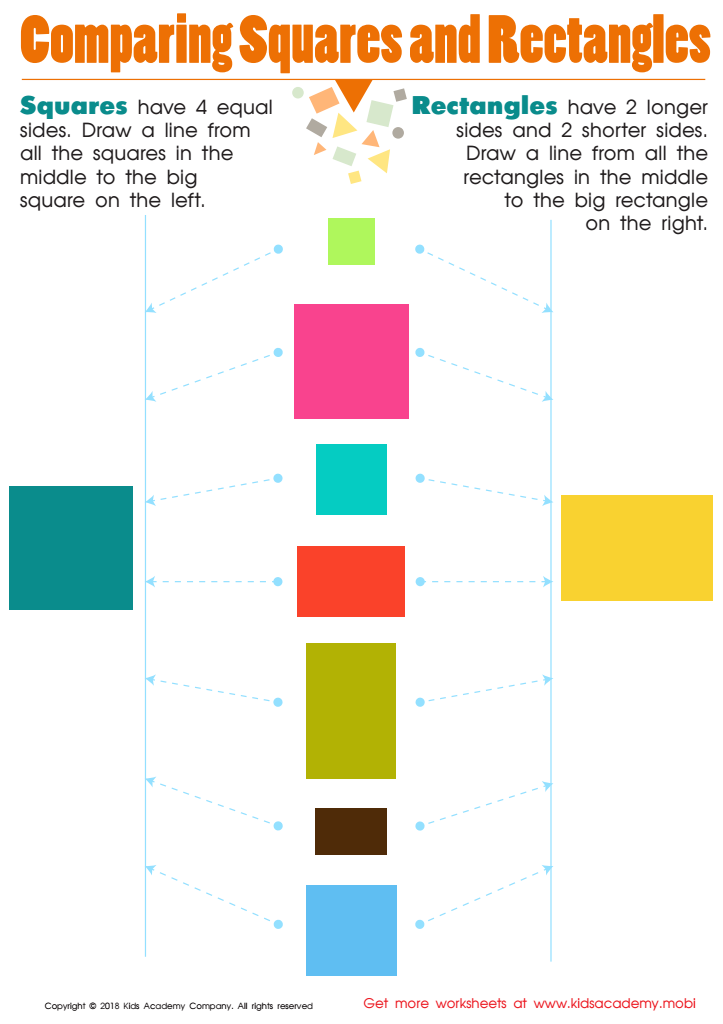
Comparing Squares Rectangles Worksheet
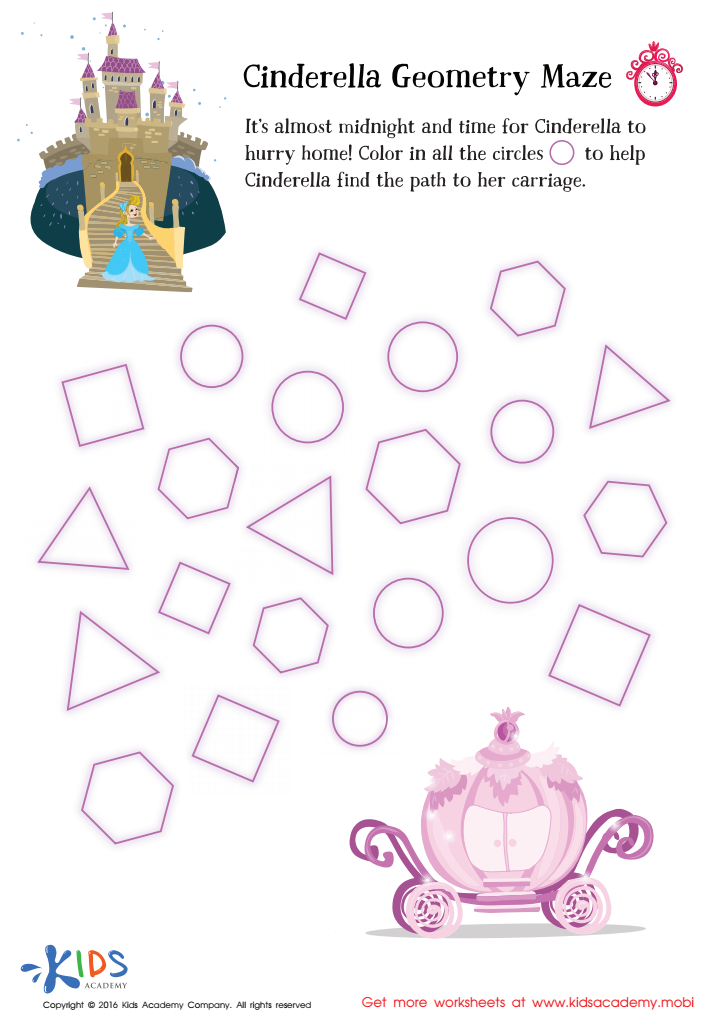
Cinderella Geometry Maze Worksheet
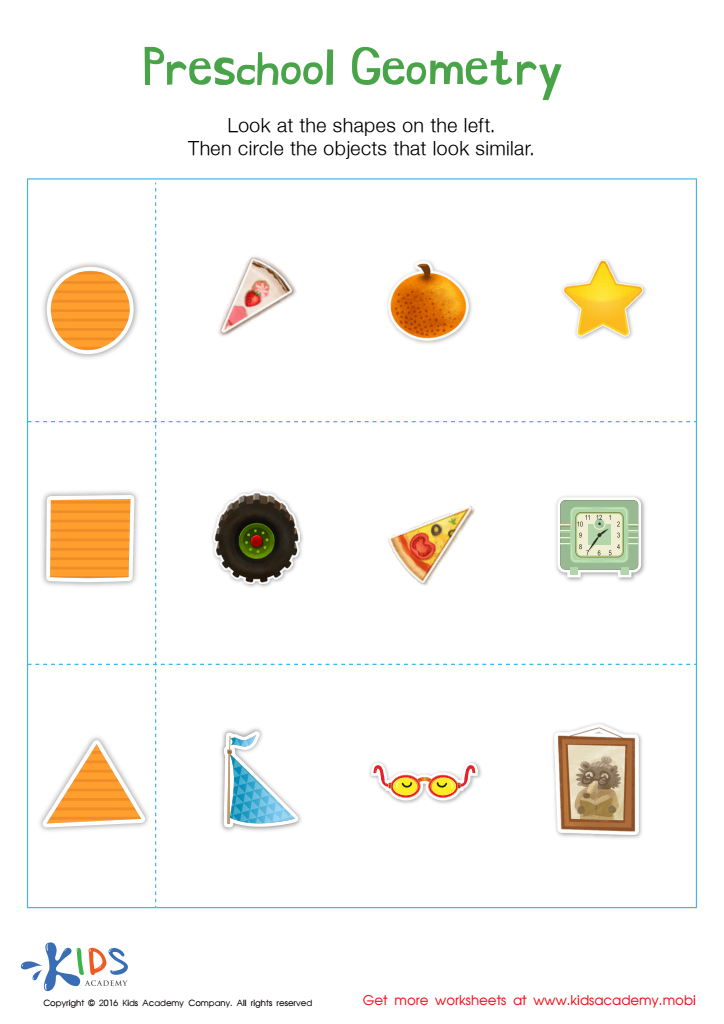
Preschool Geometry Match Up Worksheet
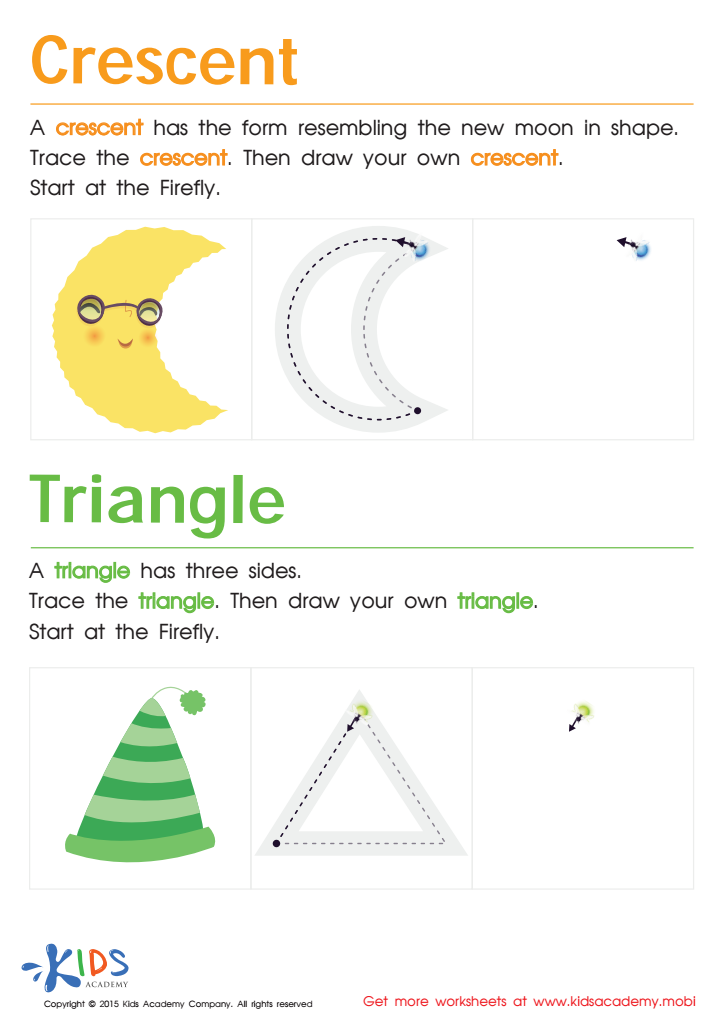
Learning to Draw Crescents And Triangles Worksheet
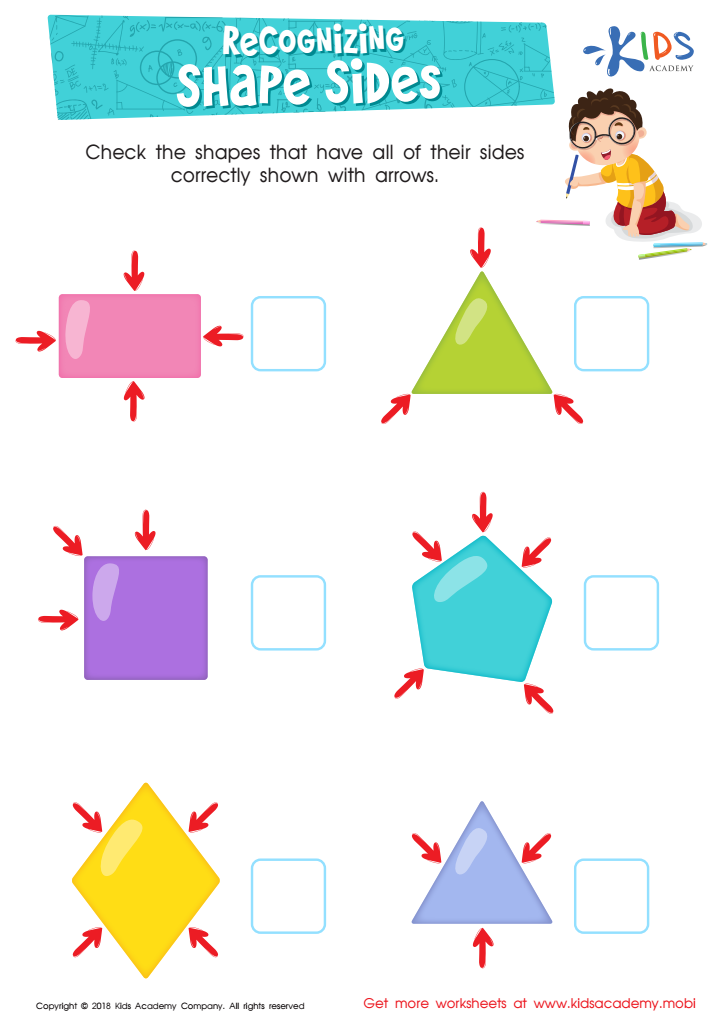
Recognizing Shape Sides Worksheet
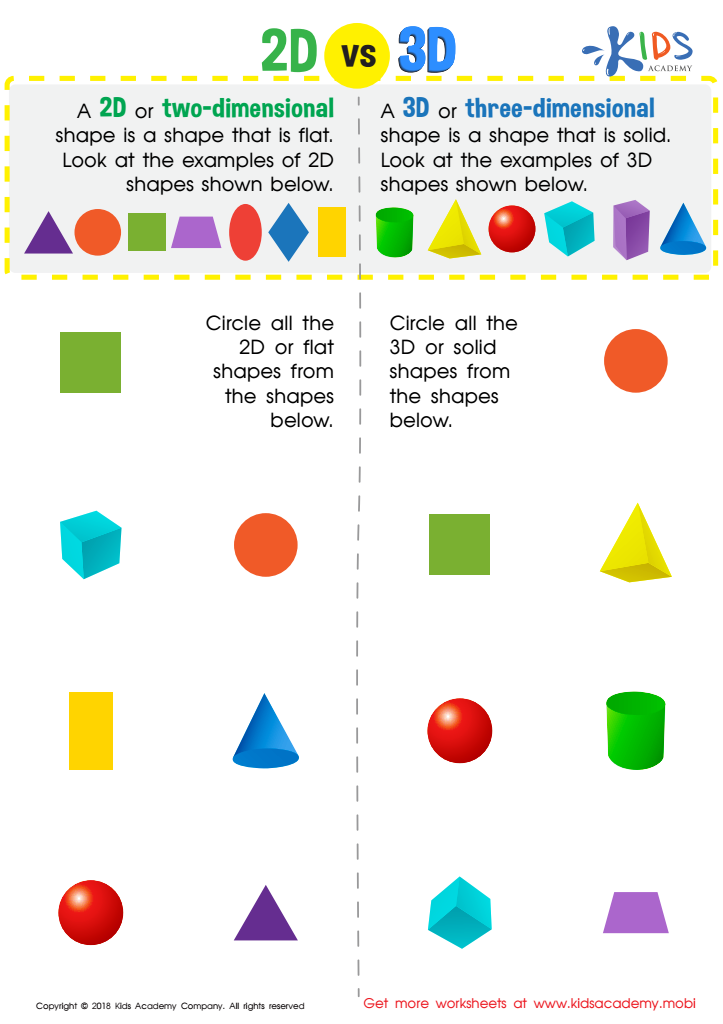
2D vs 3D Shapes Worksheet
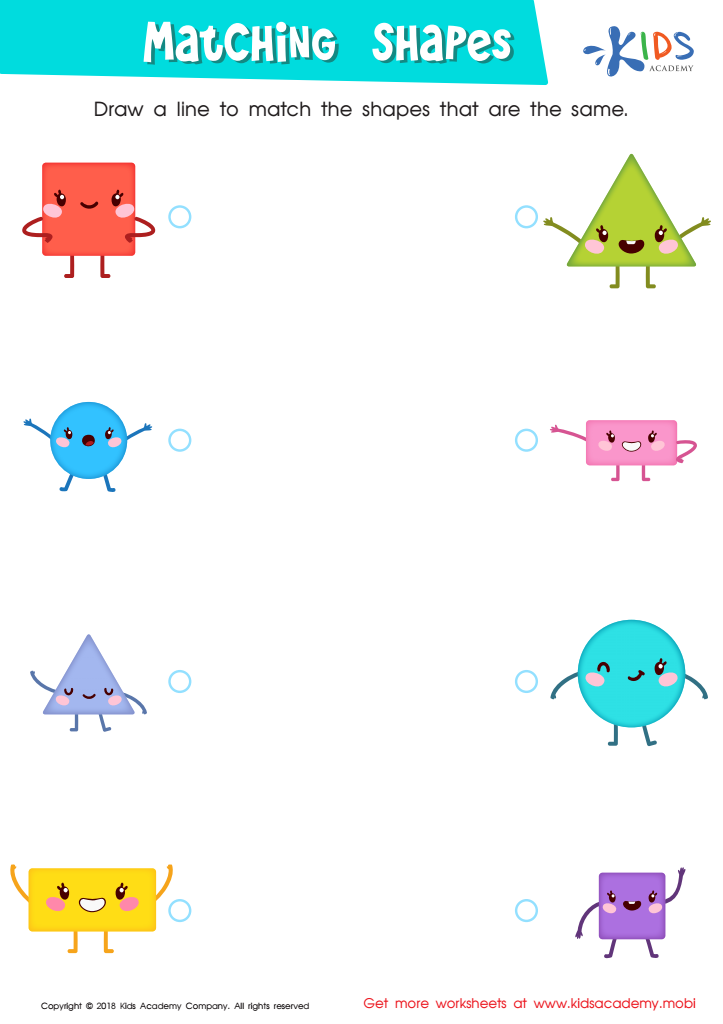
Matching Shapes Worksheet
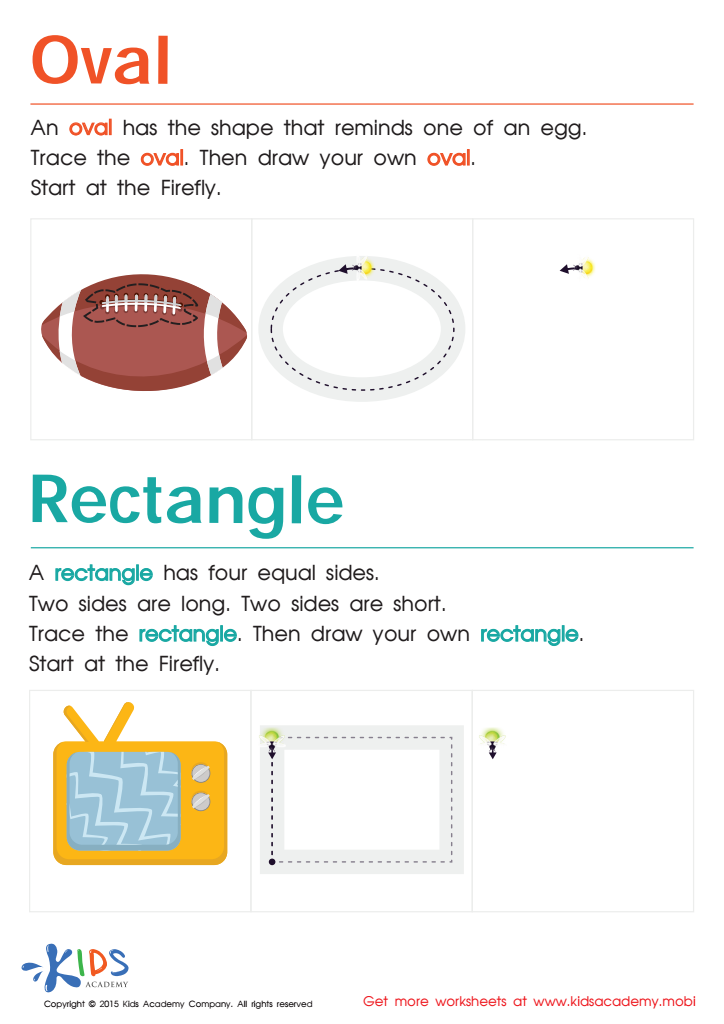
Easy Drawing of Ovals And Rectangles Worksheet
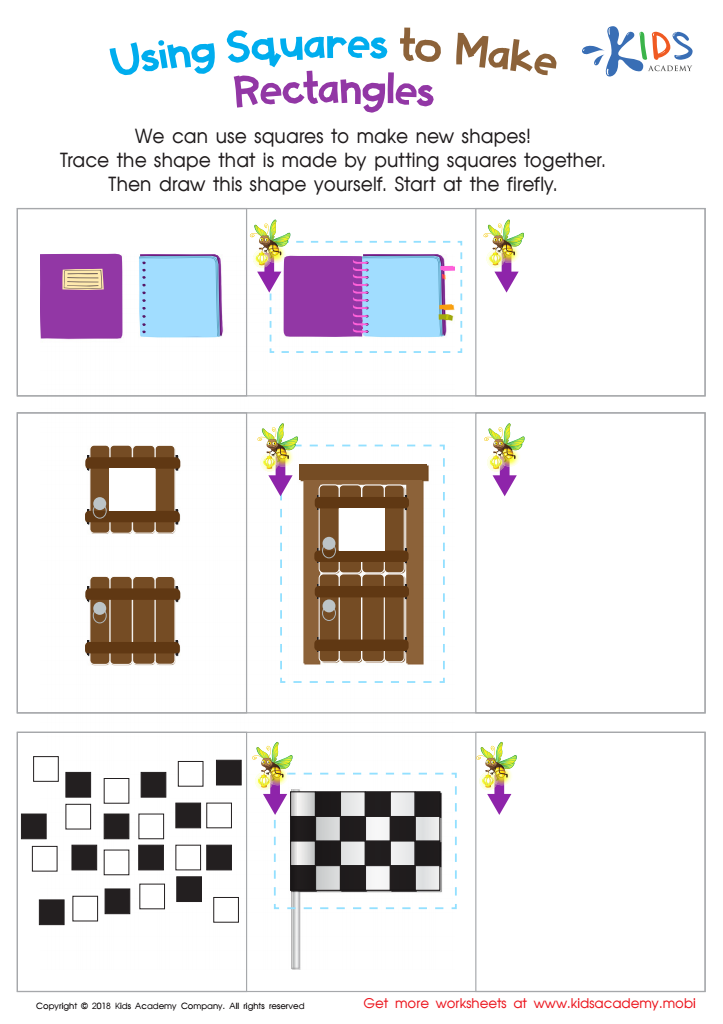
Using Squares to Make Rectangles Worksheet








Shape recognition is a fundamental skill that serves as a building block for various areas of learning and development in young children. For 6-year-olds, understanding normal 2D shapes, such as circles, squares, triangles, and rectangles, is crucial for several reasons.
Firstly, shape recognition enhances cognitive development by promoting critical thinking and problem-solving skills. When children identify and categorize shapes, they learn to analyze and differentiate between various objects in their environment. This cognitive exercise lays the groundwork for more complex mathematical concepts, such as geometry and spatial awareness.
Secondly, shape recognition cultivates fine motor skills. Activities like drawing, cutting, and constructing shapes engage young learners in hands-on experiences, improving their coordination and control.
Furthermore, shapes play a significant role in language development. When children learn to name and describe shapes, they expand their vocabulary and improve their communicative abilities. Teaching children about shapes also helps them connect with the world around them through patterns and textures.
Finally, nurturing shape recognition fosters a sense of confidence and independence as children begin to identify and categorize their surroundings. For teachers and parents, supporting this foundational skill is essential for fostering well-rounded, engaged learners ready to explore more complex subjects as they progress in their education.