Logical thinking Normal Worksheets for Ages 7-8
11 filtered results
-
From - To
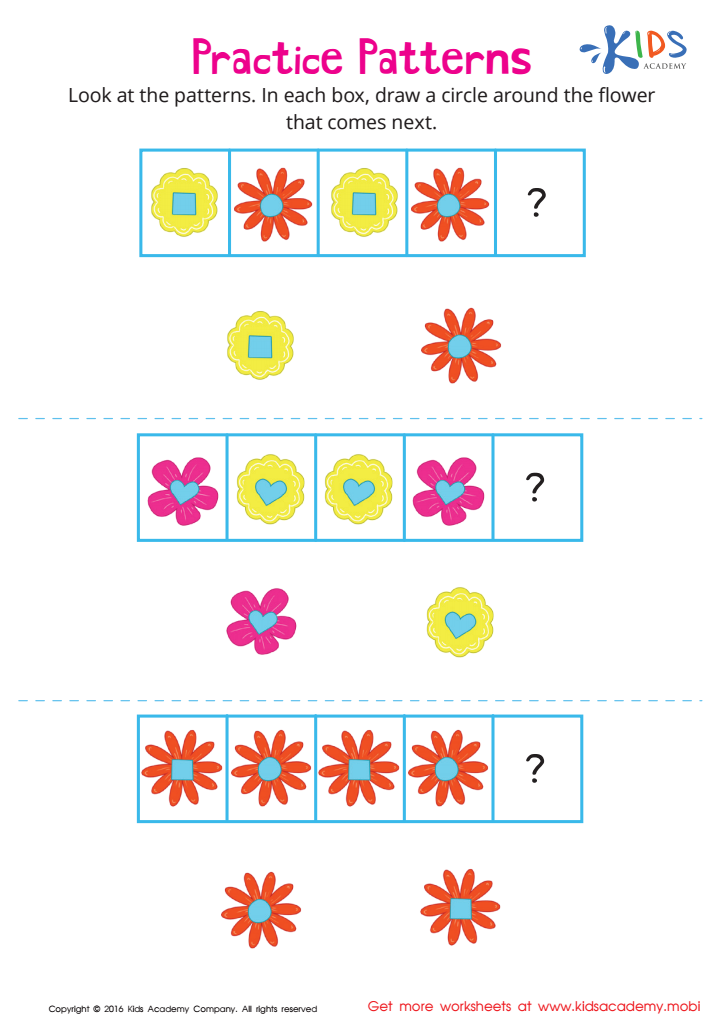
Enhance your child’s logical thinking skills with our engaging worksheets specifically designed for ages 7-8. Our carefully curated activities encourage reasoning, pattern recognition, and problem-solving, making learning fun and interactive. These worksheets cover various challenges that promote critical thinking, allowing children to thrive academically. Ideal for both classroom and at-home use, our resources foster creativity and cognitive development. Kids will enjoy puzzles, sequences, and classification exercises tailored to their age group. Equip your young learners with essential skills they need for future success. Download these creative and effective logical thinking worksheets today and watch your child’s confidence grow!
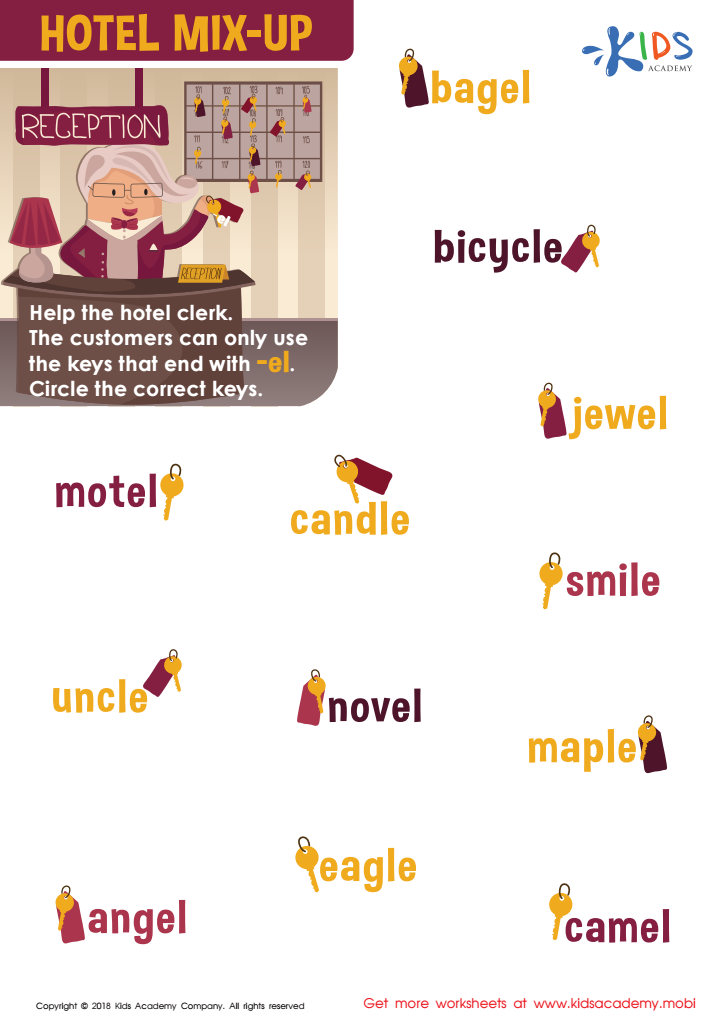
Hotel Mix-up Worksheet
 Assign to My Students
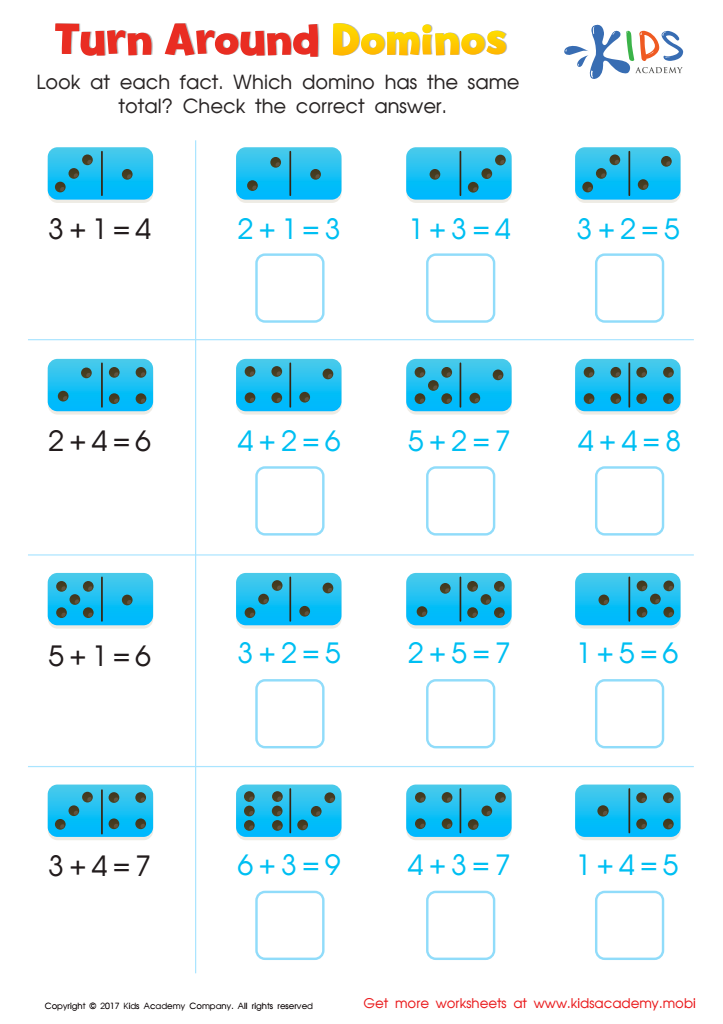
Turn Around Dominos Worksheet
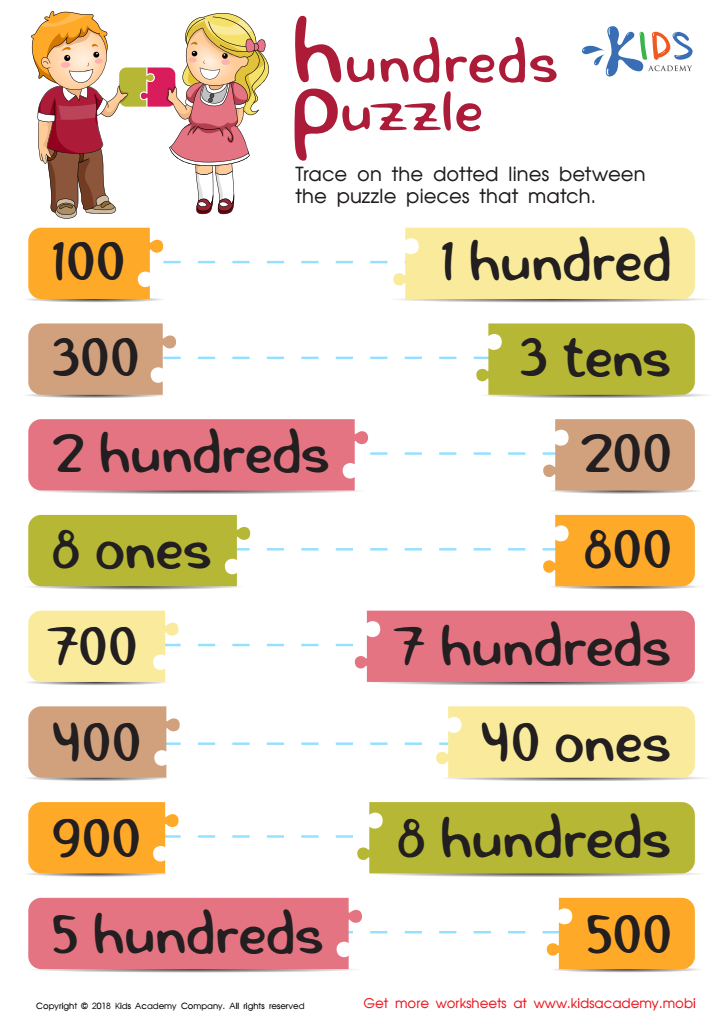
Hundreds Puzzle Worksheet

The Dog and His Bone Worksheet
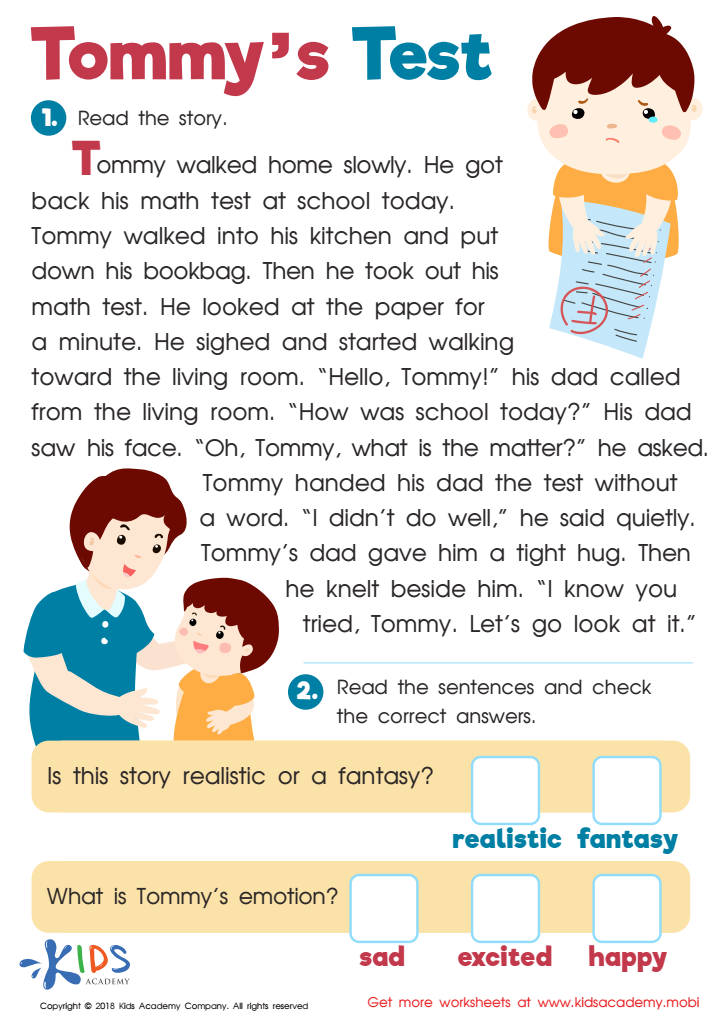
Tommys Test Worksheet
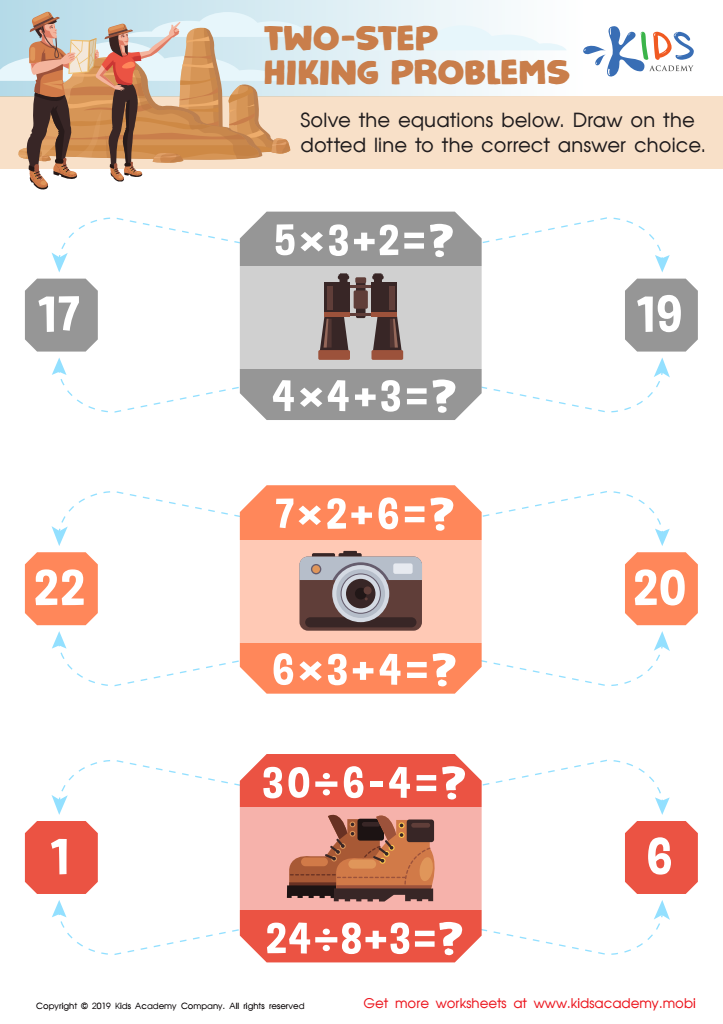
Two-Step Hiking Problems Worksheet
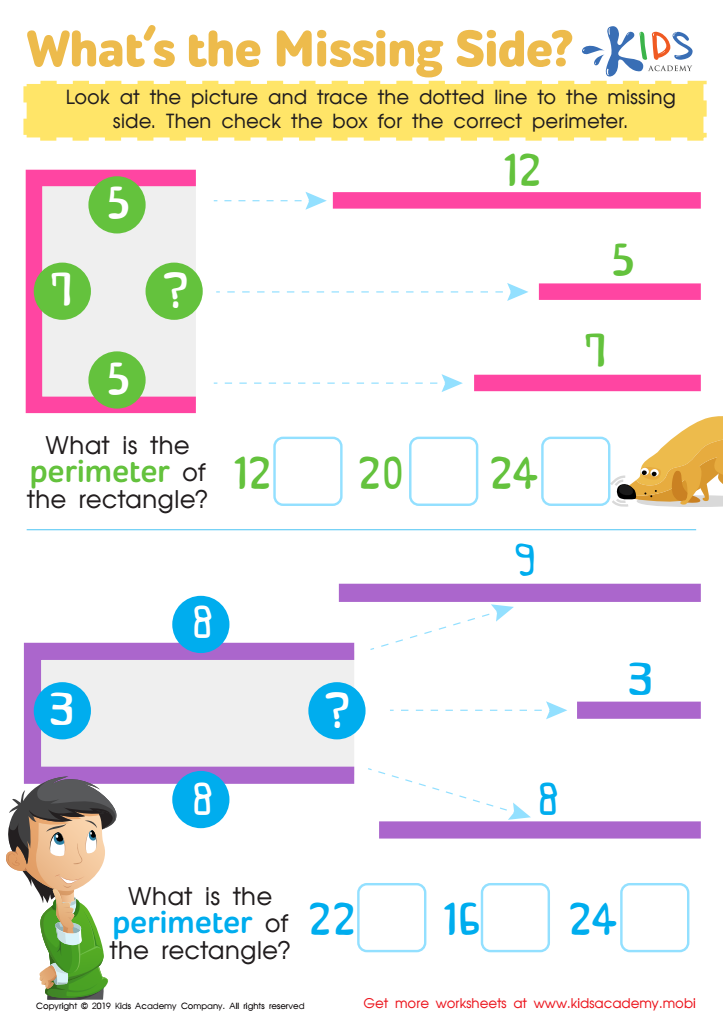
What's the Missing Side Worksheet
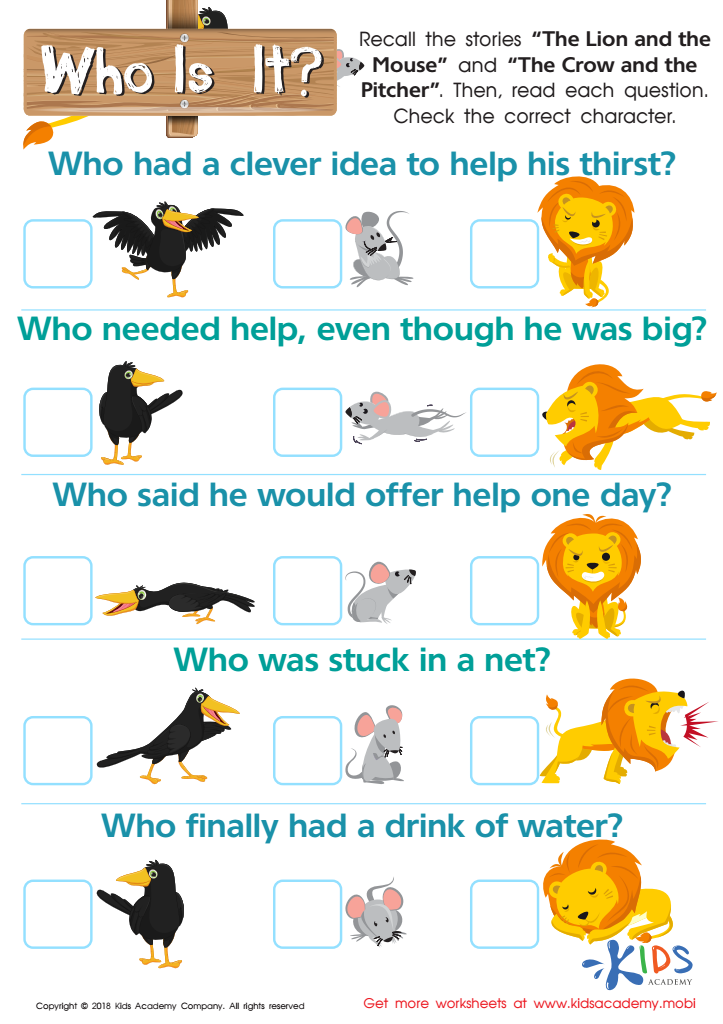
Who Is It? Worksheet
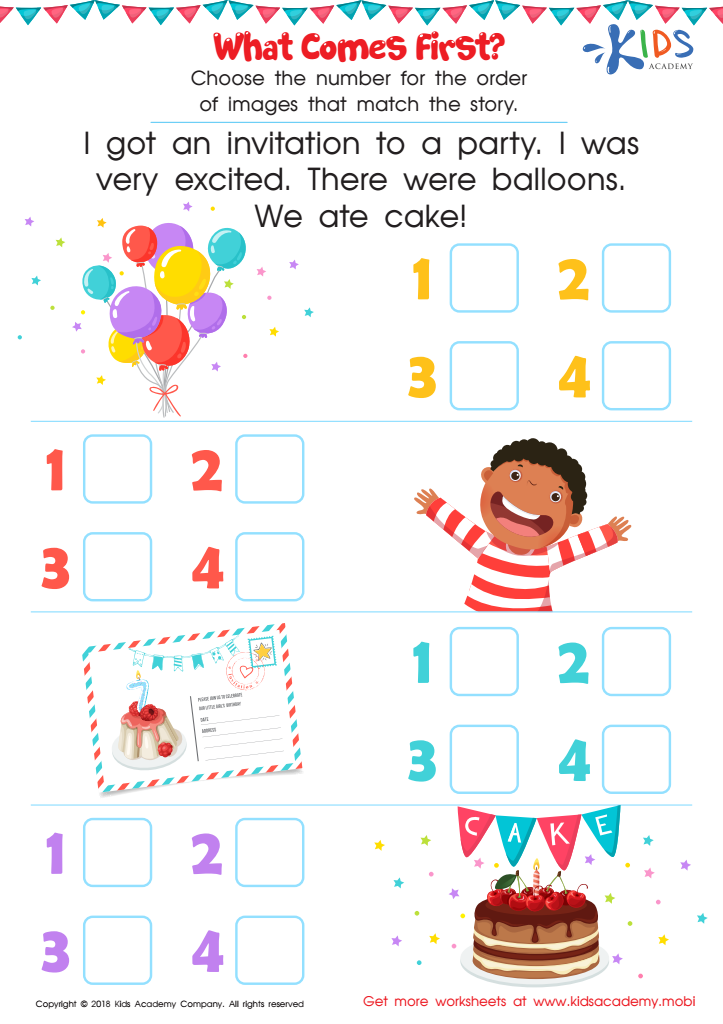
What Comes First Worksheet
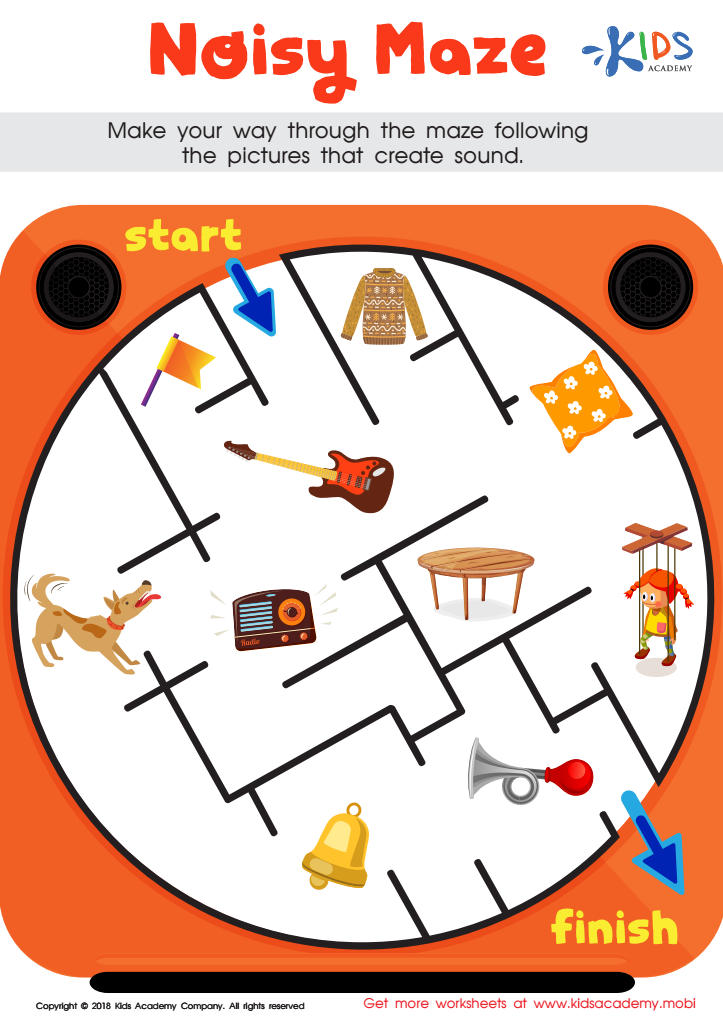
Noisy Maze Worksheet



.jpg)


.jpg)

Logical thinking is a crucial cognitive skill that develops during ages 7-8, making it an essential focus for parents and teachers. At this stage, children begin to grasp cause-and-effect relationships and can engage in more sophisticated reasoning. Enhancing their logical thinking abilities fosters problem-solving skills, which are critical not only in academics—particularly in math and science—but also in everyday situations.
When children can reason logically, they become better equipped to make decisions, assess situations, and understand consequences. This ability helps them navigate social scenarios and resolve conflicts, leading to healthier relationships with peers. Moreover, logical thinking promotes creativity, as it encourages children to analyze information and think outside the box.
As logical thinkers, children gain confidence in their abilities, enhancing their motivation and engagement in learning. Parents and teachers play a vital role in facilitating activities that encourage logical reasoning, such as puzzles, games, and discussions that prompt critical thinking.
Investing in the development of logical thinking at this tender age lays the groundwork for lifelong learning and adaptability. Raising children into thoughtful, analytical adults is beneficial for their personal development and future contributions to society. Thus, it’s imperative for adults to prioritize and nurture this skill.








