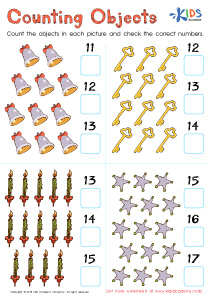
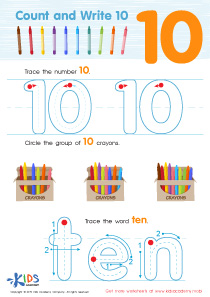
Normal Numbers up to 100 Worksheets for Ages 7-8
18 filtered results
-
From - To
Unlock your child's numerical potential with our "Normal Numbers up to 100 Worksheets" designed for ages 7-8. Tailored to enhance counting skills, number recognition, and overall math confidence, these engaging worksheets provide a variety of activities such as number tracing, sequencing, and practicing addition and subtraction within 100. Whether used for school assignments or homeschooling, our worksheets make learning numbers up to 100 fun and effective. Ensure your child builds a strong arithmetic foundation with these expertly crafted resources, encouraging them to excel in math while enjoying the learning process. Download now and watch their skills soar!
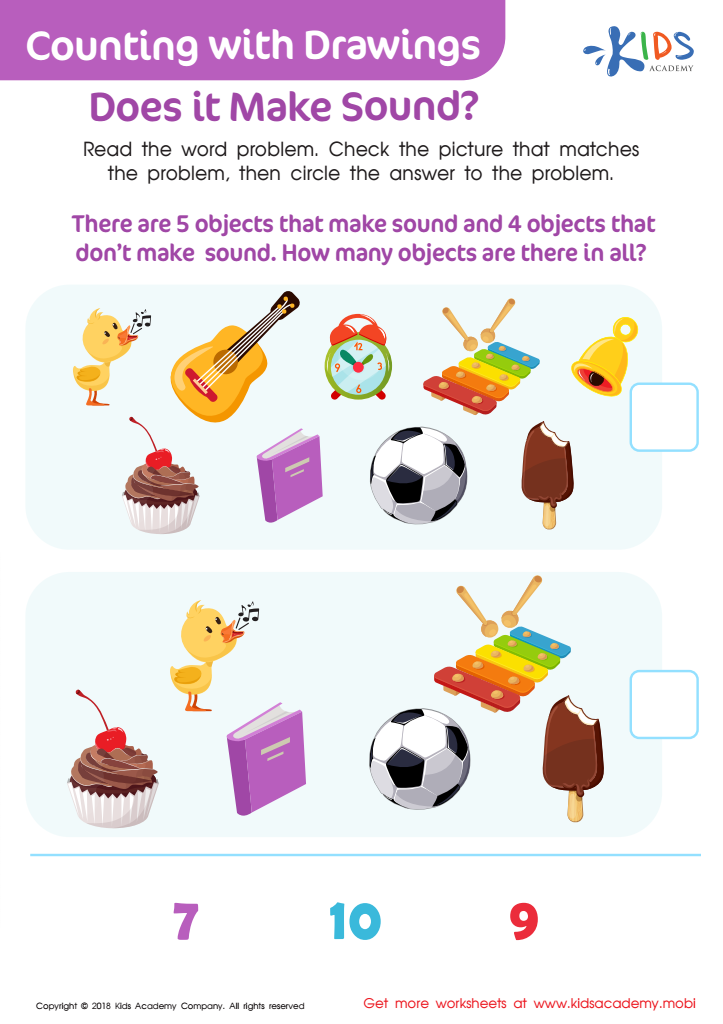
Counting With Drawings. Does It Make Sound? Worksheet
 Assign to My Students
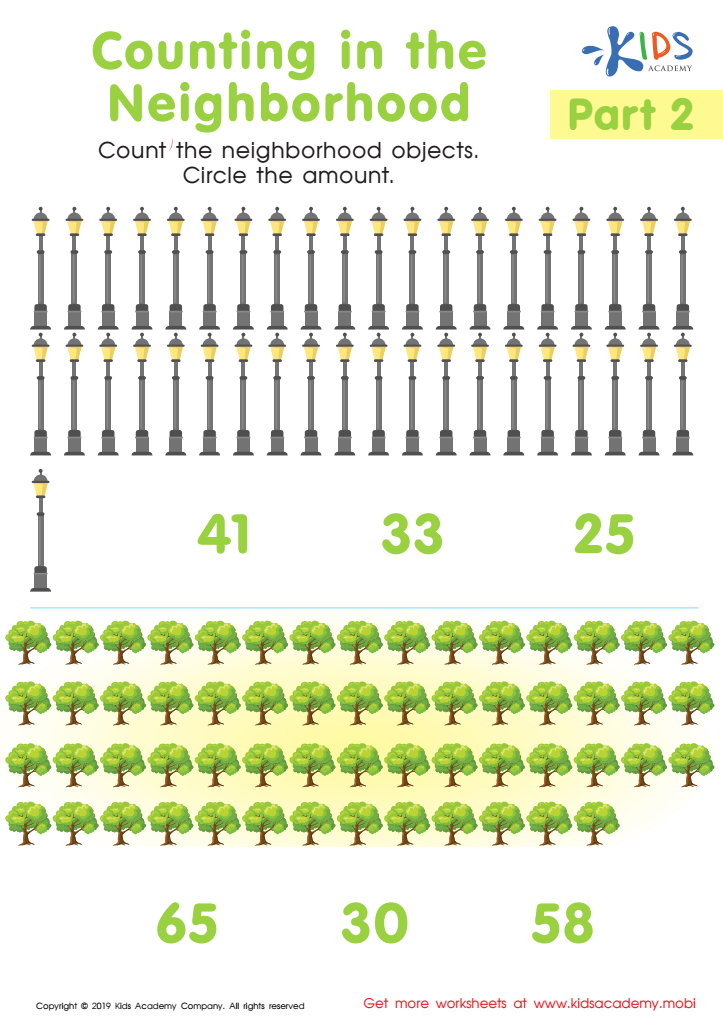
Counting In The Neighborhood Part 2 Worksheet
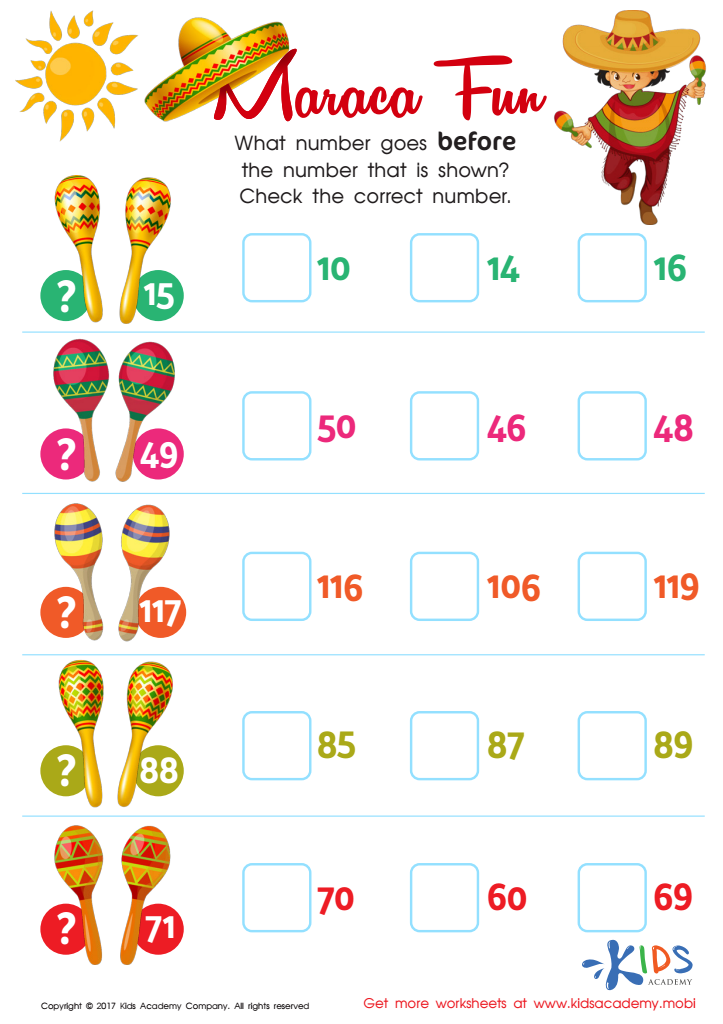
Counting: Maraca Fun Worksheet
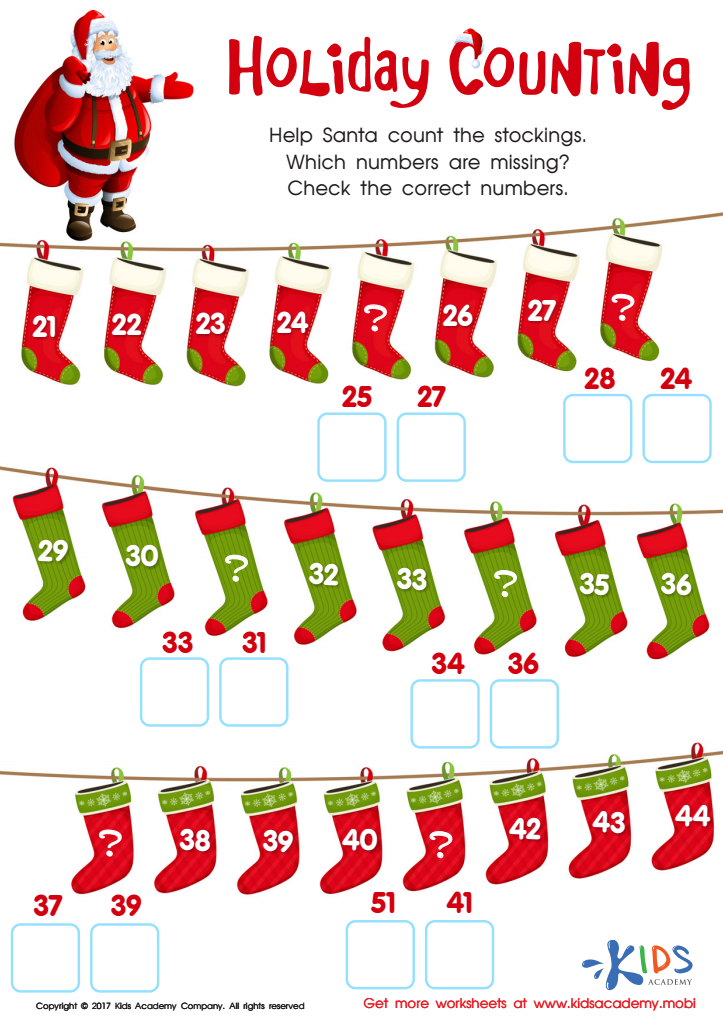
Holiday Counting Worksheet
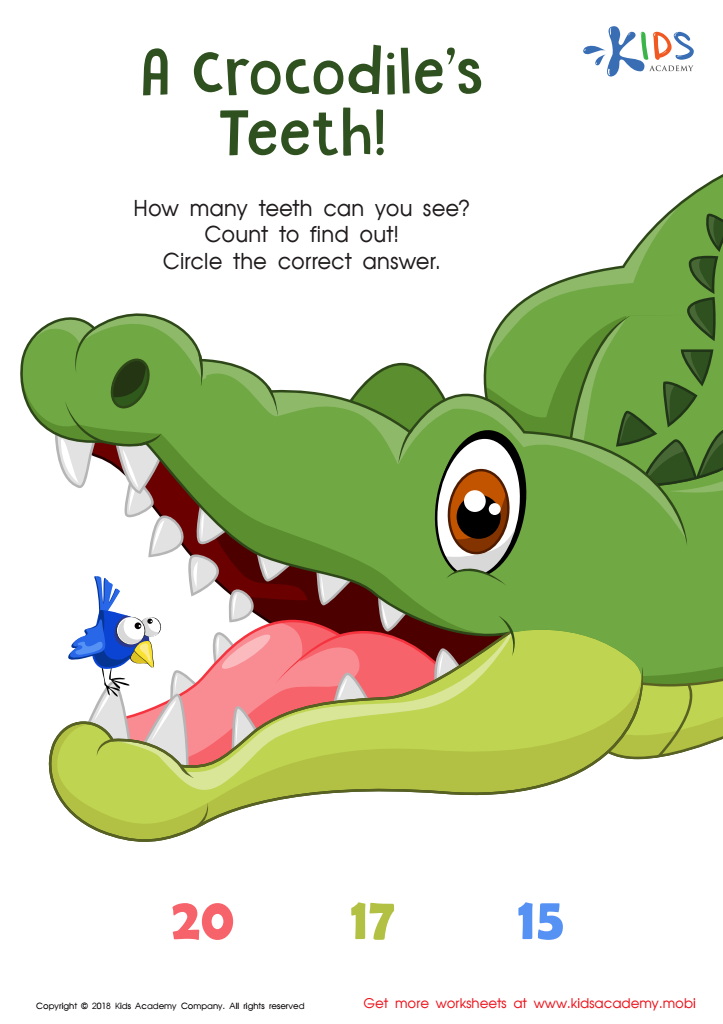
A Crocodile's Teeth Worksheet
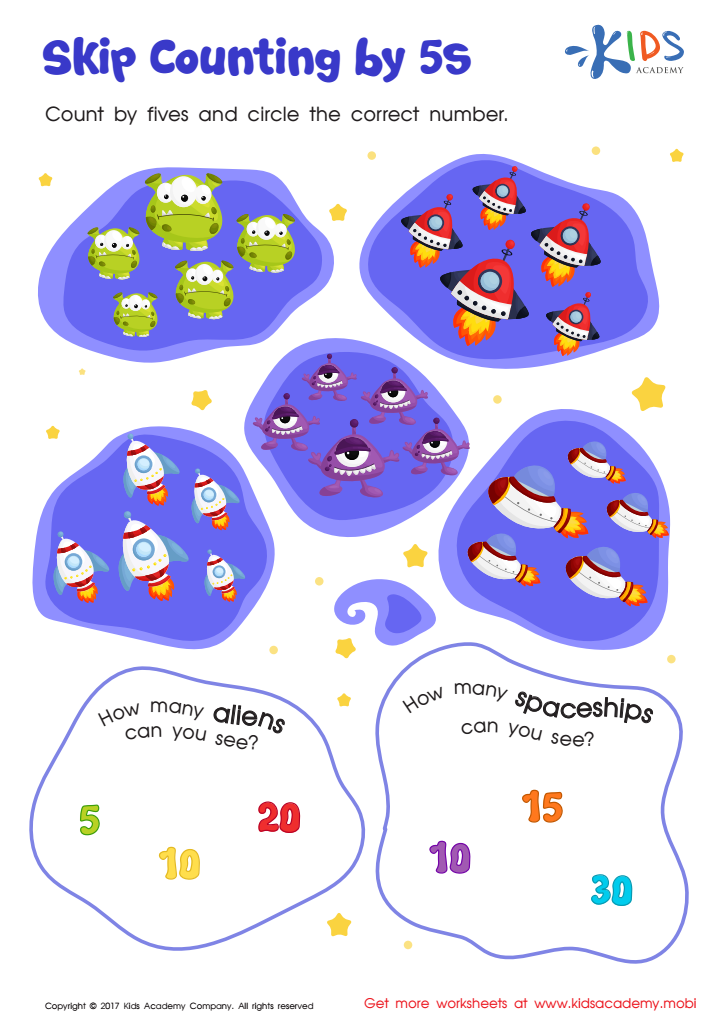
Skip Counting by 5s: Aliens and Spaceships Printable
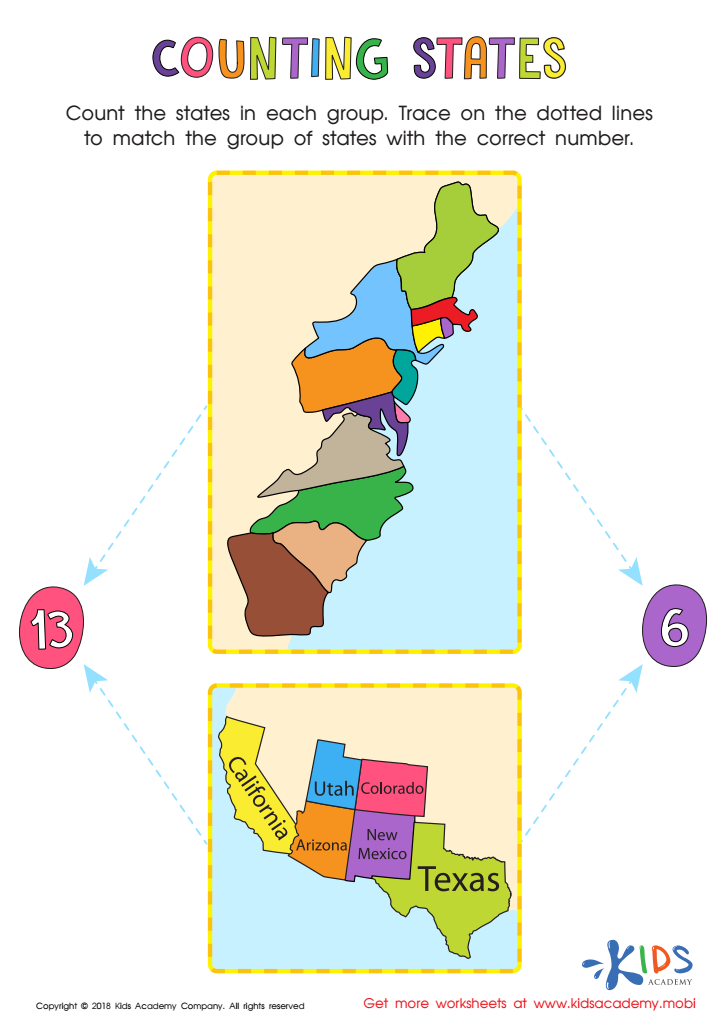
Counting States Worksheet
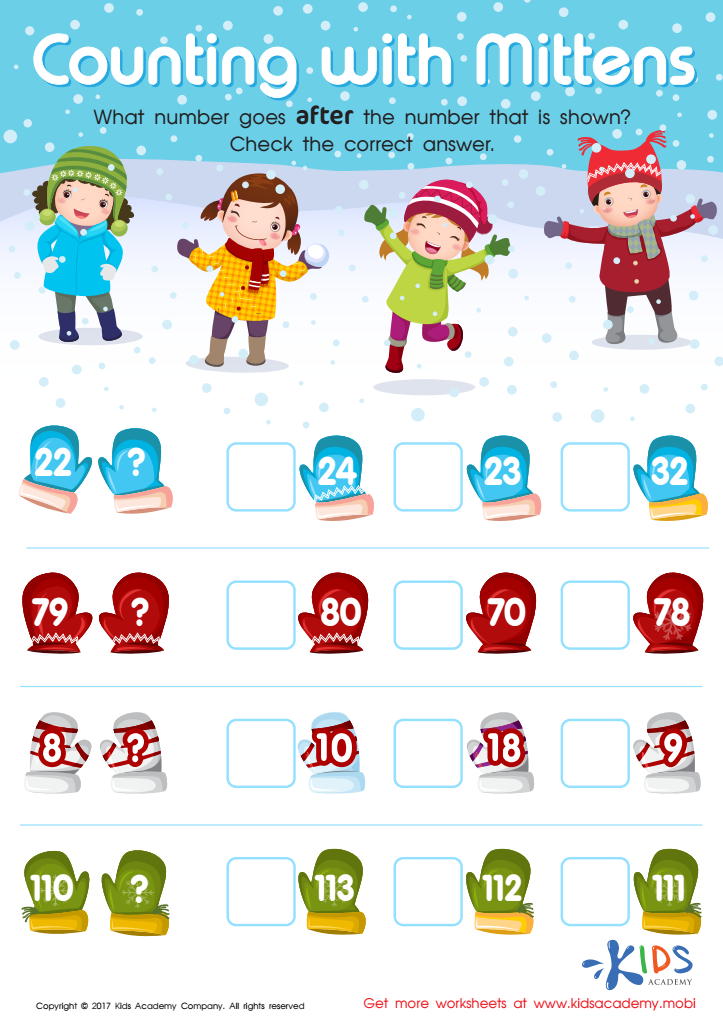
Counting with Mittens Worksheet
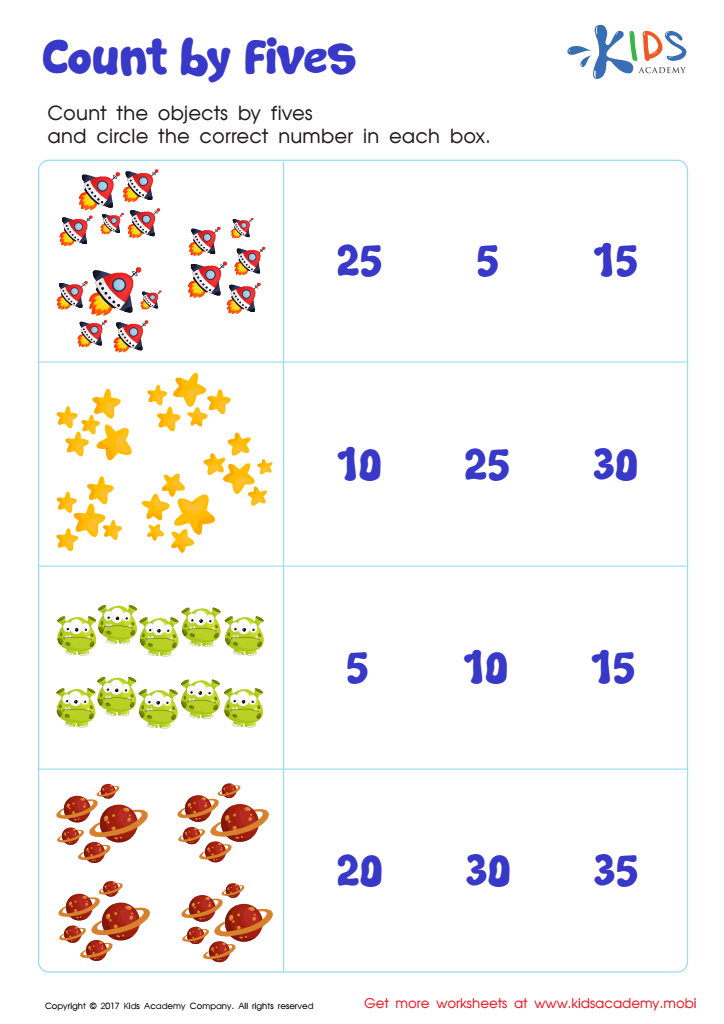
Skip Counting by 5s: Space Math Printable
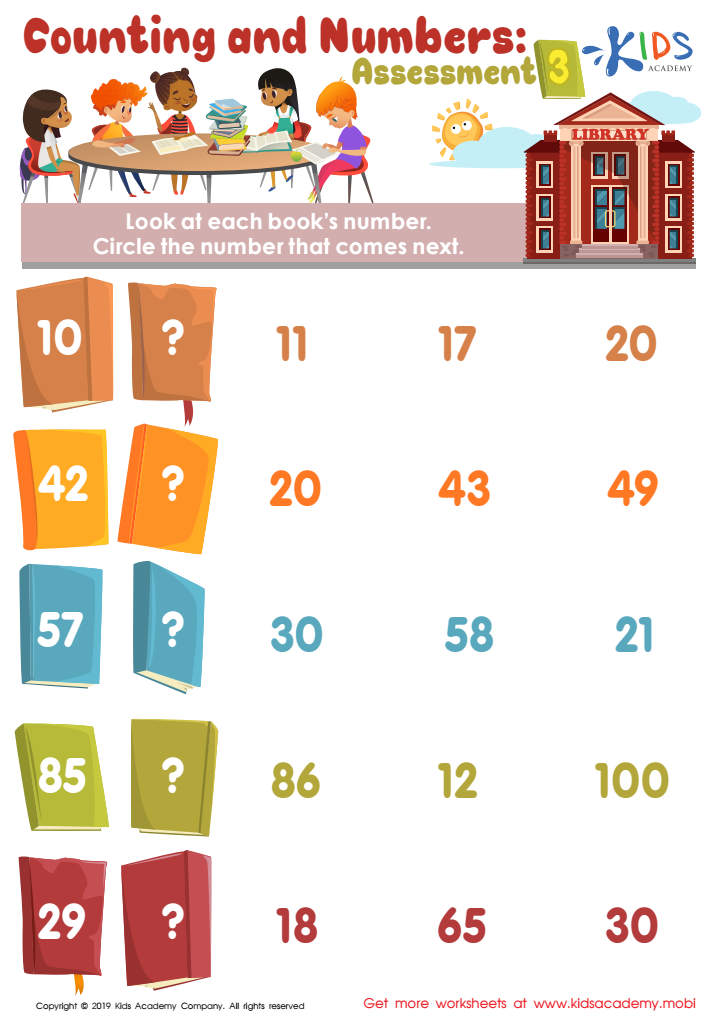
Counting and Numbers: Assessment Worksheet
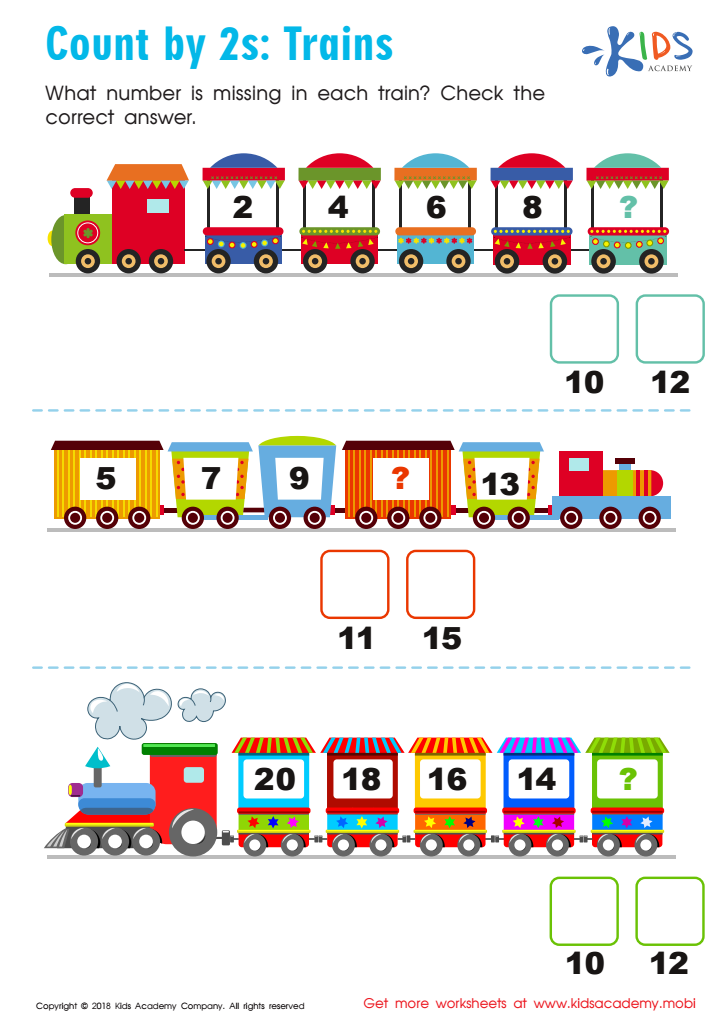
Count by 2's: Trains Worksheet
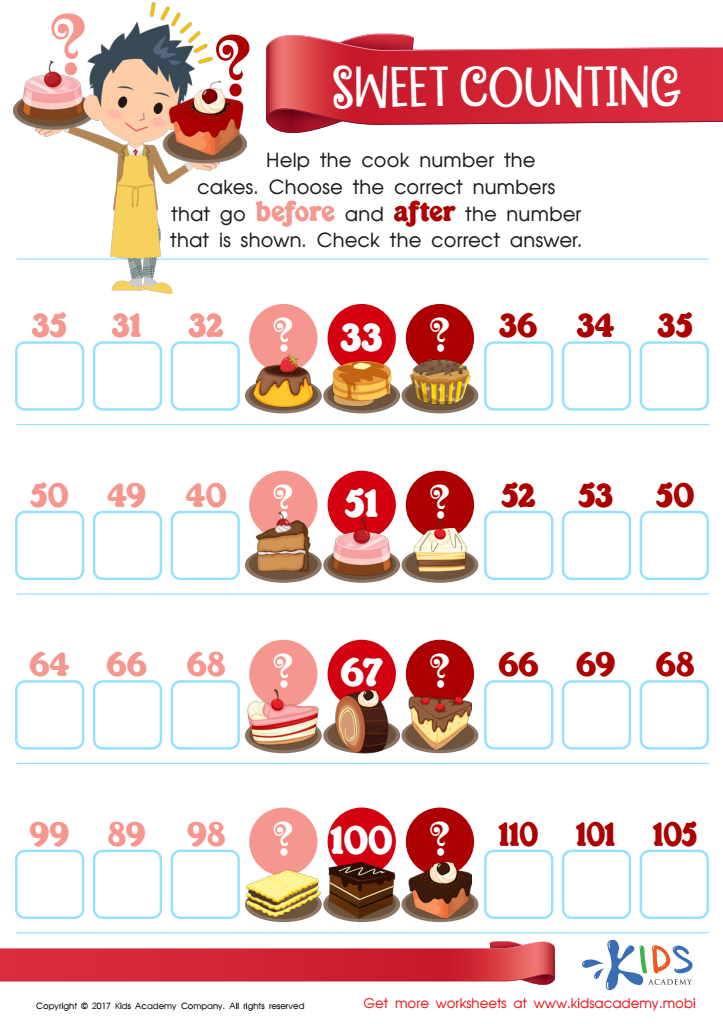
Sweet Counting - Part 1 Worksheet
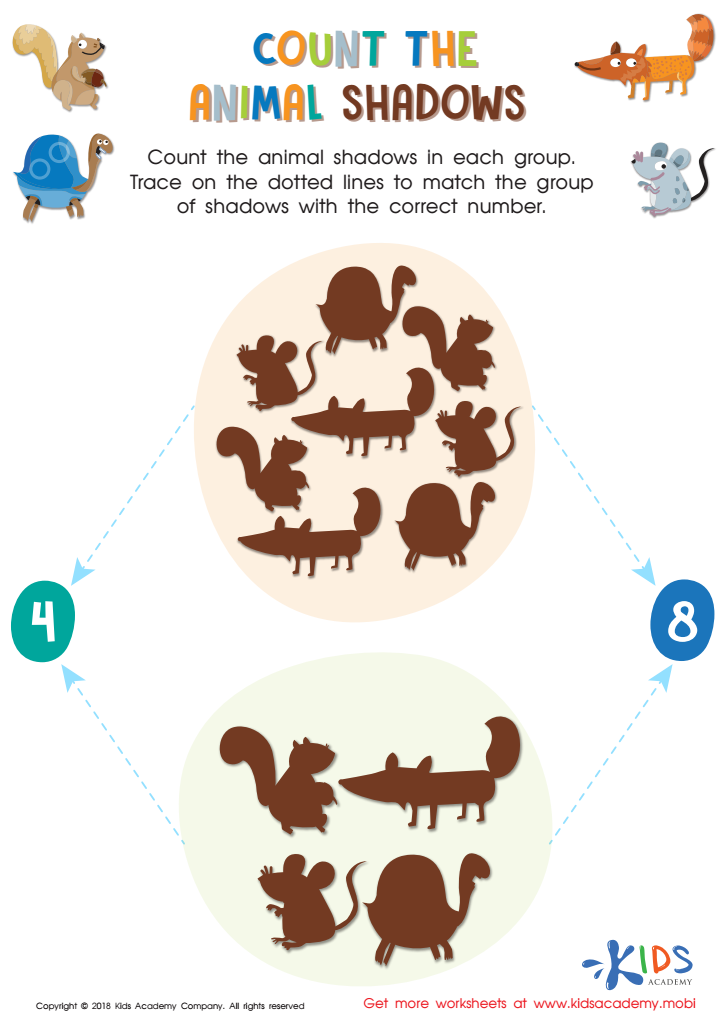
Count the Animal Shadows Worksheet
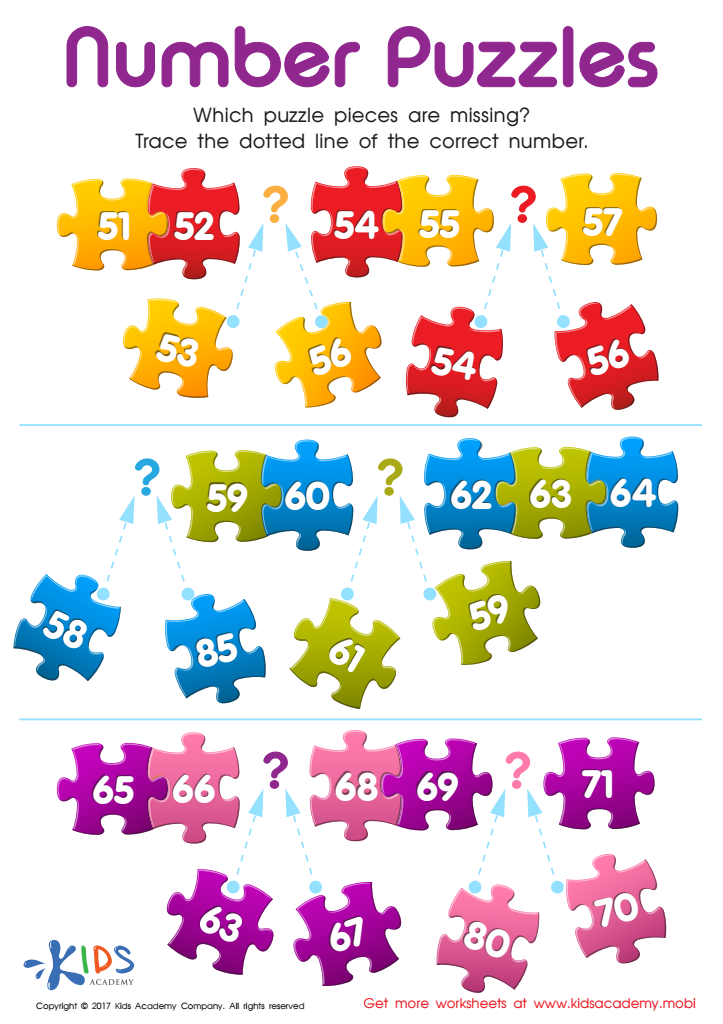
Number Puzzles Worksheet
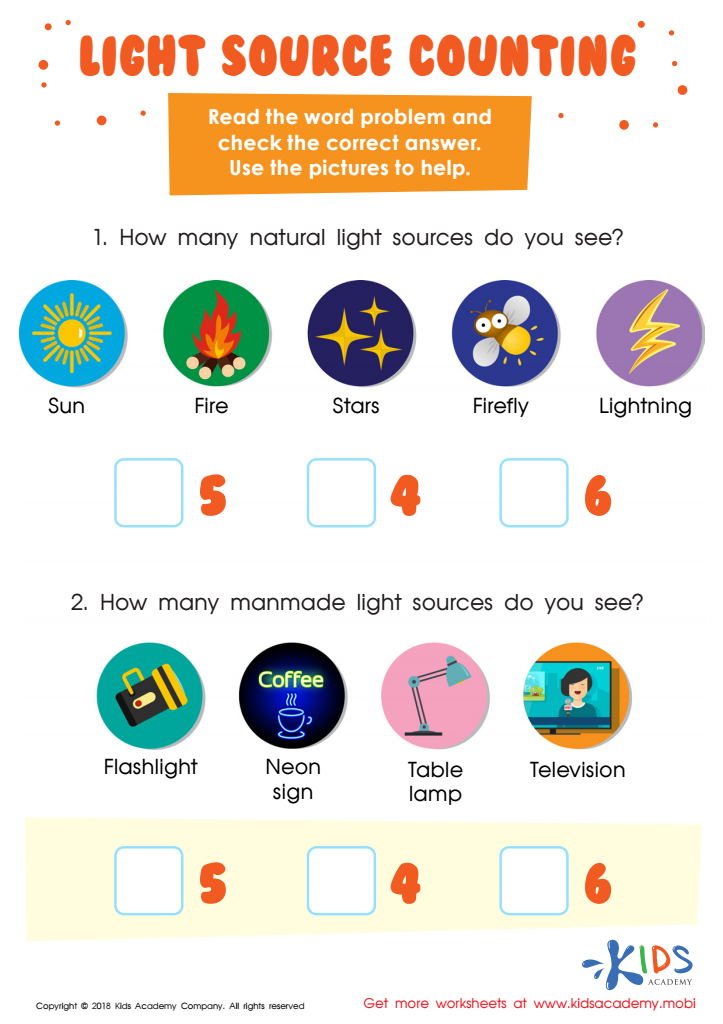
Light Source Counting Worksheet
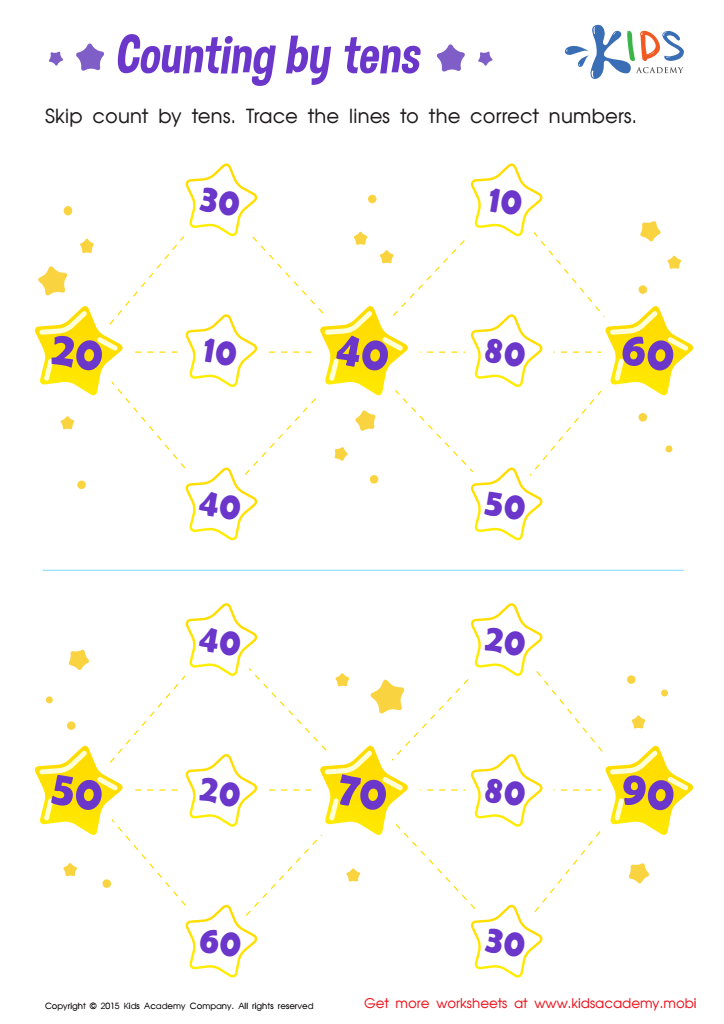
Learn Dozens: Counting by Tens Printable
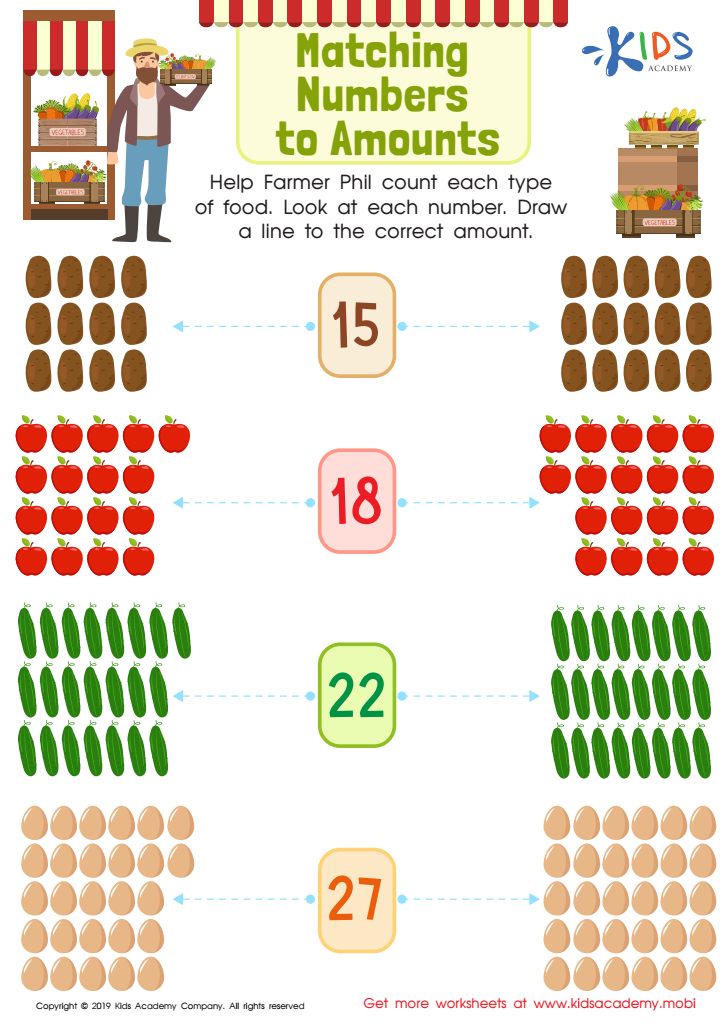
Matching Numbers to Amounts Worksheet




%20(1).jpg)



Understanding normal (or natural) numbers up to 100 is a fundamental part of early education for children aged 7-8, and both parents and teachers should prioritize this topic for several reasons. Firstly, normal numbers are the building blocks of mathematics. Mastery of these numbers lays the groundwork for more complex mathematical concepts such as addition, subtraction, multiplication, and division.
Additionally, familiarity with numbers up to 100 can boost a child's confidence in performing everyday tasks like counting objects, telling time, or understanding money. For instance, when kids can quickly recognize, compare, and categorize numbers, they are more adept at making sense of the world around them. This numerical fluency can enhance problem-solving skills and logical reasoning, which are critical abilities in both academic and real-life scenarios.
Furthermore, engaging with numbers helps develop cognitive abilities like memory, attention to detail, and pattern recognition. Children start to see regularities and sequences, which are key elements in higher mathematical thinking. They also learn the importance of order and structure, which can influence their organizational and critical thinking skills.
By showing interest and competence in their children's numerical learning, parents and teachers can significantly affect the child's attitude toward mathematics, fostering a lifelong interest and competency in the subject. Integrating numbers into fun, everyday activities can also make learning more enjoyable and less intimidating for young learners.