Critical Thinking Normal Worksheets for Ages 7-9 - Page 2
69 filtered results
-
From - To
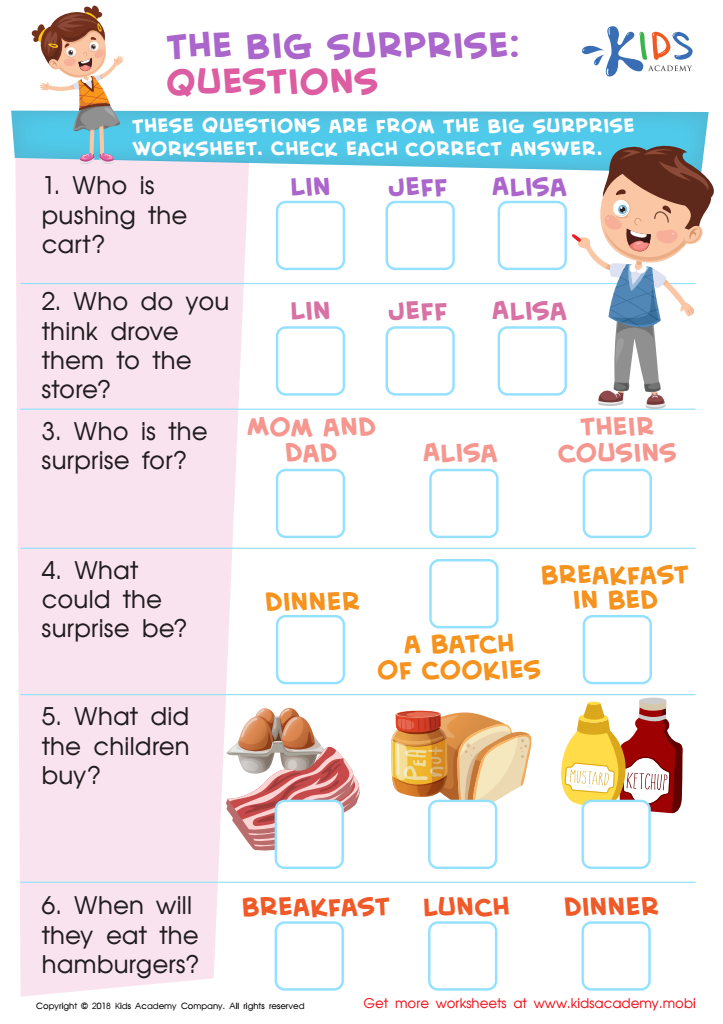
The Big Surprise: Questions Worksheet
 Assign to My Students
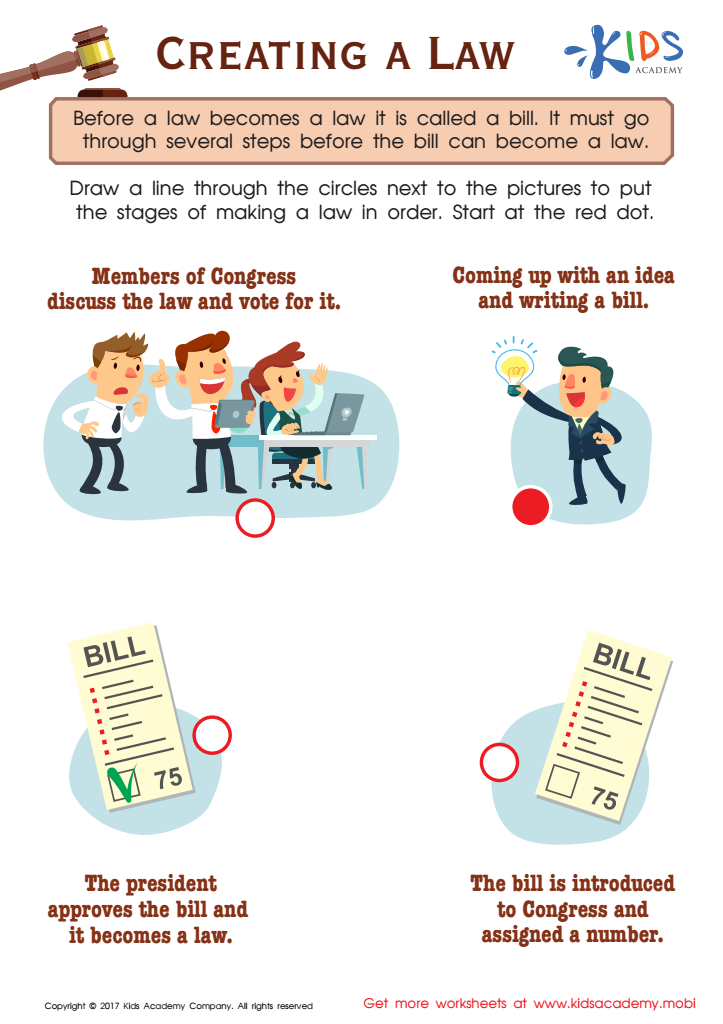
Creating a Law Worksheet
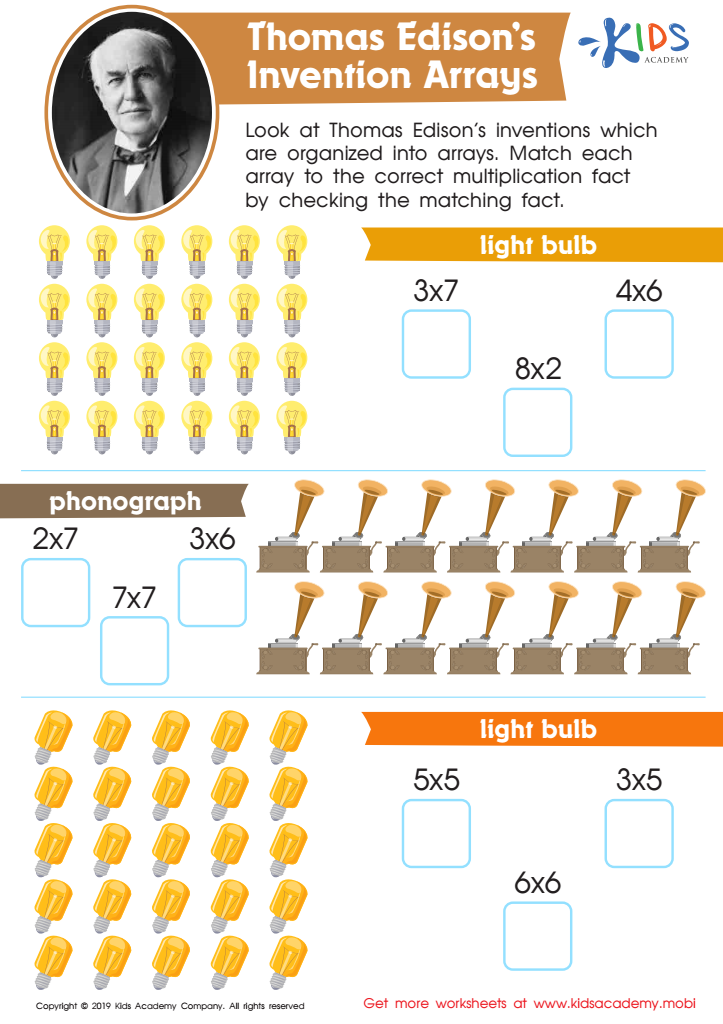
Thomas Edison’s Invention Arrays Worksheet
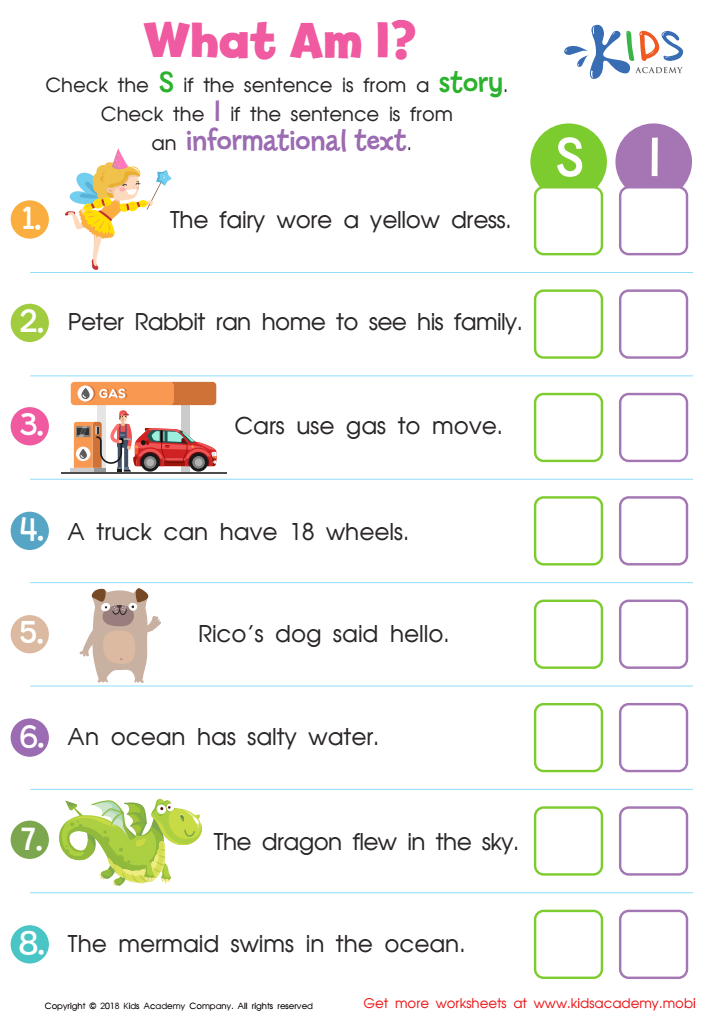
What Am I? Worksheet
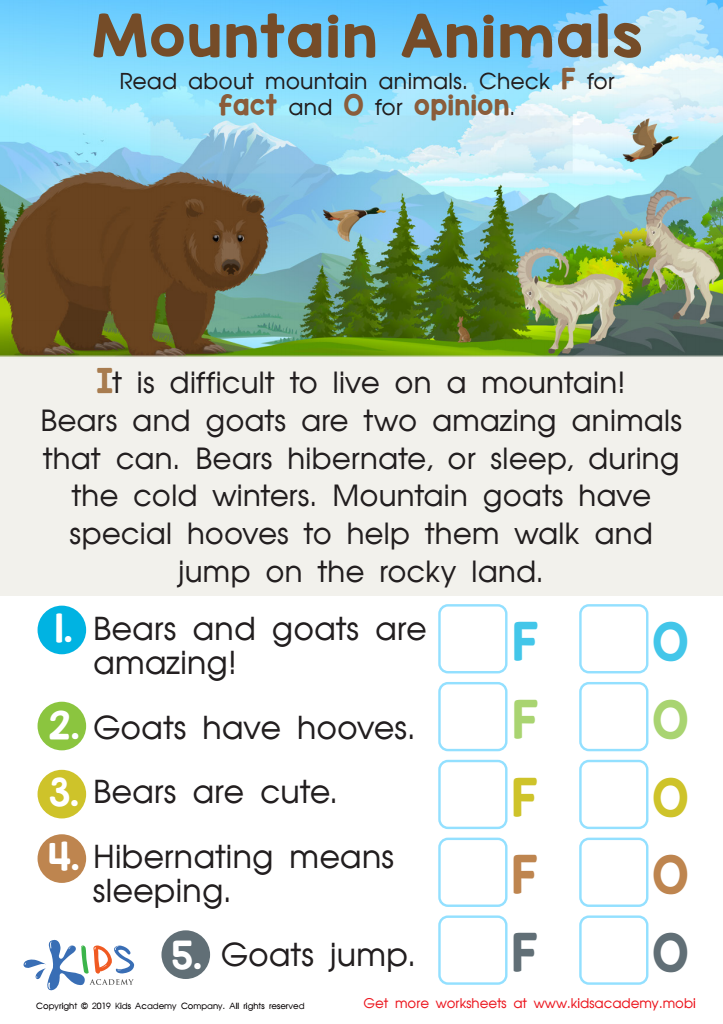
Mountain Animals Worksheet
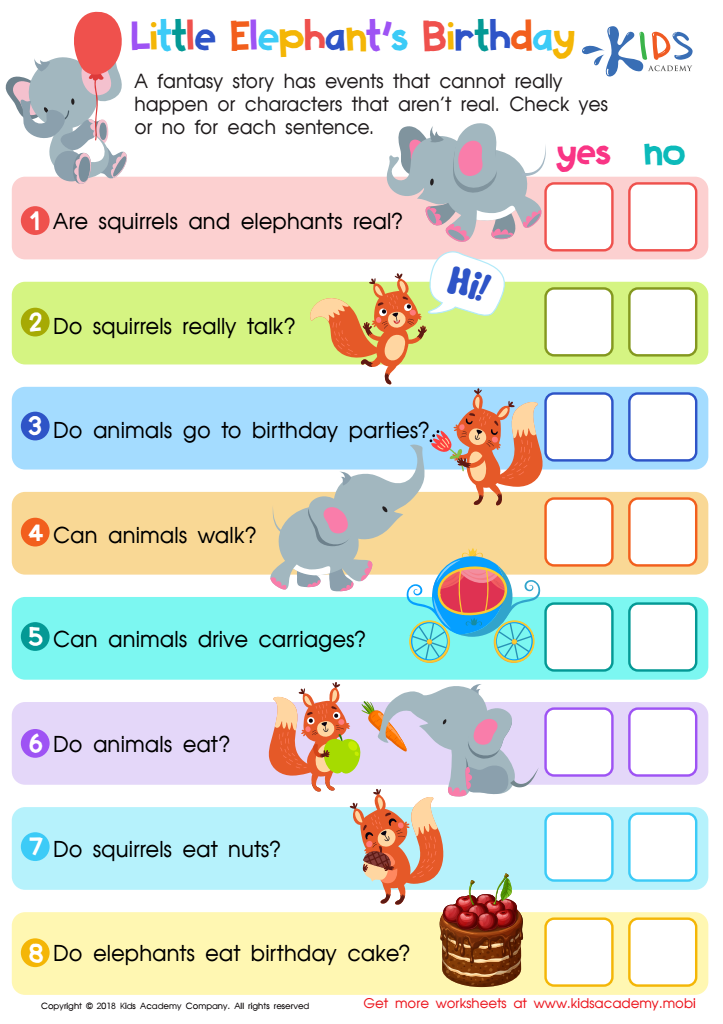
Little Elephant's Birthday Worksheet
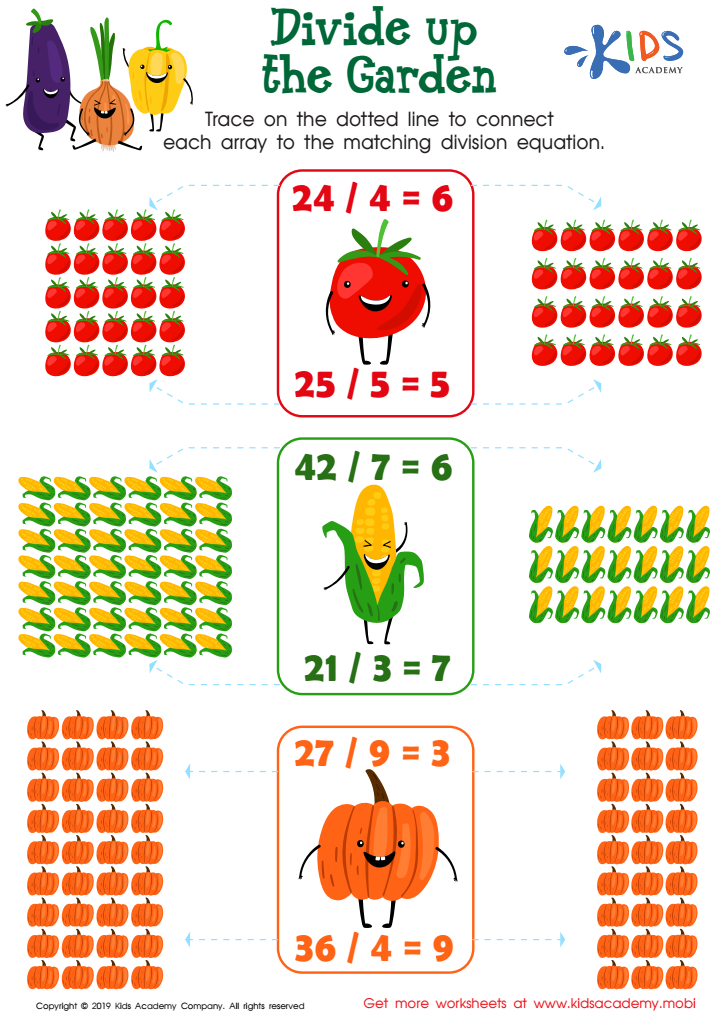
Divide up the Garden Worksheet
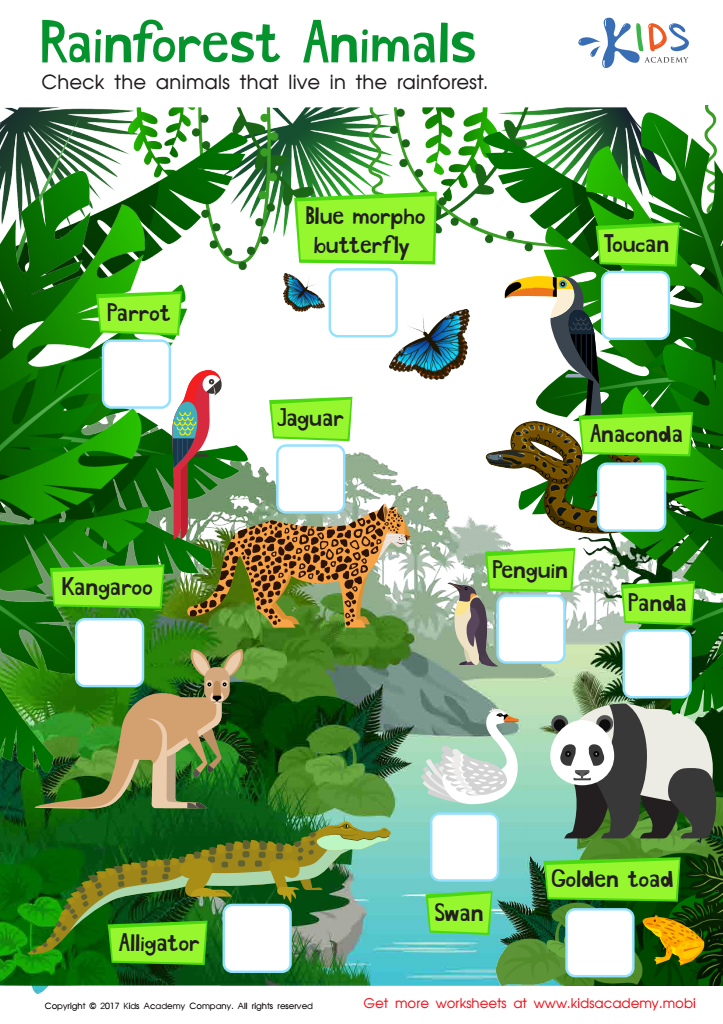
Rainforest Animals Worksheet
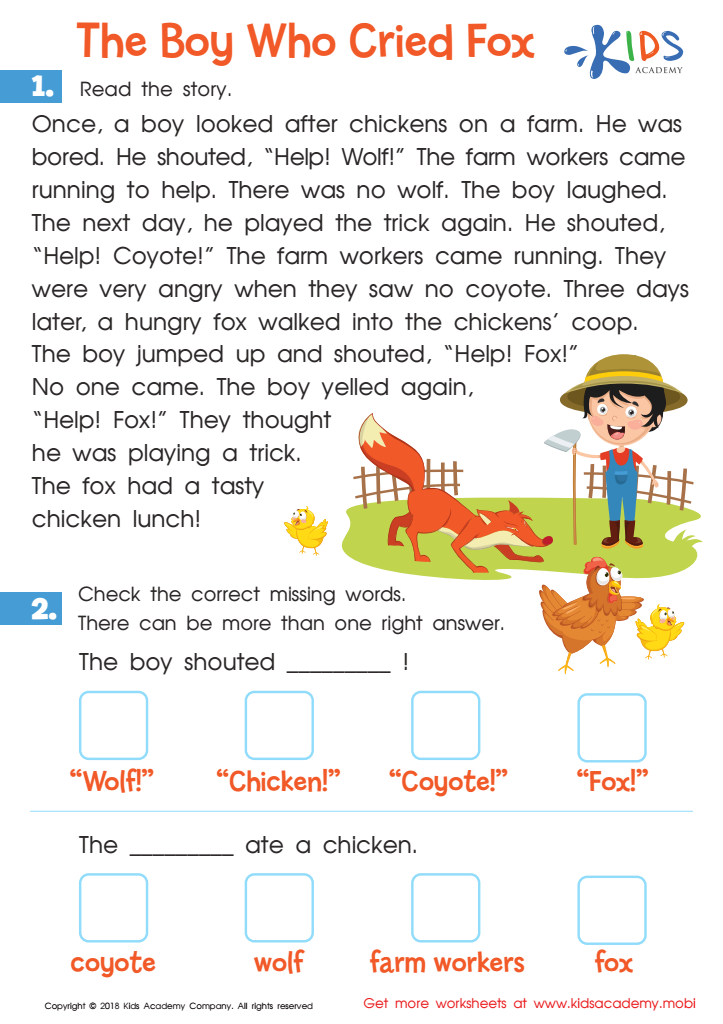
The Boy Who Cried Fox Worksheet
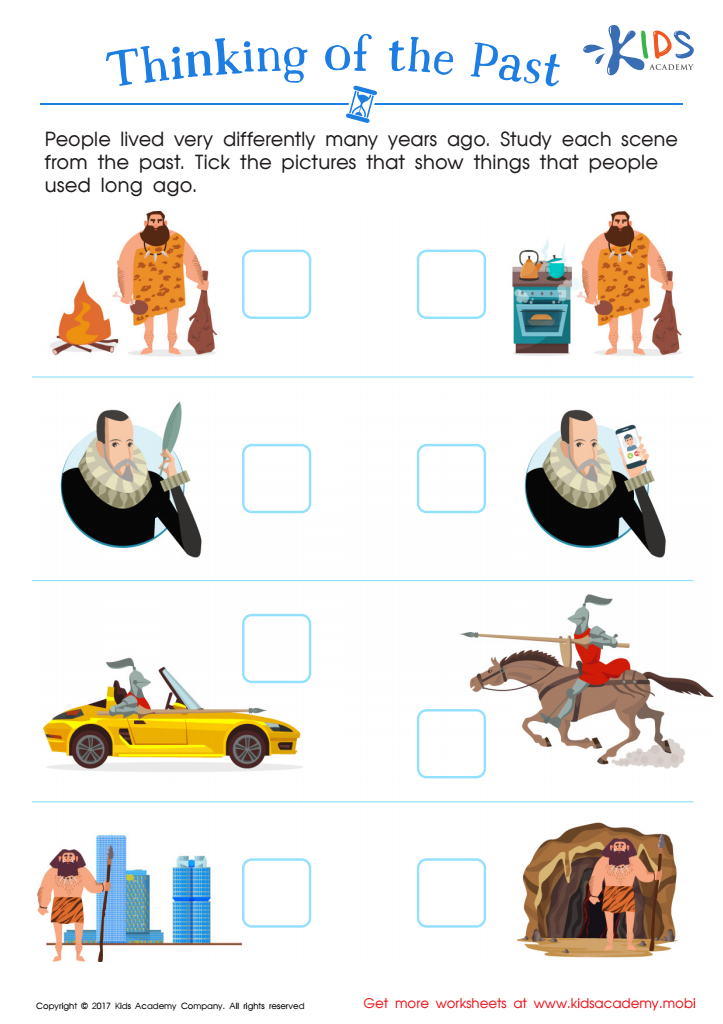
Thinking Past Printable
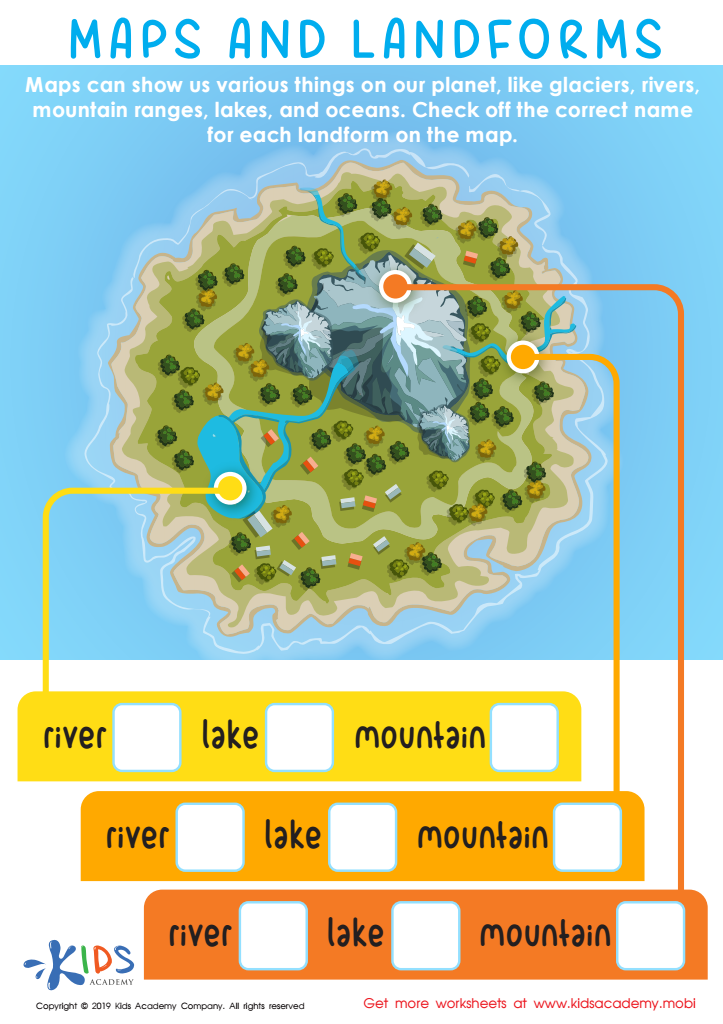
Maps and Landforms Worksheet
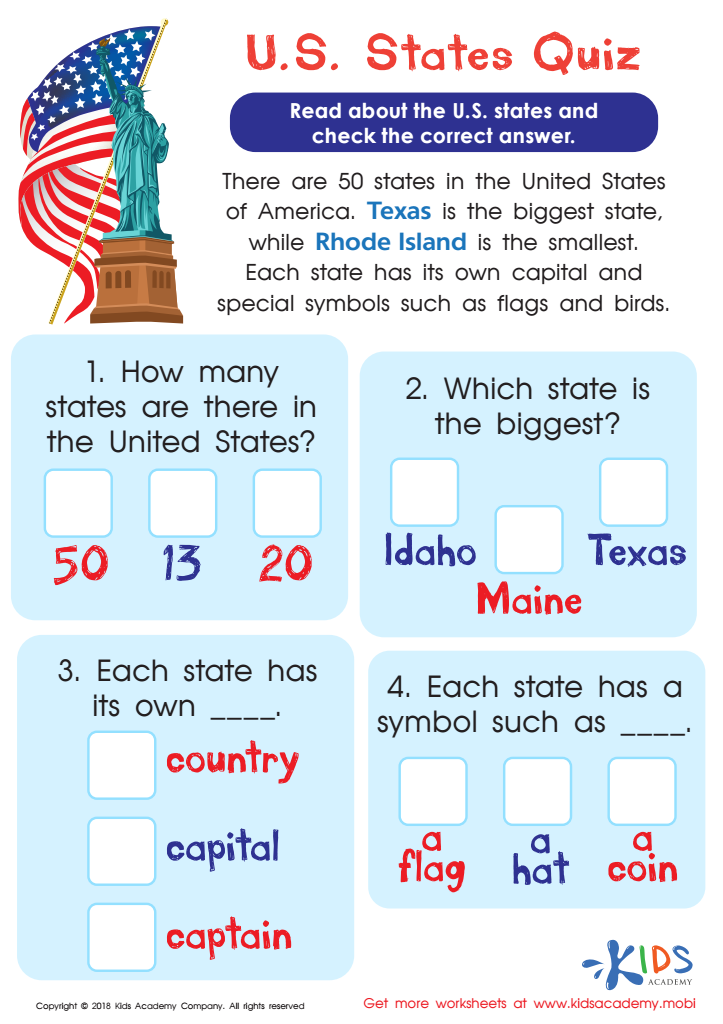
U.S. States Quiz Worksheet
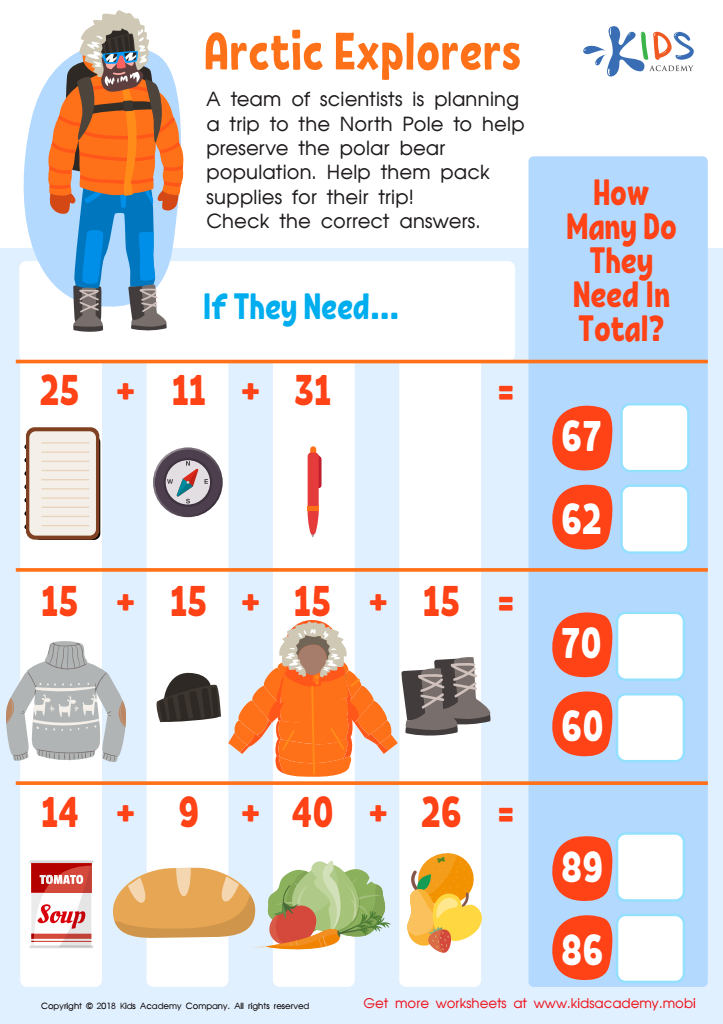
Arctic Explorers Worksheet

Journey to Jamestown Worksheet

Traditional Music Worksheet
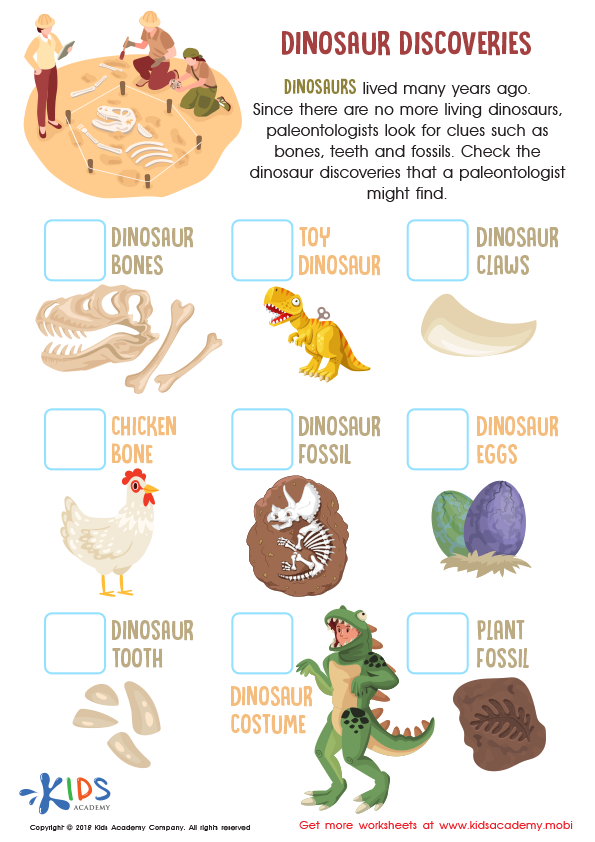
Dinosaur Discoveries Worksheet
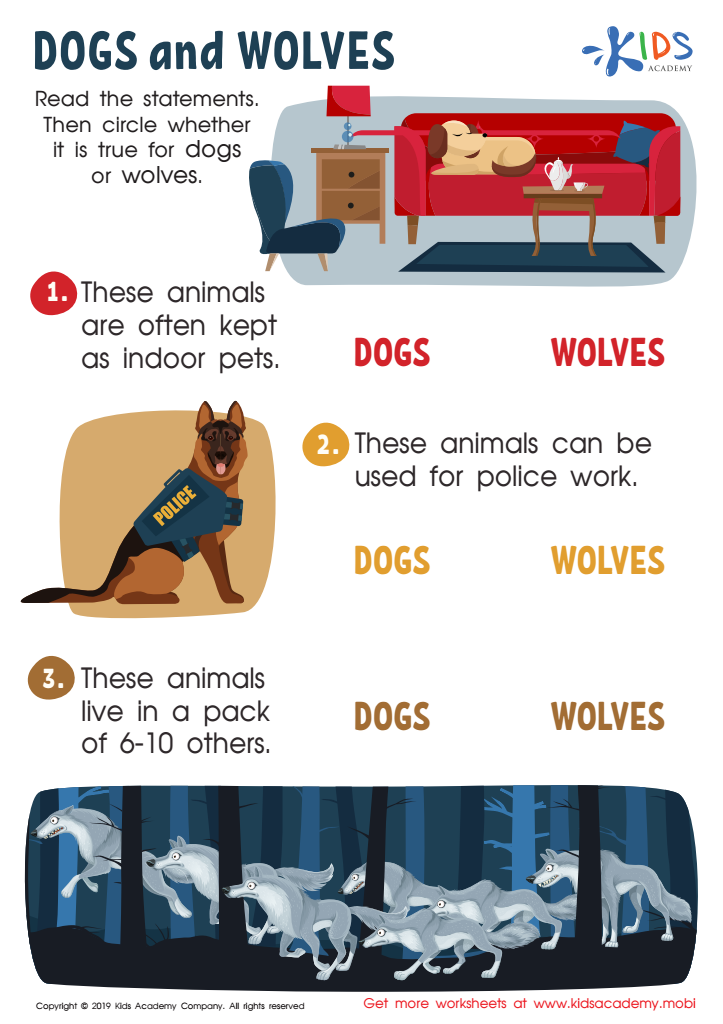
Dogs and Wolves Worksheet
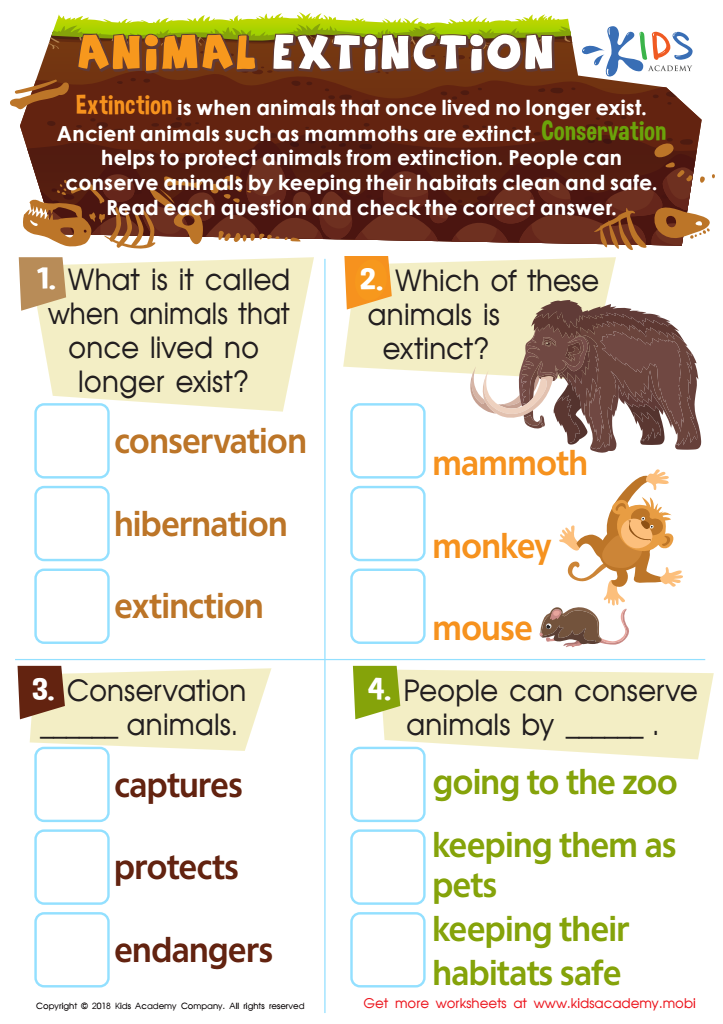
Animal Extinction Worksheet
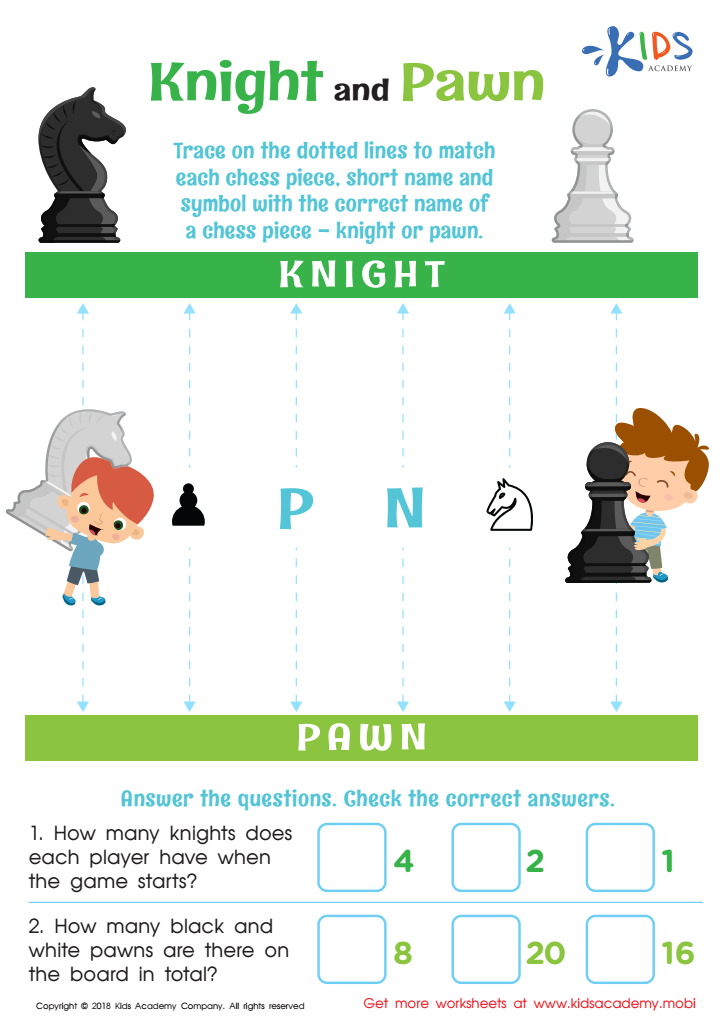
Knight and Pawn Worksheet
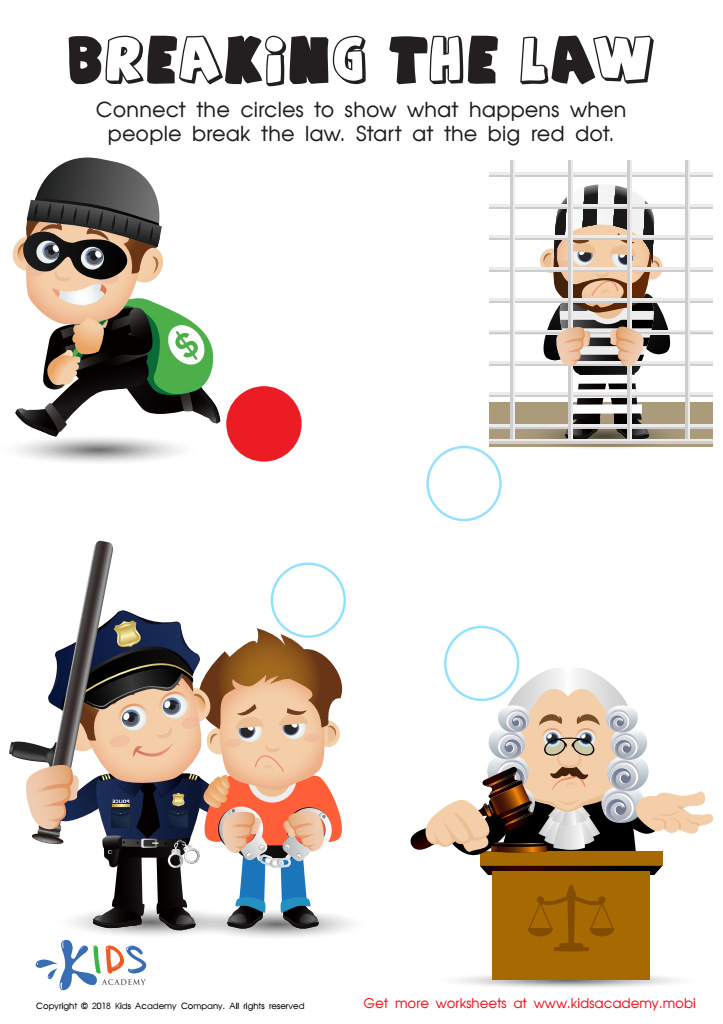
Breaking the Law Worksheet
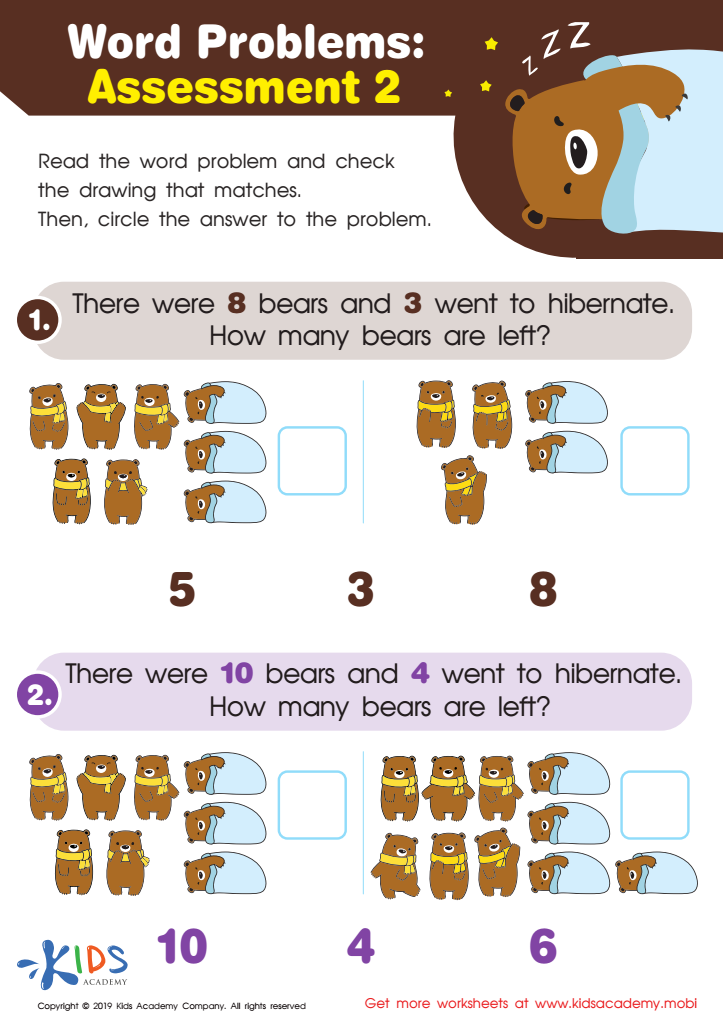
Word Problems: Assessment 2 Worksheet
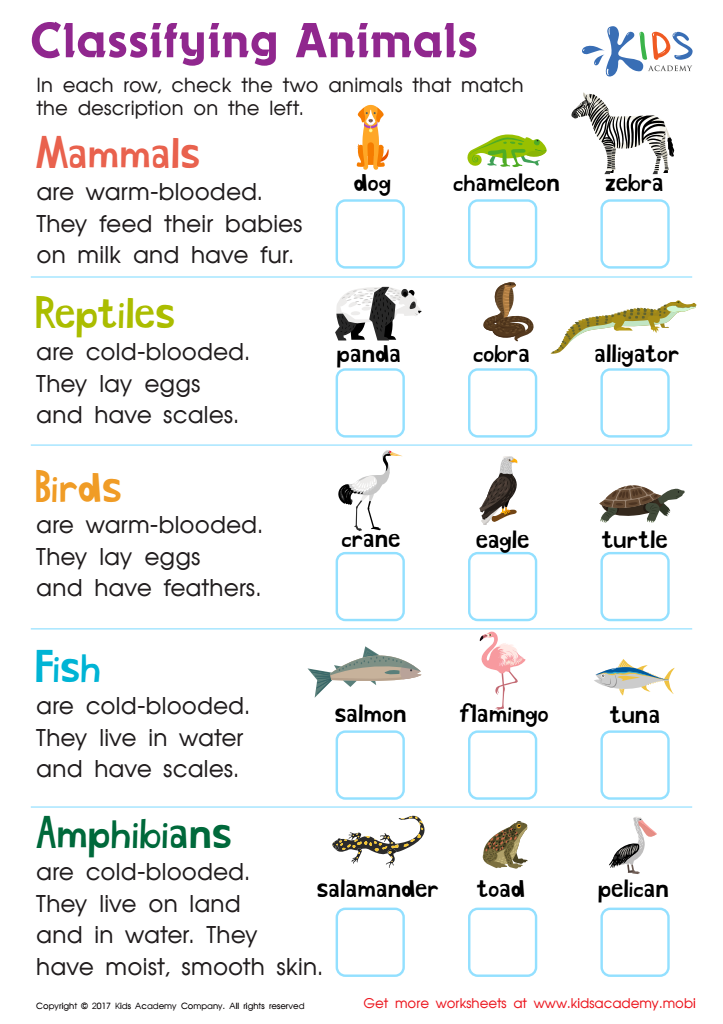
Classifying Animals Worksheet
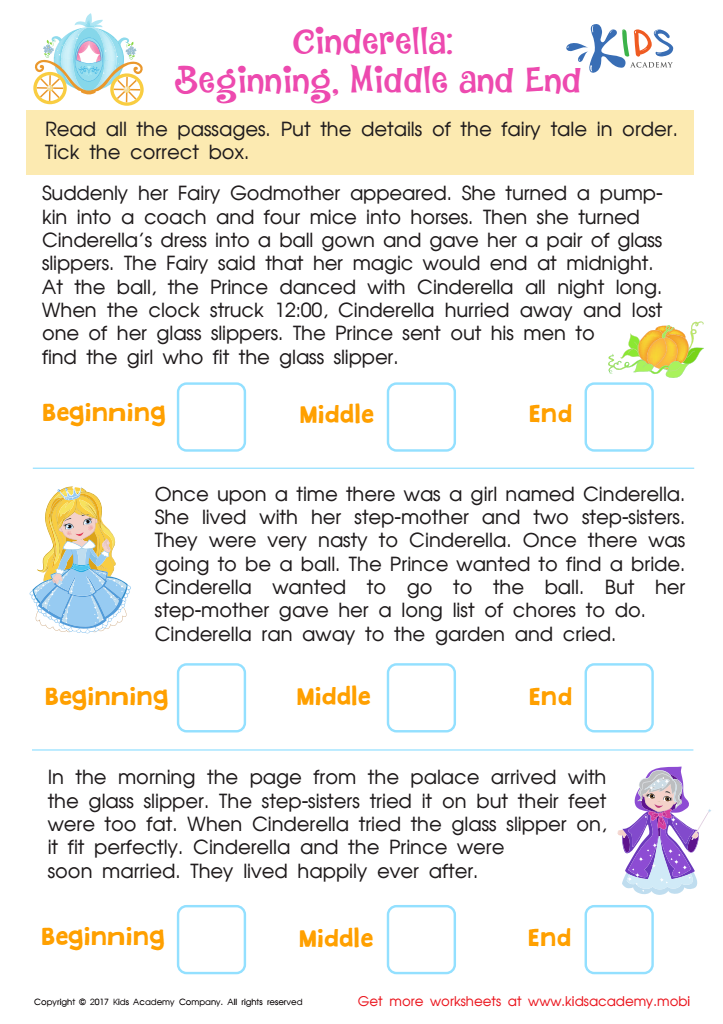
Cinderella: Beginning, Middle and End Worksheet
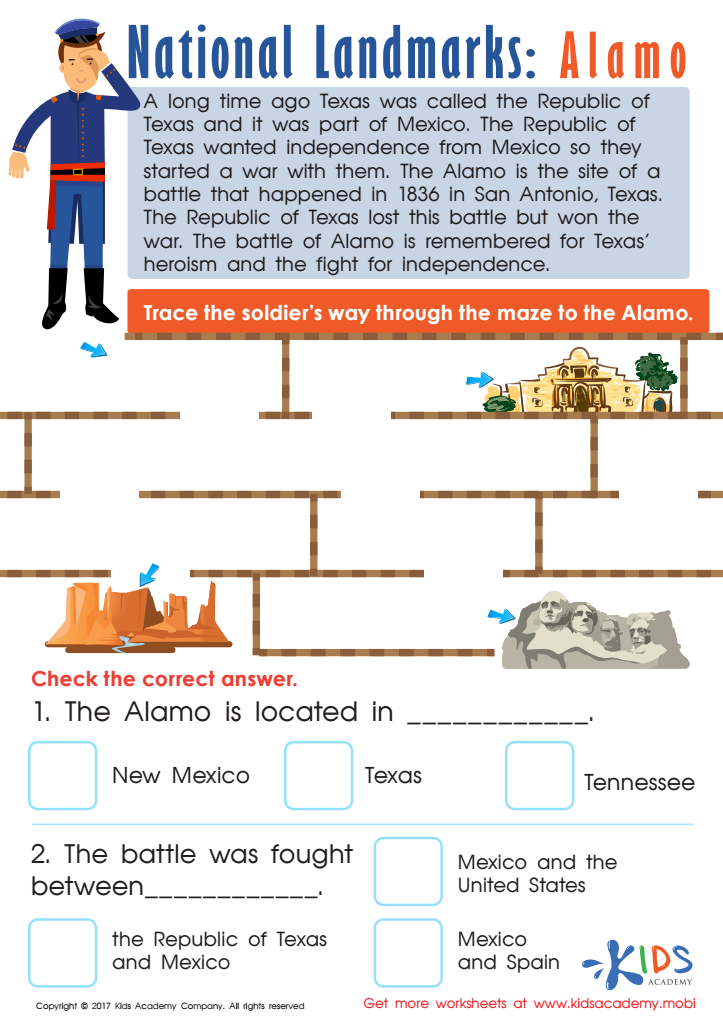
Alamo Printable Worksheet








Critical thinking at ages 7-9 is fundamental because it forms the basis for lifelong learning and decision-making. At this developmental stage, children's brains are exceptionally receptive and capable of forming lasting cognitive habits. By nurturing critical thinking skills, educators and parents can equip children with the ability to analyze information, understand relationships, and solve problems effectively.
When children are encouraged to ask questions, evaluate evidence, and think independently, they develop a deeper understanding of their subjects. This fosters curiosity and a love for learning, which are vital for academic success. Unlike rote memorization, critical thinking translates into real-world skills, enabling children to navigate challenges and make informed decisions, whether in school or on the playground.
Moreover, critical thinking helps children become empathetic and open-minded. Evaluating different perspectives and reasoning logically can enhance their social interactions and conflict resolution abilities. In today's information-rich world, these skills also empower children to discern truth from misinformation, fostering digital literacy and responsible consumption of content.
By embedding critical thinking into early education, parents and teachers don't just aim for academic excellence; they prepare children for complex future challenges, ensuring they grow into thoughtful, capable, and resilient individuals. This investment in young minds is crucial for their personal development and for nurturing informed future citizens.








