Problem-Solving Skills Normal Worksheets for Ages 7-9 - Page 4
96 filtered results
-
From - To

Vegetable Gardens Worksheet
 Assign to My Students
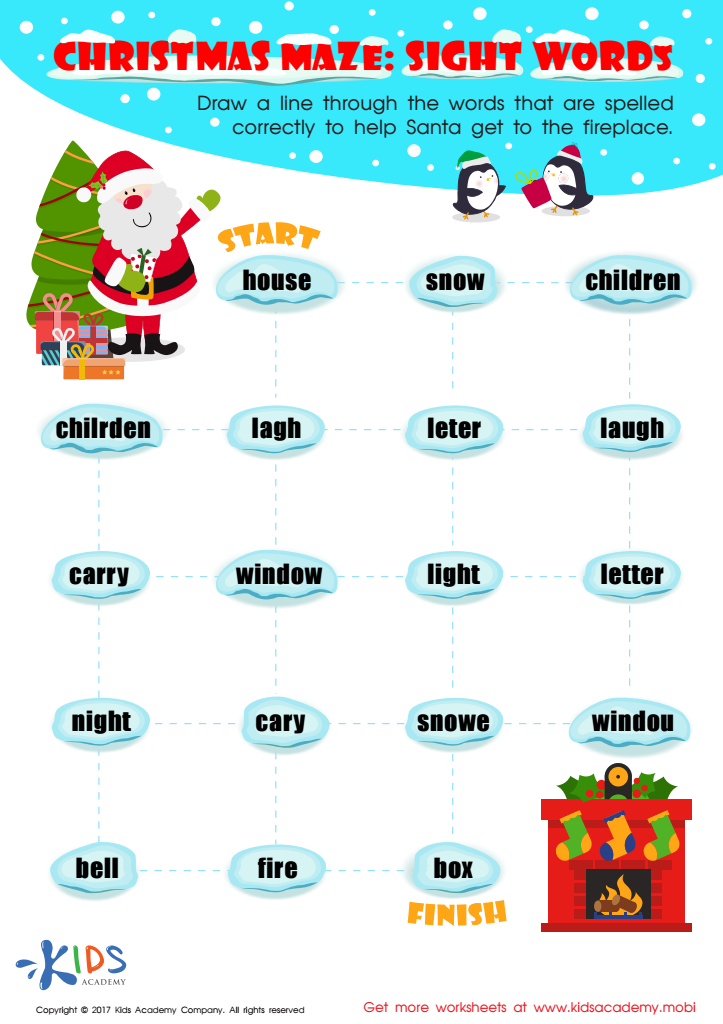
Sight Words Christmas Maze Printable
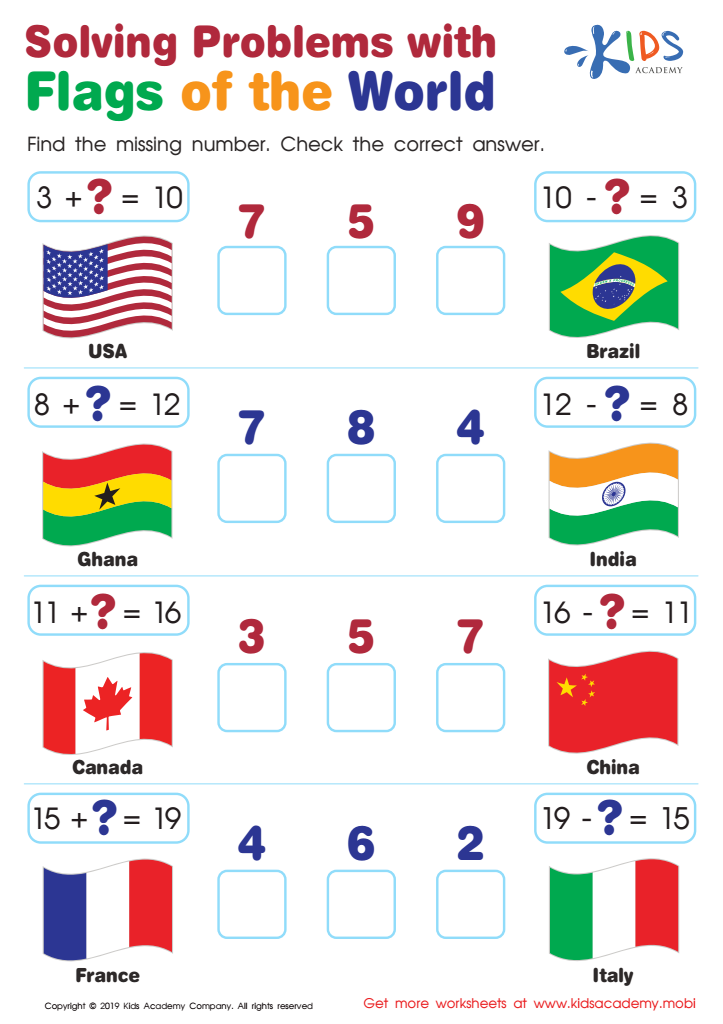
Solving Problems with Flags of the World Worksheet
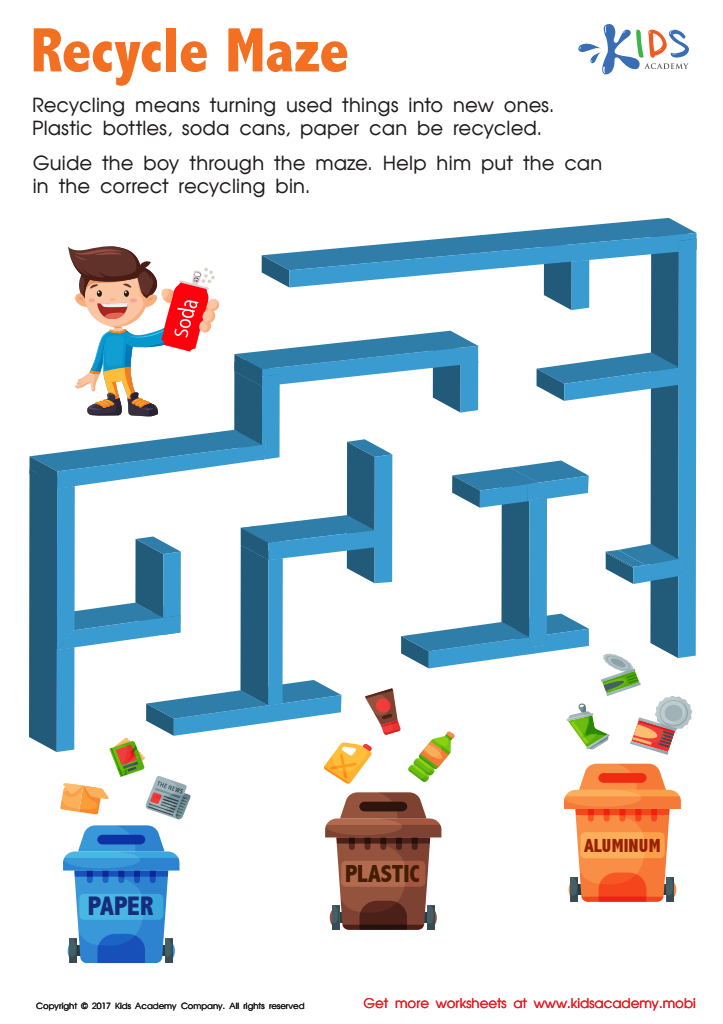
Recycle Maze Worksheet

At the Market Worksheet
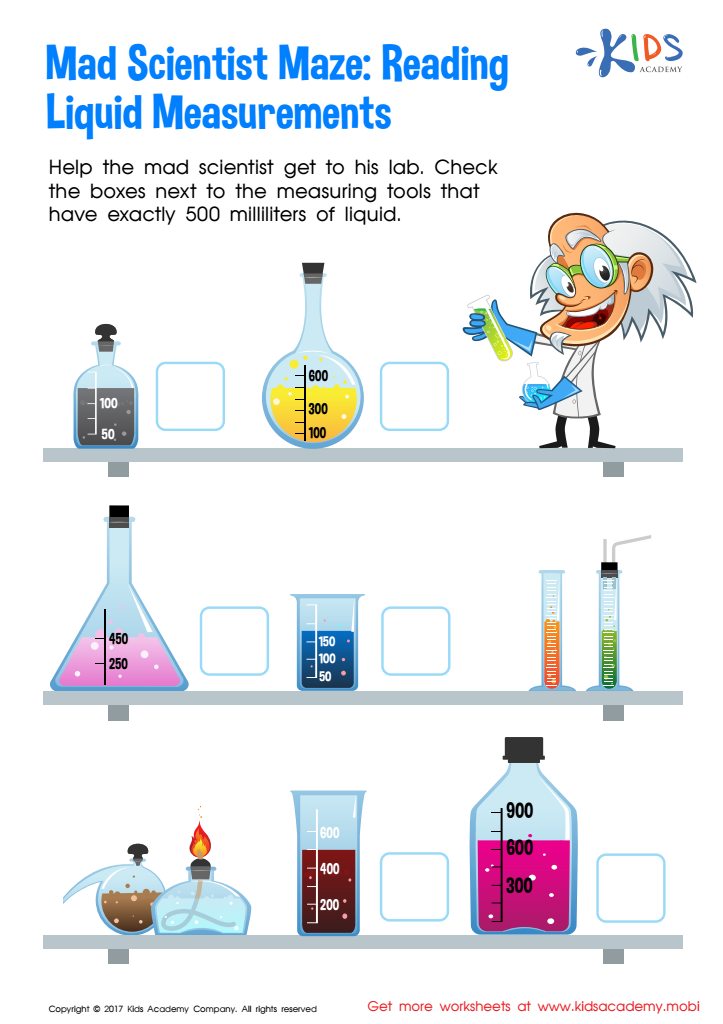
Reading Liquid Measurement Worksheet
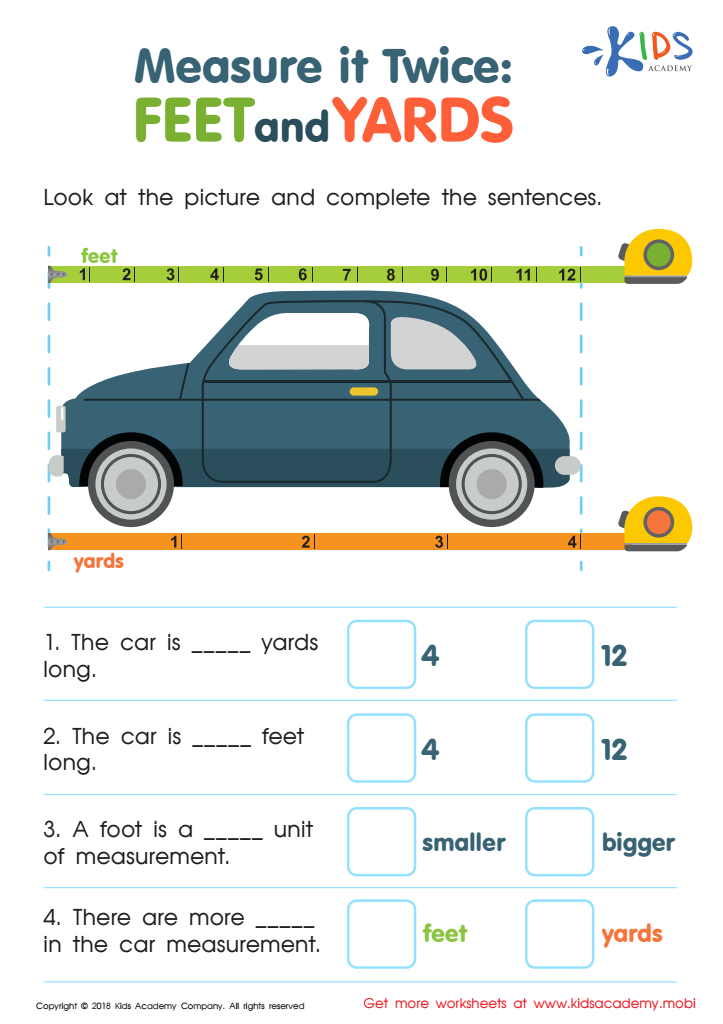
Measure It Twice: Feet and Yards Worksheet
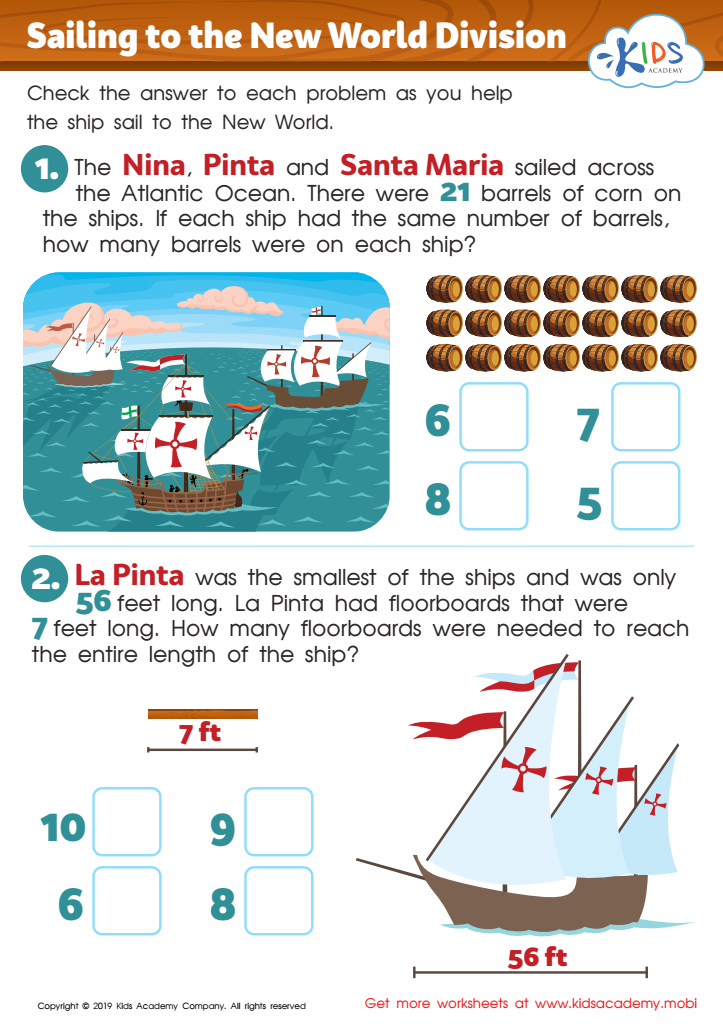
Sailing to the New World Division Worksheet

Multiplying with Betsy Ross Worksheet
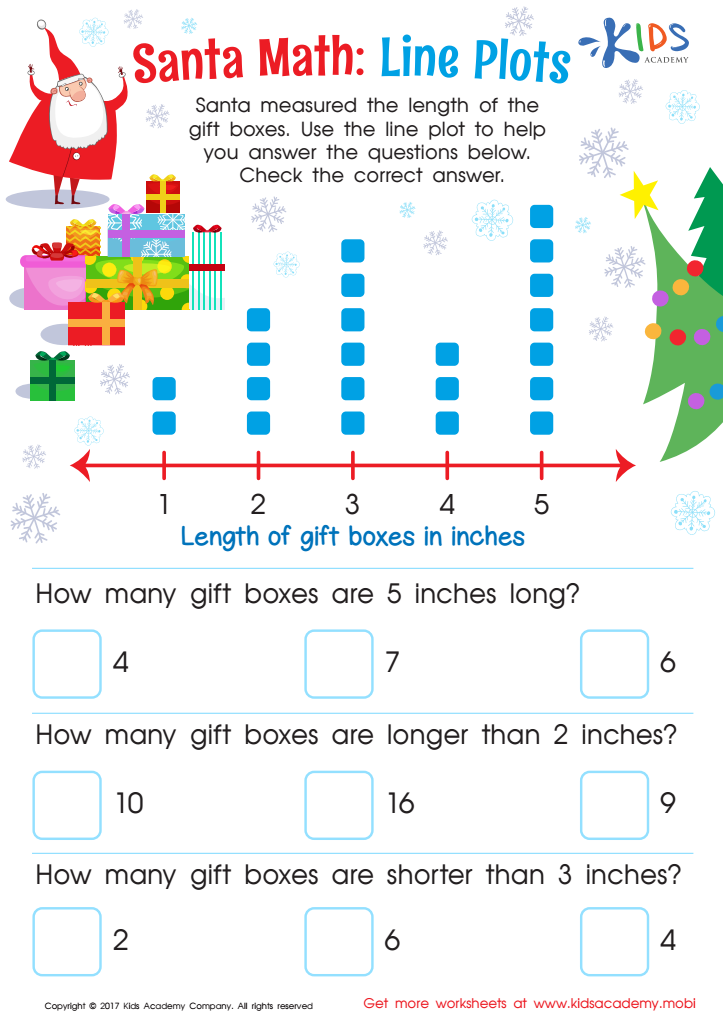
Line Plot Worksheet

Pegasus Maze: GH Words Worksheet

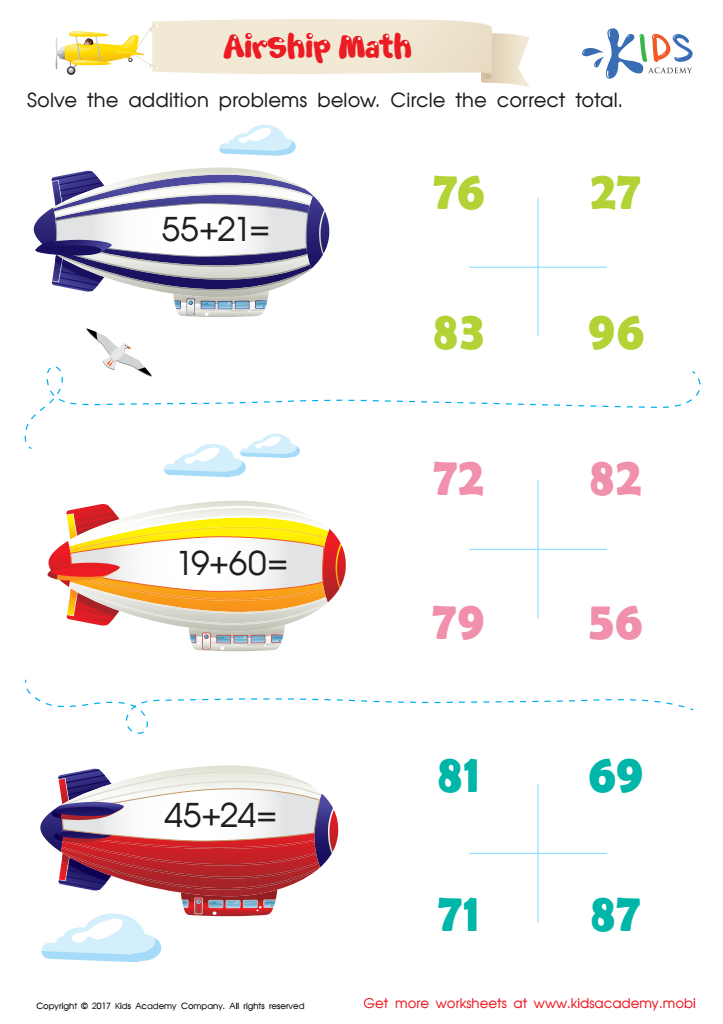
Airship Math Addition Printable
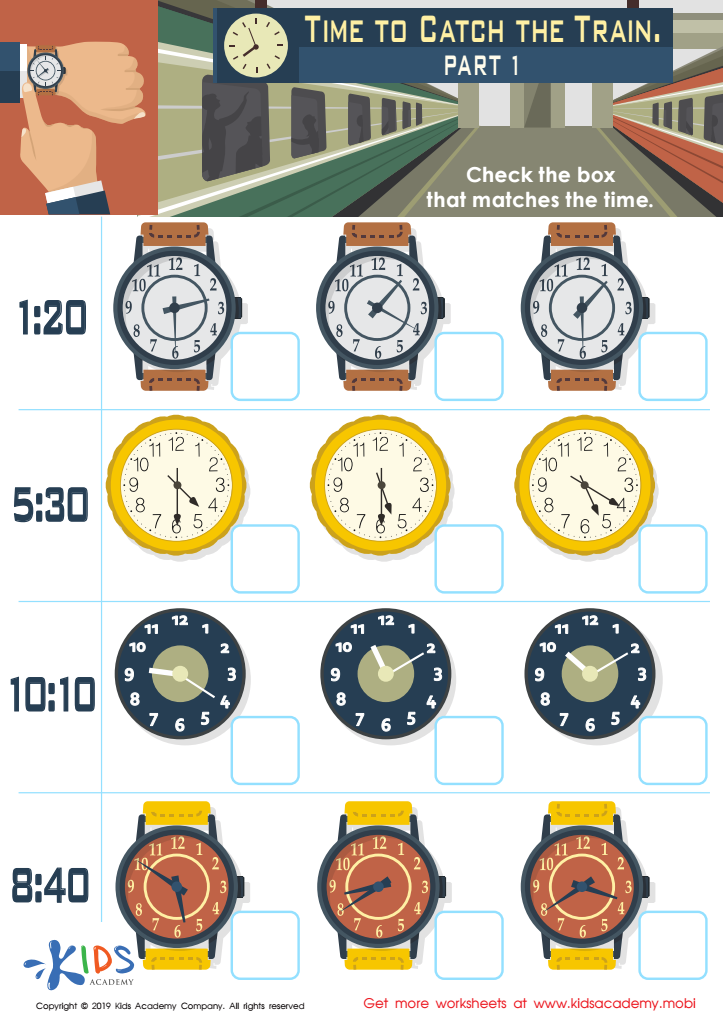
Time to Catch the Train Part 1 Worksheet
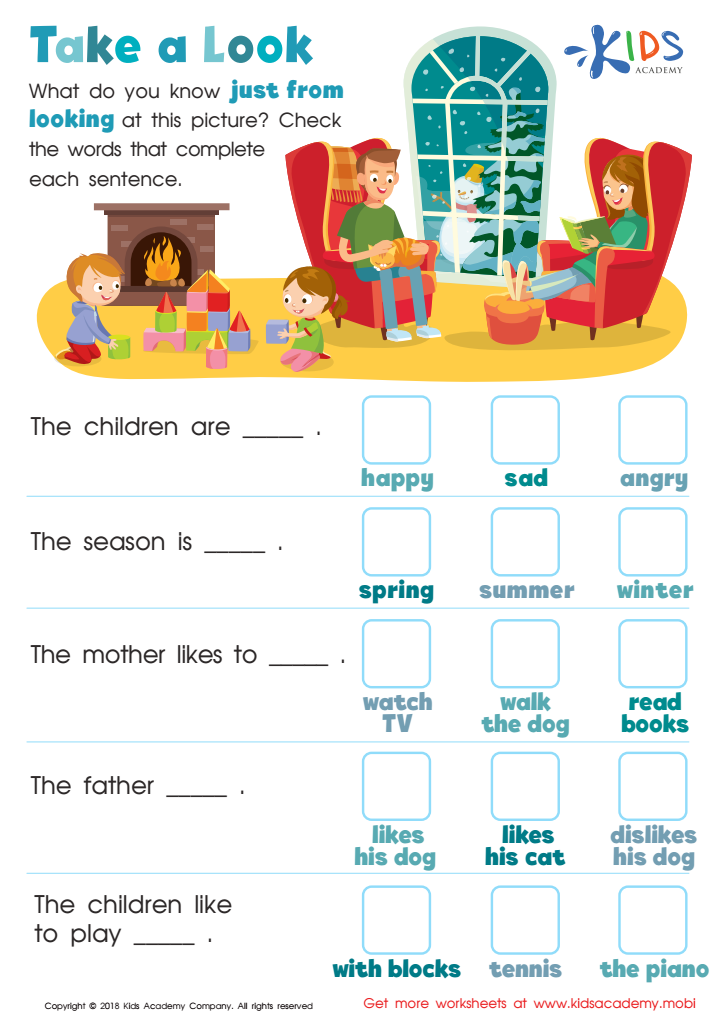
Take a Look - Part 1 Worksheet
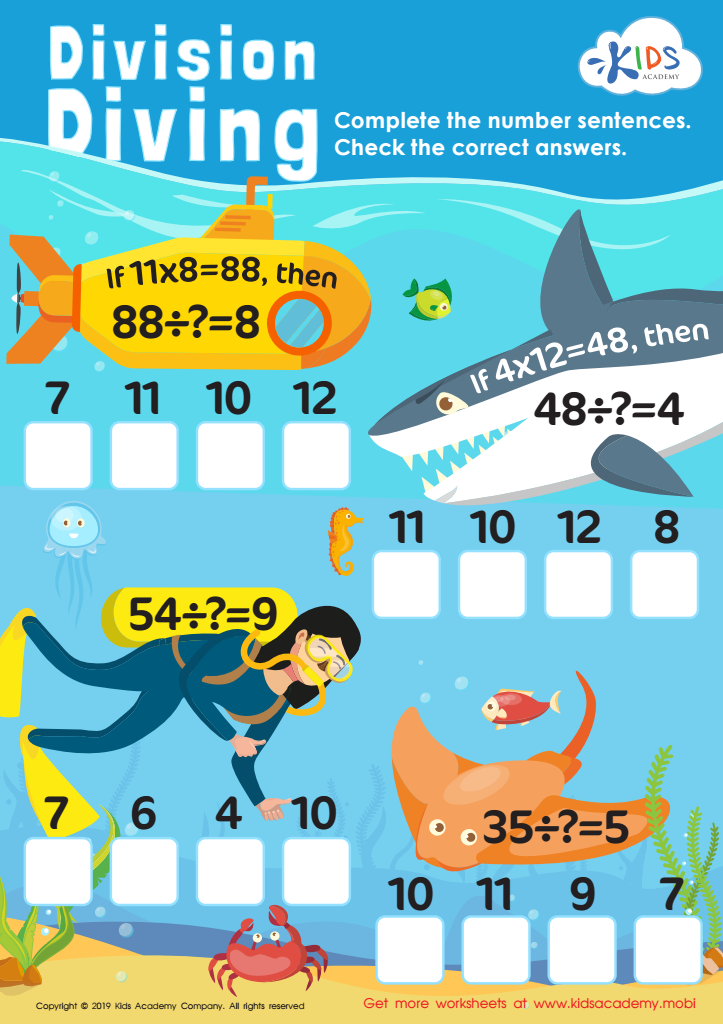
Division Diving Worksheet
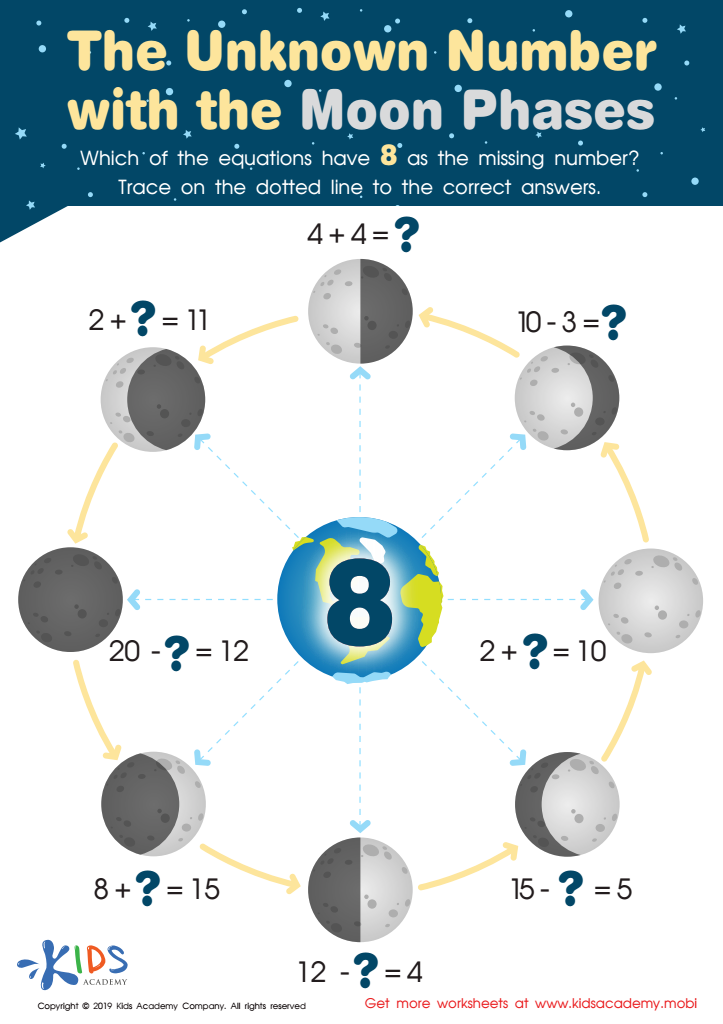
The Unknown Number with the Moon Phases Worksheet
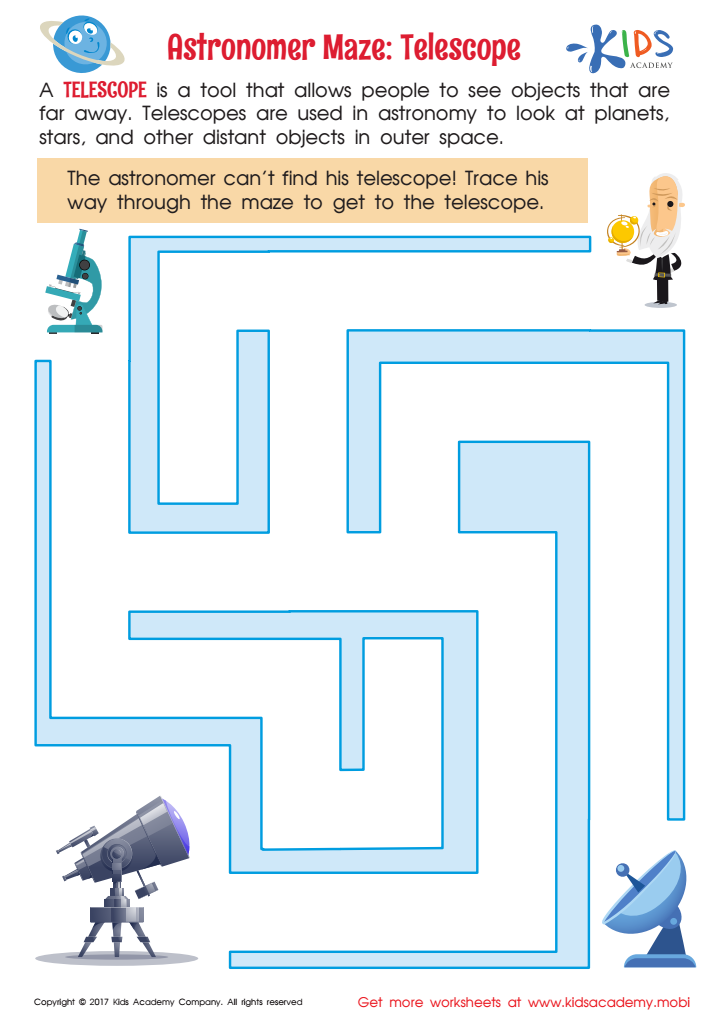
Astronomer Maze: Telescope Worksheet
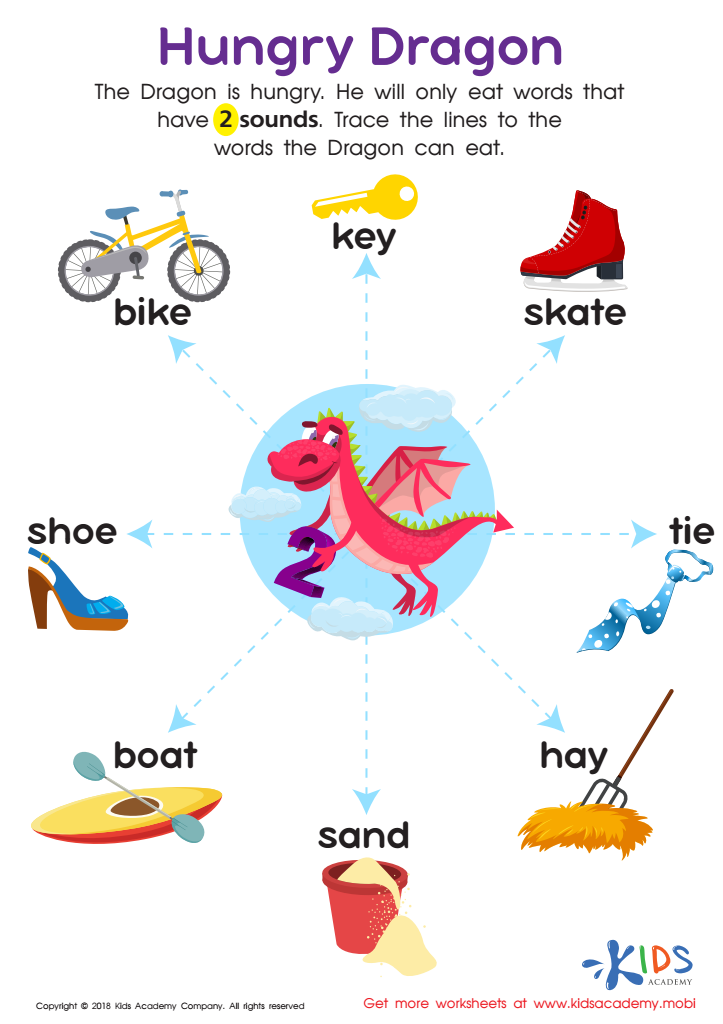
Hungry Dragon Worksheet
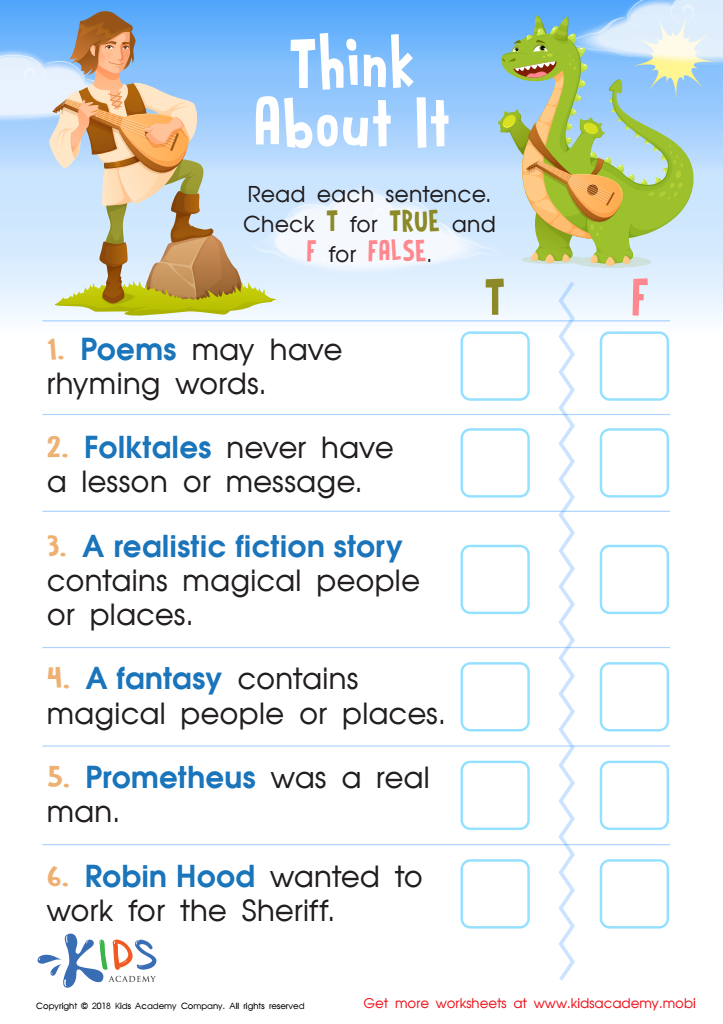
Think About It: Assessment Worksheet
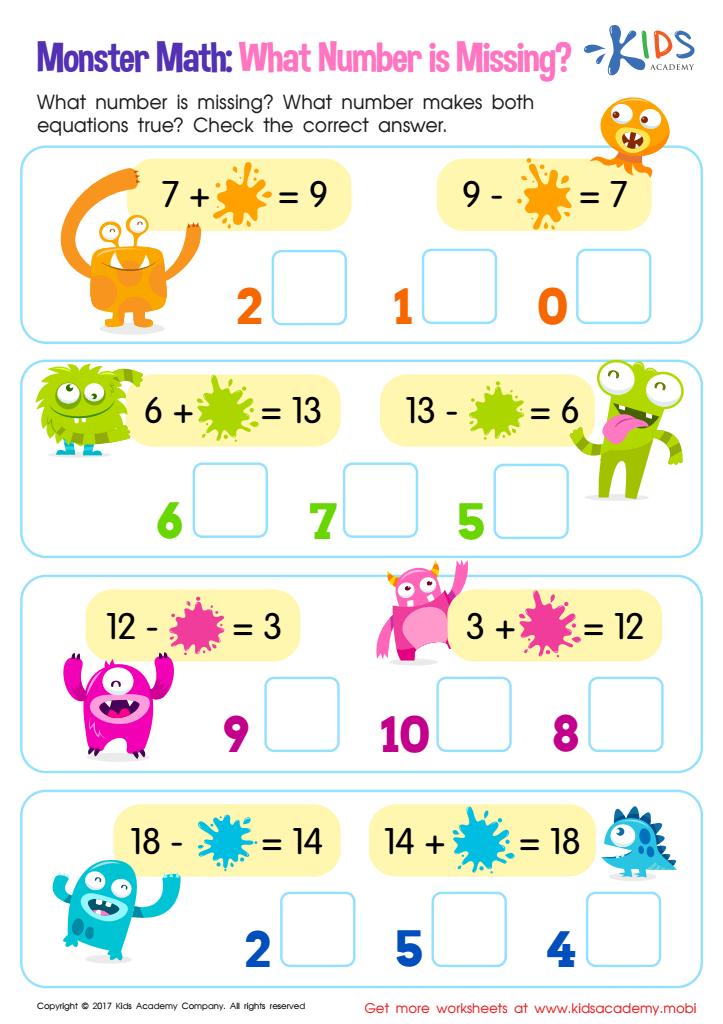
Missing Number: Monster Math Worksheet
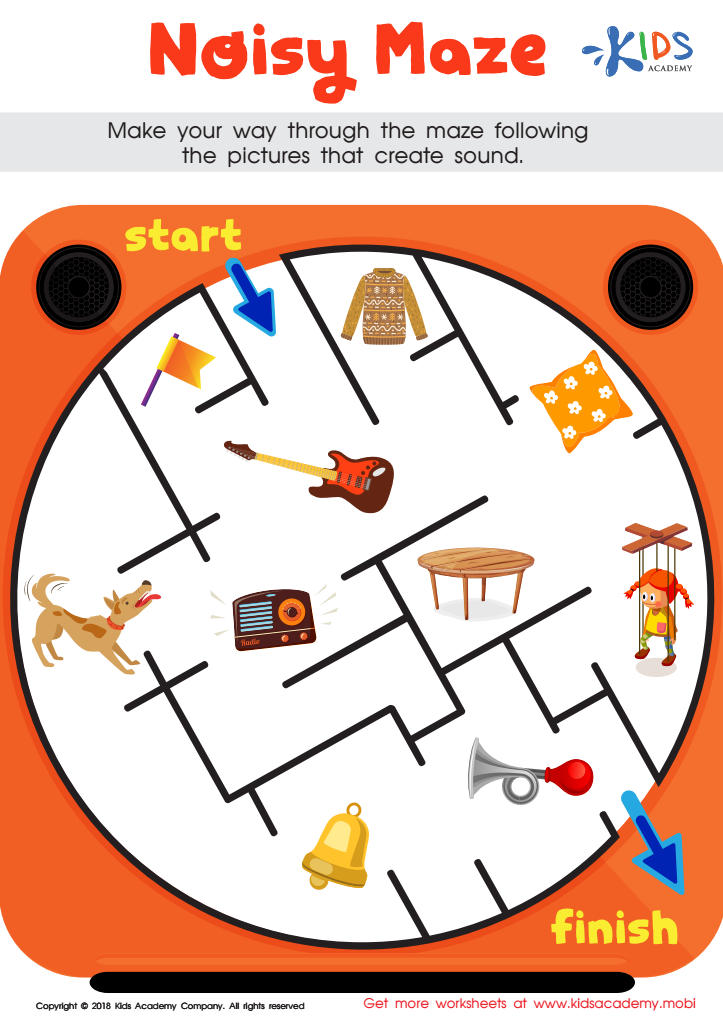
Noisy Maze Worksheet
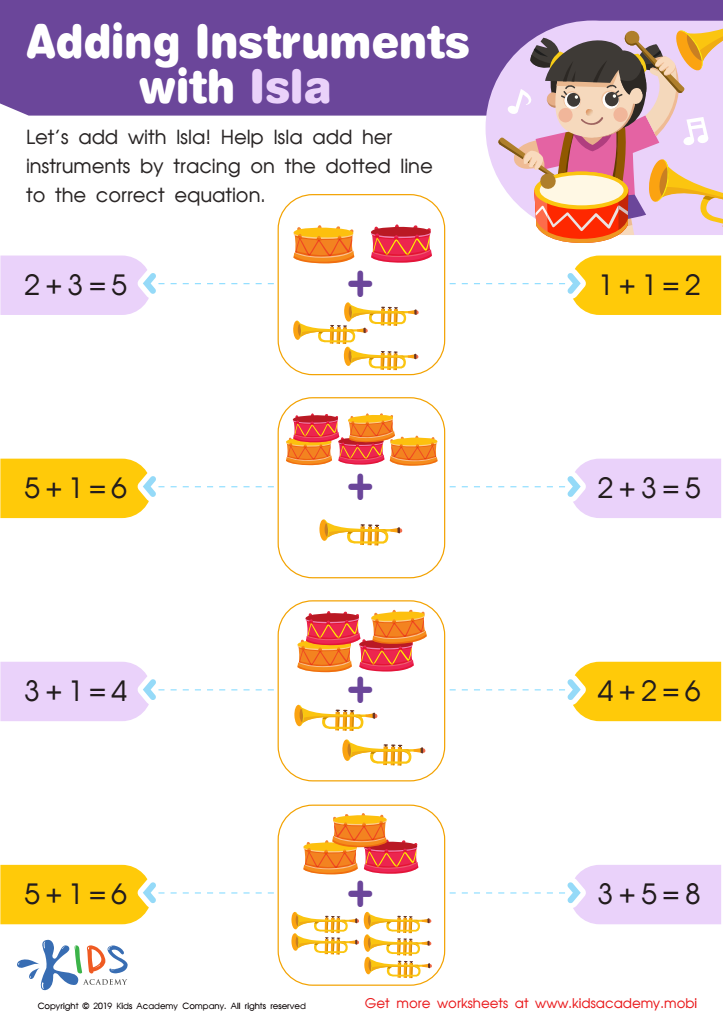
Adding Instruments with Isla Worksheet
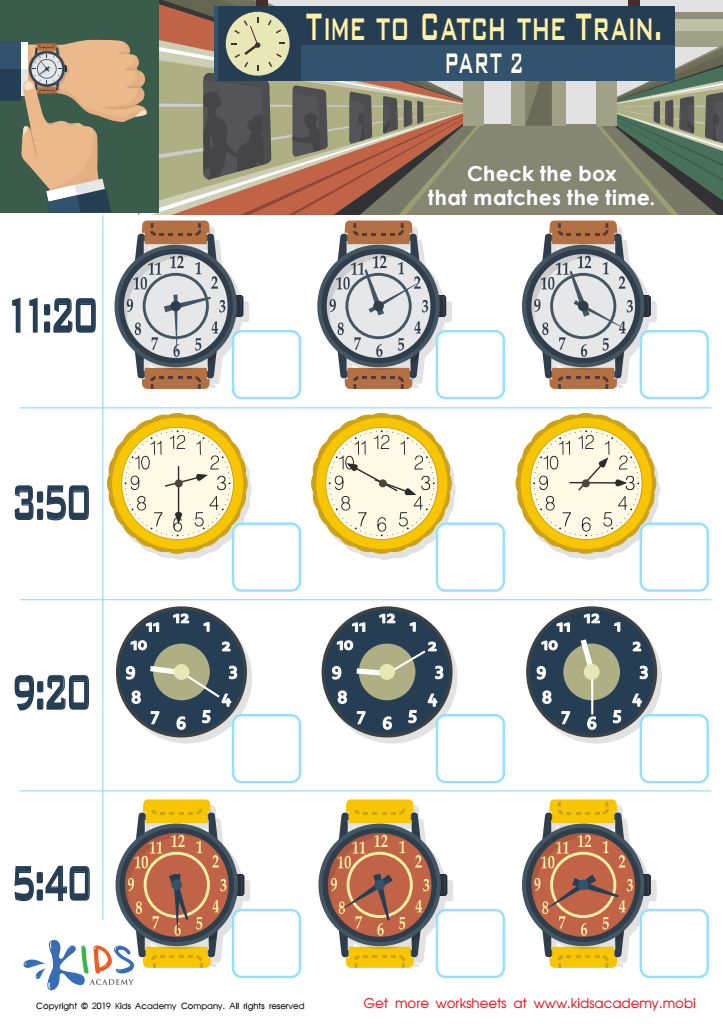
Time to Catch the Train Part 2 Worksheet







.jpg)
Problem-solving skills are crucial for children ages 7-9 as this period marks a vital stage in cognitive development. During these years, children transition from concrete operational thinking to more abstract reasoning. Developing problem-solving skills equips them with the tools necessary to navigate challenges effectively, both in academic settings and daily life.
Parents and teachers should care about fostering these skills because they not only promote academic success but also enhance critical thinking and decision-making abilities. Children adept at problem-solving are often more resilient and can approach challenges with confidence. They learn how to analyze situations, consider various perspectives, and explore different solutions, which are essential for personal and social development.
Furthermore, engaging in problem-solving activities can boost children's motivation and engagement, making learning more enjoyable. It encourages collaboration with peers, fostering communication skills, and cultivating a more profound social awareness.
By investing time and resources into developing these skills, parents and teachers empower children to think independently, embrace challenges, and build a strong foundation for lifelong learning. Enhanced problem-solving skills contribute to better academic performance, increased self-esteem, and the ability to navigate life's complexities with greater ease.








