Normal Our Planet and Environment Worksheets for Ages 7-9 - Page 2
65 filtered results
-
From - To
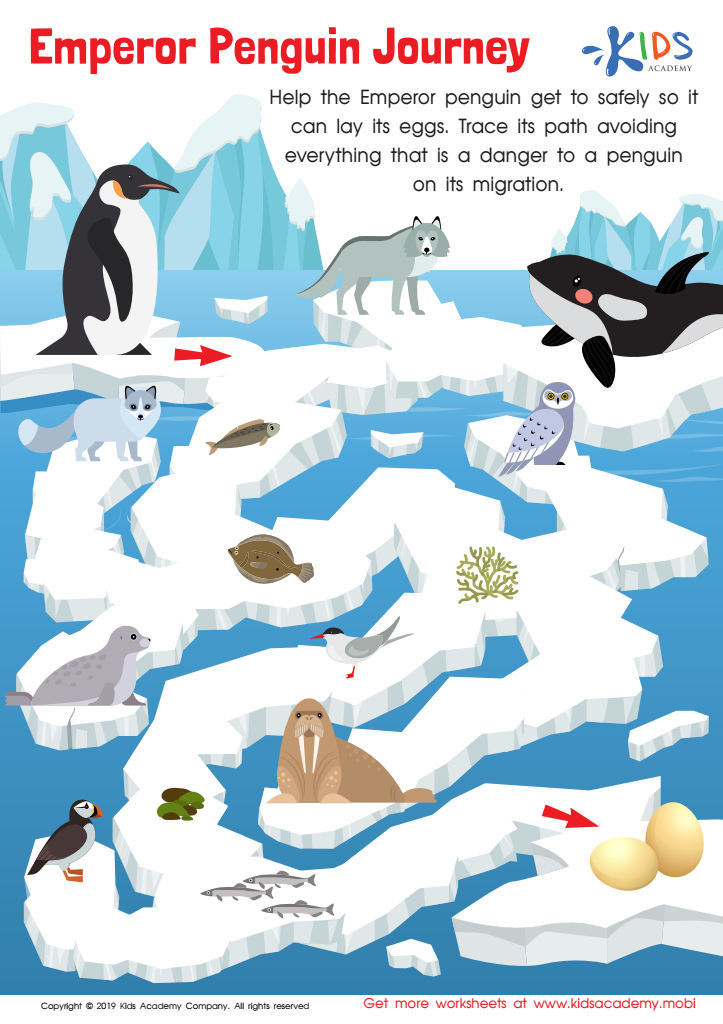
Emperor Penguin Journey Worksheet
 Assign to My Students
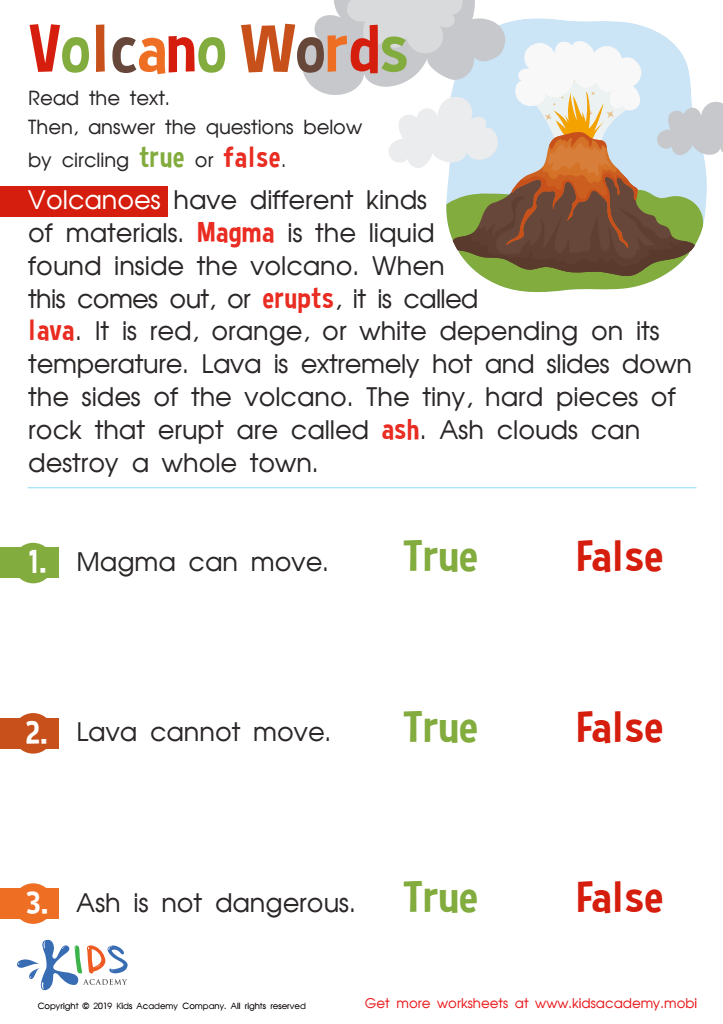
Volcano Words Worksheet
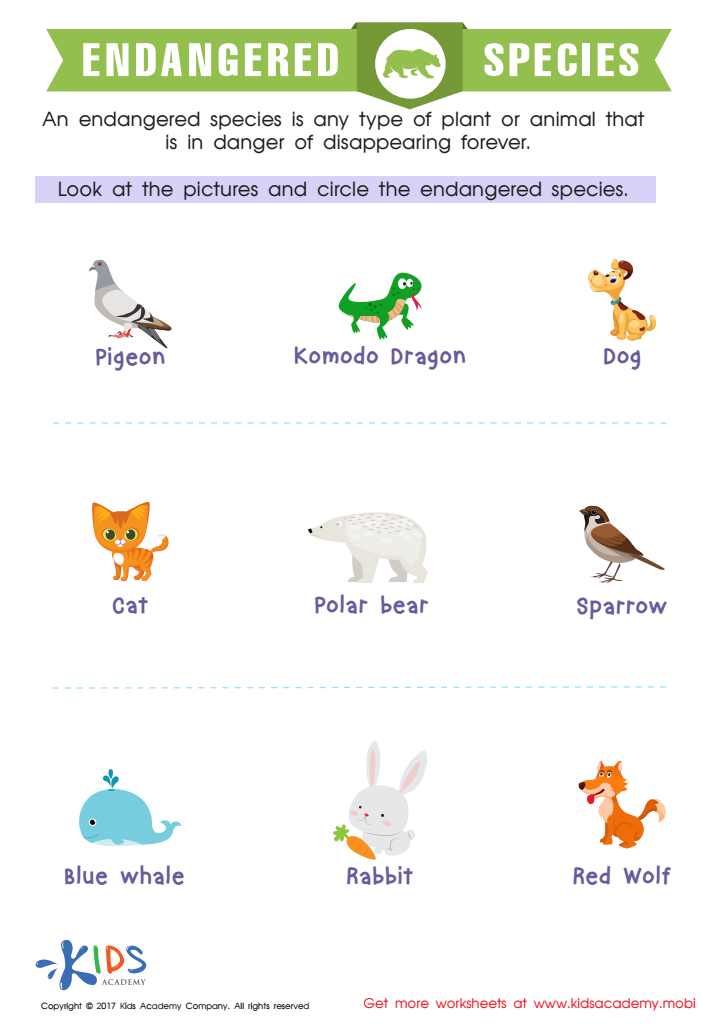
Endangerd Species Printable
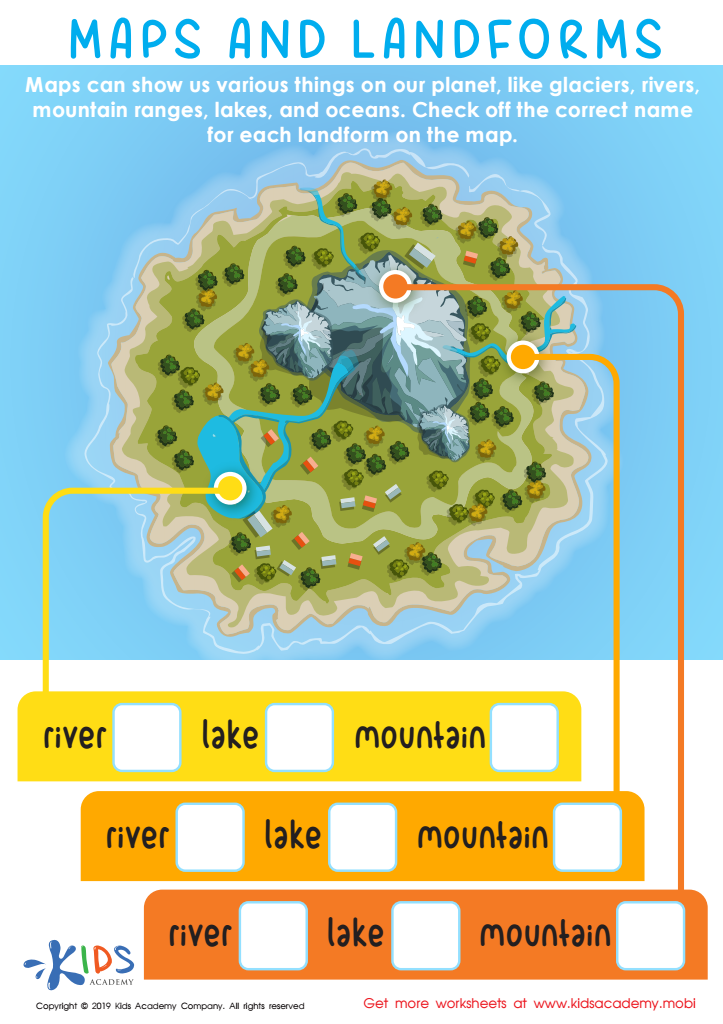
Maps and Landforms Worksheet
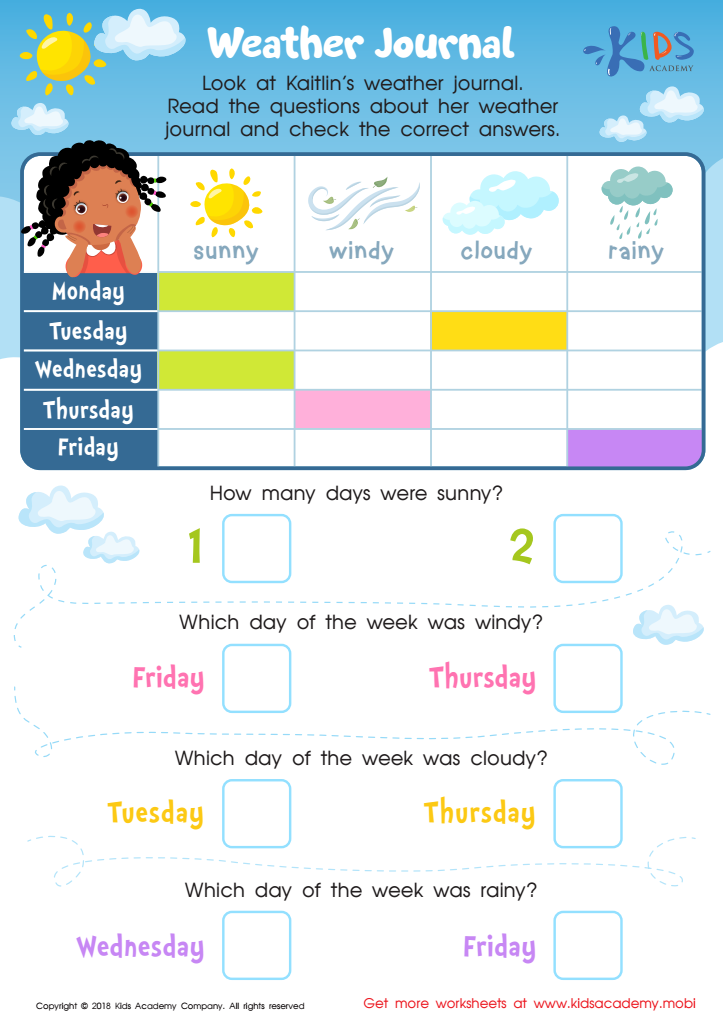
Weather Journal Worksheet
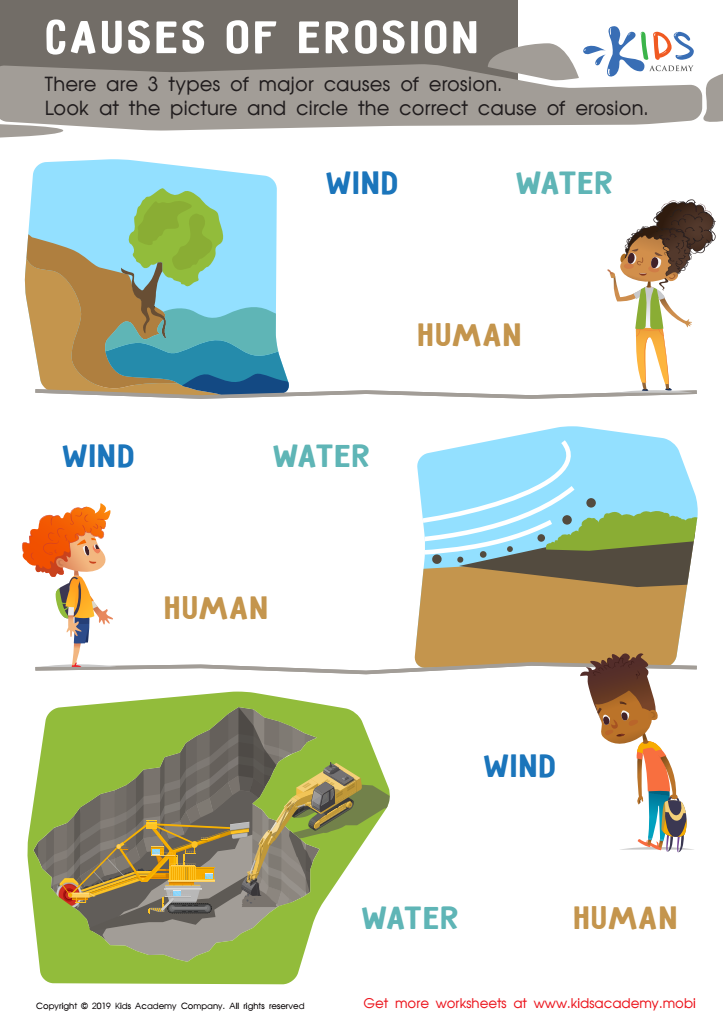
Causes of Erosion Worksheet
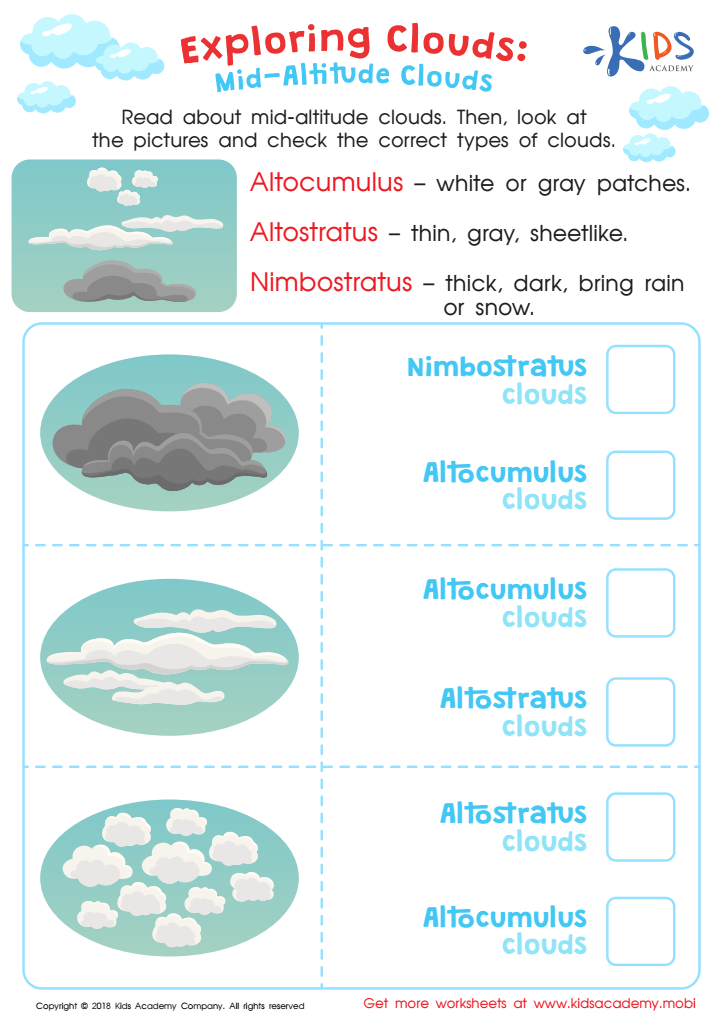
Exploring Clouds: Mid-altitude Clouds Worksheet
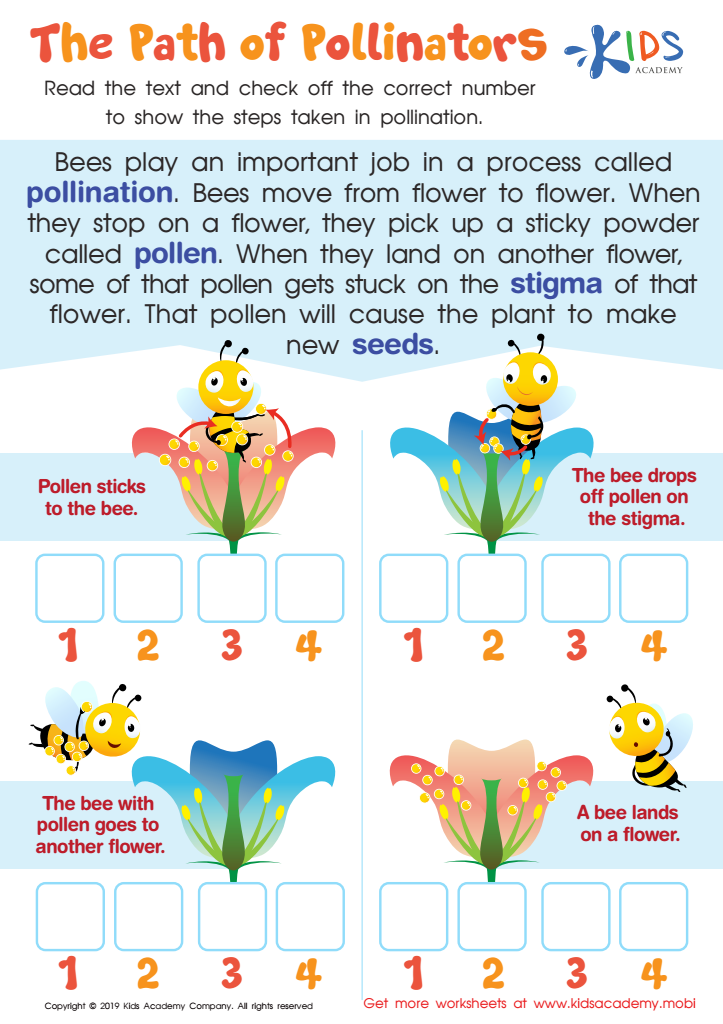
The Path of Pollinators Worksheet
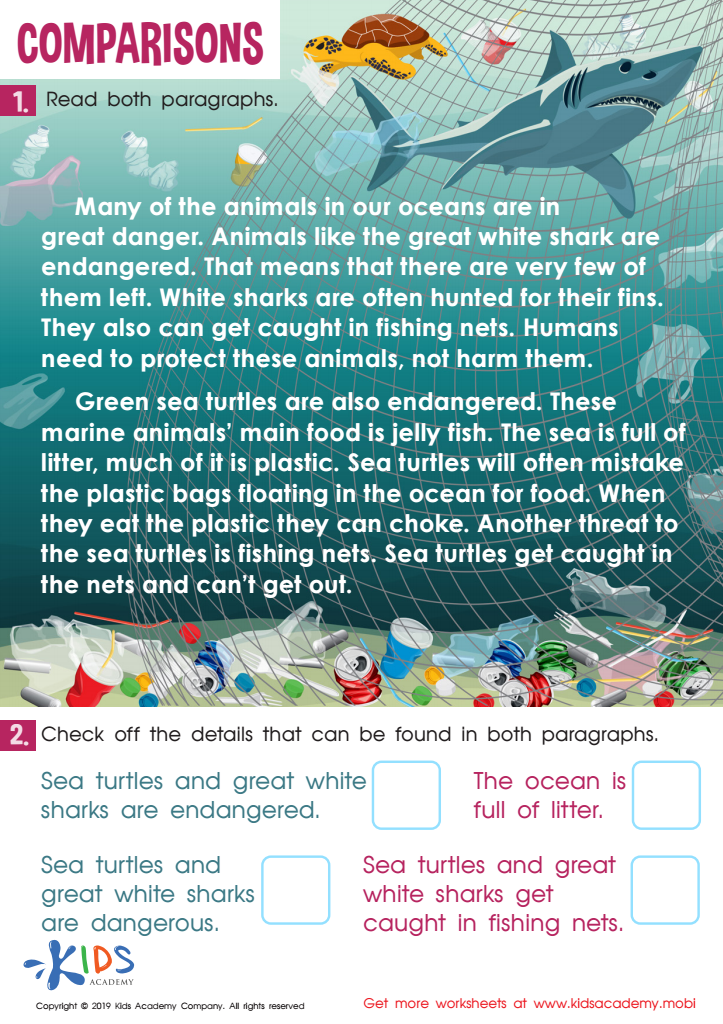
Comparisons Worksheet
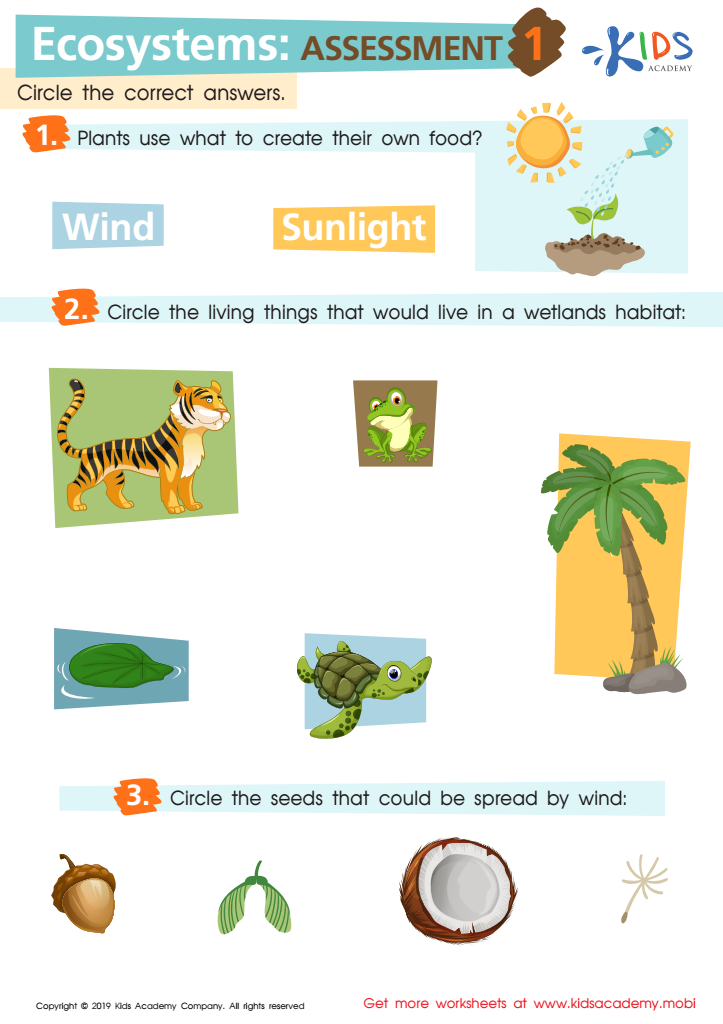
Ecosystems: Assessment 1 Worksheet
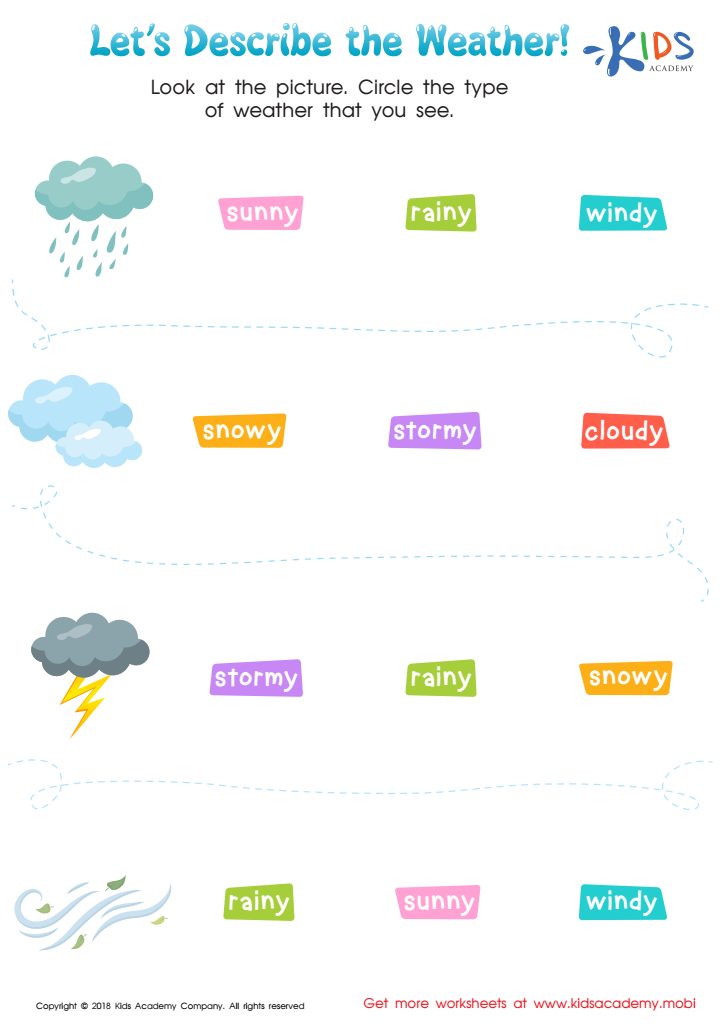
Let's Describe the Weather! Worksheet
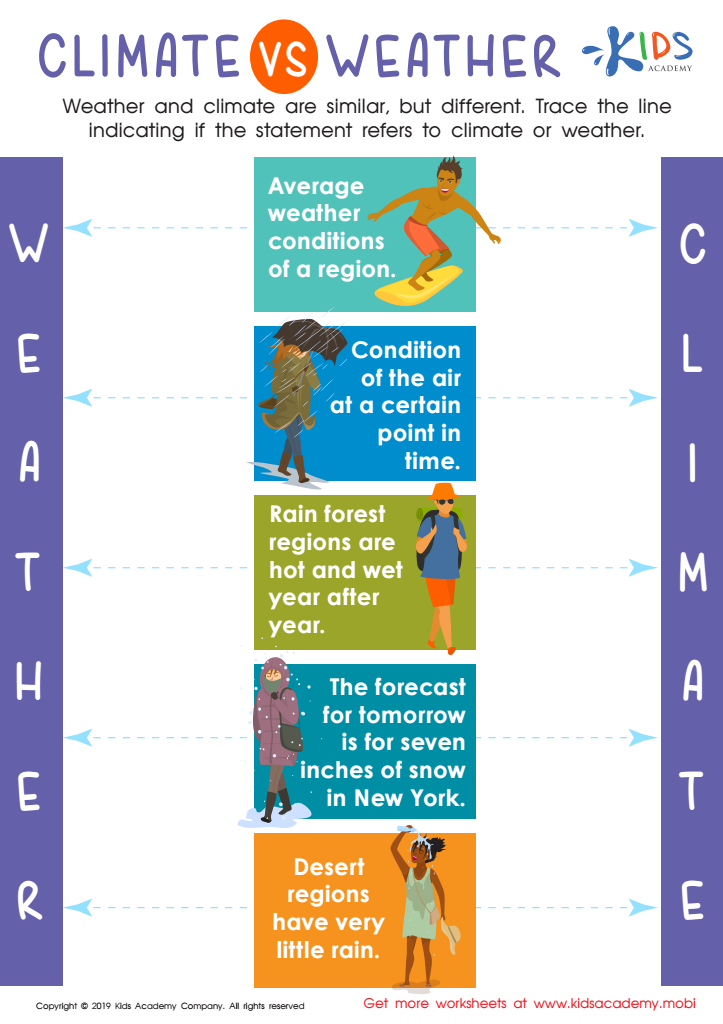
Climate vs Weather Worksheet
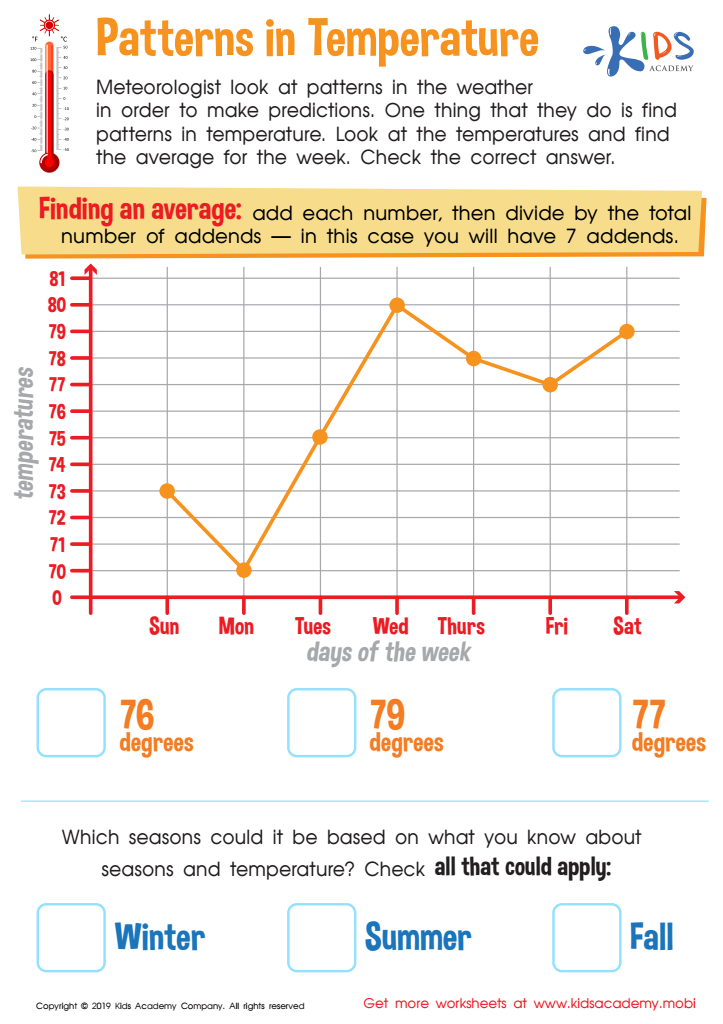
Patterns in Temperature Worksheet
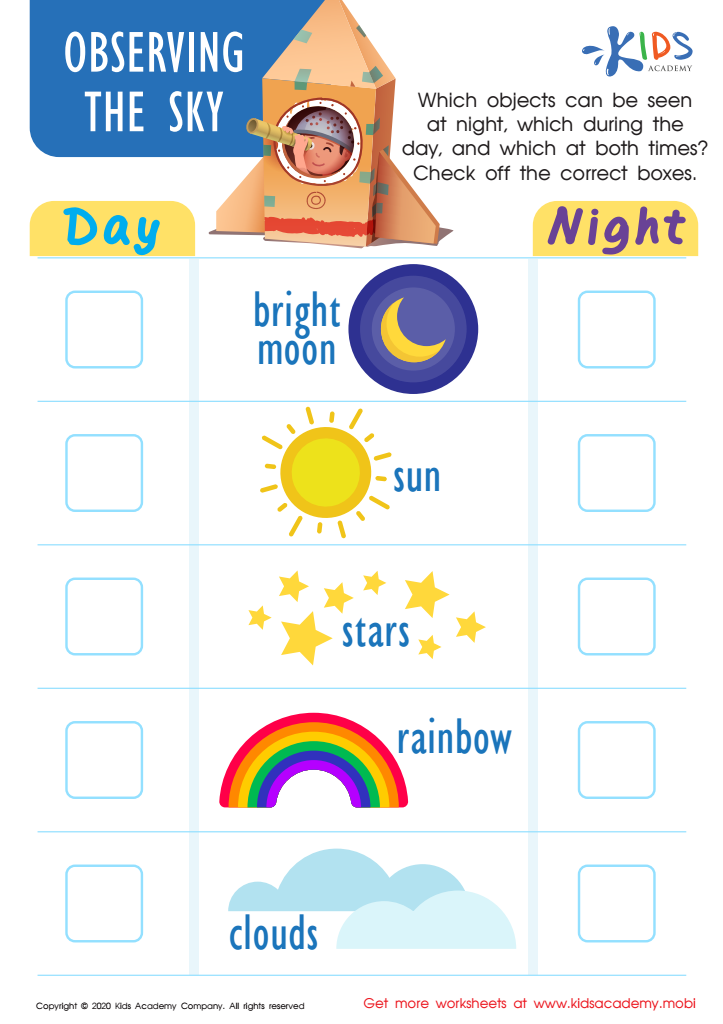
Observing the Sky Worksheet
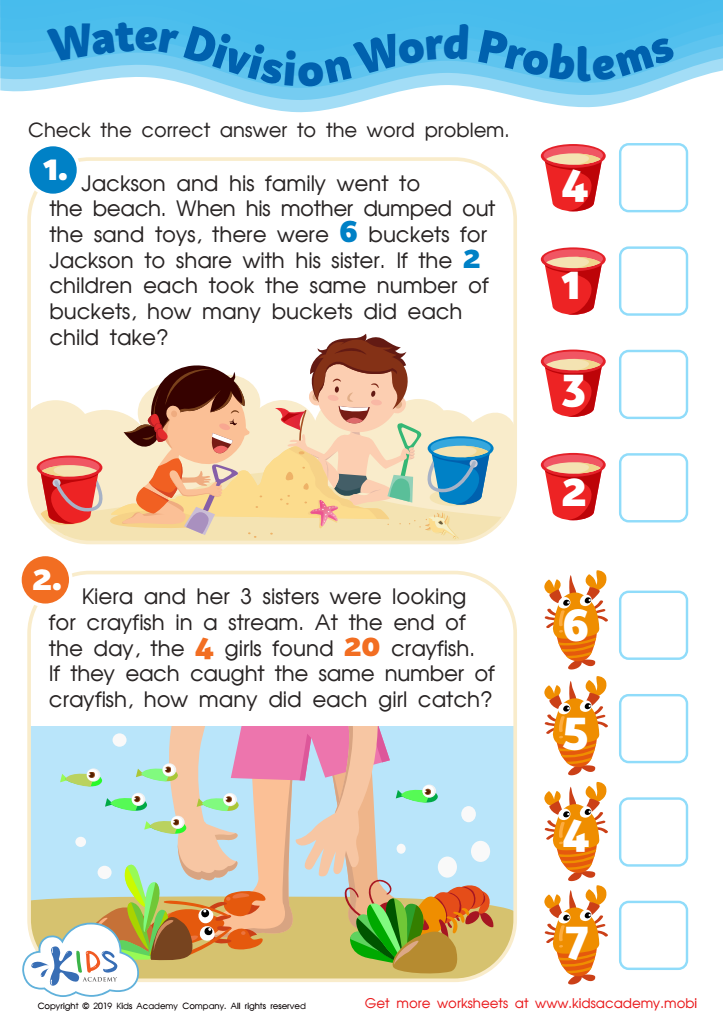
Water Division Word Problems Worksheet
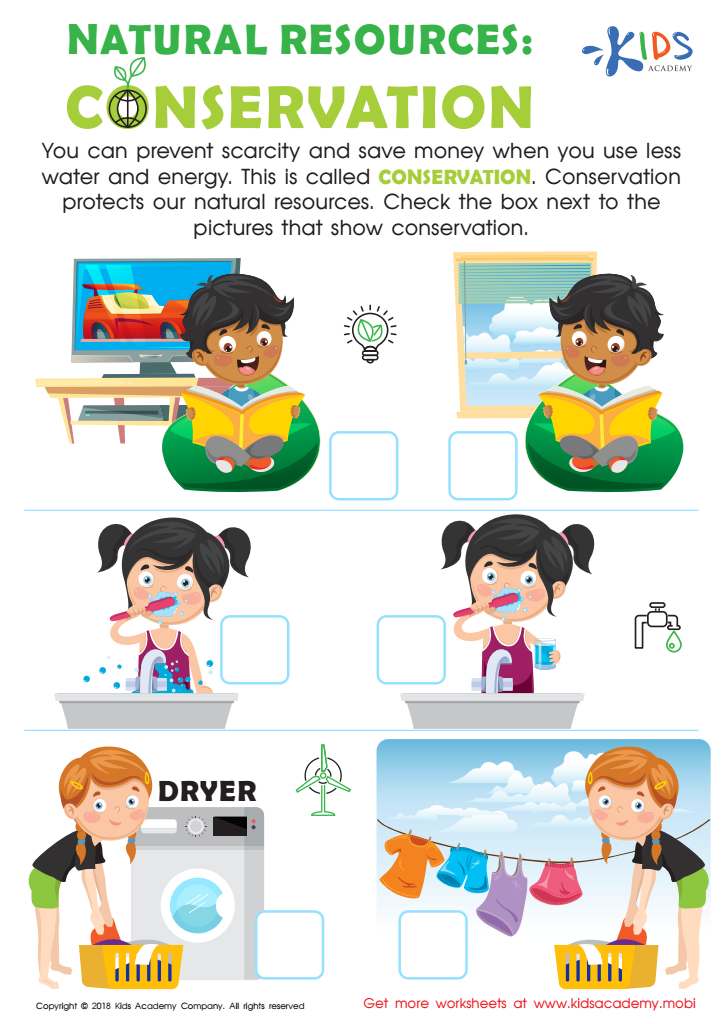
Natural Resources: Conservation Worksheet
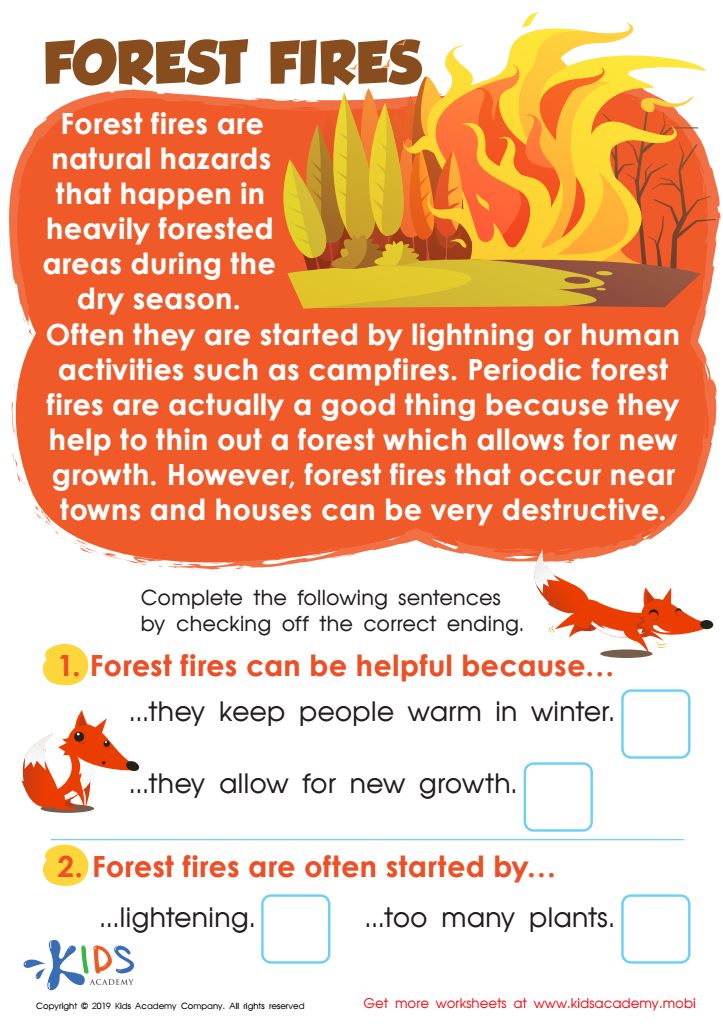
Forest Fires Worksheet
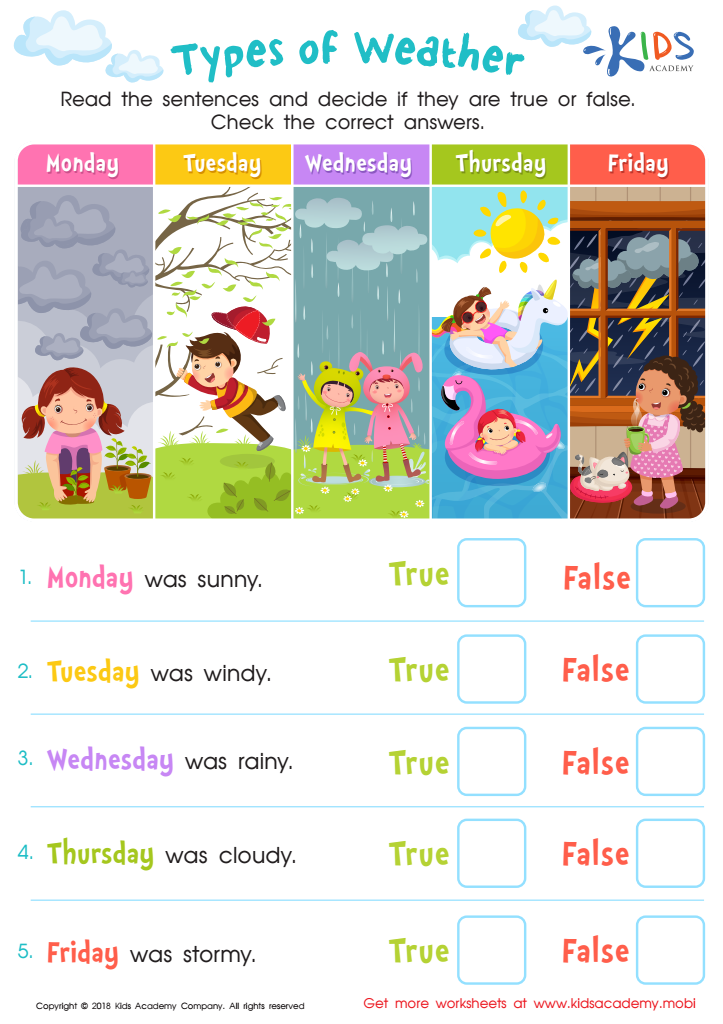
Types of Weather Worksheet
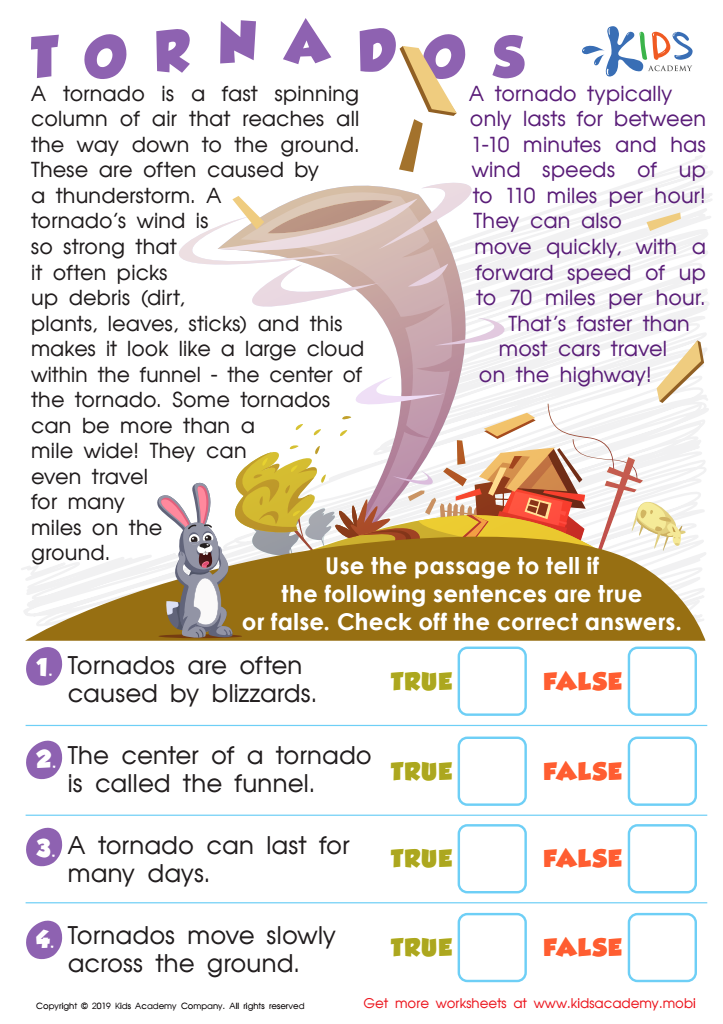
Tornados Worksheet
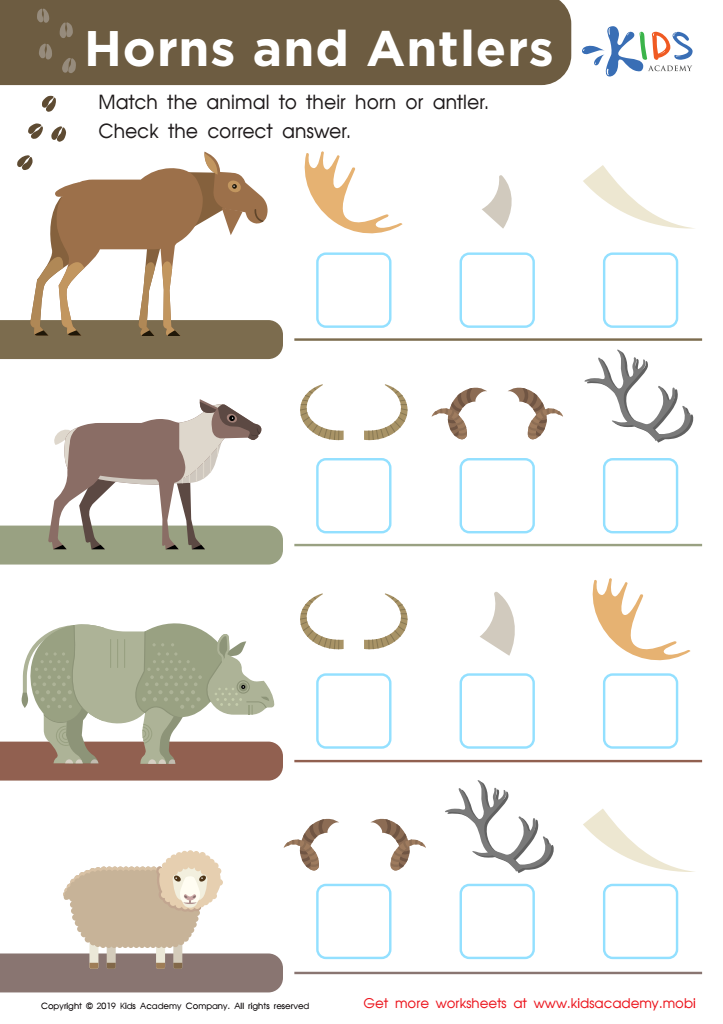
Horns and Antlers Worksheet
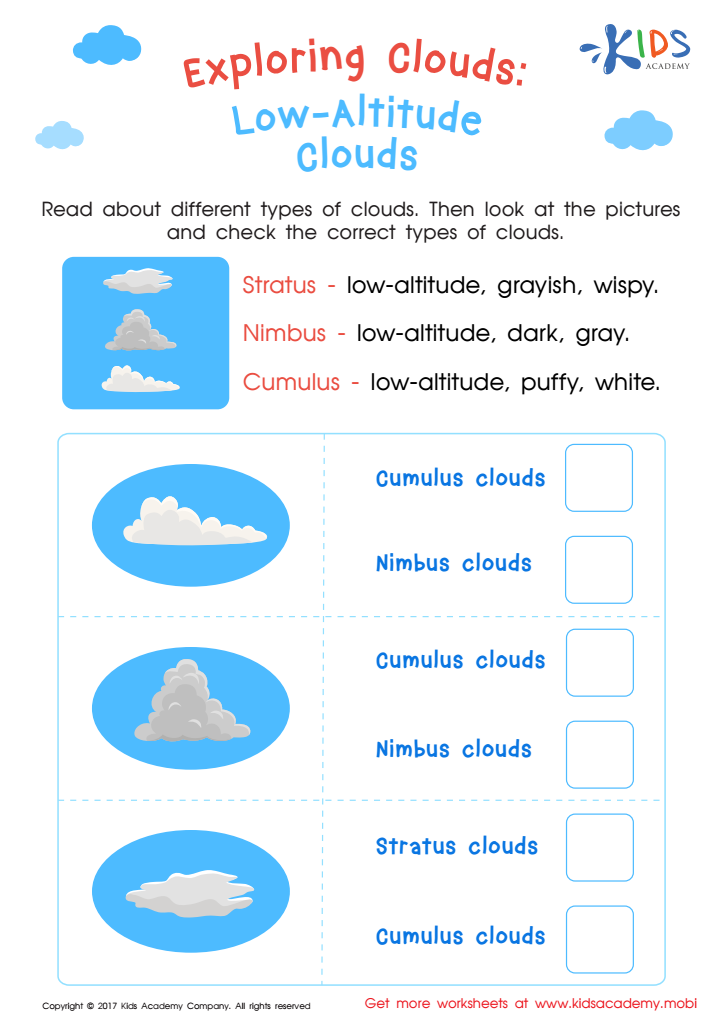
Exploring Clouds: Low Altitude Clouds Printable
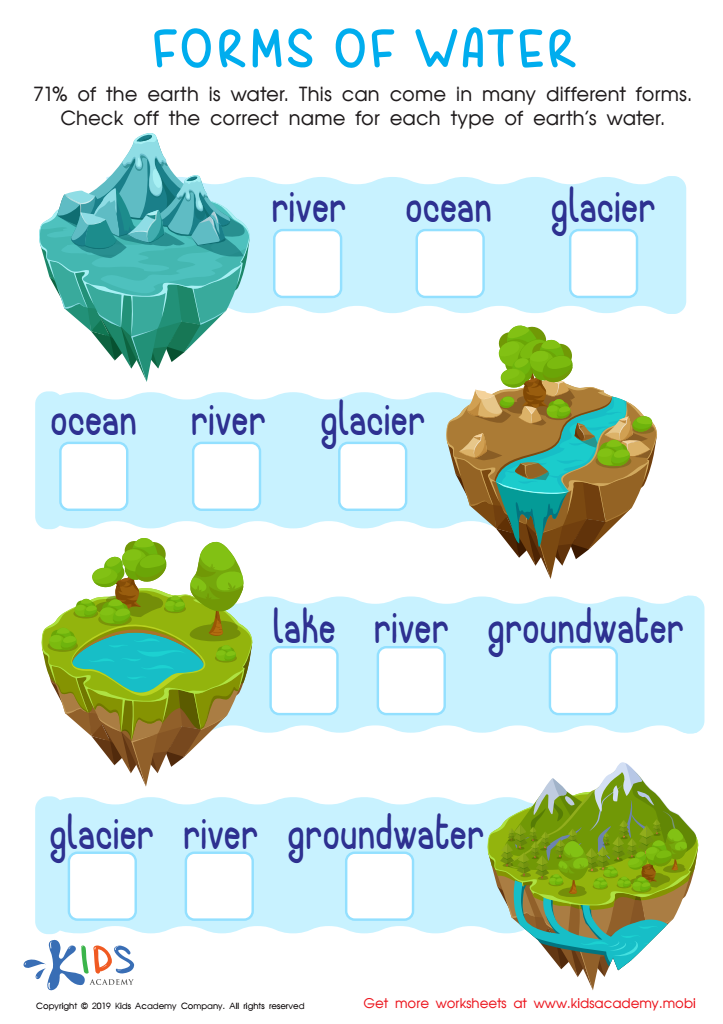
Forms of Water Worksheet
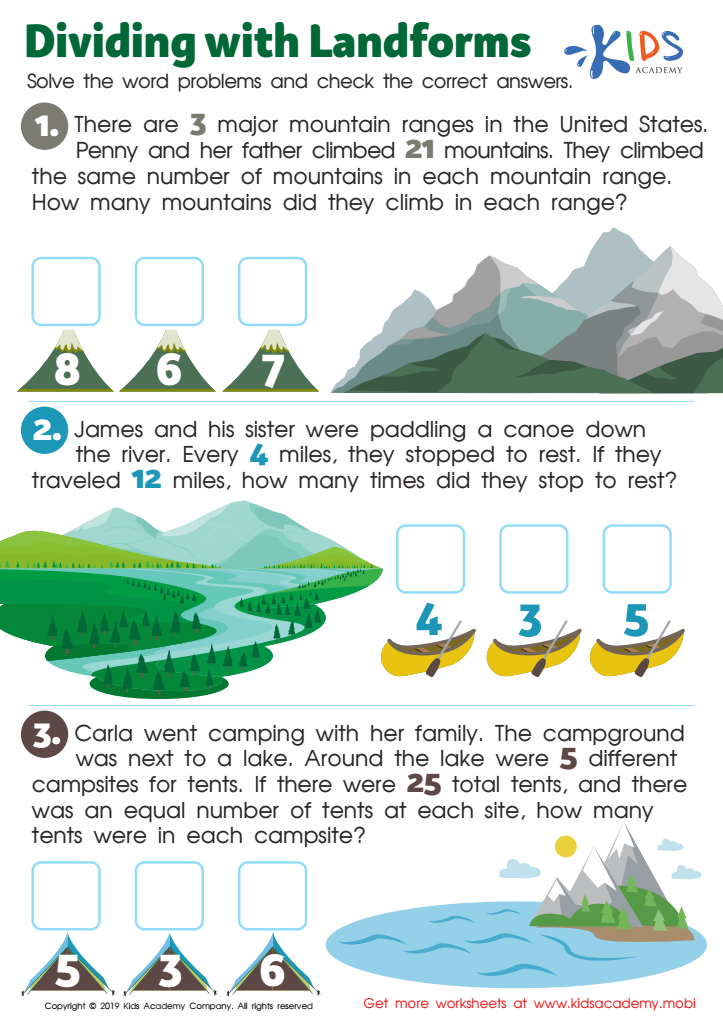
Dividing with Landforms
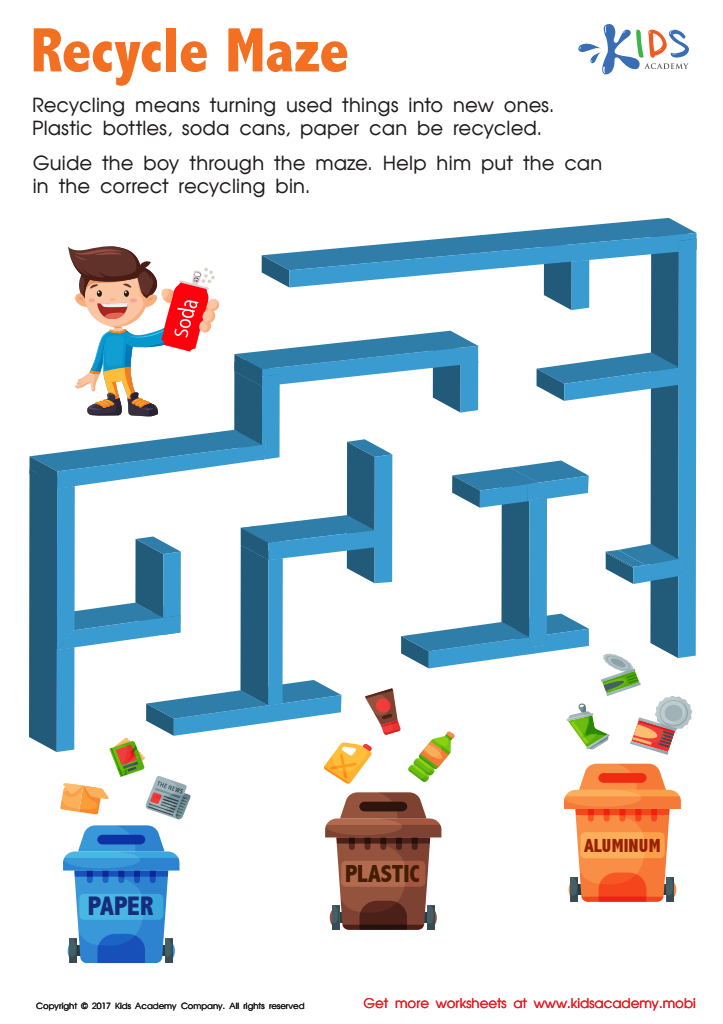
Recycle Maze Worksheet





Parents and teachers should prioritize teaching children ages 7-9 about our planet and environment because this is a formative period when foundational habits and attitudes develop. Instilling an appreciation for nature and environmental stewardship at a young age lays the groundwork for responsible and empathetic behavior throughout a child's life. This age group is naturally curious and eager to learn, making it an optimal time to introduce concepts such as recycling, conservation, and the impact of humans on the Earth.
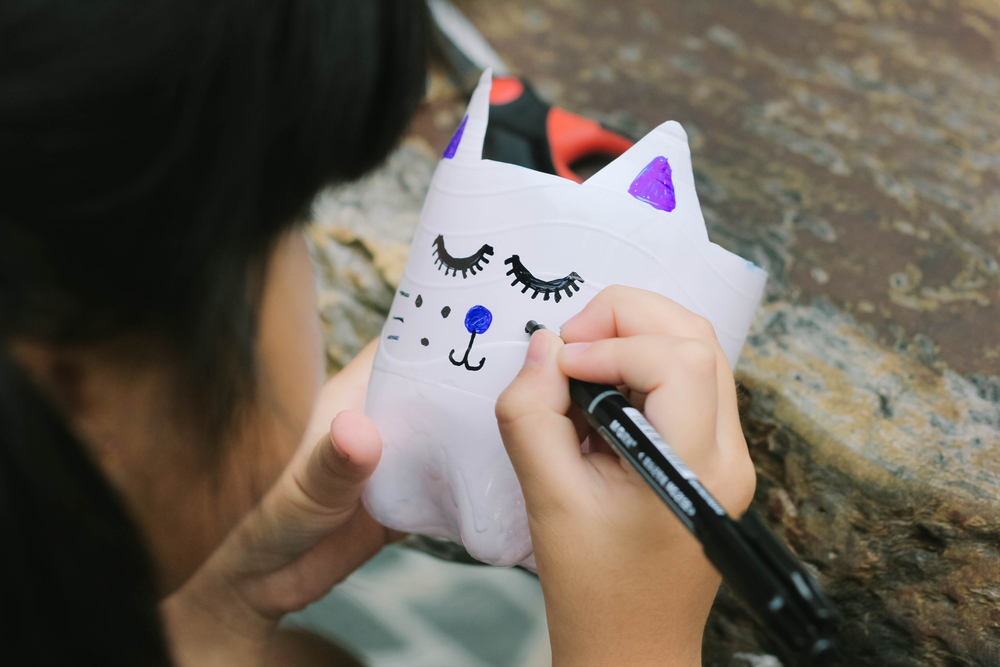
Encouraging environmental awareness also helps children understand the importance of sustainability and resource management. By incorporating fun, interactive activities like nature walks, recycling projects, and garden planting, parents and teachers can make learning engaging and tangible. These activities not only teach scientific and ecological principles but also foster a sense of responsibility and care for the world they live in.
Moreover, early environmental education supports the development of problem-solving skills and critical thinking. Children learn to ask questions, make observations, and find creative solutions to environmental issues. This prepares them to be informed citizens who can contribute positively to their communities. Ultimately, cultivating environmental awareness in young children helps ensure the health and well-being of future generations and the planet itself.







