Problem-Solving Skills Normal Worksheets for 7-Year-Olds - Page 3
63 filtered results
-
From - To
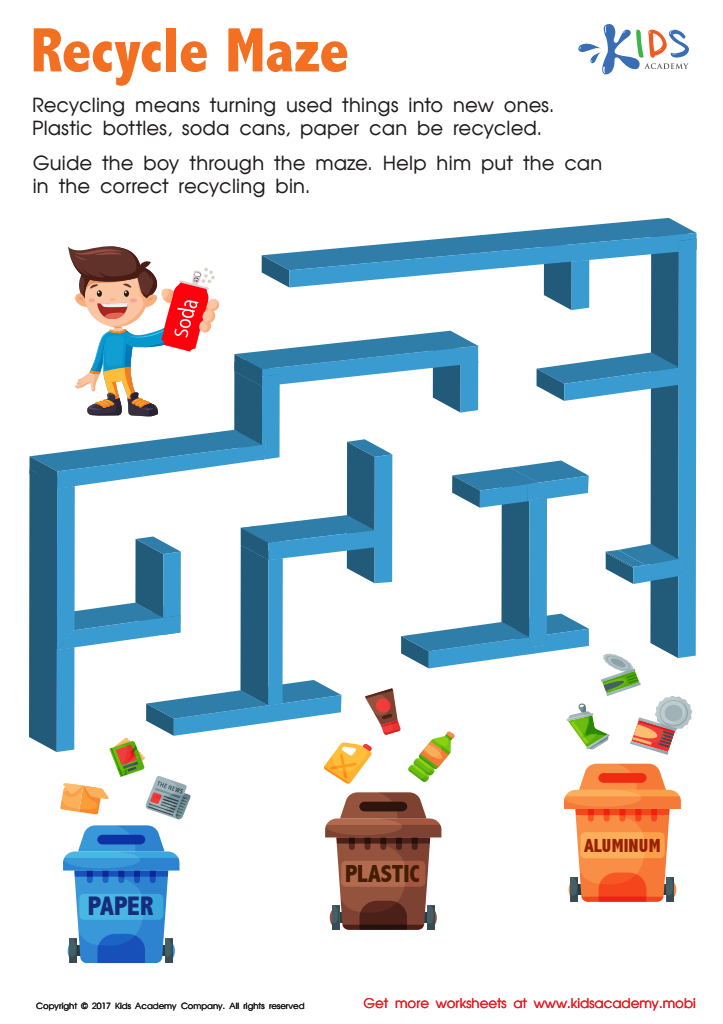
Recycle Maze Worksheet
 Assign to My Students
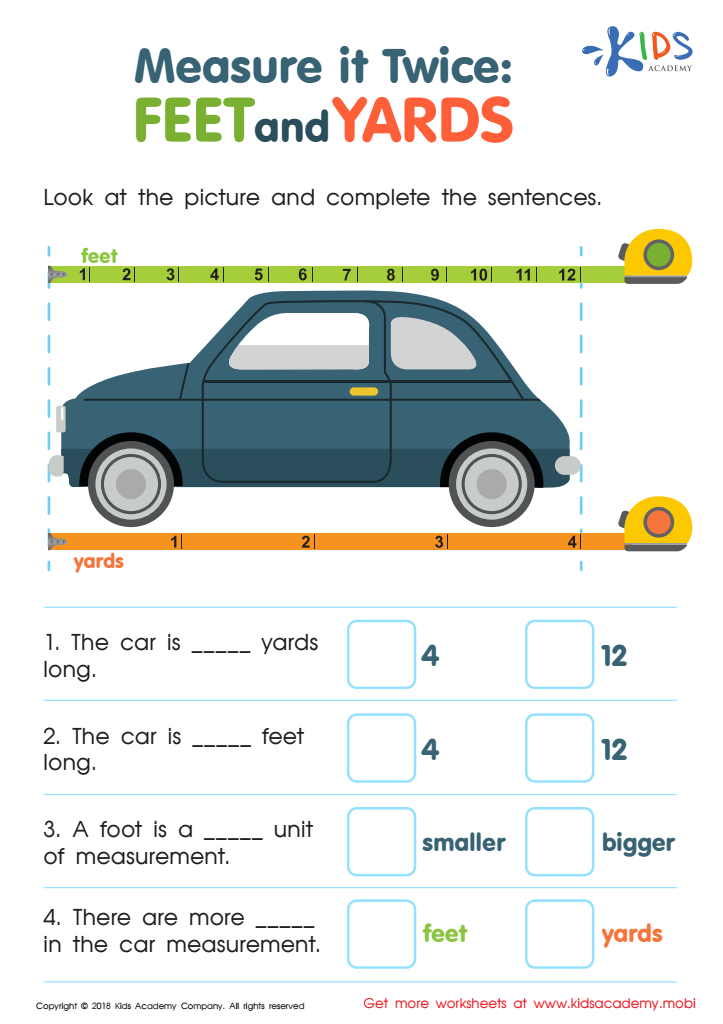
Measure It Twice: Feet and Yards Worksheet
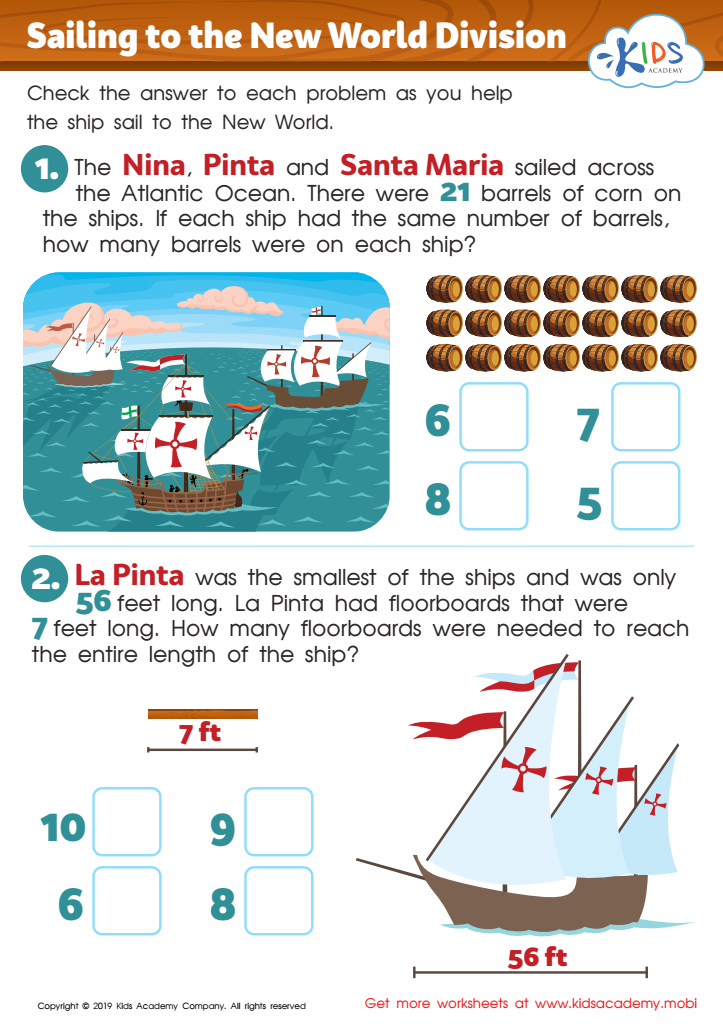
Sailing to the New World Division Worksheet
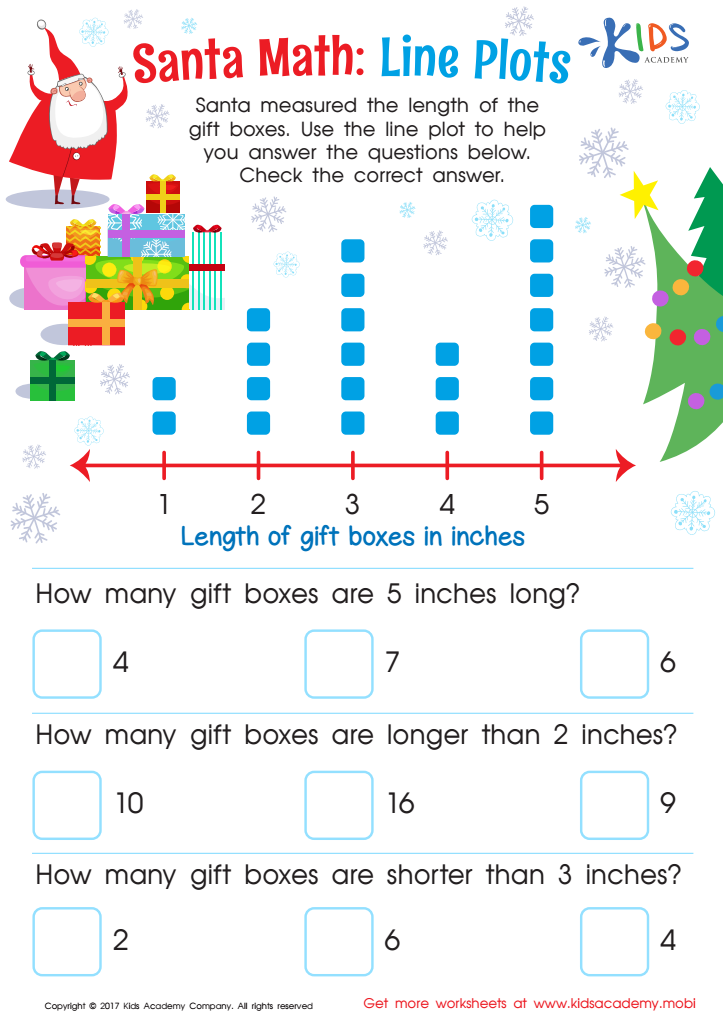
Line Plot Worksheet
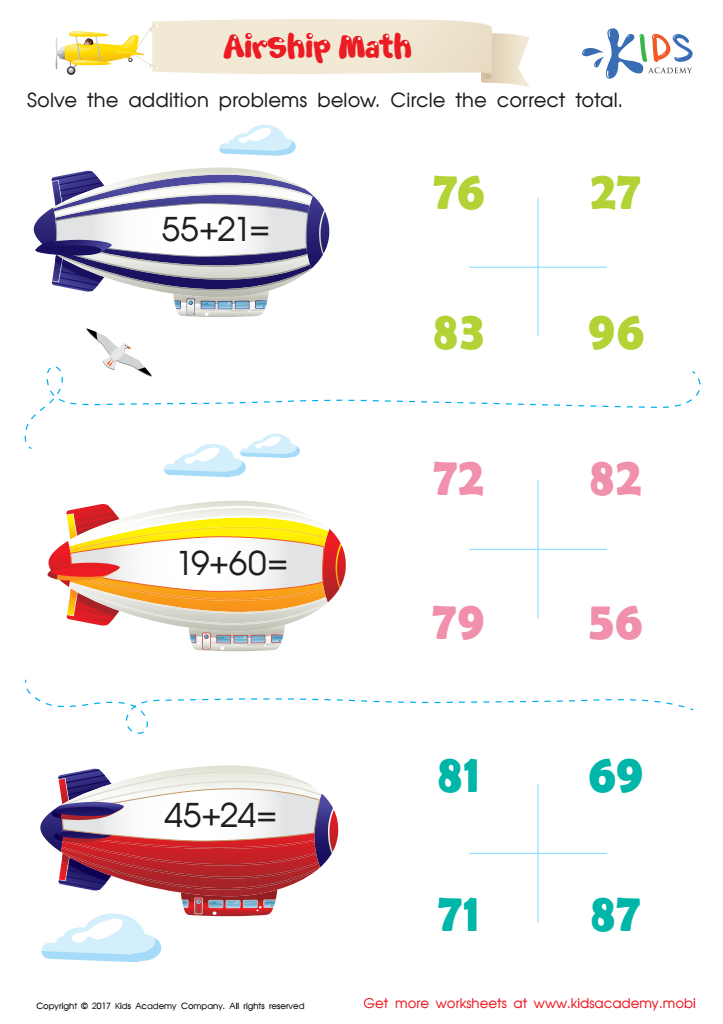
Airship Math Addition Printable
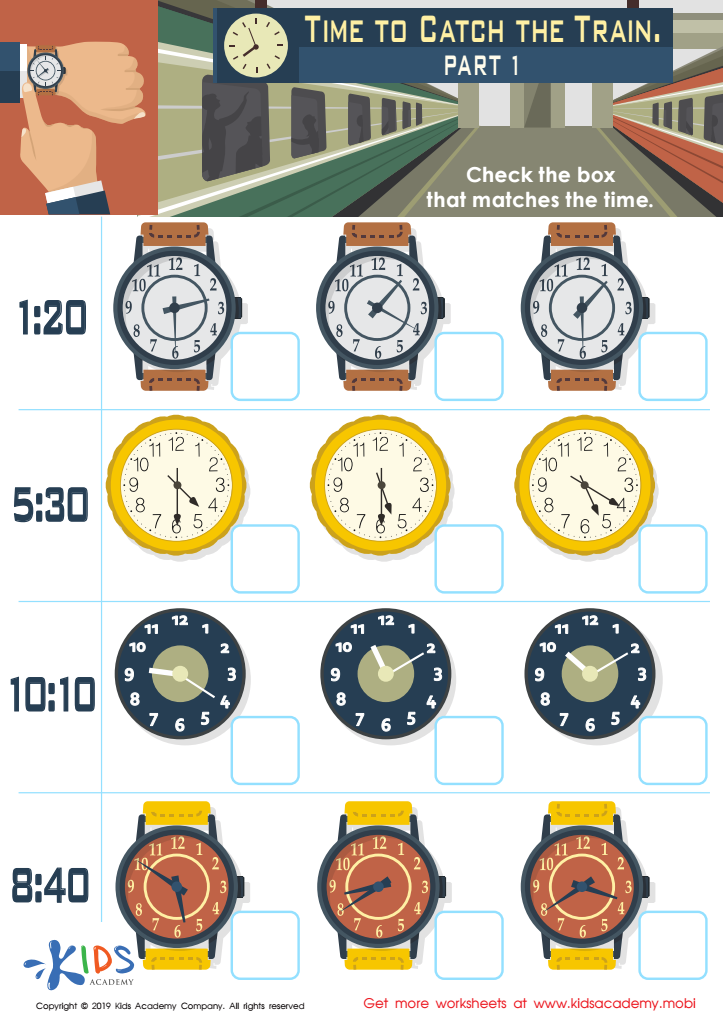
Time to Catch the Train Part 1 Worksheet
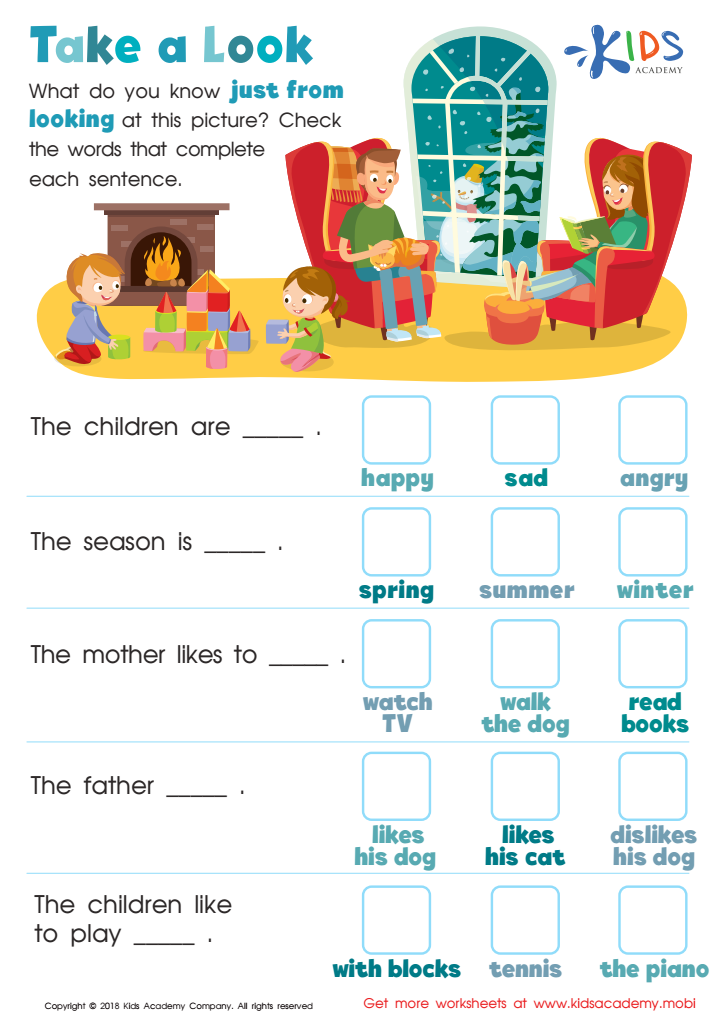
Take a Look - Part 1 Worksheet
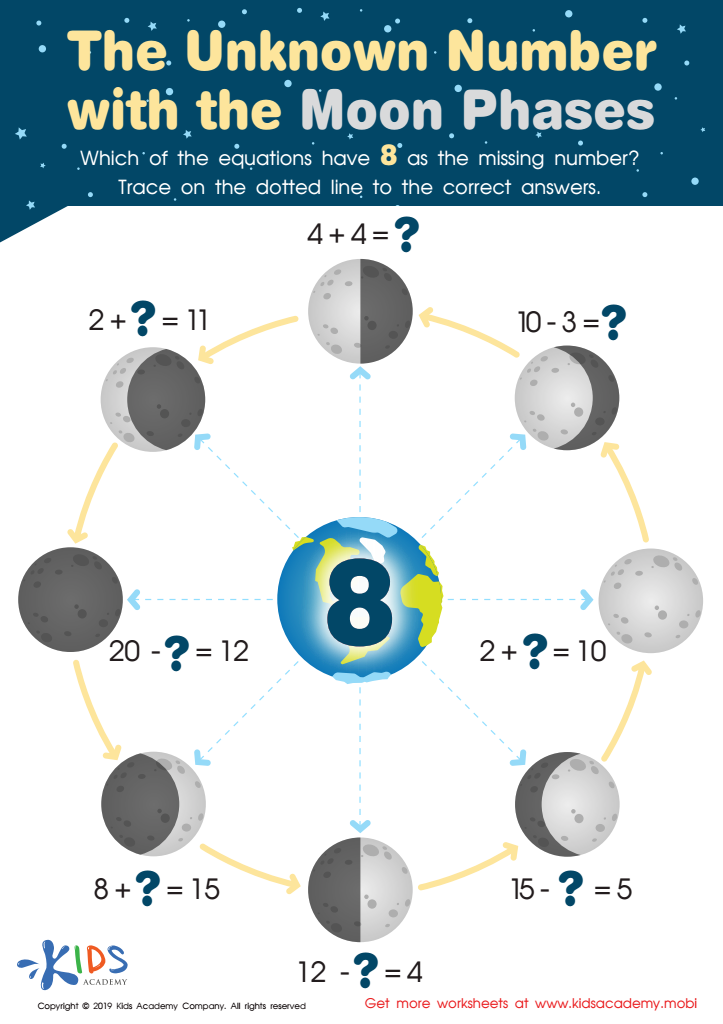
The Unknown Number with the Moon Phases Worksheet
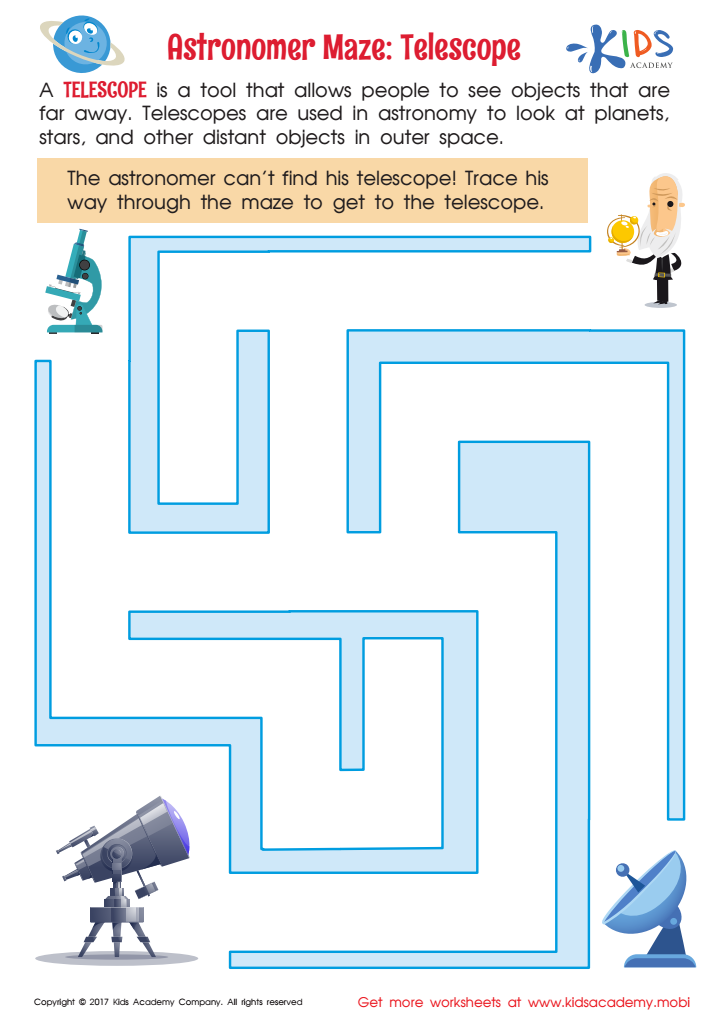
Astronomer Maze: Telescope Worksheet
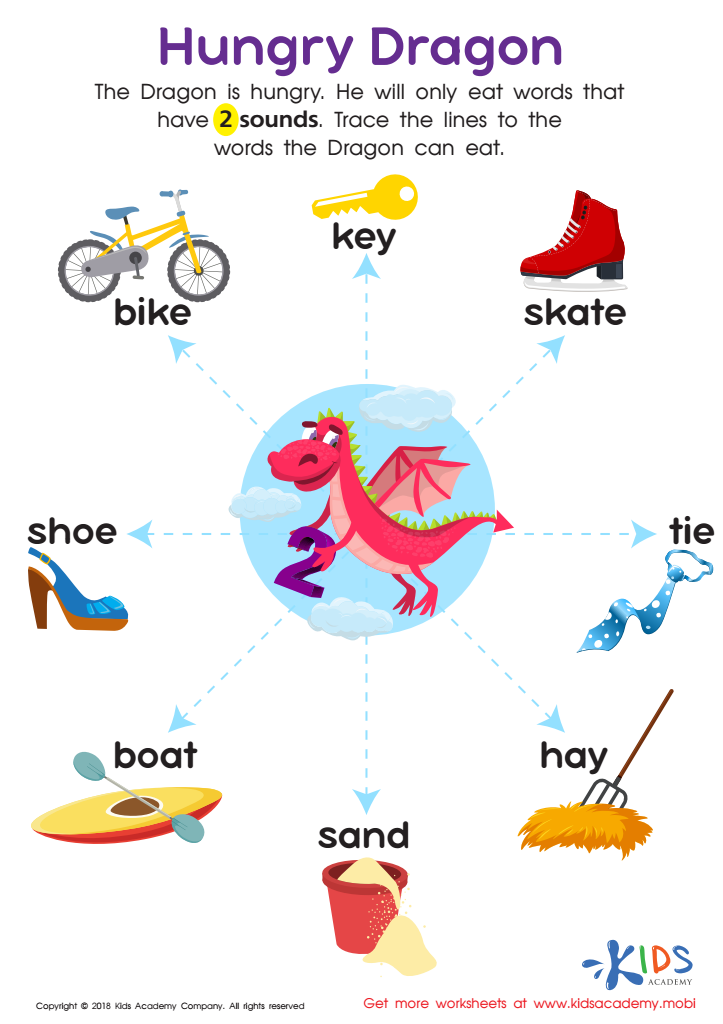
Hungry Dragon Worksheet
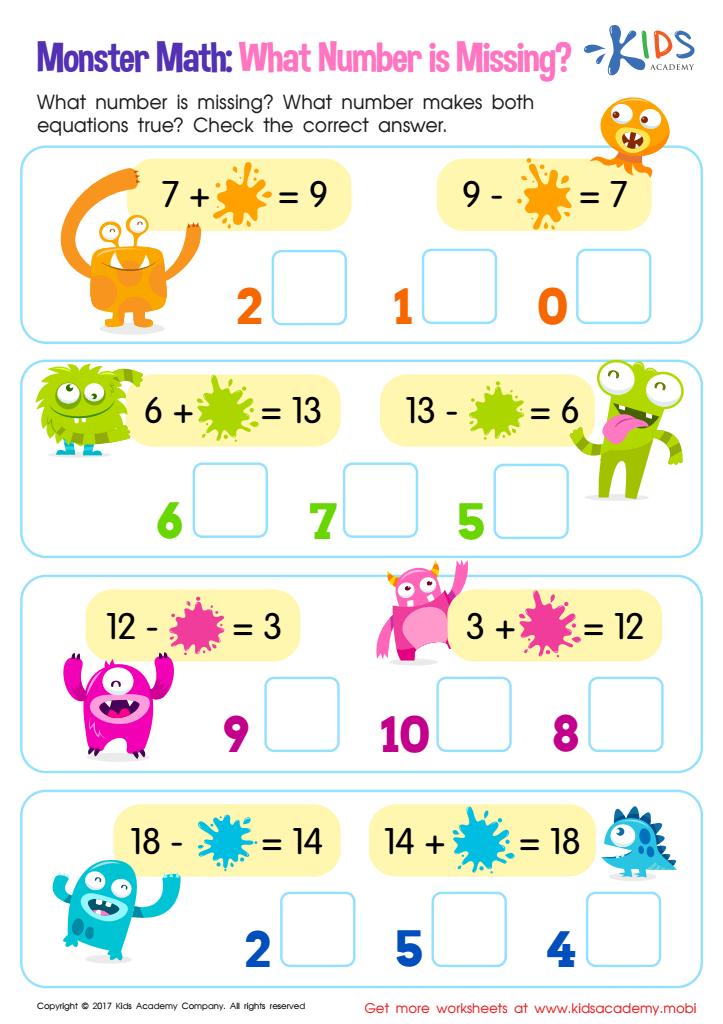
Missing Number: Monster Math Worksheet
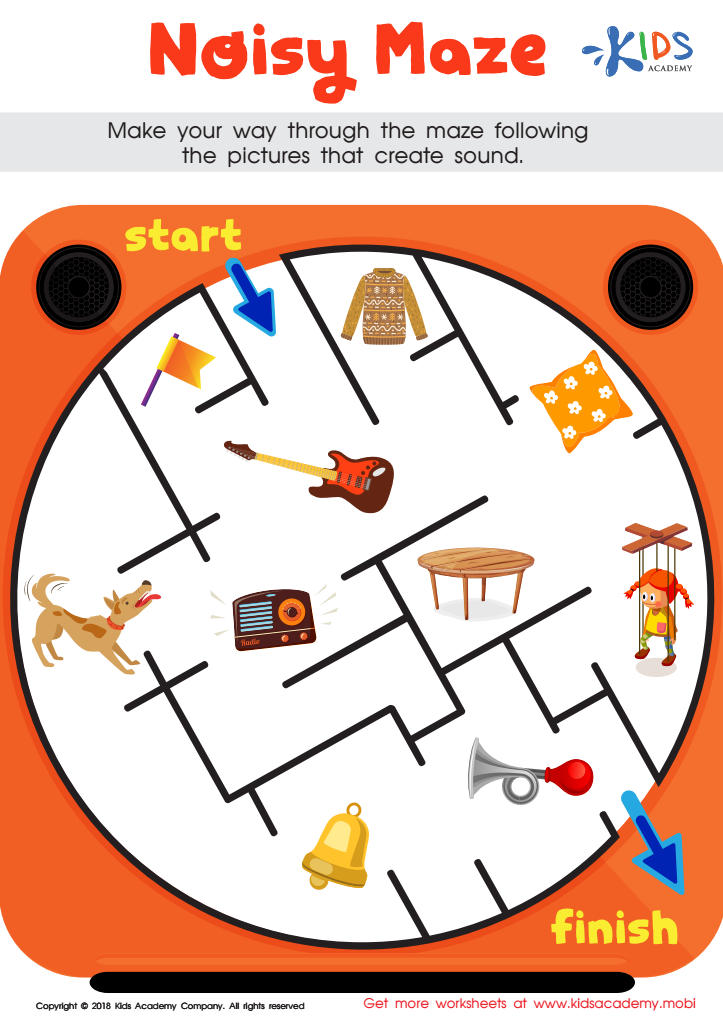
Noisy Maze Worksheet
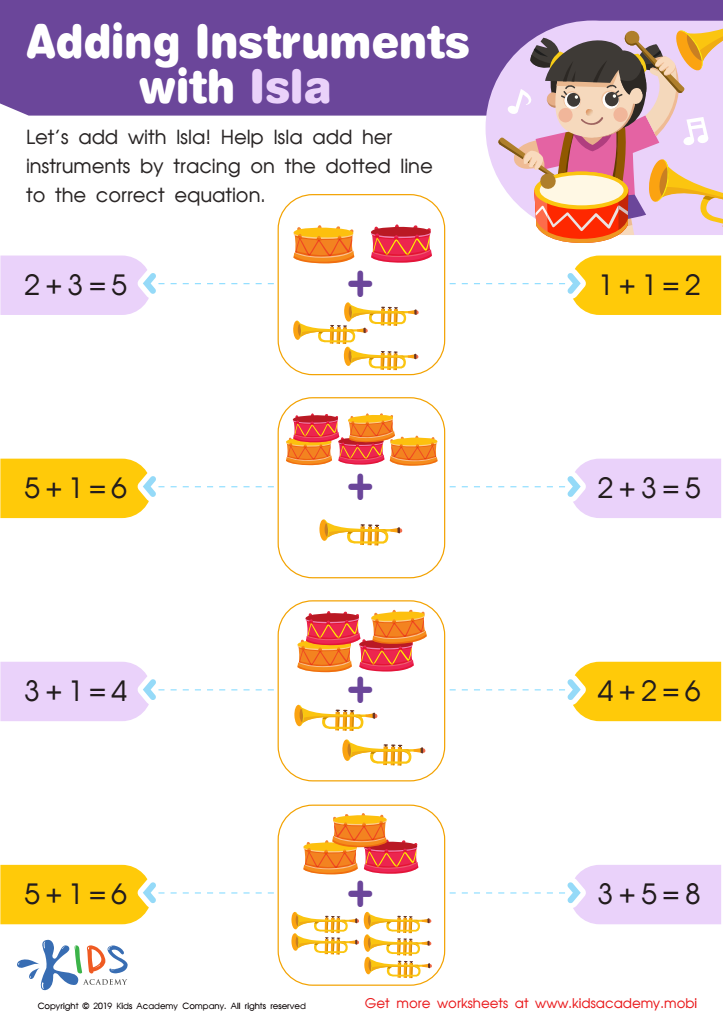
Adding Instruments with Isla Worksheet
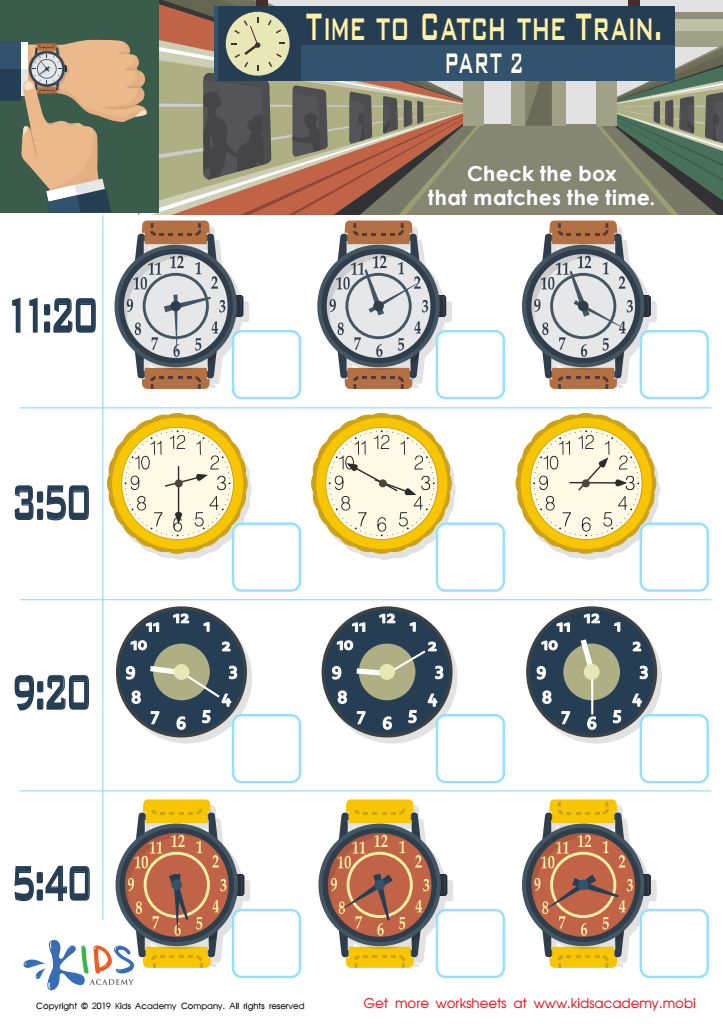
Time to Catch the Train Part 2 Worksheet


.jpg)



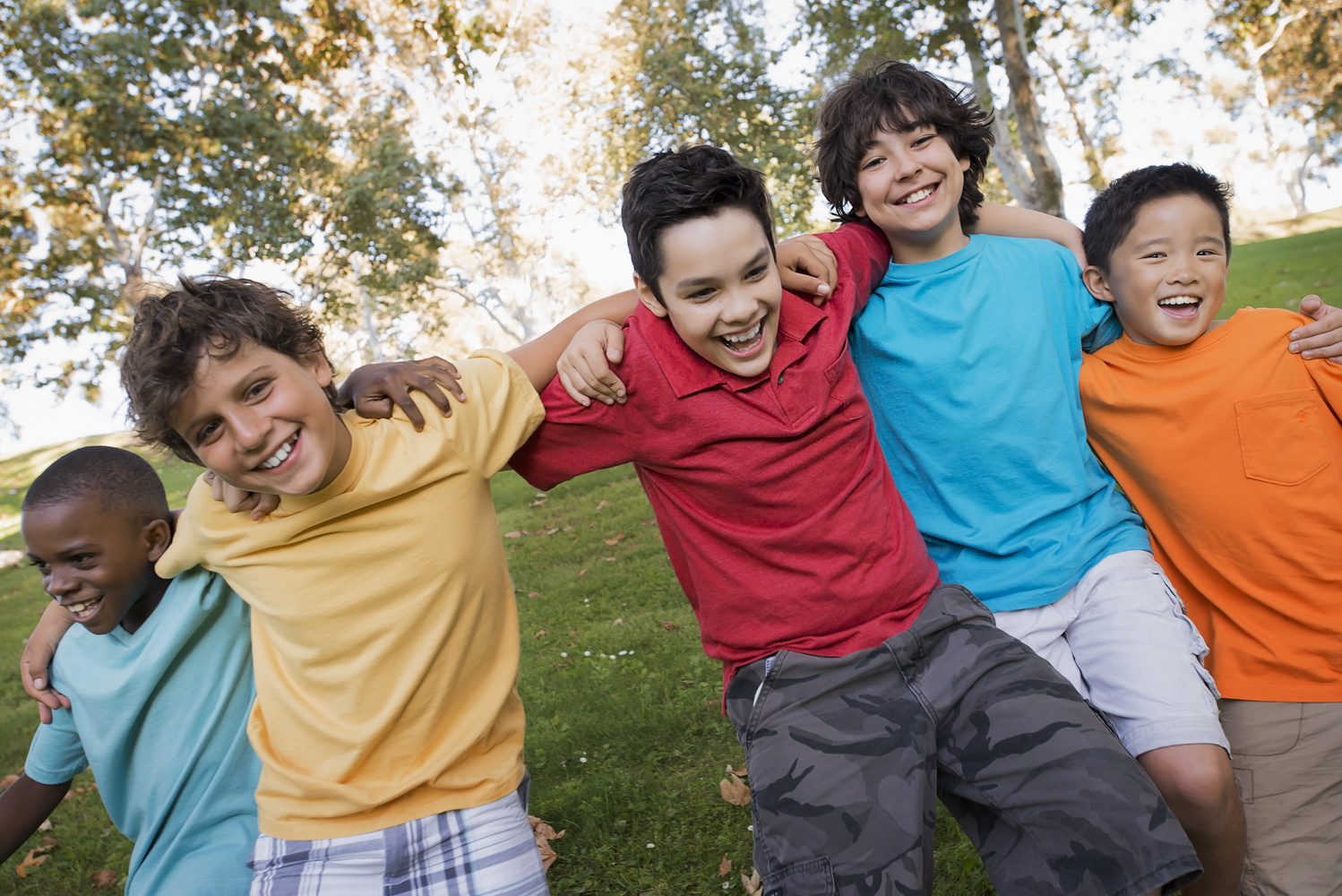
Parents and teachers should prioritize problem-solving skills for 7-year-olds because these skills form the foundation for critical thinking and effective decision-making. At this age, children begin to encounter challenges that require them to think independently, analyze situations, and devise solutions. Cultivating these abilities fosters creativity and adaptability, essential traits in our constantly changing world.
Furthermore, developing problem-solving skills enhances academic performance. Children learn to approach math word problems, science experiments, and social interactions with a strategic mindset. This can lead to greater confidence in their abilities and a willingness to tackle difficult tasks, ultimately fostering a love for learning.
Additionally, strong problem-solving skills promote emotional resilience. Children learn to cope with setbacks, evaluate various outcomes, and persist in finding solutions. This resilience is crucial for their mental well-being and overall development, preparing them for future challenges in school and life.
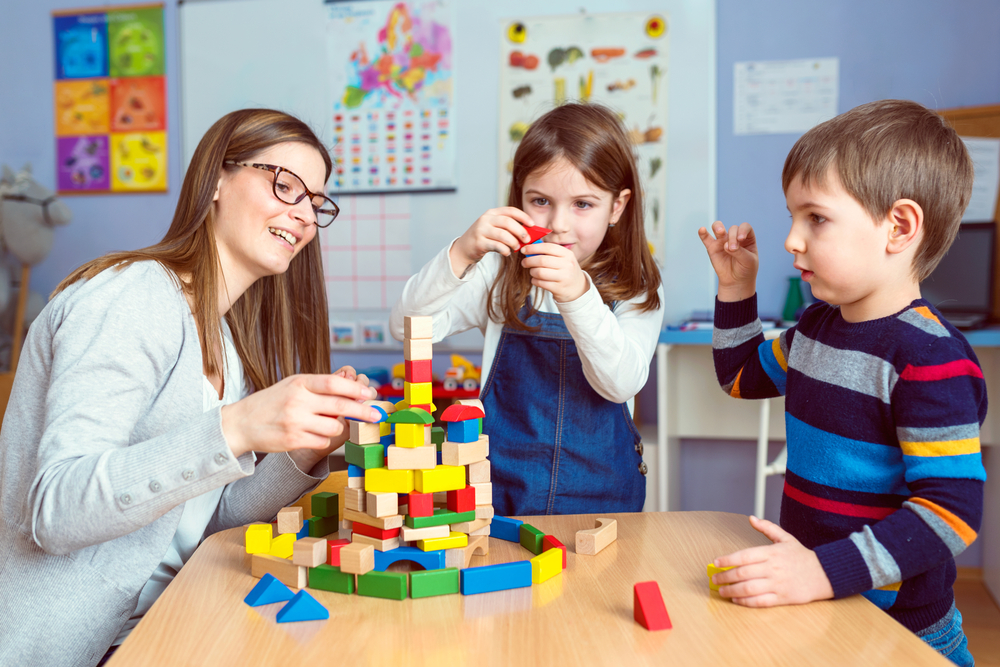
Lastly, fostering these skills in young children encourages collaboration and communication. As they work through problems in groups, they learn to listen, share ideas, and negotiate — abilities that are vital for nurturing positive relationships. In essence, supporting the development of problem-solving skills in 7-year-olds benefits their academic, emotional, and social growth.








