Number Recognition Normal Math Worksheets for Ages 8-9 - Page 2
31 filtered results
-
From - To
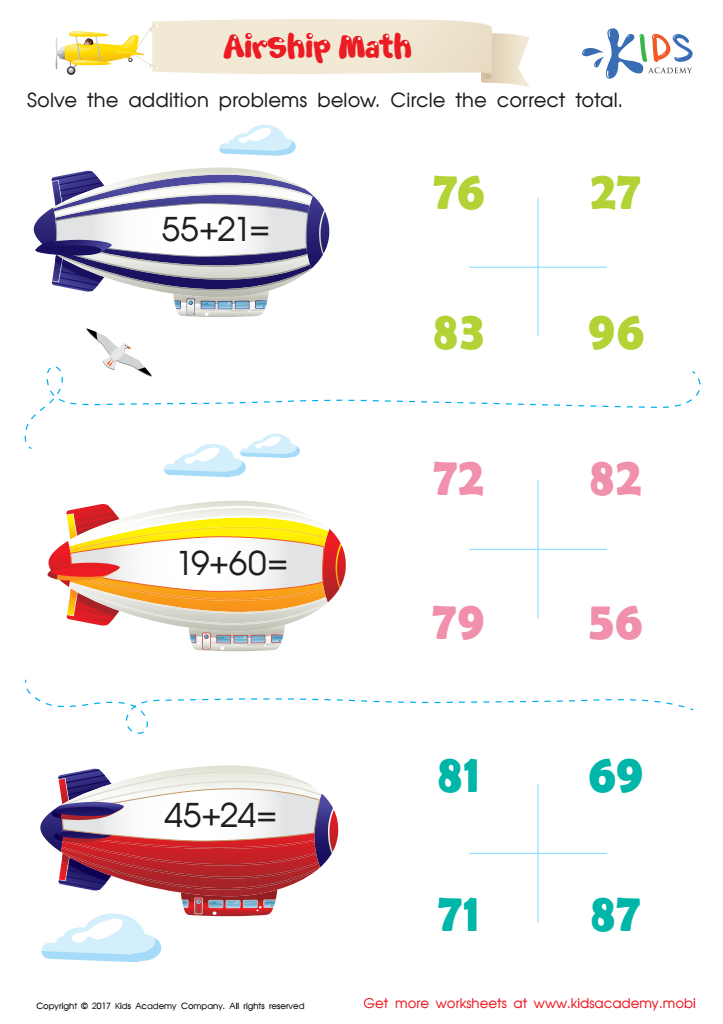
Airship Math Addition Printable
 Assign to My Students
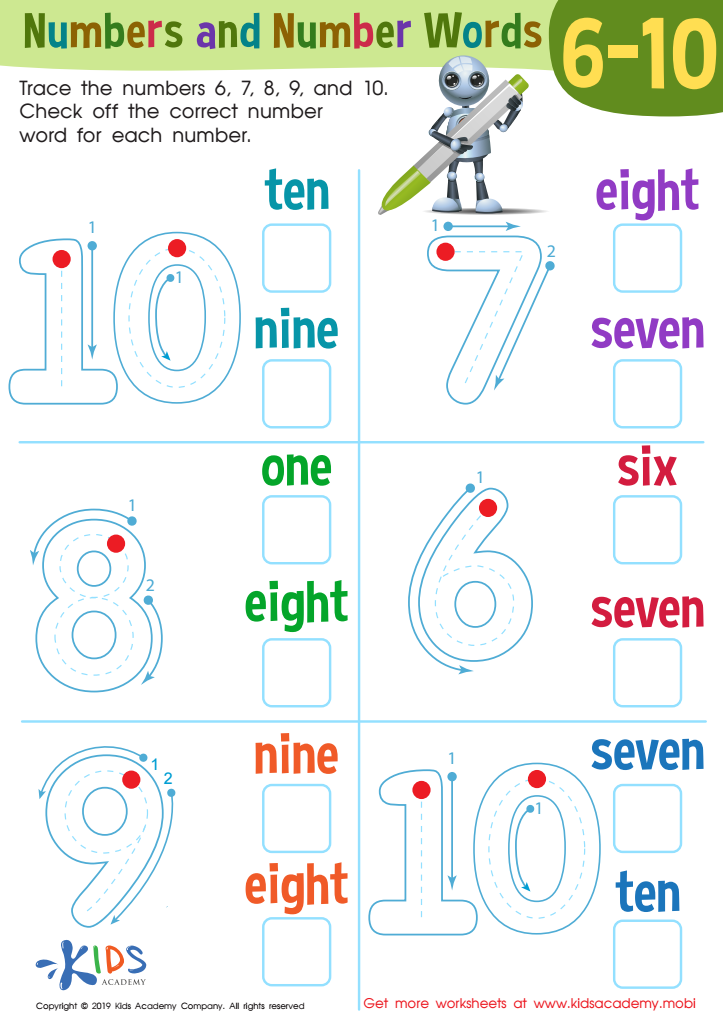
Numbers and Number Words 6–1 Worksheet
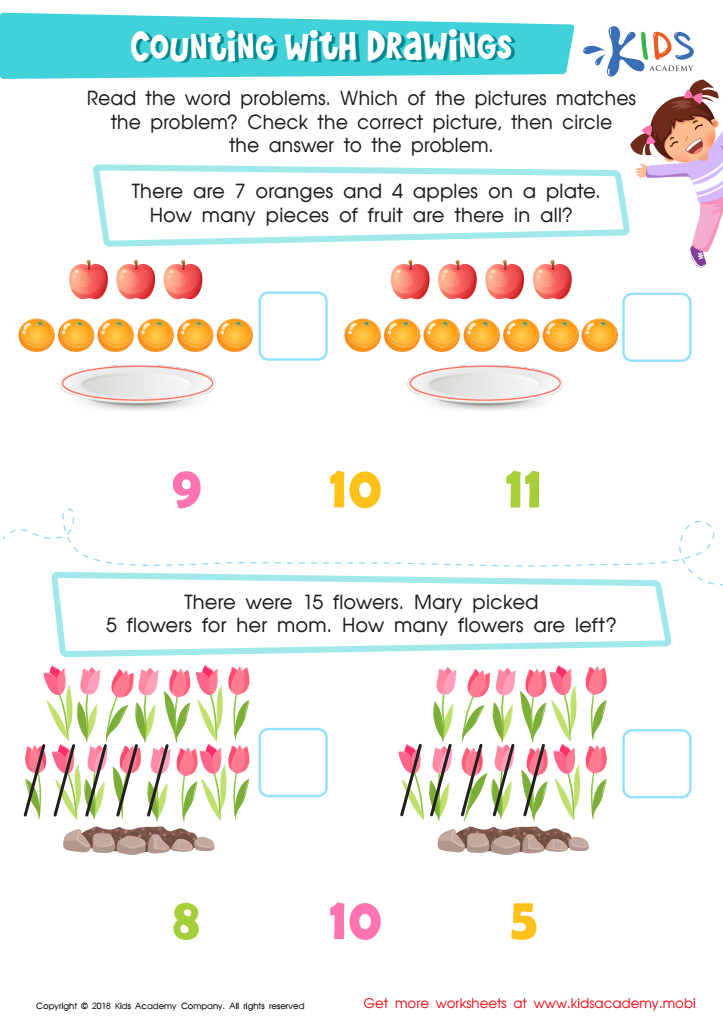
Counting with Drawings:Fruits & Flowers Worksheet
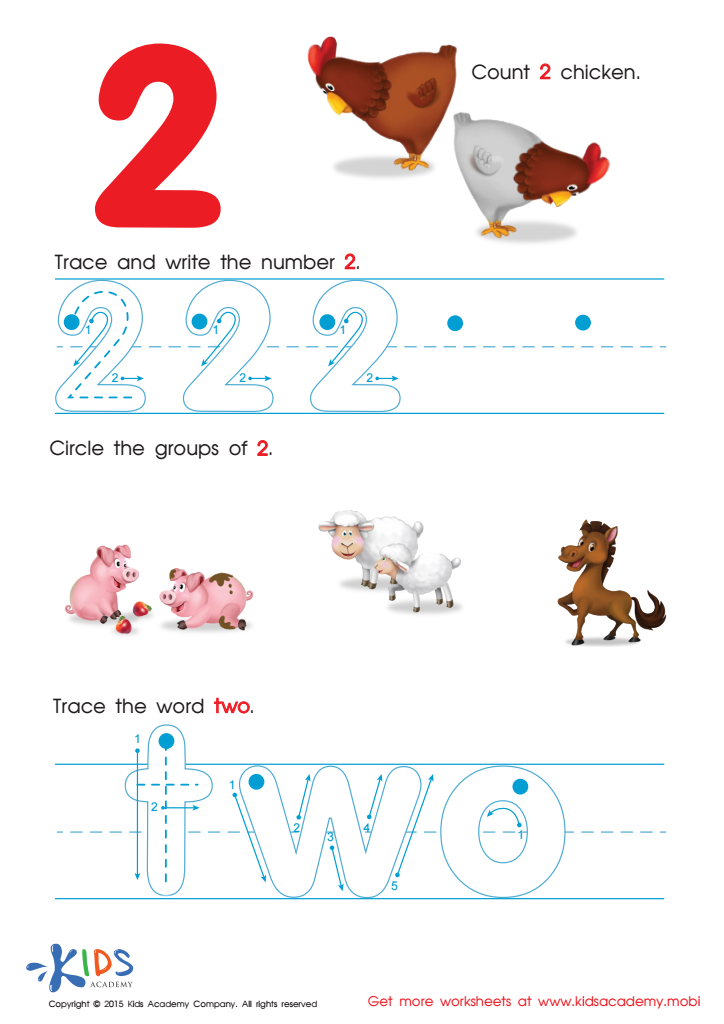
Learn to Write the Number 2 Worksheet
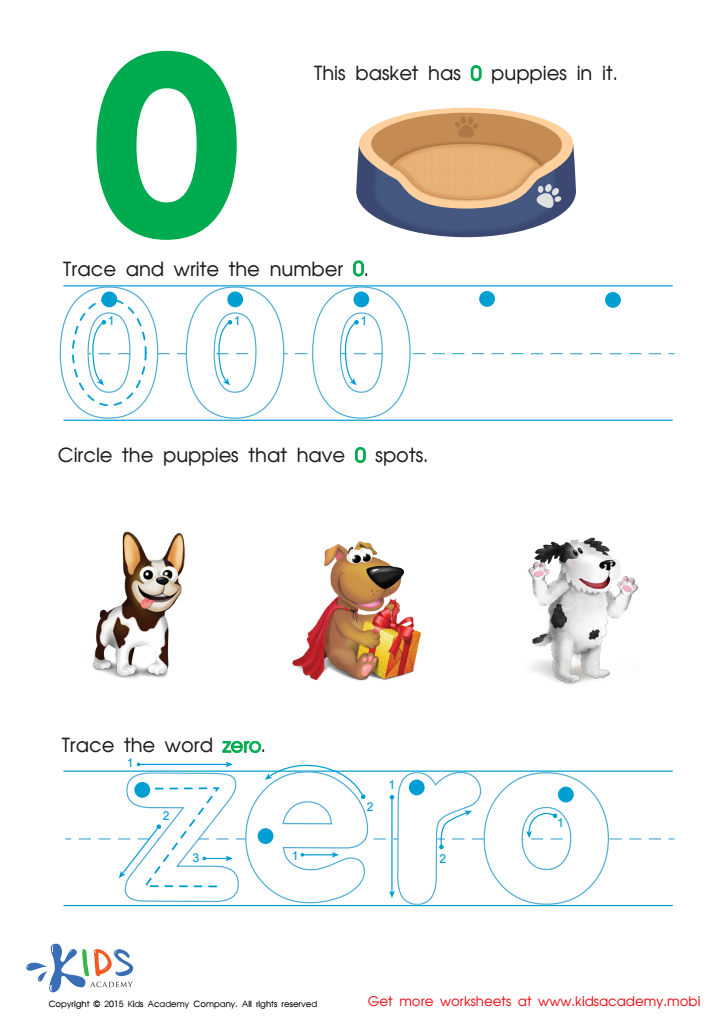
Trace And Write Number 0 Worksheet
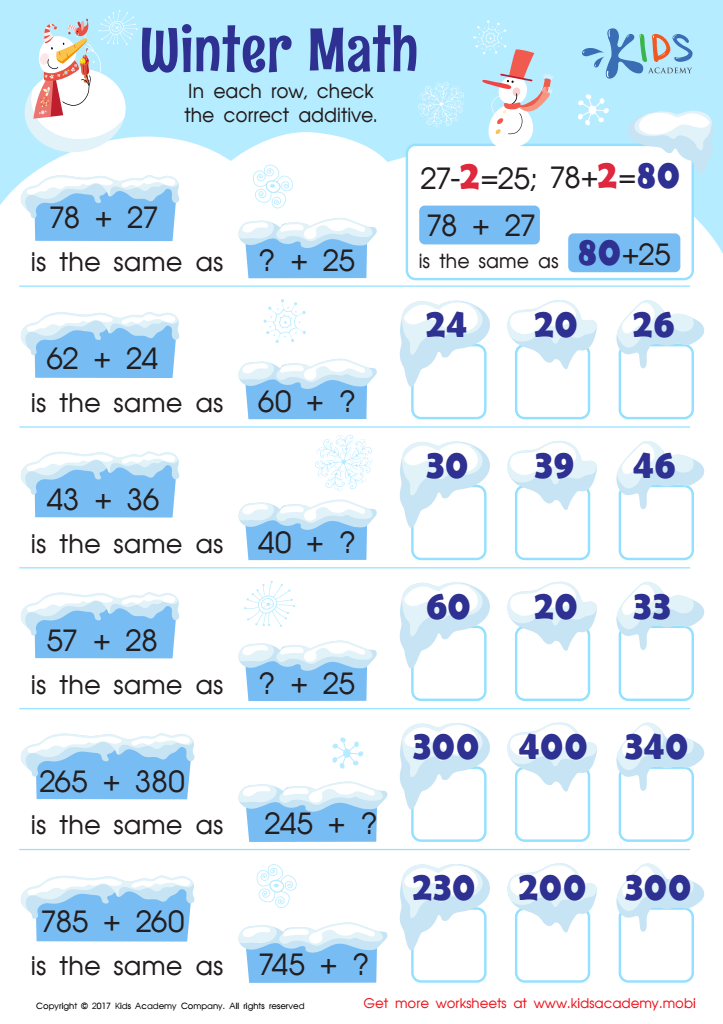
Free Addition Worksheet
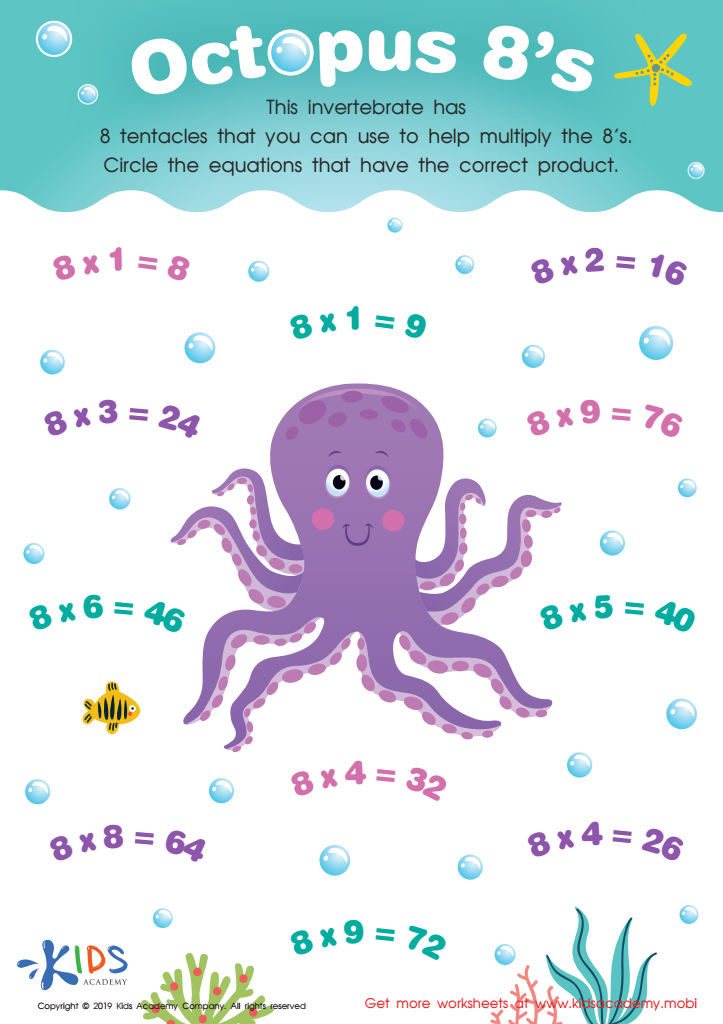
Octopus 8’s Worksheet


%20(1).jpg)


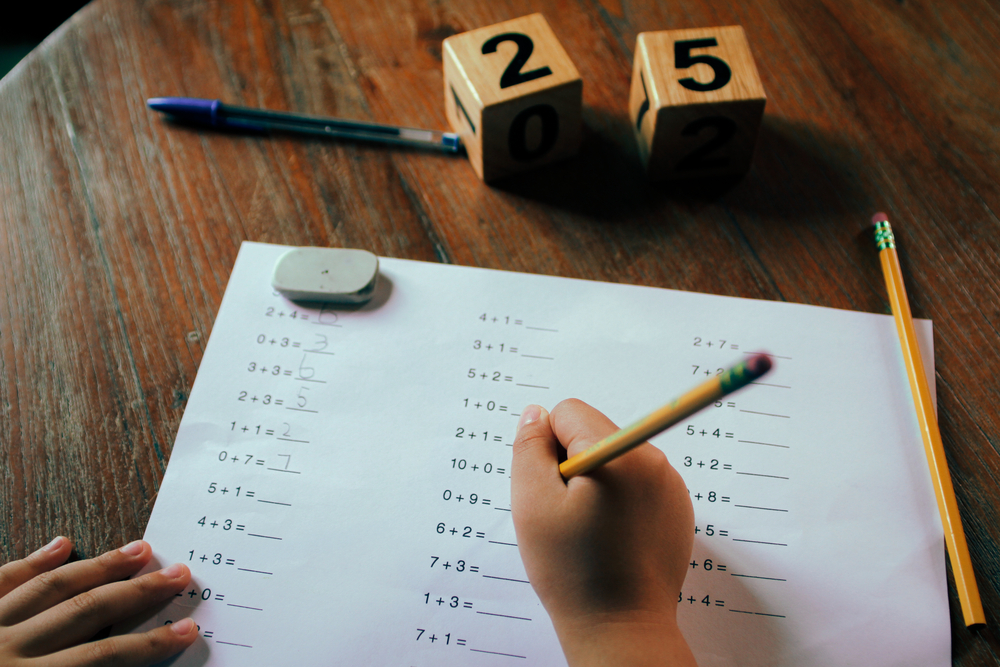


Number recognition is a foundational skill critical for the mathematical development of children aged 8-9. At this stage, students transition from basic arithmetic to more complex concepts, and a strong understanding of number recognition enhances their overall numeracy. When children readily identify and understand numbers, they build confidence, enabling them to tackle more advanced math topics like multiplication, division, fractions, and even early algebra.
For parents and teachers, fostering number recognition is essential because it serves several educational goals. Firstly, it promotes cognitive development; children learn to categorize and order numbers, facilitating problem-solving skills. Secondly, strong number recognition can lead to better mathematical fluency, which is crucial for future learning and standardized testing.
Involving parents in this process can create a supportive learning environment at home. Simple activities like number games, puzzles, or counting exercises reinforce lessons learned in the classroom. Educators can implement engaging classroom strategies to ensure all students recognize numbers comfortably. Involving both parents and teachers ensures a cohesive learning approach. Ultimately, prioritizing number recognition in this age group can lay a solid foundation for future academic success, enabling children to navigate more advanced mathematical concepts with ease and confidence.








