Understanding fractions Normal Math Worksheets for Ages 8-9
14 filtered results
-
From - To
Discover our "Understanding Fractions" normal math worksheets designed specifically for ages 8-9! These engaging and interactive resources help young learners grasp the essential concepts of fractions in a simple and fun way. Our worksheets include a variety of exercises that cover identifying, comparing, and performing operations with fractions. With clear instructions and colorful visuals, students will enjoy enhancing their math skills and building confidence. Perfect for classroom use or at-home practice, these worksheets align with educational standards, making learning enjoyable. Explore our collection to support your child's journey into the world of fractions! Enhance their understanding today!
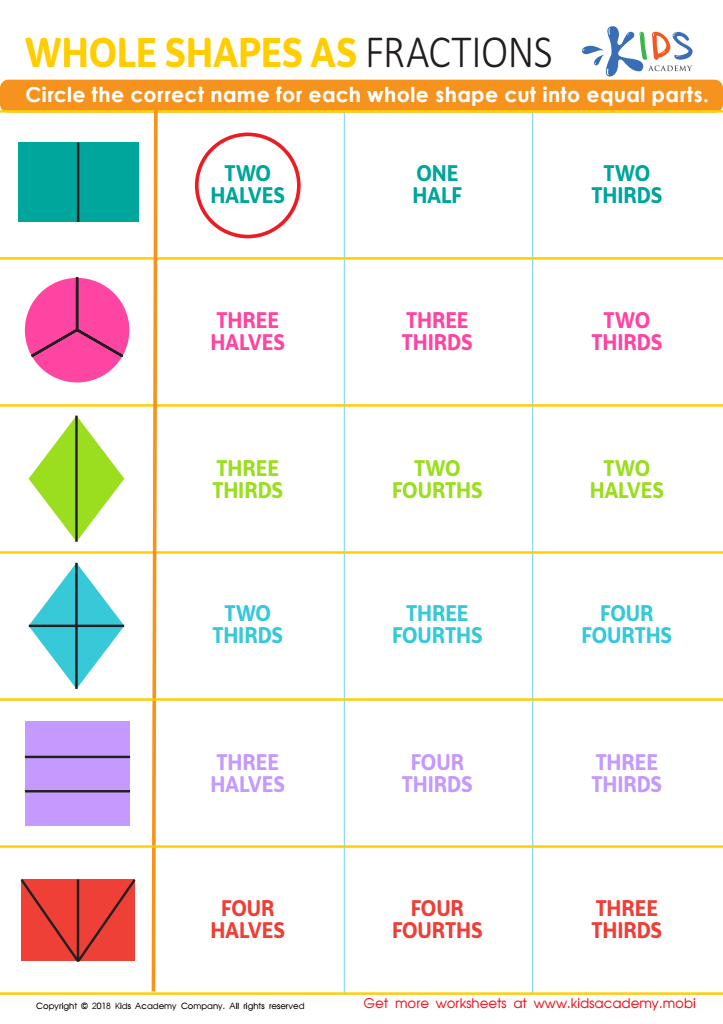
Whole Shapes as Fractions Worksheet
 Assign to My Students
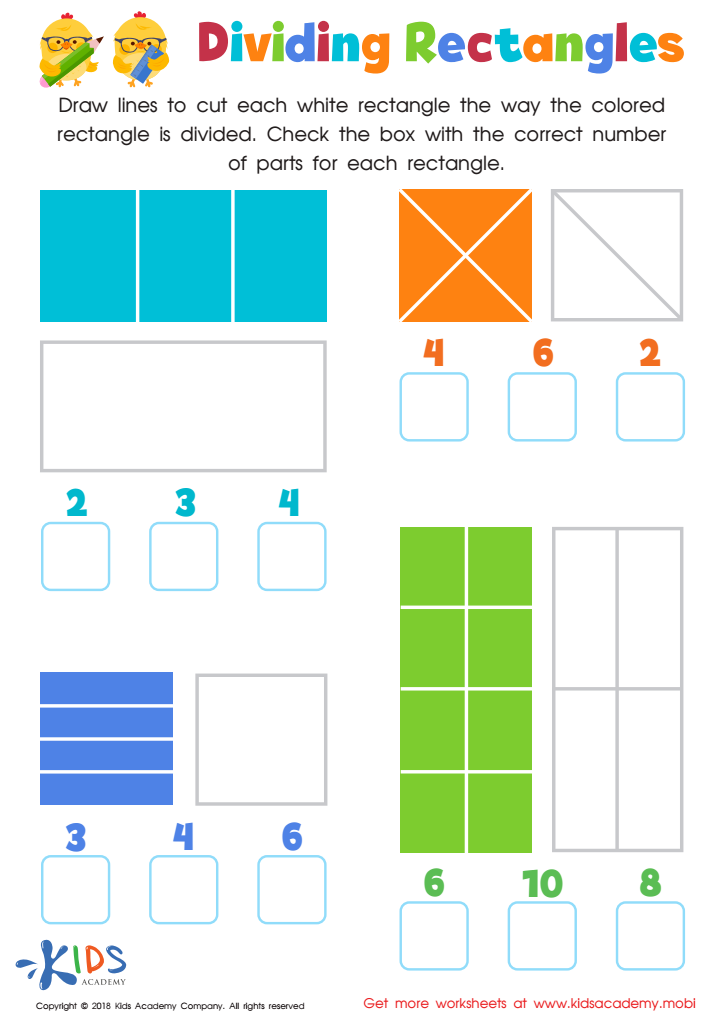
Dividing Rectangles Worksheet
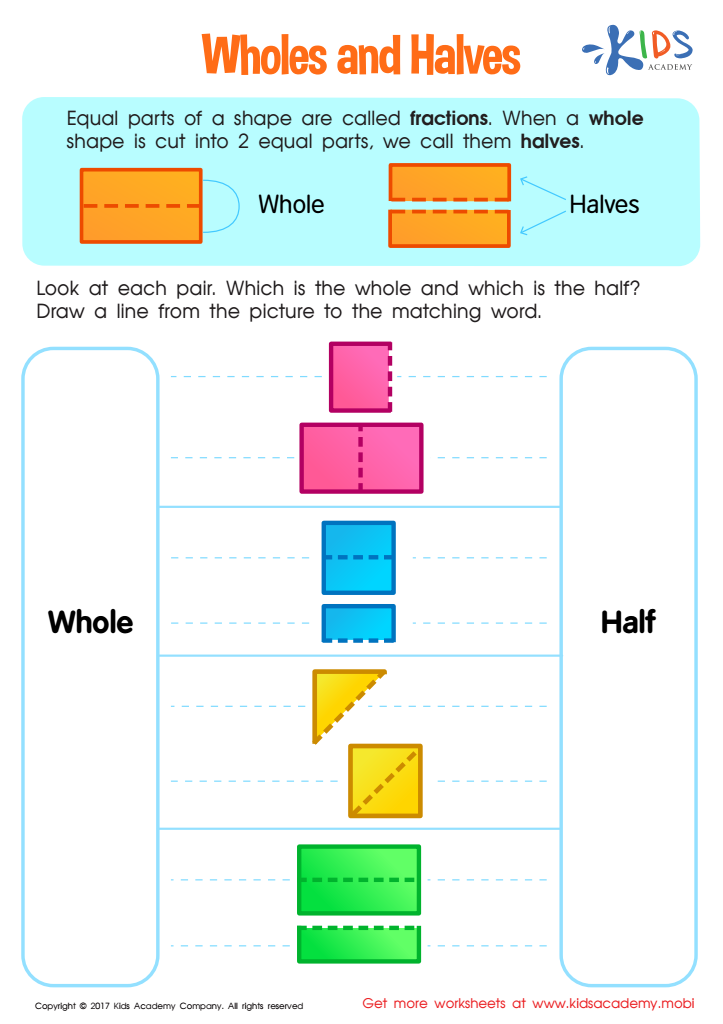
Wholes and Halves Worksheet
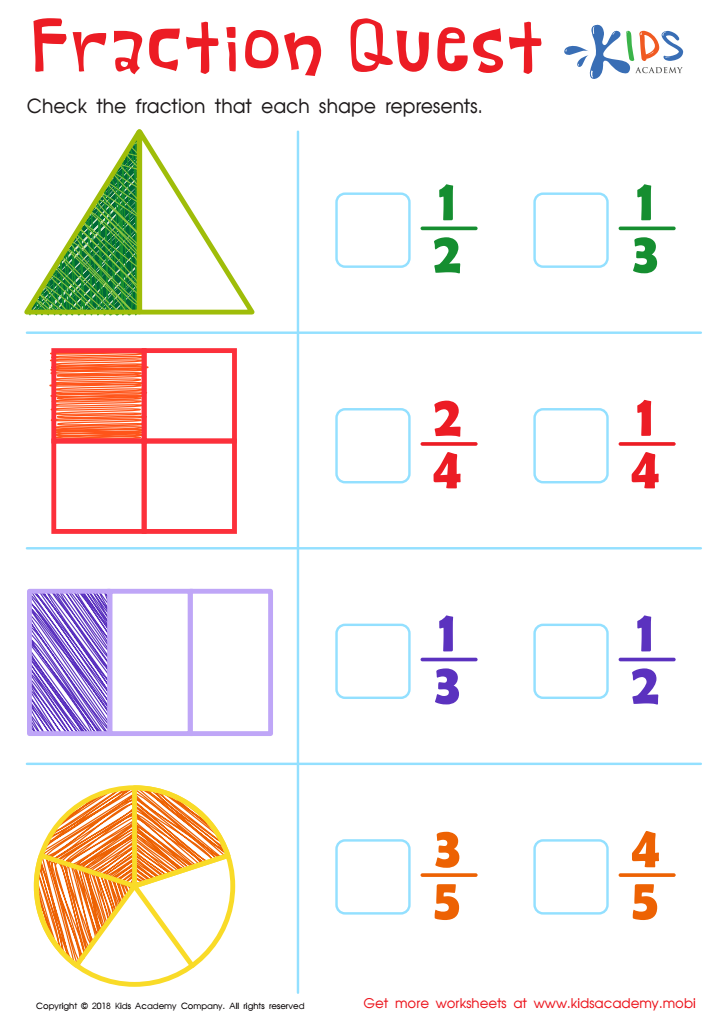
Fraction Quest Worksheet
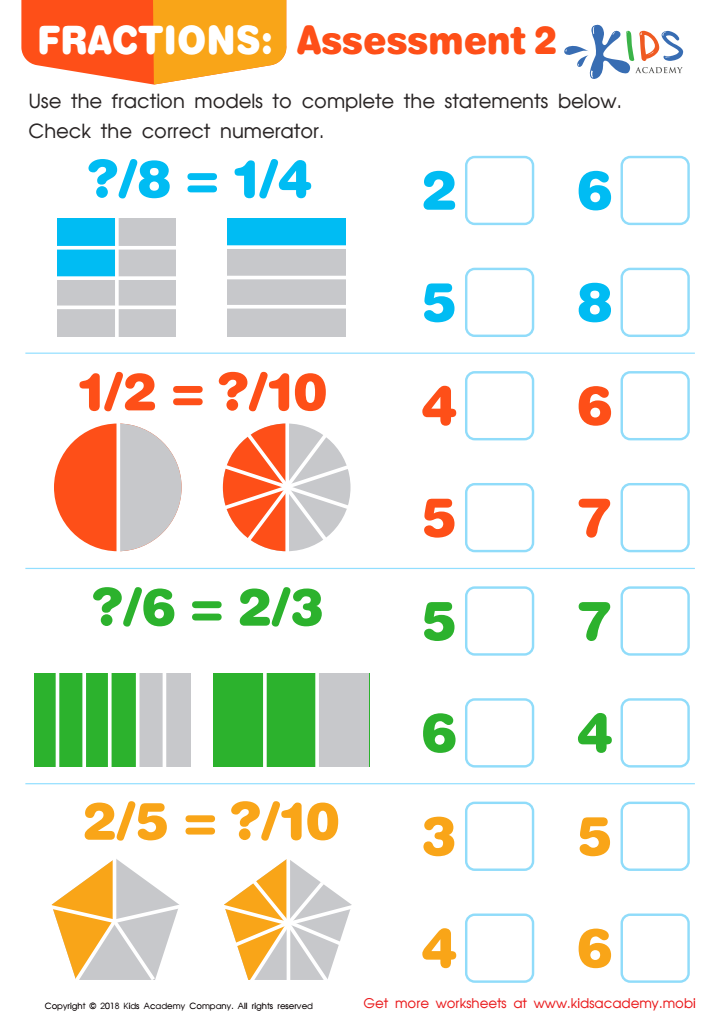
Fractions: Assessment 2 Worksheet
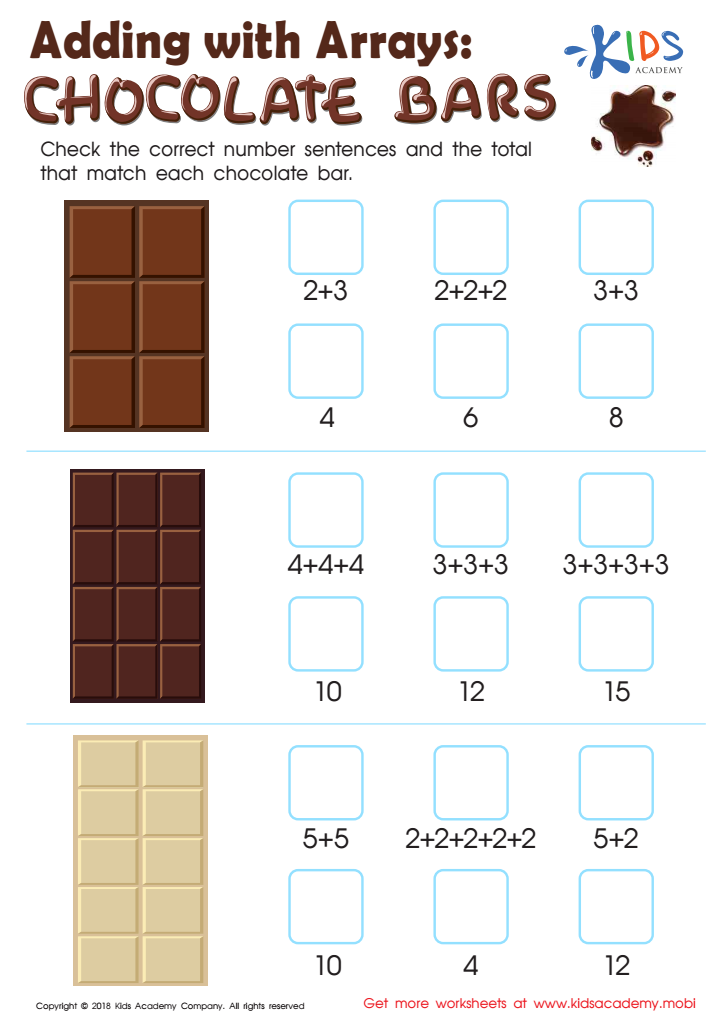
Adding with Arrays: Chocolate Bars Worksheet
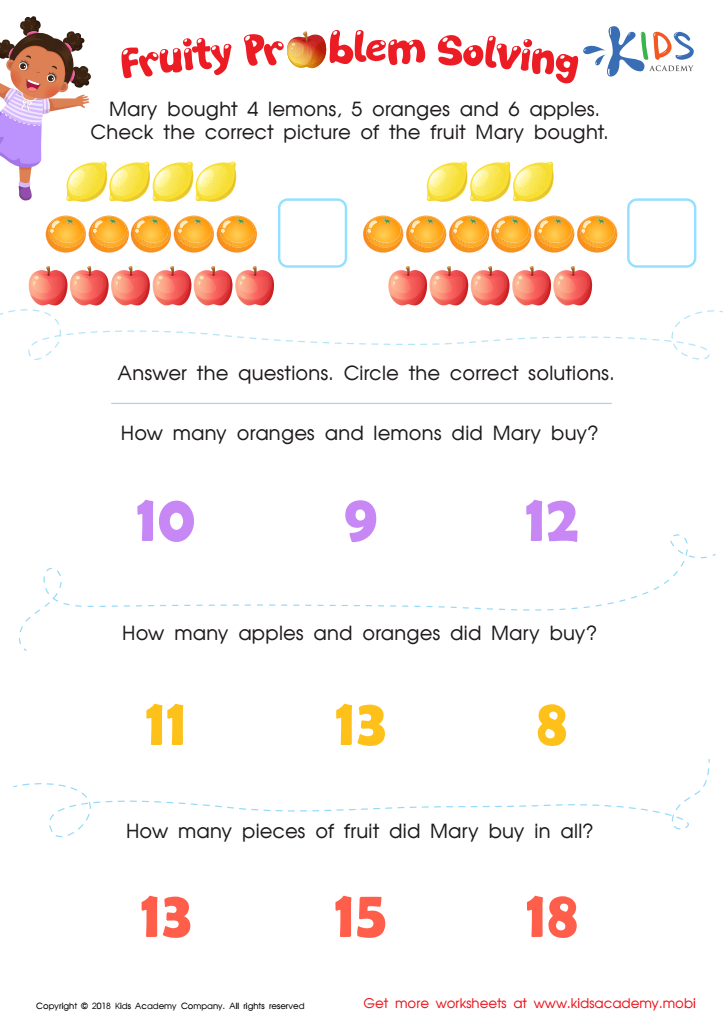
Fruity Problem Solving Worksheet
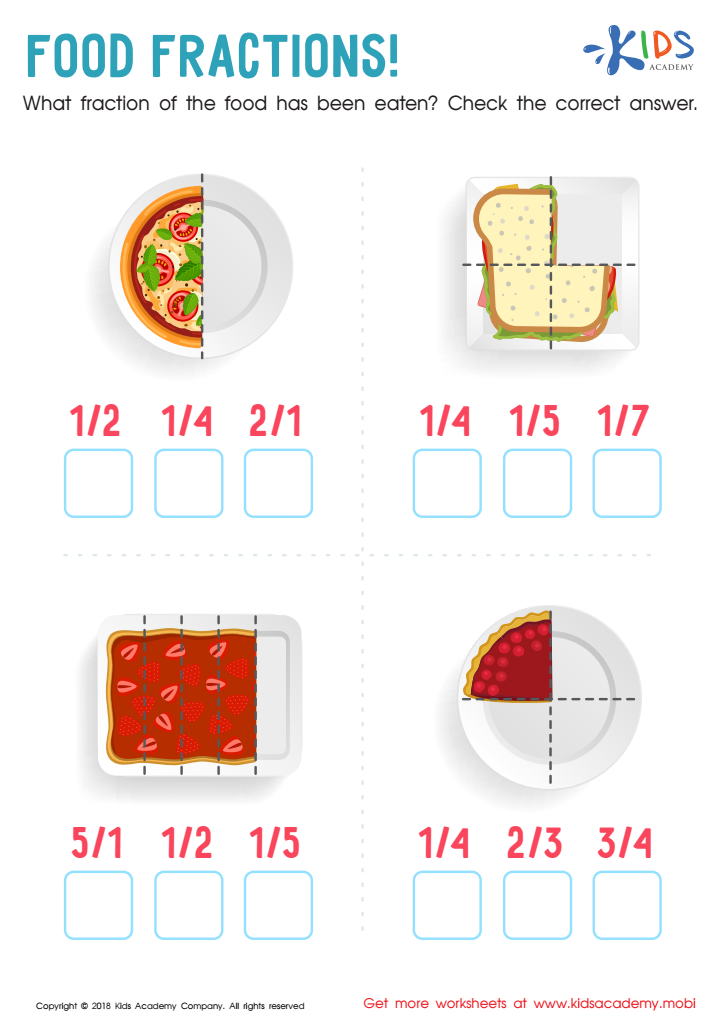
Food Fractions Worksheet
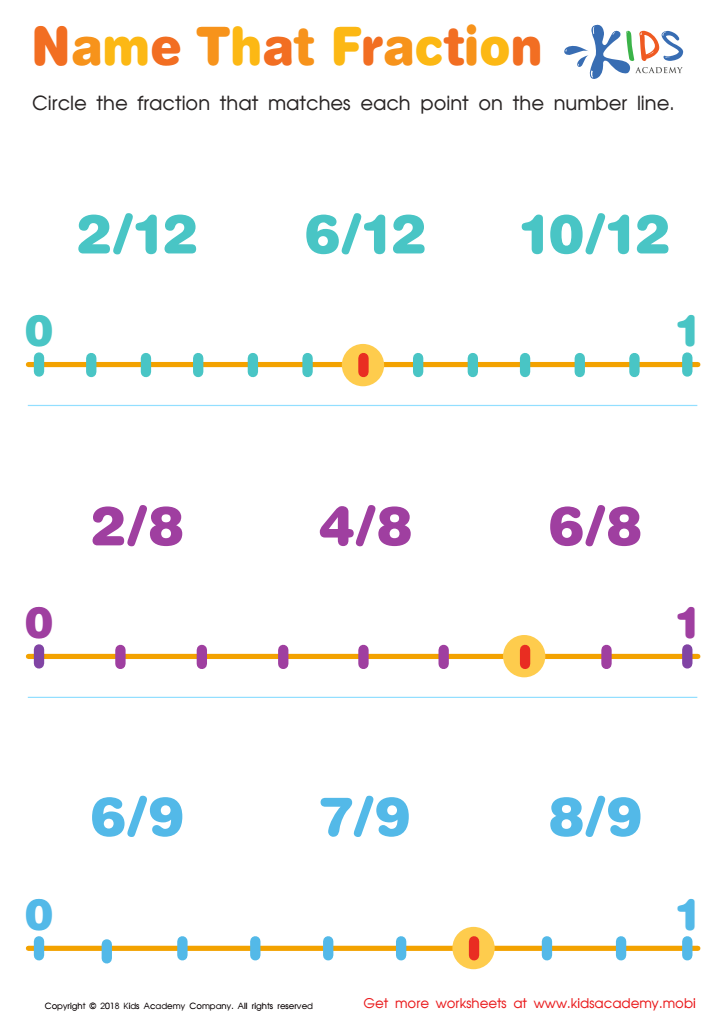
Name That Fraction Worksheet
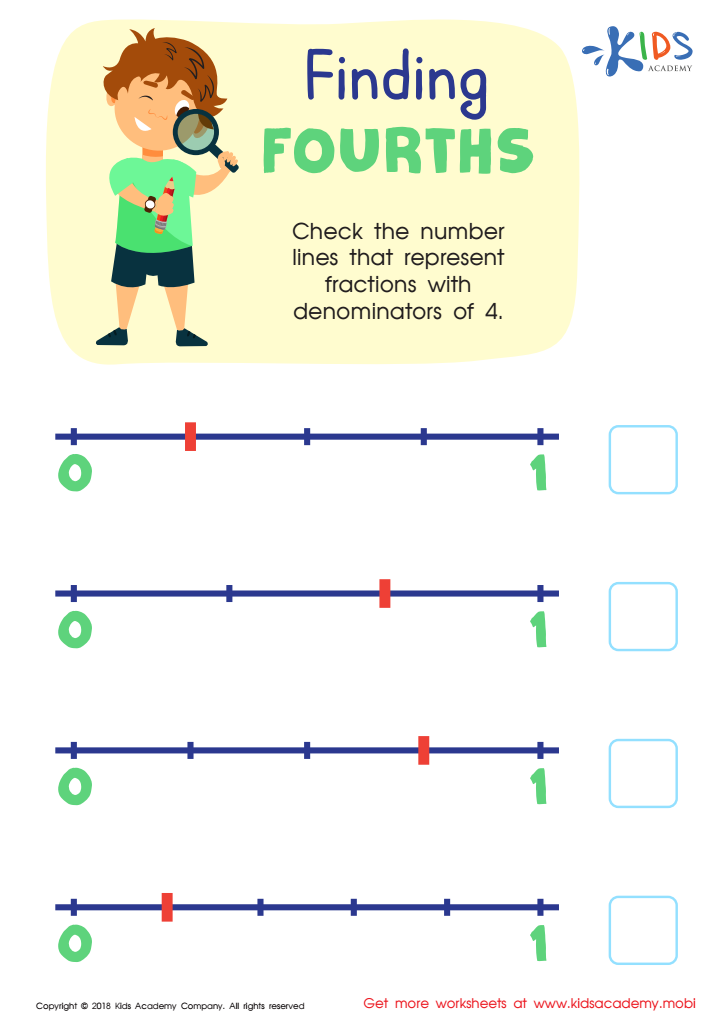
Finding Fourths Worksheet
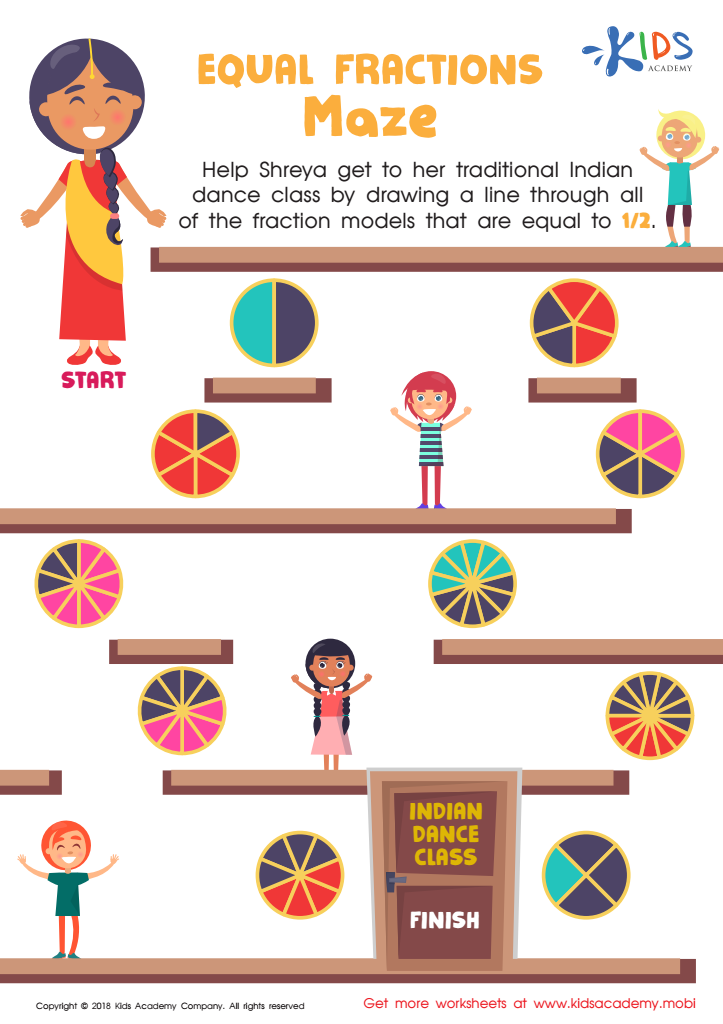
Equal Fractions Maze Worksheet
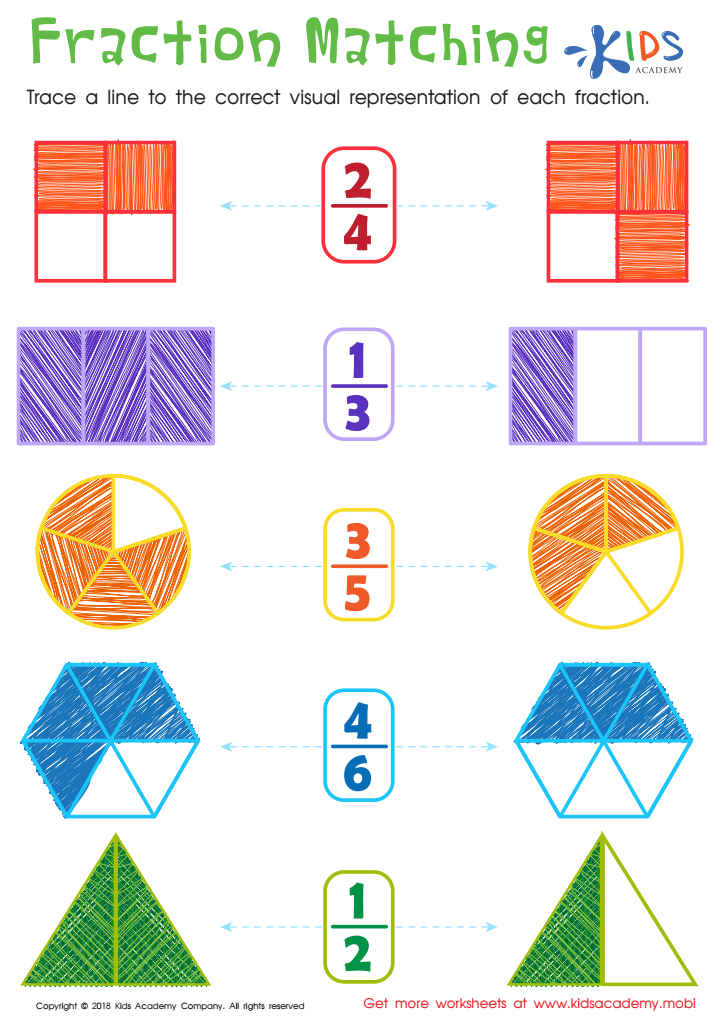
Fraction Matching Worksheet
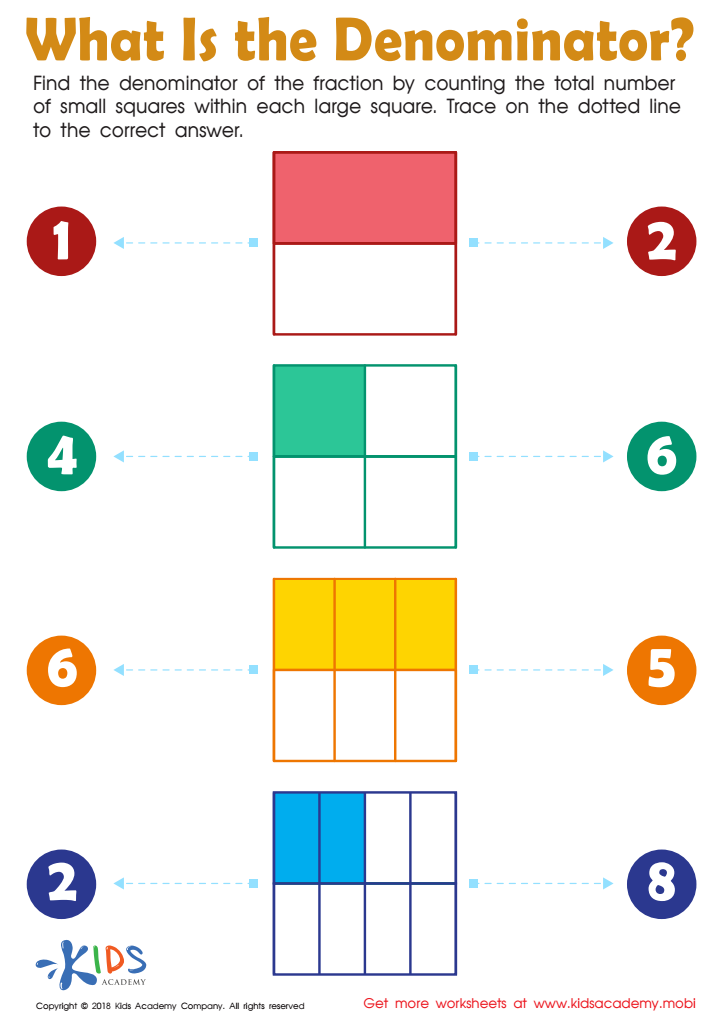
What Is the Denominator? Worksheet
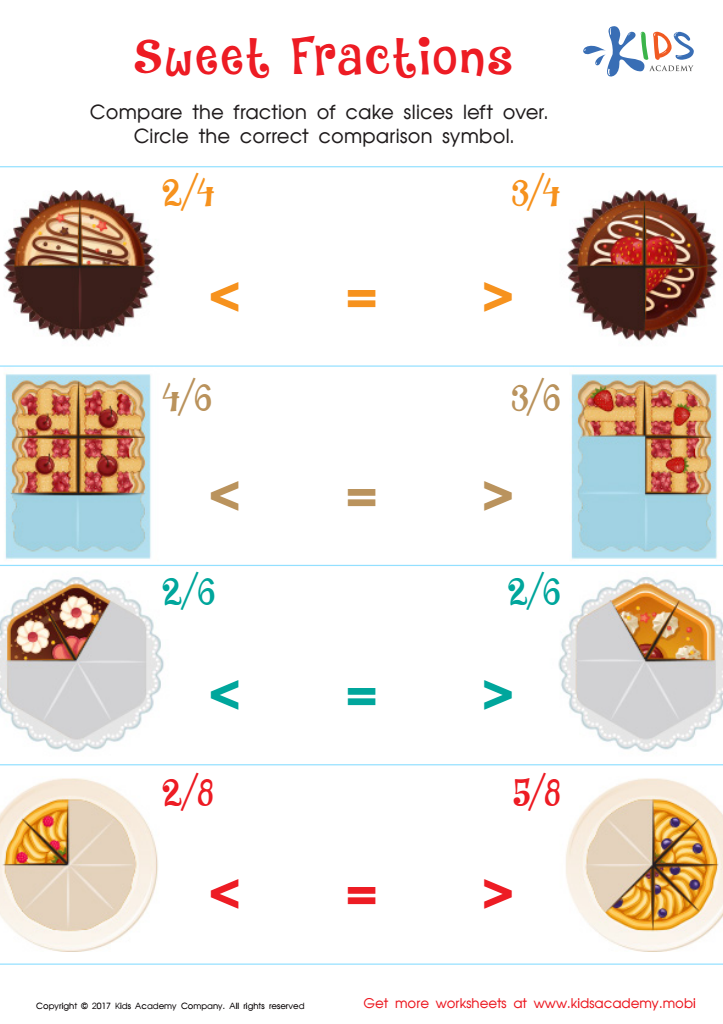
Compare Fractions Worksheet







Understanding fractions is crucial for children aged 8-9 as it lays the foundation for more complex mathematical concepts. At this stage, students transition from basic arithmetic to more advanced number manipulations, and mastering fractions is key to that progression. Fractions represent parts of a whole, and familiarity with them helps children develop a deeper understanding of division, ratios, and proportions.
Parents and teachers should care about this understanding because it not only impacts a child's academic performance but also equips them with necessary life skills. For instance, cooking, budgeting, and even measuring in projects require a solid grasp of fractions. Additionally, by mastering fractions early on, children are likely to feel more confident in their math abilities, reducing math anxiety and fostering a positive attitude toward learning.
Moreover, understanding fractions provides a gateway to critical thinking and problem-solving skills. It encourages children to explore, ask questions, and make connections with real-world applications. Supporting children in grasping fractions helps cultivate a sense of achievement and encourages a lifelong appreciation for math, forming a strong mathematical foundation that contributes to their overall educational success. Care and support from parents and teachers in this area are vital for nurturing well-rounded learners.








