Critical Thinking Normal Worksheets - Page 3
99 filtered results
-
From - To
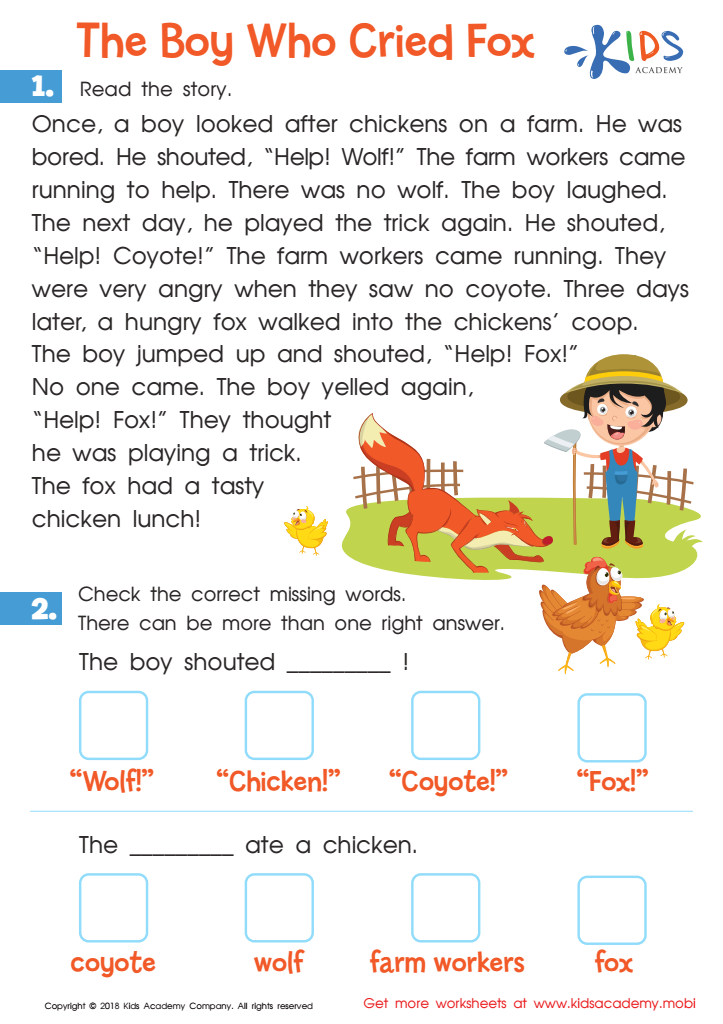
The Boy Who Cried Fox Worksheet
 Assign to My Students
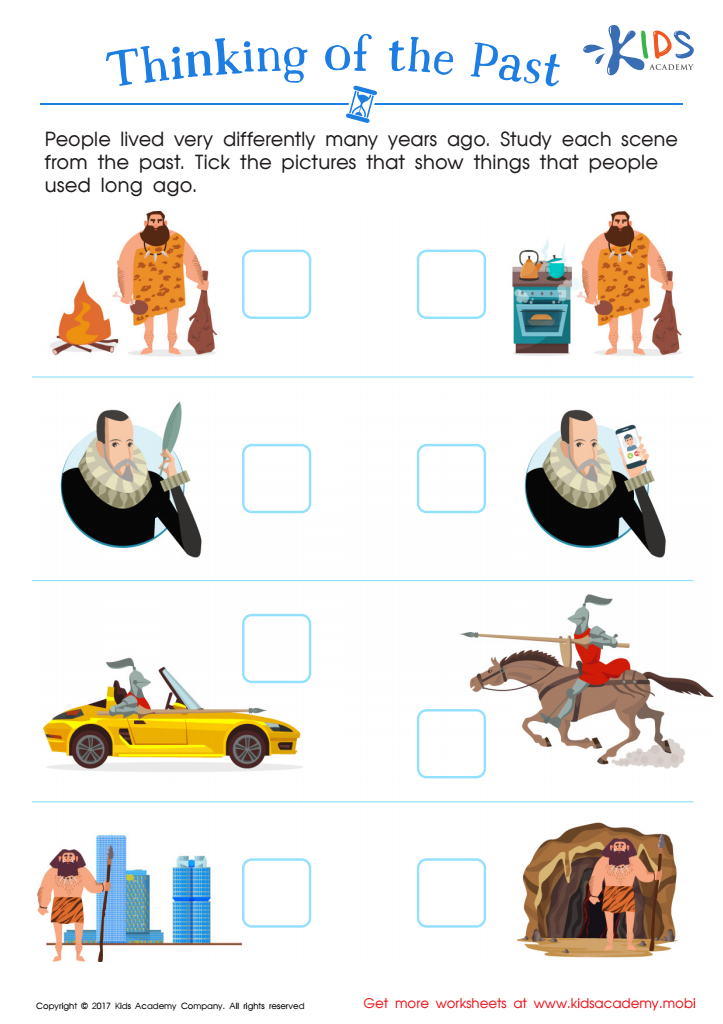
Thinking Past Printable

Thanksgiving Holiday Printable
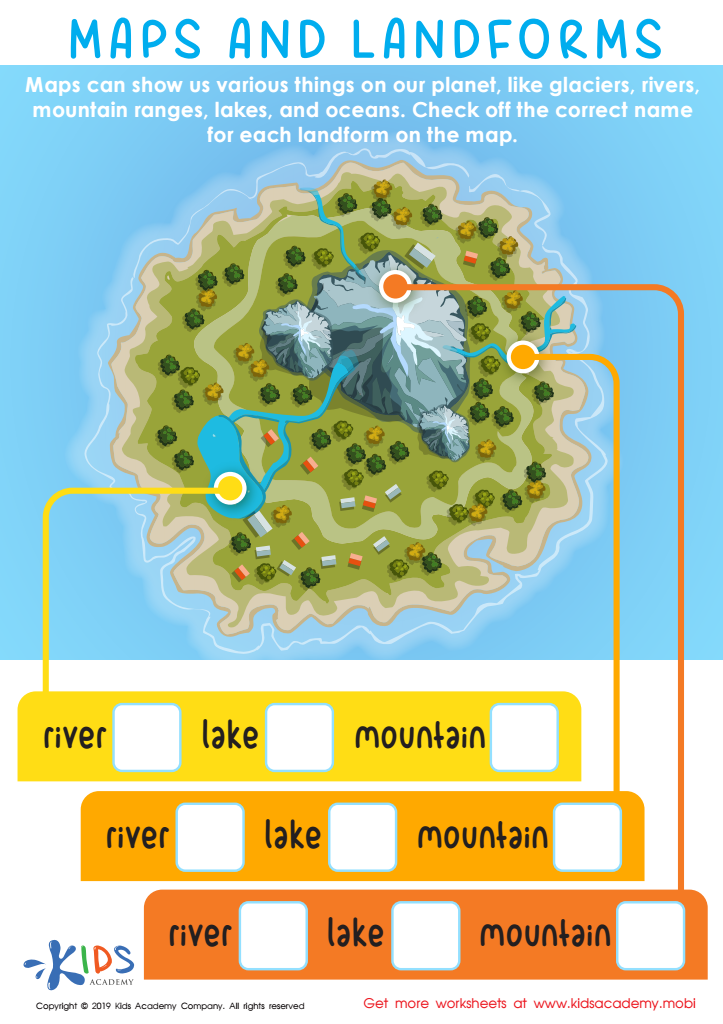
Maps and Landforms Worksheet
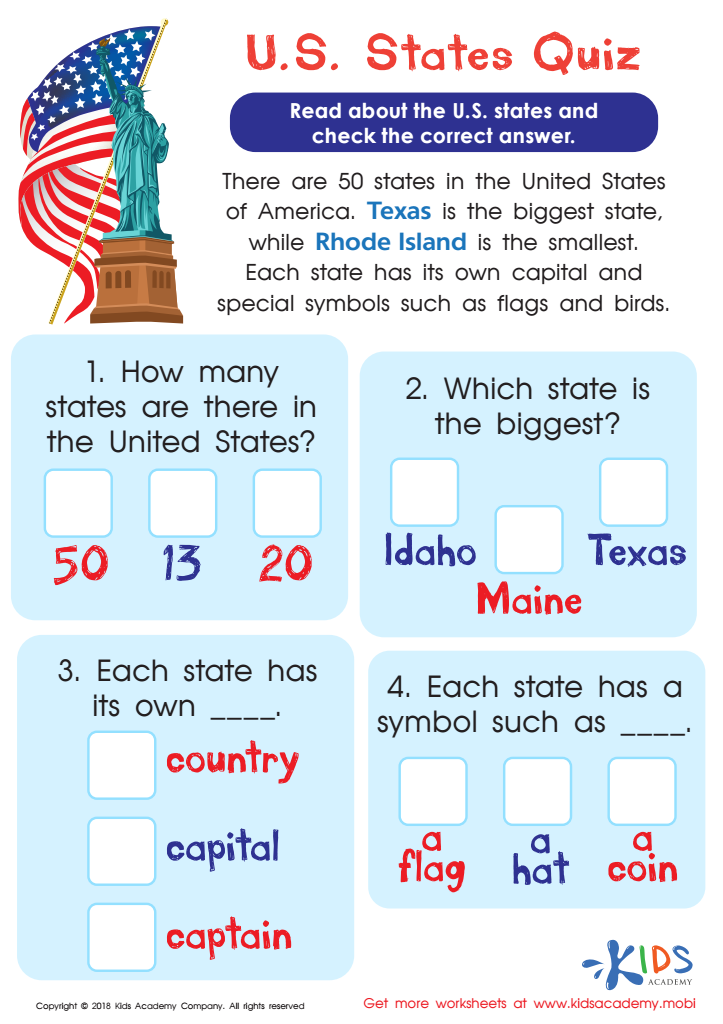
U.S. States Quiz Worksheet
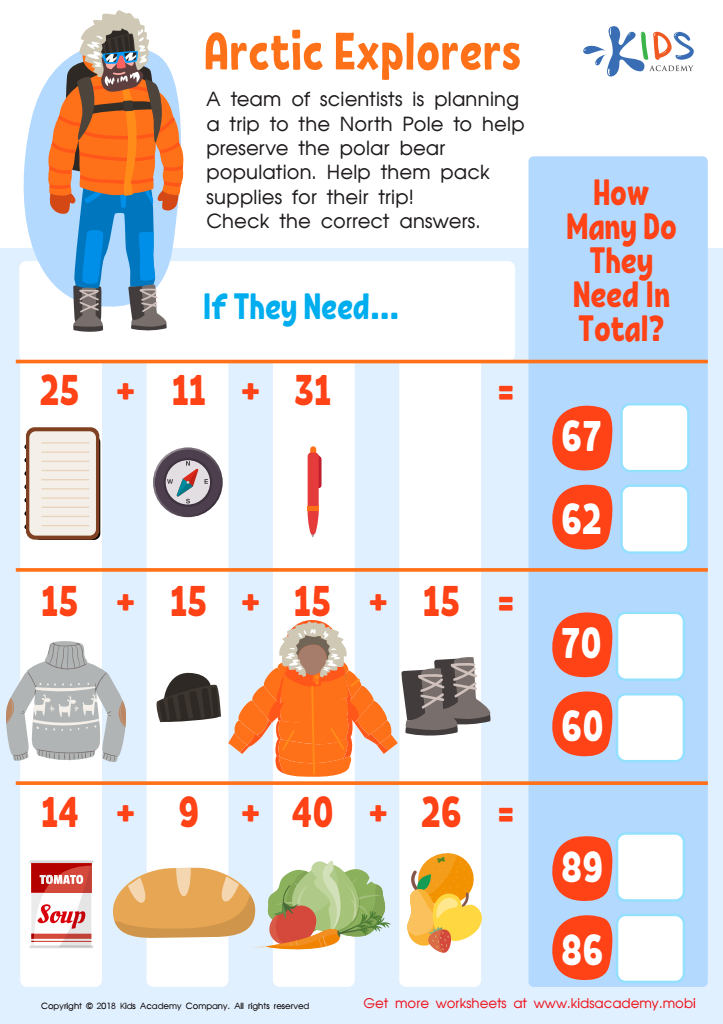
Arctic Explorers Worksheet
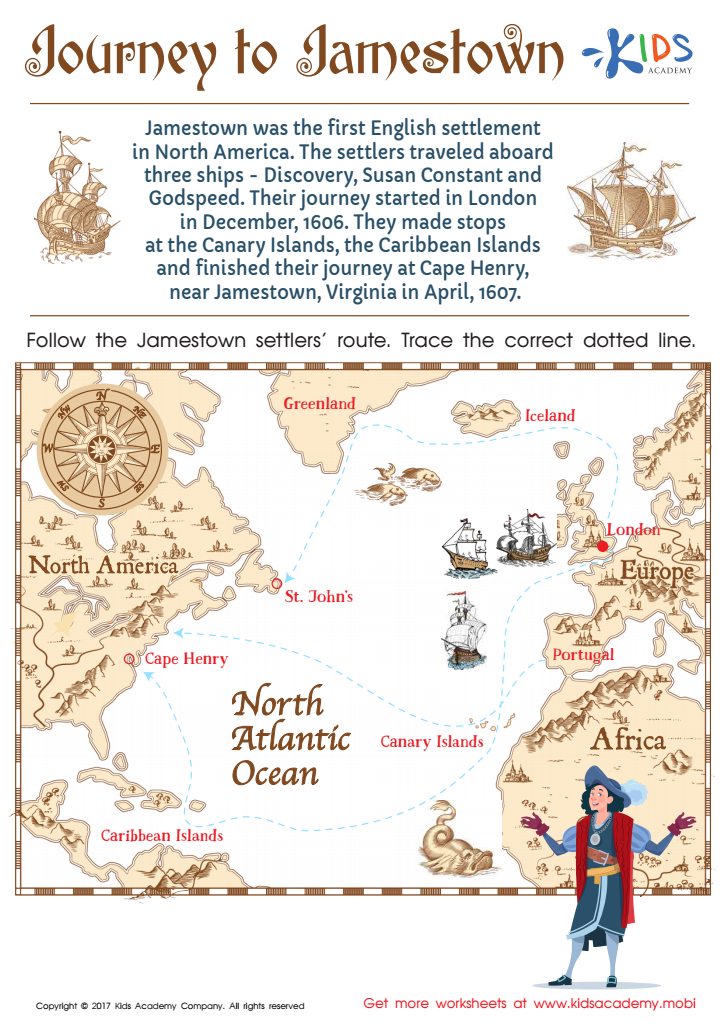
Journey to Jamestown Worksheet
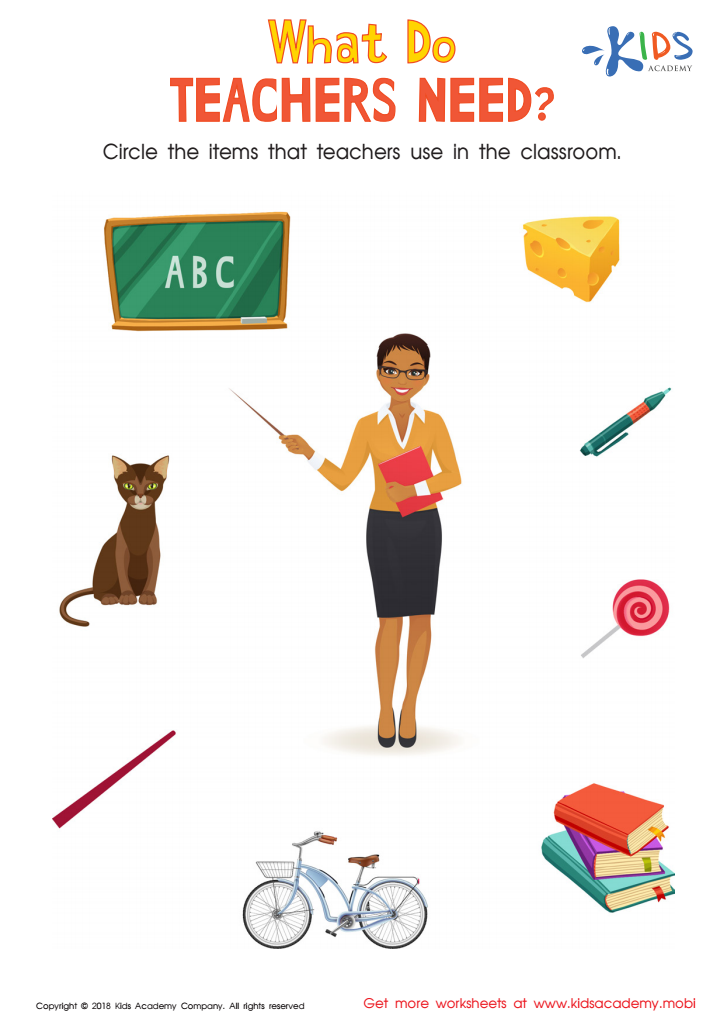
What Do Teachers Need Worksheet
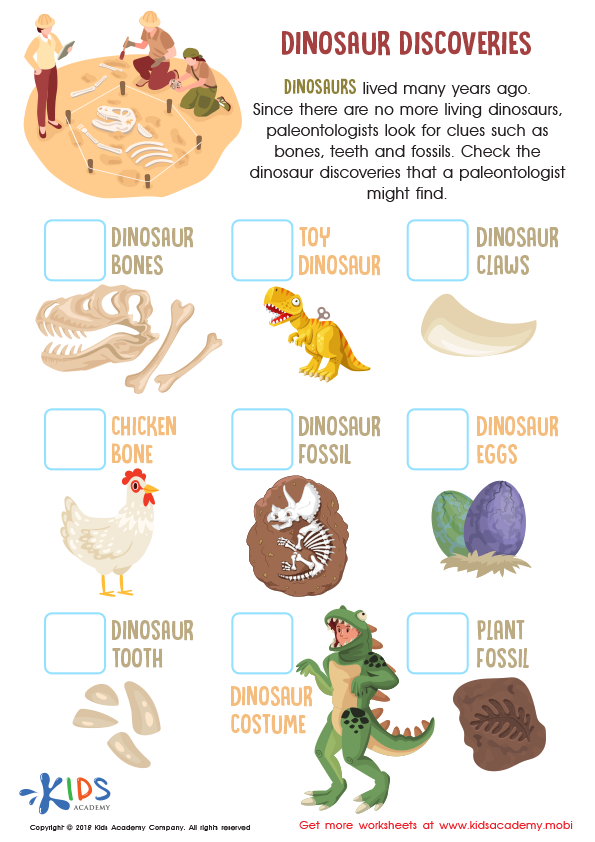
Dinosaur Discoveries Worksheet
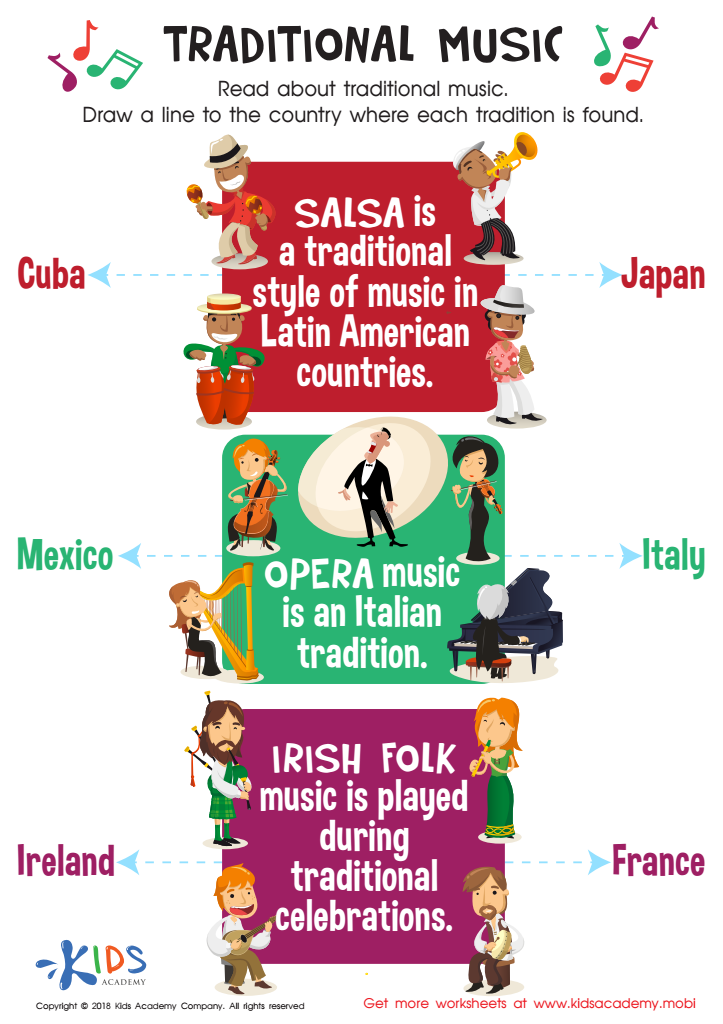
Traditional Music Worksheet
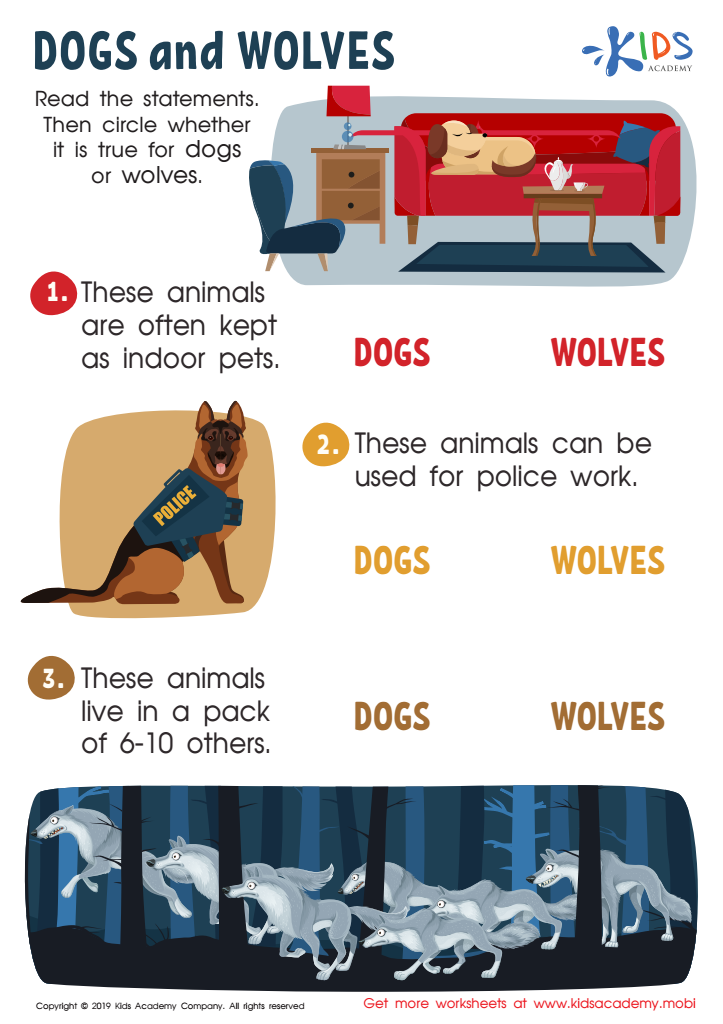
Dogs and Wolves Worksheet
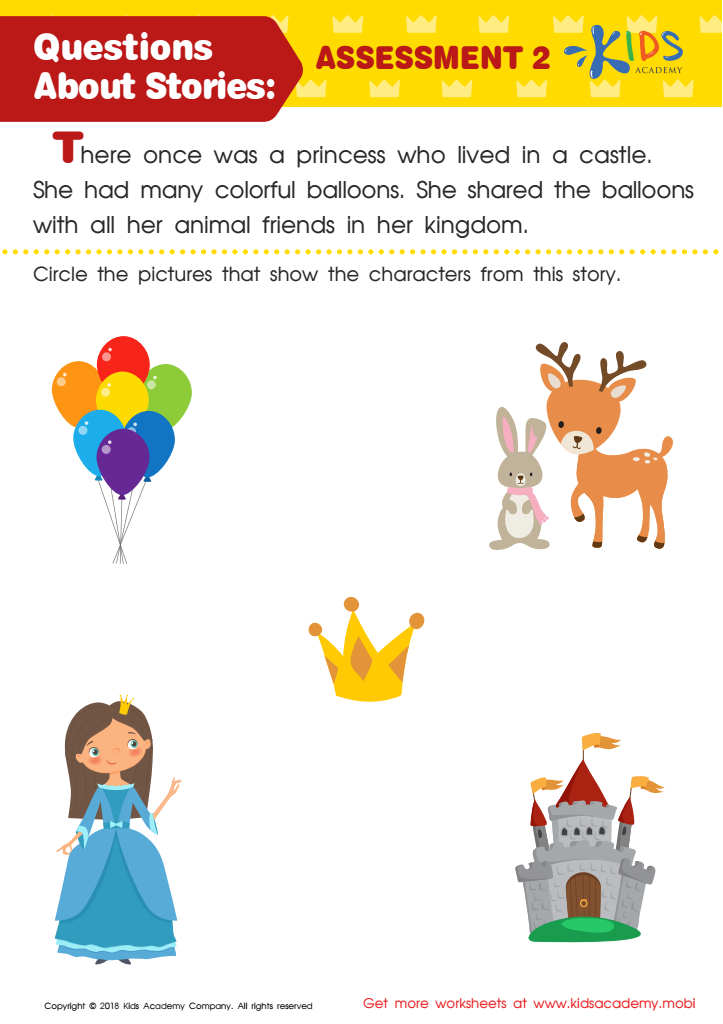
Questions About Stories: Assessment 2 Worksheet
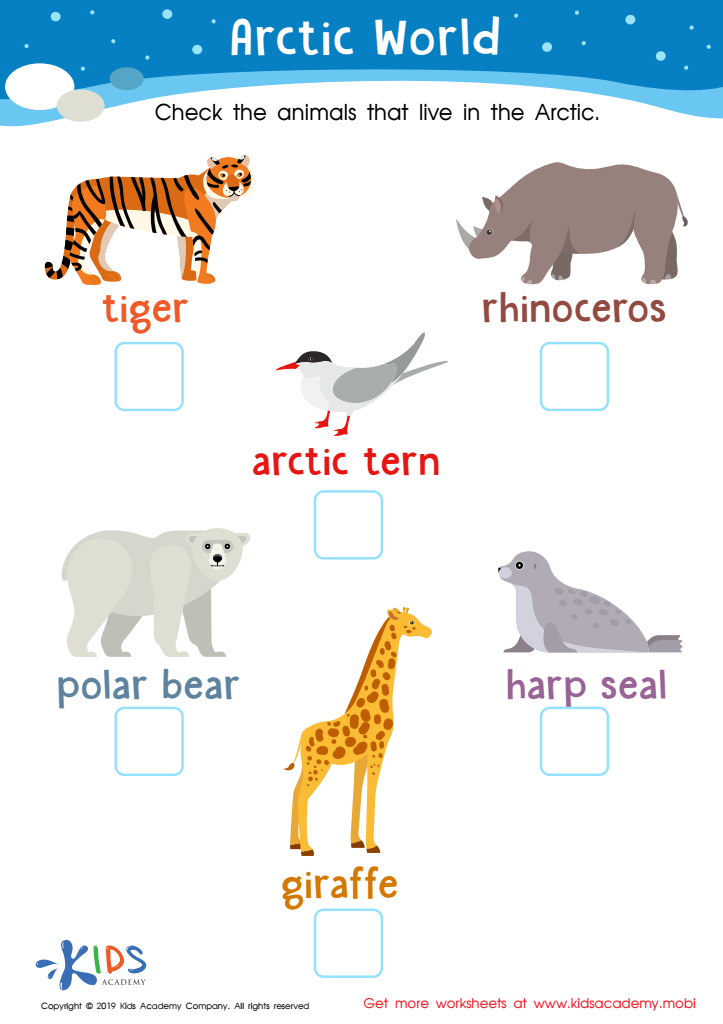
Arctic World Worksheet
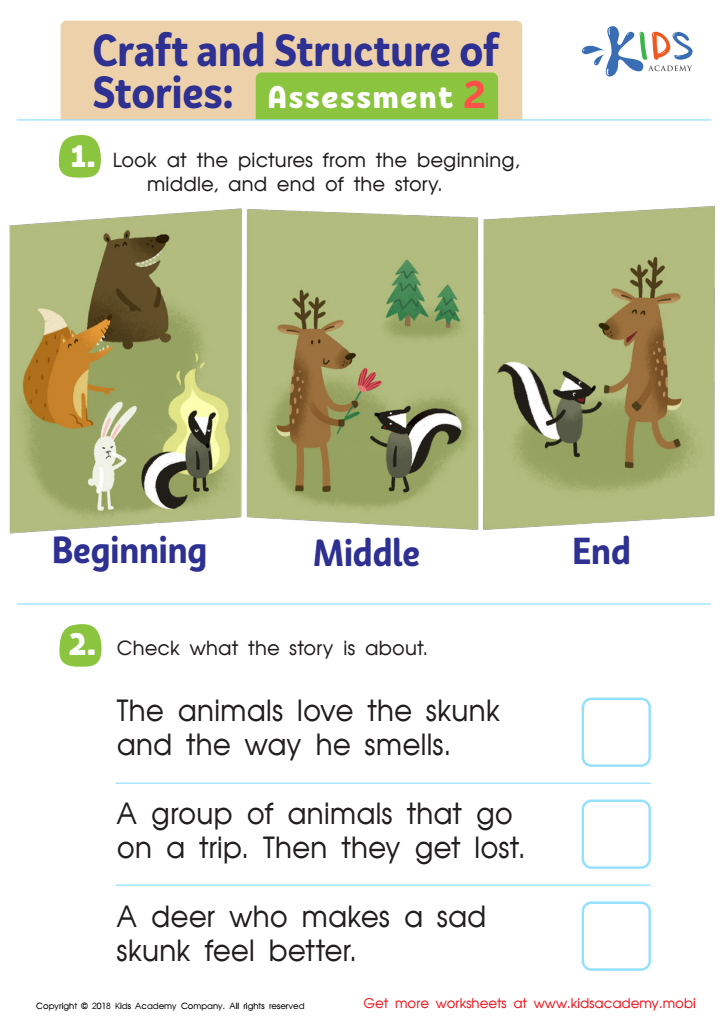
Craft and Structure of Stories: Assessment 2 Worksheet
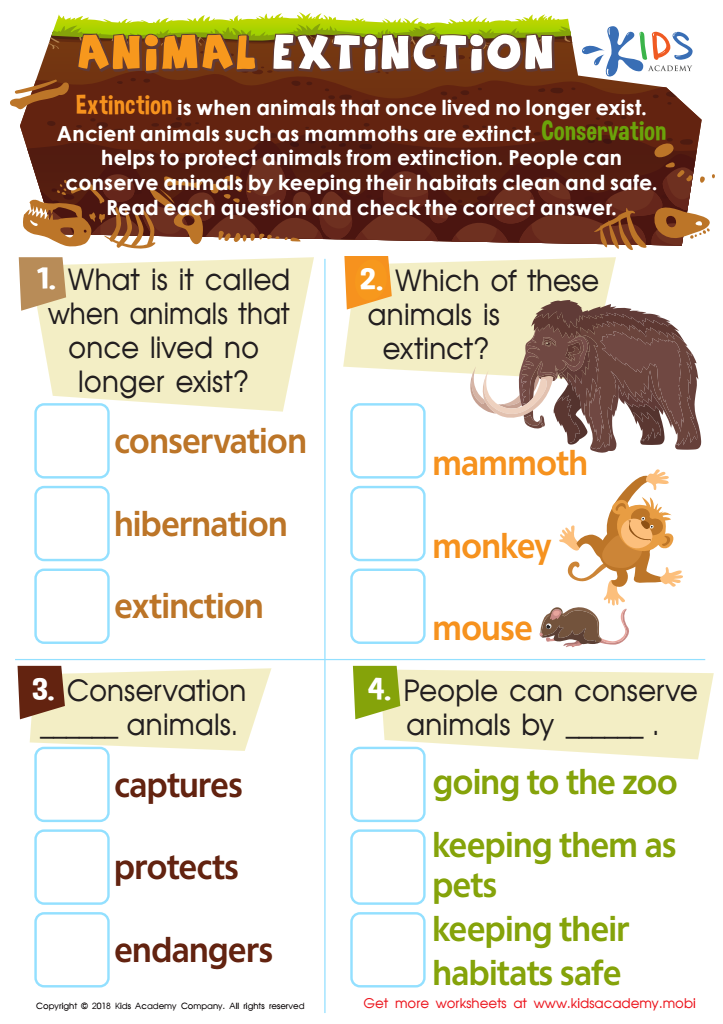
Animal Extinction Worksheet
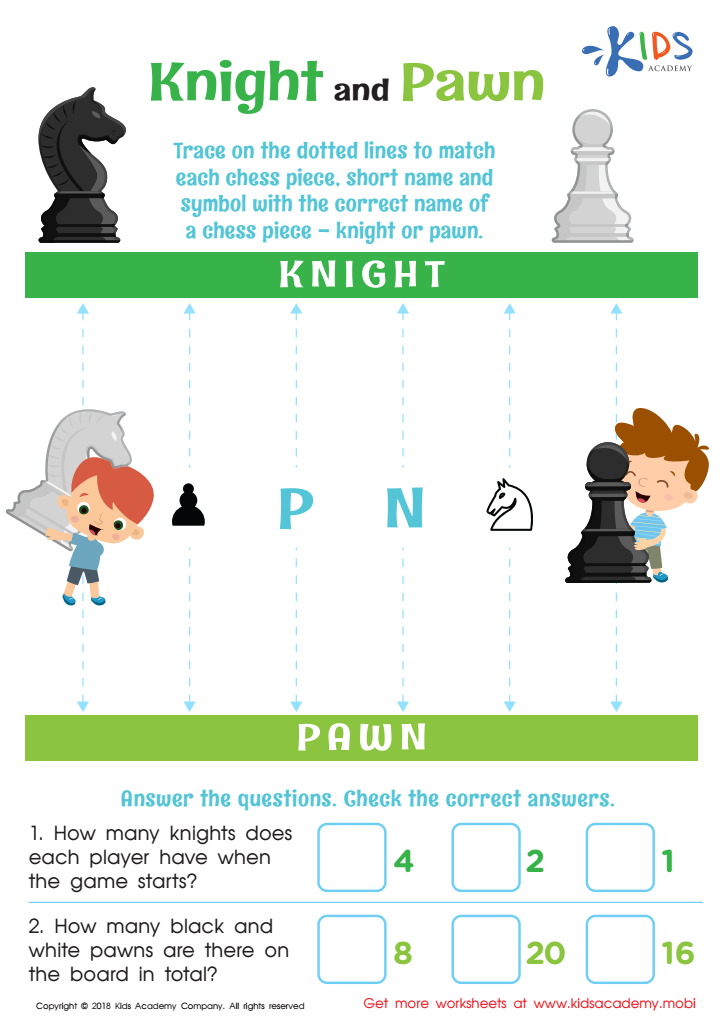
Knight and Pawn Worksheet
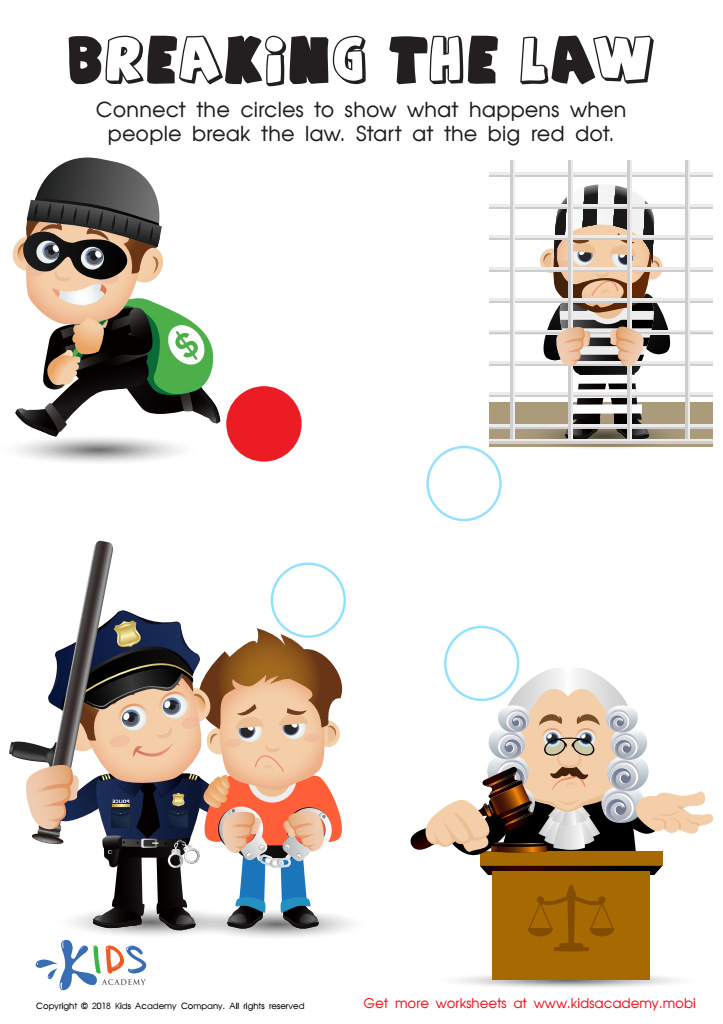
Breaking the Law Worksheet
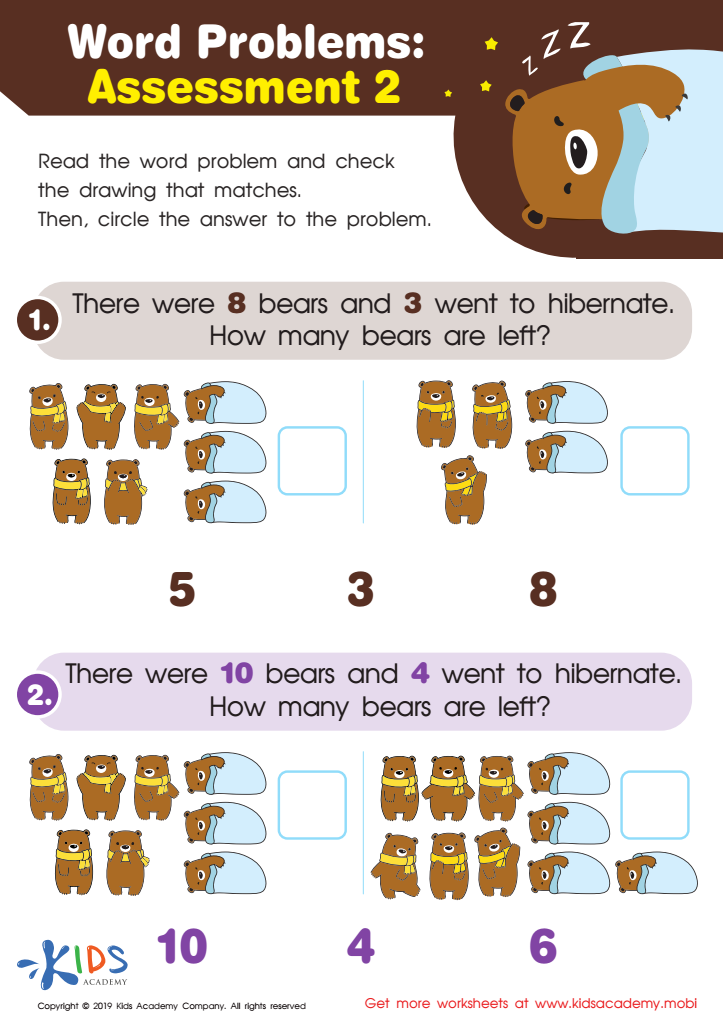
Word Problems: Assessment 2 Worksheet
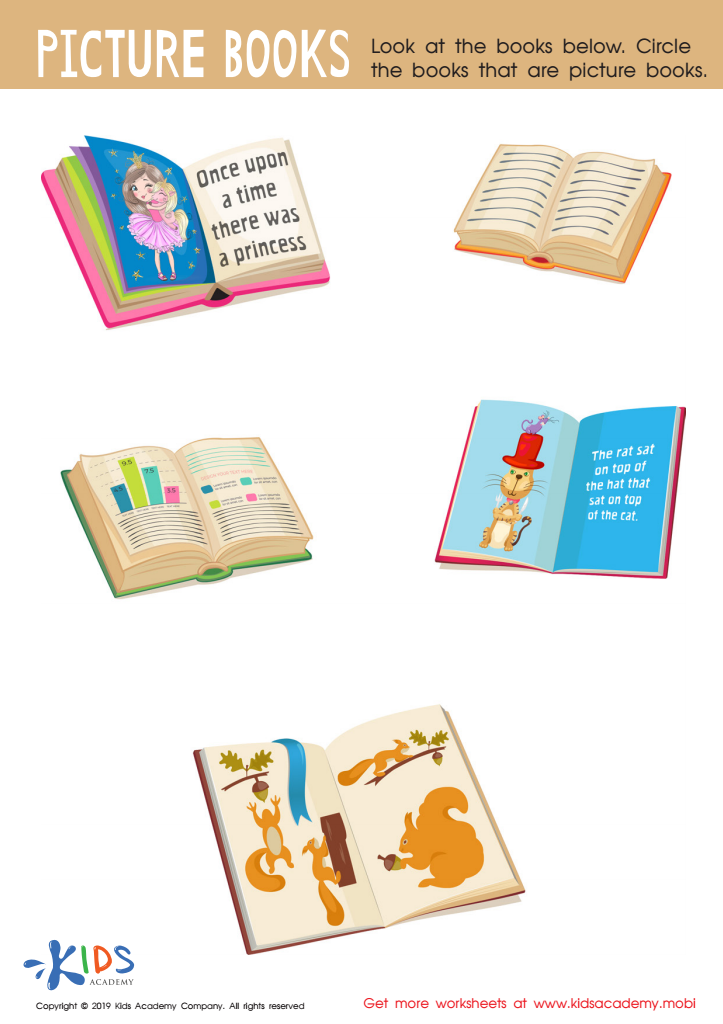
Picture Books Worksheet
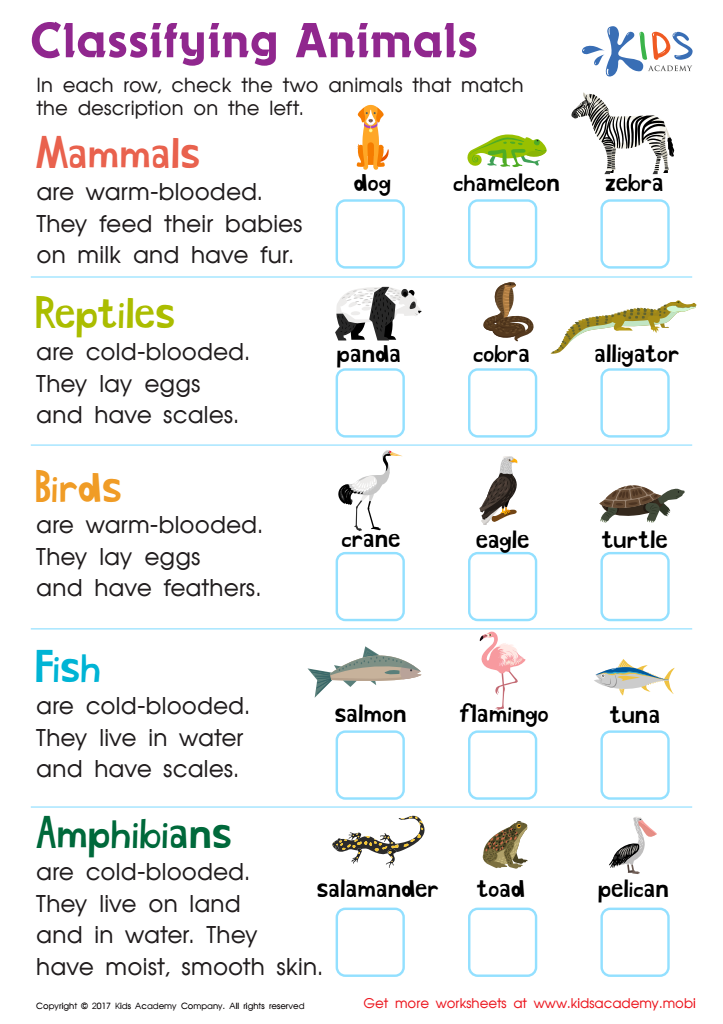
Classifying Animals Worksheet
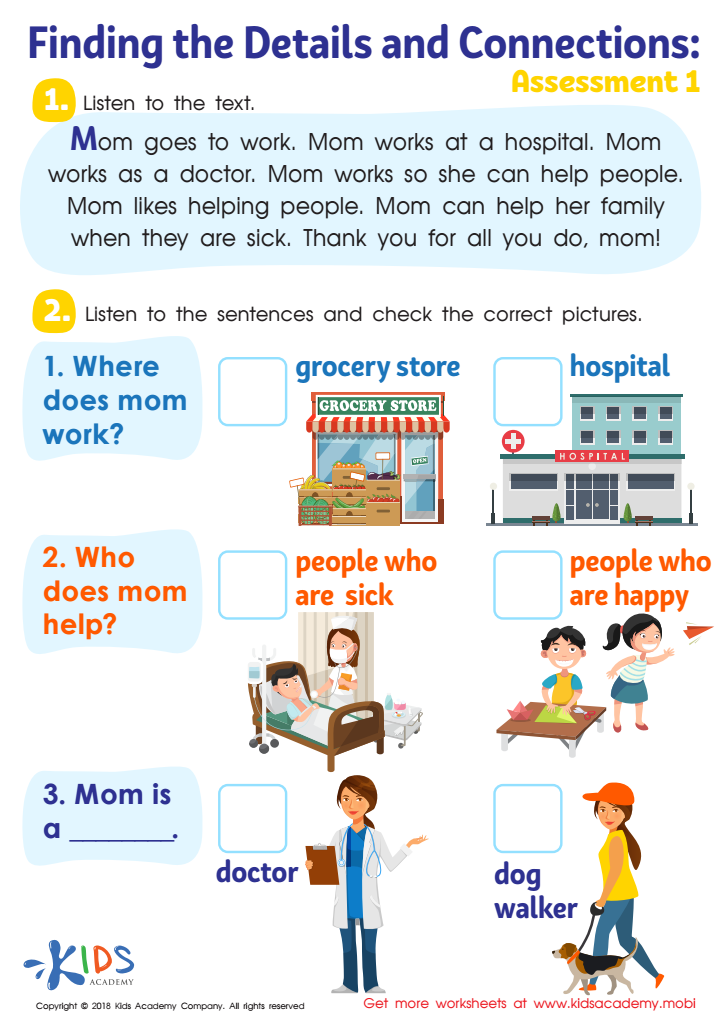
Finding the Details and Connections: Assessment 1 Worksheet
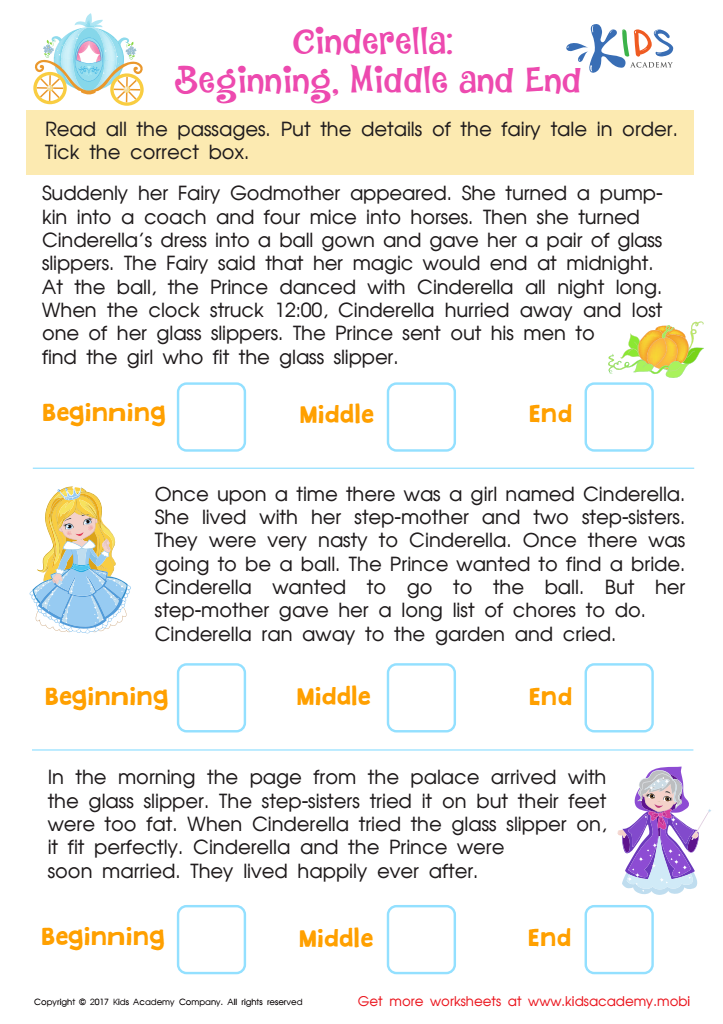
Cinderella: Beginning, Middle and End Worksheet
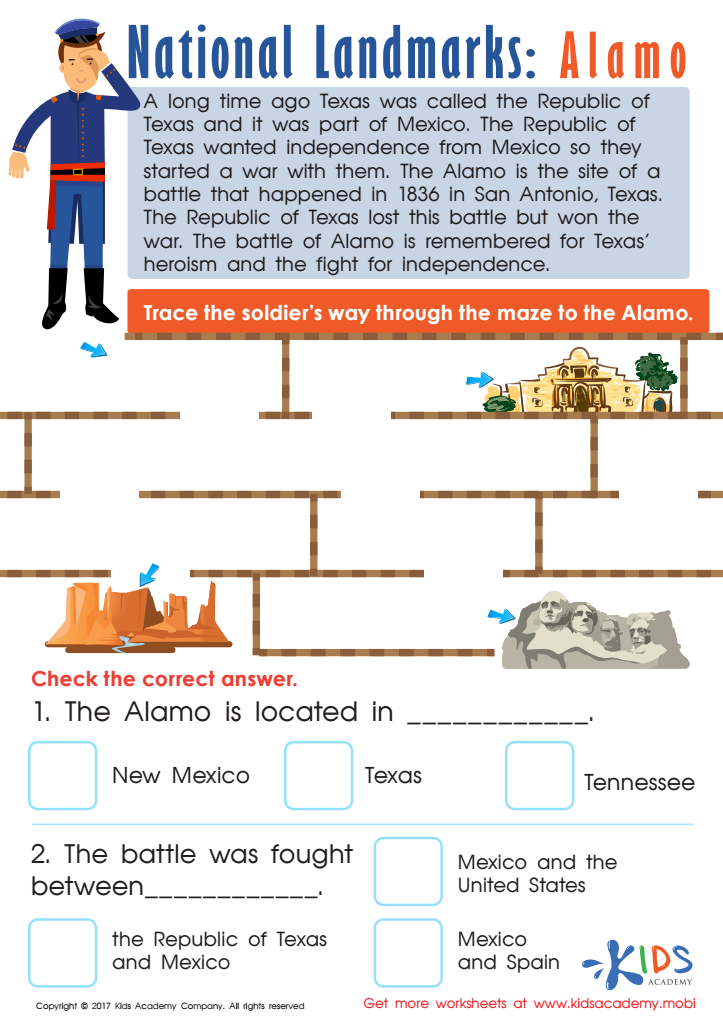
Alamo Printable Worksheet
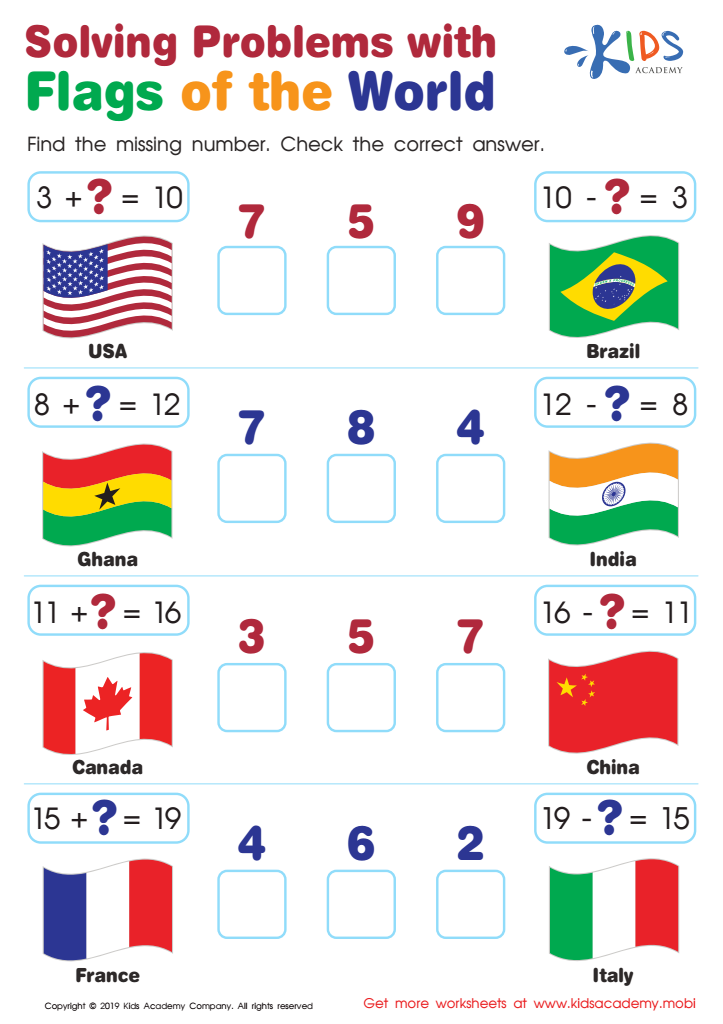
Solving Problems with Flags of the World Worksheet







Critical thinking is essential for fostering a generation of adaptable, informed, and responsible individuals. Parents and teachers should prioritize critical thinking skills because they empower children to process information analytically rather than accept it at face value. In today’s rapidly changing world, where misinformation can spread quickly, teaching kids to evaluate sources and question assumptions is crucial for their ability to engage constructively in society.
Critical thinking cultivates problem-solving abilities, encouraging children to approach challenges methodically, weigh alternatives, and make informed decisions. This skill is vital not just academically but also in daily life, as it helps students navigate social interactions and cultural differences with empathy and respect.
Moreover, by nurturing critical thinking, parents and teachers contribute to the emotional intelligence of their children. They learn to express their ideas clearly and listen critically to others, building strong communication skills. Overall, fostering critical thinking prepares children not just for academic success, but also for responsible citizenship in a diverse, interconnected world. Encouraging this mindset helps ensure that the next generation can contribute positively to its community, make informed choices, and approach the future with confidence and creativity.








