Problem-Solving Skills Normal Addition & Subtraction Worksheets - Page 2
33 filtered results
-
From - To
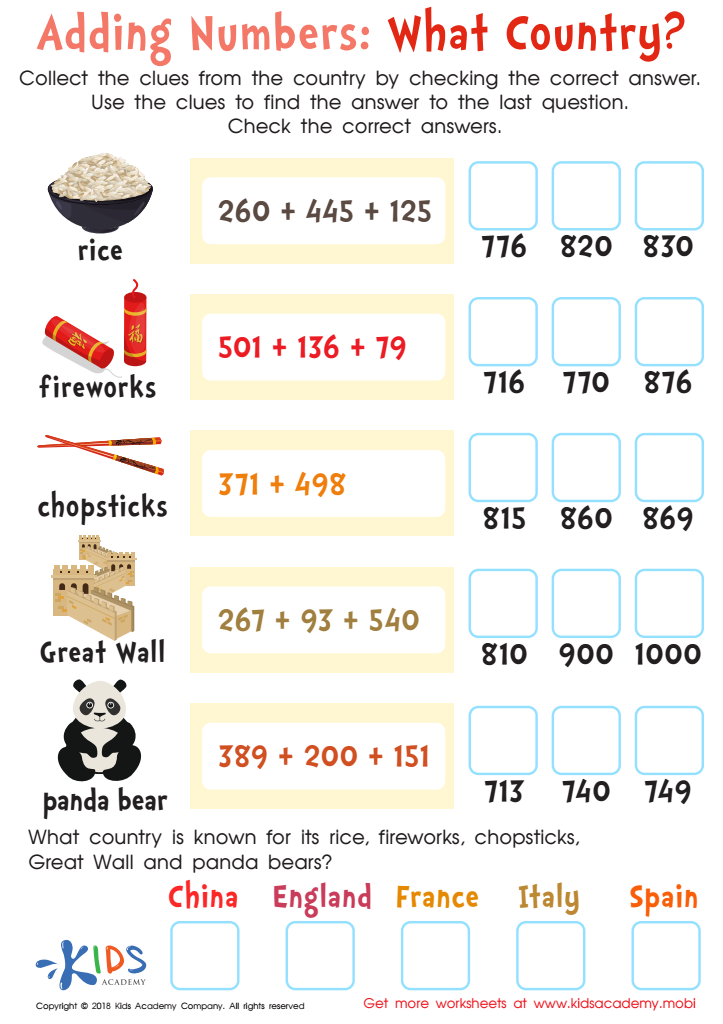
Adding Numbers: What Country Worksheet
 Assign to My Students
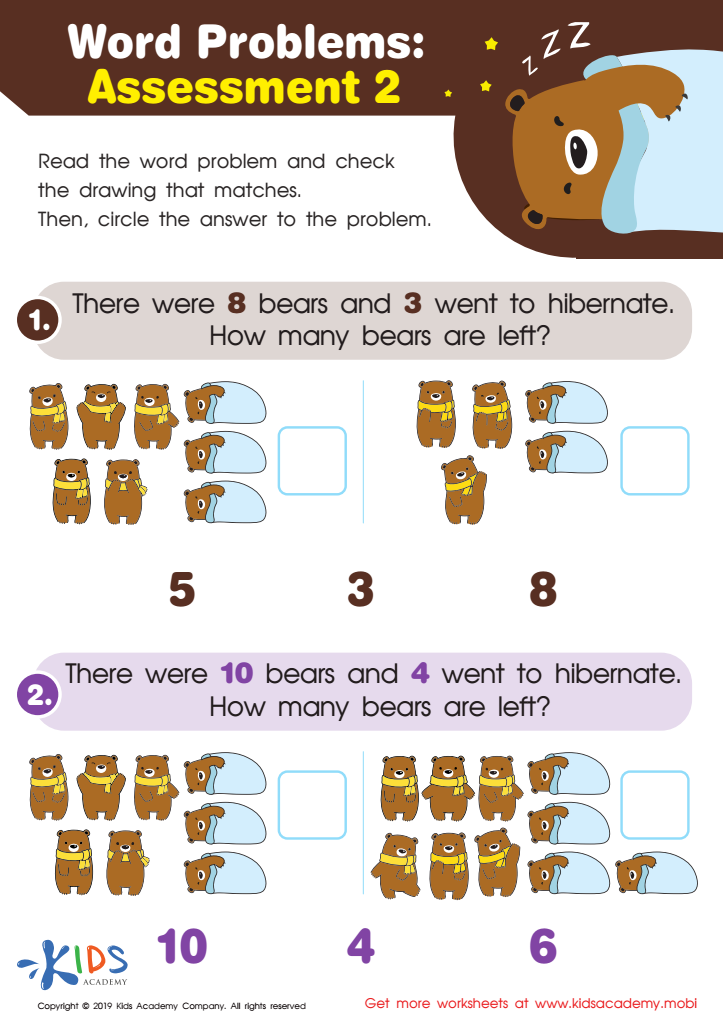
Word Problems: Assessment 2 Worksheet
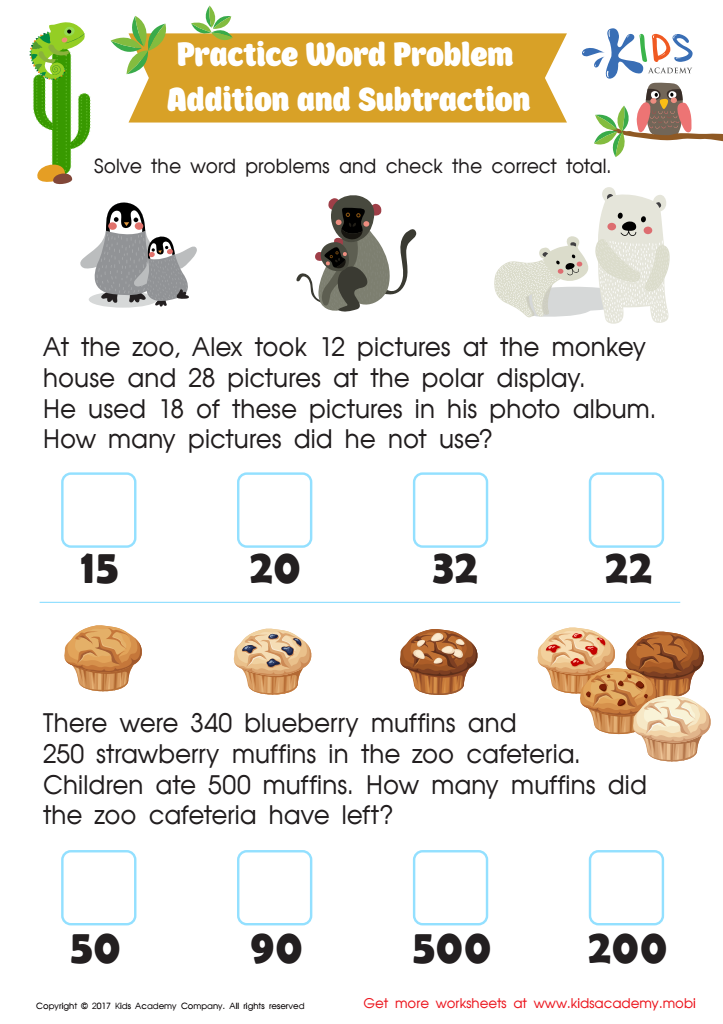
Addition and Subtraction: Word Problems Worksheet
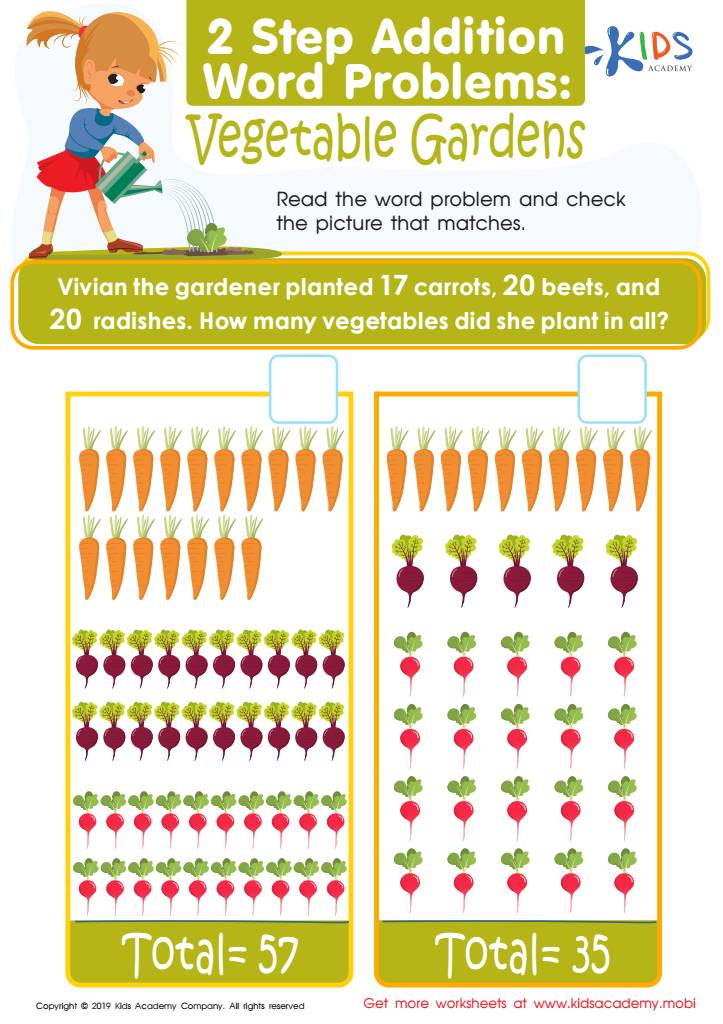
Vegetable Gardens Worksheet
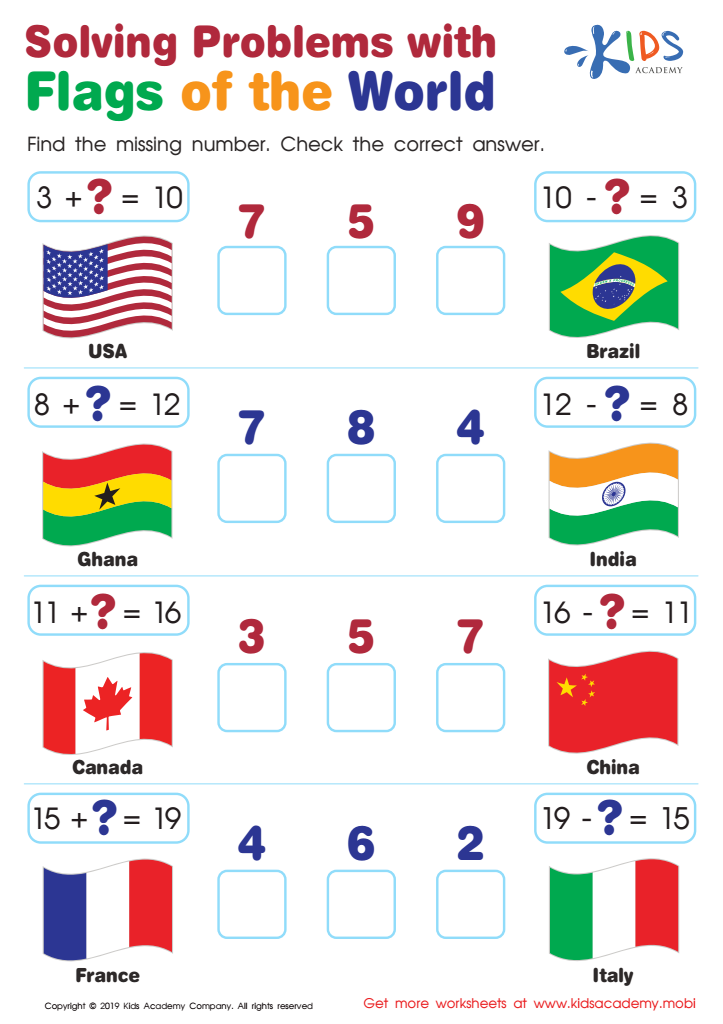
Solving Problems with Flags of the World Worksheet
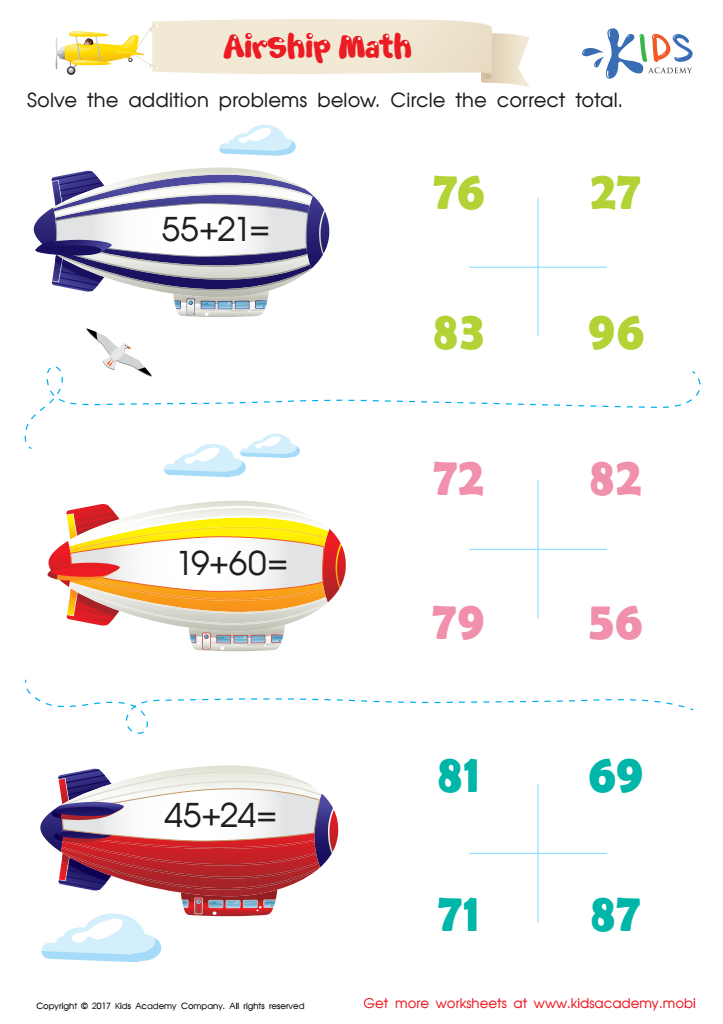
Airship Math Addition Printable
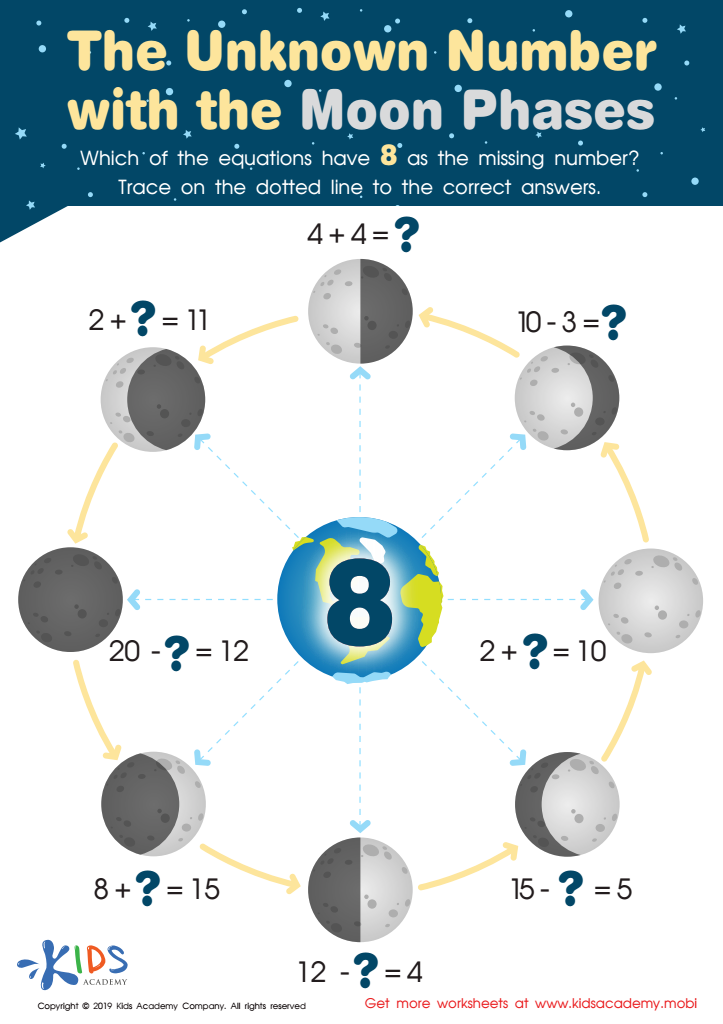
The Unknown Number with the Moon Phases Worksheet
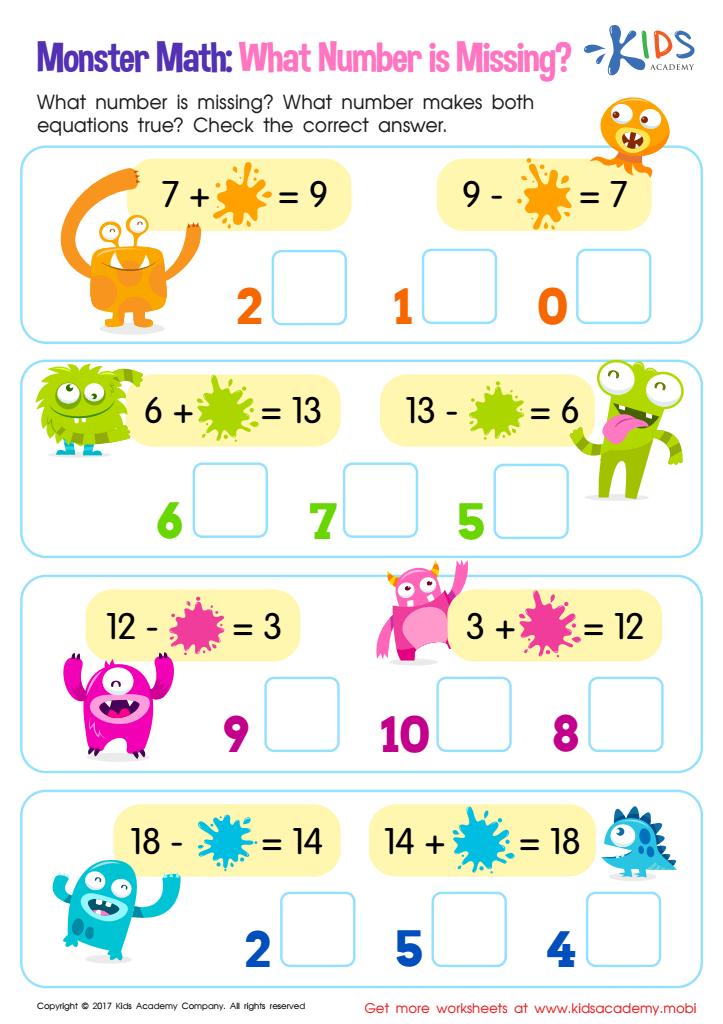
Missing Number: Monster Math Worksheet
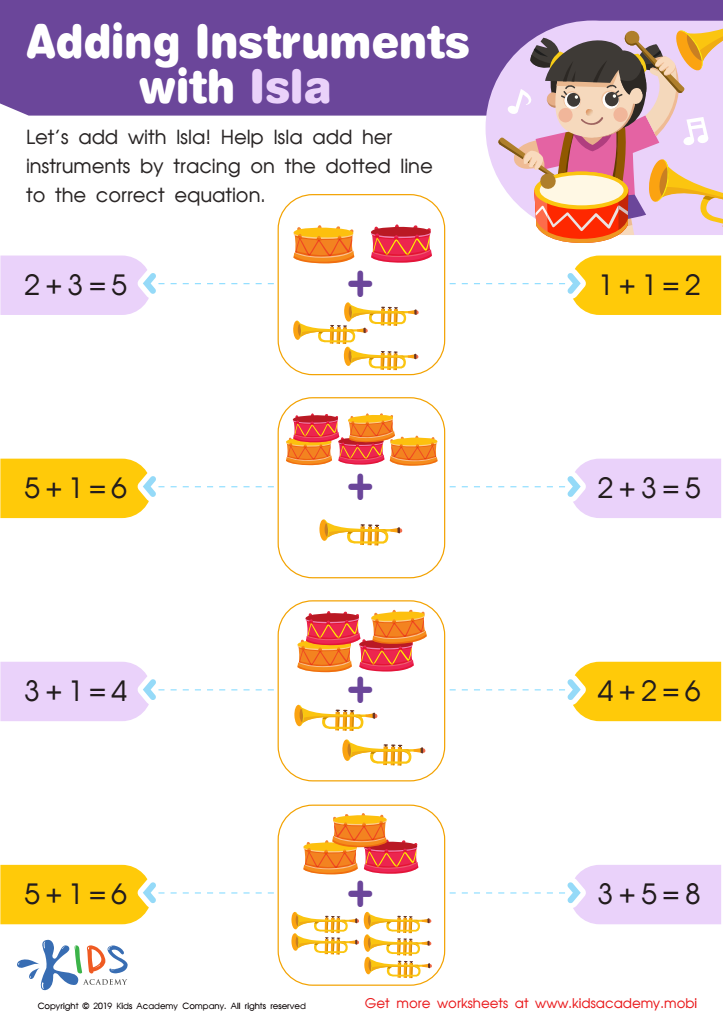
Adding Instruments with Isla Worksheet







Parents and teachers should prioritize problem-solving skills in normal addition and subtraction because these foundational abilities are crucial for children's overall mathematical understanding and critical thinking development. Mastery of basic operations goes beyond simple computation; it enhances a child's ability to think logically and approach challenges systematically.
Developing problem-solving skills encourages children to apply math in real-life situations, such as budgeting, shopping, or cooking. This real-world connection fosters a positive attitude towards math, making it engaging and relevant.
Furthermore, strong problem-solving abilities build resilience. When children encounter difficulties, they learn to persist, analyze different strategies, and ultimately find solutions, which are invaluable life skills. Problem-solving also enhances collaboration when children work in groups, sharing ideas and strategies, reinforcing social skills alongside academic growth.
In today's fast-paced world, these skills correlate with future opportunities in STEM careers and help children become adaptive learners, equipped to tackle unforeseen challenges. Thus, by investing time and effort in nurturing problem-solving skills in addition and subtraction, parents and teachers play a vital role in shaping children's academic journeys and enhancing their capacity to navigate the complexities of life.








