Cognitive Development Normal Geometry Worksheets
8 filtered results
-
From - To
Discover our engaging Cognitive Development Normal Geometry Worksheets, designed to enhance young learners' understanding of geometric concepts. These worksheets offer a variety of activities that stimulate reasoning and problem-solving skills while making geometry fun and accessible. Perfect for early grade teachers, parents, or tutors, our resources support cognitive growth by encouraging children to explore shapes, patterns, and spatial relationships. With visually appealing illustrations and age-appropriate challenges, these worksheets are aimed at fostering creativity and critical thinking. Download today to inspire your child's mathematical journey and build a strong foundation in geometry that will benefit them for years to come!
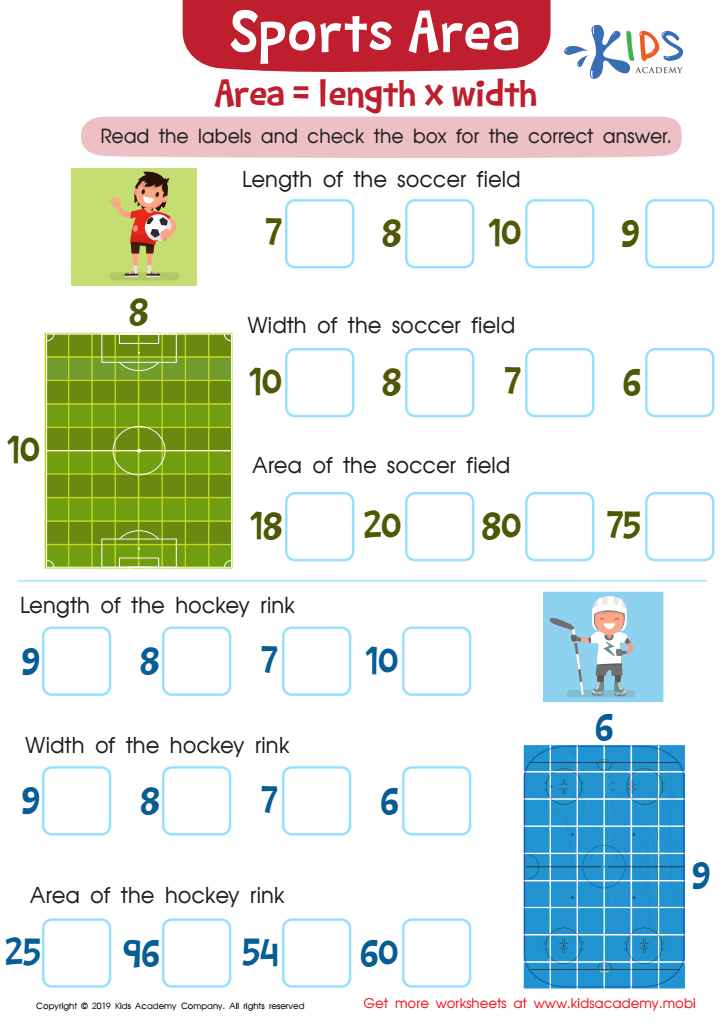
Sports Area Worksheet
 Assign to My Students











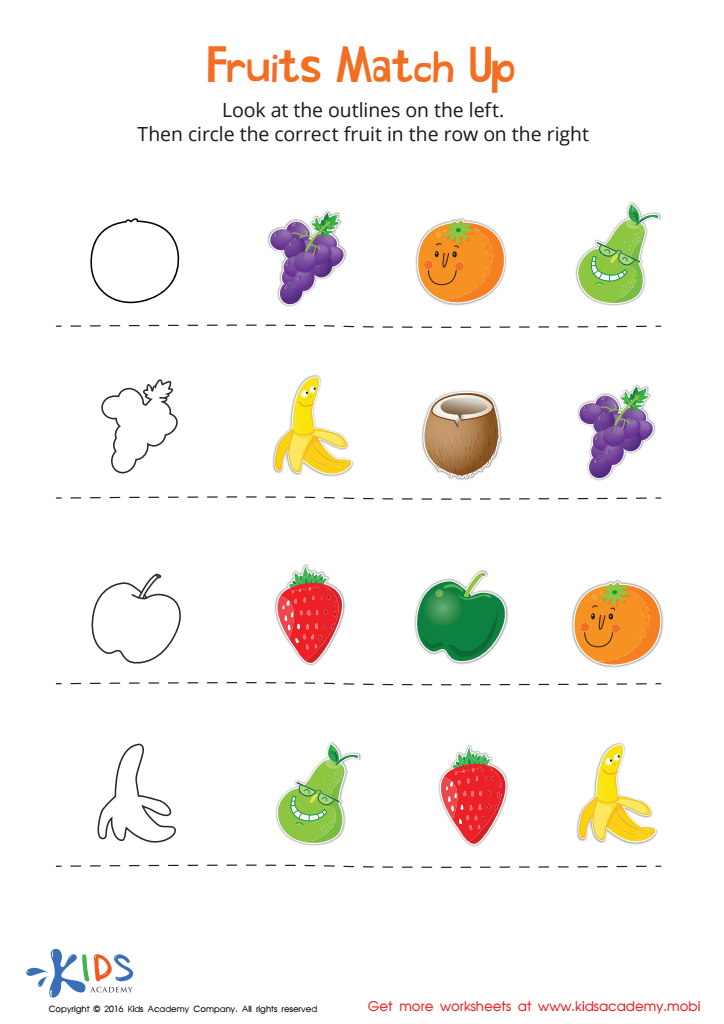
Fruits Match Up Worksheet
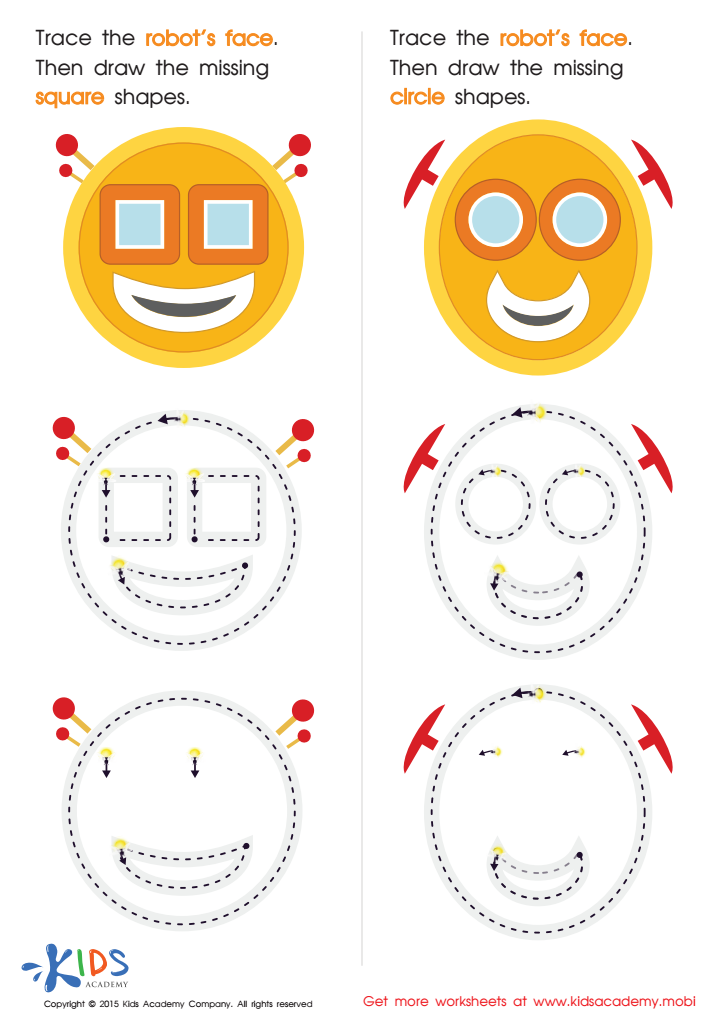
Practicing to Draw Circles And Squares Printable
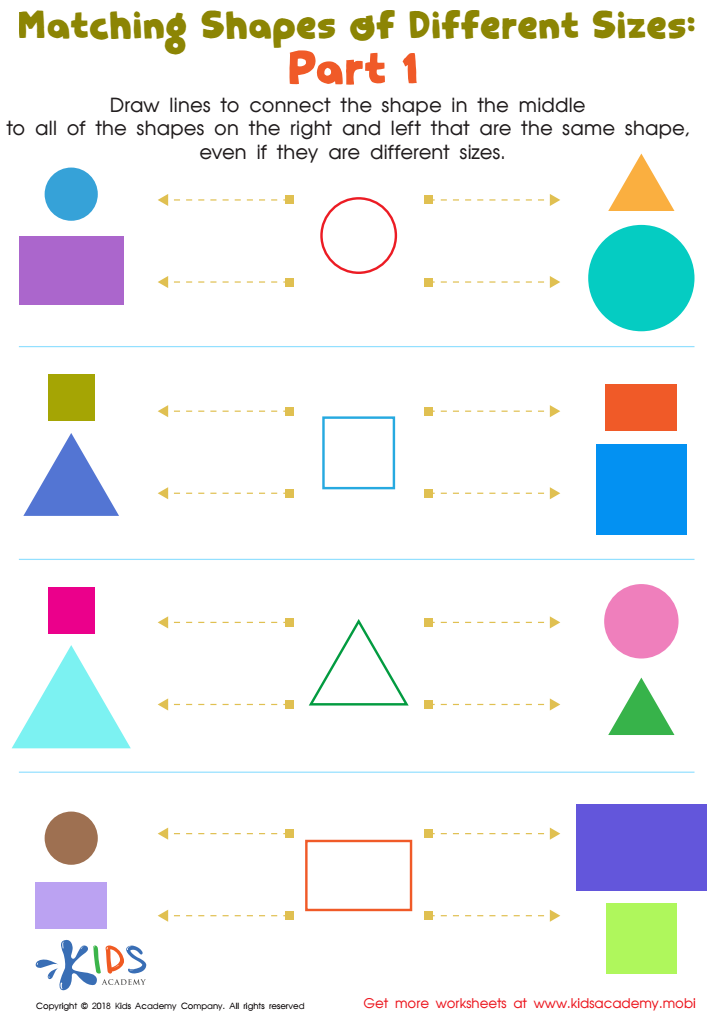
Geometry: part 1 Worksheet
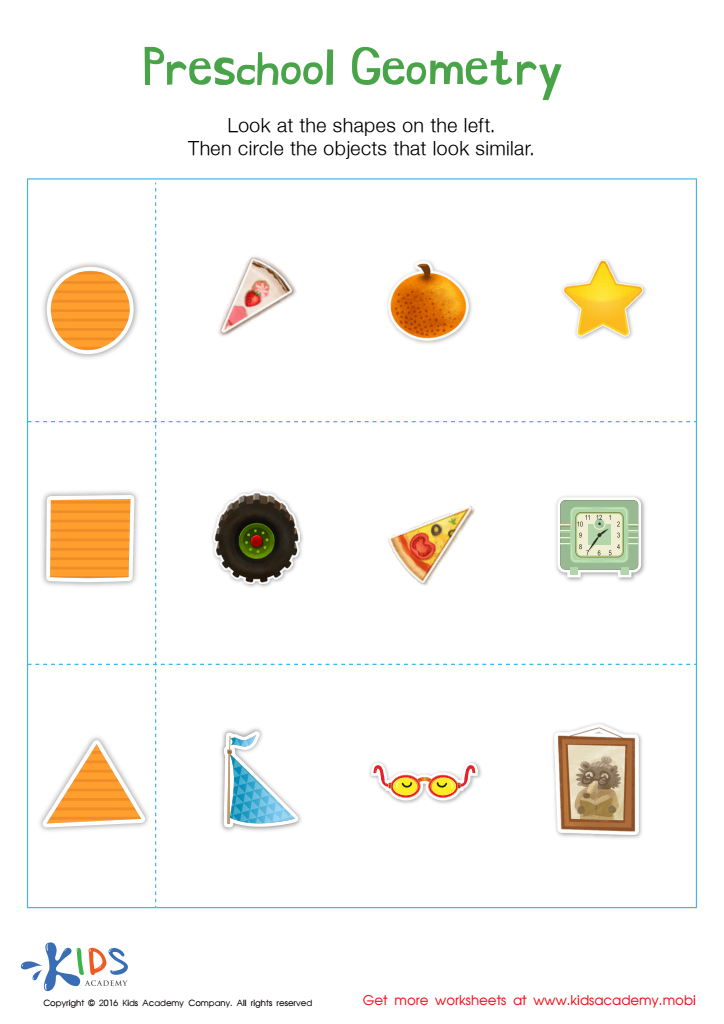
Preschool Geometry Match Up Worksheet
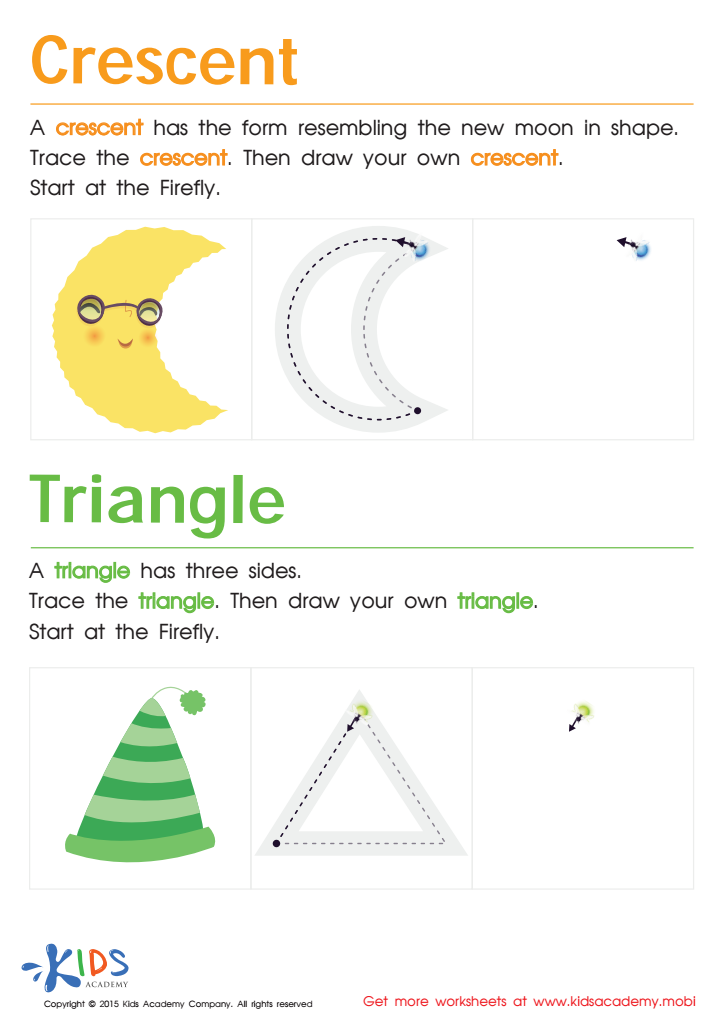
Learning to Draw Crescents And Triangles Worksheet
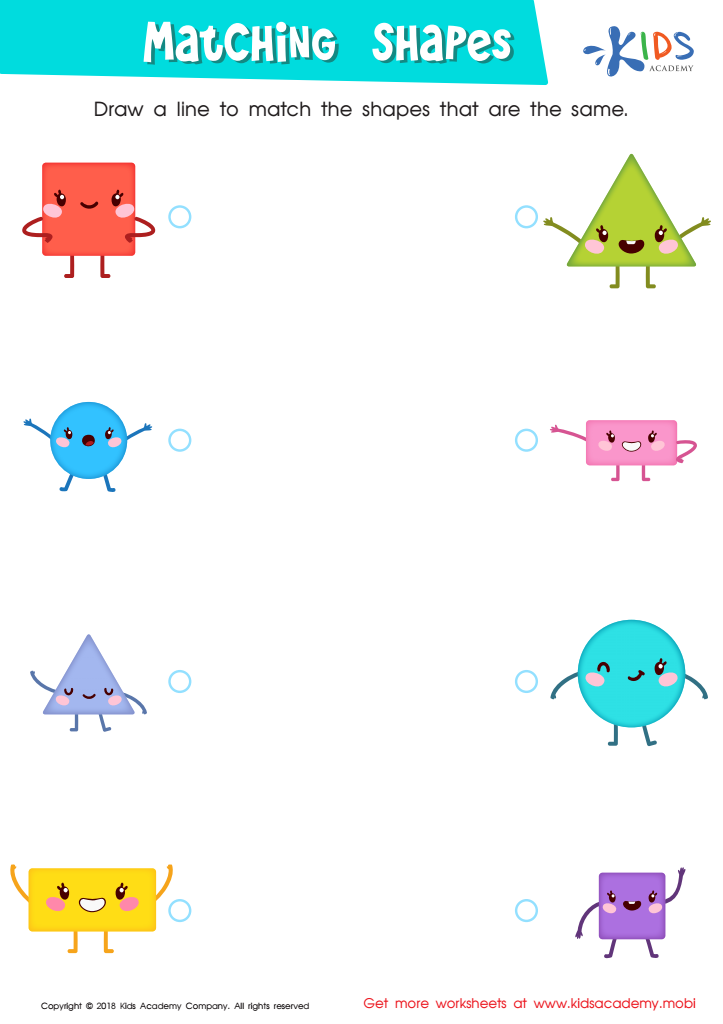
Matching Shapes Worksheet
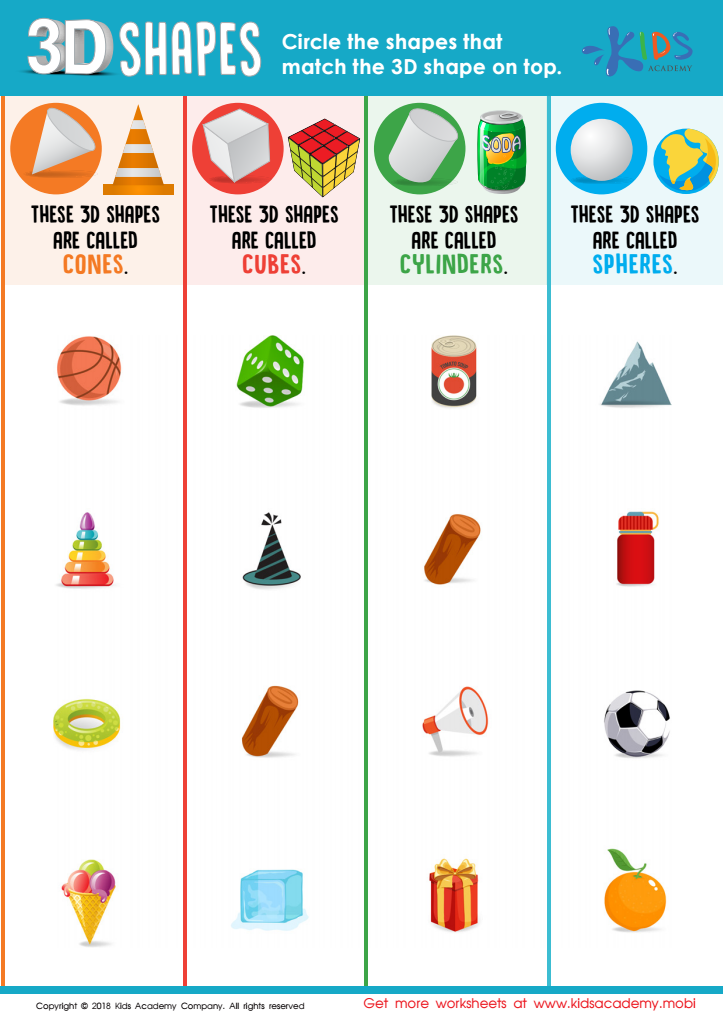
3D Shapes Worksheet








Cognitive development in early childhood is crucial for laying the foundation for a child's future learning, problem-solving abilities, and overall academic success. Understanding basic geometric concepts plays a vital role in this developmental stage. Recognizing shapes, patterns, and spatial relationships helps children enhance their critical thinking skills and fosters their ability to classify, compare, and manipulate objects. These skills are not only essential for mathematics but also for other subjects like science and art.
Parents and teachers should prioritize cognitive development in geometry because it promotes essential cognitive processes. When children engage with geometric shapes and concepts, they improve their analytical abilities and gain an understanding of mathematical reasoning that extends beyond arithmetic. Moreover, this knowledge is applicable in everyday life; recognizing and navigating spatial environments, understanding architectural elements, and even developing design skills.
Furthermore, a solid grasp of geometric principles contributes to lifelong learning and problem-solving capabilities in real-world scenarios. As children learn to visualize and conceptualize geometric forms, they become more adept at tackling challenging tasks throughout their education and careers. By supporting children’s cognitive development in geometry, parents and educators can enhance their confidence and prepare them for future academic challenges.








