Number Recognition Normal Tracing Numbers Worksheets
16 filtered results
-
From - To
Introduce young learners to the world of numbers with our Number Recognition Normal Tracing Numbers Worksheets! Ideal for preschool and kindergarten students, these engaging worksheets combine fun and learning as kids trace numbers for improved number recognition and handwriting skills. Each sheet features clear instructions, dotted lines for tracing, and vibrant illustrations to keep children motivated and focused. Perfect for both classroom and home use, these worksheets help establish a solid foundation in math while developing fine motor skills and boosting confidence. Download and print our high-quality tracing resources today to support your child’s early math journey!
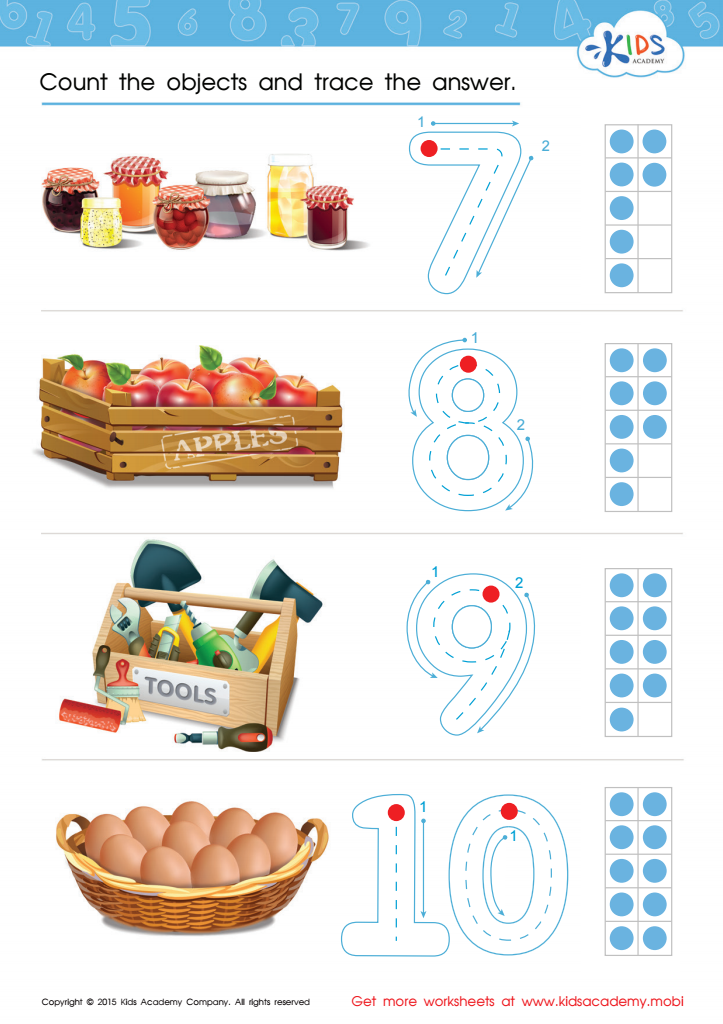
Count and Trace 7 – 10 Worksheet
 Assign to My Students
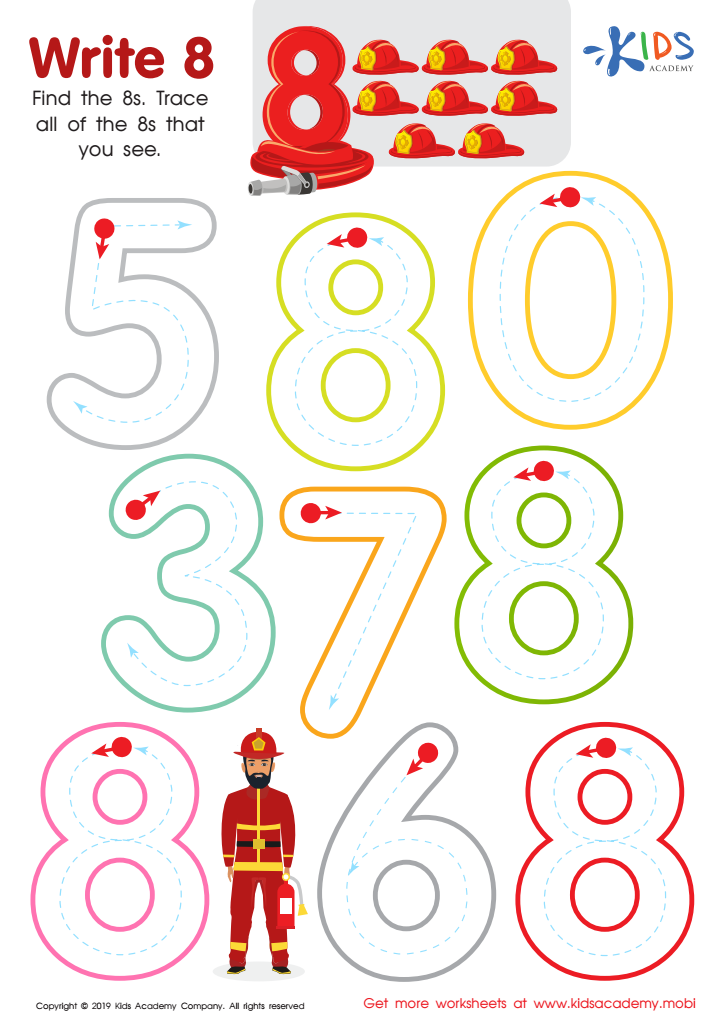
Write 8 Worksheet
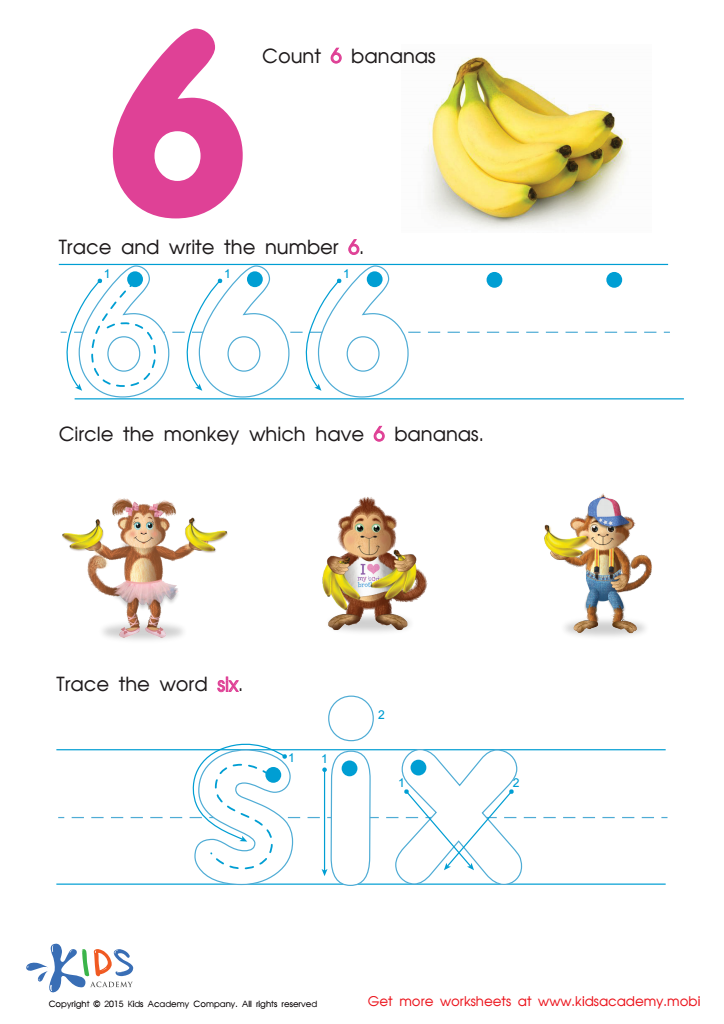
Tracing And Writing Number 6 Worksheet
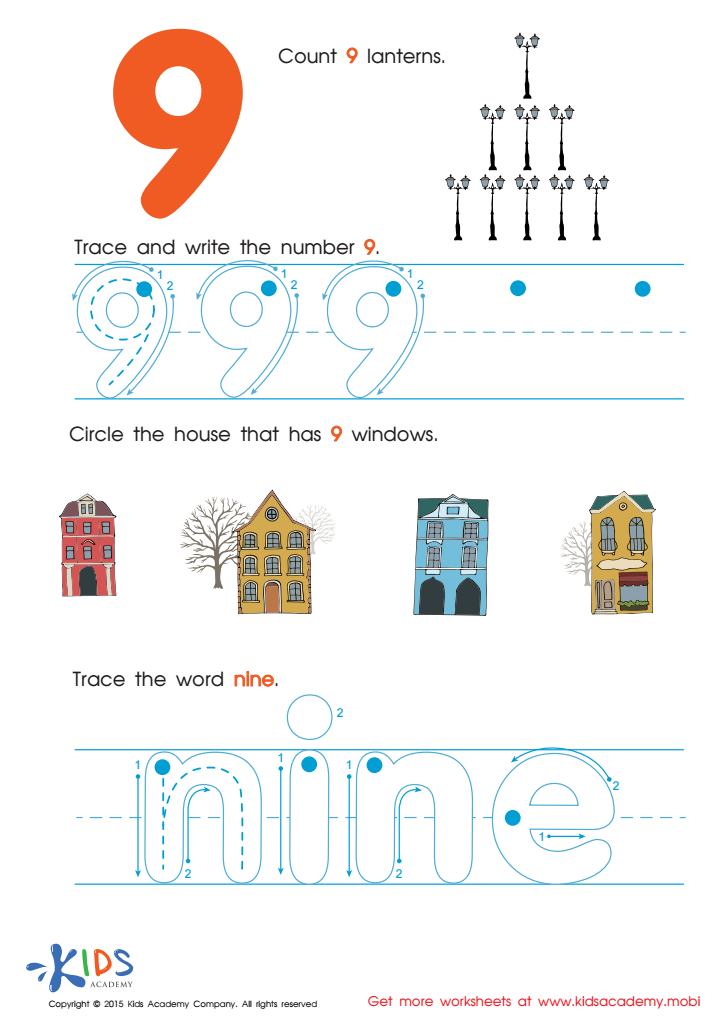
Tracing And Learning to Write Number 9 Worksheet
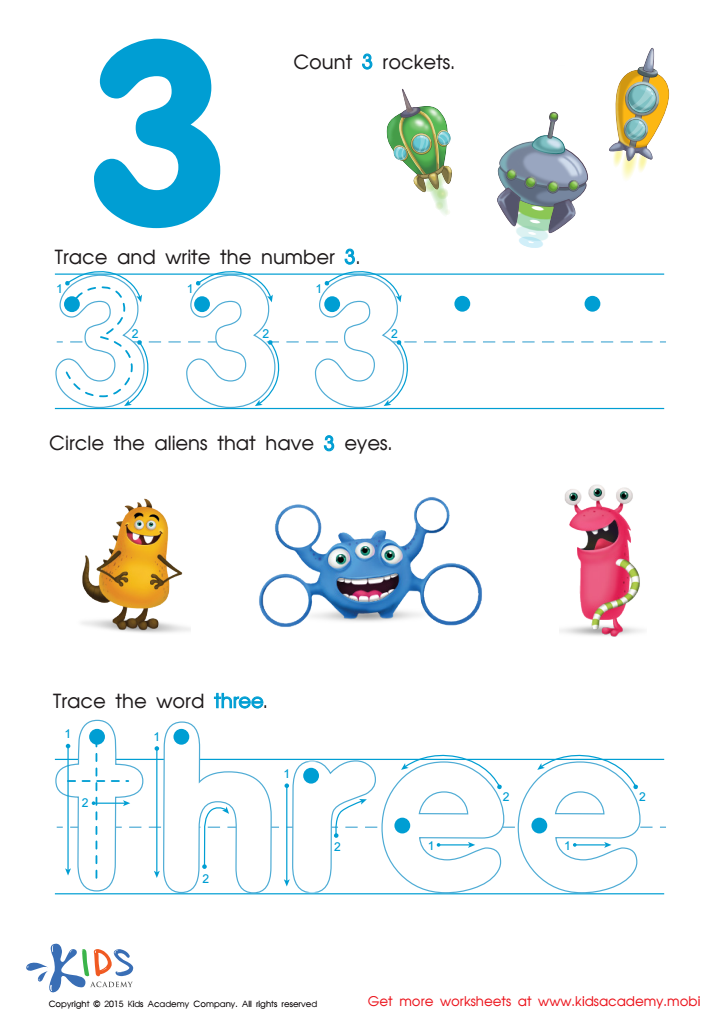
Learning Number Three Worksheet
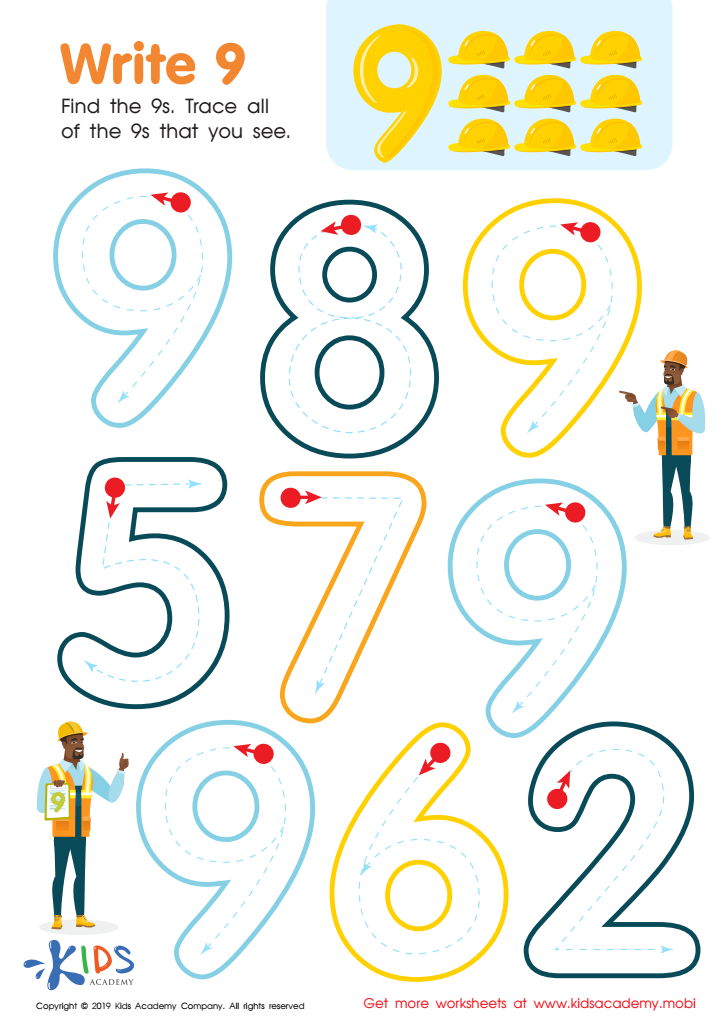
Write 9 Worksheet
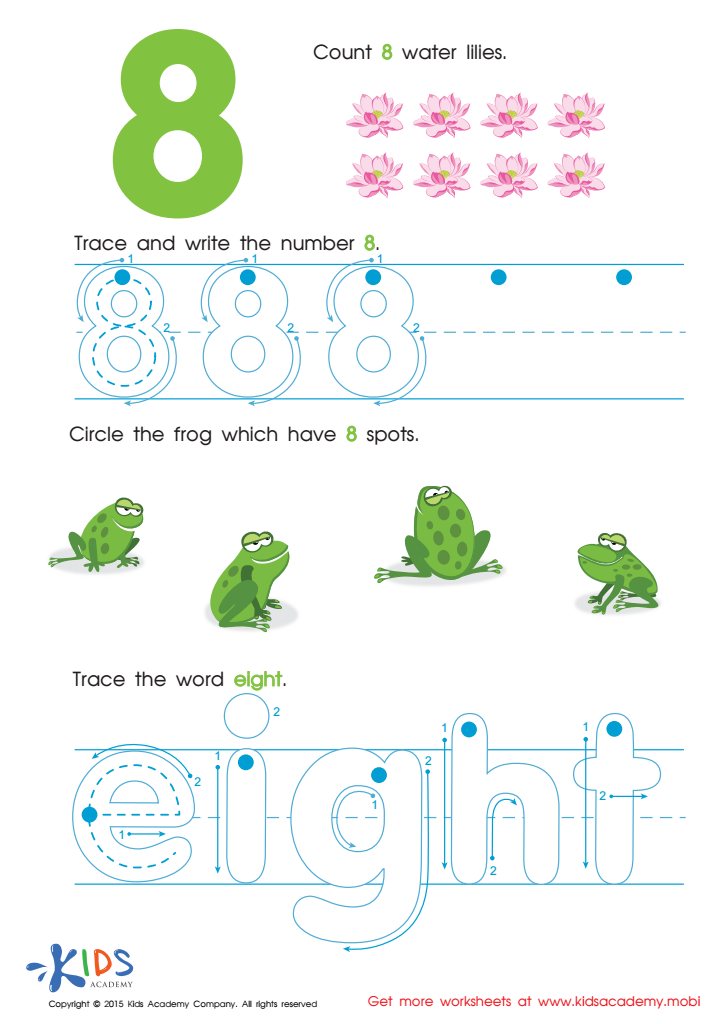
Learn Number 8 Easily Worksheet
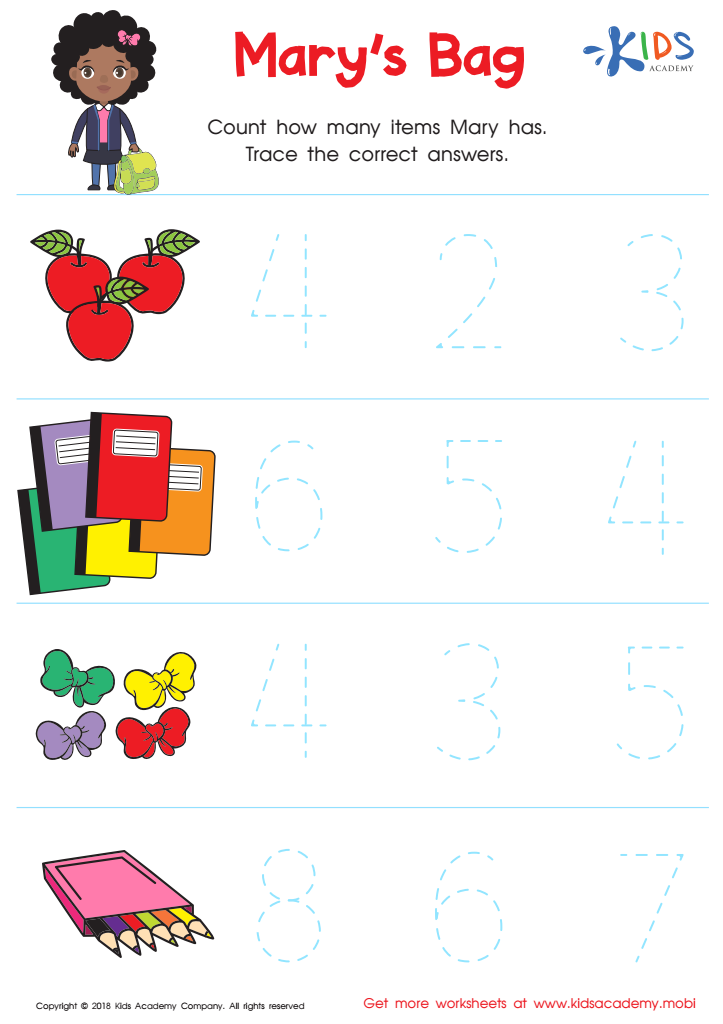
Kindergarten Number Tracing: Mary's Bag Worksheet
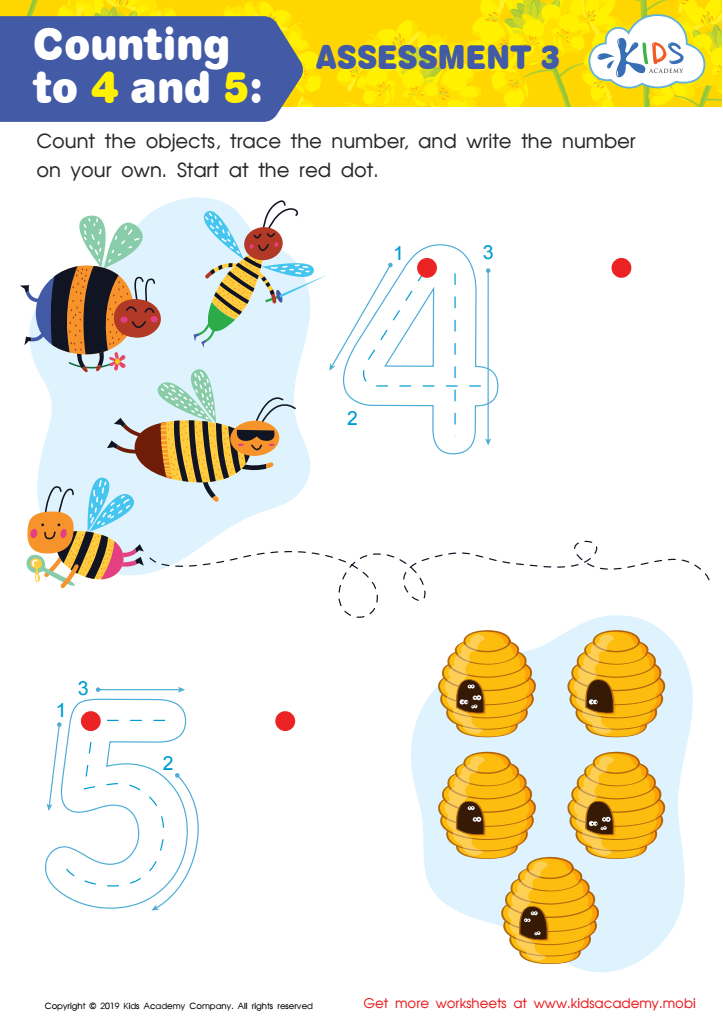
Counting to 4 and 5: Assessment 3 Worksheet
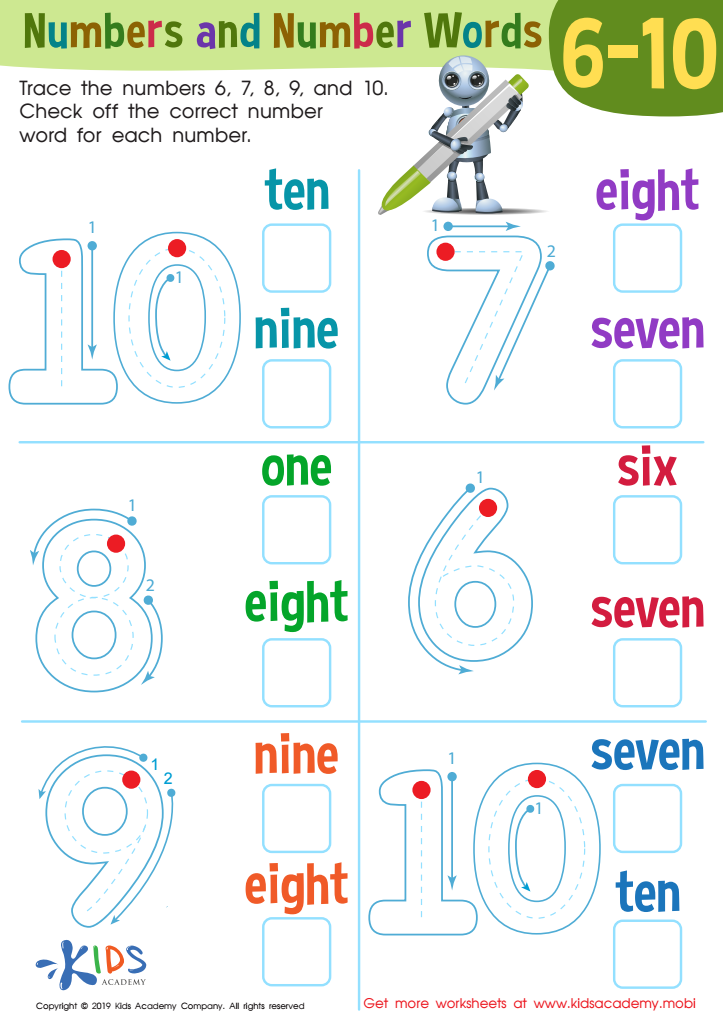
Numbers and Number Words 6–1 Worksheet
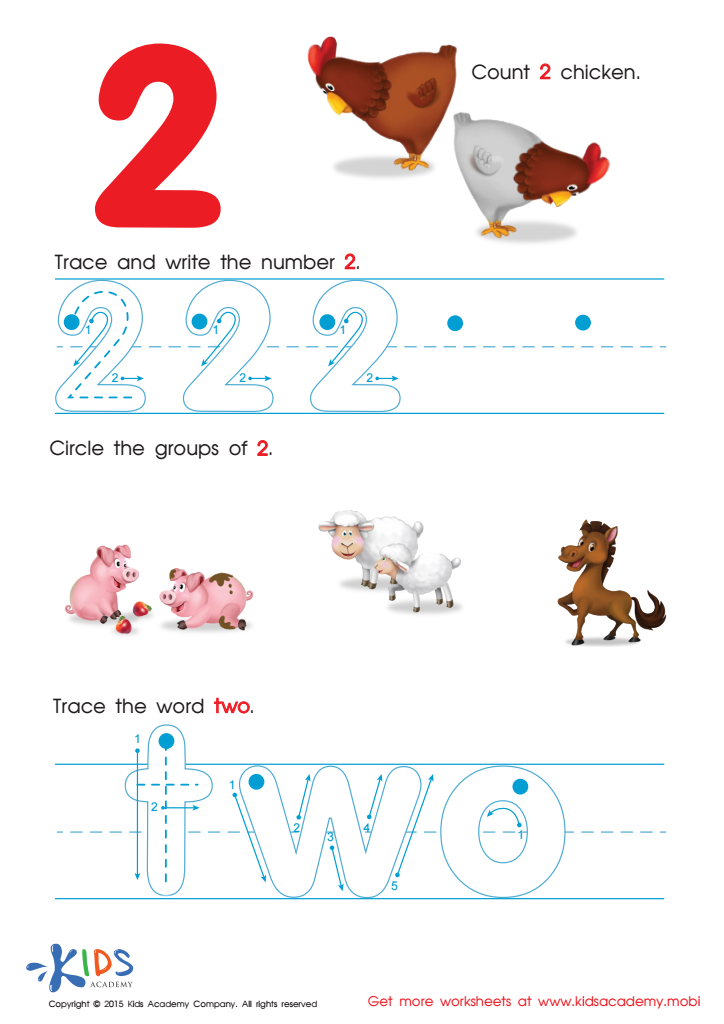
Learn to Write the Number 2 Worksheet
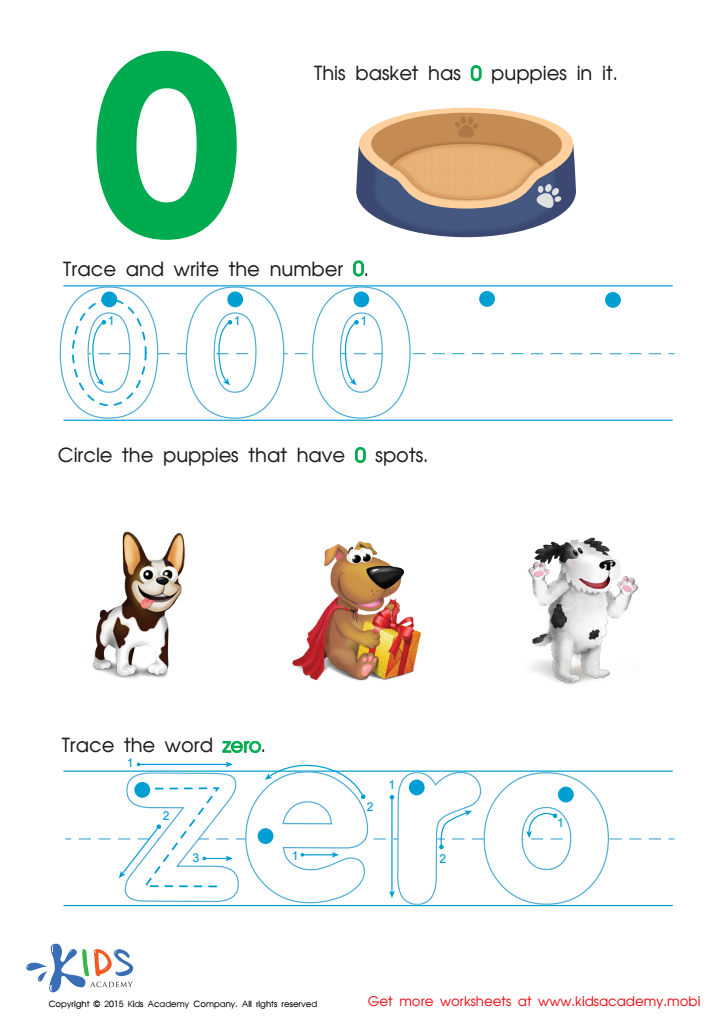
Trace And Write Number 0 Worksheet
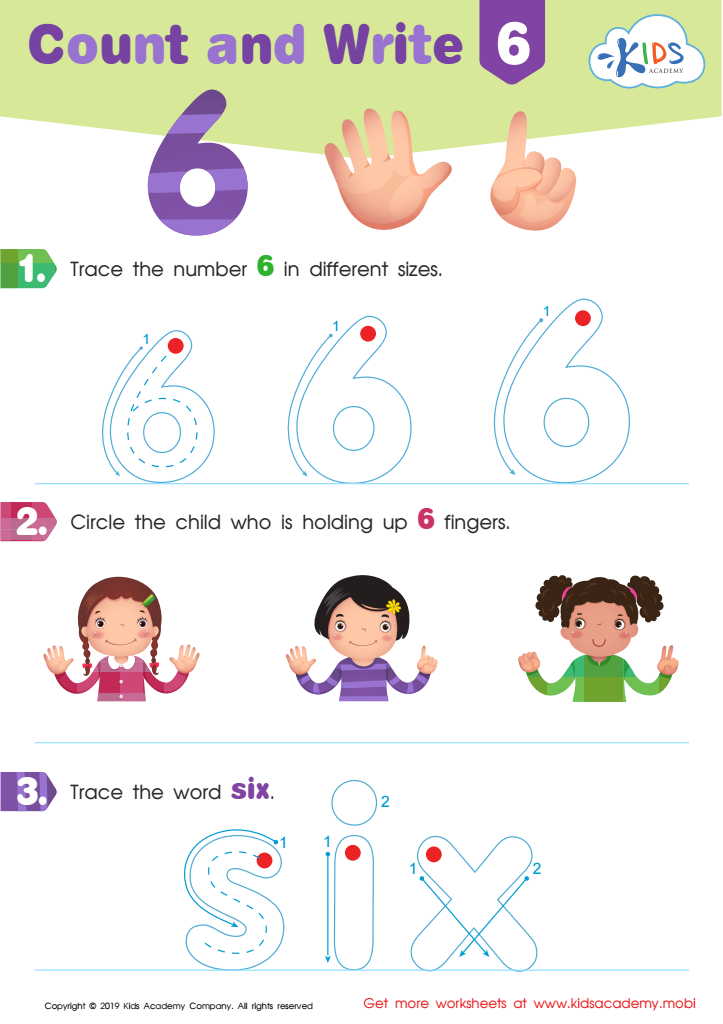
Count and Write 6 Worksheet
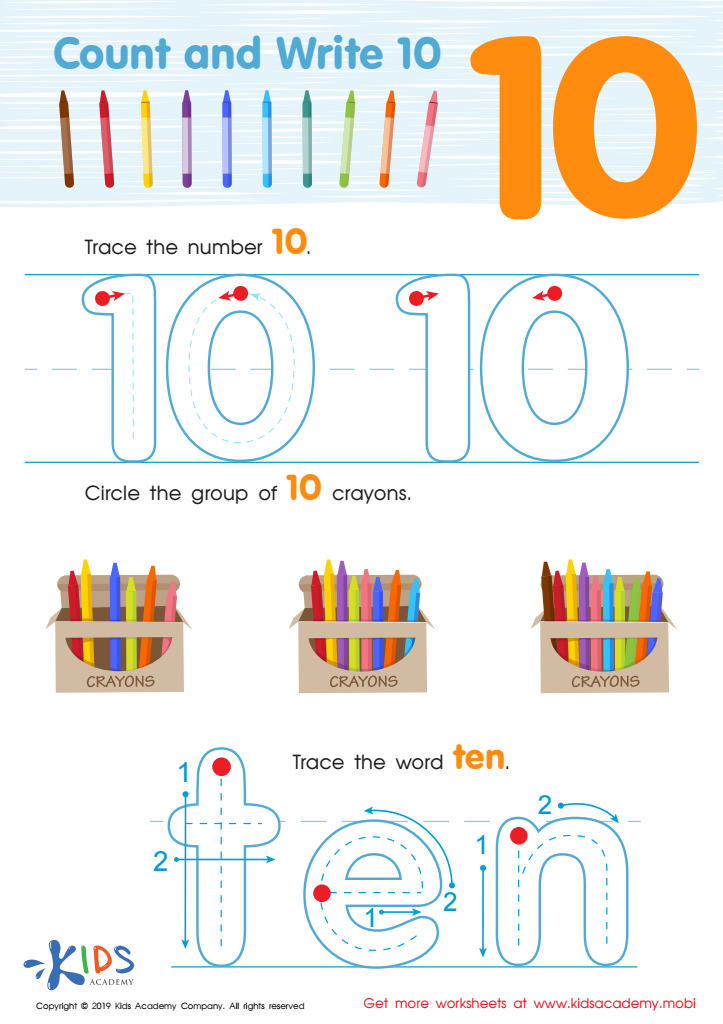
Count and Write 10 Worksheet
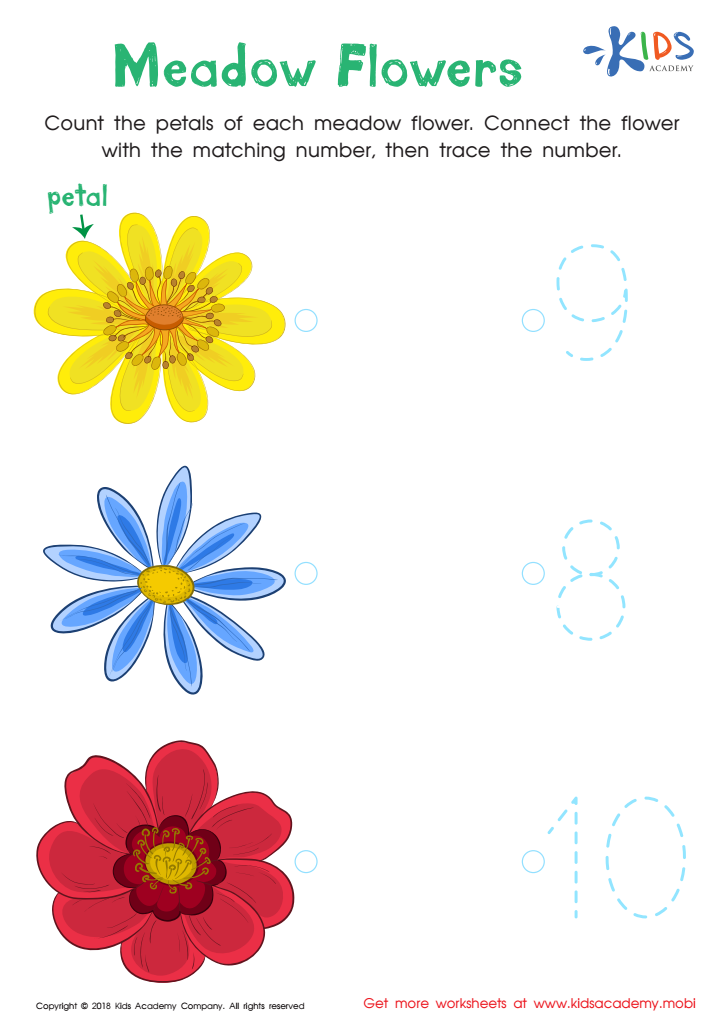
Kindergarten Number Tracing: Medow Flowers Worksheet








Number Recognition Normal Tracing Numbers is foundational to early childhood education and has a significant impact on a child's mathematical development. It involves the ability to identify and trace numbers accurately, which is essential for several reasons.
Firstly, recognizing and tracing numbers help children develop fine motor skills. The repetitive action of tracing numbers enhances their hand-eye coordination and prepares them for writing letters and more complex shapes. This motor development is crucial for all writing activities and improves overall dexterity.
Secondly, it also lays the foundation for numerical literacy. Understanding that the symbol '5' represents five objects, for instance, is a critical step in learning more complex mathematical concepts like addition, subtraction, and eventually, multiplication and division. Effective number recognition sets the stage for numeracy, which is as fundamental as literacy for day-to-day activities.
Additionally, number recognition and tracing enhance cognitive skills like memory, attention, and problem-solving. When a child learns to identify, trace, and eventually write numbers, it enhances their ability to organize information systematically and recognize patterns.
Parents and teachers should value these activities because they provide a strong start in a child's academic journey. The benefits go beyond early math skills, positively influencing fine motor development, cognitive growth, and social readiness, positioning children for long-term academic success.