Problem-Solving Skills Normal Grade 2 Addition & Subtraction Worksheets
17 filtered results
-
From - To
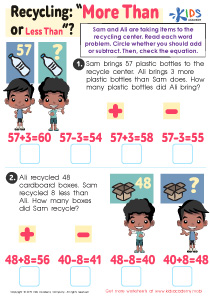
Enhance your second grader’s critical thinking with our "Problem-Solving Skills Normal Grade 2 Addition & Subtraction Worksheets". These engaging worksheets are designed to refine key mathematical abilities early on. Through diverse real-life scenarios, kids practice addition and subtraction while honing their logical thinking and analytical skills. Each worksheet presents carefully crafted problems that promote perseverance and boost confidence in problem-solving. Perfect for both classroom settings and at-home practice, they provide a fun, educational experience that supports Common Core standards. Make math practice meaningful and enjoyable with our premium problem-solving worksheets tailored for second-grade students.
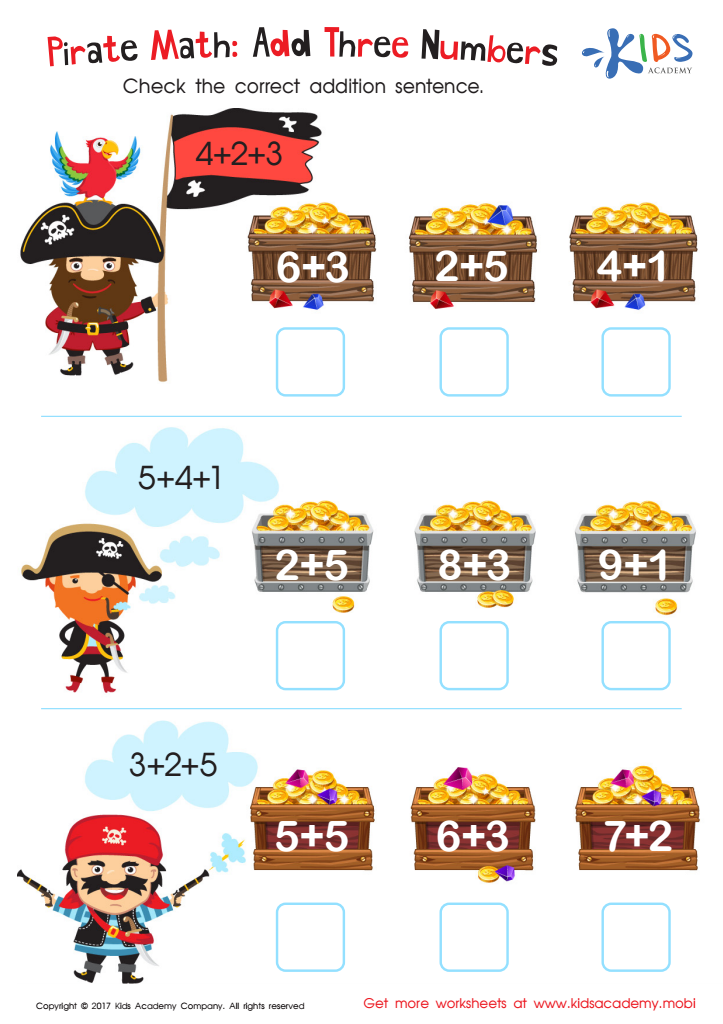
Pirate Math Printable
 Assign to My Students
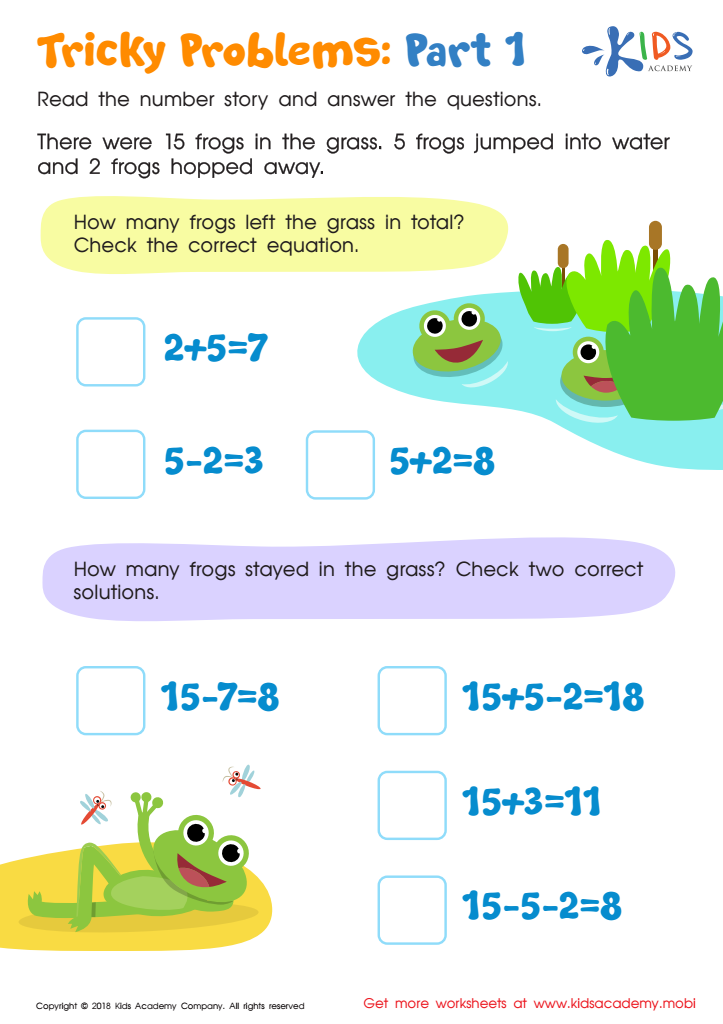
Tricky Problems Worksheet: Part 1
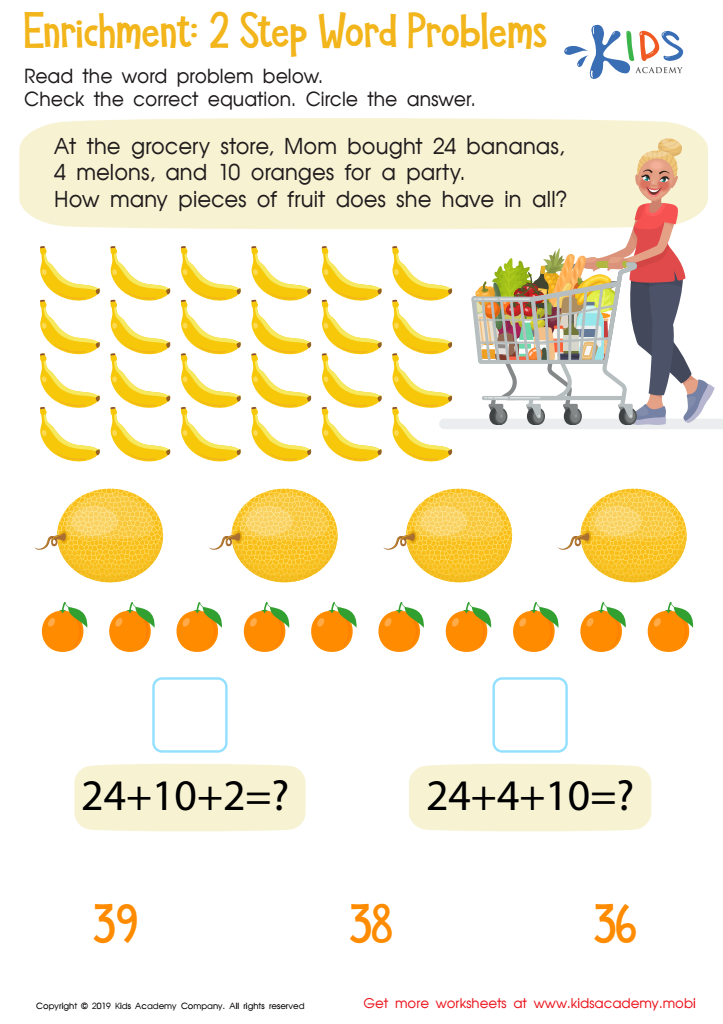
Enrichment -2 Step Word Problems Worksheet
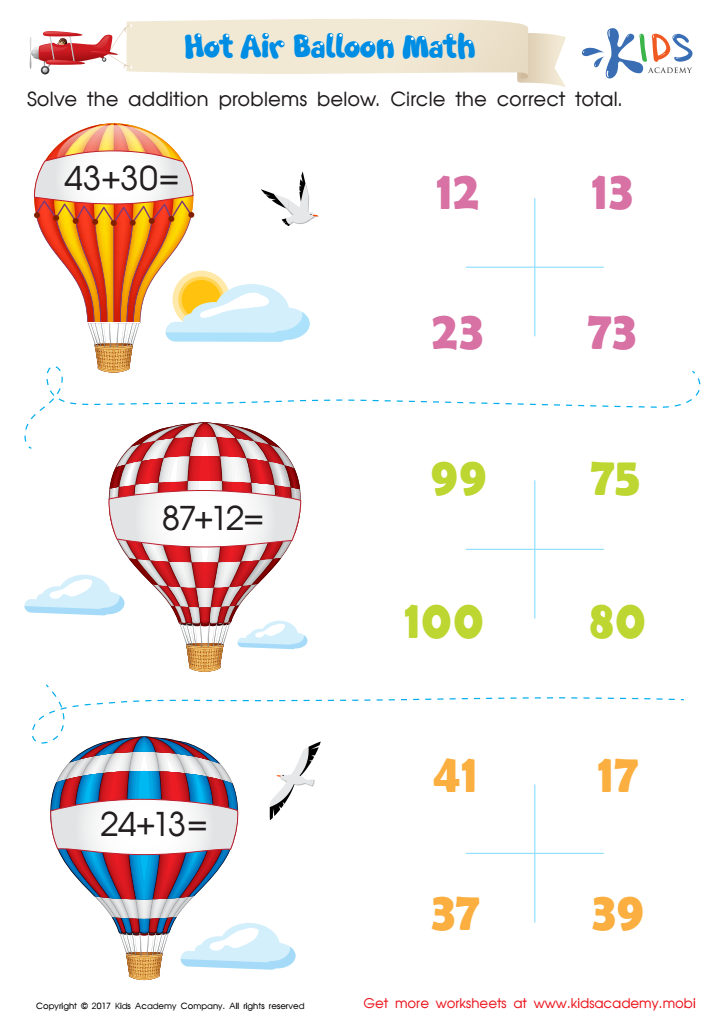
Hot Air Balloon Math Worksheet
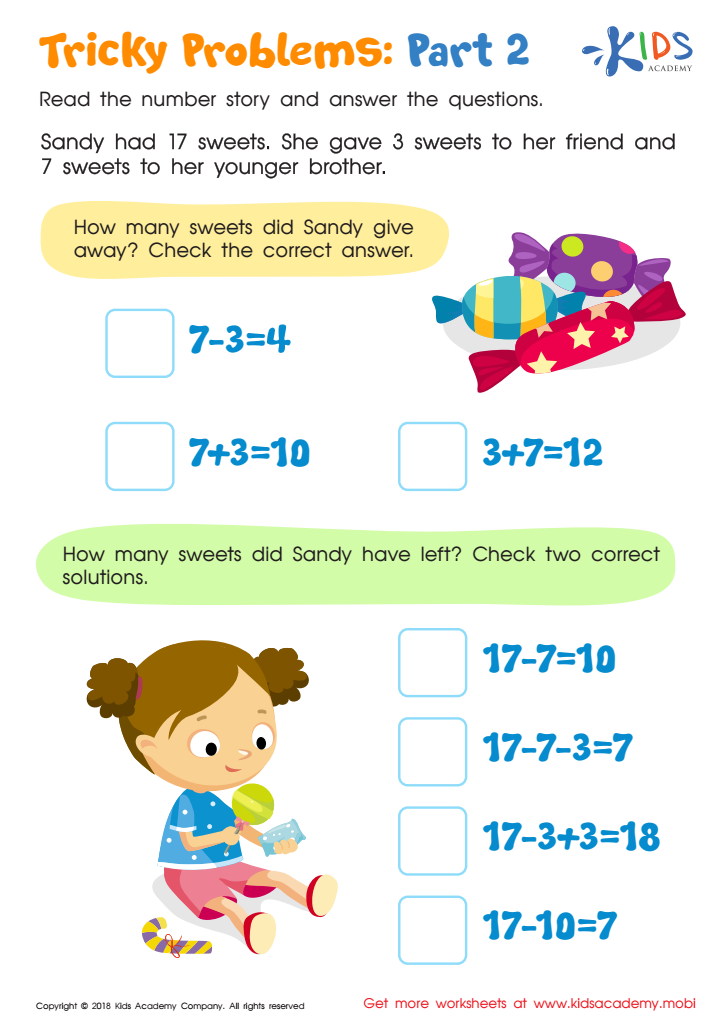
Tricky Problems Worksheet: Part 2
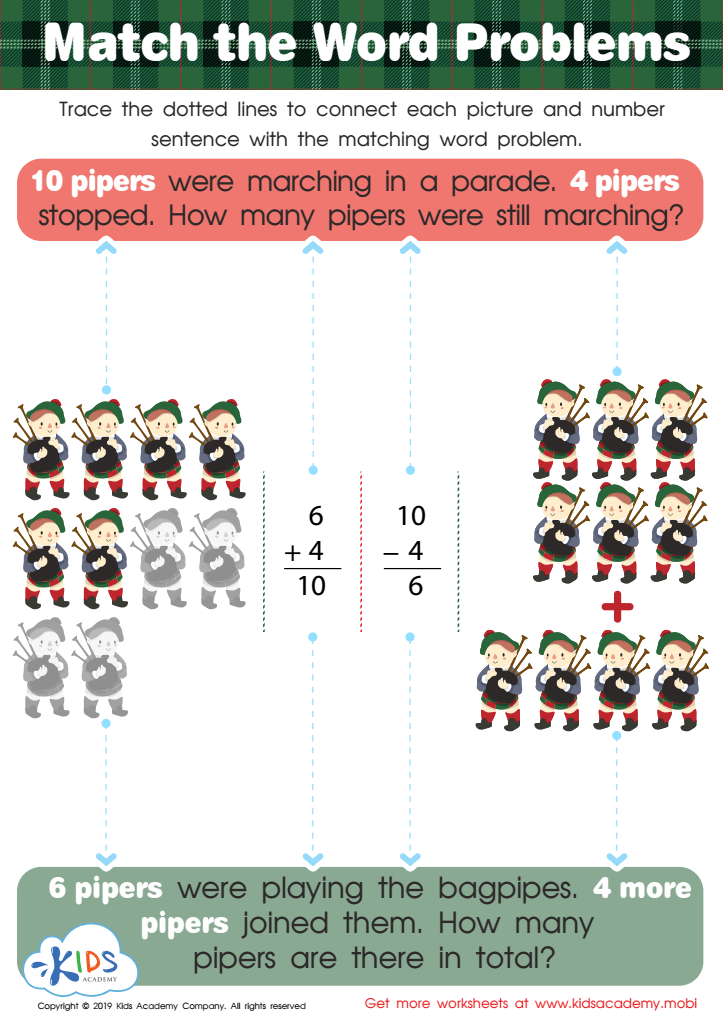
Match the Word Problems Worksheet
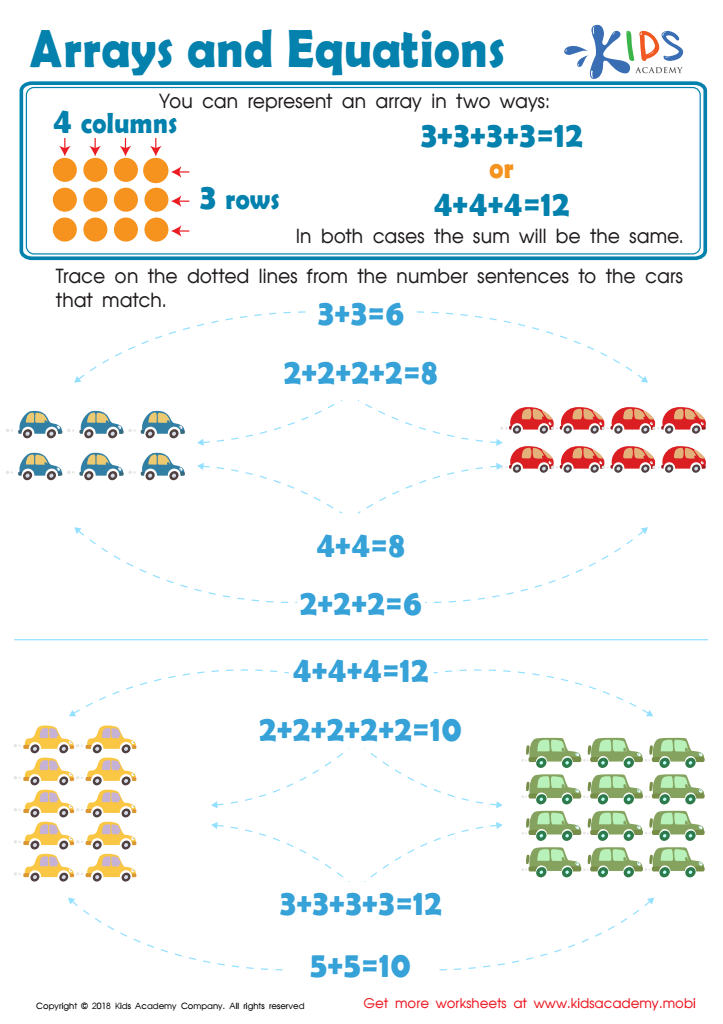
Arrays and Equations Worksheet
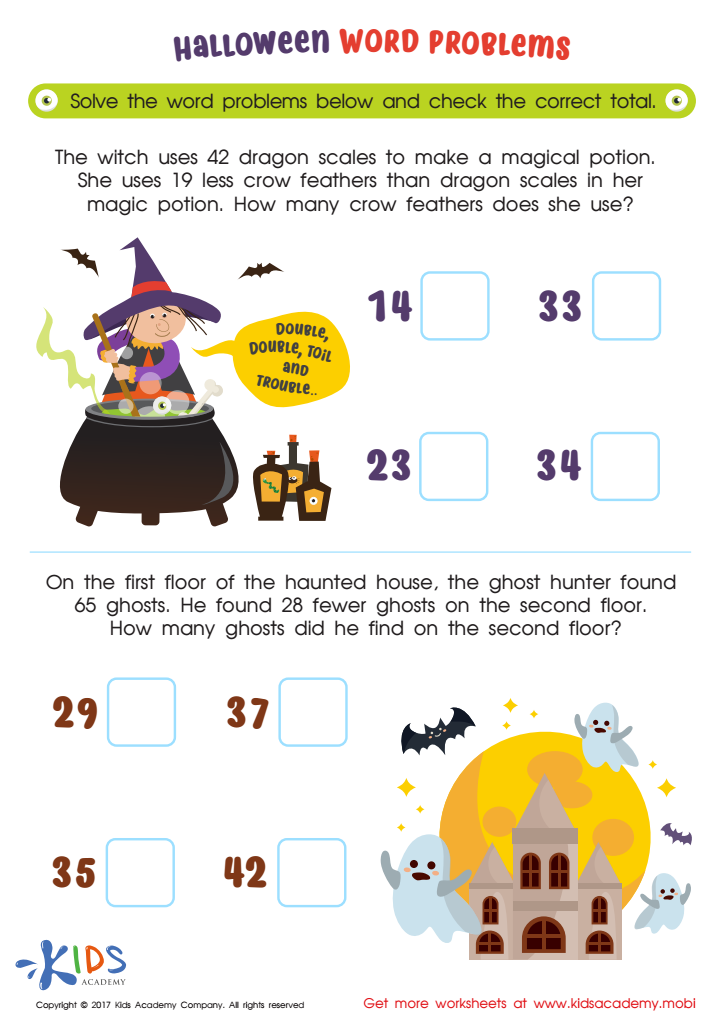
Halloween Word Problems Printable
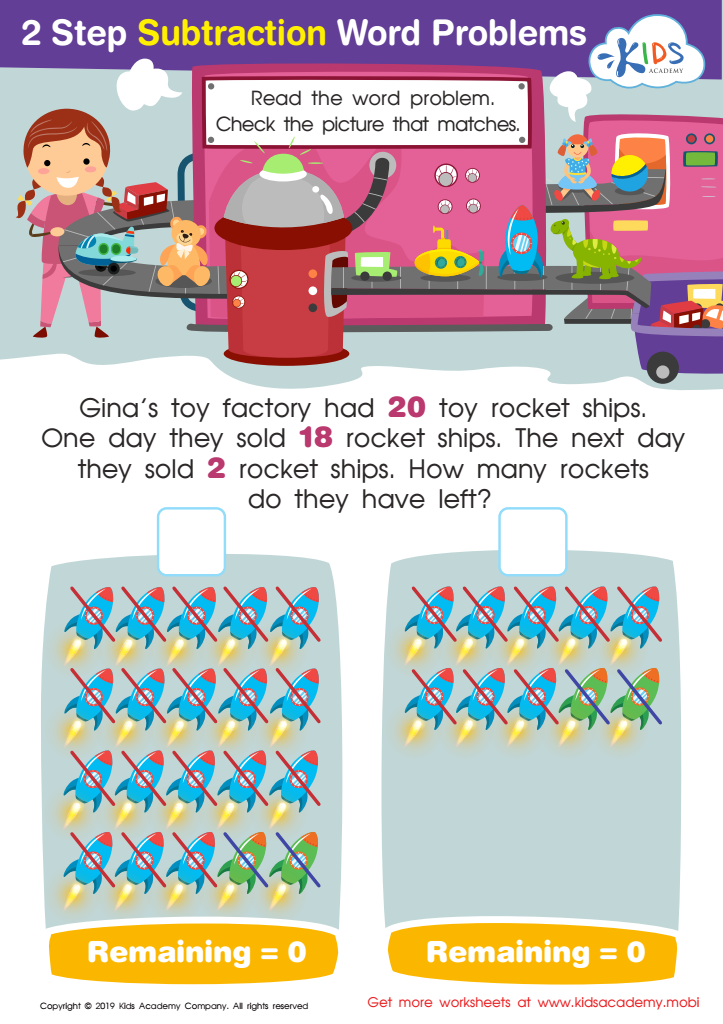
Step Subtraction Word Problems Worksheet
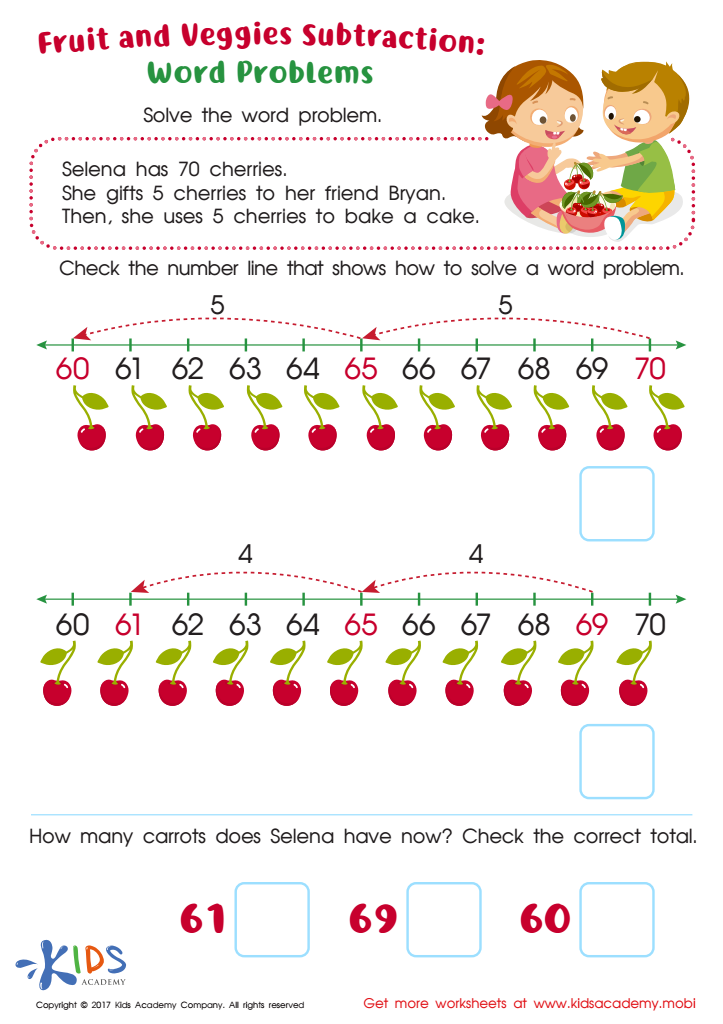
Subtraction Word Problems Free Printable
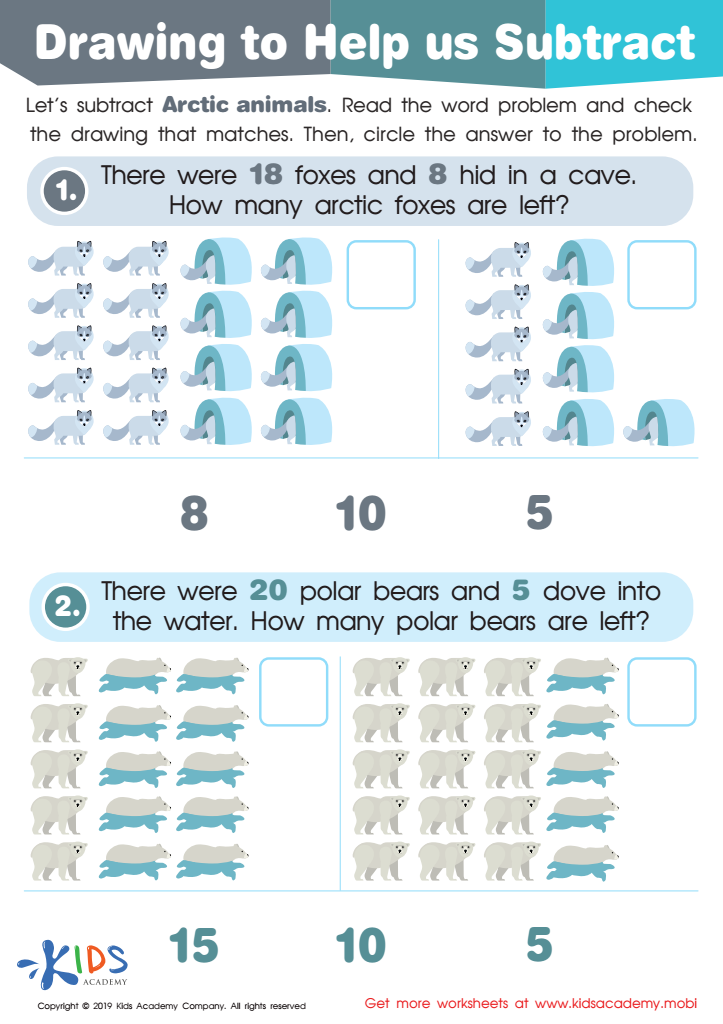
Drawing to Help Us Subtract Worksheet
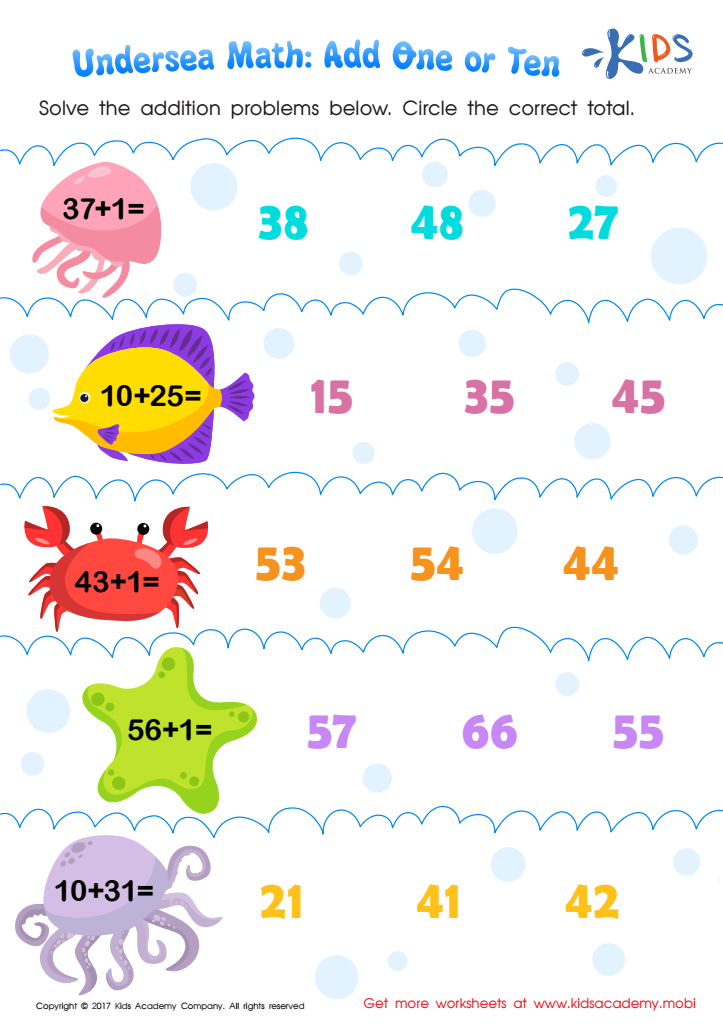
Undersea Math Worksheet
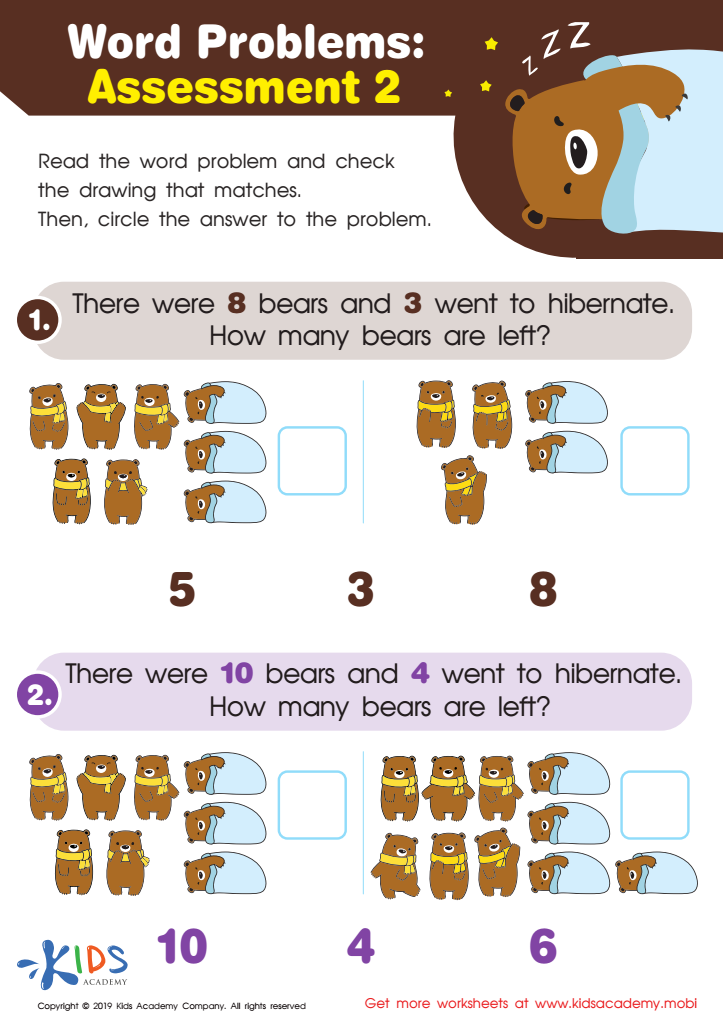
Word Problems: Assessment 2 Worksheet
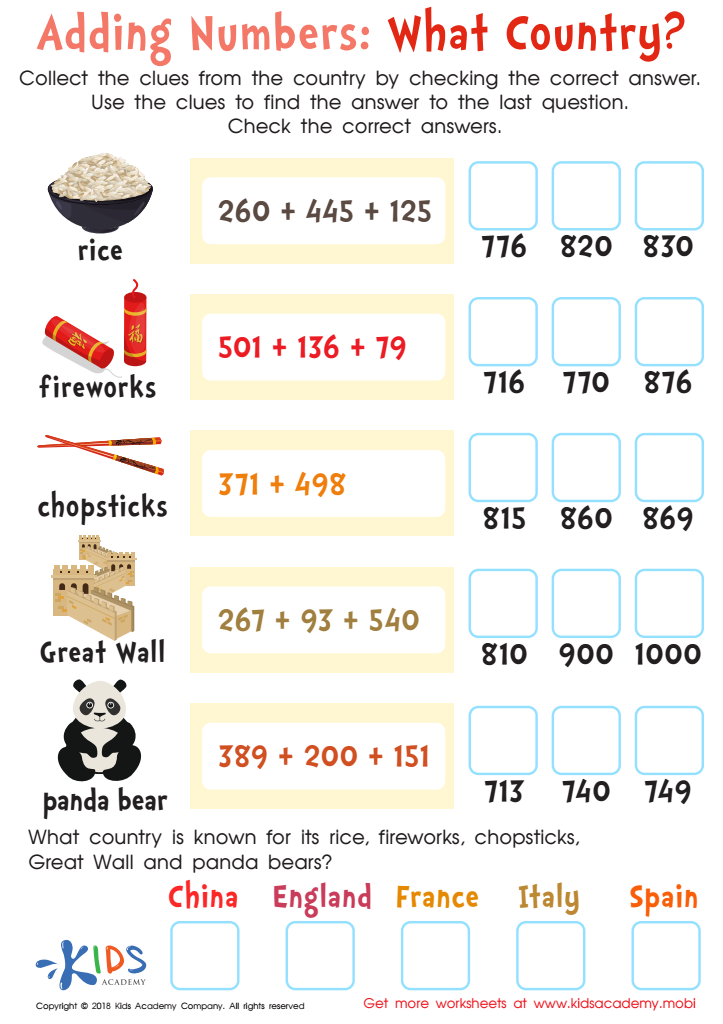
Adding Numbers: What Country Worksheet
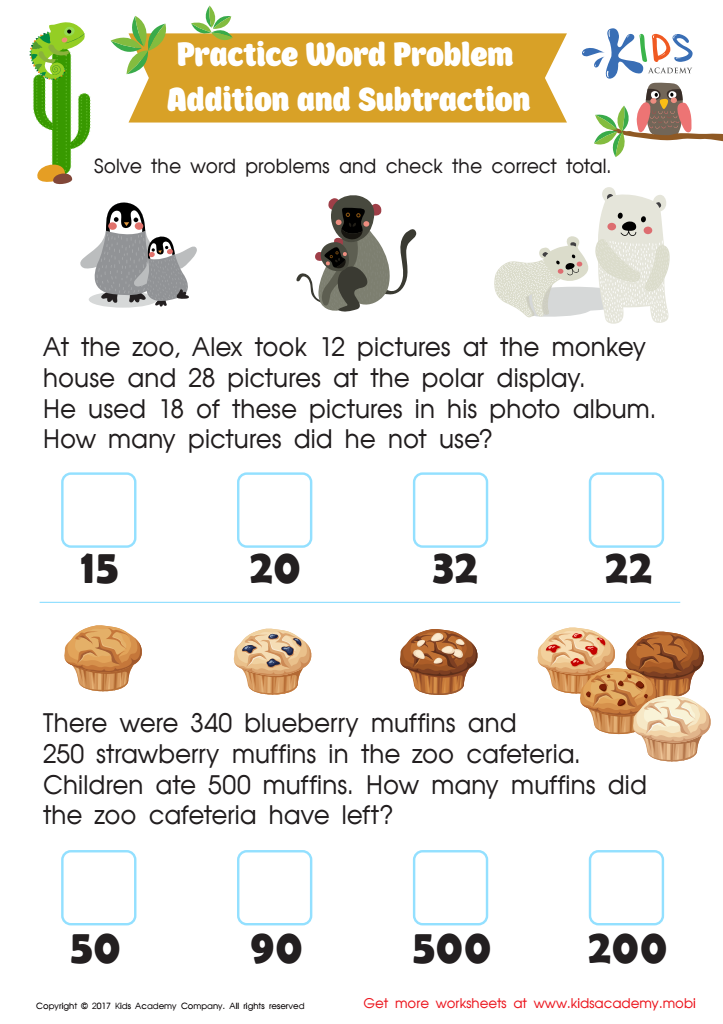
Addition and Subtraction: Word Problems Worksheet
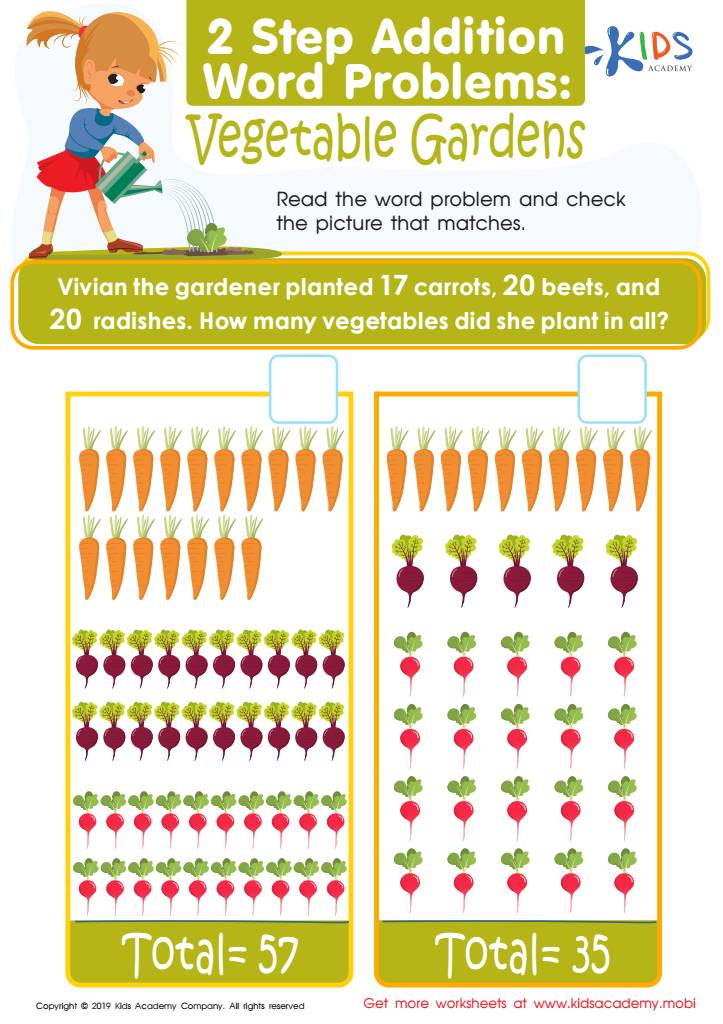
Vegetable Gardens Worksheet
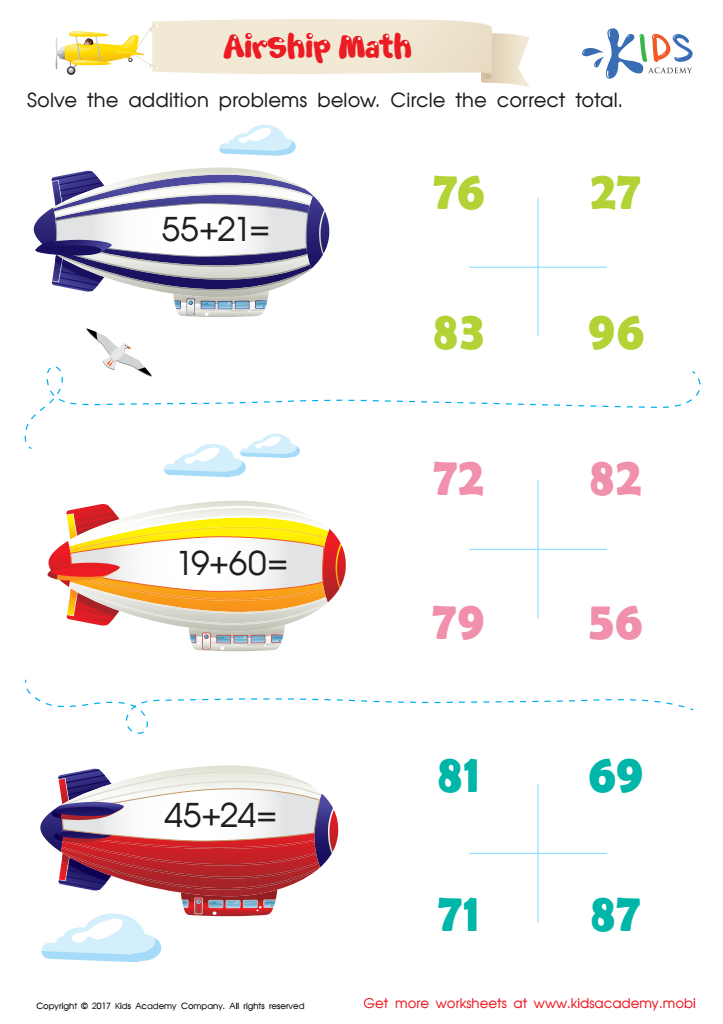
Airship Math Addition Printable








Parents and teachers should prioritize problem-solving skills in normal Grade 2 addition and subtraction because these fundamental competencies form the backbone of future mathematical learning and everyday decision-making. At this developmental stage, children transition from concrete to more abstract thinking, making it an ideal time to build a strong arithmetic foundation.
Developing problem-solving skills in addition and subtraction not only enhances mathematical proficiency but also boosts cognitive development. It encourages critical thinking, reasoning, and the ability to approach challenges methodically. When children encounter word problems or real-life scenarios requiring basic arithmetic, they learn to apply these skills practically, fostering confidence and independence.
Furthermore, mastering these operations early on can prevent future struggles in more advanced topics like multiplication, division, and fractions. Consistent practice in problem-solving helps identify specific areas where a child might need additional support, allowing timely interventions by parents and teachers.
Lastly, enhancing problem-solving abilities in these areas also improves patience, perseverance, and a growth mindset, as children learn that solving problems often requires multiple attempts and strategies. Investing in these skills from an early age helps cultivate lifelong learners who are better equipped to tackle complex challenges in their academic journeys and daily lives.