Visual Learning Normal Grade 2 Math Worksheets
3 filtered results
Difficulty Level
Grade
Age
-
From - To
Subject
Activity
Standards
Discover our engaging Visual Learning Normal Grade 2 Math Worksheets, designed to enhance young learners' understanding through colorful visuals and interactive activities. These worksheets cater to various math concepts, from addition and subtraction to problem-solving, making math fun and accessible. Each worksheet is crafted to stimulate visual thinking, helping students grasp mathematical ideas more effectively. Perfect for classroom or home use, these resources promote critical thinking and reinforce skills essential for academic success. Unlock your child's potential in math with our thoughtfully designed worksheets, where learning becomes a delightful adventure! Explore our collection and watch their confidence grow!
Favorites
With answer key
Interactive
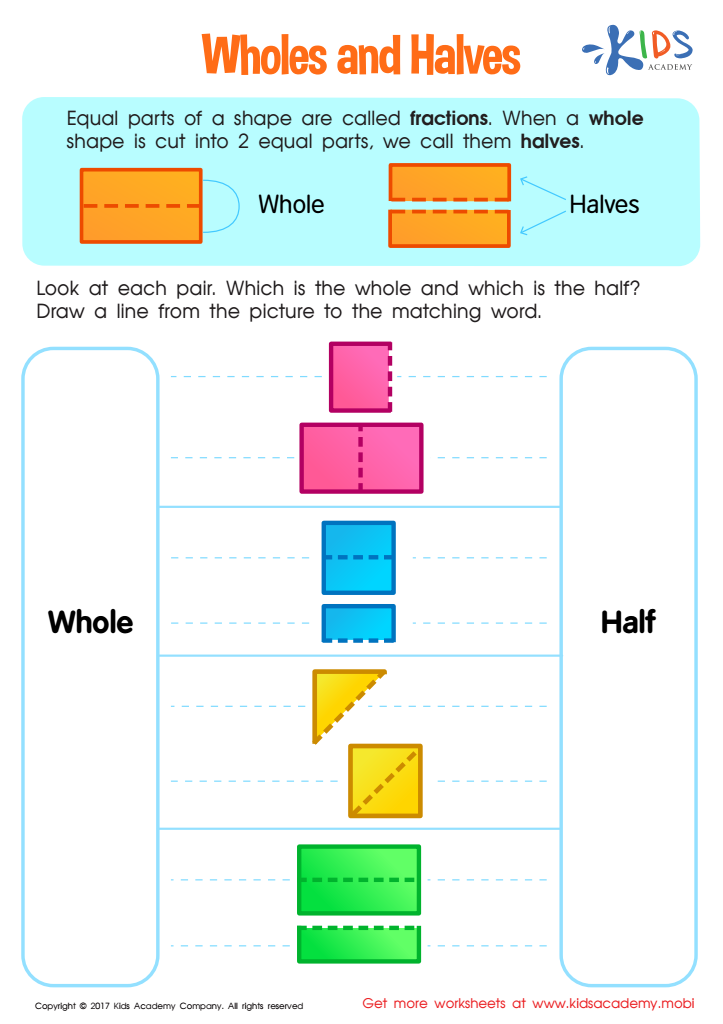
Wholes and Halves Worksheet
Students can feel overwhelmed with fractions. Help take the stress off by using a colorful worksheet to explain whole shapes and how to find halves. Ask them to identify the whole and point to the matching word for the half. A free printout can help guide them.
 Assign to My Students
Wholes and Halves Worksheet
Worksheet
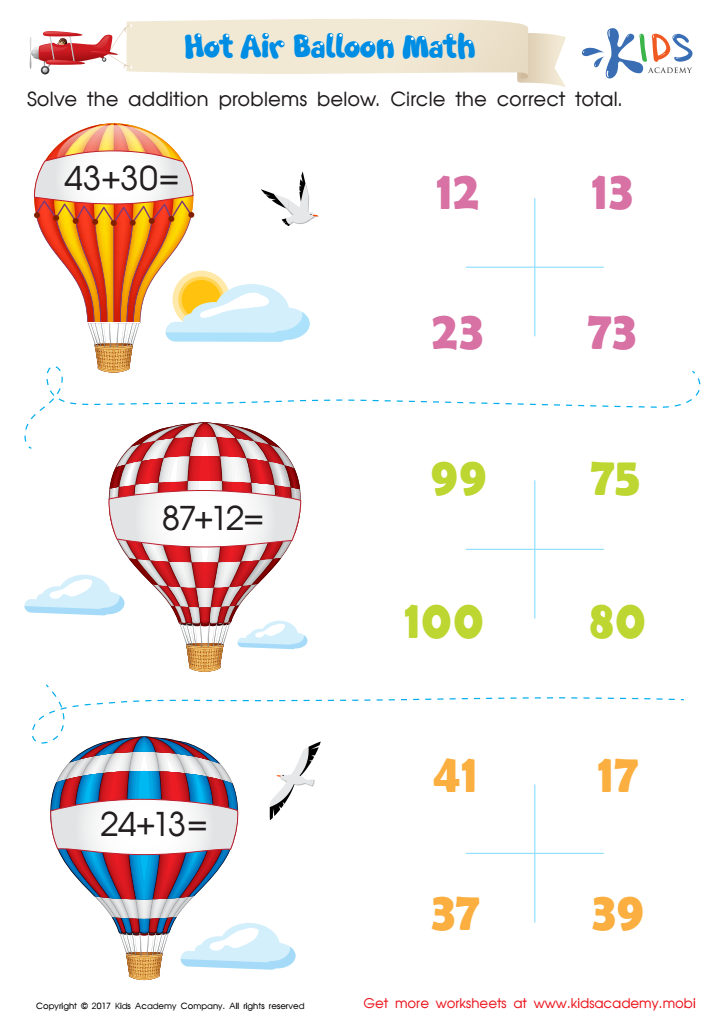
Hot Air Balloon Math Worksheet
It uses engaging pictures and a hot air balloon theme to keep your child interested, and it’s designed to build addition confidence.
Hot Air Balloon Math Worksheet
Worksheet
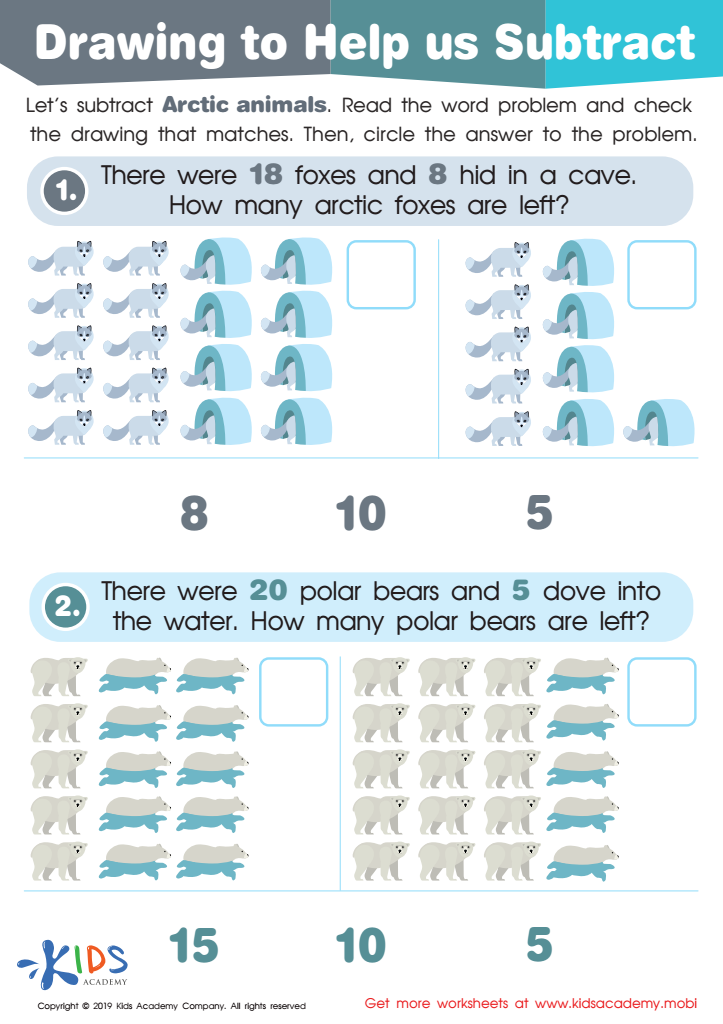
Drawing to Help Us Subtract Worksheet
Math is made fun with this free worksheet featuring Arctic animal pictures to solve basic subtraction word problems. Kids read the problem and choose the correct drawing of the animals to represent the solution. They'll have a blast with their cool animal friends while learning math!
Drawing to Help Us Subtract Worksheet
Worksheet
Join Kids Academy for Free
Who is primarily going to use this learning content?





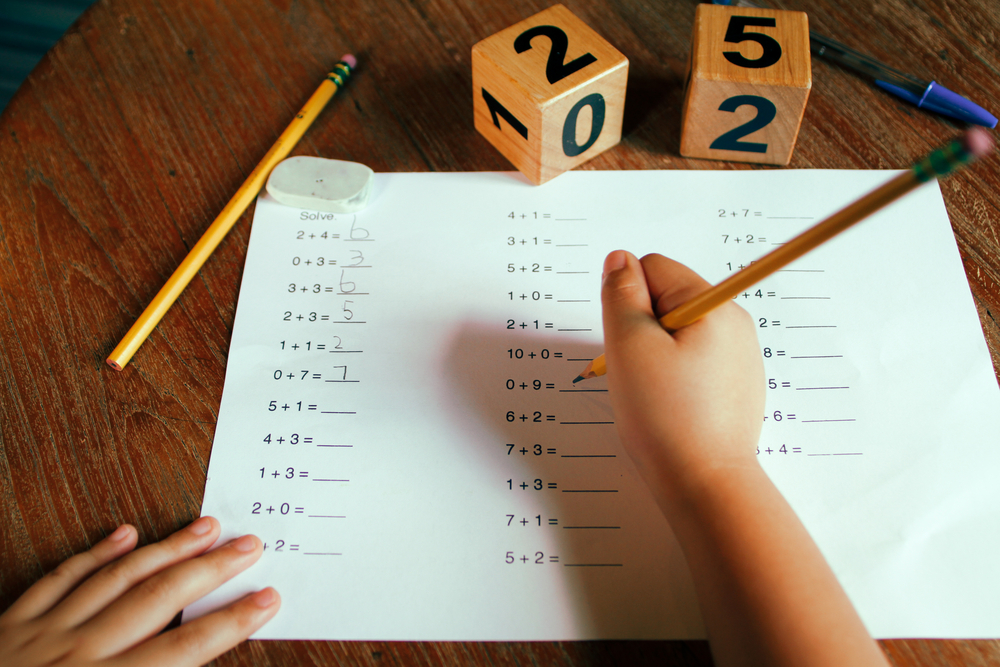

Visual learning in Grade 2 math is crucial because it enhances comprehension and retention for young learners. At this age, children's cognitive abilities are rapidly developing, and integrating visual aids—such as diagrams, charts, and manipulatives—can help clarify abstract concepts. By making math visual, teachers and parents can assist children in grasping fundamental ideas like addition, subtraction, geometry, and pattern recognition.
Visual learning engages different senses, capturing students' attention more effectively than traditional methods. For example, using physical objects like blocks allows children to physically manipulate and visualize math problems, making them more concrete. This interaction fosters a deeper understanding and encourages problem-solving skills.
Additionally, students who struggle with traditional text-based learning can benefit significantly from visual methods. Visual aids can bridge the gap for visual learners and help boost confidence, enabling them to express their understanding in diverse ways.
Moreover, fostering an appreciation for math through engaging visuals can reduce math anxiety, laying a positive foundation for future learning. When parents and teachers prioritize visual learning, they encourage a more personalized and engaging math experience, ultimately setting kids on the path to academic success.