Understand addition as adding to, and understand subtraction as taking from. - Page 16

Filters

429 filtered results

Clear all filters
Favorites
With answer key
Interactive

429 filtered results

Difficulty Level

Grade


Subject

    Check out this FREE Preschool Addition and subtraction Trial Lesson!

    Match Objects that Fit Together

    Favorites
    With answer key
    Interactive
    • Addition and subtraction
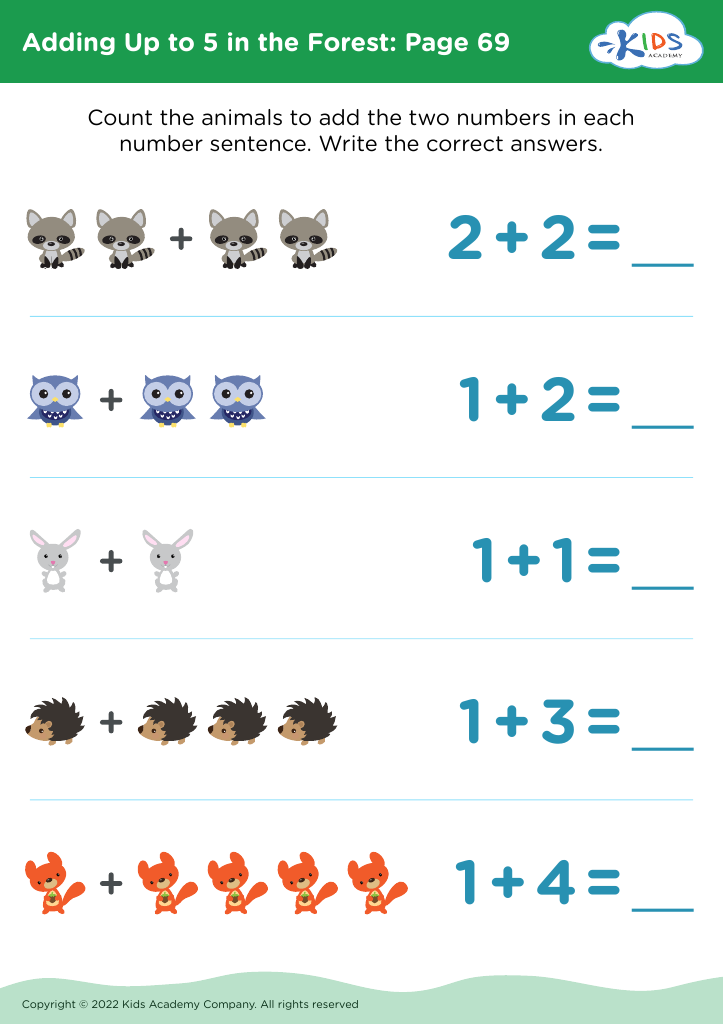
    Adding Up to 5 in the Forest: Page 69
    Adding Up to 5 in the Forest: Page 69
    Adding Up to 5 in the Forest: Page 69
    Worksheet
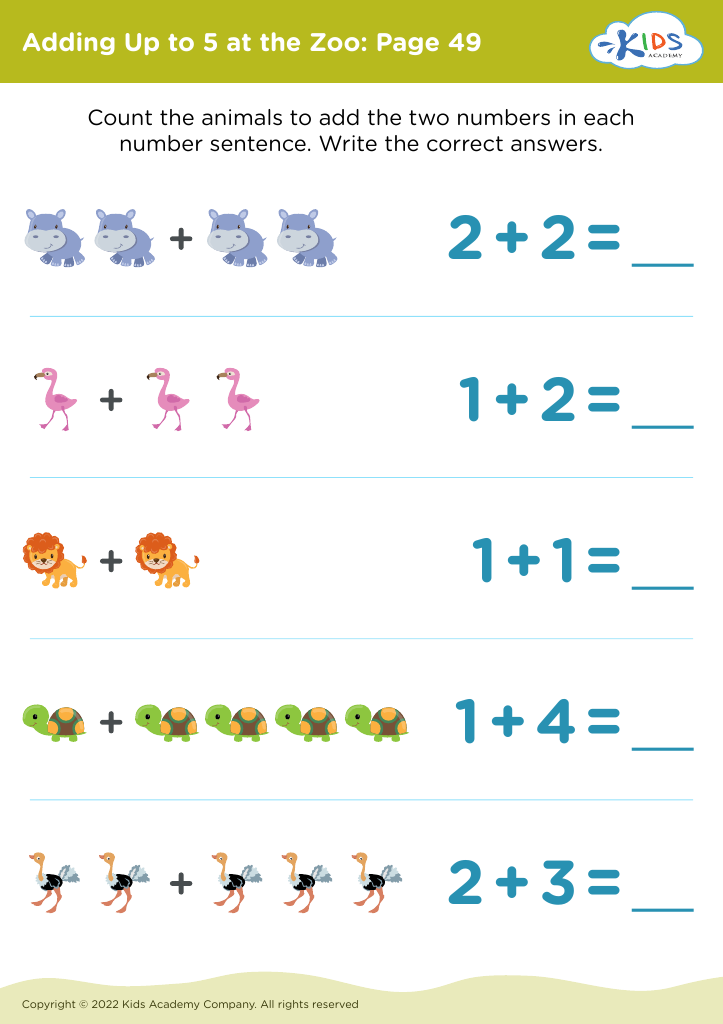
    Adding Up to 5 at the Zoo: Page 49
    Adding Up to 5 at the Zoo: Page 49
    Adding Up to 5 at the Zoo: Page 49
    Worksheet
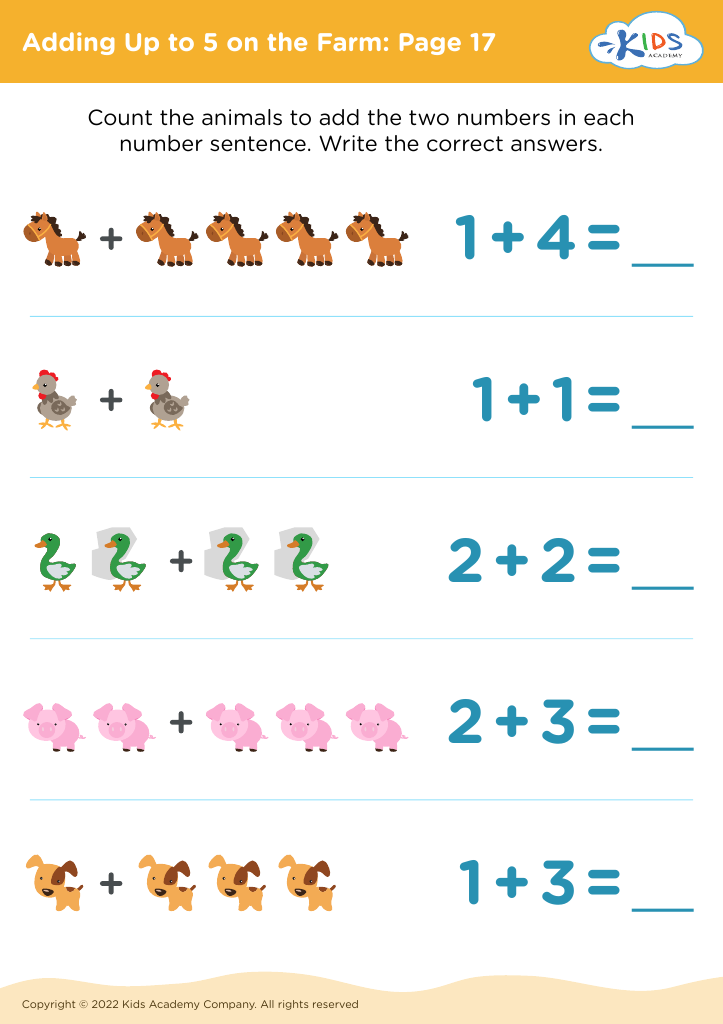
    Adding Up to 5 on the Farm: Page 17
    Adding Up to 5 on the Farm: Page 17
    Adding Up to 5 on the Farm: Page 17
    Worksheet
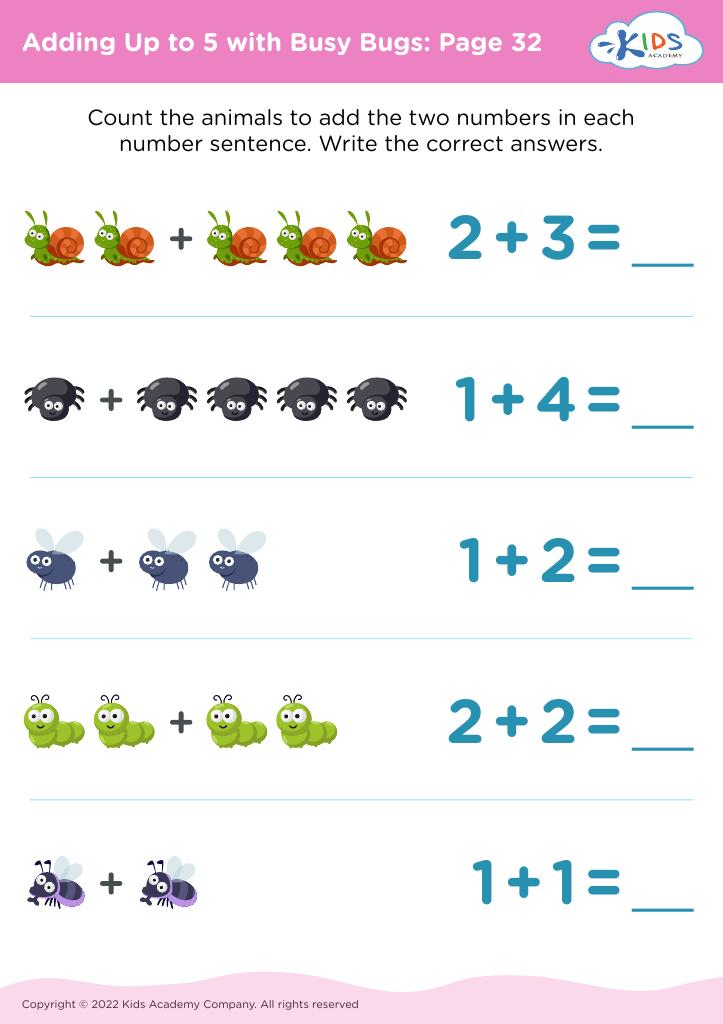
    Adding Up to 5 with Busy Bugs: Page 32
    Adding Up to 5 with Busy Bugs: Page 32
    Adding Up to 5 with Busy Bugs: Page 32
    Worksheet
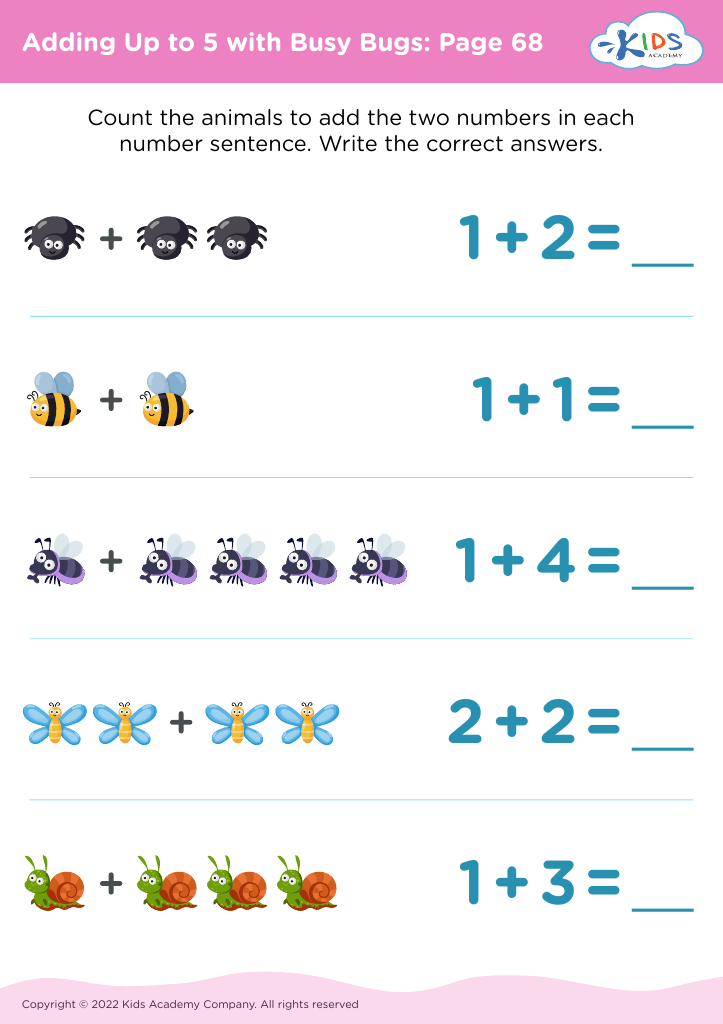
    Adding Up to 5 with Busy Bugs: Page 68
    Adding Up to 5 with Busy Bugs: Page 68
    Adding Up to 5 with Busy Bugs: Page 68
    Worksheet
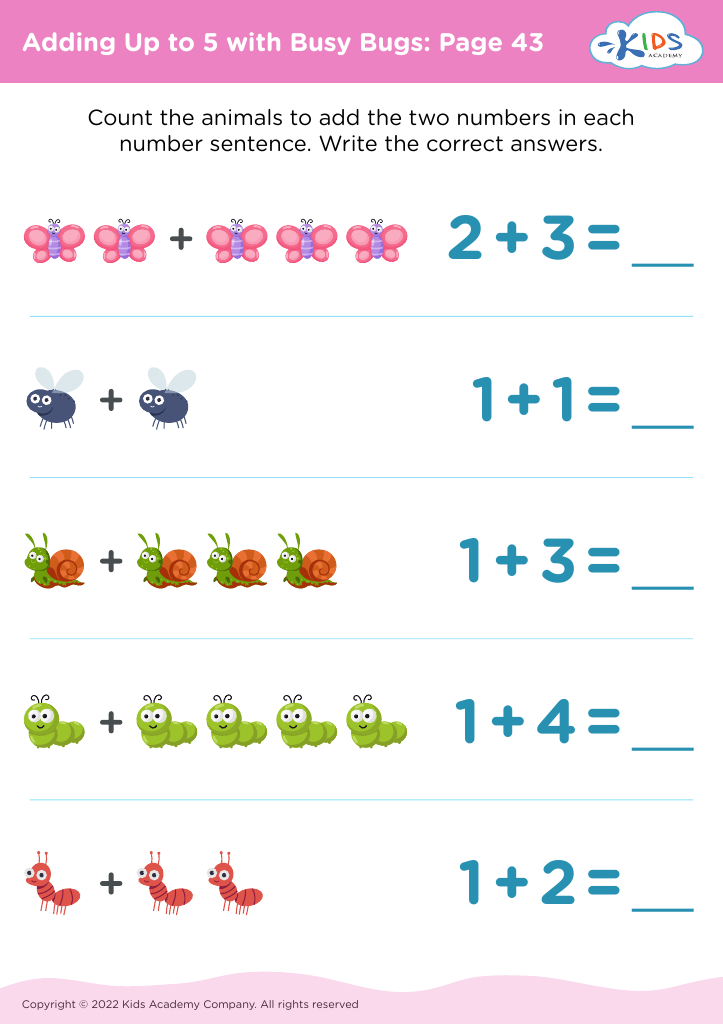
    Adding Up to 5 with Busy Bugs: Page 43
    Adding Up to 5 with Busy Bugs: Page 43
    Adding Up to 5 with Busy Bugs: Page 43
    Worksheet
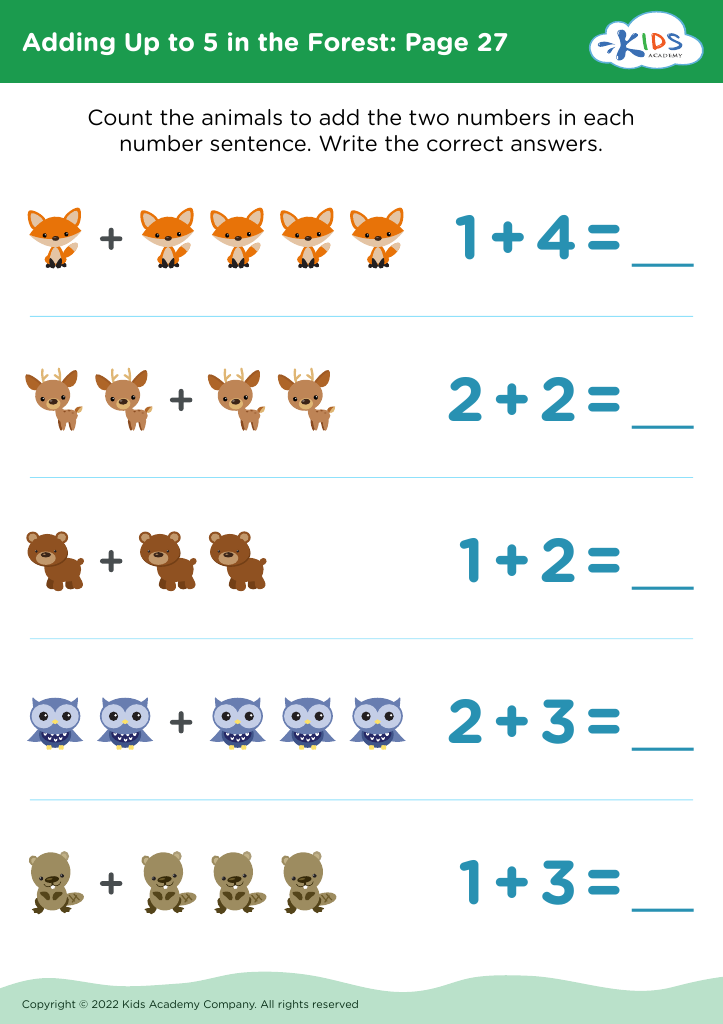
    Adding Up to 5 in the Forest: Page 27
    Adding Up to 5 in the Forest: Page 27
    Adding Up to 5 in the Forest: Page 27
    Worksheet
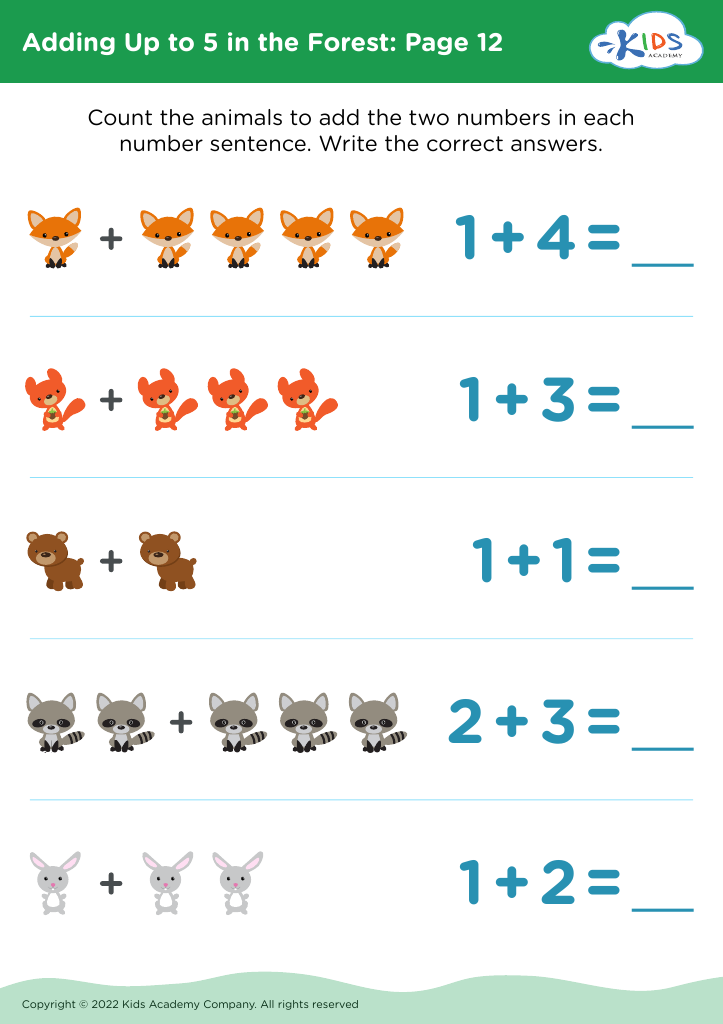
    Adding Up to 5 in the Forest: Page 12
    Adding Up to 5 in the Forest: Page 12
    Adding Up to 5 in the Forest: Page 12
    Worksheet
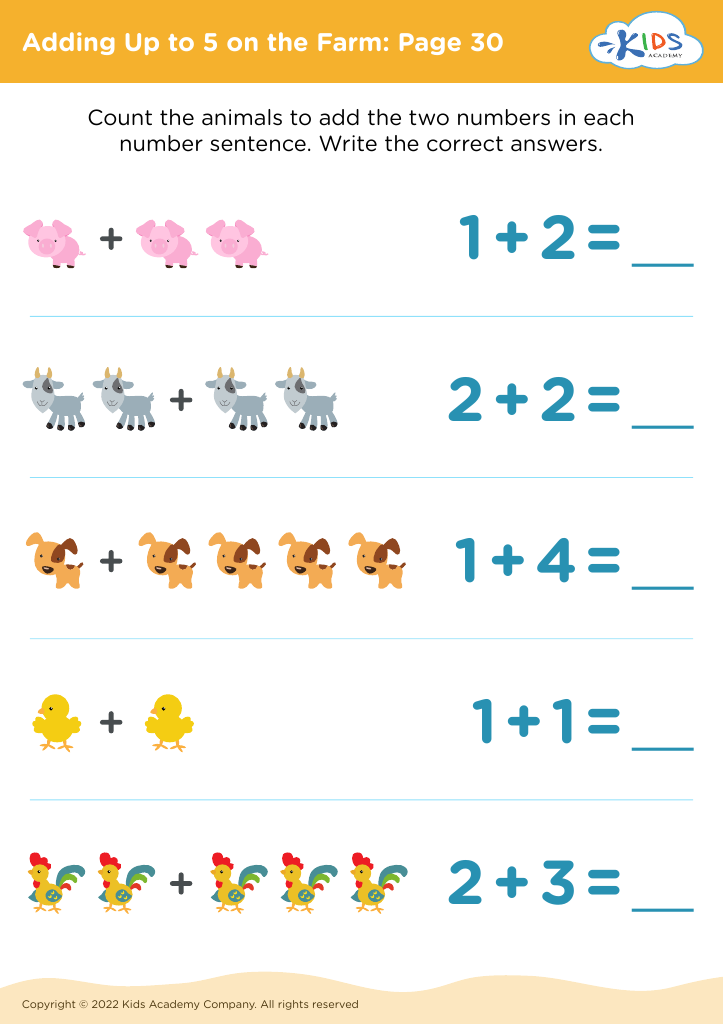
    Adding Up to 5 on the Farm: Page 30
    Adding Up to 5 on the Farm: Page 30
    Adding Up to 5 on the Farm: Page 30
    Worksheet
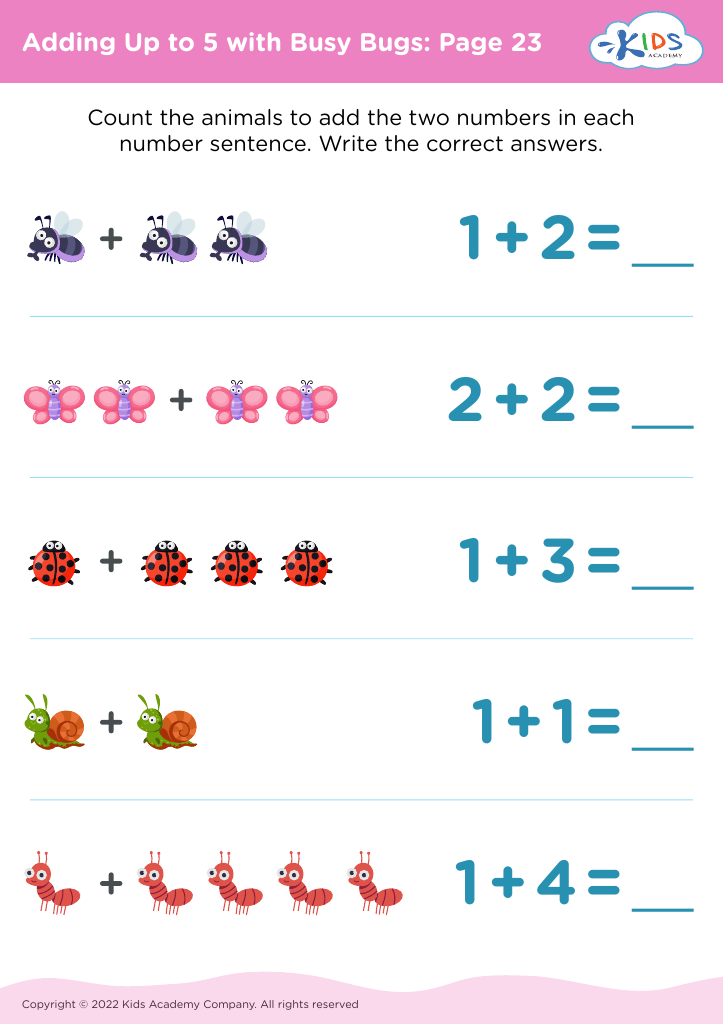
    Adding Up to 5 with Busy Bugs: Page 23
    Adding Up to 5 with Busy Bugs: Page 23
    Adding Up to 5 with Busy Bugs: Page 23
    Worksheet
    Haystack Steps Worksheet
    Haystack Steps Worksheet

    Haystack Steps Worksheet

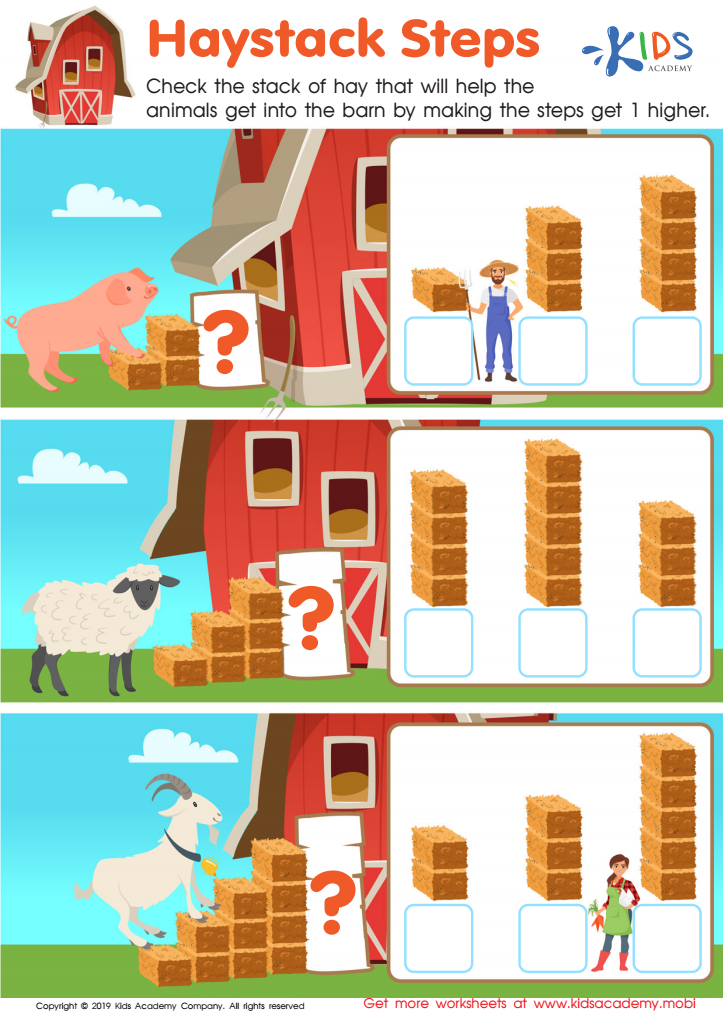
    Have your kids ever visited a farm? What activities and sights did they enjoy? Farmers are essential to our lives, growing food and providing us with dairy and eggs. In this worksheet, a farmer has made a haystack for his animals to climb into the barn. Ask your kids to add an extra layer to the stack to make the climb easier.
    Haystack Steps Worksheet
    Worksheet
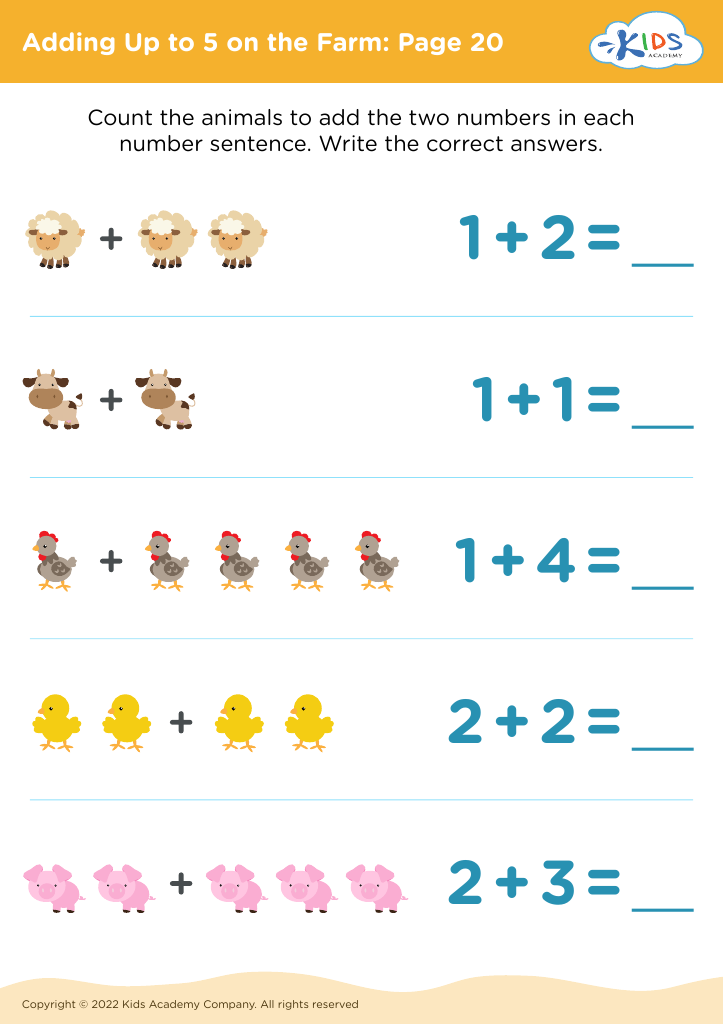
    Adding Up to 5 on the Farm: Page 20
    Adding Up to 5 on the Farm: Page 20
    Adding Up to 5 on the Farm: Page 20
    Worksheet
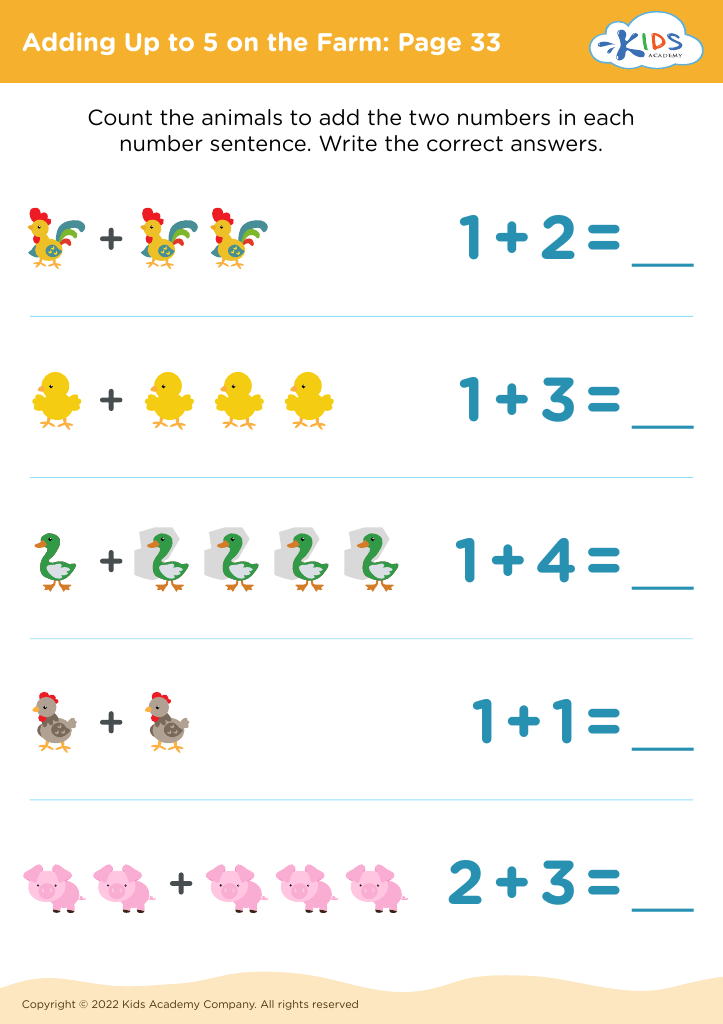
    Adding Up to 5 on the Farm: Page 33
    Adding Up to 5 on the Farm: Page 33
    Adding Up to 5 on the Farm: Page 33
    Worksheet
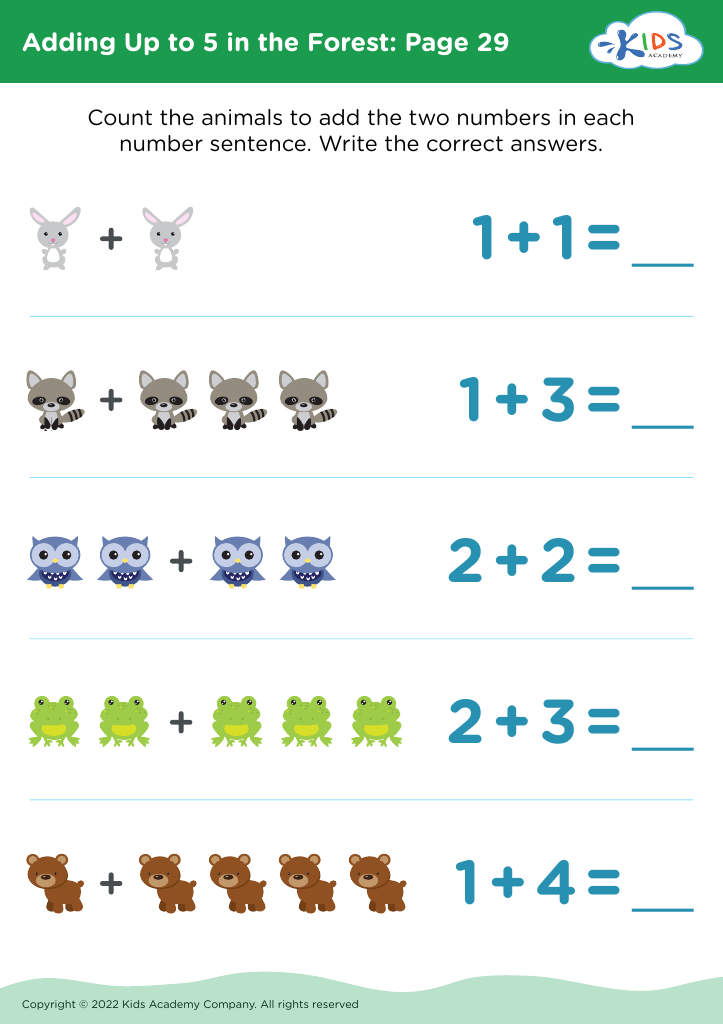
    Adding Up to 5 in the Forest: Page 29
    Adding Up to 5 in the Forest: Page 29
    Adding Up to 5 in the Forest: Page 29
    Worksheet
    Which Wagons Have 1 Less? Worksheet
    Which Wagons Have 1 Less? Worksheet
    Which Wagons Have 1 Less? Worksheet
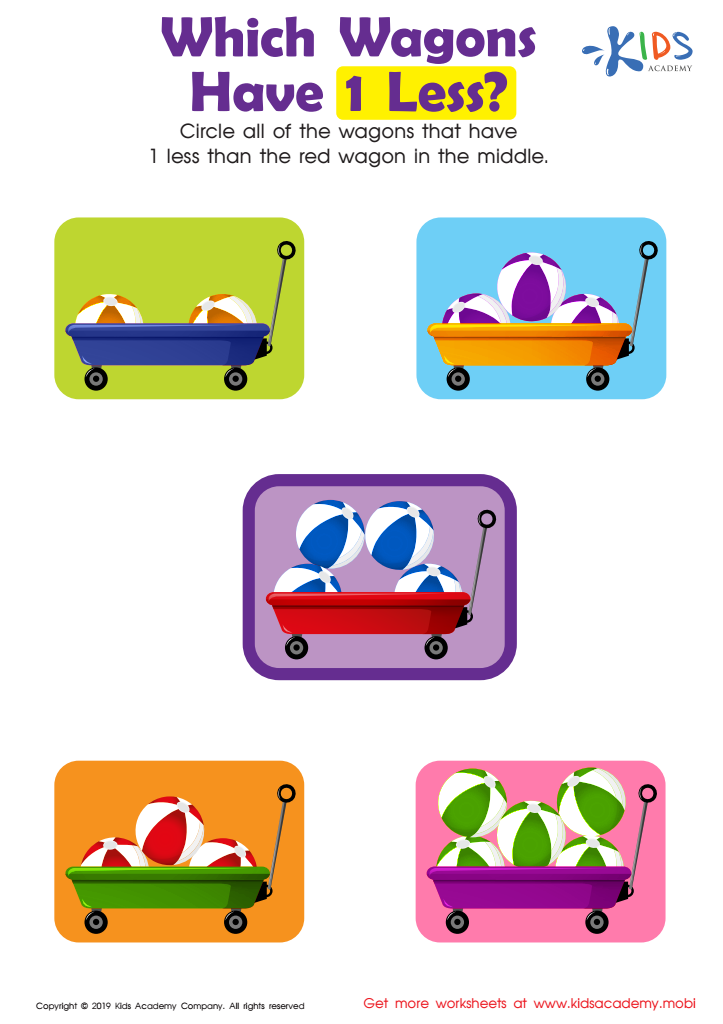
    Test your kid's counting skills with a simple exercise. Ask them to count the balls in the five wagons shown and to circle the wagons with one less than the red wagon in the middle. This will give their brains a simple task that tests their knowledge of numbers.
    Which Wagons Have 1 Less? Worksheet
    Worksheet
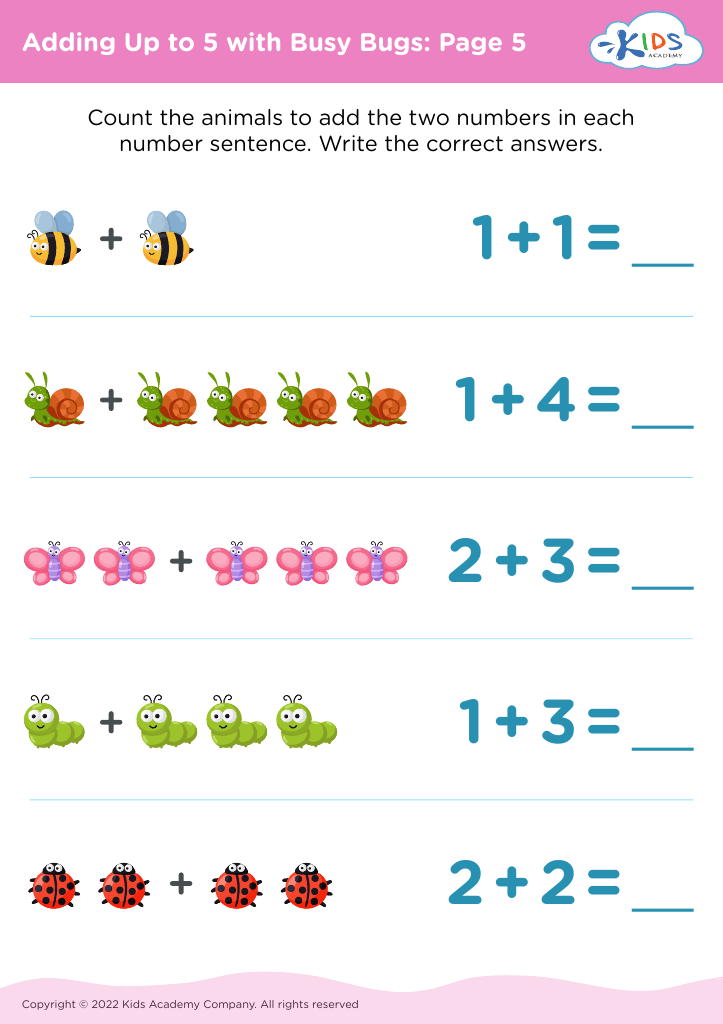
    Adding Up to 5 with Busy Bugs: Page 5
    Adding Up to 5 with Busy Bugs: Page 5
    Adding Up to 5 with Busy Bugs: Page 5
    Worksheet
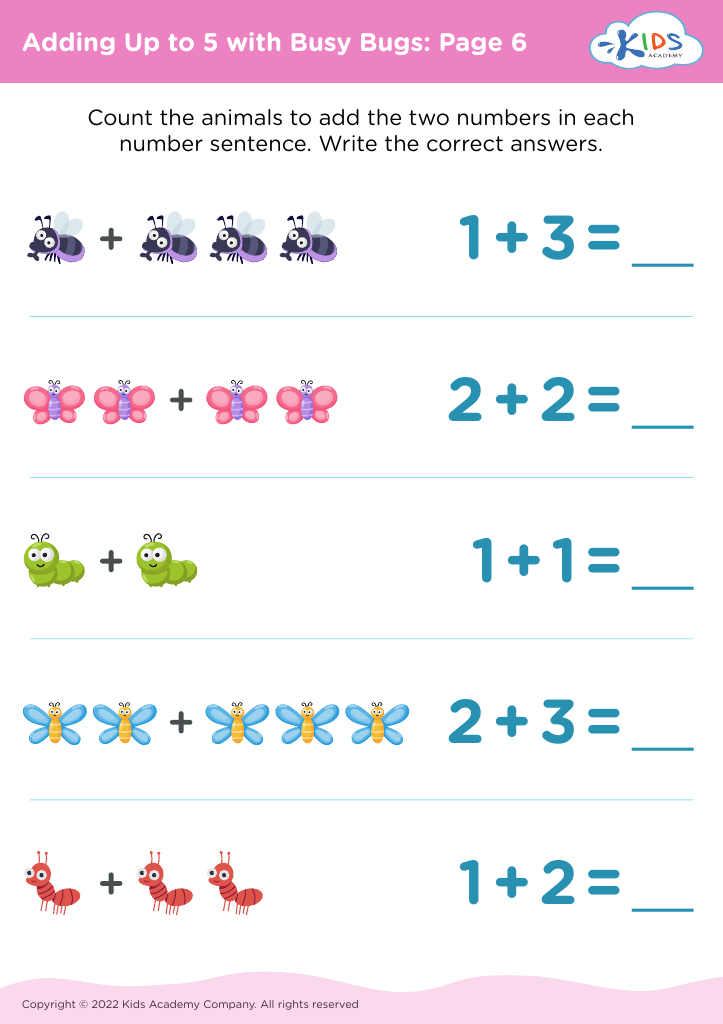
    Adding Up to 5 with Busy Bugs: Page 6
    Adding Up to 5 with Busy Bugs: Page 6
    Adding Up to 5 with Busy Bugs: Page 6
    Worksheet
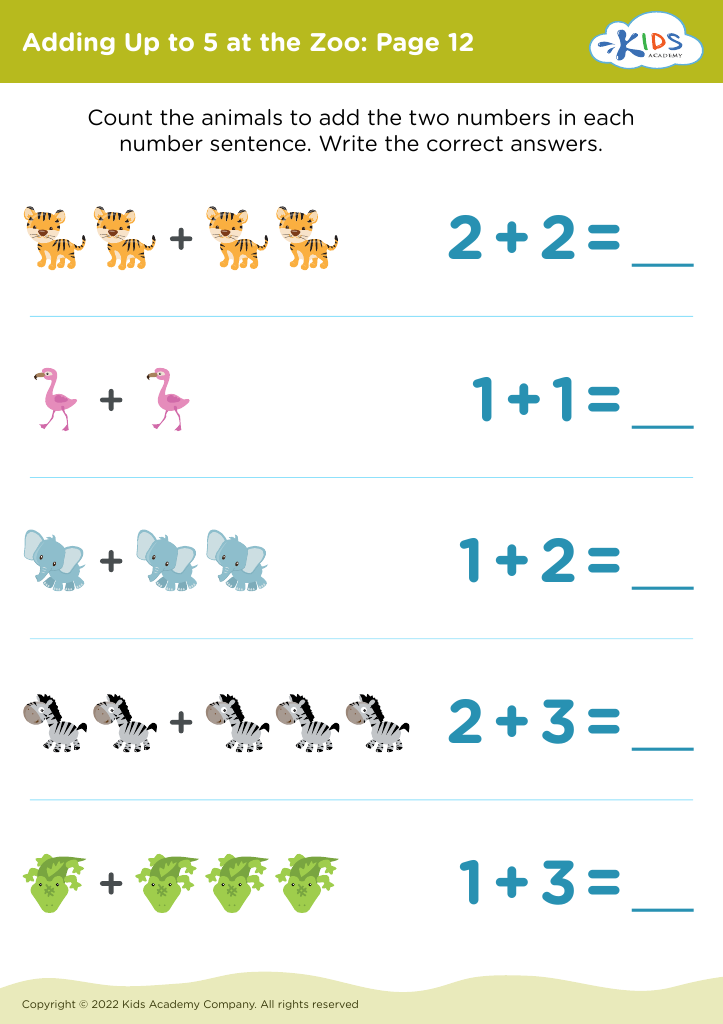
    Adding Up to 5 at the Zoo: Page 12
    Adding Up to 5 at the Zoo: Page 12
    Adding Up to 5 at the Zoo: Page 12
    Worksheet
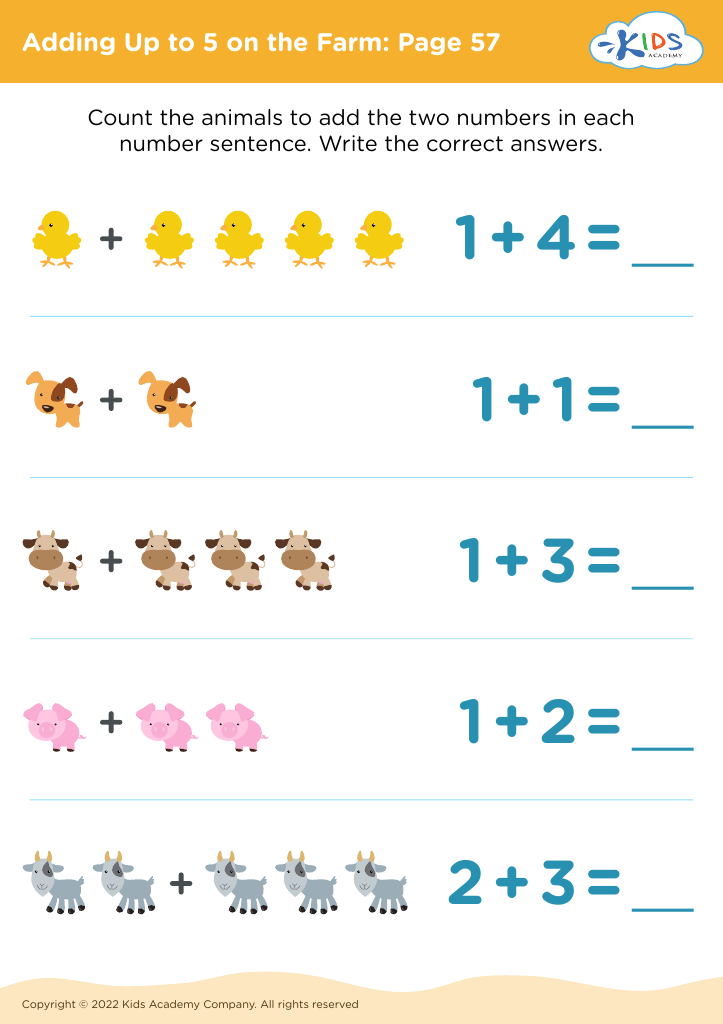
    Adding Up to 5 on the Farm: Page 57
    Adding Up to 5 on the Farm: Page 57
    Adding Up to 5 on the Farm: Page 57
    Worksheet
    Enrichment: Castle Counting Worksheet
    Enrichment: Castle Counting Worksheet
    Enrichment: Castle Counting Worksheet
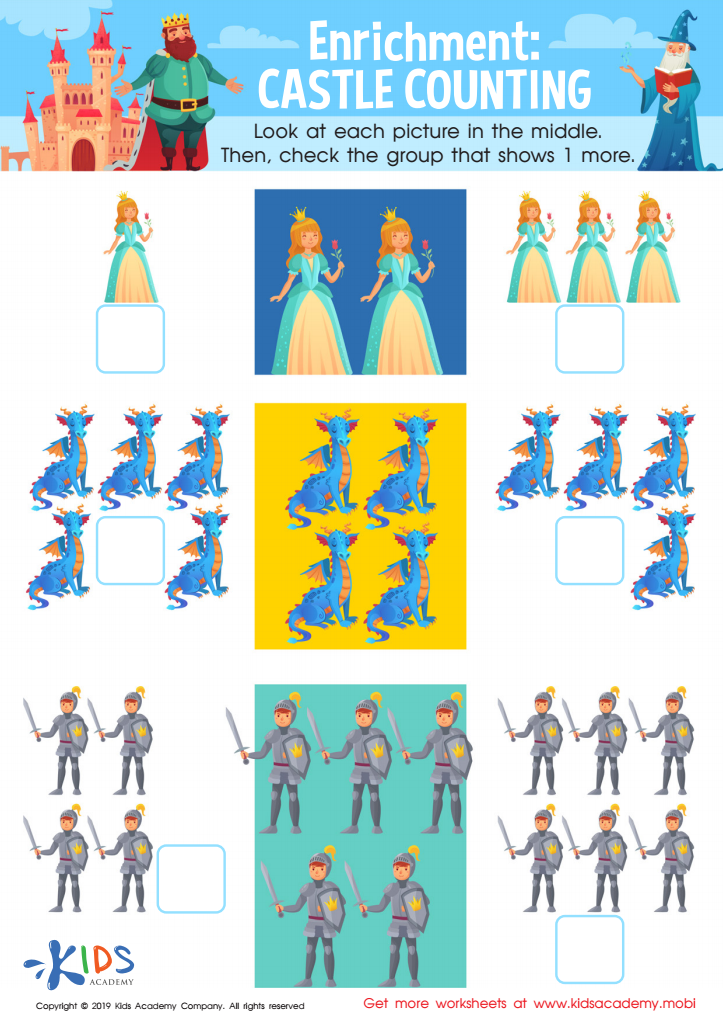
    Help your kids learn to count. Start with easy counting of numbers as high as possible. Use the pictures in this printout. Point to the middle one, help them identify it and then count one more than it. Do this to help them get ready for more difficult math concepts like addition, subtraction and multiplication.
    Enrichment: Castle Counting Worksheet
    Worksheet
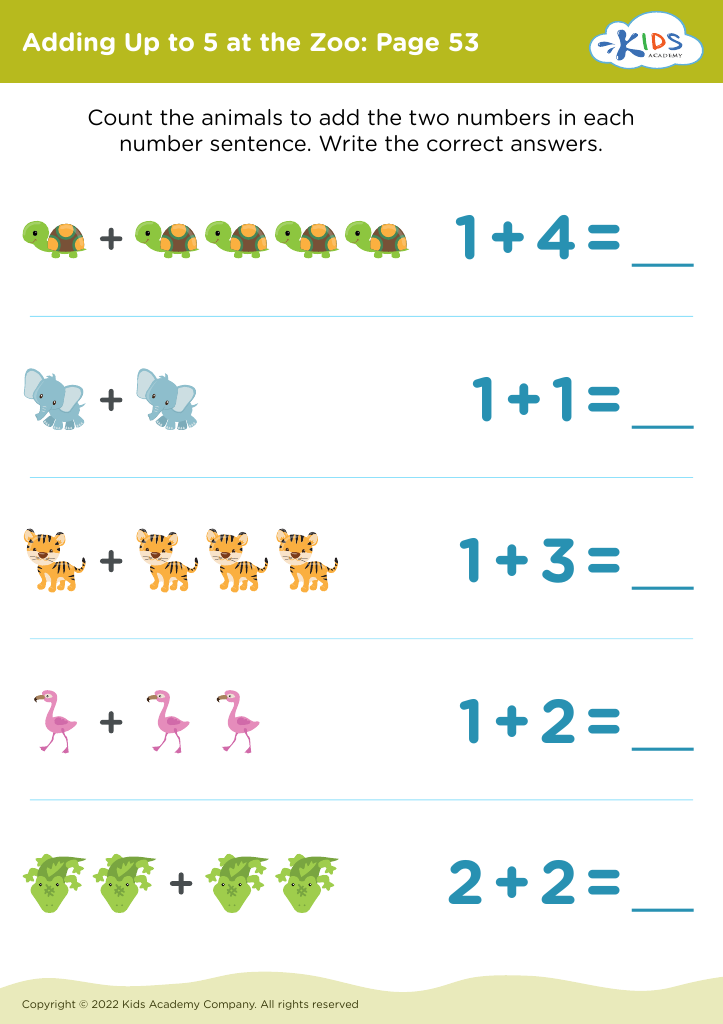
    Adding Up to 5 at the Zoo: Page 53
    Adding Up to 5 at the Zoo: Page 53
    Adding Up to 5 at the Zoo: Page 53
    Worksheet
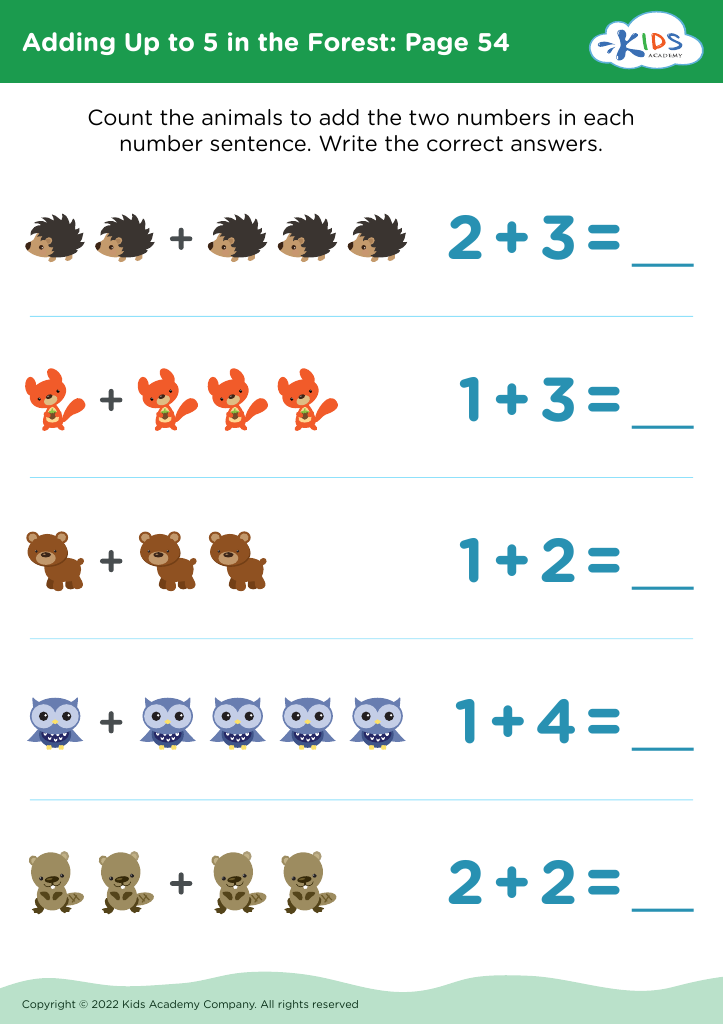
    Adding Up to 5 in the Forest: Page 54
    Adding Up to 5 in the Forest: Page 54
    Adding Up to 5 in the Forest: Page 54
    Worksheet
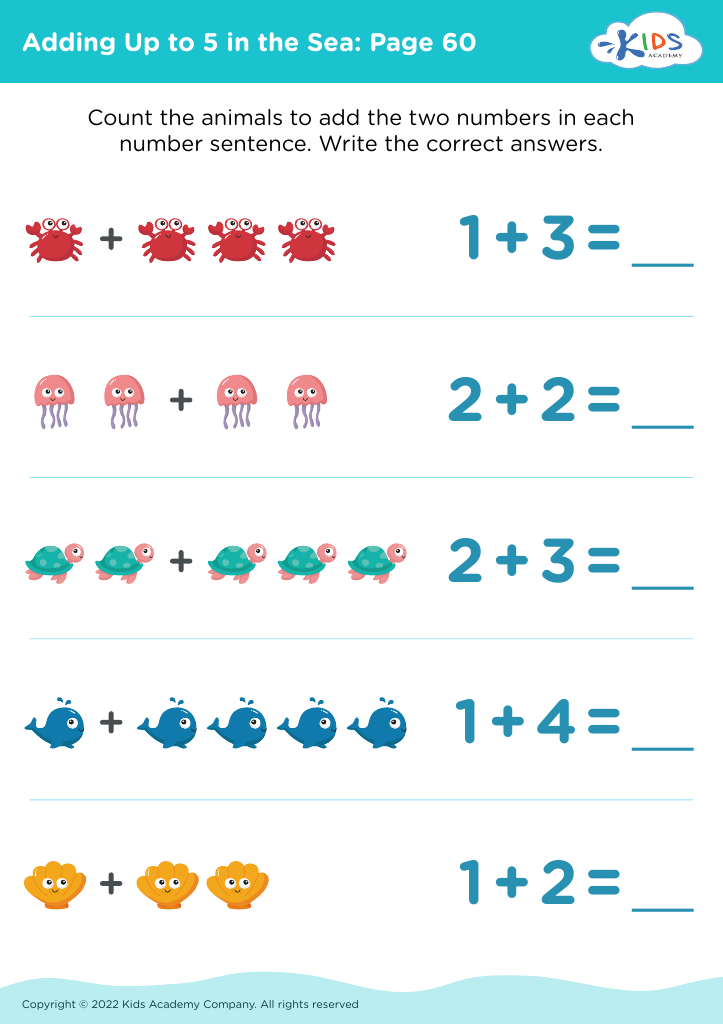
    Adding Up to 5 in the Sea: Page 60
    Adding Up to 5 in the Sea: Page 60
    Adding Up to 5 in the Sea: Page 60
    Worksheet
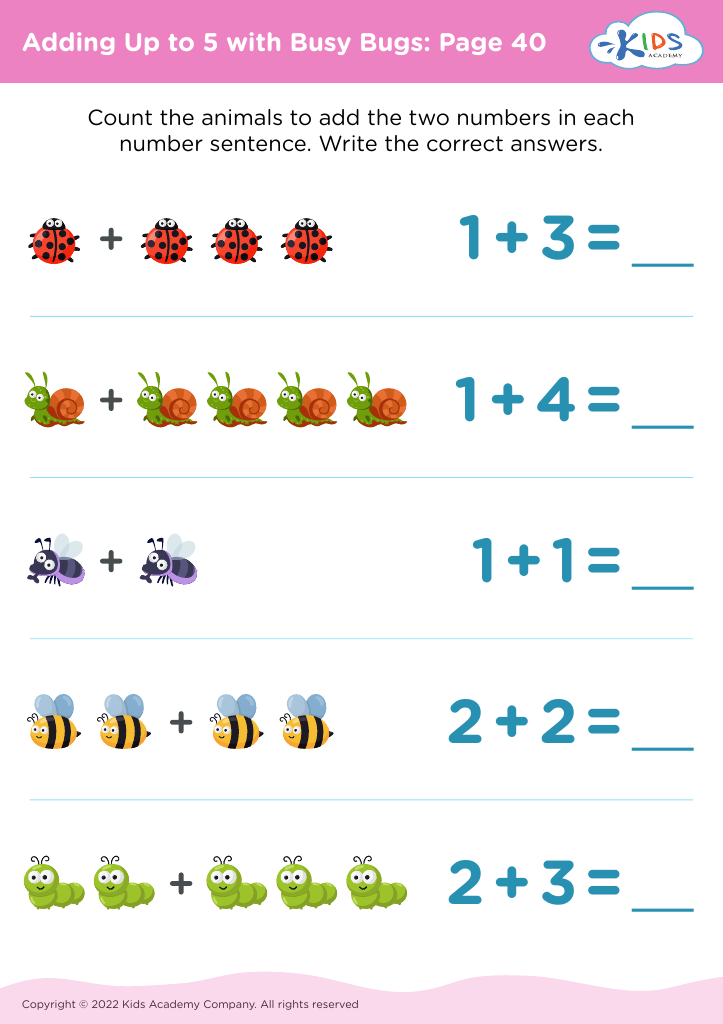
    Adding Up to 5 with Busy Bugs: Page 40
    Adding Up to 5 with Busy Bugs: Page 40
    Adding Up to 5 with Busy Bugs: Page 40
    Worksheet


    Understanding addition as "adding to" and subtraction as "taking from" is essential for children’s early mathematical development. This foundational knowledge shapes their ability to comprehend more complex concepts later on. When children grasp addition as bringing more to a group, it ties to real-world experiences, such as adding apples to a basket. Visualizing subtraction as removing items strengthens their problem-solving skills and helps them relate mathematics to everyday situations, fostering deeper understanding.

    Moreover, these concepts support number sense, which is critical for future learning. A solid grasp of addition and subtraction enables children to tackle word problems, develop estimation skills, and manipulate numbers with confidence. Parents and teachers play a vital role in nurturing this understanding through engaging activities, manipulatives, and relatable scenarios.

    Beyond mathematics, these foundational concepts promote logical reasoning and critical thinking. Encouraging children to explore these ideas helps build resilience in facing challenges, as they learn to approach problems systematically. In essence, cultivating an early comprehension of addition and subtraction not only enhances mathematical skills but also contributes significantly to a child's overall cognitive and emotional development, equipping them for future academic success. Thus, parents and teachers should prioritize this understanding for a holistic education.