Geography and Environment worksheets for Grade 2 - Page 2
29 filtered results
-
From - To
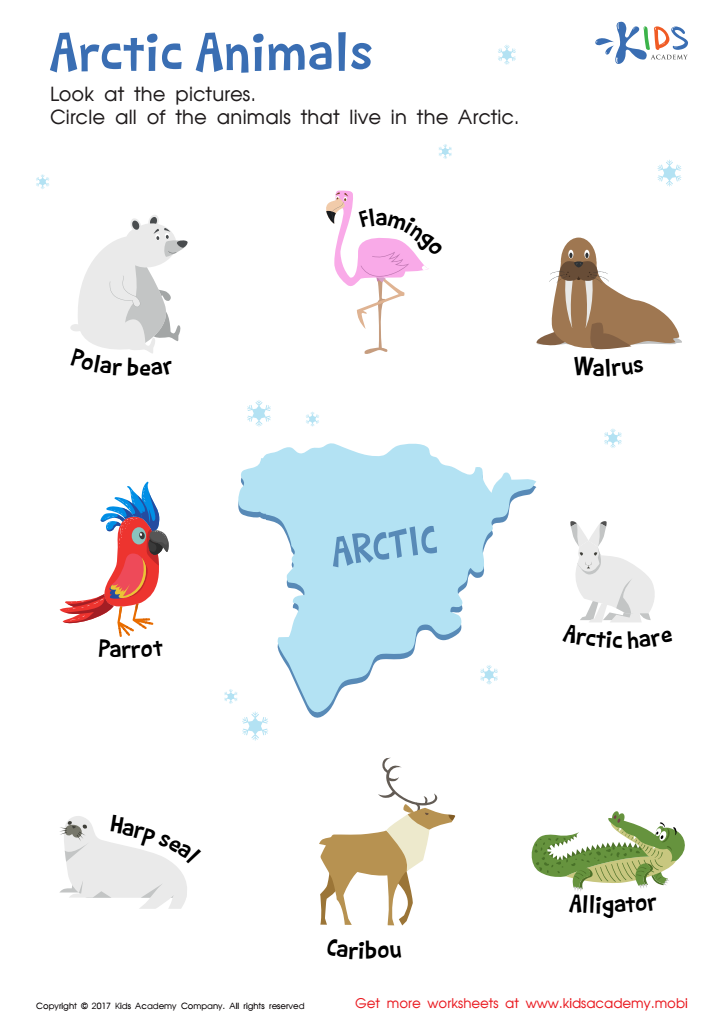
Arctic Animals Worksheet
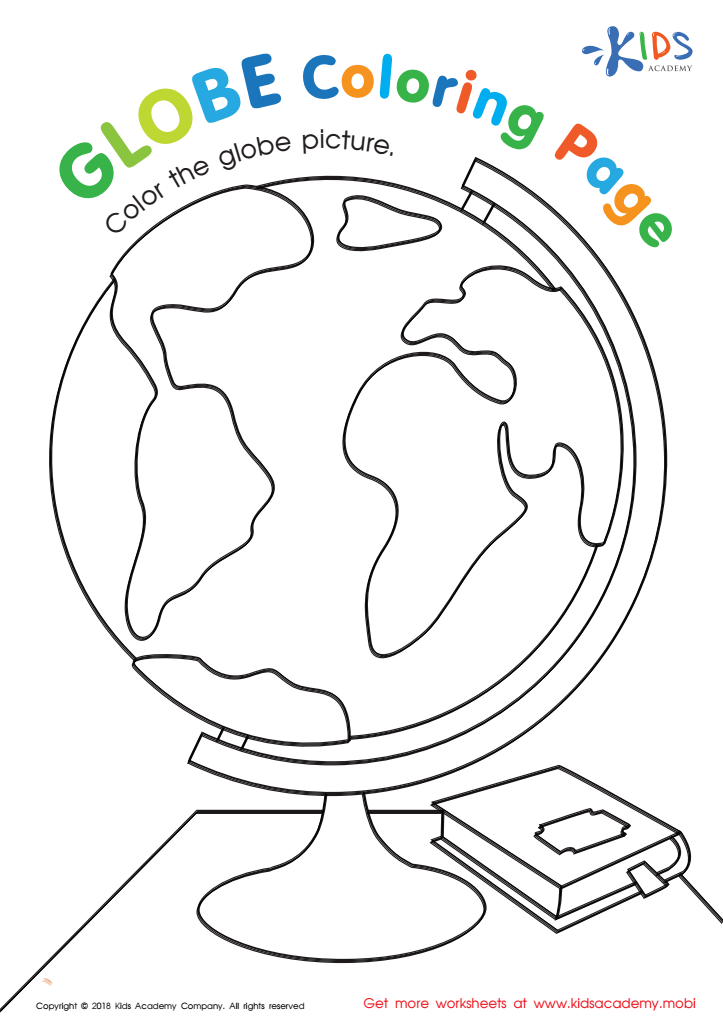
Globe Coloring Page Worksheet
 Assign to My Students
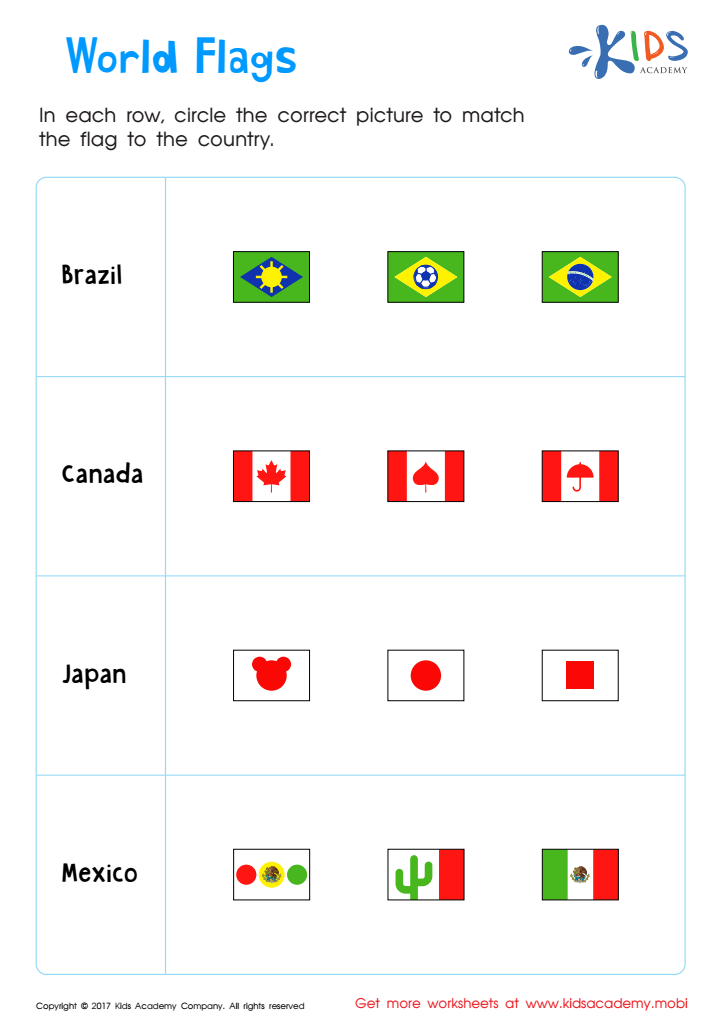
World Flags Printable
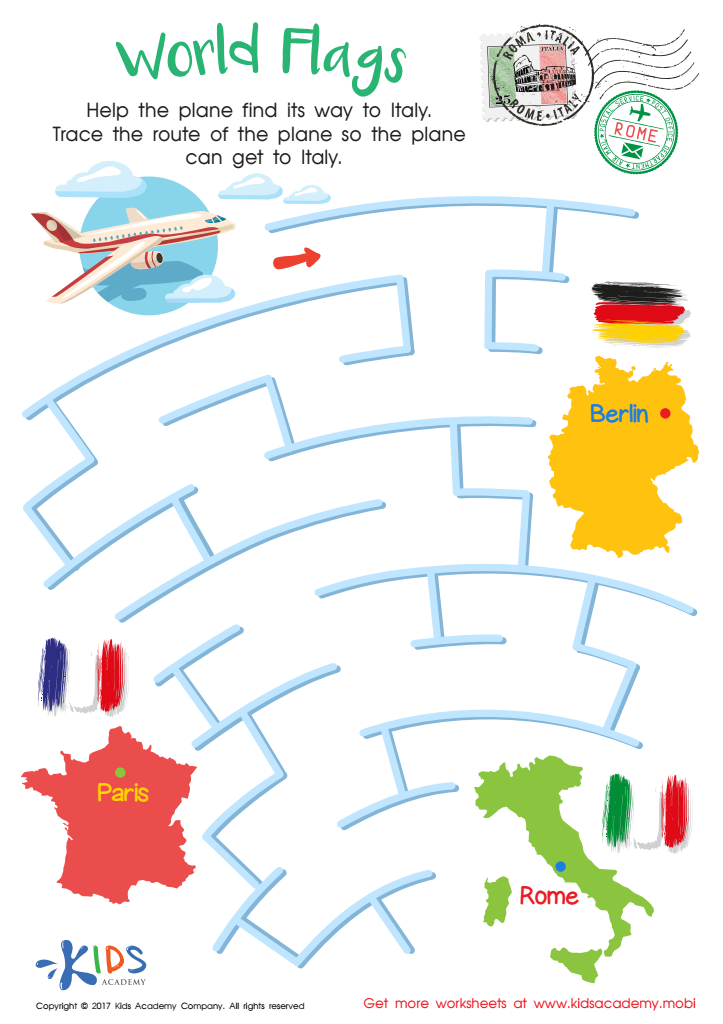
World Flags Maze Worksheet
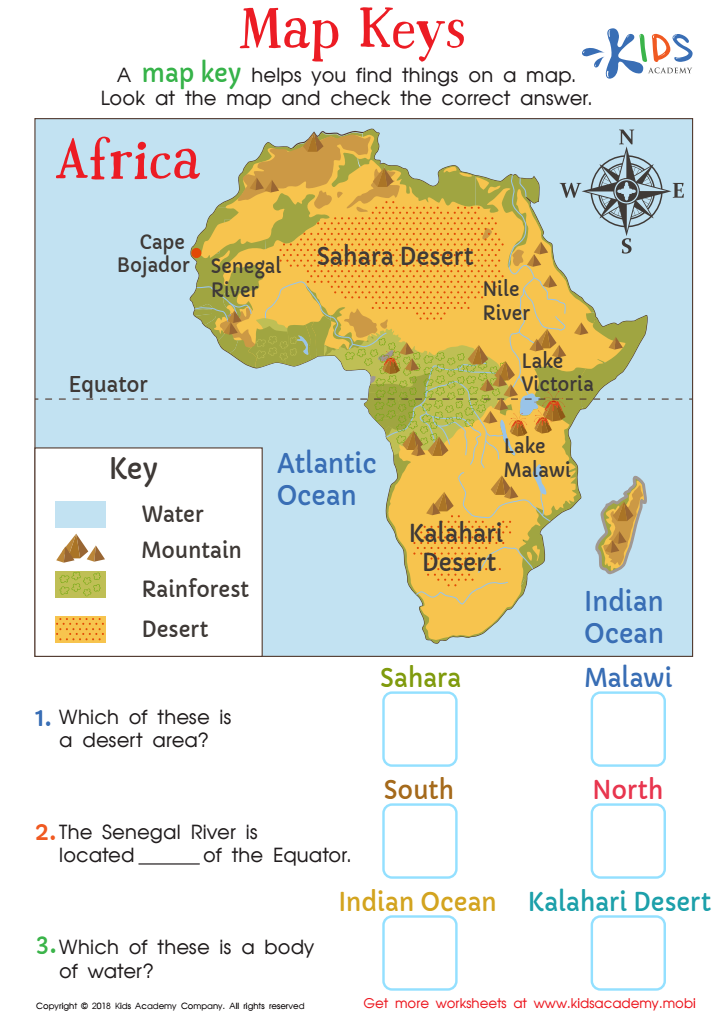
Map Keys Worksheet




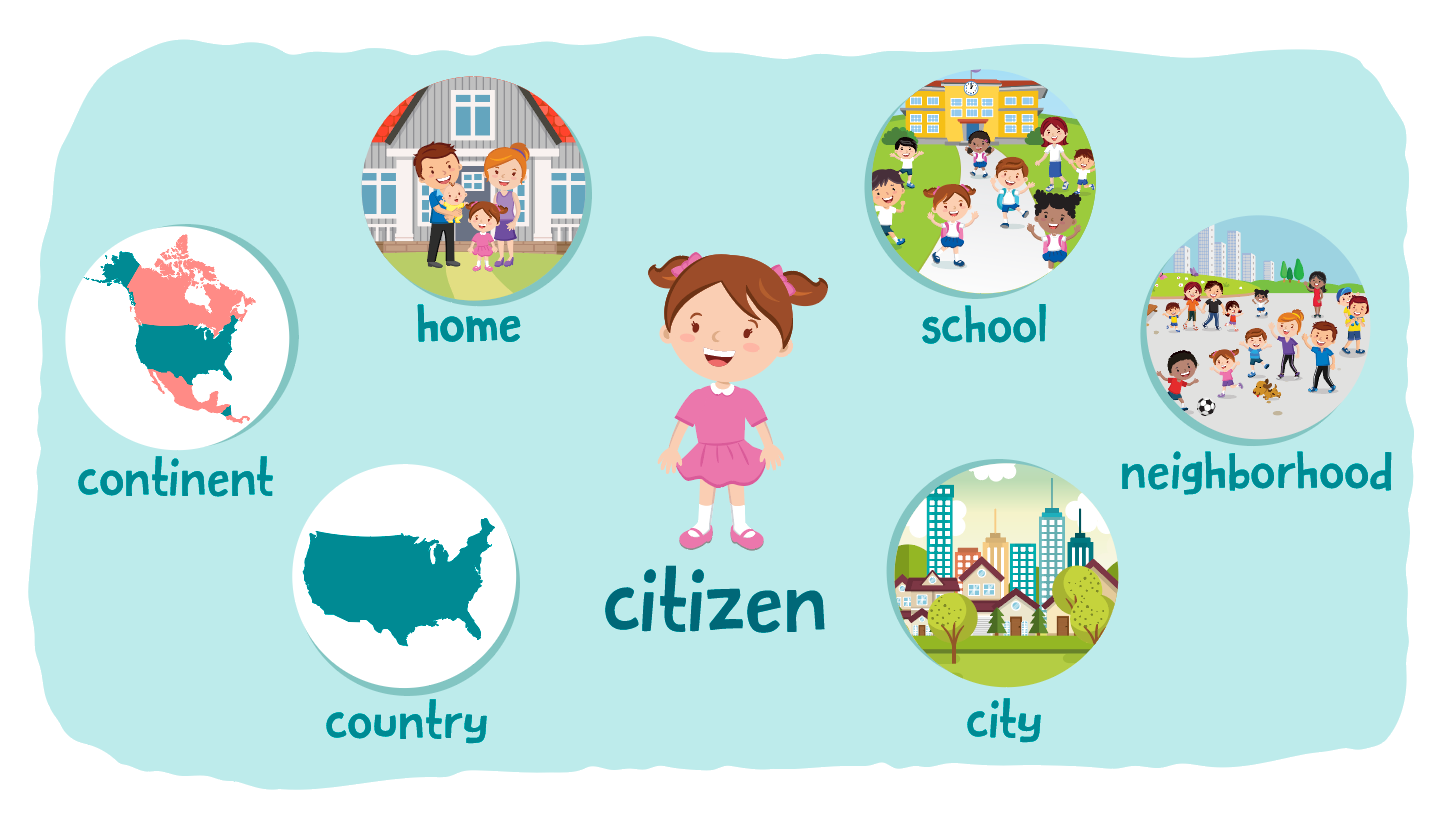

Parents and teachers should care about Geography and Environment for Grade 2 students because it lays the foundation for children's understanding of the world around them. At this age, children are naturally curious about their surroundings, and geography fosters that curiosity by helping them learn about continents, countries, cultures, and the environment. This subject encourages children to explore key concepts such as landforms, weather patterns, and natural resources, which are essential for understanding their place in the world.
Additionally, teaching geography promotes environmental awareness and stewardship. By understanding how human activities impact the environment, children can become responsible global citizens. They learn the importance of protecting nature, conserving resources, and respecting diverse cultures, fostering empathetic attitudes toward people and places beyond their immediate experience.
Furthermore, geography integrates with various subjects, including science and social studies, making learning more holistic and engaging. By introducing these concepts early, we nurture critical thinking skills and inspire a lifelong interest in exploration and environmental advocacy. Ultimately, by valuing geography and the environment, parents and teachers equip children with the knowledge, skills, and attitudes they need to navigate and contribute positively to an increasingly interconnected world.