Our Planet and Environment worksheets activities for Ages 3-8
5 filtered results
-
From - To
Explore our engaging "Our Planet and Environment" worksheets and activities designed for children ages 3-8! These resources foster early environmental awareness through fun and interactive tasks, helping young learners connect with nature and understand the importance of our planet. From recognizing different habitats to learning about recycling, our worksheets offer diverse activities that combine play with education. Perfect for home or classroom use, these materials support skill development in a hands-on manner. Join us in nurturing the next generation of eco-conscious kids with activities that inspire curiosity and respect for the environment. Start your adventure today!
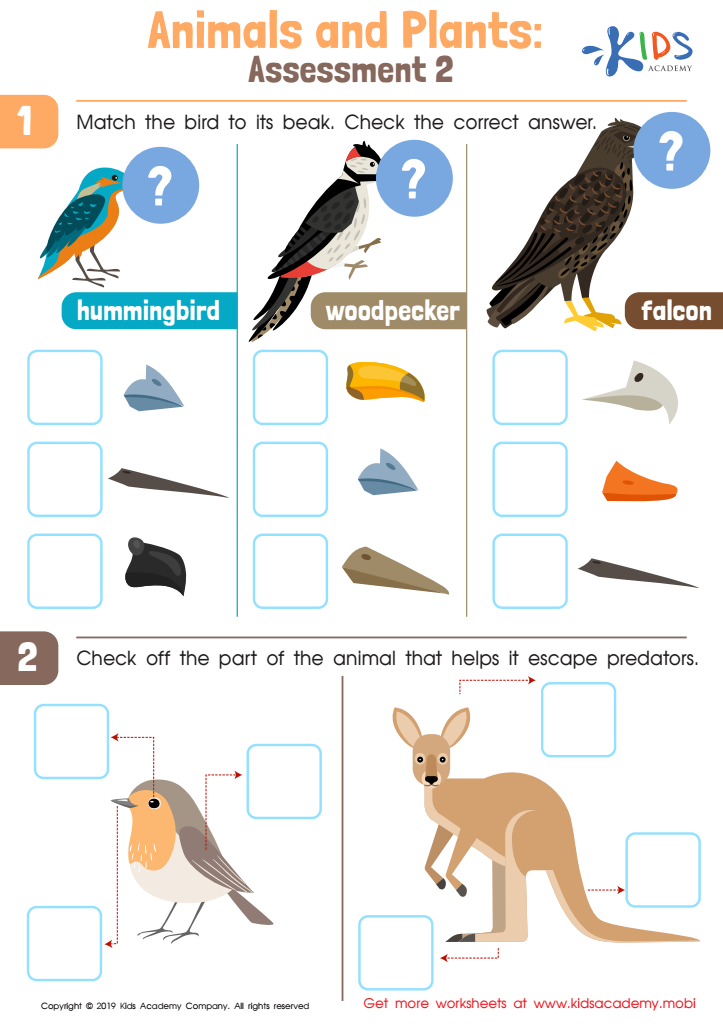
Animals and Plants: Assessment 2 Worksheet
 Assign to My Students
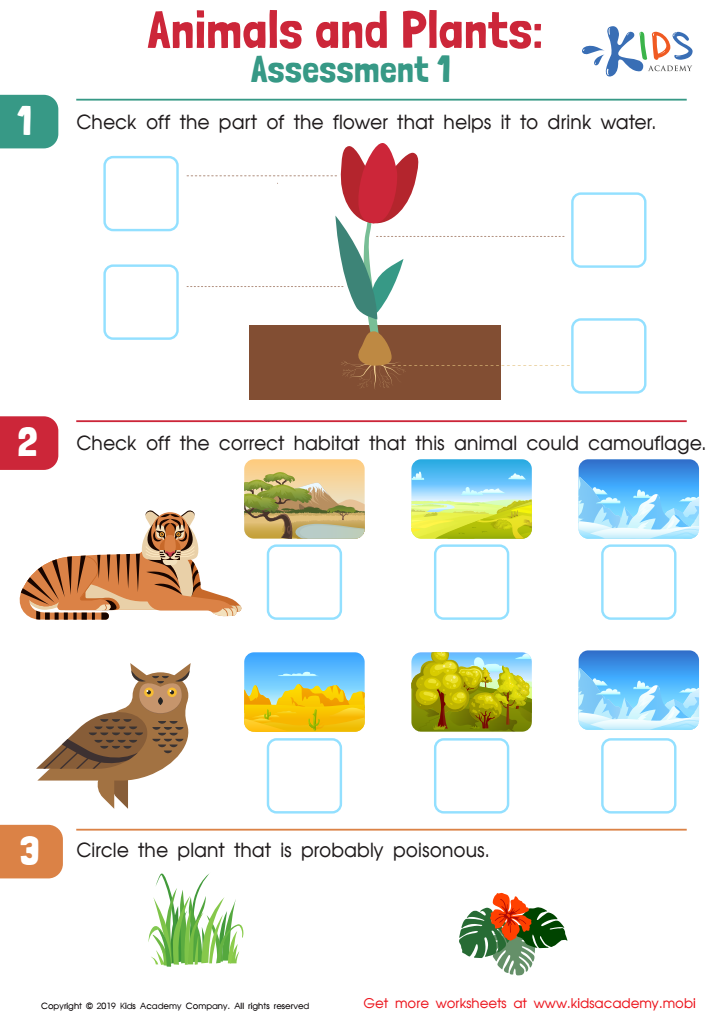
Animals and Plants: Assessment 1 Worksheet
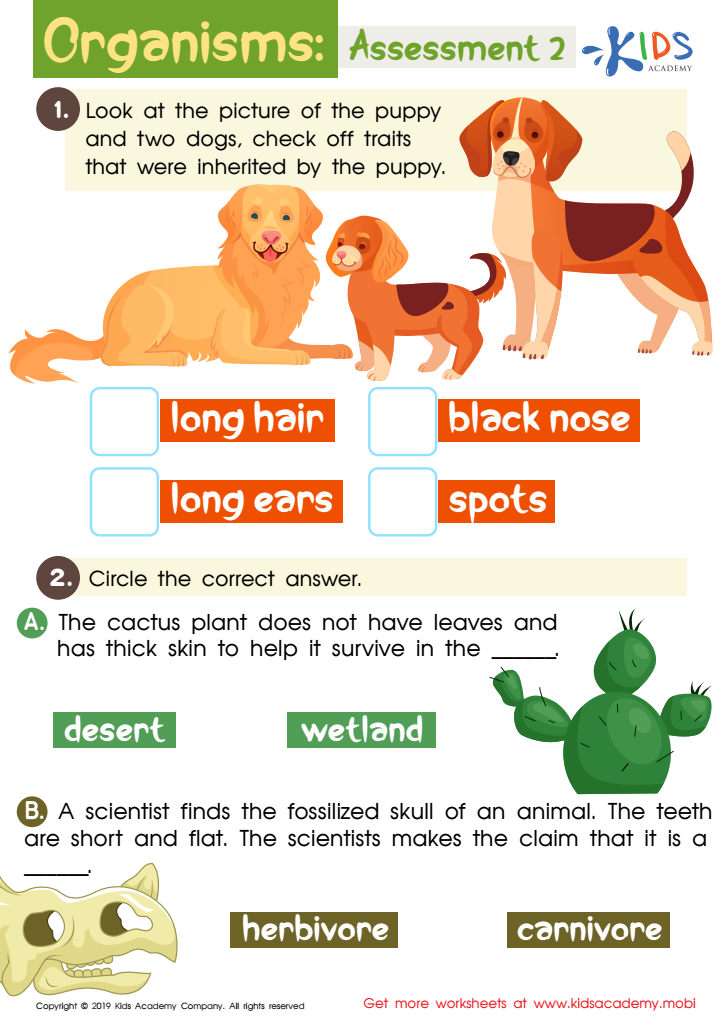
Organisms: Assessment 2 Worksheet
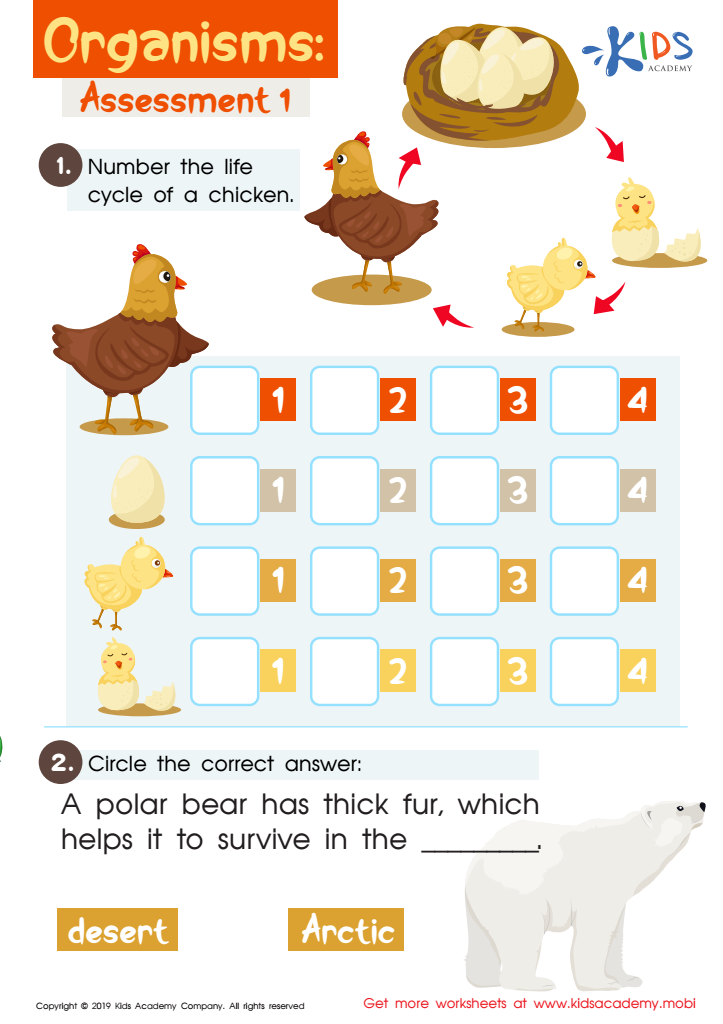
Organisms: Assessment 1 Worksheet
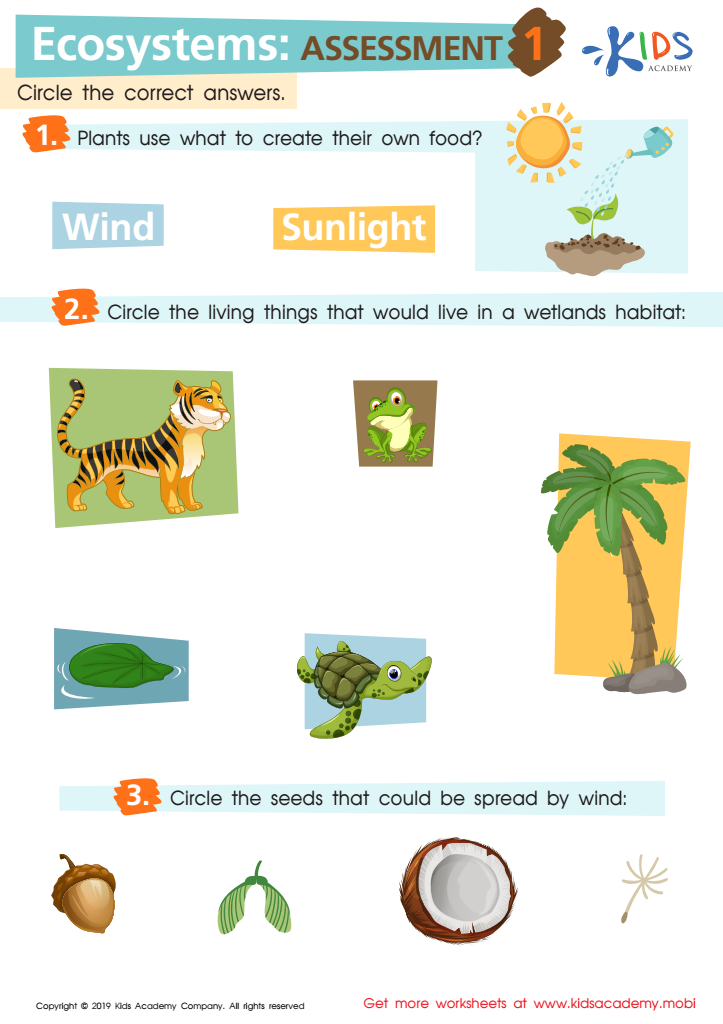
Ecosystems: Assessment 1 Worksheet






Parents and teachers play a crucial role in planting the seeds of environmental awareness in young children aged 3-8. Early engagement in Our Planet and Environment activities not only fosters a deep connection with nature but also helps cultivate responsible future citizens. At this developmental stage, children are particularly receptive to learning how their actions affect the world around them.
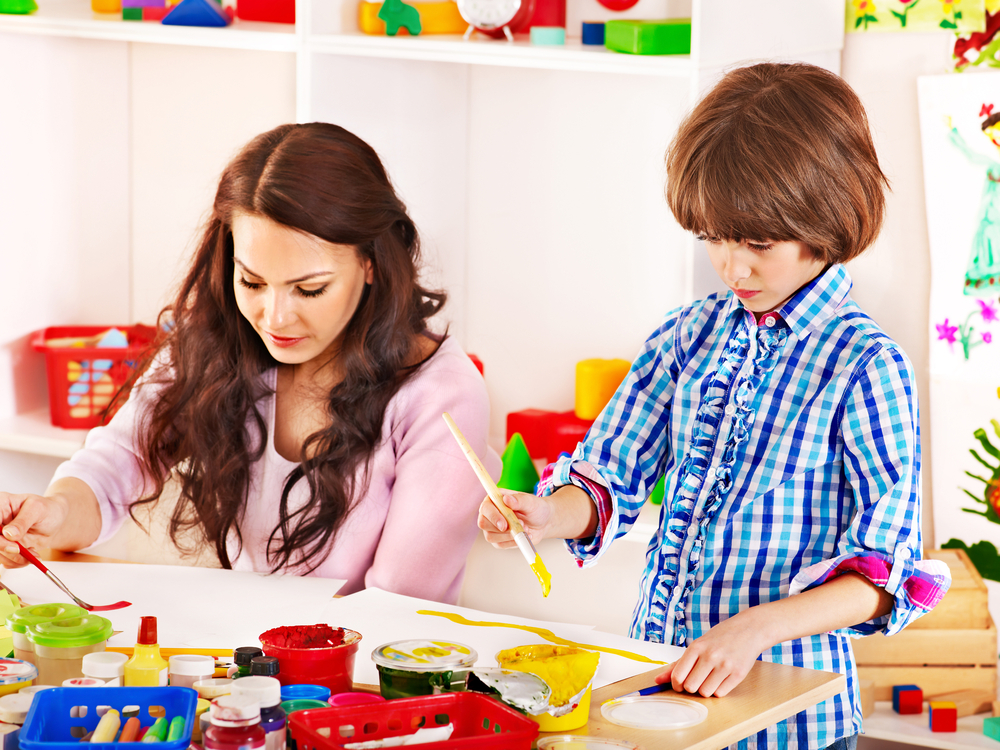
Participating in hands-on environmental activities—such as gardening, recycling crafts, or nature walks—encourages curiosity and a sense of wonder about the natural world. These experiences promote critical thinking and problem-solving skills while instilling values of stewardship and conservation.
Moreover, these activities facilitate discussions about pressing environmental issues, leading to meaningful conversations about sustainability, biodiversity, and ecological footprints. By integrating environmental education into play and learning, we help children develop empathy for living things and understand the importance of protecting their surroundings.
Ultimately, nurturing an appreciation for the planet at a young age sets the foundation for lifelong habits that prioritize ecological balance and sustainability. Encouraging children to care for their environment today paves the way for a healthier, more aware generation tomorrow. Teachers and parents should actively embrace this responsibility and engage young minds in safeguarding Our Planet.








