Physical Science worksheets activities for Ages 3-8
6 filtered results
-
From - To
Discover engaging and educational Physical Science worksheets designed specifically for children ages 3-8. Our activities encourage young learners to explore fundamental concepts in physics and chemistry through hands-on experiments, interactive exercises, and fun illustrations. Each worksheet aims to build curiosity and enhance understanding of topics such as matter, energy, and basic scientific principles. Perfect for at-home learning or classroom use, these resources cater to varying skill levels, ensuring every child can grasp the essentials of physical science while enjoying the process. Dive into the world of science and watch your child's critical thinking and problem-solving skills flourish!
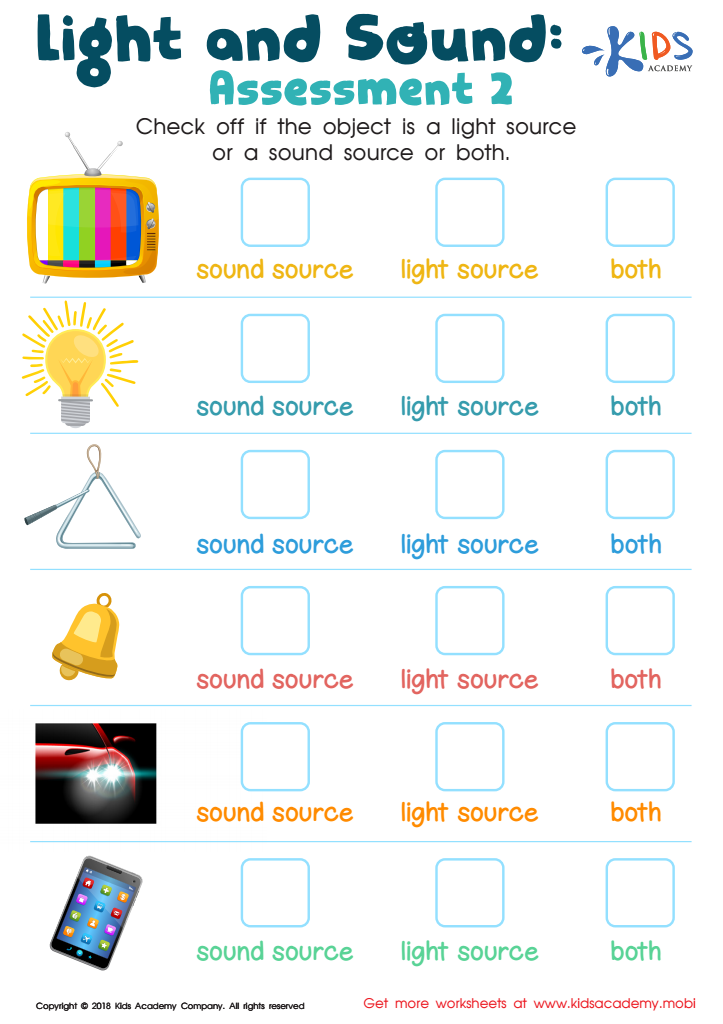
Light and Sound: Assessment 2 Worksheet
 Assign to My Students
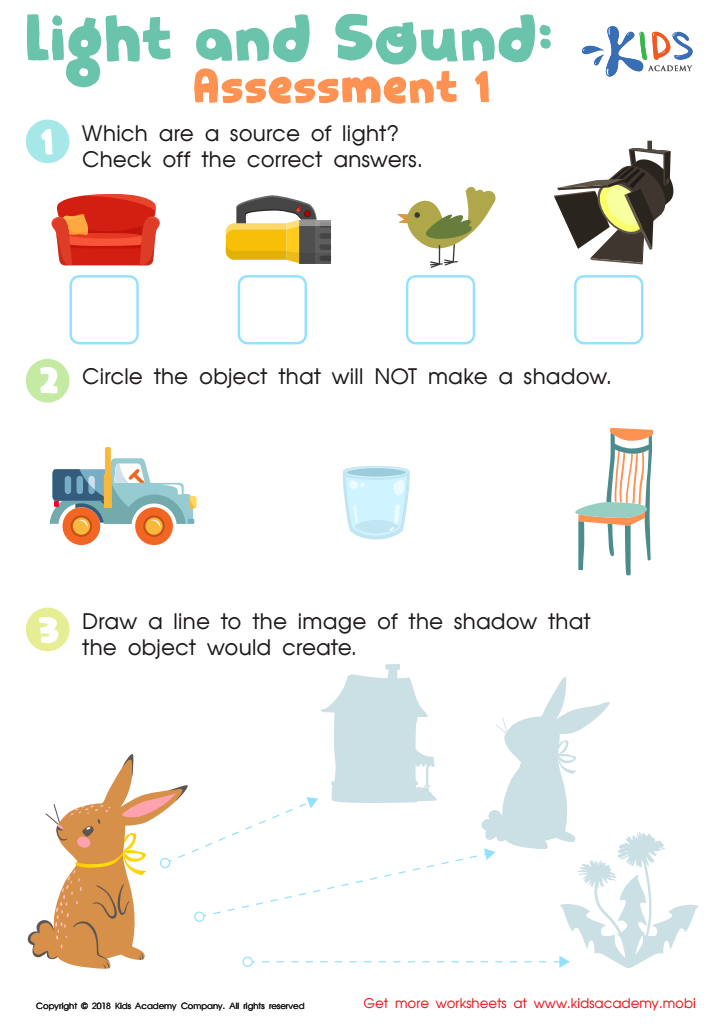
Light and Sound: Assessment 1 Worksheet
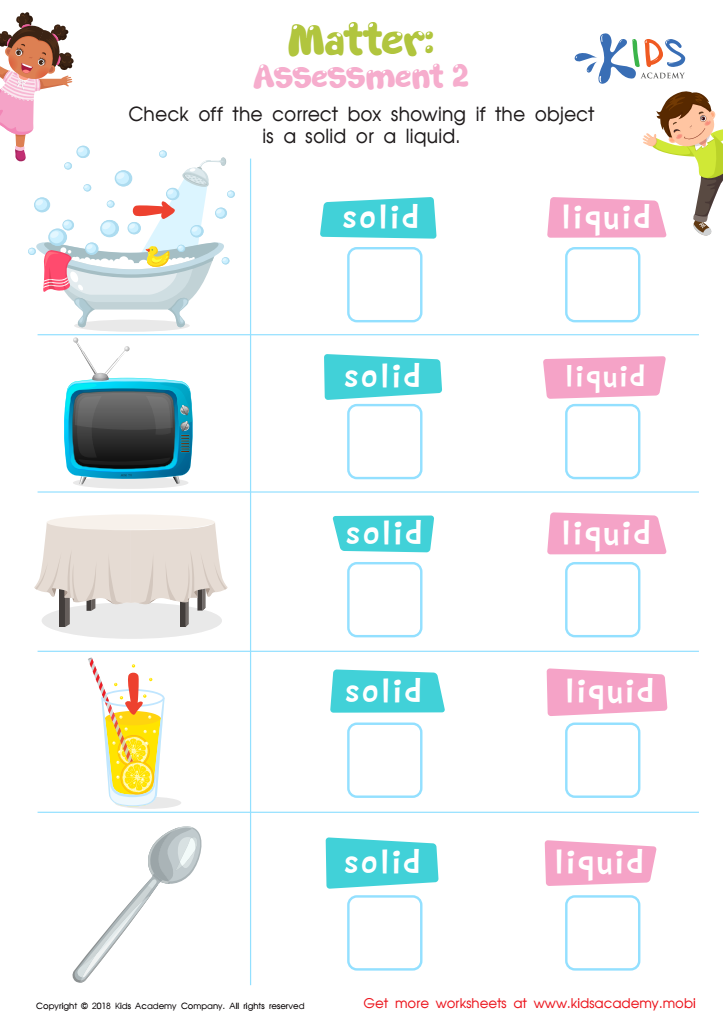
Matter: Assessment 2 Worksheet
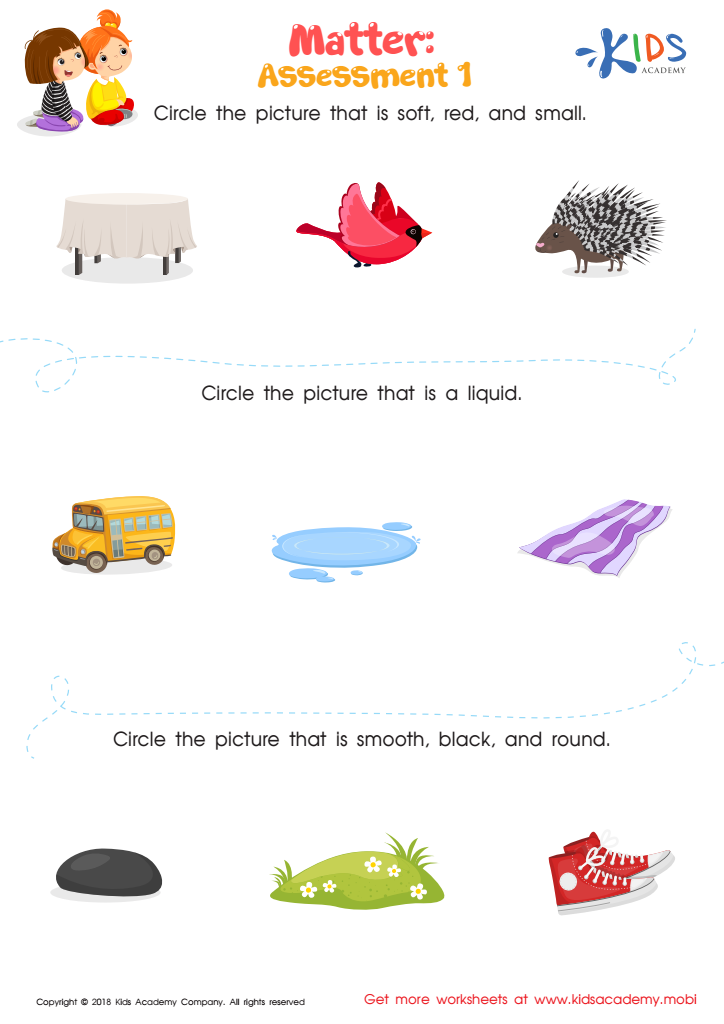
Matter: Assessment 1 Worksheet
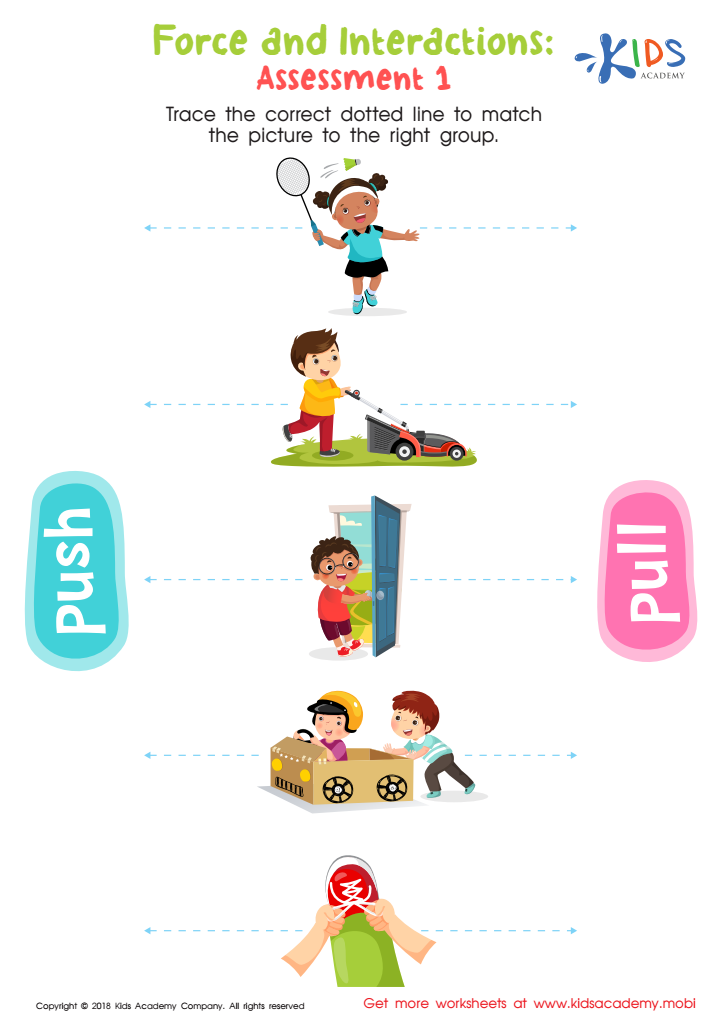
Force and Interactions: Assessment 2 Worksheet
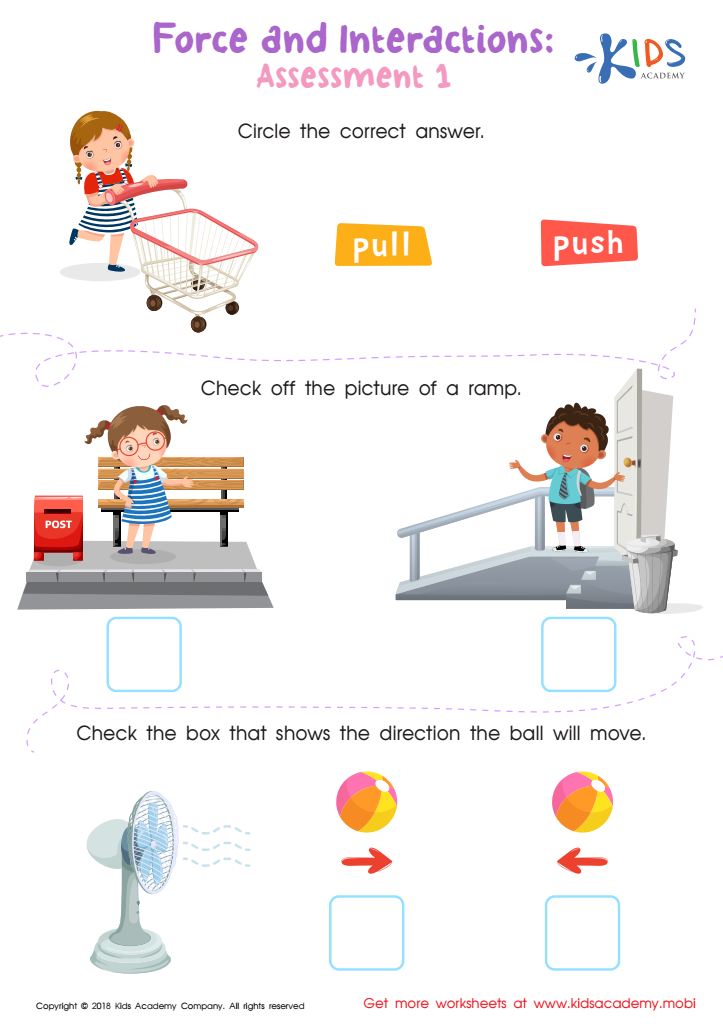
Force and Interactions: Assessment 1 Worksheet


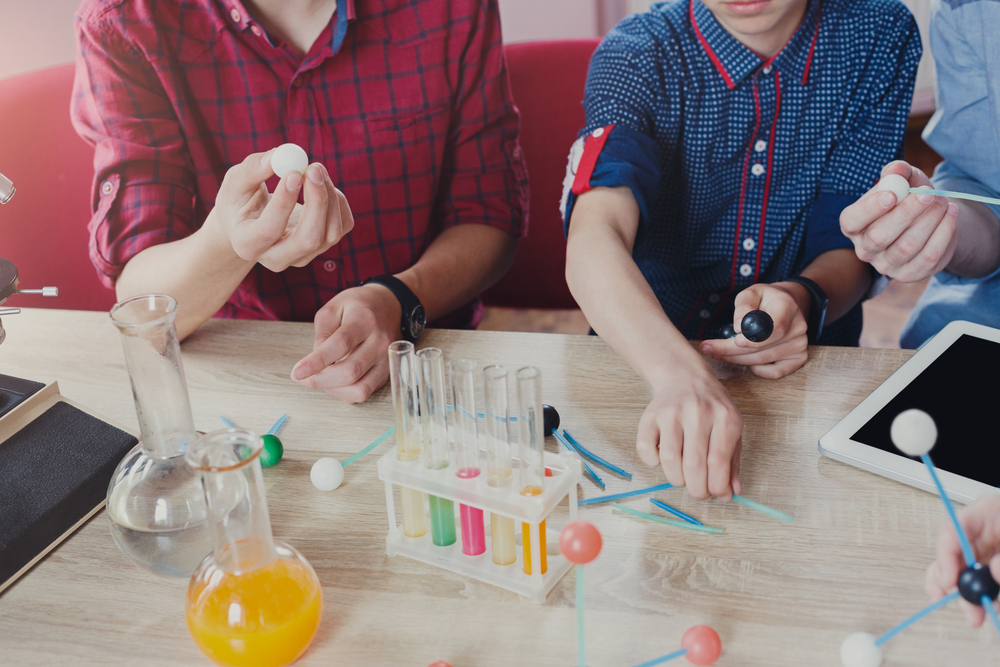




Parents and teachers should prioritize physical science activities for children aged 3-8 because these early experiences lay a crucial foundation for future learning. During this stage, children are naturally curious, eager to explore their environment, and ready to engage hands-on with the world around them. Physical science activities stimulate their inquiry skills and promote critical thinking, helping them understand basic concepts such as matter, energy, and forces.
Engaging in physical science fosters creativity and problem-solving abilities. For example, simple experiments like making a volcano with baking soda and vinegar not only captivate children’s attention but also enable them to see scientific principles in action. These activities promote reasoning skills as kids predict outcomes, observe results, and draw conclusions.
Moreover, physical science fosters cooperation and communication when done in groups or with family. Children learn to ask questions, share ideas, and learn from one another, which are vital social skills. Additionally, such activities integrate well with other subjects, reinforcing literacy and math skills through vocabulary building and measurements.
In summary, early exposure to physical science builds a lifelong interest in learning, encourages curiosity, and equips children with essential skills to navigate and understand the world around them.








