Songs worksheets activities for Ages 3-9
9 filtered results
-
From - To
Welcome to our Songs Worksheets Activities for Ages 3-9! This engaging collection is designed to enhance early childhood learning through the power of music and rhythm. Our worksheets incorporate popular songs and fun activities that foster literacy, vocabulary, and cognitive skills. Children can follow along with lyrics, complete matching games, or participate in interactive singing activities that make learning enjoyable. Ideal for parents and teachers, these resources support various learning styles and provide an entertaining way to develop language abilities. Dive into a world of musical exploration that inspires creativity and encourages learning through song!
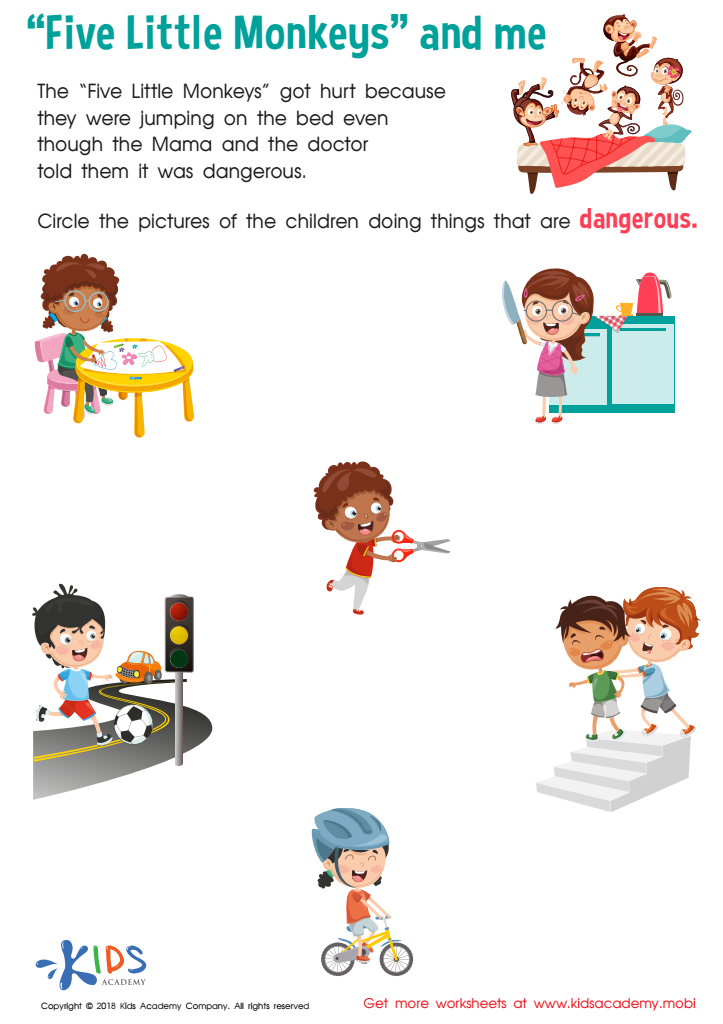
Five Little Monkeys and Me Worksheet
 Assign to My Students
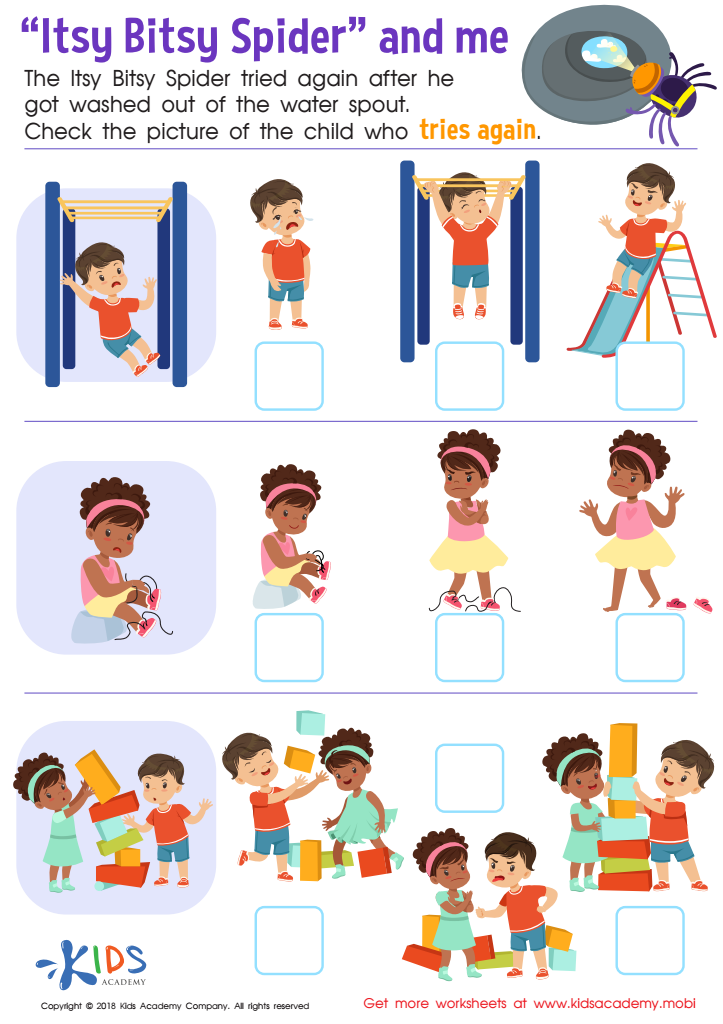
Itsy Bitsy Spider and Me Worksheet
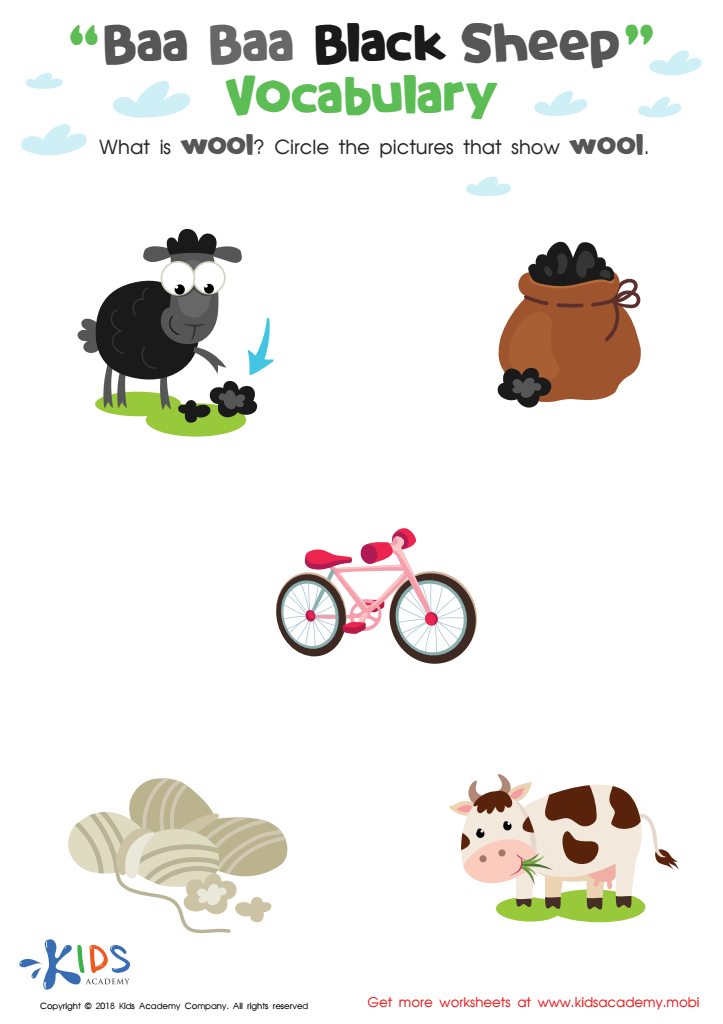
Baa Baa Black Sheep: Vocabulary Worksheet
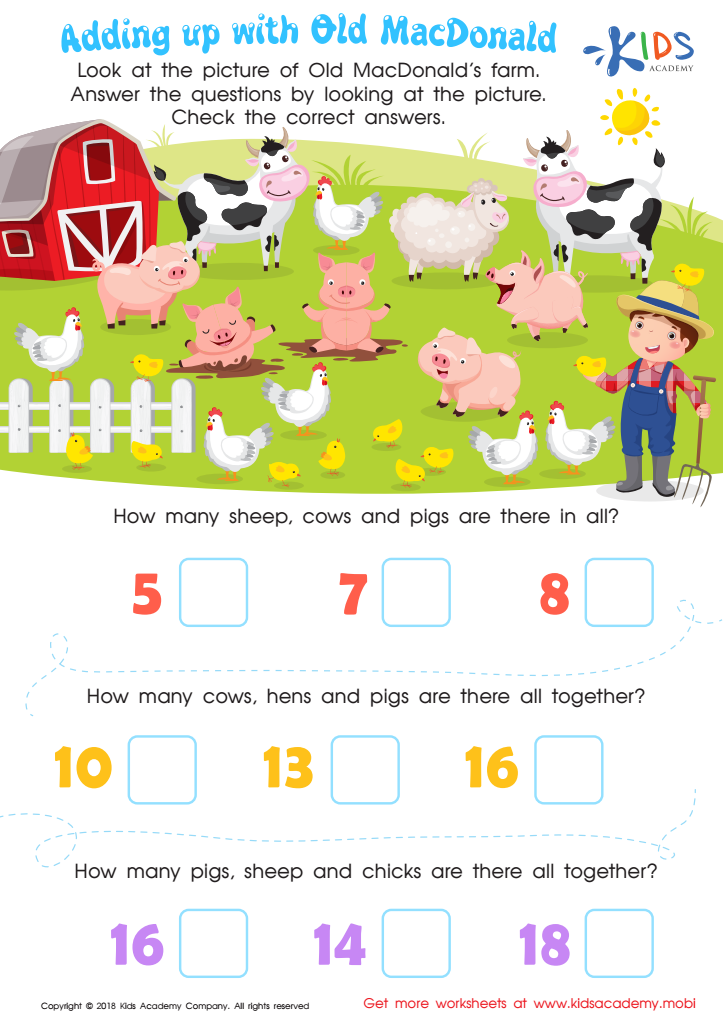
Adding Up with Old MacDonald Worksheet
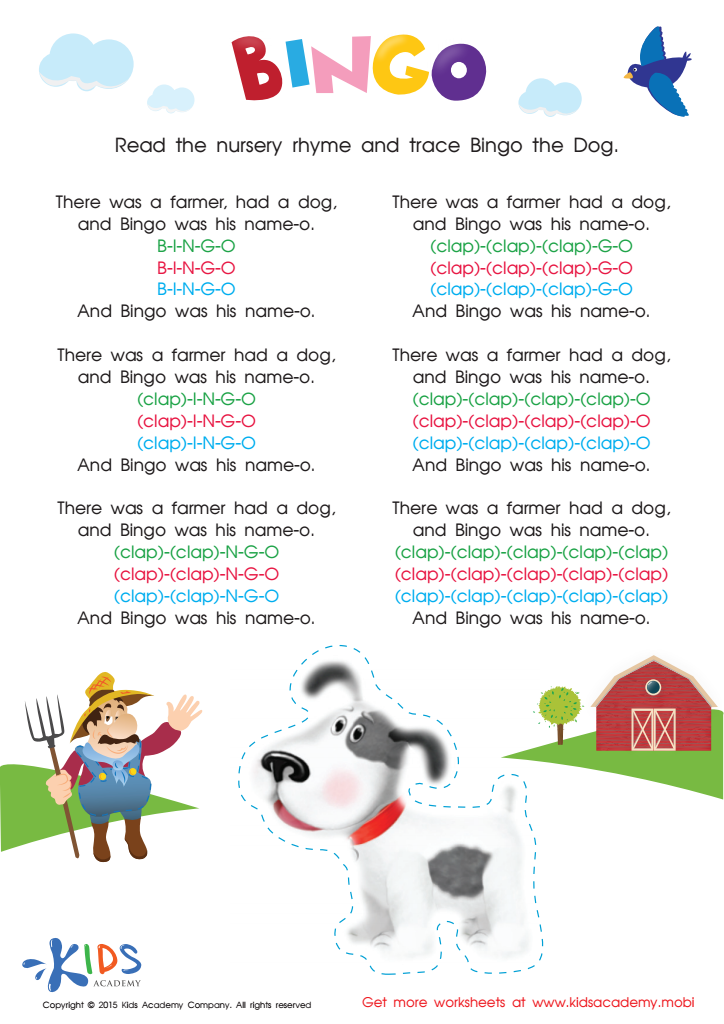
Nursery Rhymes: The Bingo Song Worksheet
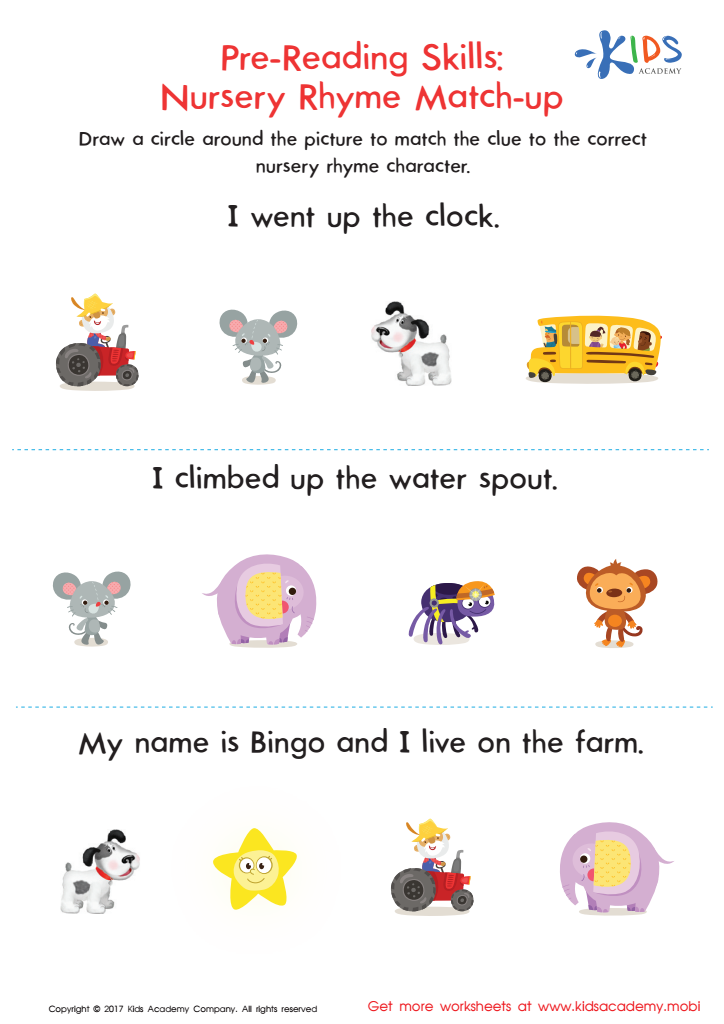
Nursery Rhyme Match–Up Worksheet
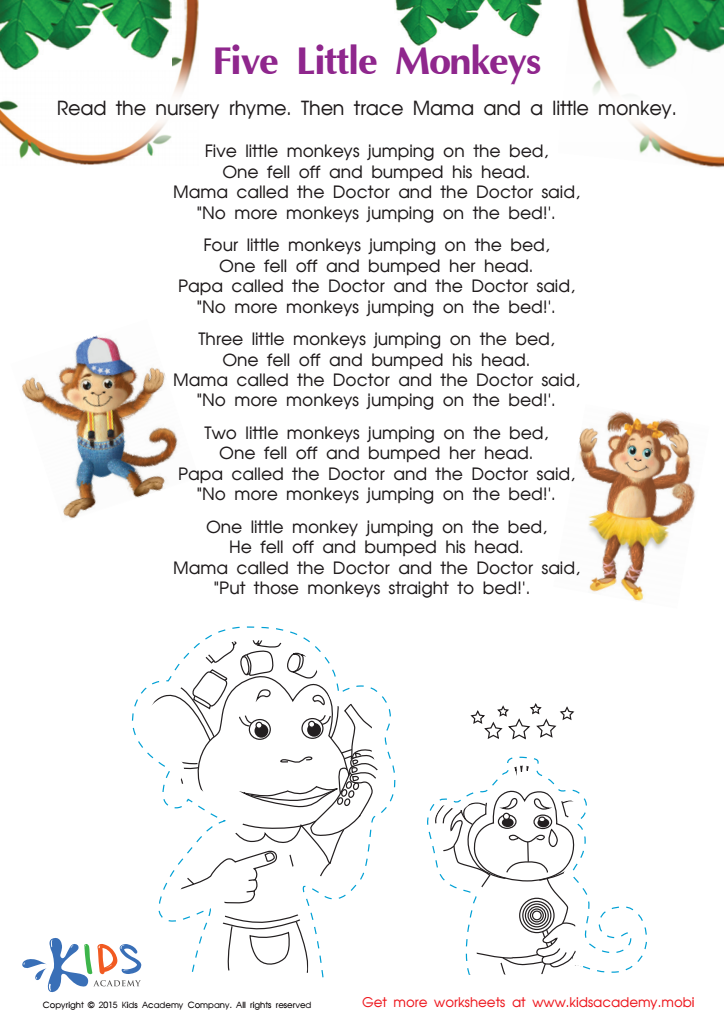
The Five Little Monkeys Nursery Rhyme Worksheet
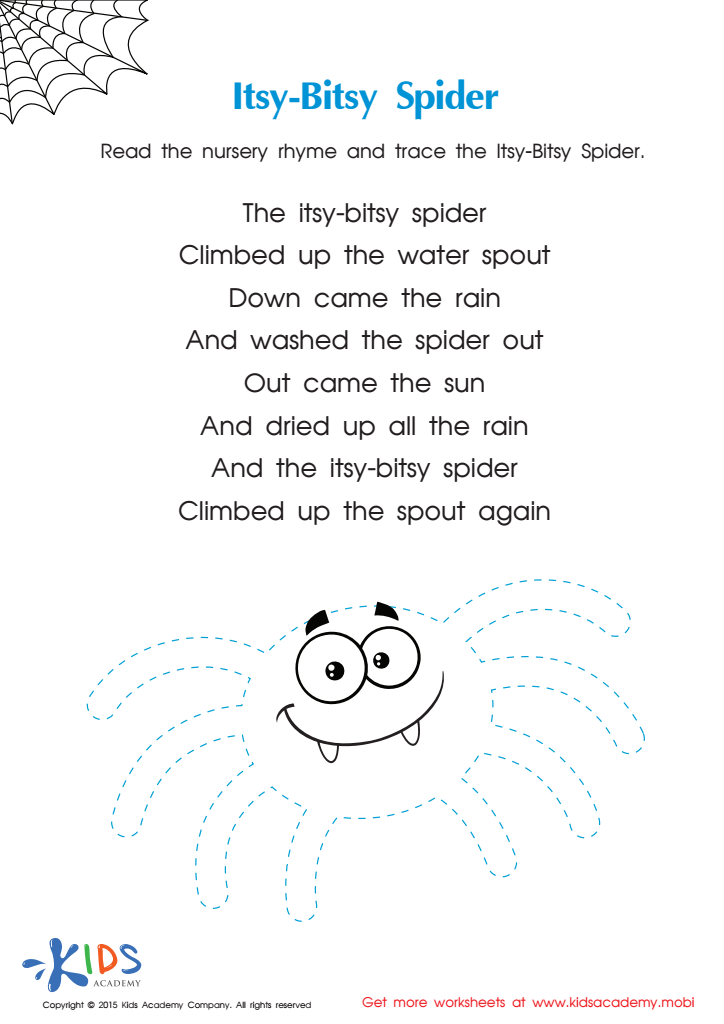
Itsy Bitsy Spider Nursery Rhyme PDF Worksheet
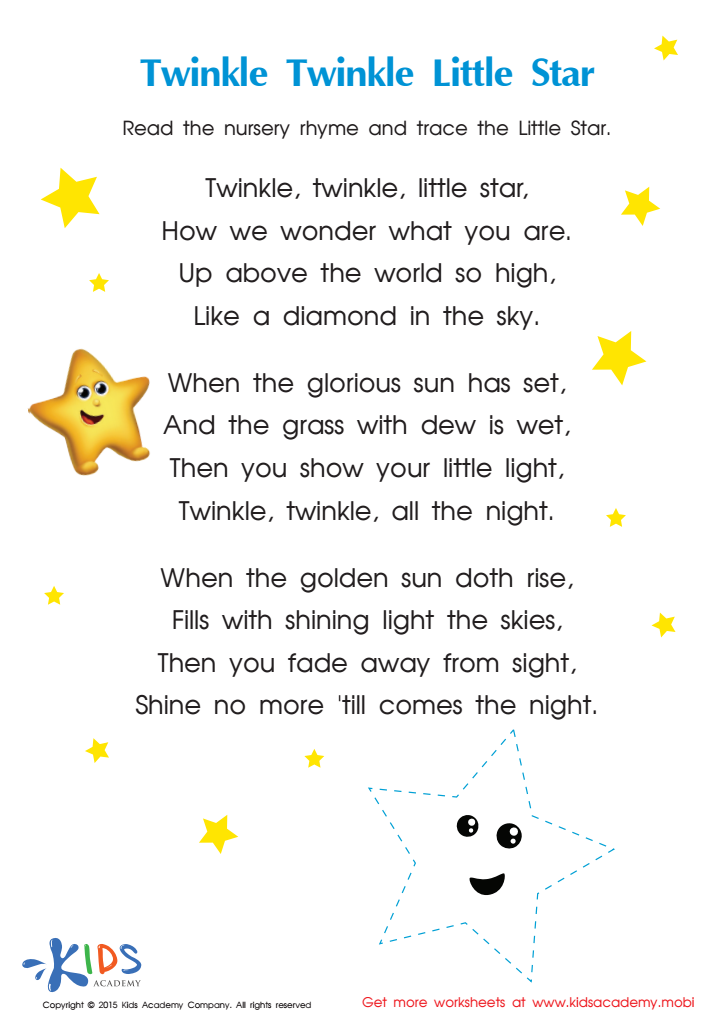
Nursery Rhymes: Twinkle Little Star Worksheet







Songs and musical activities for children ages 3 to 9 play a vital role in early childhood development and learning. Engaging children in musical experiences fosters not only a love for music but also enhances various cognitive, social, and emotional skills. Firstly, songs help improve language acquisition; through repetitive verses and catchy melodies, children expand their vocabulary and strengthen their phonetic awareness. This foundational linguistic development is crucial for their future reading skills.
Furthermore, musical activities promote social interactions and teamwork, as children often sing and share rhythm-based games in groups, aiding in their social-emotional development. Participation in songs—whether through singing, dancing, or playing instruments—can also boost self-esteem and confidence, allowing children to express themselves creatively.
Additionally, songs can introduce concepts such as numbers, letters, and social values in a fun and engaging manner, making learning more accessible and enjoyable. Rhythm and melody can aid memory retention, helping children grasp new information effectively. In sum, incorporating songs into activities not only enriches the learning experience but also supports holistic development, fostering well-rounded individuals equipped with essential life skills. Therefore, both parents and teachers should prioritize musical activities as integral components of early education.








