Tracing Words worksheets activities for Ages 5-6
42 filtered results
-
From - To
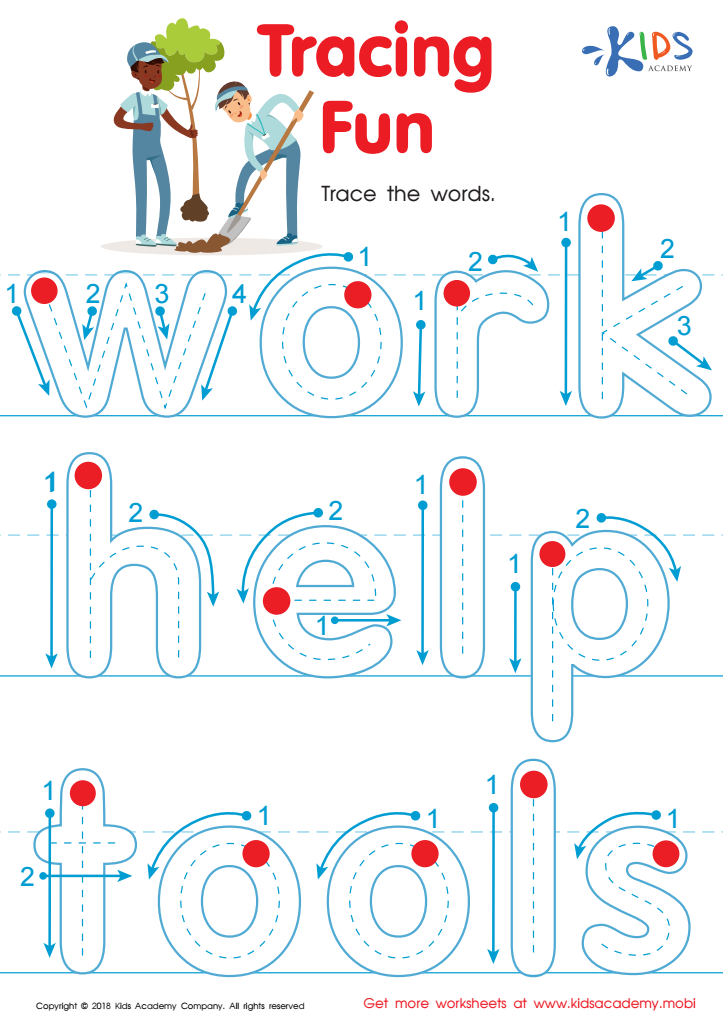
Tracing Fun Worksheet
 Assign to My Students
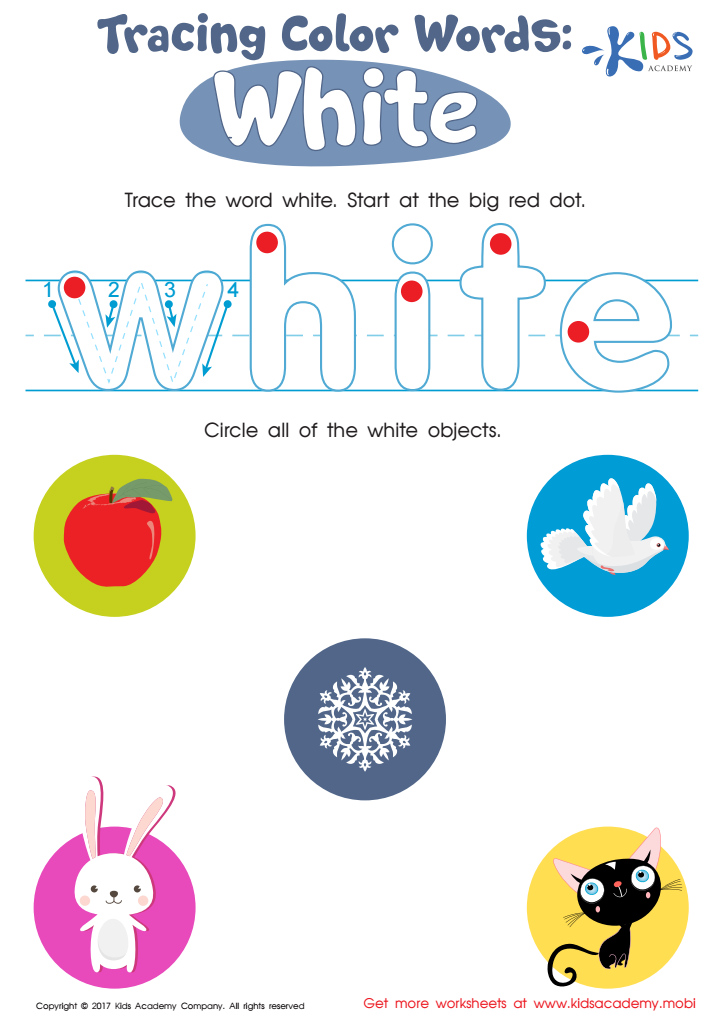
White Tracing Color Words Worksheet
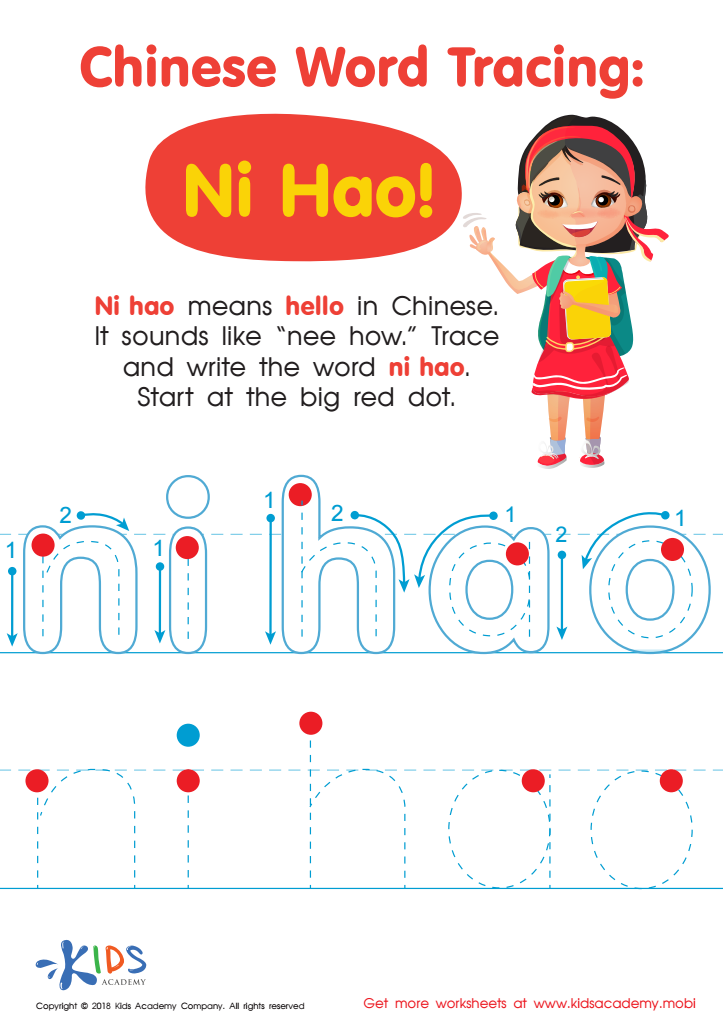
Chinese Word Tracing: Ni Hao Worksheet
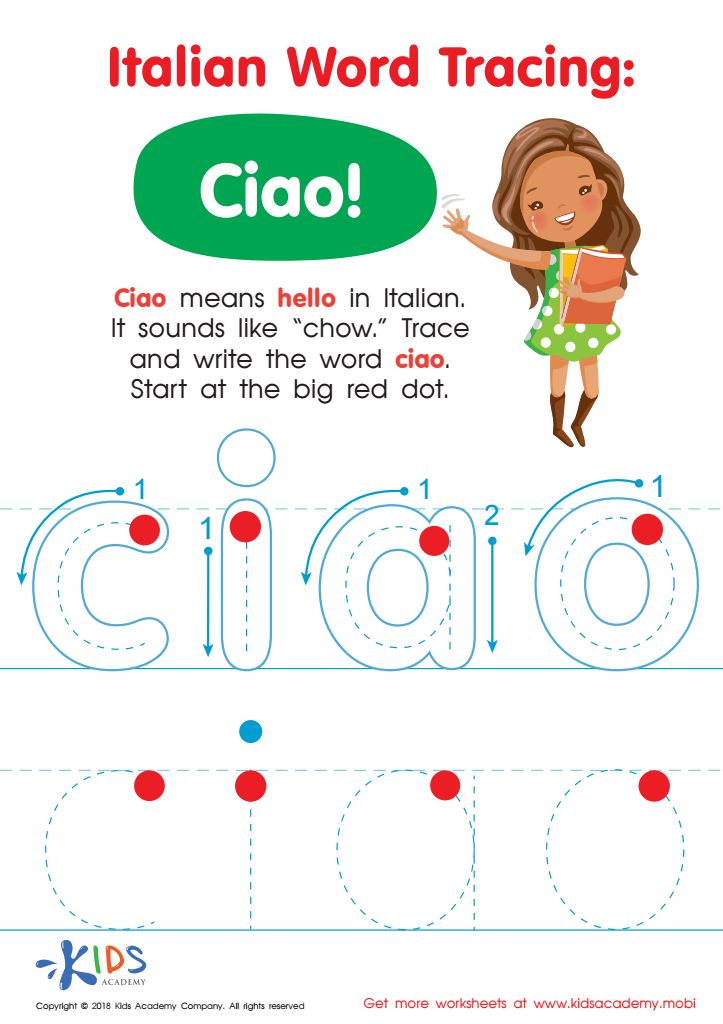
Italian Word Tracing: Ciao Worksheet
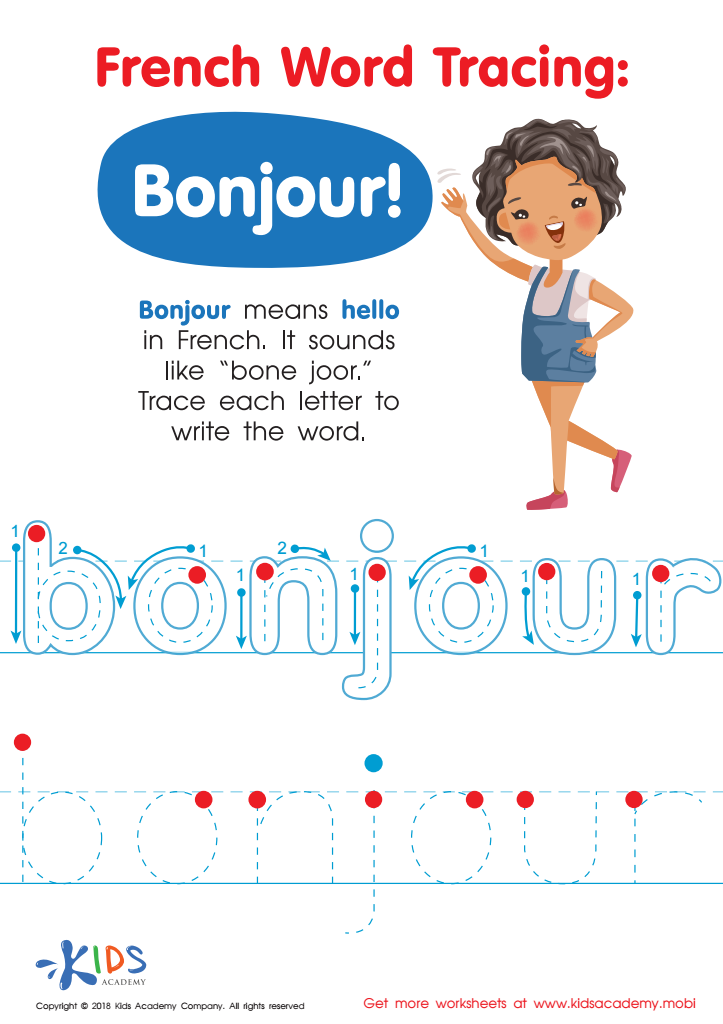
French Word Tracing: Bonjour Worksheet
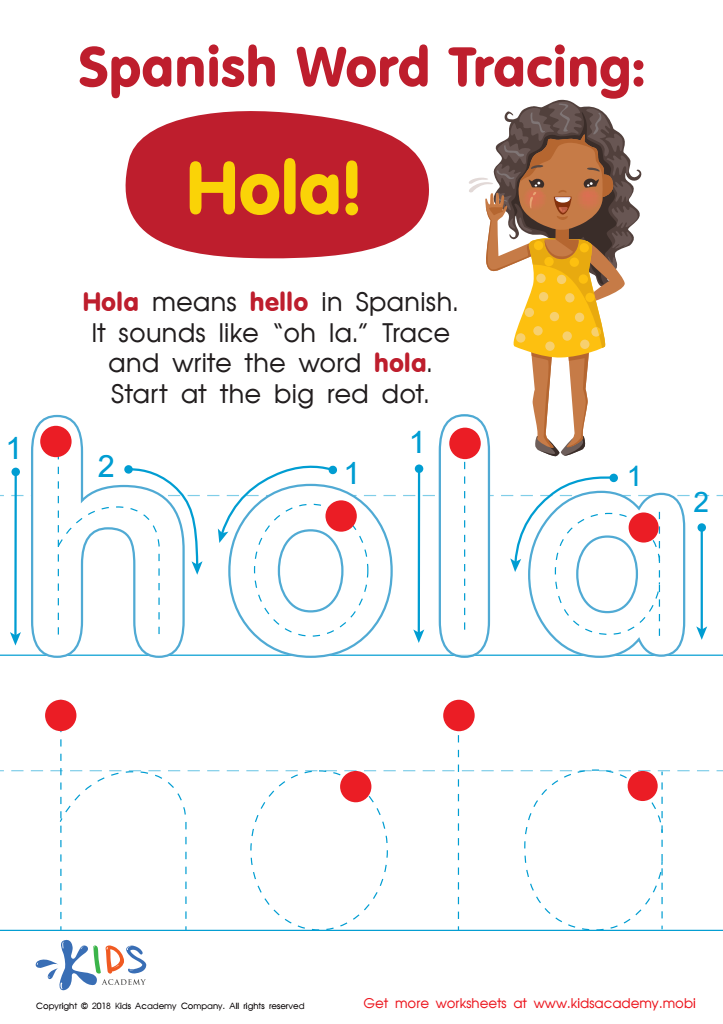
Spanish Word Tracing: Hola Worksheet
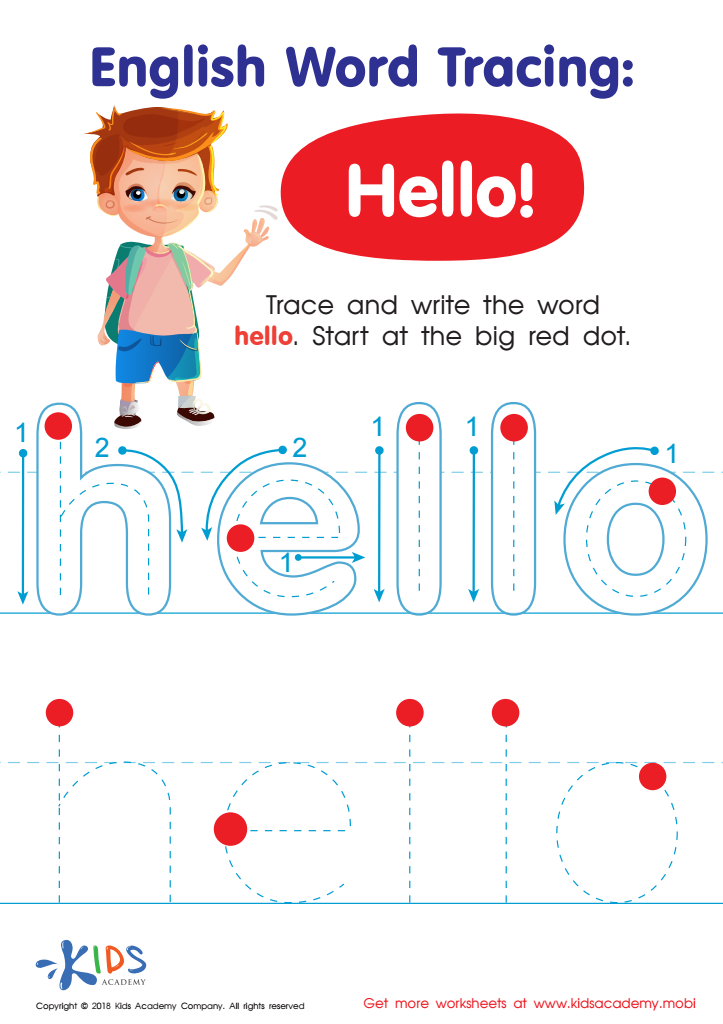
English Word Tracing: Hello Worksheet
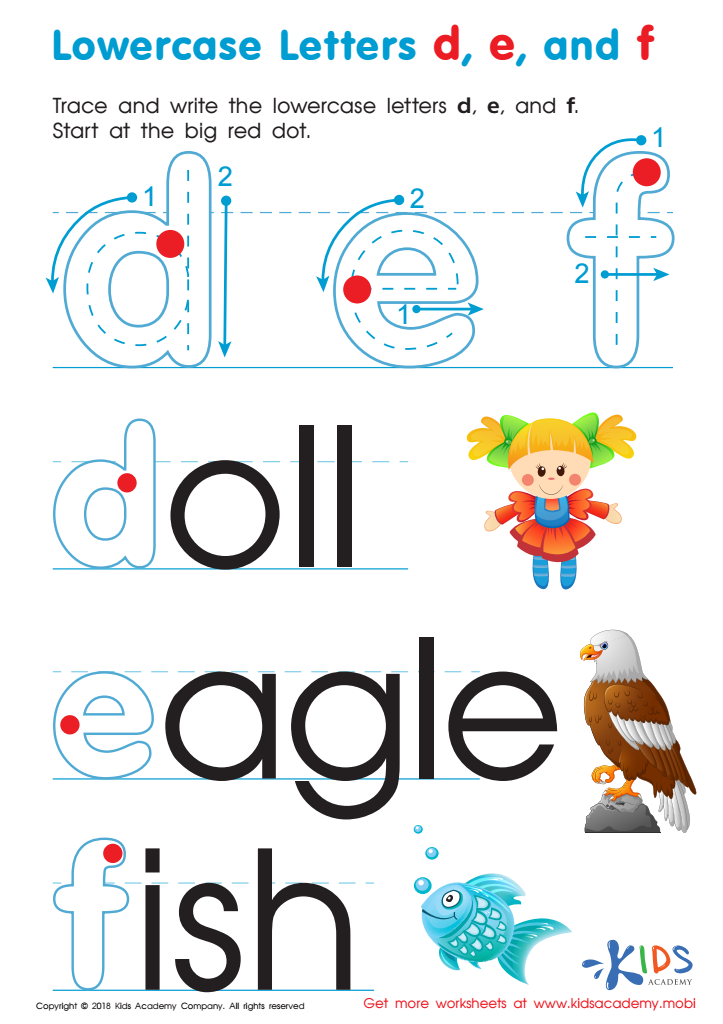
Lowercase Letters d e f Worksheet
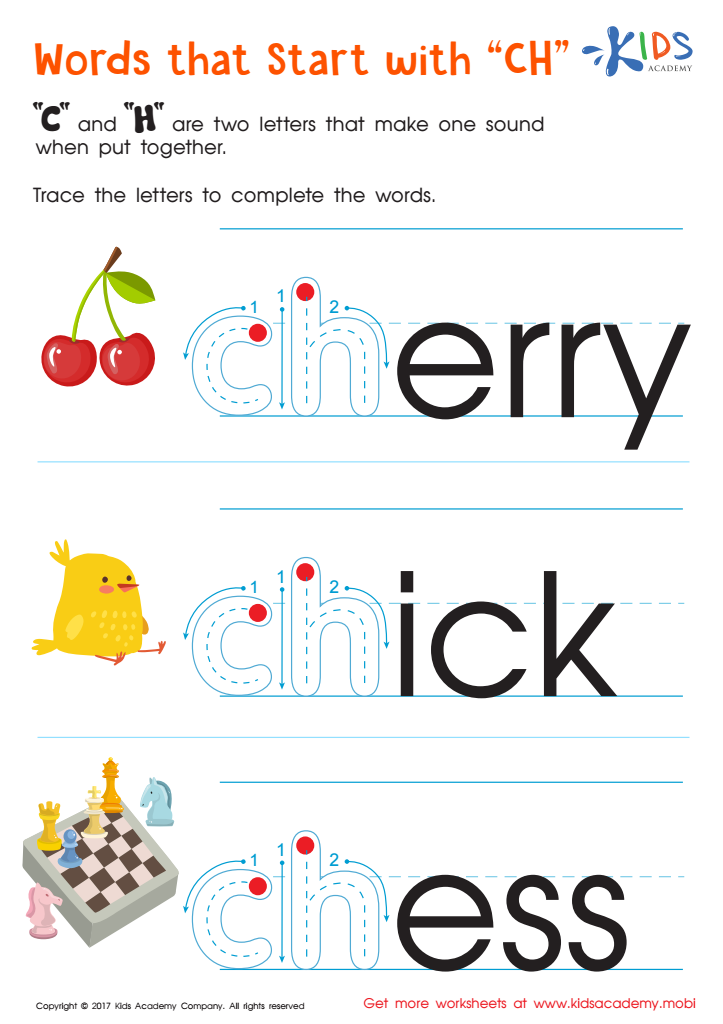
Words That Start with "ch" Spelling Worksheet
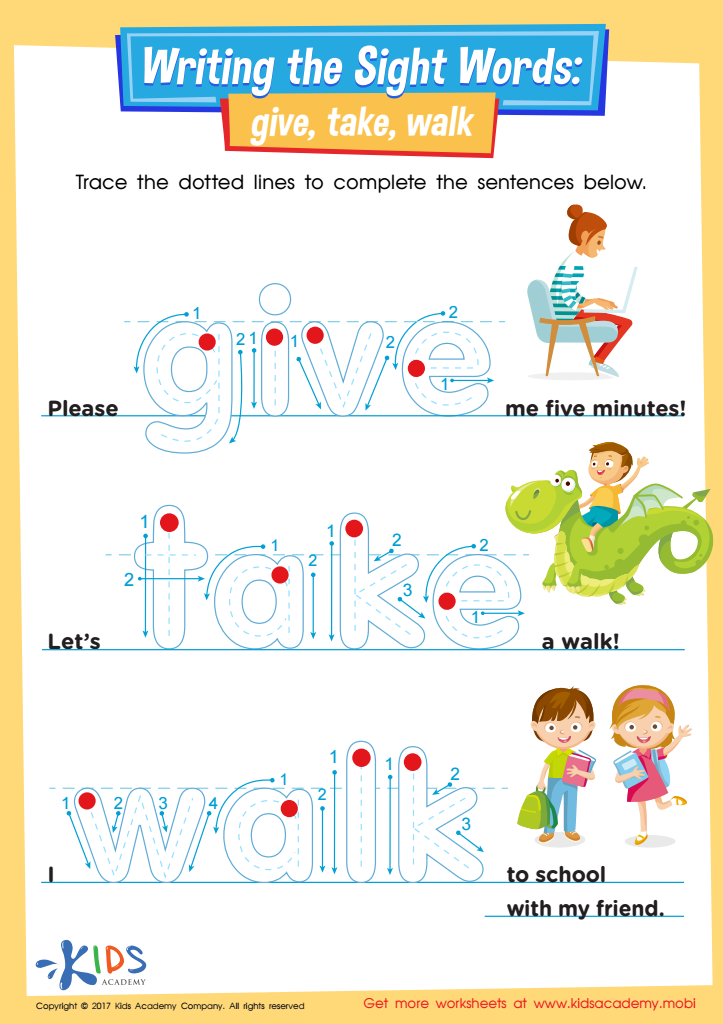
Give, Take, Walk Printable Sight Words Worksheet
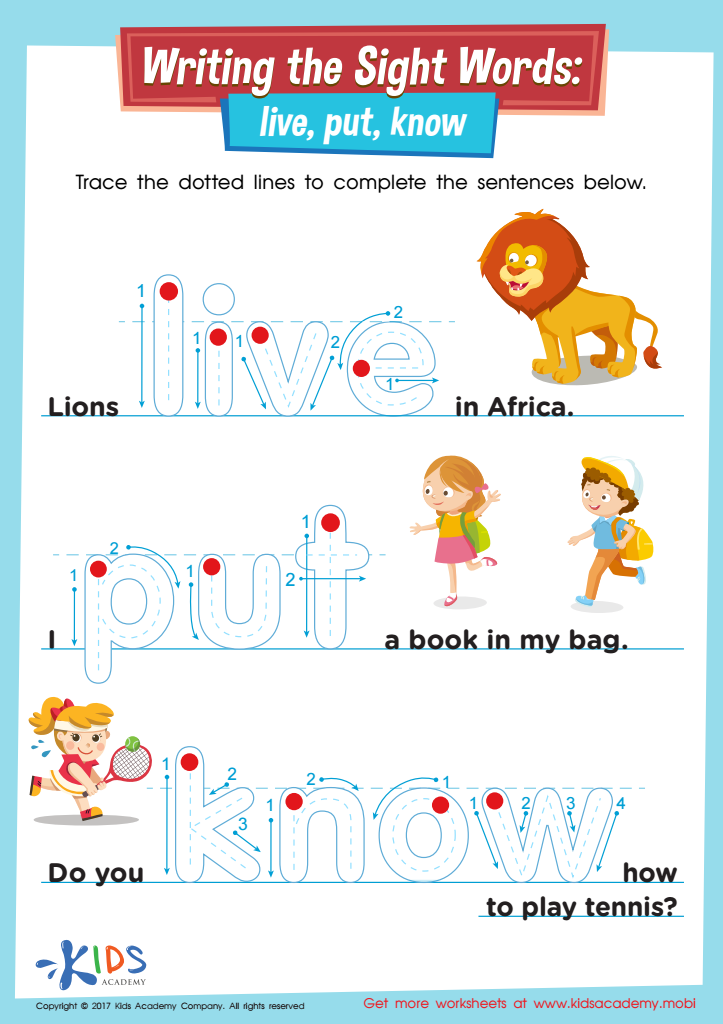
Live, Put, Know Printable Sight Words Worksheet
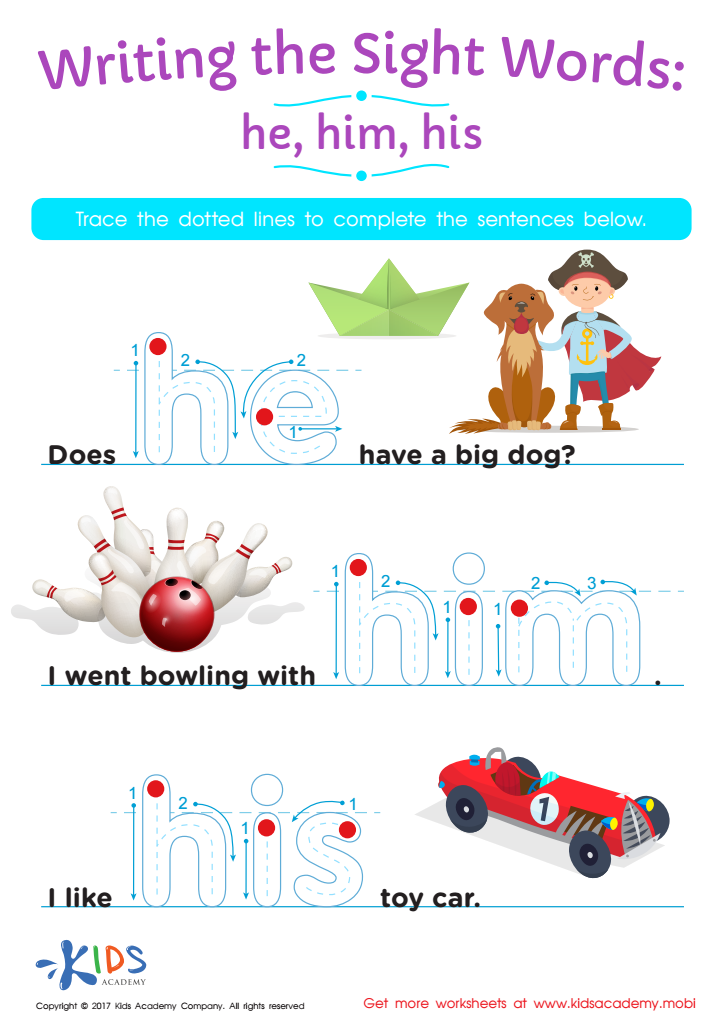
He, Him, His Printable Sight Words Worksheet
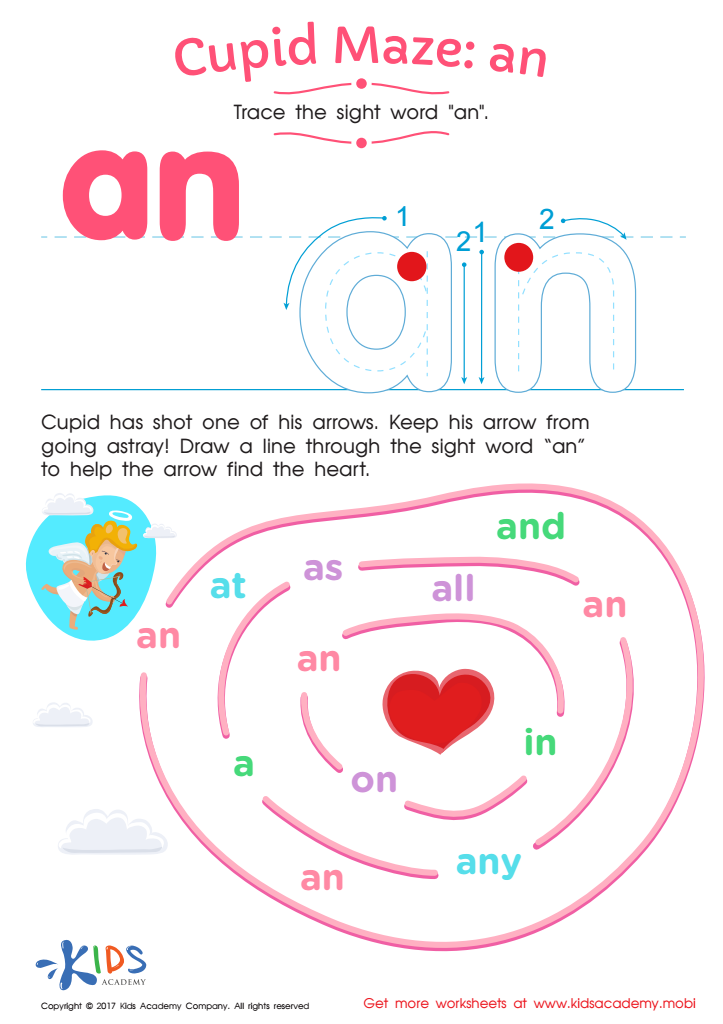
Cupid Maze: An Printable
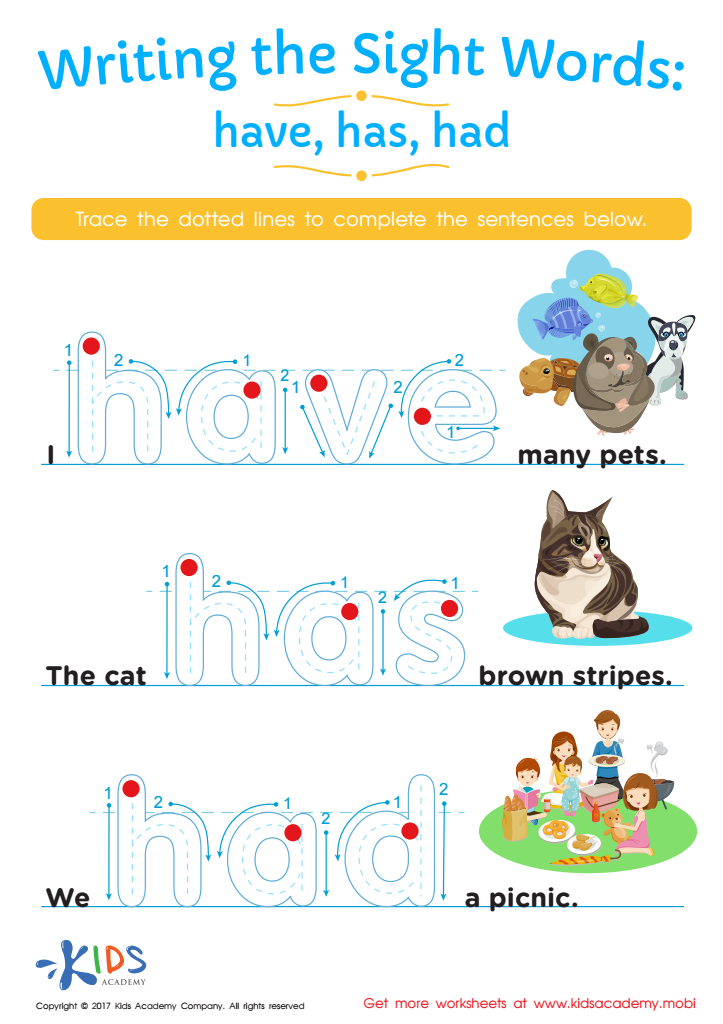
Have, Has, Had Worksheet Sight Words Worksheet
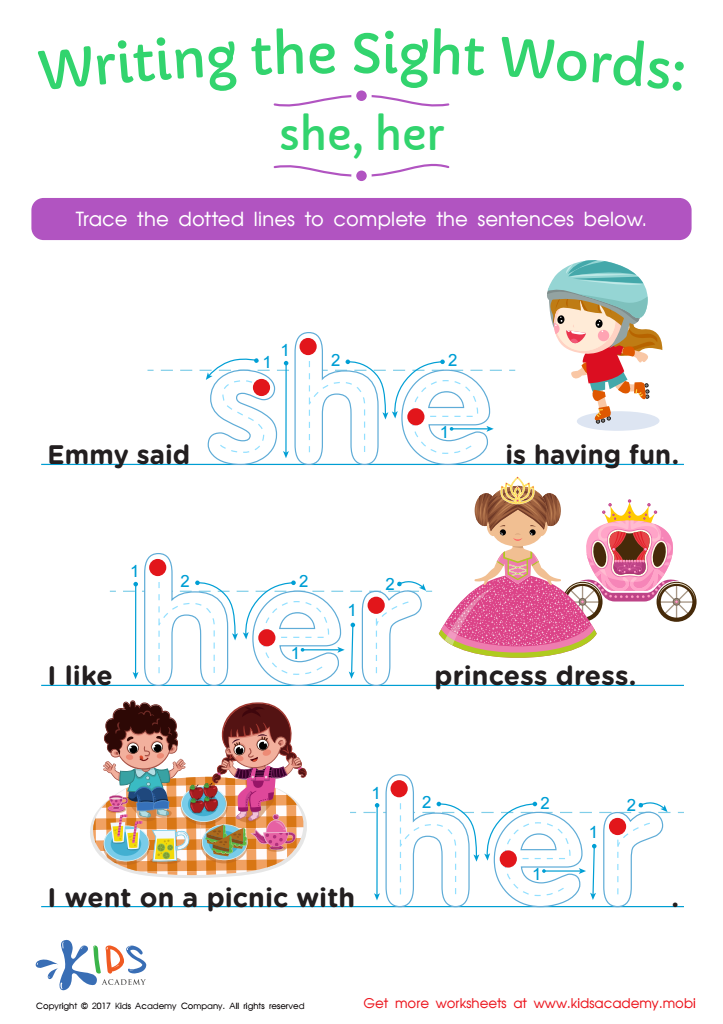
She, Her Printable Sight Words Worksheet
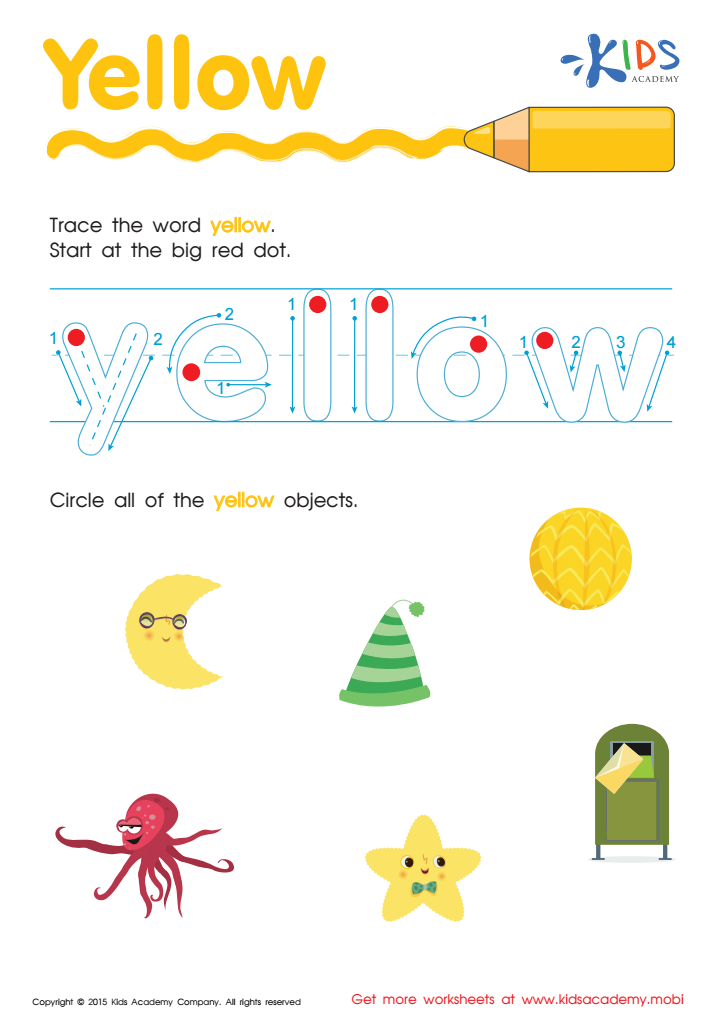
Yellow Tracing Color Words Worksheet
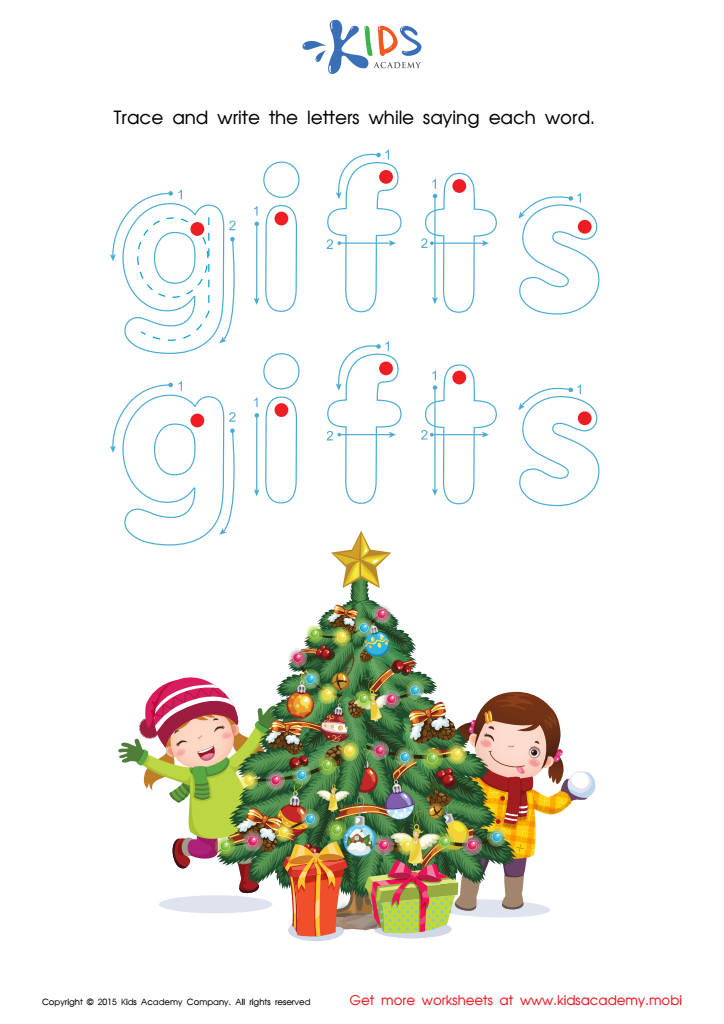
Christmas Tree Tracing Winter Words Worksheet
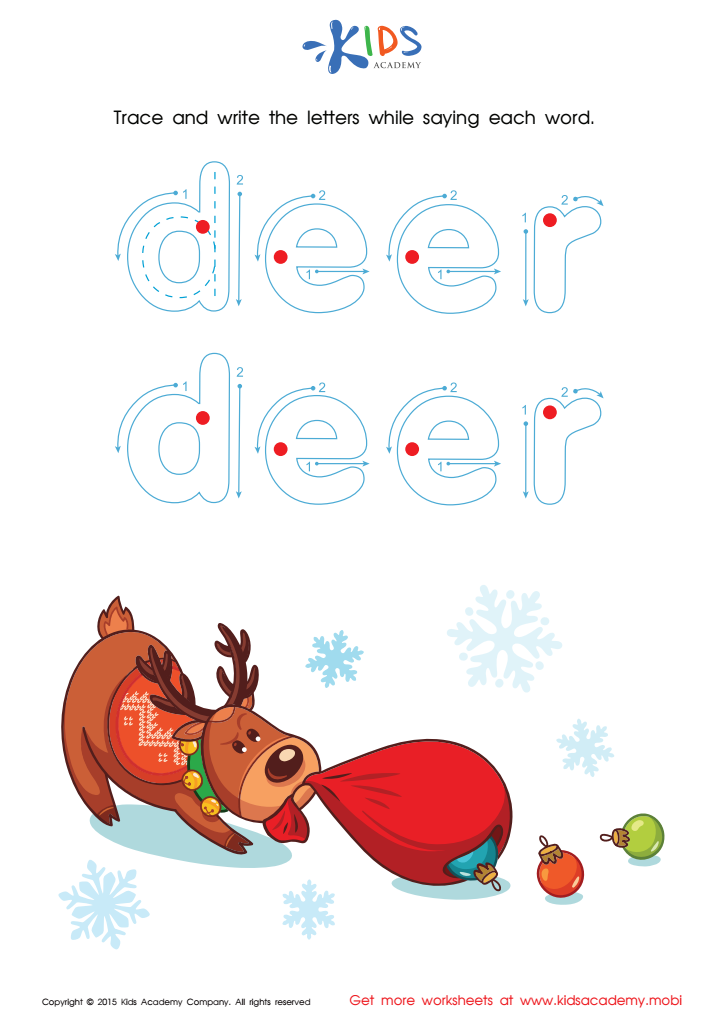
Deer Tracing Winter Words Worksheet
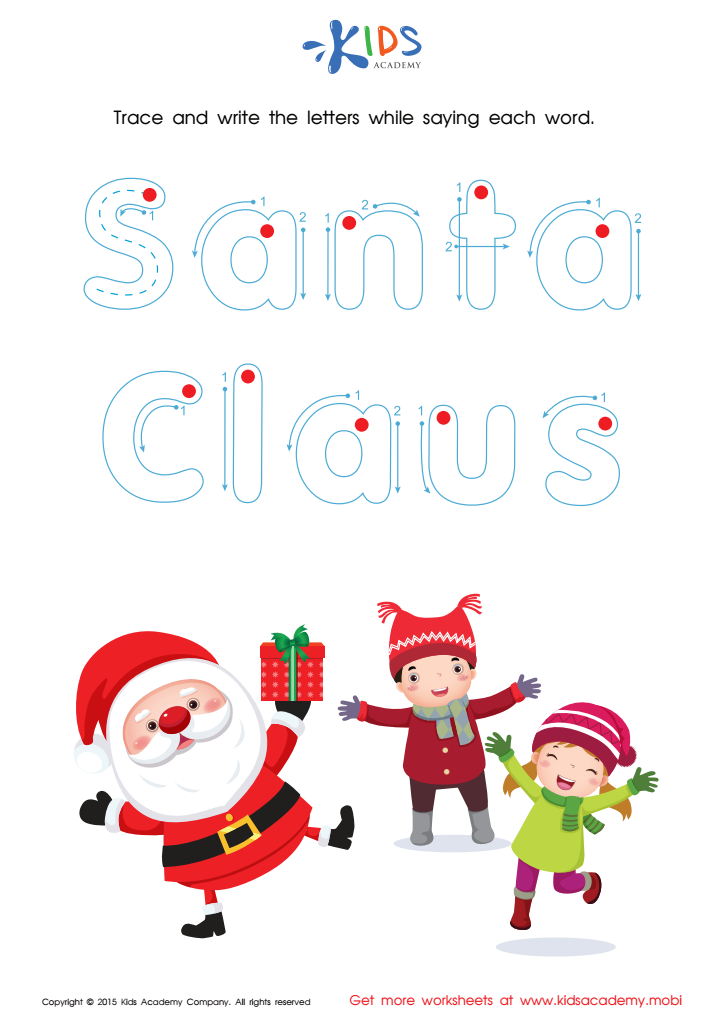
Santa Claus Tracing Winter Words Worksheet
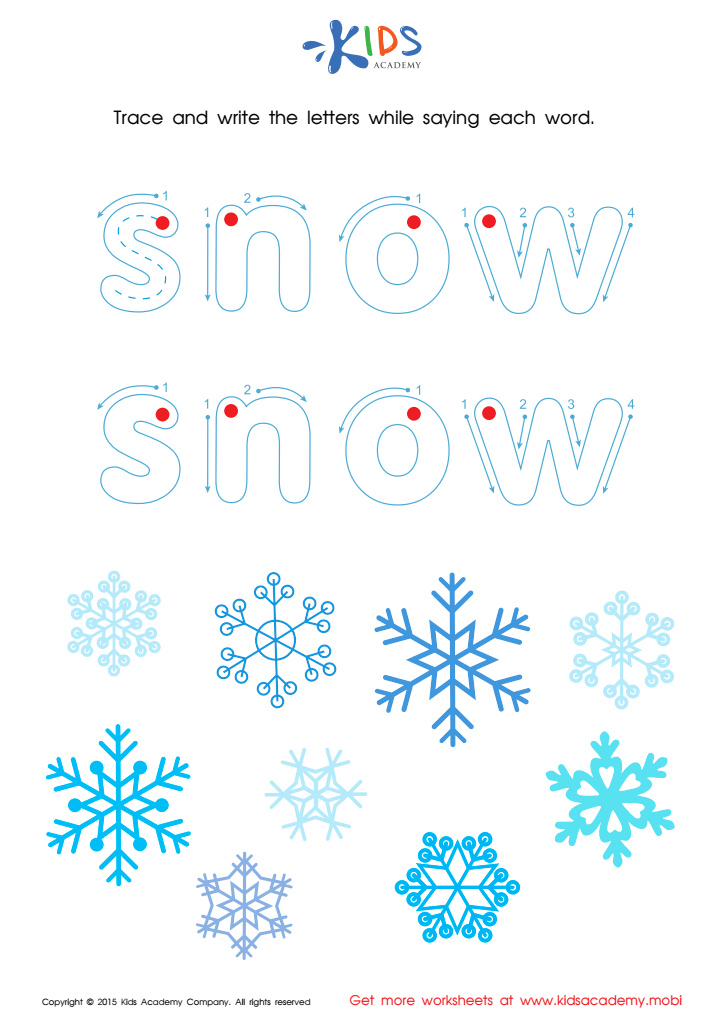
Snowflake Tracing Winter Words Worksheet
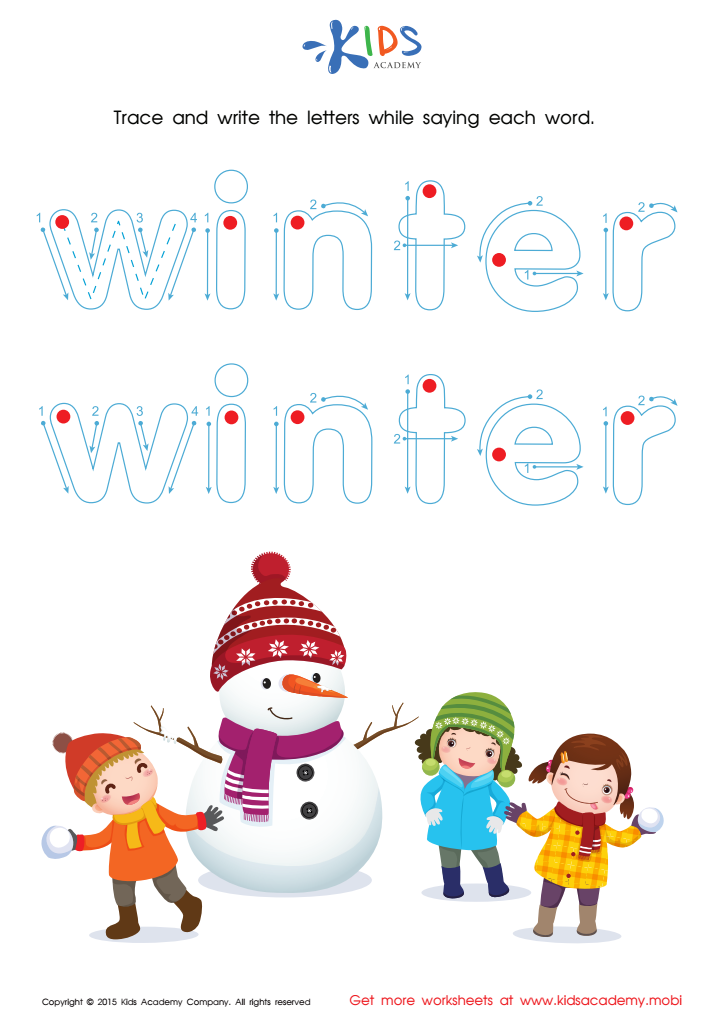
Snowman Tracing Winter Words Worksheet
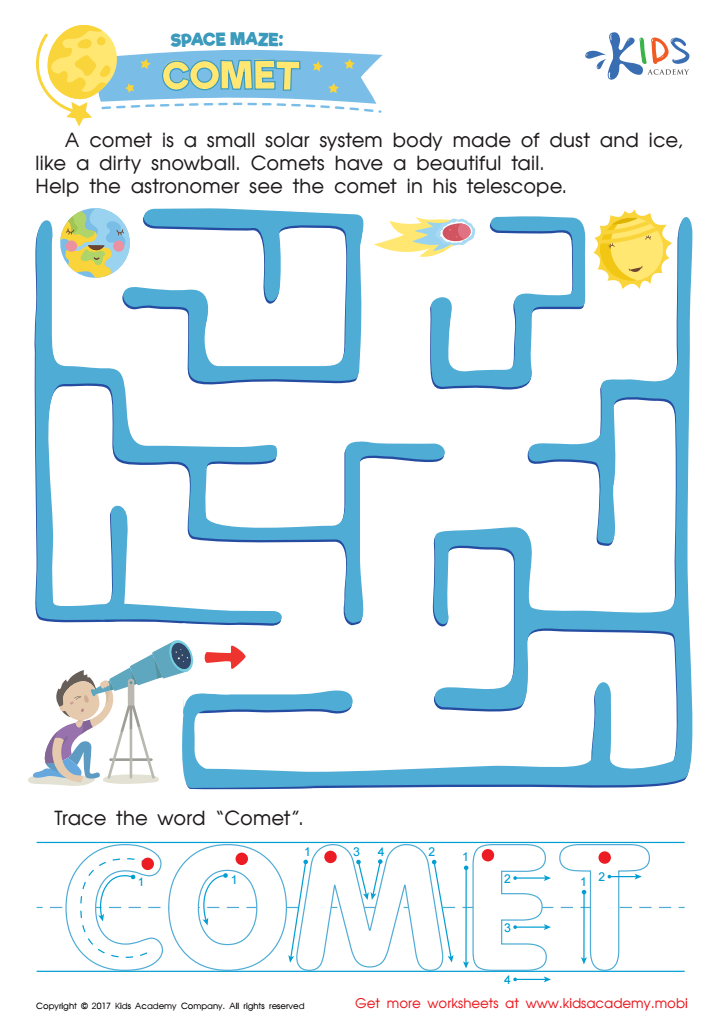
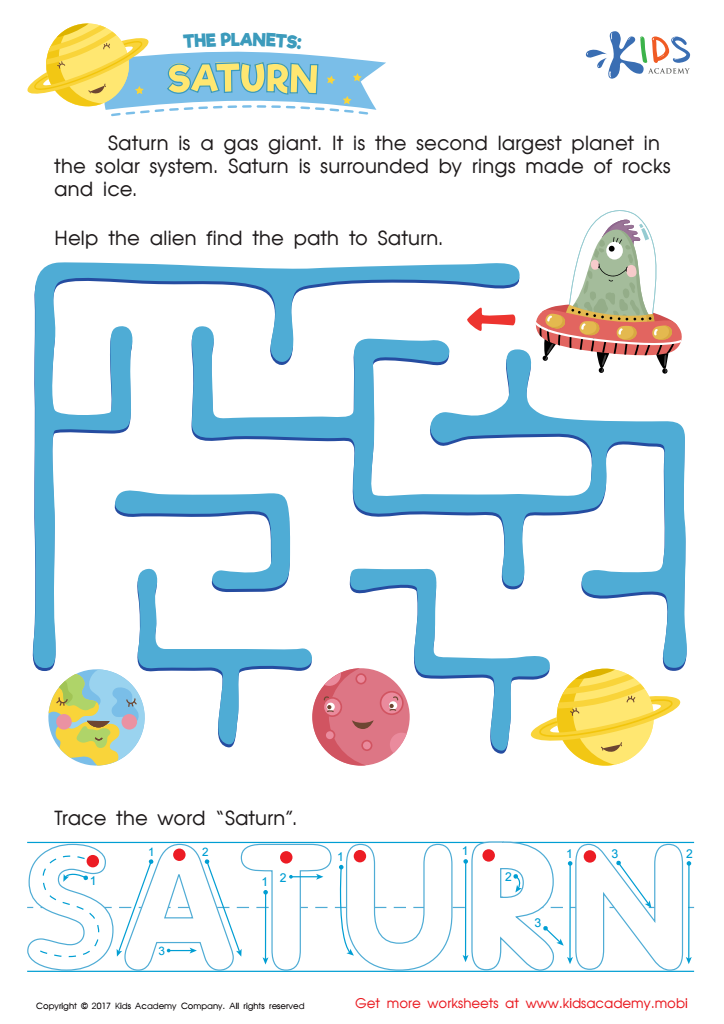
The Planets: Saturn Printable
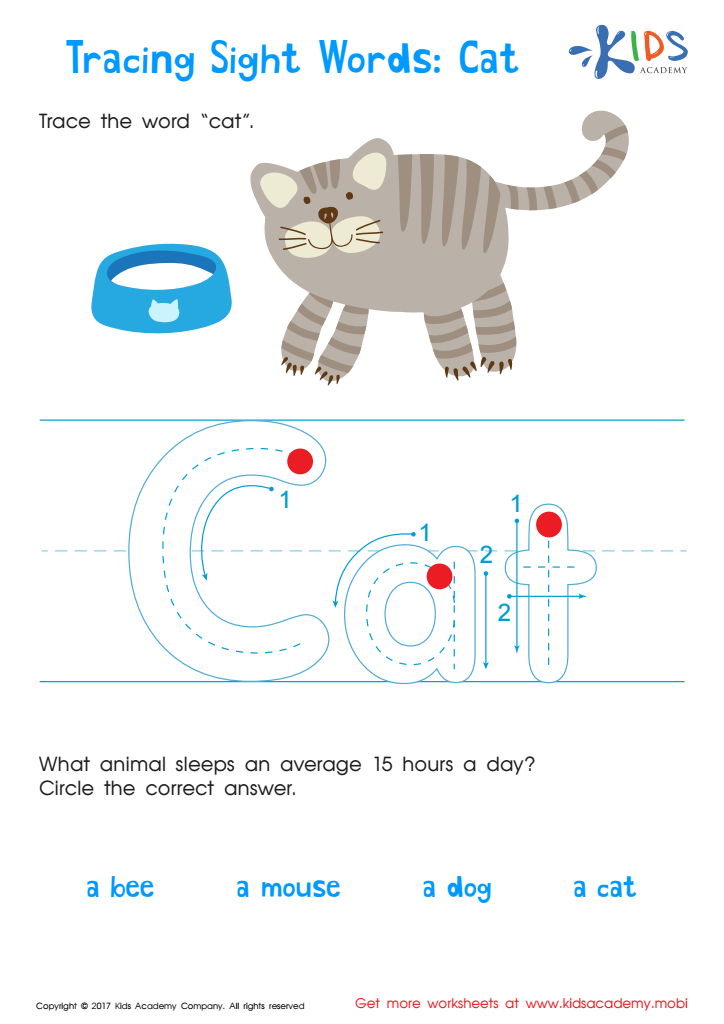
Cat Printable Sight Words Worksheet







Tracing Words worksheets activities serve as a foundational tool in the language learning journey of young learners. These meticulously designed worksheets not only facilitate the mastering of handwriting but also significantly contribute to enhancing a child’s literacy skills. Here’s why Tracing Words worksheets activities are invaluable in the educational landscape.
Firstly, these activities foster familiarity with the alphabet. As children trace over letters, they become adept at recognizing and differentiating between them, which is crucial for reading proficiency. This hands-on interaction with letters helps solidify their shapes in young minds, making it easier for children to recall and identify them in different contexts.
Moreover, Tracing Words worksheets activities aid in developing fine motor skills. The act of tracing requires children to use precise hand movements, which strengthens their hand-eye coordination and dexterity. These skills are not only beneficial for writing but also for performing everyday tasks with greater ease.
Another significant advantage of Tracing Words worksheets is their role in improving spelling and vocabulary. As children trace words, they are exposed to new vocabulary, which enriches their language skills. The repetitive nature of tracing helps in embedding these words in their memory, thereby improving their spelling without the need for rote memorization.
Furthermore, these activities offer a structured approach to handwriting, teaching children how to form letters and words correctly from the start. This early intervention prevents the development of poor handwriting habits that can be difficult to correct later on.
Lastly, Tracing Words worksheets activities are versatile and can be tailored to suit the learning pace and interests of each child, making them an engaging and enjoyable way to learn. They can be used at home or in the classroom, providing a valuable resource for educators and parents alike.
In summary, Tracing Words worksheets activities are a cornerstone in early education, laying the groundwork for successful reading and writing. Through these activities, children not only learn the basics of literacy but also develop a range of skills that are essential for their academic and personal development.








