Mazes worksheets activities for Ages 5-7 - Page 3
56 filtered results
-
From - To
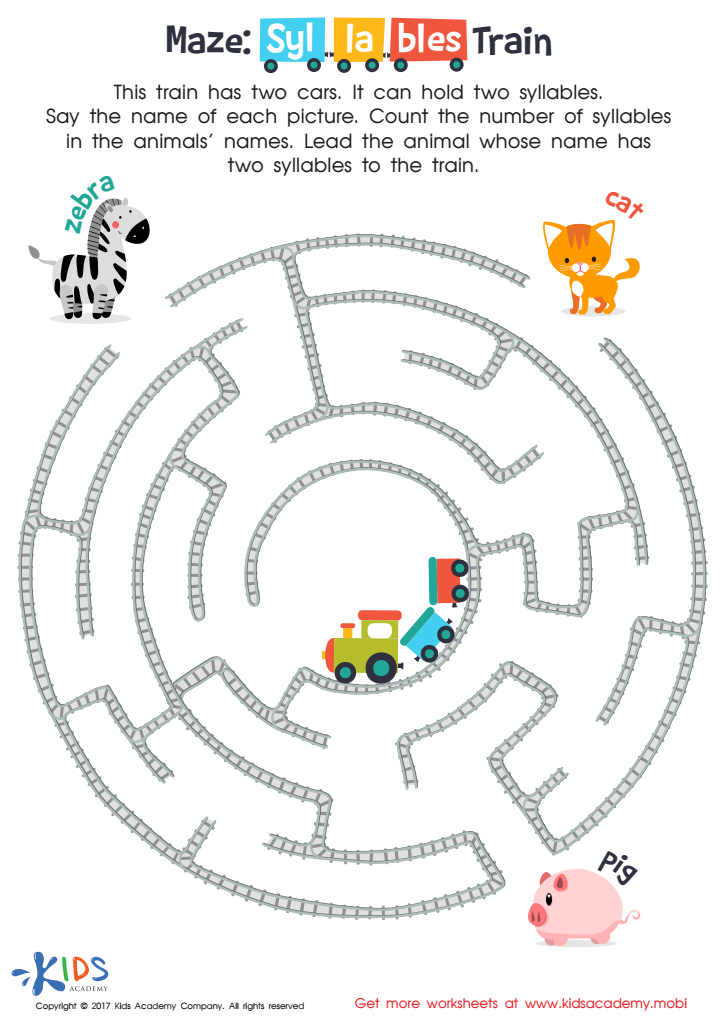
Maze Syllables Word Structure Worksheet
 Assign to My Students
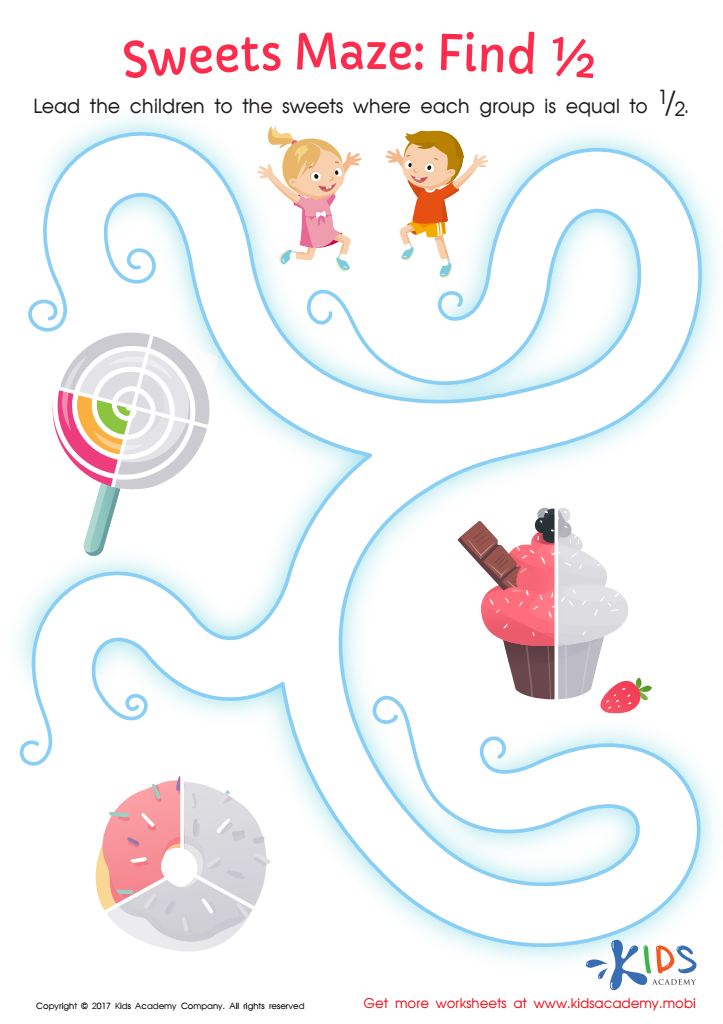
Fractions: Sweets Maze Worksheet
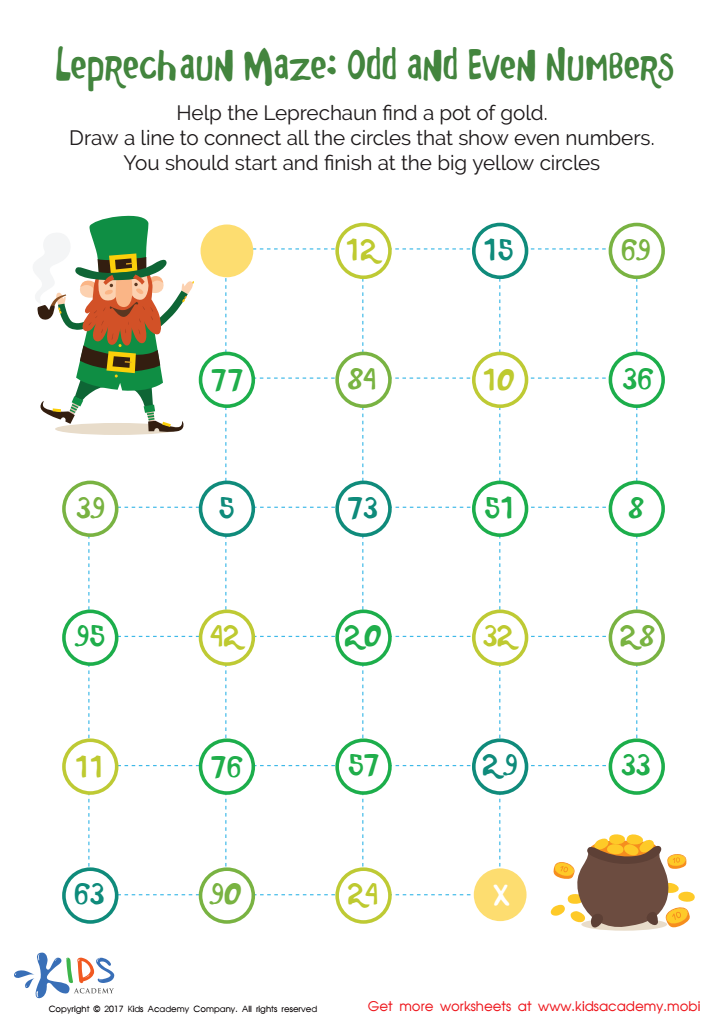
Leprechaun Maze Printable
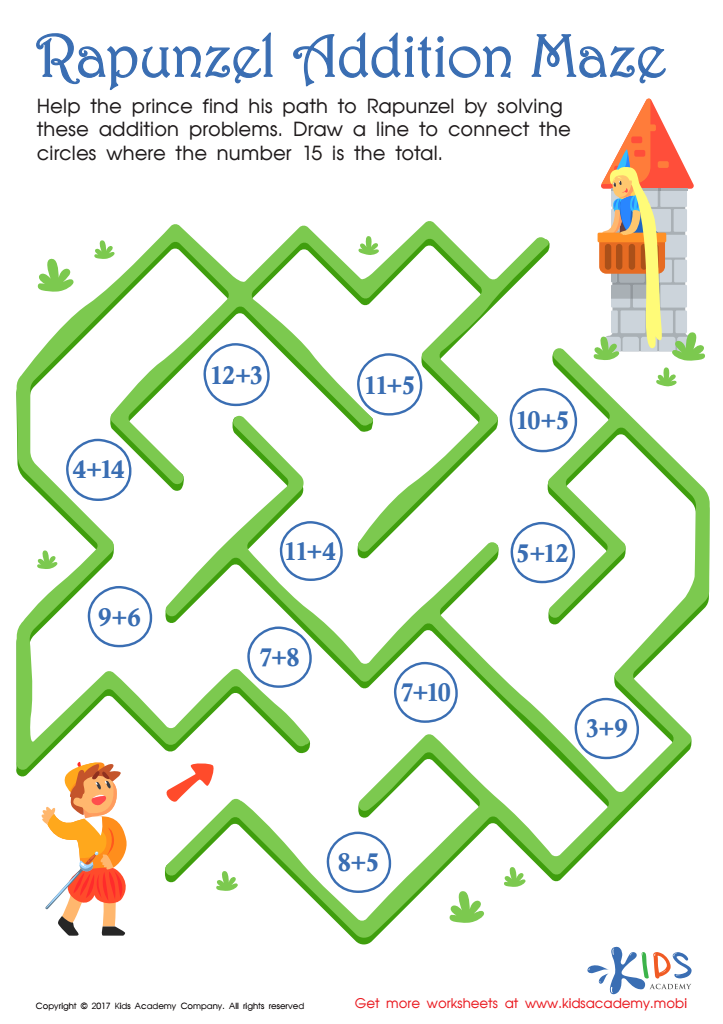
Rapunzel Addition Maze Worksheet
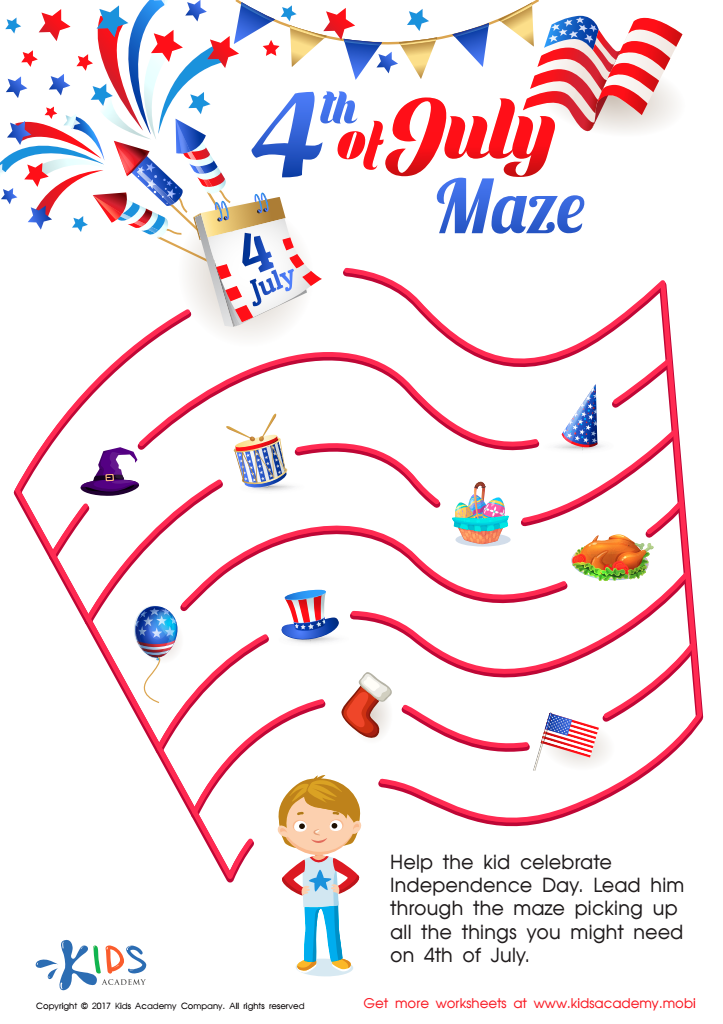
Fourth of July Maze Printable
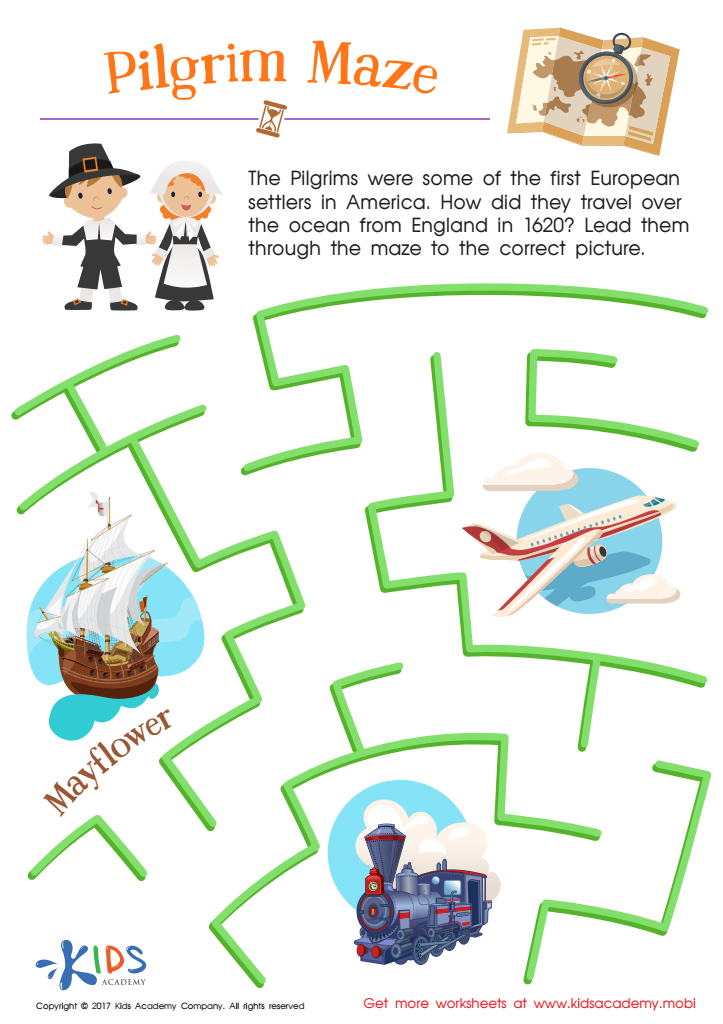
Pilgrim Maze Worksheet
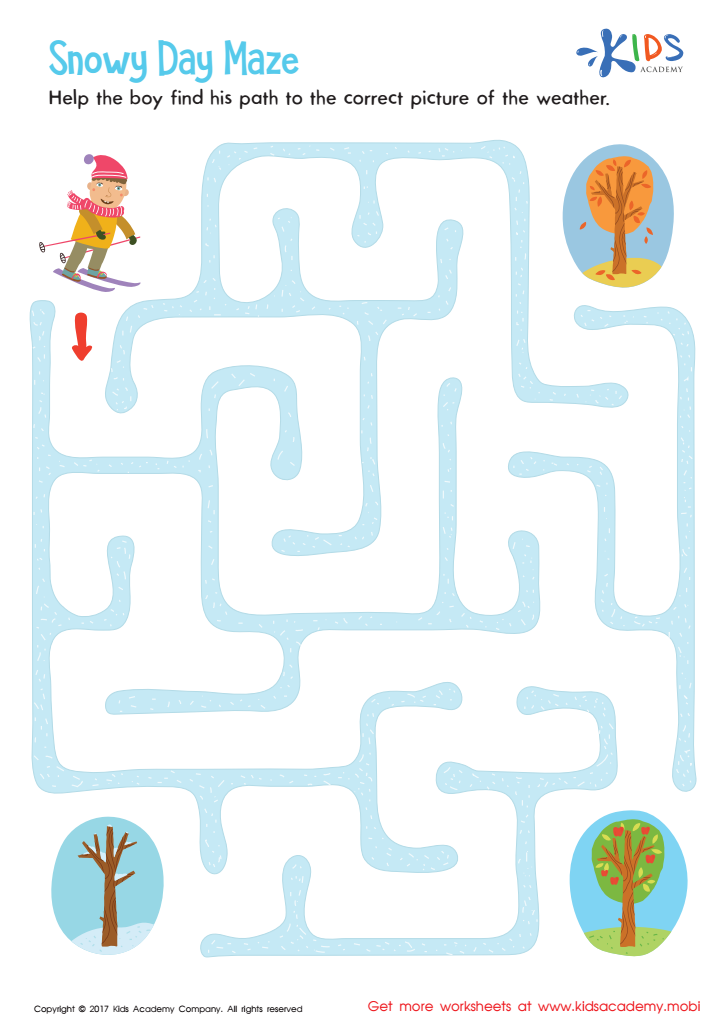
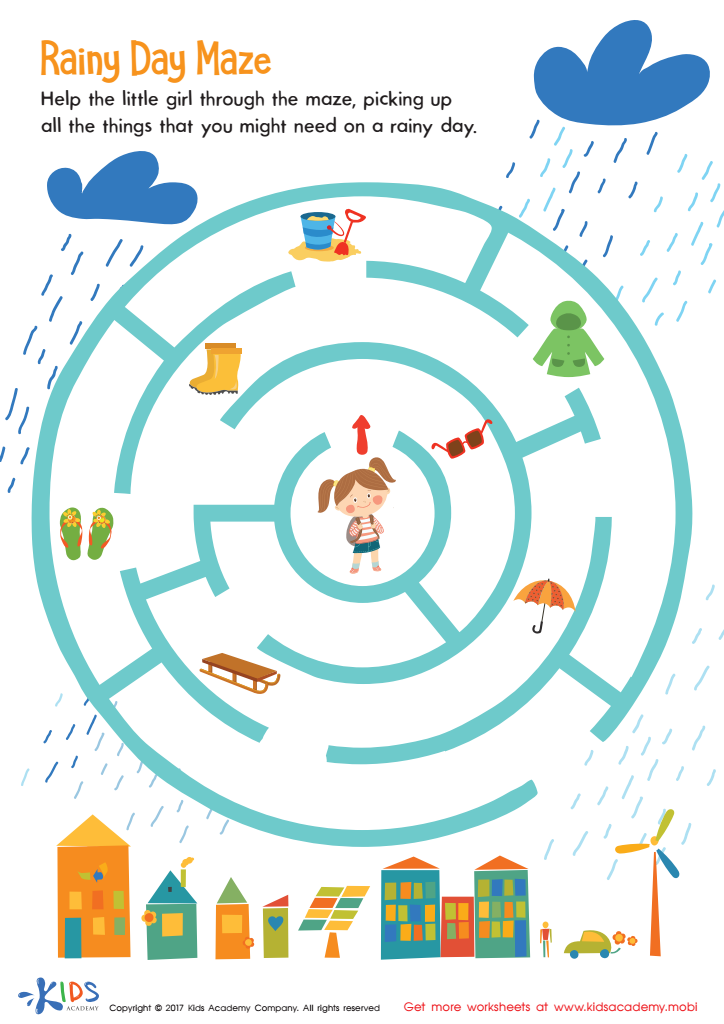
Rainy Day Maze Worksheet








Mazes are a fantastic activity that parents and teachers should embrace for children aged 5-7, as they offer a myriad of developmental benefits. First and foremost, mazes enhance critical thinking and problem-solving skills. As children navigate their way through complex paths, they learn to plan, make decisions, and adjust their strategies—important skills that will serve them throughout life.
Additionally, maze activities promote fine motor skills. As children use pencils, crayons, or their fingers to trace paths, they practice eye-hand coordination, which is vital for writing and other tasks. Engaging with mazes also fosters concentration and attention to detail, as children must remain focused to avoid pitfalls and reach the endpoint.
Moreover, mazes can introduce concepts of boundaries, spatial awareness, and directionality. This is especially important as children begin to understand more complex mathematical and geographical ideas later in their education. Finally, mazes can be fun and rewarding, stimulating a love for learning and exploration. The satisfaction of solving a maze fosters a sense of accomplishment, boosting self-esteem. Therefore, incorporating maze activities into the early educational experience is invaluable for holistic child development.








