Mazes worksheets activities for Ages 5-9 - Page 4
74 filtered results
-
From - To
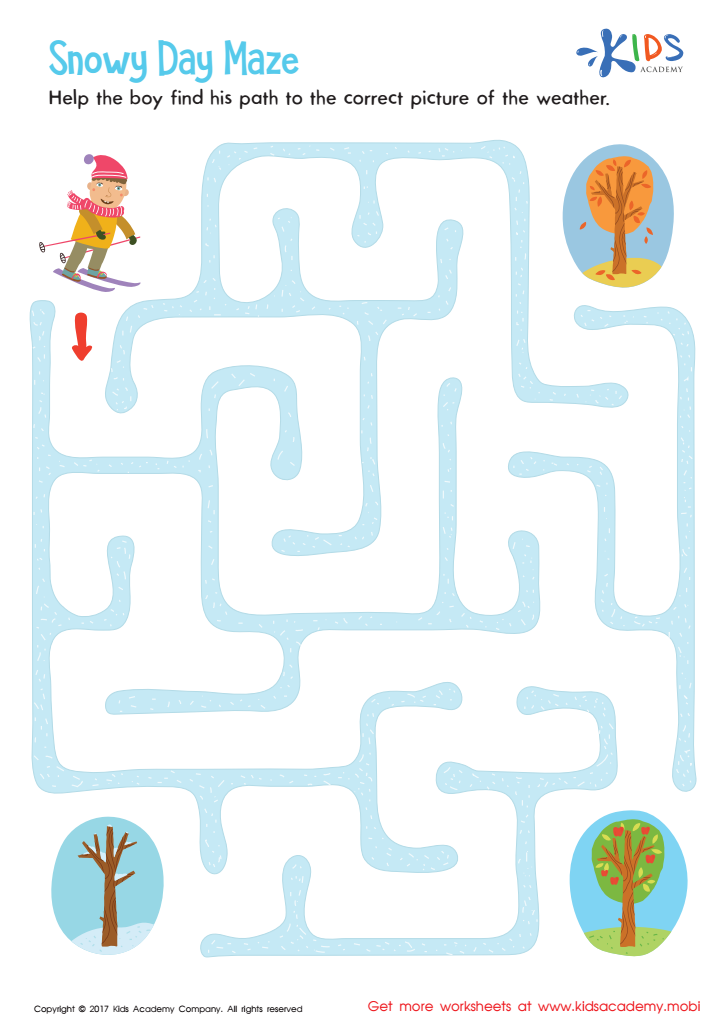
 Assign to My Students
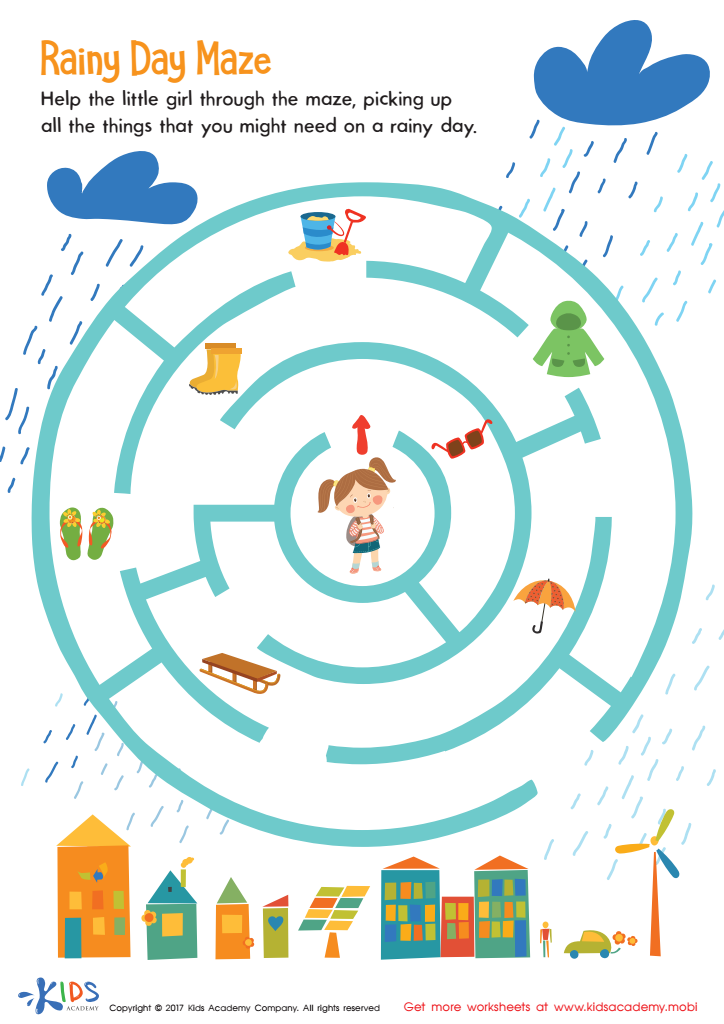
Rainy Day Maze Worksheet






Mazes provide a valuable learning experience for children aged 5-9, encompassing essential cognitive, motor, and social skills development. Firstly, navigating a maze cultivates critical thinking and problem-solving abilities, as children must devise strategies to find their way through. This actively engages their minds, encouraging them to plan, evaluate options, and learn from mistakes.
Additionally, maze activities bolster fine motor skills through the practice of guiding a pencil or other implement along the maze's intricate paths, enhancing hand-eye coordination. As children aged 5-9 are still developing these skills, mazes serve as an effective tool for promoting dexterity.
Furthermore, mazes can foster a sense of perseverance and resilience. Completing a maze may present challenges, teaching children the importance of patience and the satisfaction of overcoming obstacles.
Lastly, mazes can be a collaborative activity, inviting opportunities for parent-child or peer interaction. This social element encourages teamwork and communication, essential components of social development.
In summary, maze activities are crucial for skill development and can foster fun learning experiences, making them a worthy investment of time for parents and teachers in supporting children's growth.








