Fairy Tales worksheets activities for Ages 6-9 - Page 3
59 filtered results
-
From - To
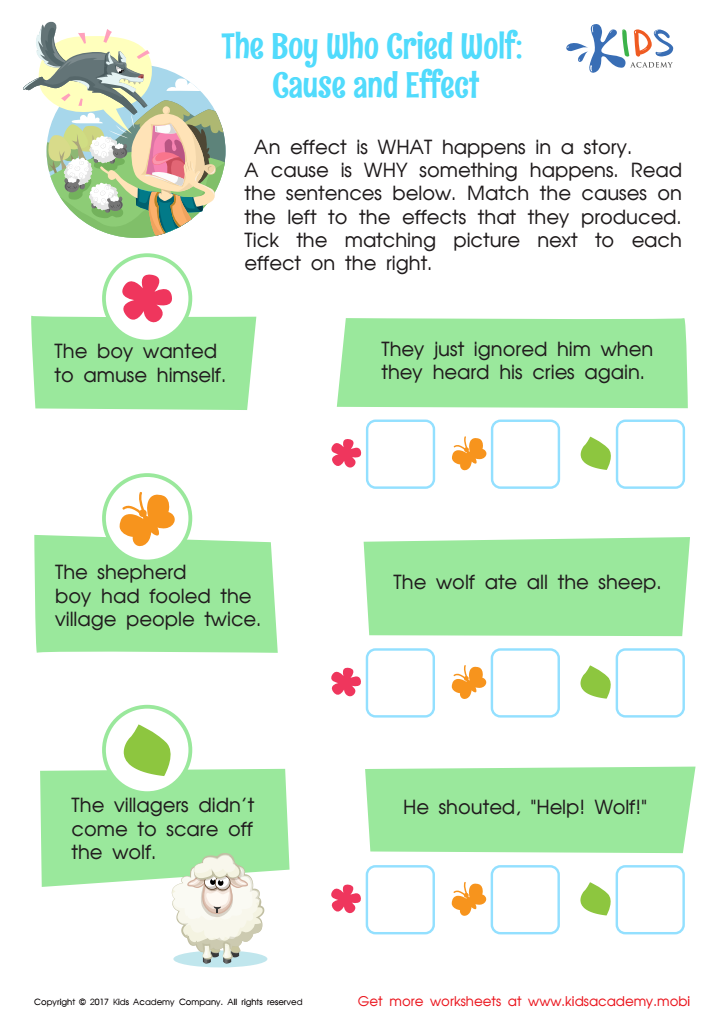
The Boy Who Cried Wolf: Cause and Effect Worksheet
 Assign to My Students
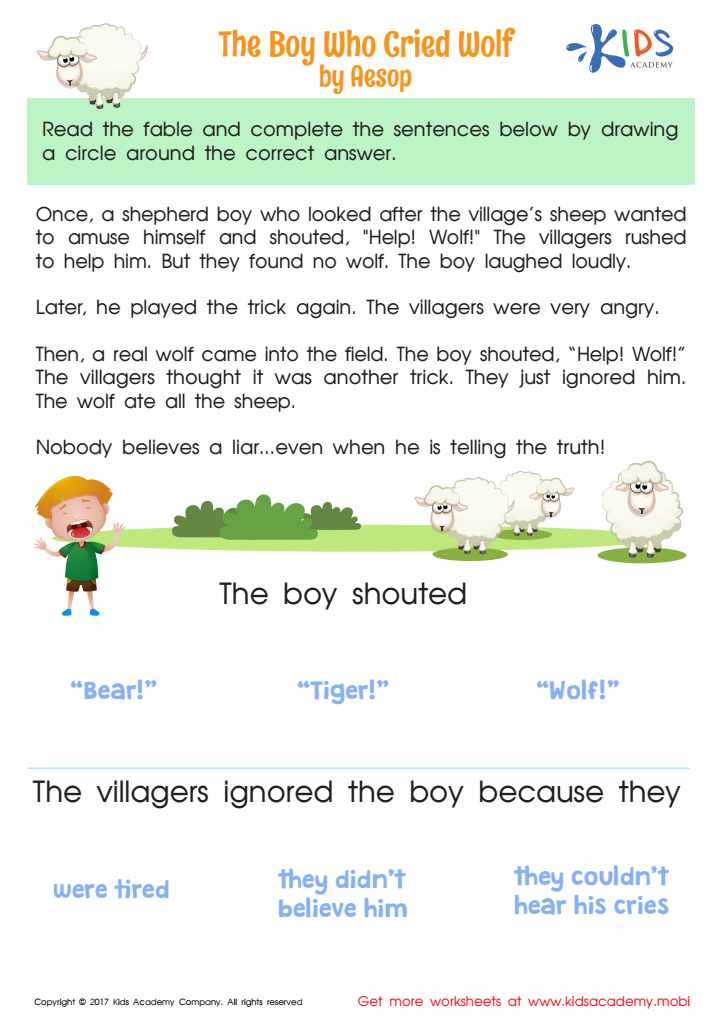
The Boy Who Cried Wolf Worksheet
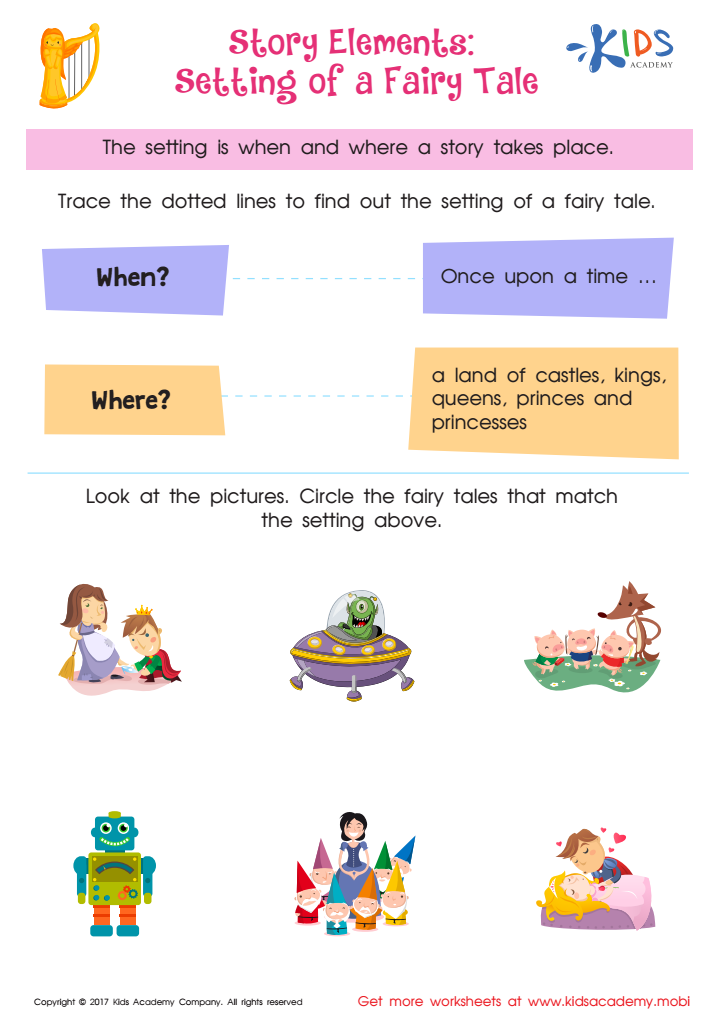
Story Elements: Setting of a Fairy Tale Printable
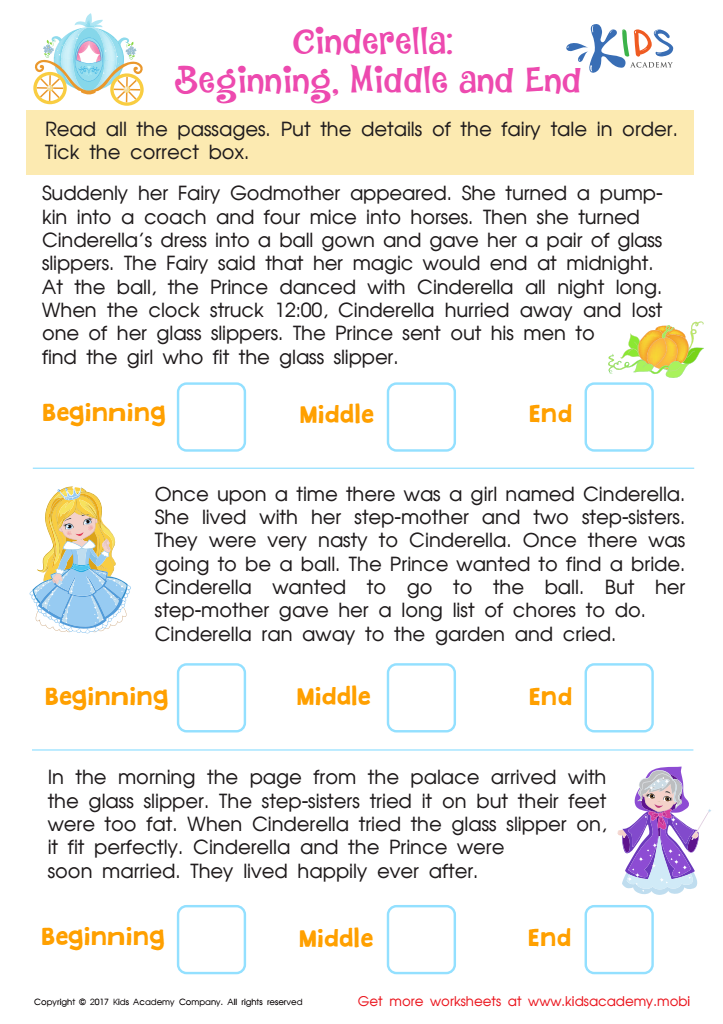
Cinderella: Beginning, Middle and End Worksheet
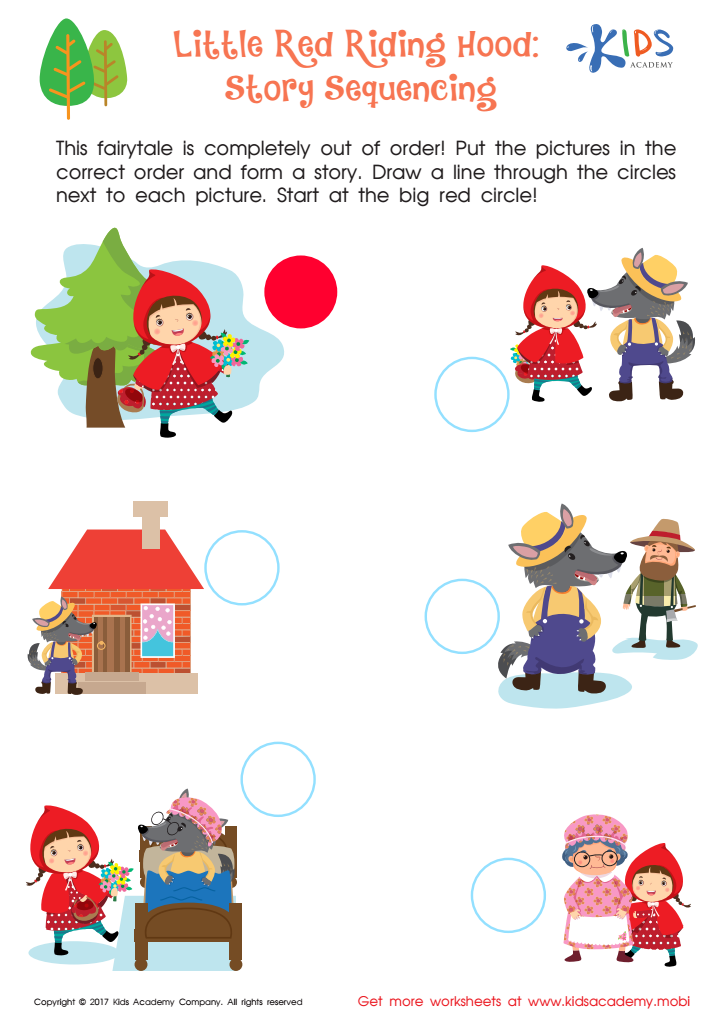
Story Sequencing Printable
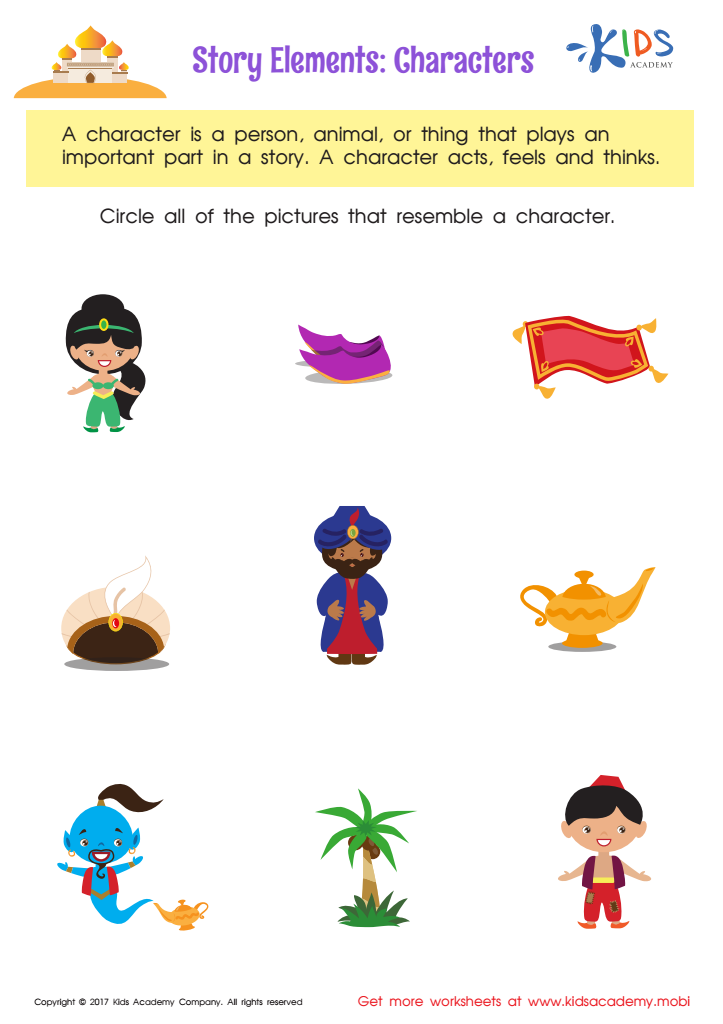
Story Elements Printable
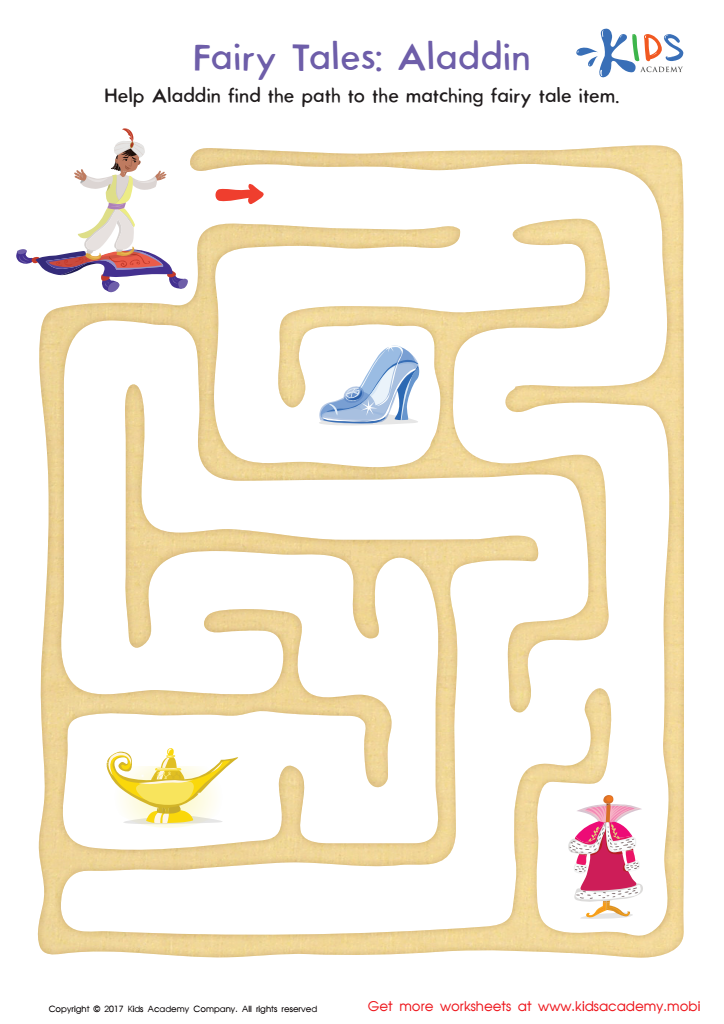
Fairy Tales Aladdin Printable
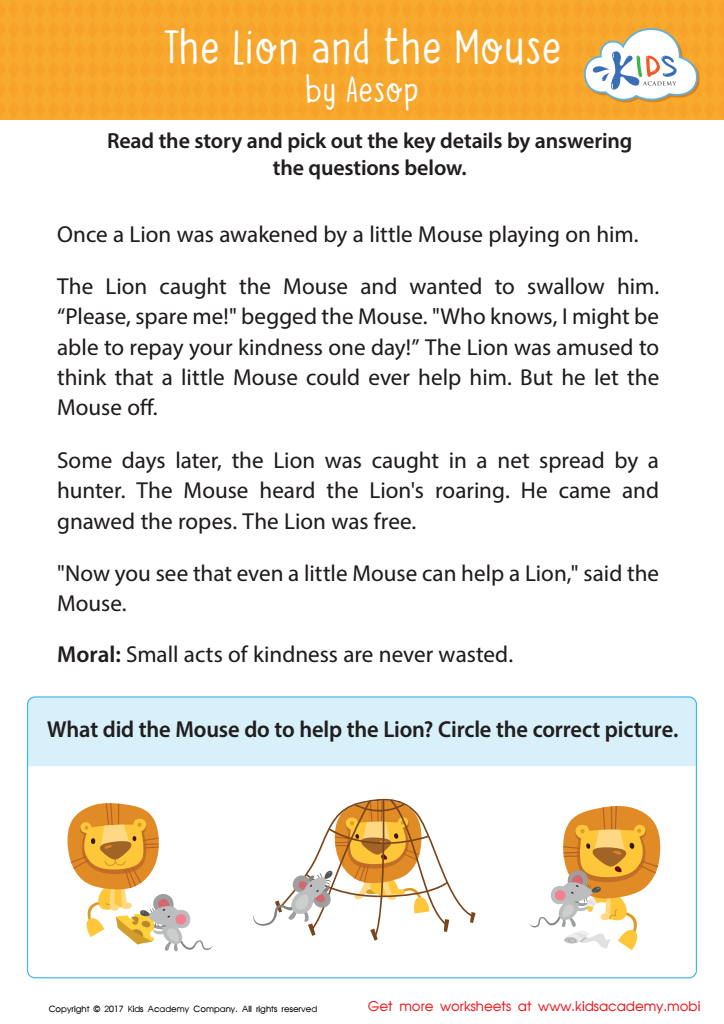
The Lion and The Mouse Sequencing Worksheet
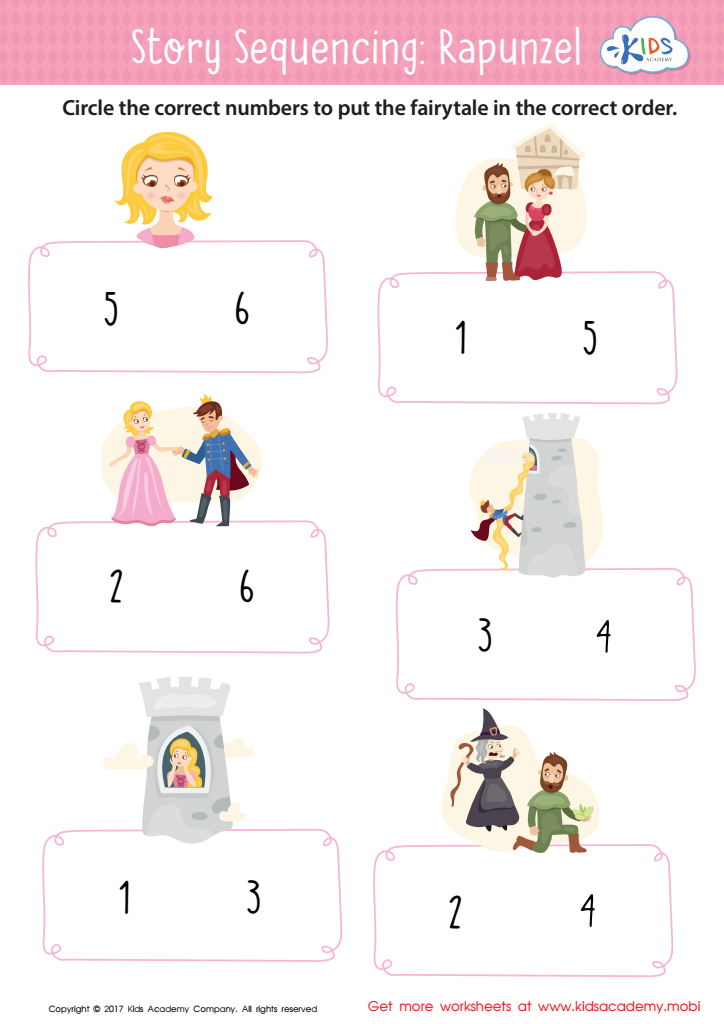
Rapunzel Story Sequencing Worksheet
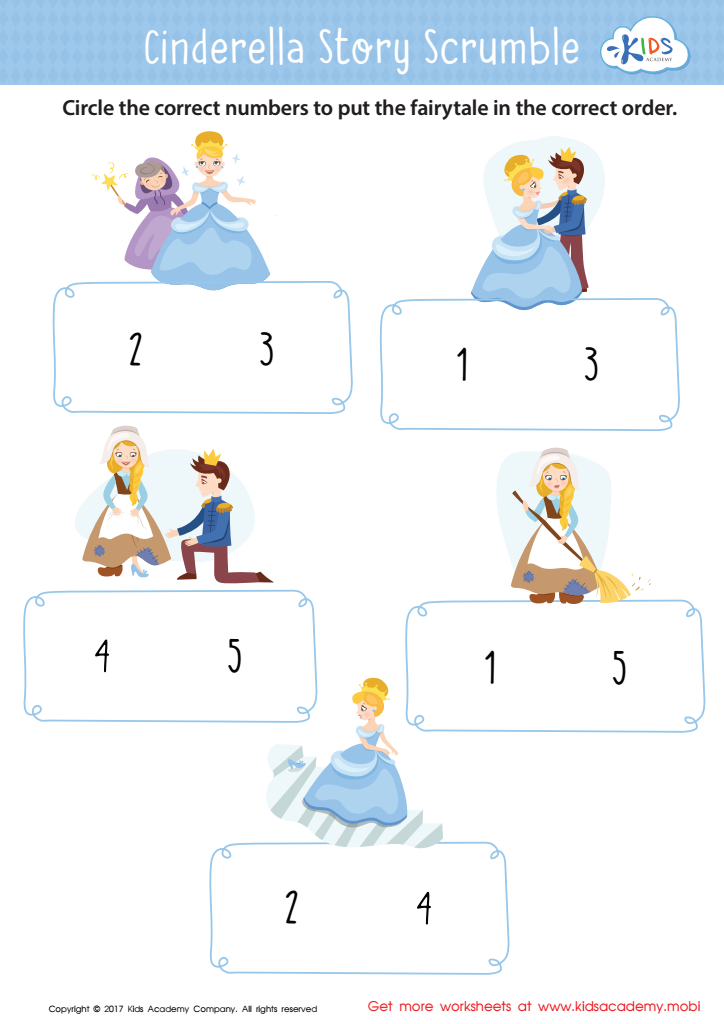
Cinderella Story Sequencing Worksheet
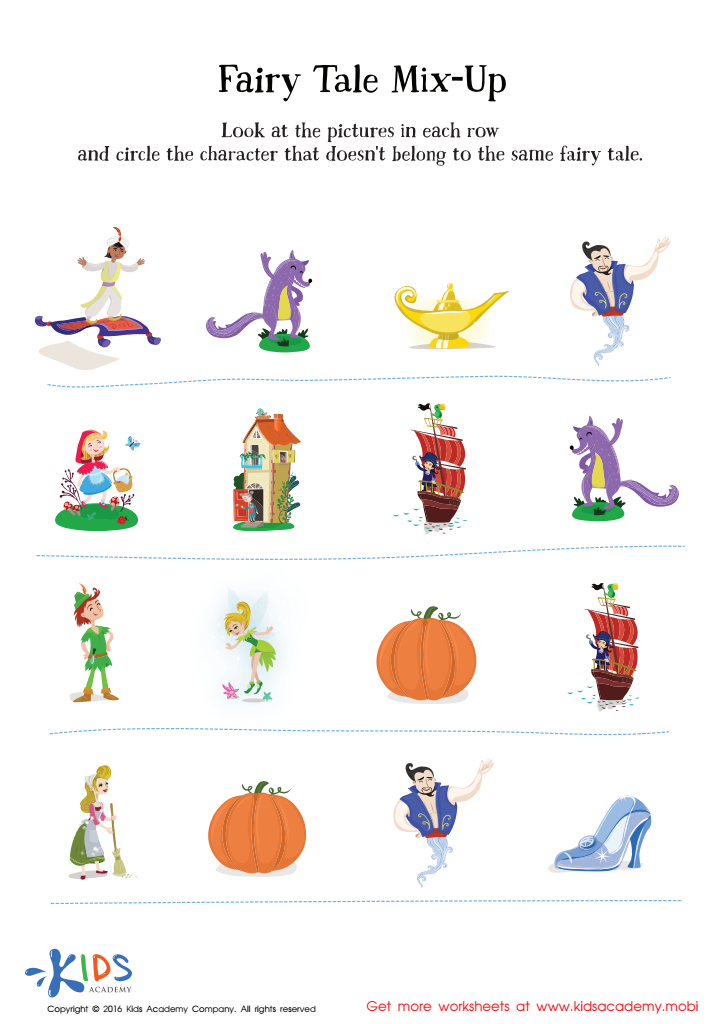
Fairy Tale Worksheet: Story Mix Up







Fairy tales hold a special place in child development, especially for ages 6 to 9, making them an essential focus for parents and teachers. Firstly, these stories stimulate imagination and creativity, allowing children to explore fantastical worlds and engage with vibrant characters. This promotes critical thinking skills as they analyze plot structures and character motives.
Additionally, fairy tales often convey moral lessons and cultural values, teaching children important ethical lessons in an accessible manner. Engaging with these narratives helps children develop social-emotional skills, such as empathy—by understanding characters’ feelings and actions—and problem-solving abilities when analyzing conflicts within the story.
Fairy tale activities, such as storytelling, reenacting scenes, or crafting related art projects, enhance language skills and boost literacy by expanding vocabulary, comprehension, and articulation. These engaging activities also provide a platform for discussion, encouraging children to express their thoughts and ideas confidently.
Lastly, in an increasingly digital world, fairy tales offer a much-needed respite that fosters bonding experiences between parents, teachers, and children. By participating in fairy tale activities, adults can cultivate a love for reading and storytelling, nurturing well-rounded, imaginative, and emotionally intelligent children.








