Geometry worksheets activities for Ages 6-9
6 filtered results
-
From - To
Discover an engaging collection of geometry worksheets and activities specifically designed for children ages 6-9! Our resources foster a strong foundational understanding of geometric concepts through fun exercises that cover shapes, angles, measurements, and spatial reasoning. Each worksheet encourages critical thinking and problem-solving skills while making learning enjoyable and interactive. Perfect for both classroom settings and at-home practice, these activities help young learners visualize and manipulate geometric concepts. Keep your child's curiosity alive as they explore the world of geometry through colorful visuals and exciting challenges. Enhance their learning experience with our thoughtfully crafted worksheets today!
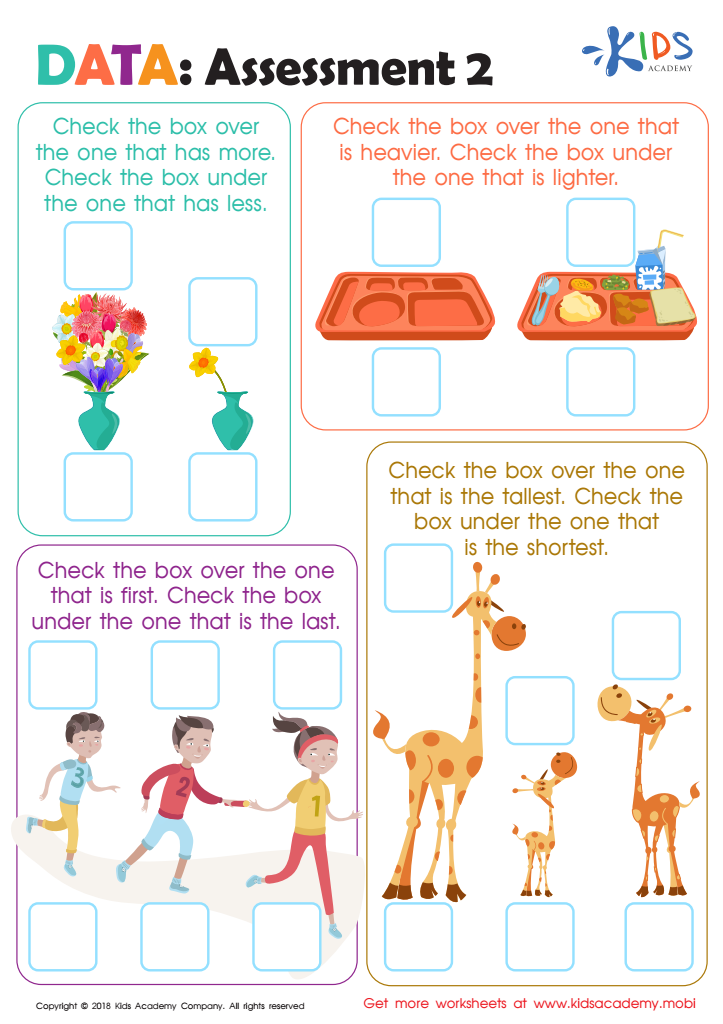
Data: Assessment 2 Worksheet
 Assign to My Students
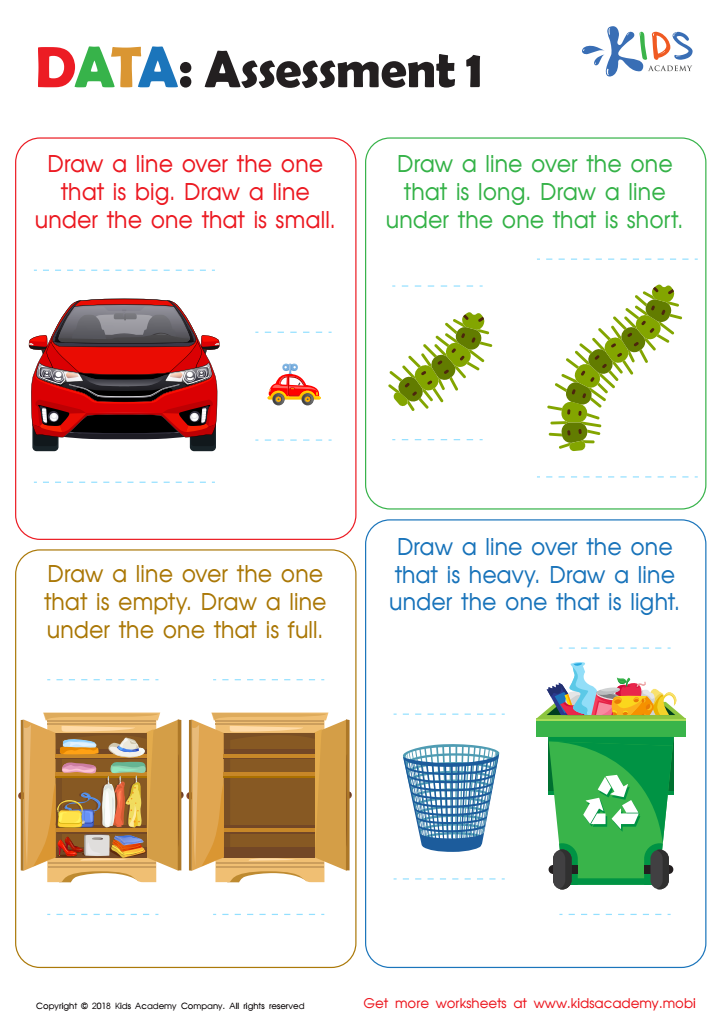
Data: Assessment 1 Worksheet
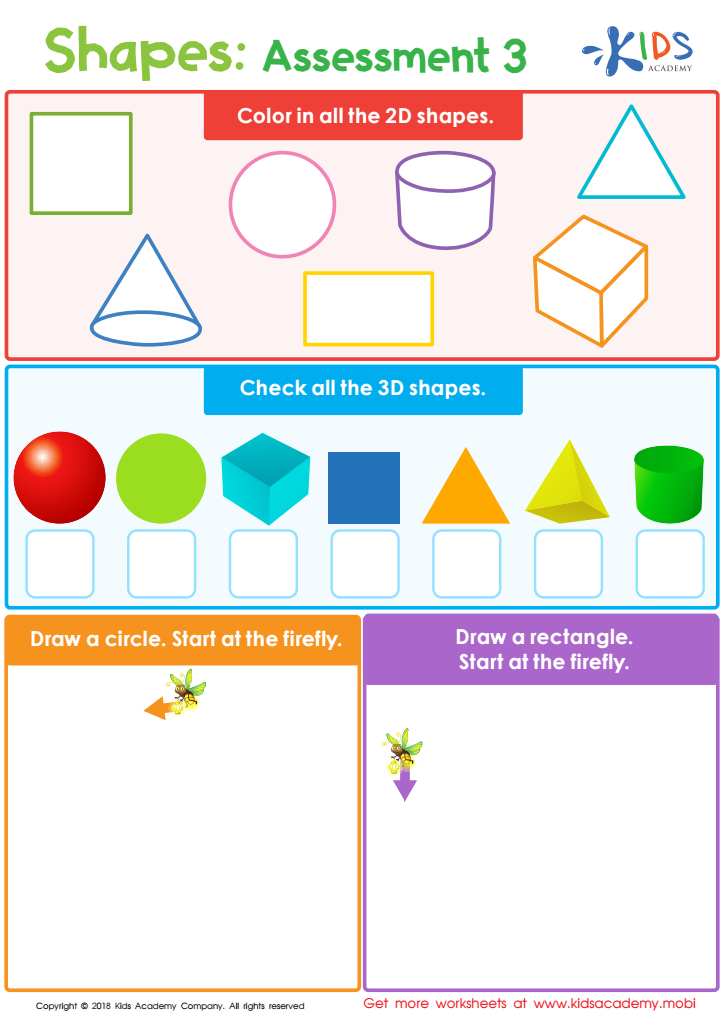
Shapes: Assessment 3 Worksheet
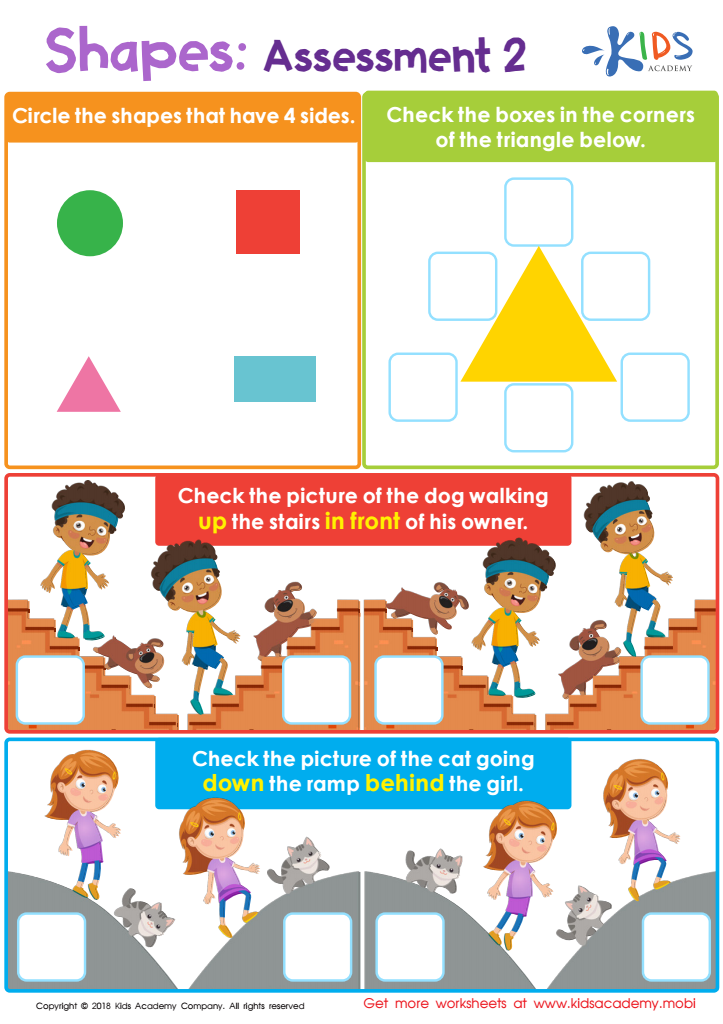
Shapes: Assessment 2 Worksheet
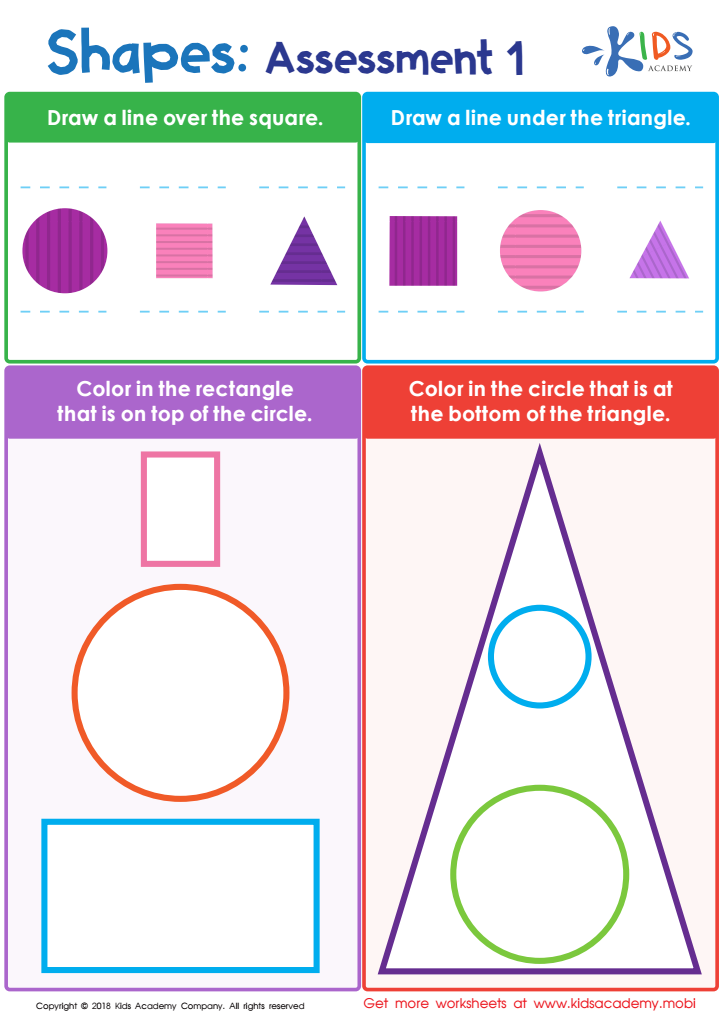
Shapes: Assessment 1 Worksheet
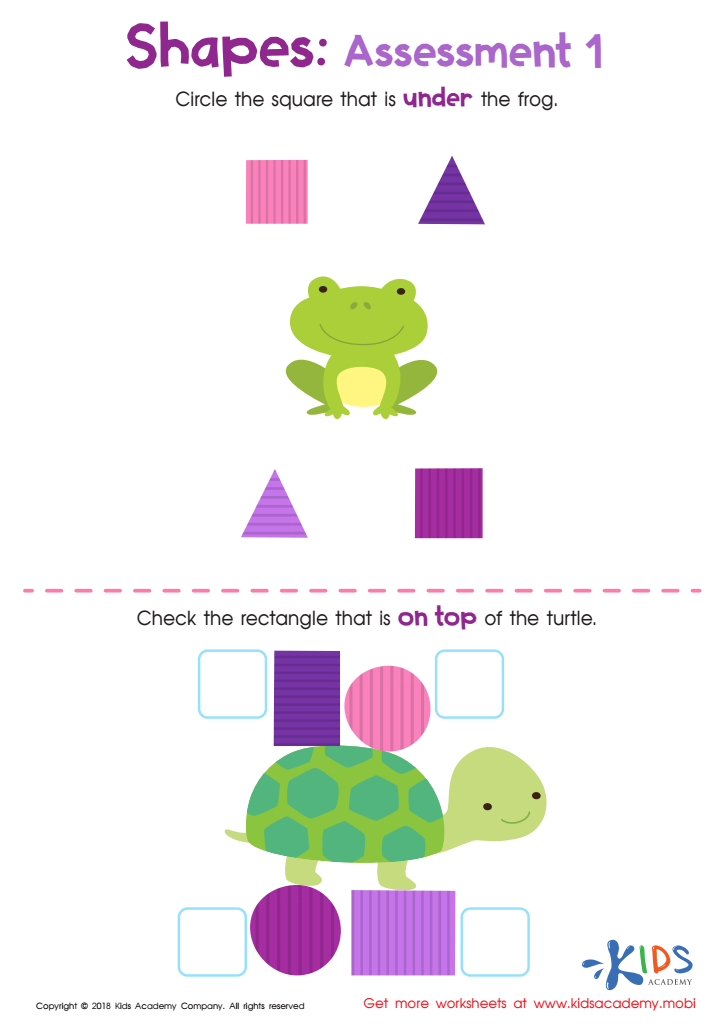
Geometry – Assessment 1 Worksheet


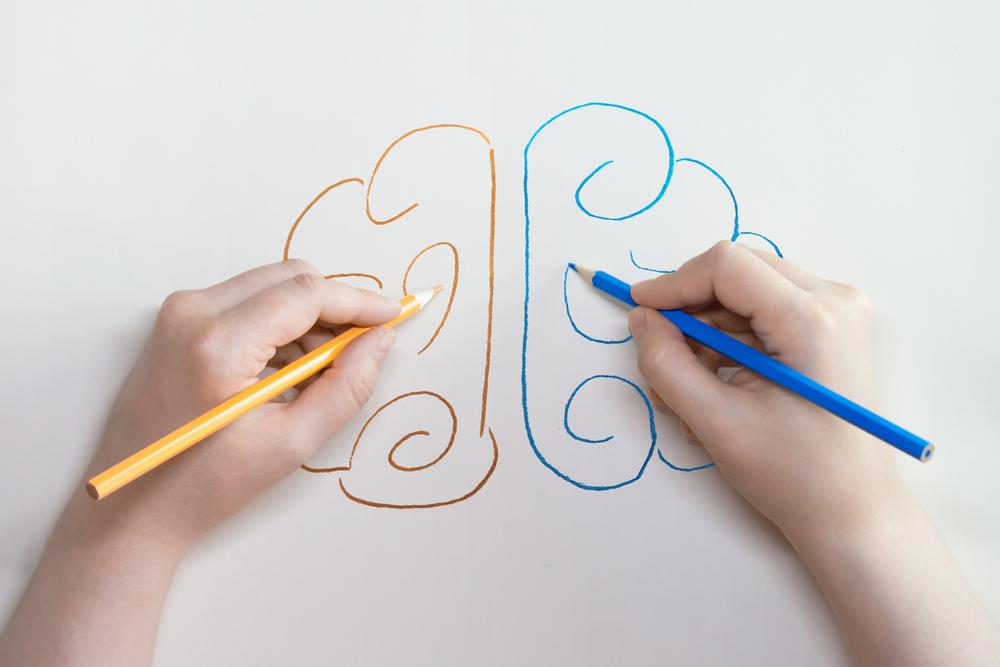





Geometry activities for children aged 6-9 are essential for fostering a strong foundation in mathematical understanding and critical thinking skills. At this developmental stage, children are naturally curious and eager to explore their surroundings, making it an ideal time to introduce geometric concepts. Engaging in geometry fosters spatial awareness, which helps children visualize and manipulate objects in their minds—skills they will rely on in everyday life and more advanced math later on.
Moreover, geometry activities promote problem-solving, reasoning, and creativity. Hands-on activities, such as shape hunts or building with blocks, engage children in learning by allowing them to experience math in a tangible way. These activities not only build confidence but also encourage collaboration and communication when children work in pairs or groups.
Furthermore, incorporating geometry into early education supports STEM (science, technology, engineering, and mathematics) learning and prepares students for a future where these skills are increasingly crucial. When parents and teachers prioritize geometry activities, they unlock children’s potential for self-expression and critical analysis, laying the groundwork for lifelong enthusiasts of learning and innovation. Ultimately, embracing geometry at an early age contributes significantly to concrete cognitive development and a positive attitude towards math.








