Normal Tracing Letters worksheets activities for 4-Year-Olds
31 filtered results
-
From - To
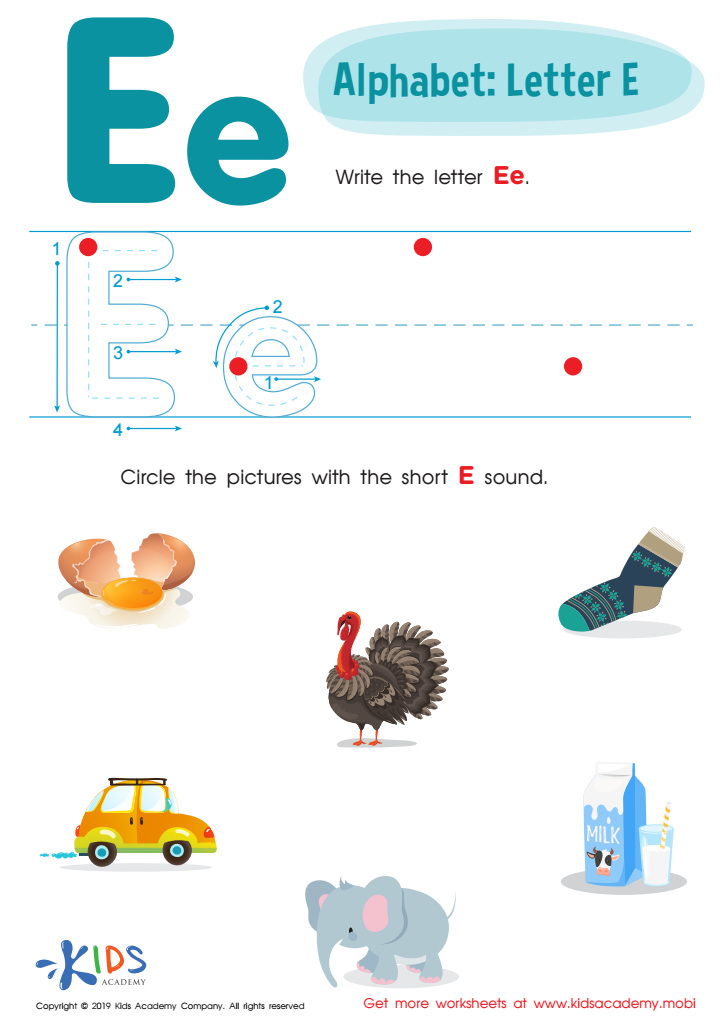
Letter E Tracing Worksheet
 Assign to My Students
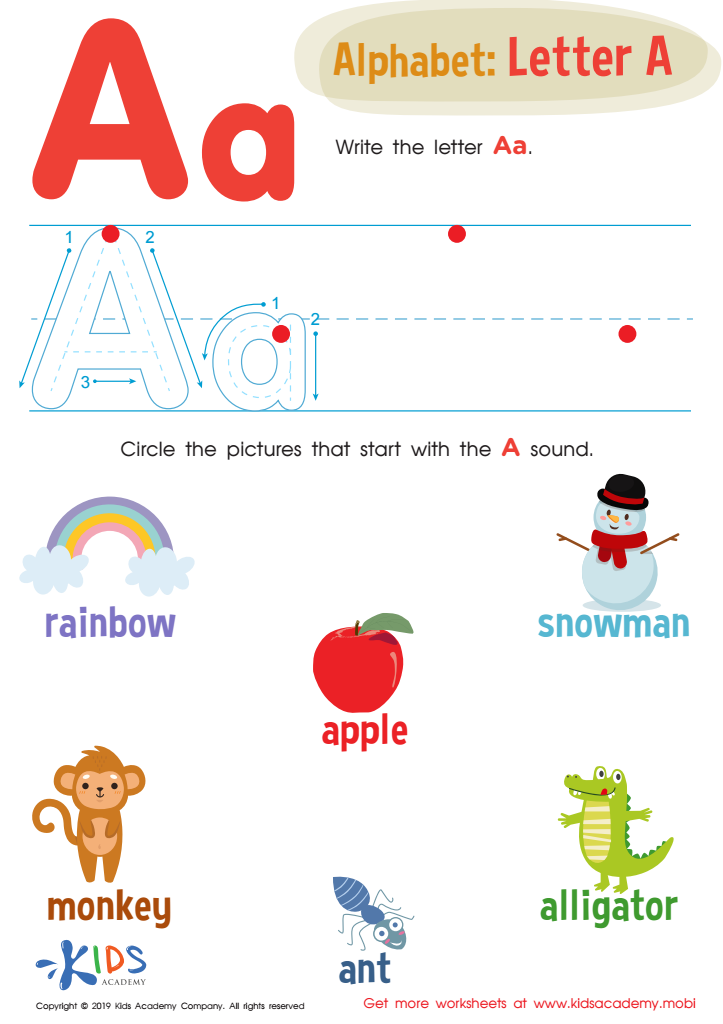
Letter A Tracing Worksheet
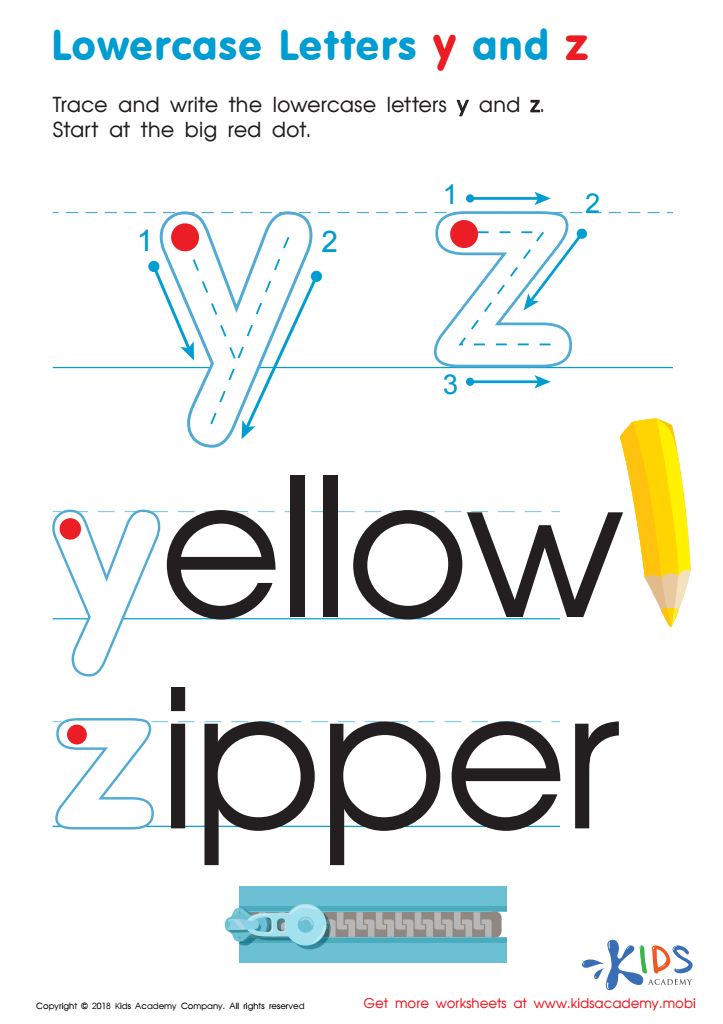
Lowercase Letters y z Worksheet
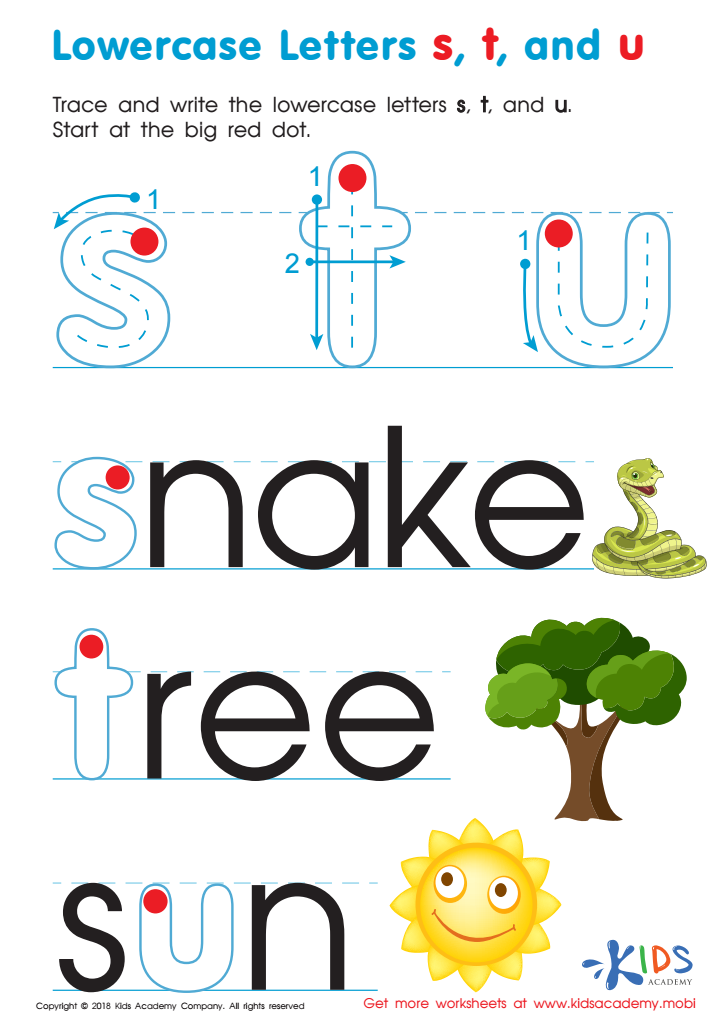
Lowercase Letters s t u Worksheet
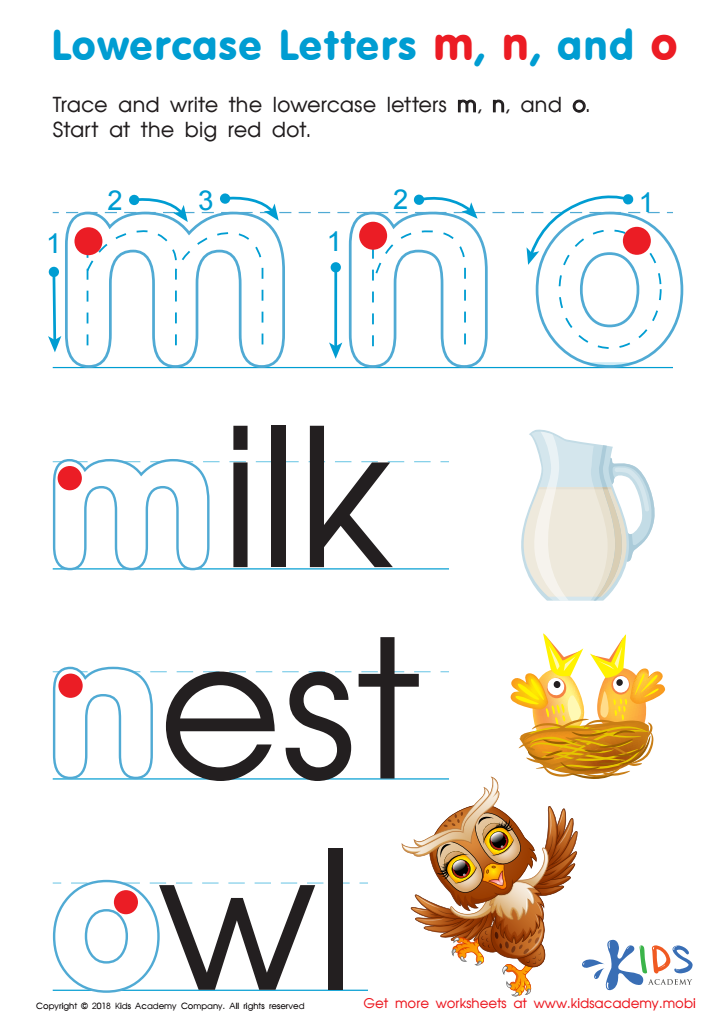
Lowercase Letters m n o Worksheet
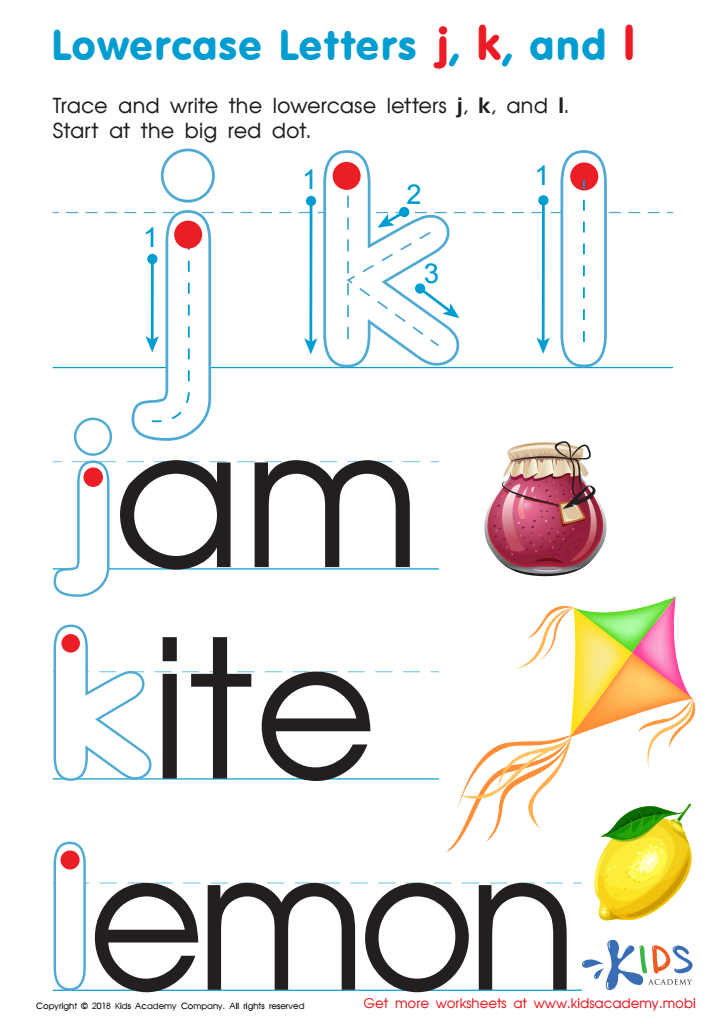
Lowercase Letters j k l Worksheet
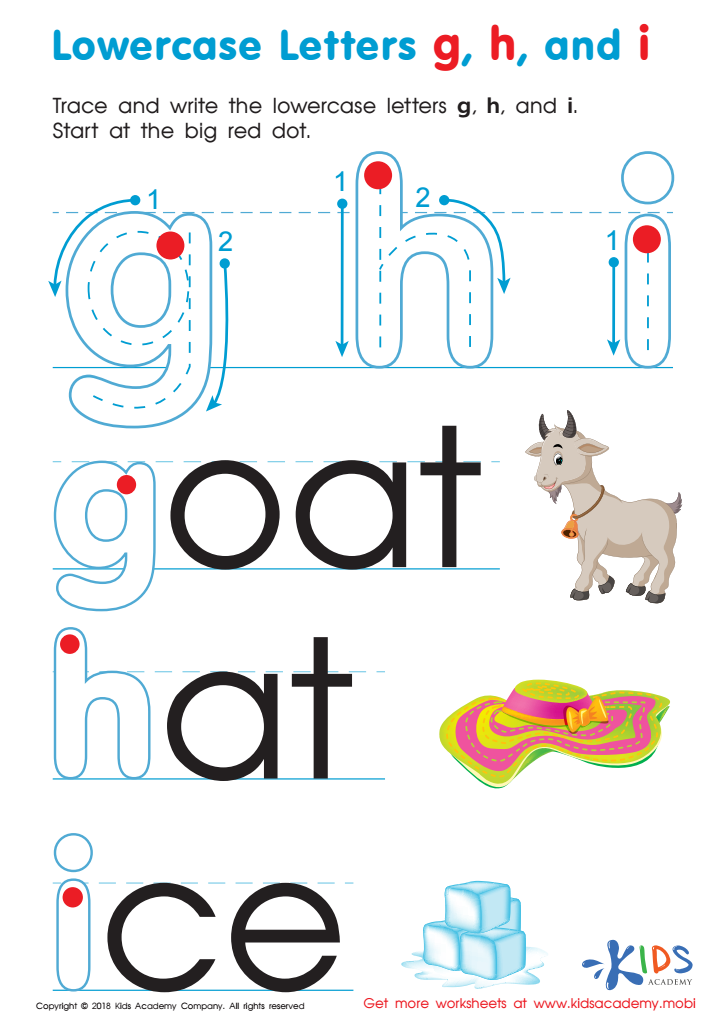
Lowercase Letters g h i Worksheet
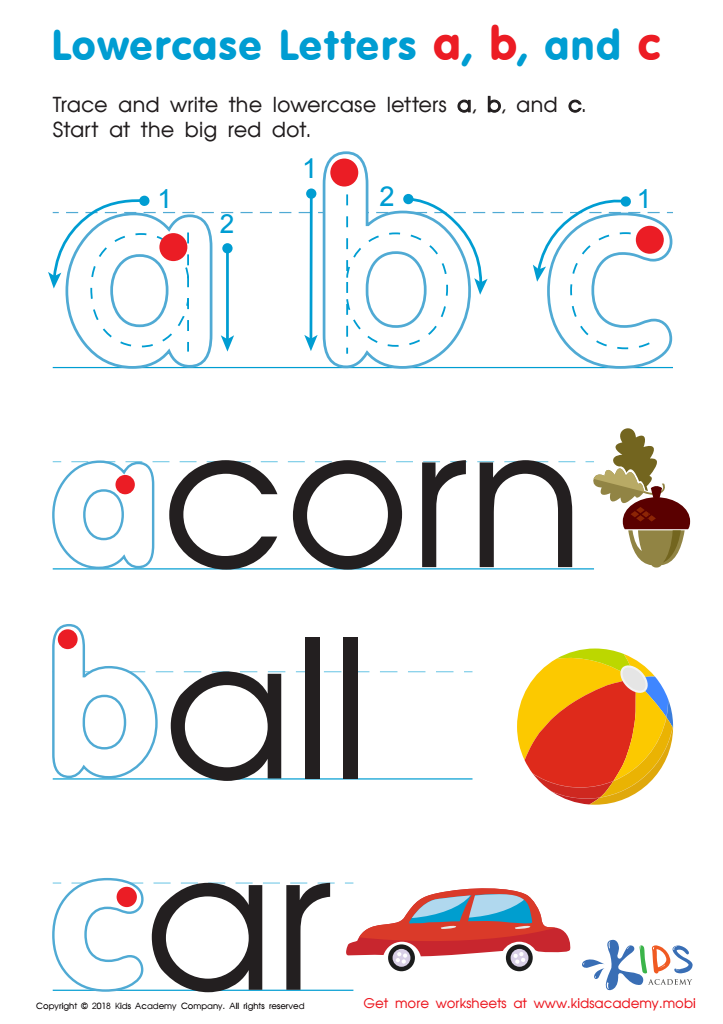
Lowercase Letters a b c Worksheet
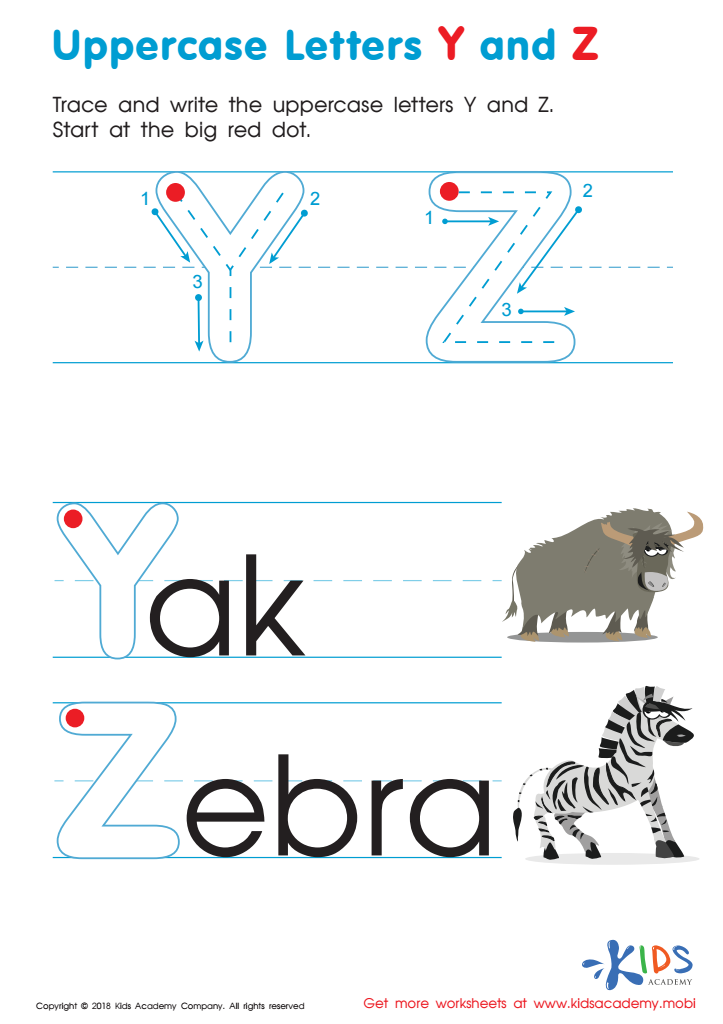
Uppercase Letters Y Z Worksheet
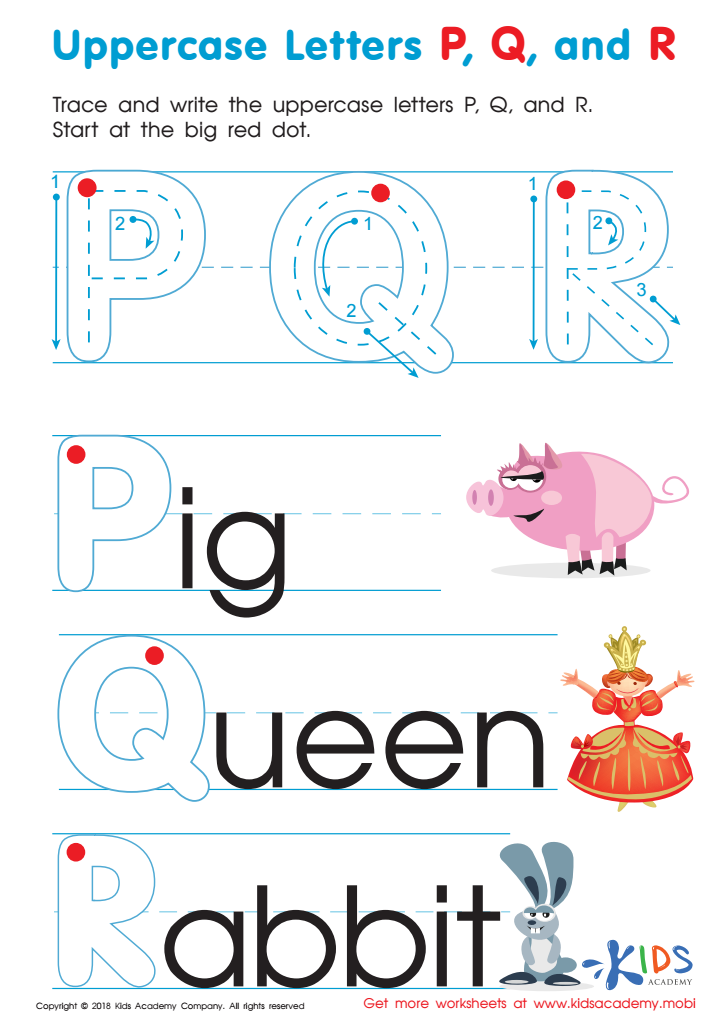
Uppercase Letters P, Q, and R Worksheet
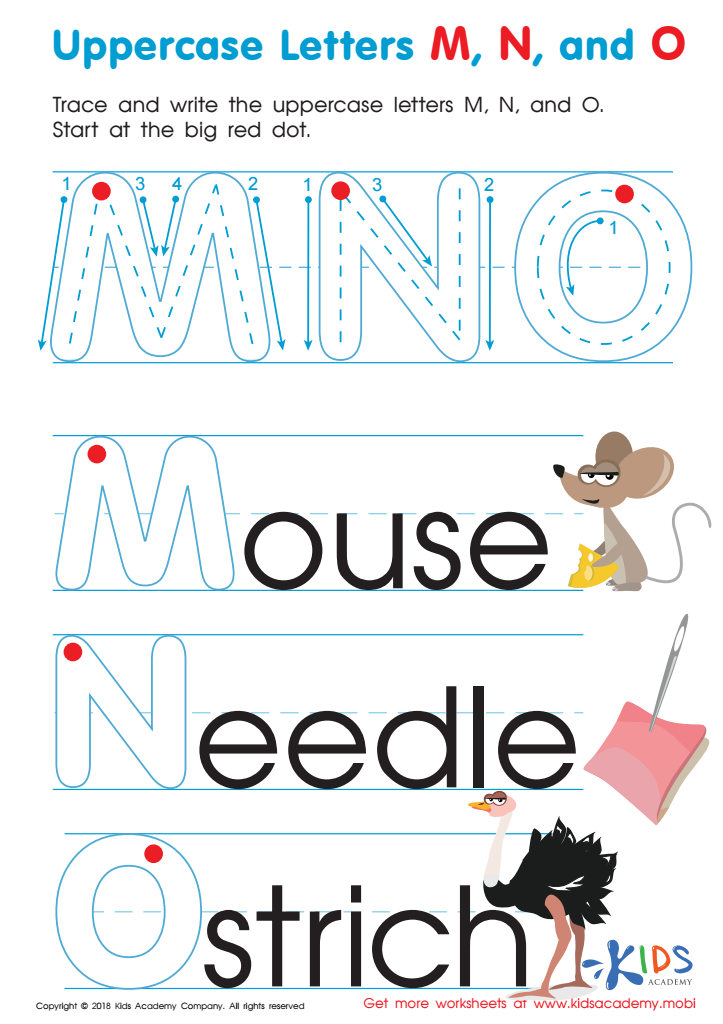
Uppercase Letters M, N, and O Worksheet
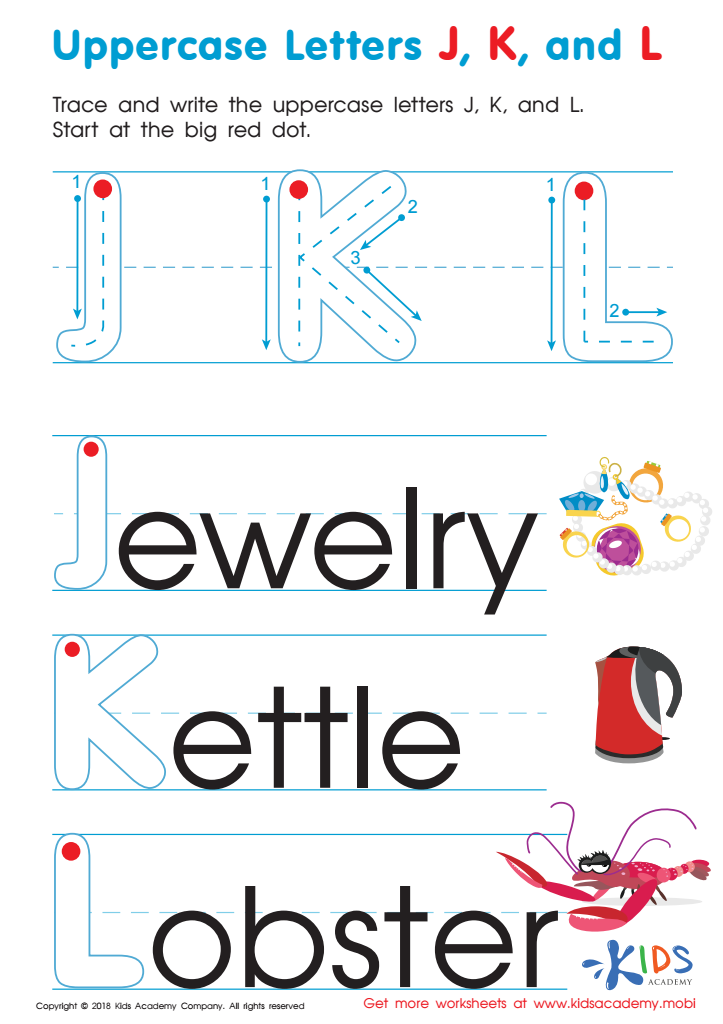
Uppercase Letters J, K, and L Worksheet
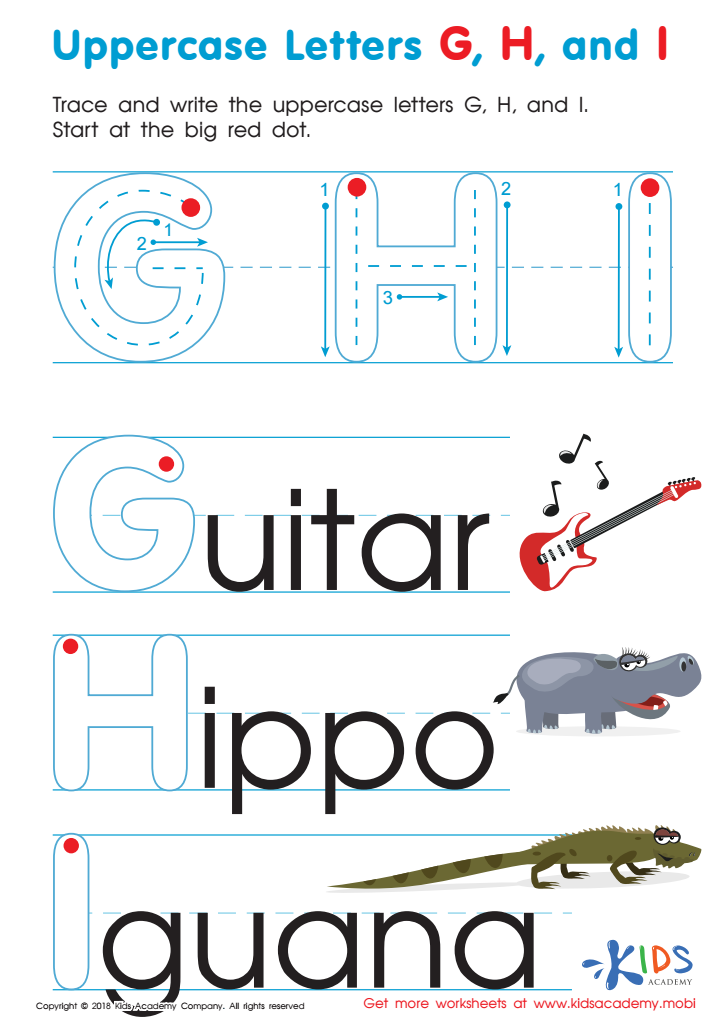
Uppercase Letters G, H, and I Worksheet
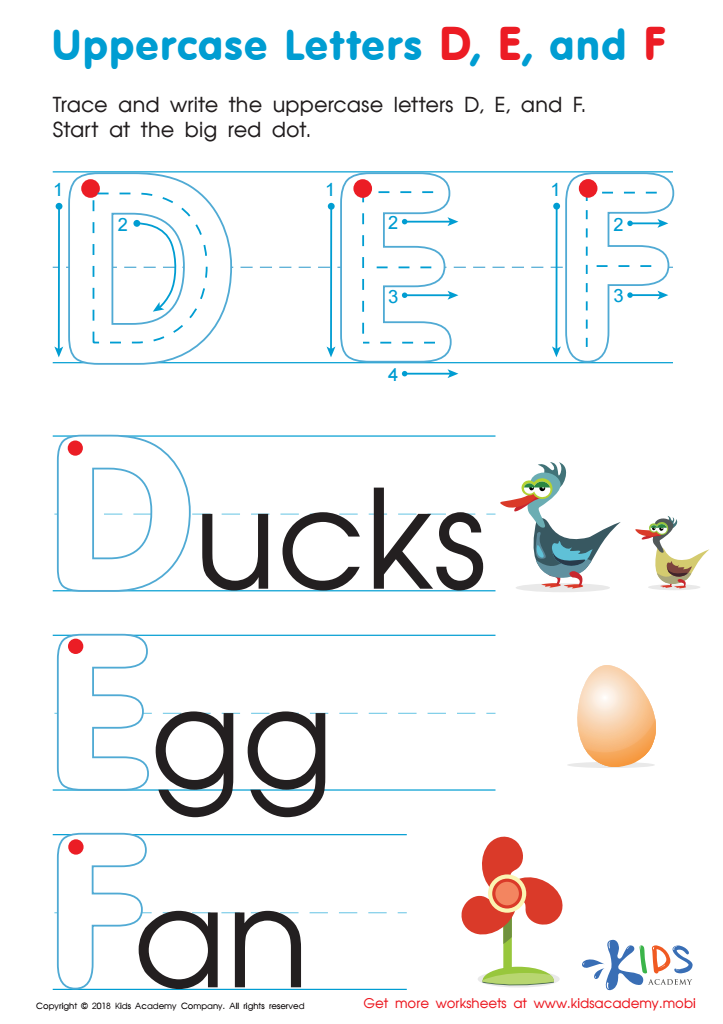
Uppercase Letters D, E, and F Worksheet
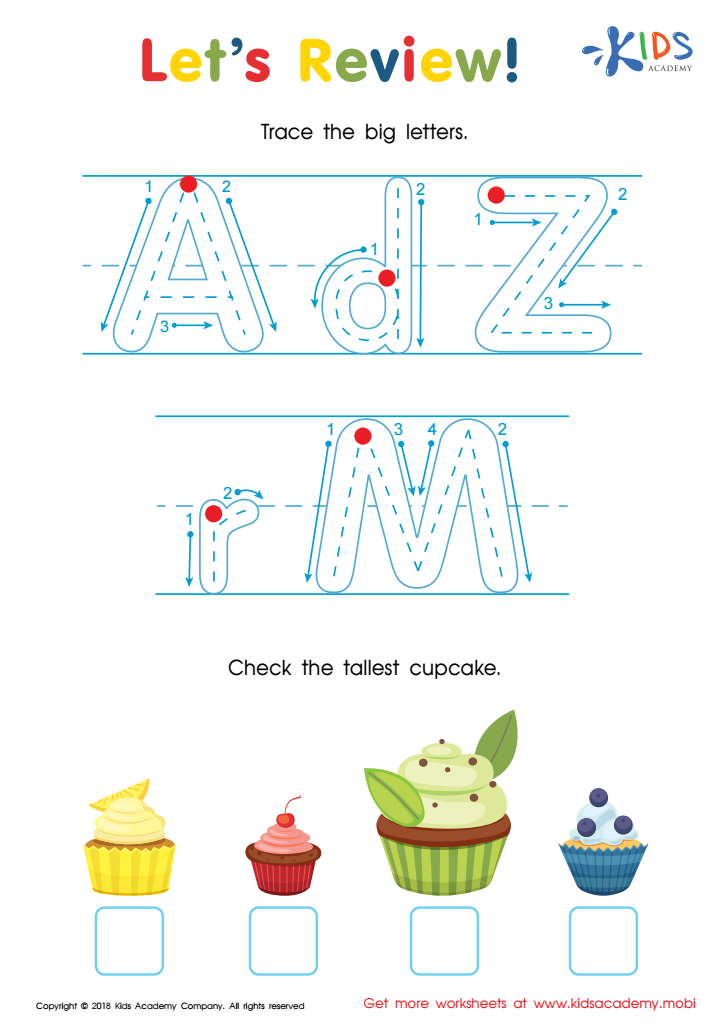
Let's Review! Big Letters Worksheet

Letter F Tracing Page
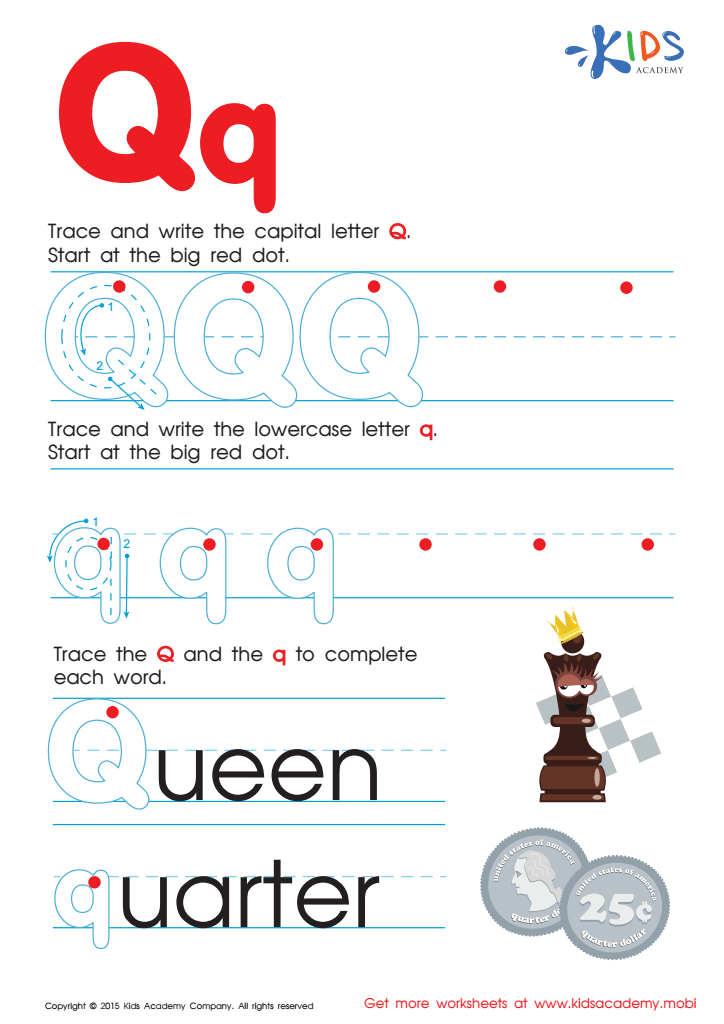
Letter Q Tracing Page
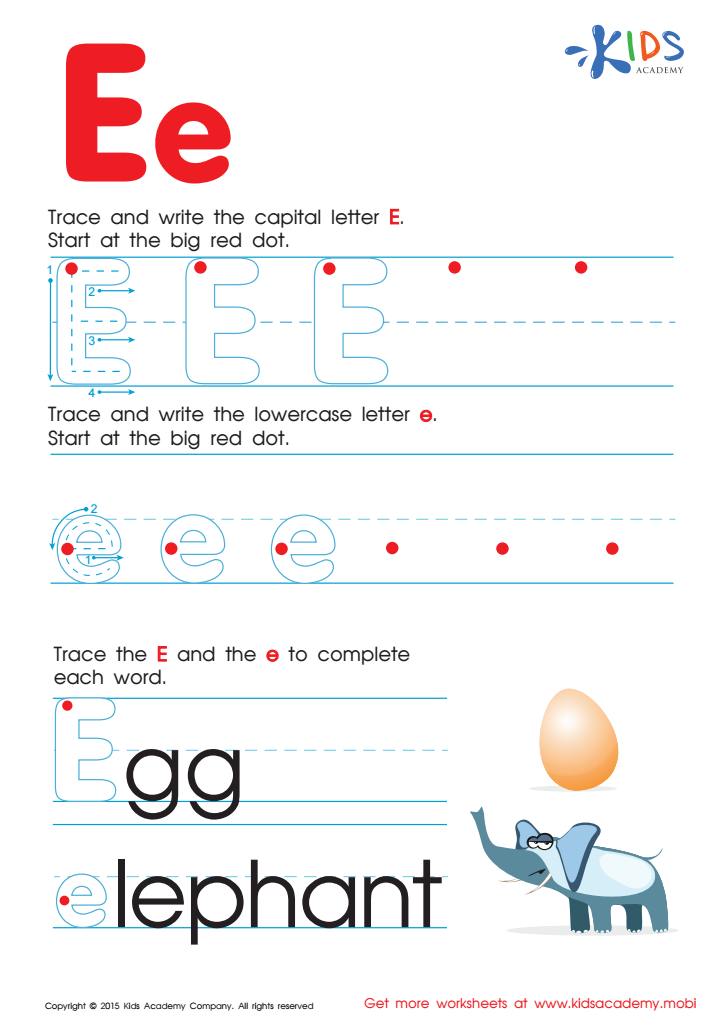
Letter E Tracing Page

Letter D Tracing Page
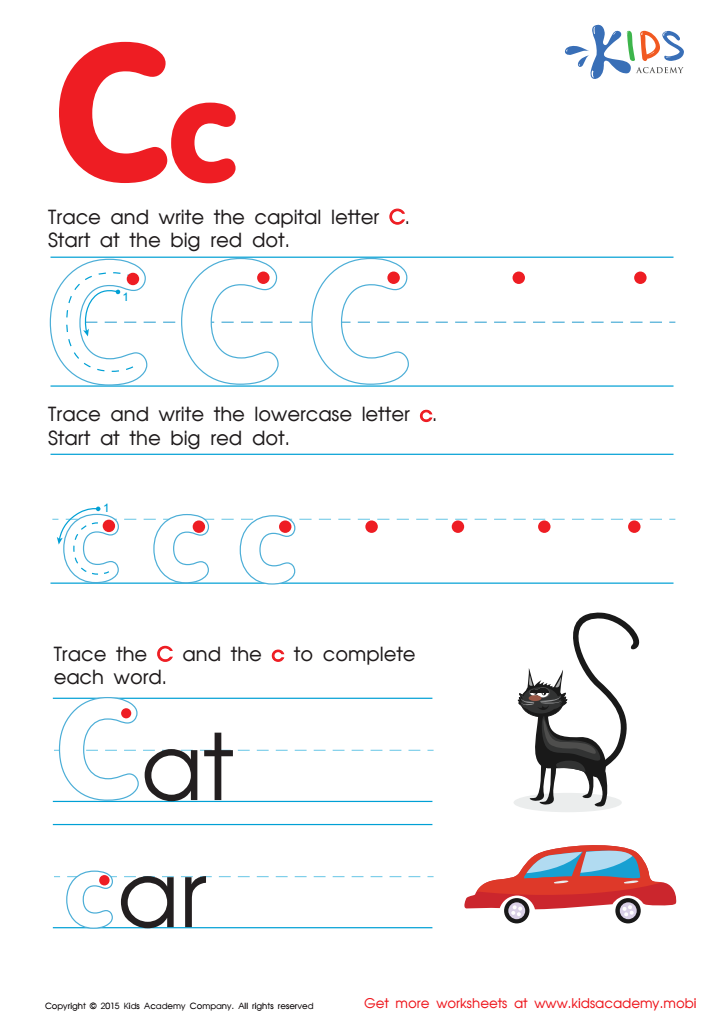
Letter C Tracing Page
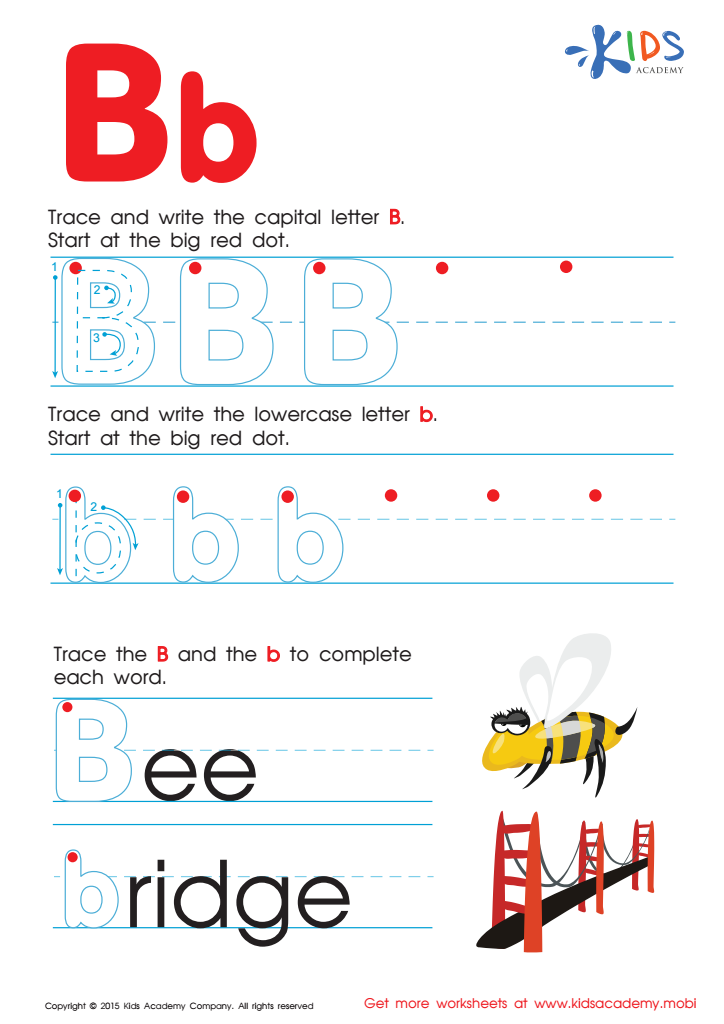
Letter B Tracing Page

Letter G Tracing Page
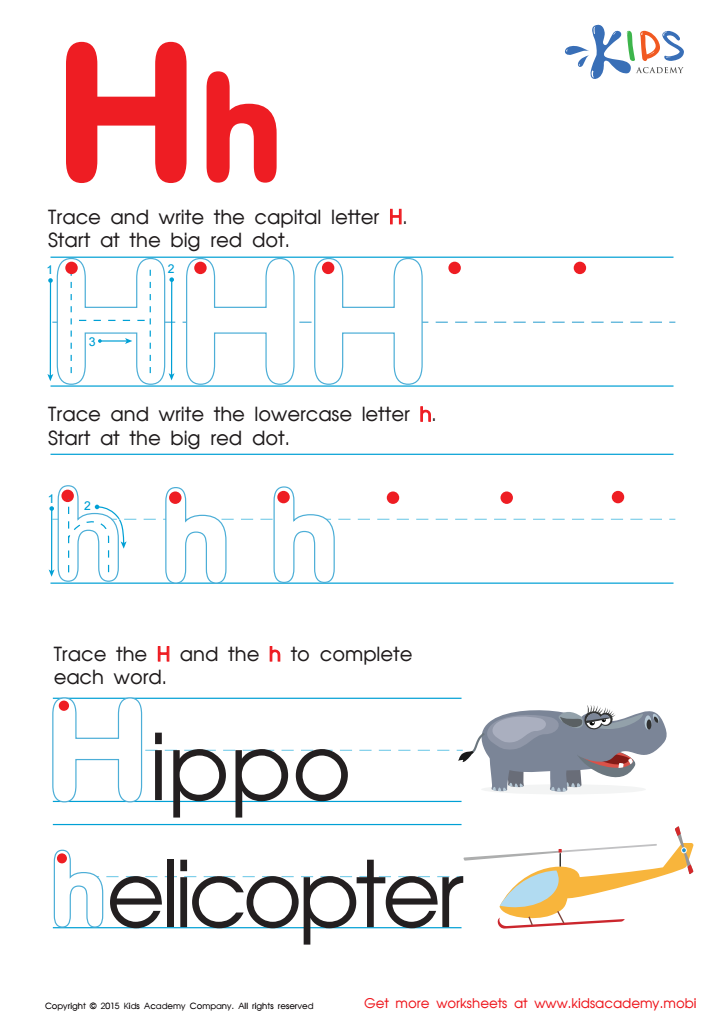
Letter H Tracing Page
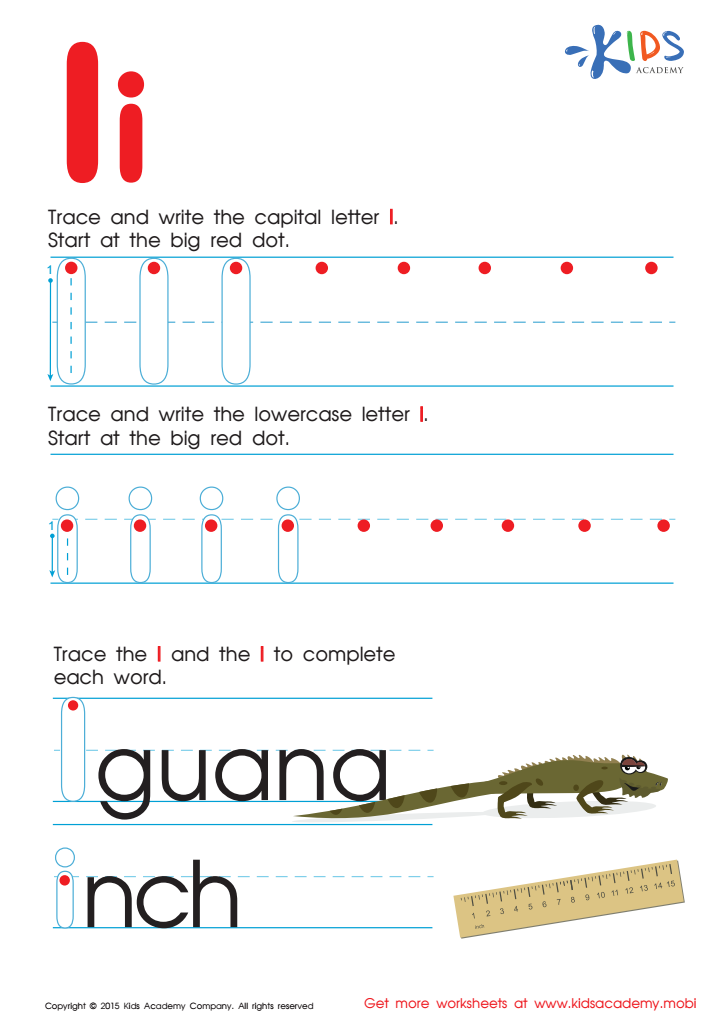
Letter I Tracing Page







Normal Tracing Letters worksheets activities are a fundamental step in early childhood education, playing an essential role in developing a child's handwriting skills. These straightforward yet highly effective tools are designed to help young learners familiarize themselves with the shapes and strokes of the alphabet, which is critical for literacy development. There are several reasons why engaging in Normal Tracing Letters worksheets activities is beneficial for children.
Firstly, these activities enhance fine motor skills. The act of tracing over letters requires control, precision, and hand-eye coordination. As children practice, they develop the muscle strength and dexterity needed not only for writing but also for other tasks requiring fine motor skills, such as tying shoelaces or buttoning clothes.
Secondly, Normal Tracing Letters worksheets activities serve as an introduction to the basics of writing. Before children can write letters independently, they need to understand each letter's form. Tracing activities provide a guided framework, helping children learn the correct start and end points of letters, and the direction in which the lines should be drawn. This structured approach reduces frustration and builds confidence in young writers.
Moreover, these activities aid in letter recognition, a fundamental skill for reading. As children trace letters, they become more familiar with their shapes, making it easier to differentiate between them. This recognition is crucial for reading, as it allows children to quickly identify letters within words, enhancing their reading fluency.
Lastly, Normal Tracing Letters worksheets activities offer a tactile learning experience. By physically tracing the letters, children engage more deeply with the task, leading to better retention of what they've learned. This hands-on approach caters to various learning styles, ensuring that all children can benefit from these activities.
In summary, Normal Tracing Letters worksheets activities are invaluable in early education. They lay the foundation for handwriting, enhance fine motor skills, boost letter recognition, and provide a tactile learning experience, making them a cornerstone of literacy development in young learners.








