Normal Tracing worksheets activities for Ages 5-8 - Page 2
98 filtered results
-
From - To
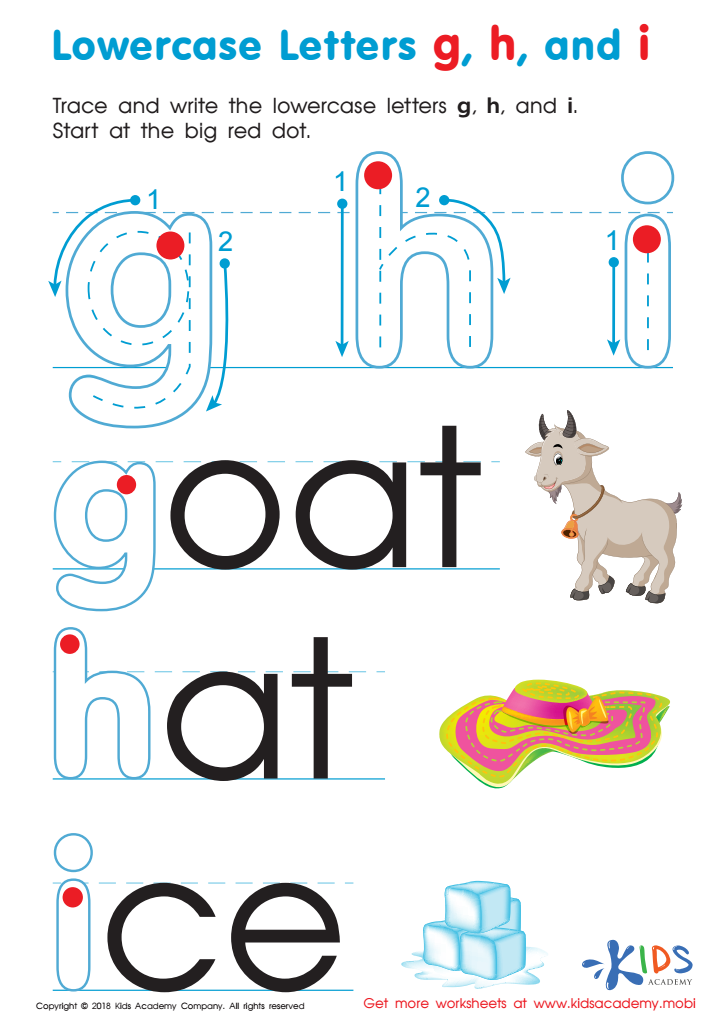
Lowercase Letters g h i Worksheet
 Assign to My Students
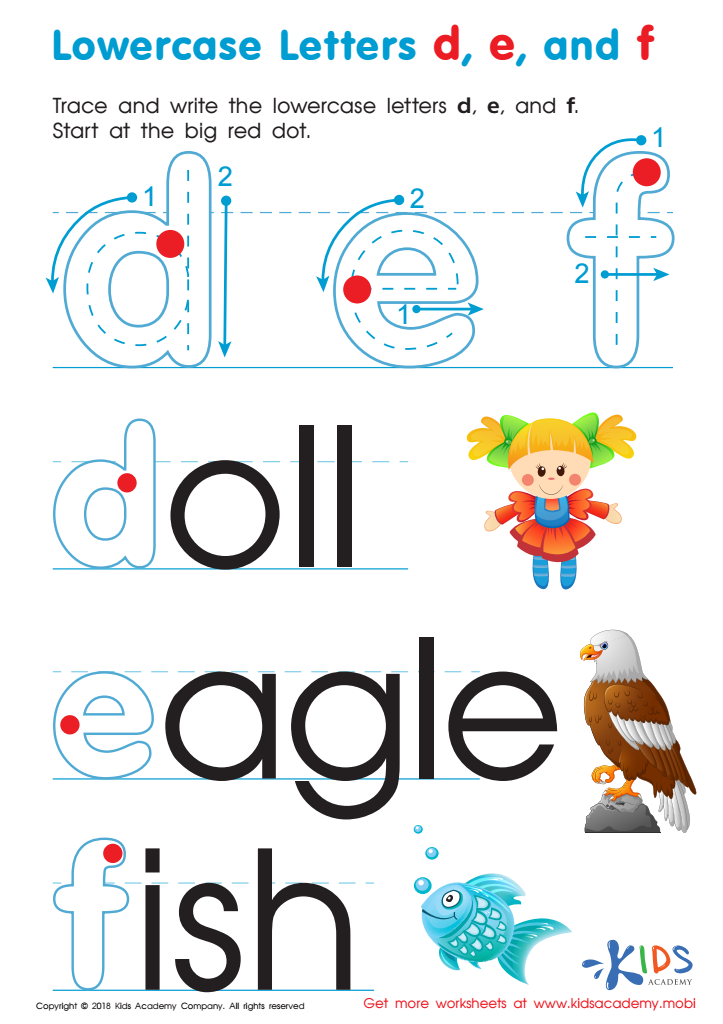
Lowercase Letters d e f Worksheet
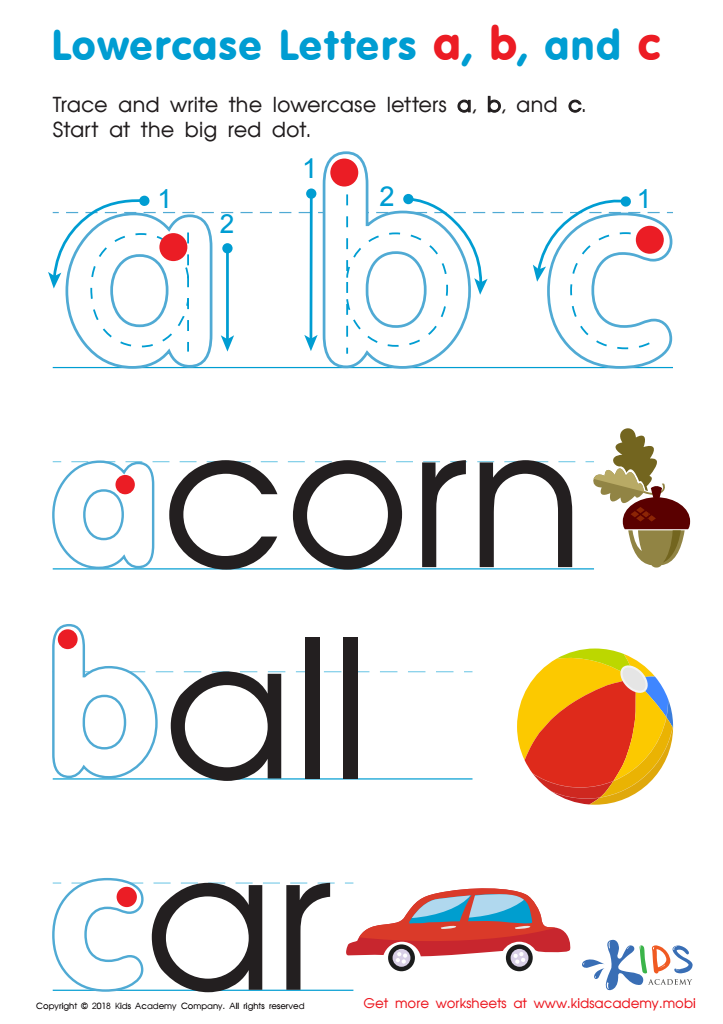
Lowercase Letters a b c Worksheet
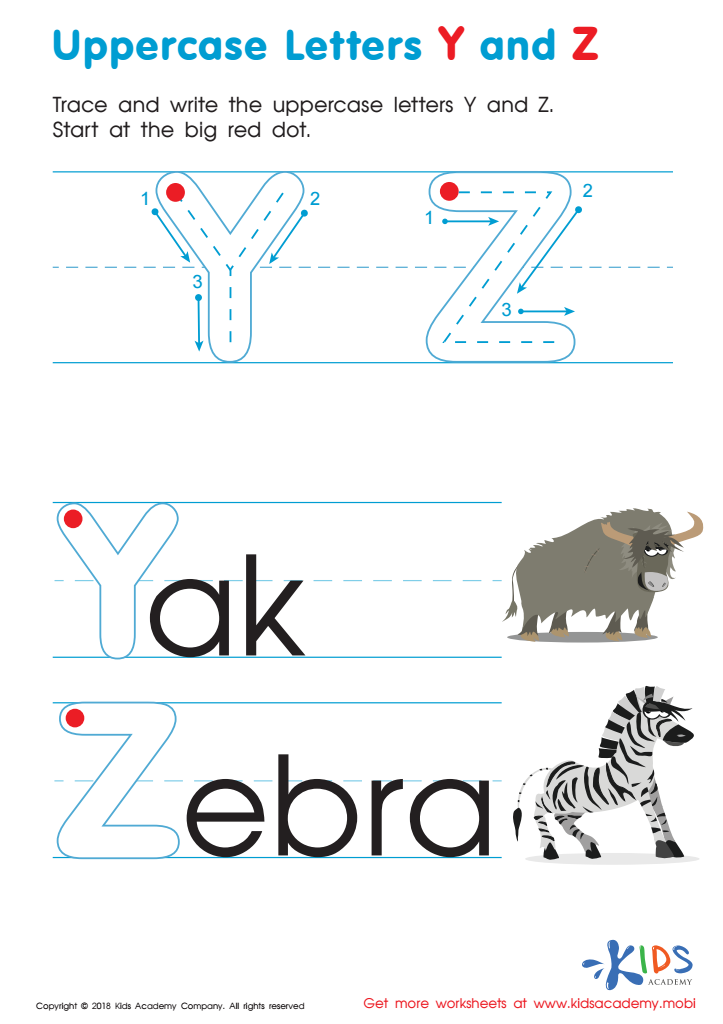
Uppercase Letters Y Z Worksheet
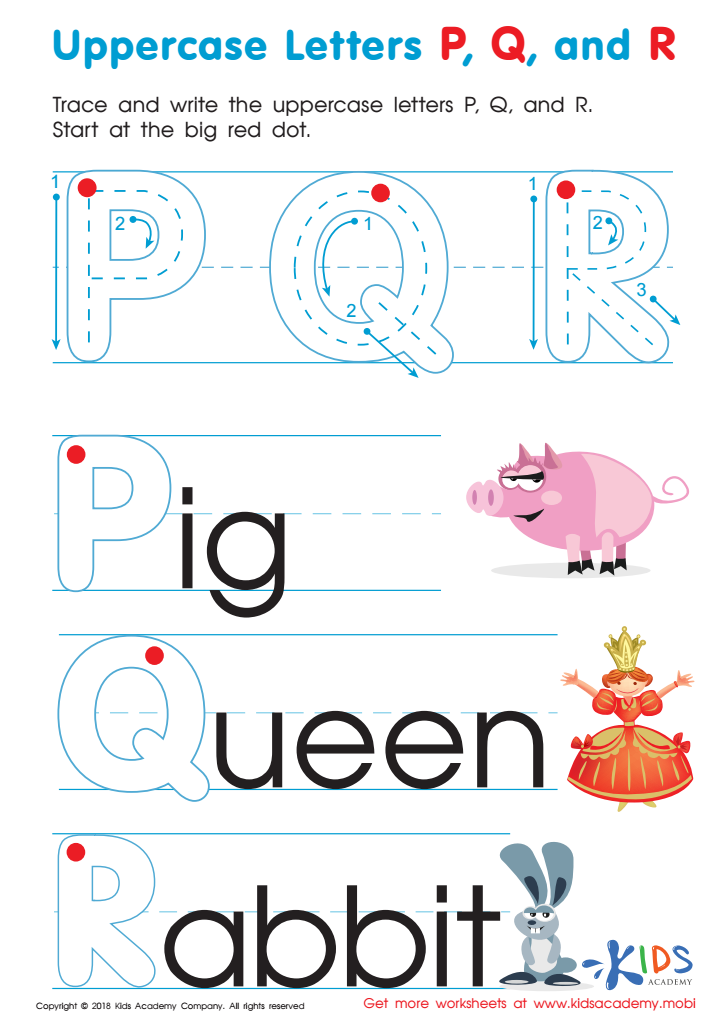
Uppercase Letters P, Q, and R Worksheet
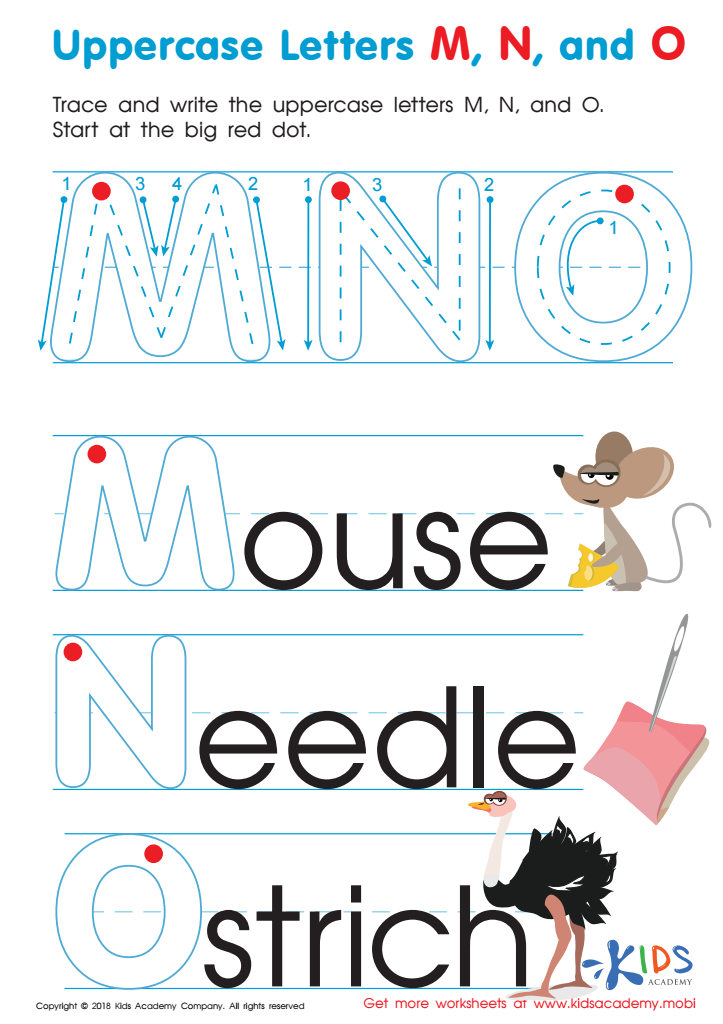
Uppercase Letters M, N, and O Worksheet
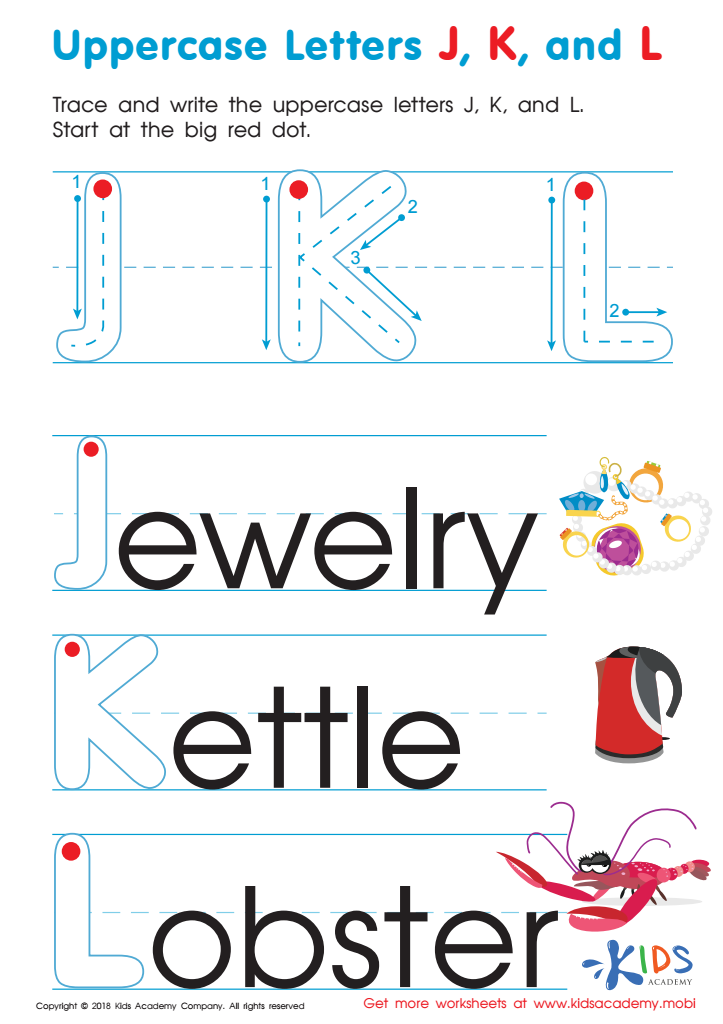
Uppercase Letters J, K, and L Worksheet
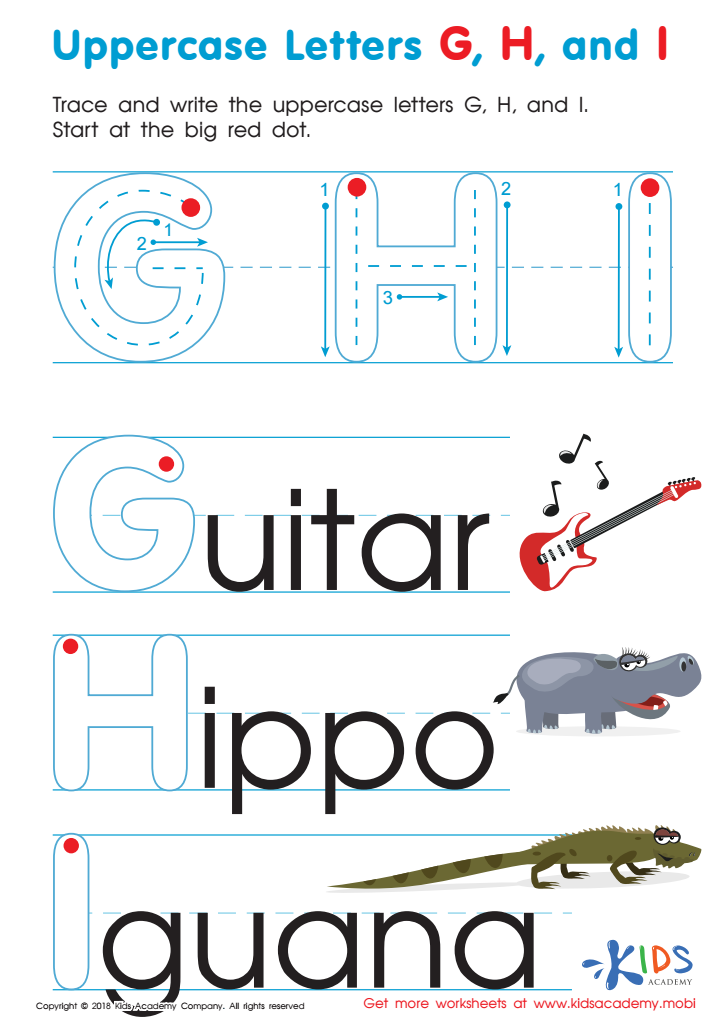
Uppercase Letters G, H, and I Worksheet
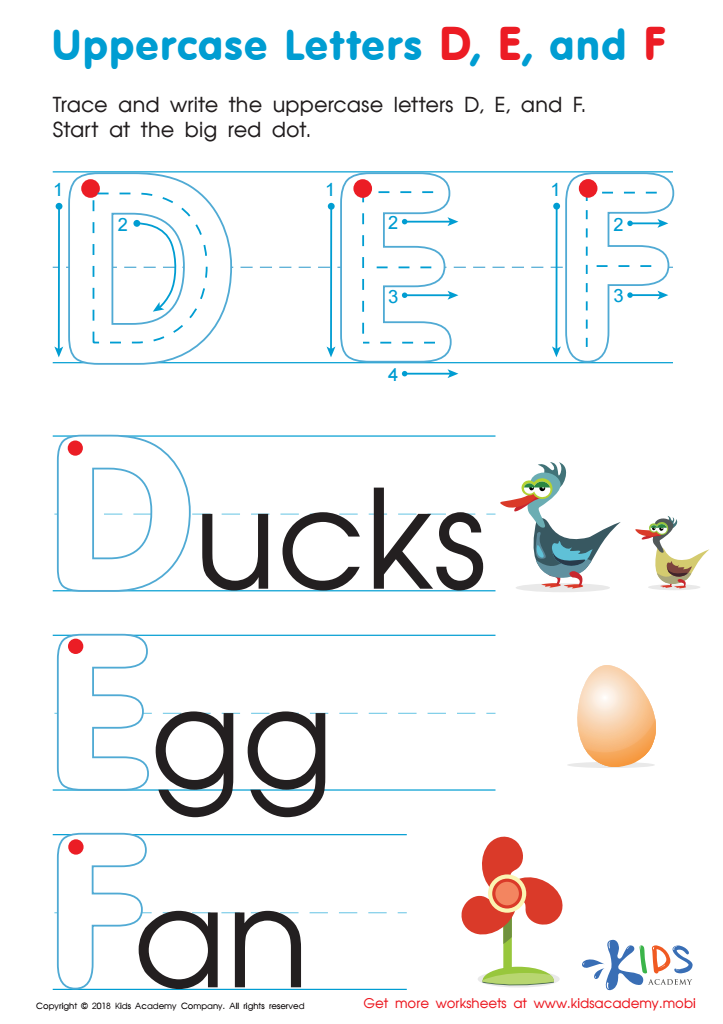
Uppercase Letters D, E, and F Worksheet
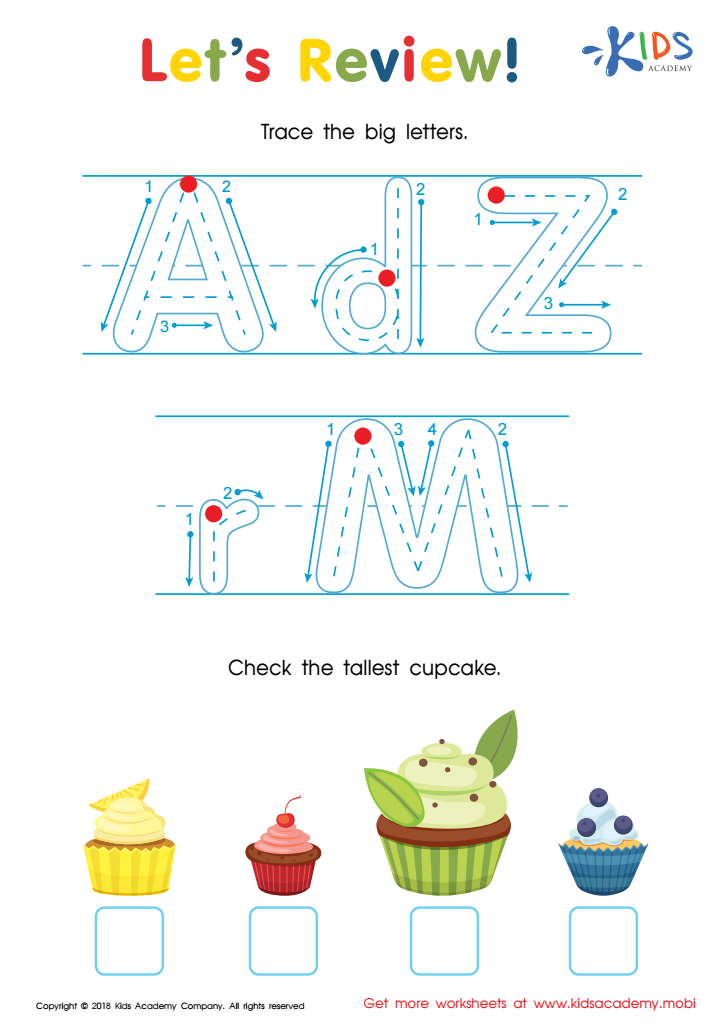
Let's Review! Big Letters Worksheet
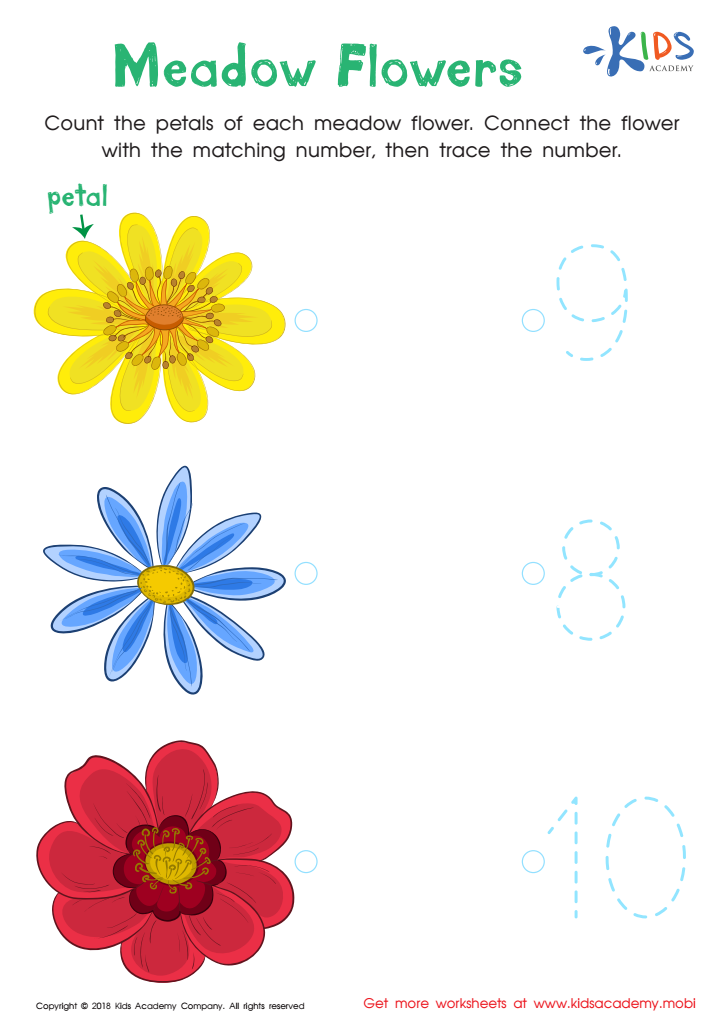
Kindergarten Number Tracing: Medow Flowers Worksheet
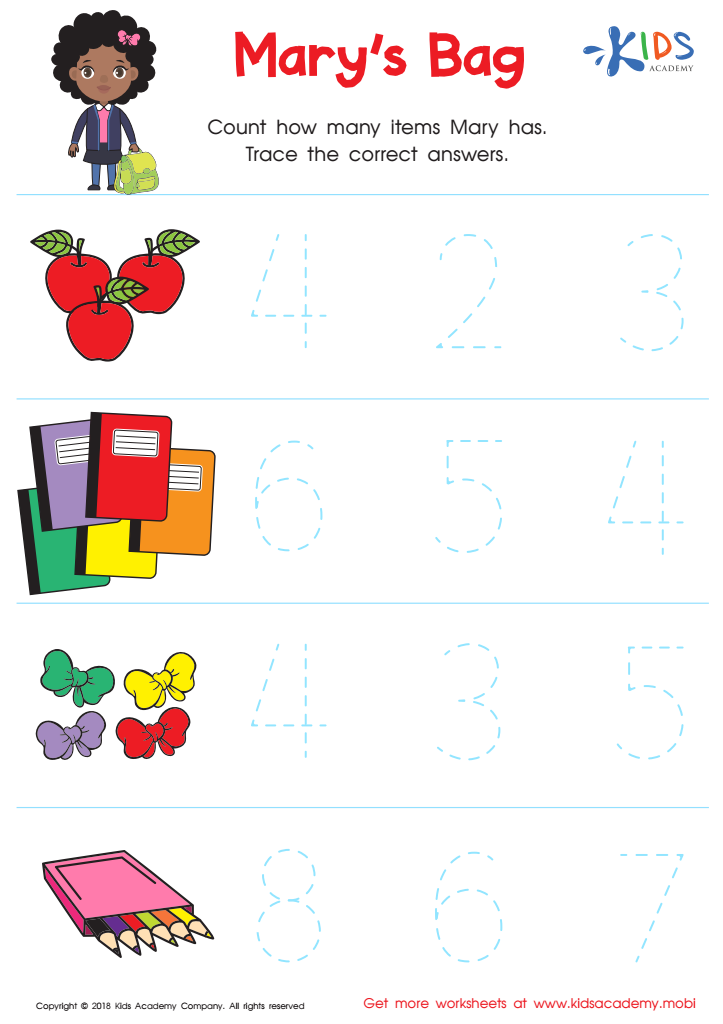
Kindergarten Number Tracing: Mary's Bag Worksheet
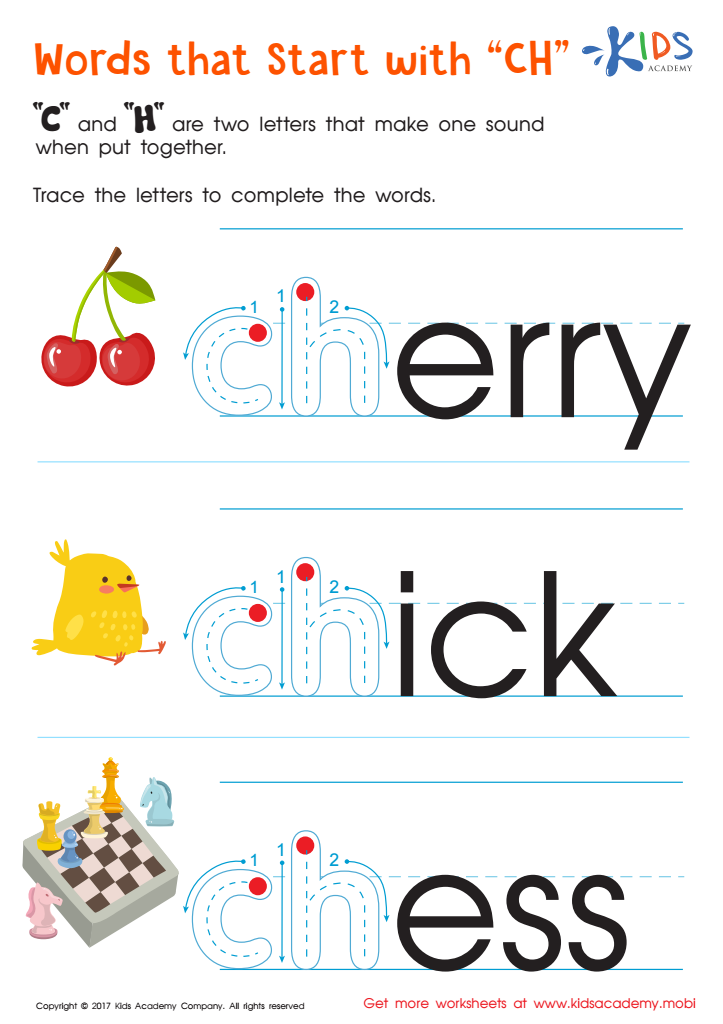
Words That Start with "ch" Spelling Worksheet
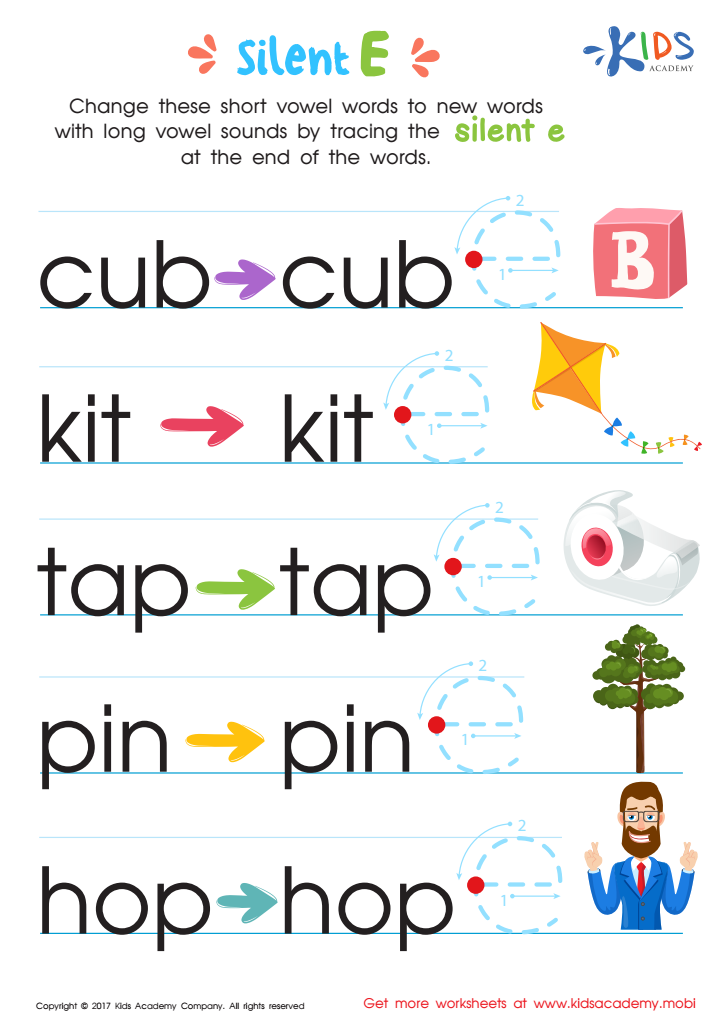
Silent E Words Worksheet
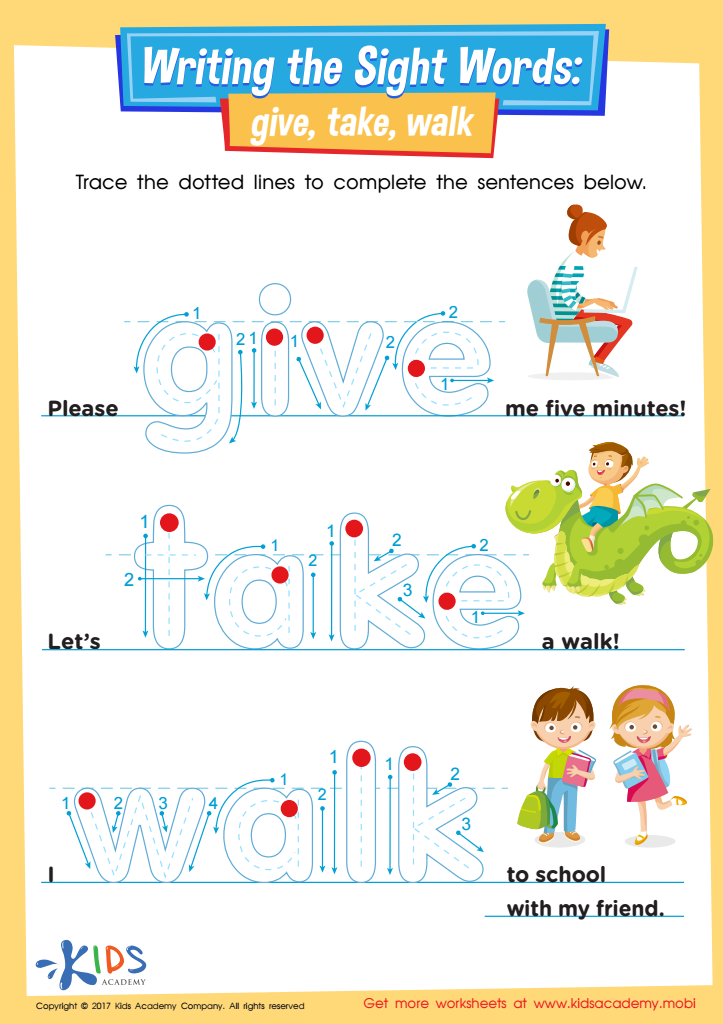
Give, Take, Walk Printable Sight Words Worksheet
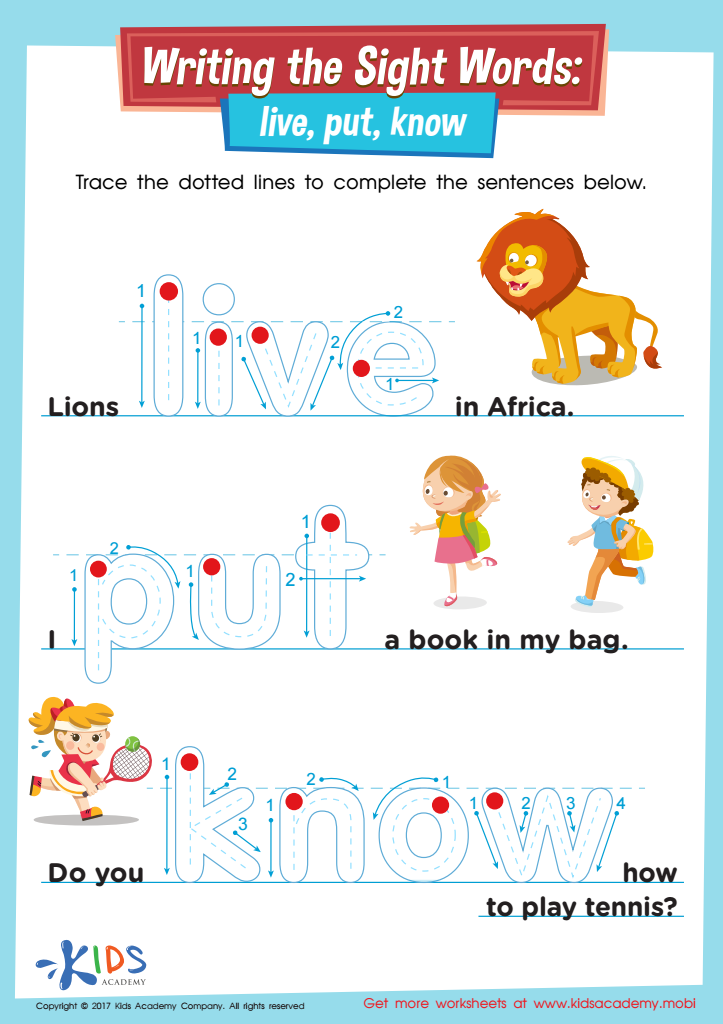
Live, Put, Know Printable Sight Words Worksheet
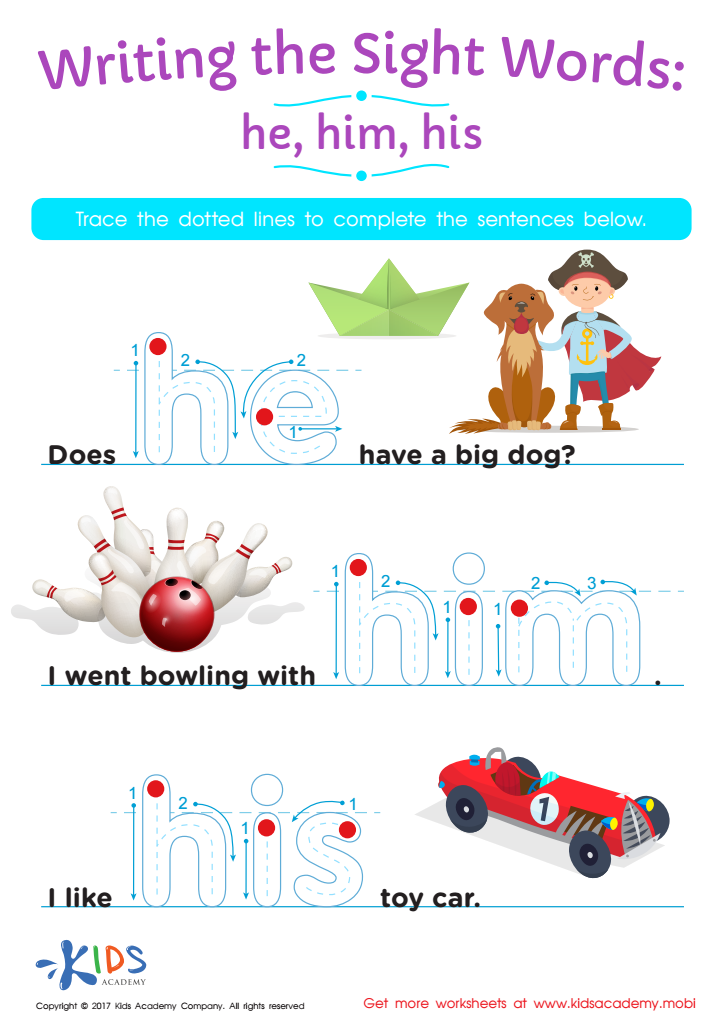
He, Him, His Printable Sight Words Worksheet
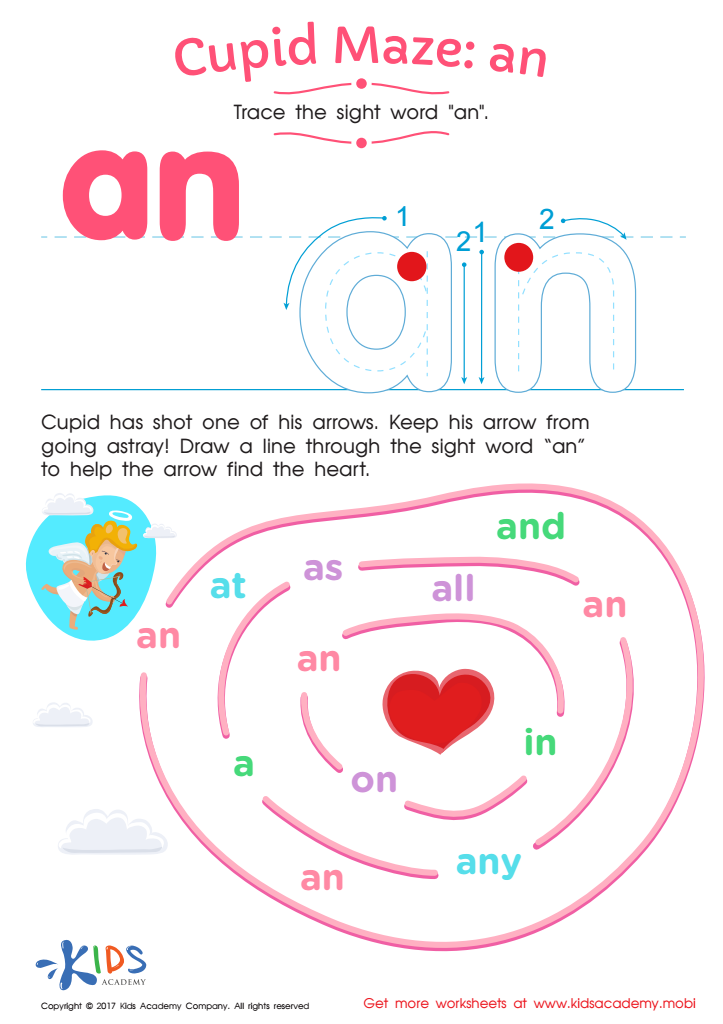
Cupid Maze: An Printable
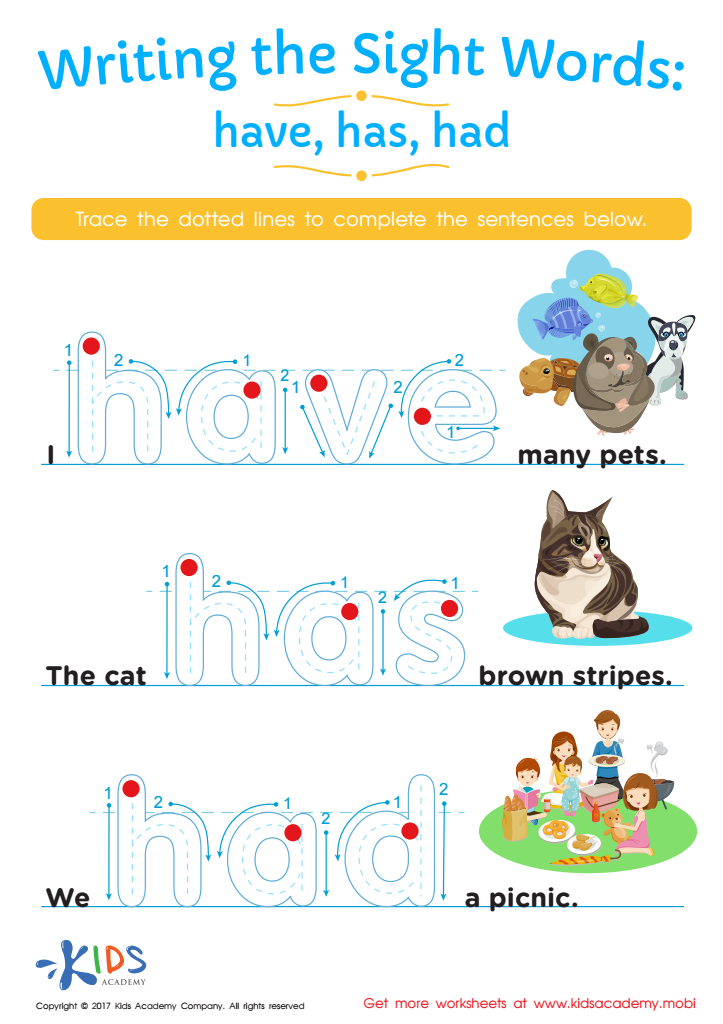
Have, Has, Had Worksheet Sight Words Worksheet
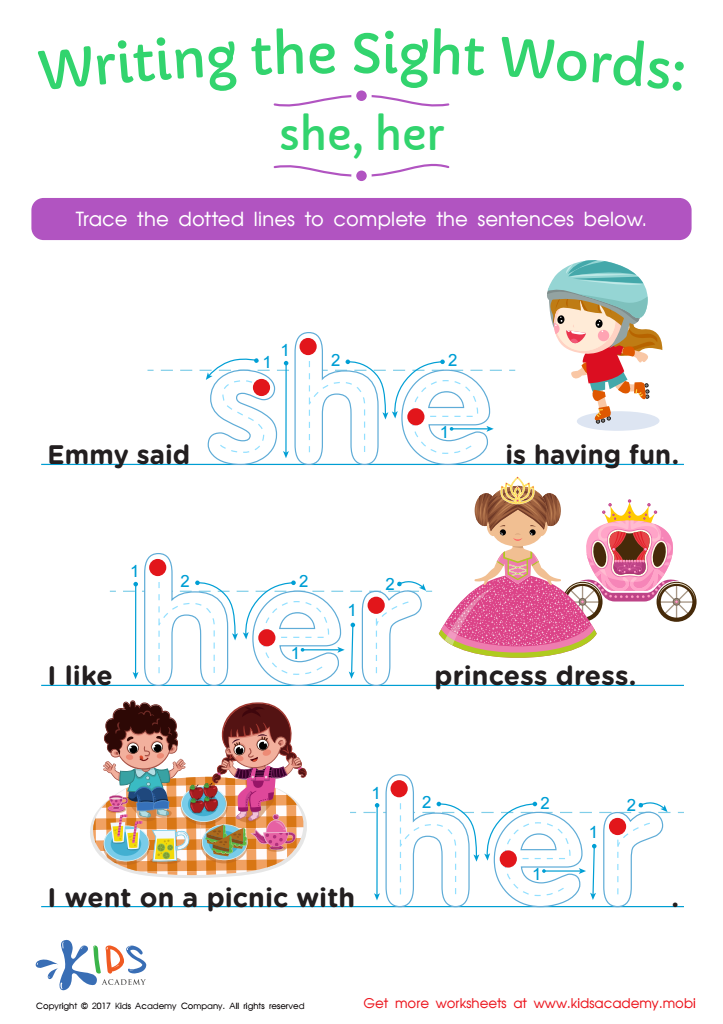
She, Her Printable Sight Words Worksheet
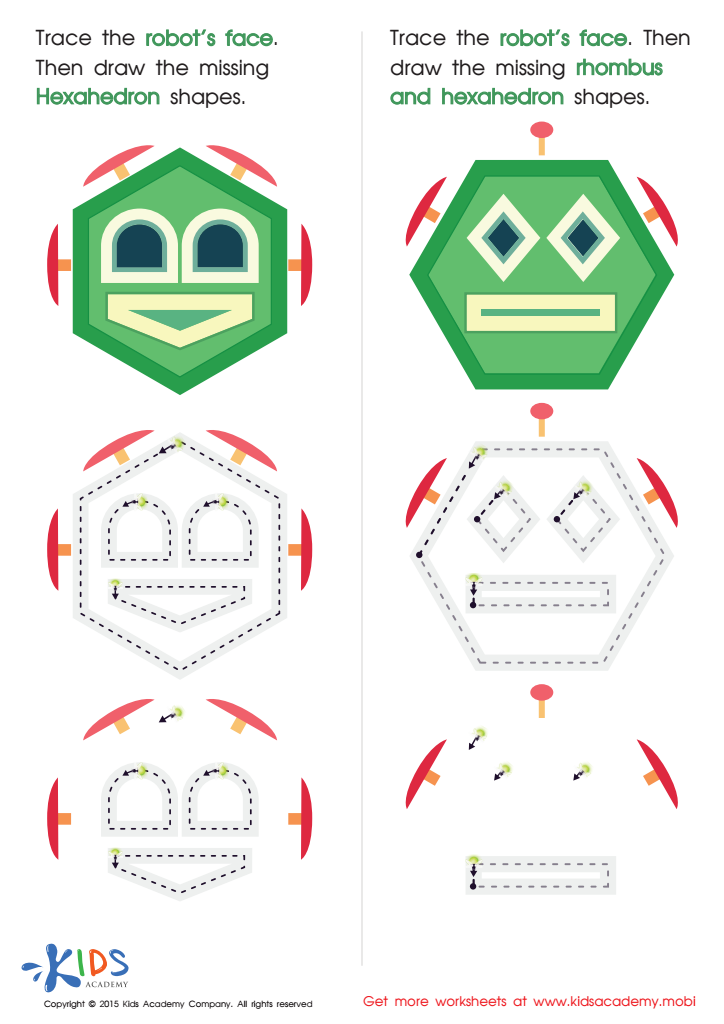
Practice Drawing Hexahedrons And a Rhombus Worksheet
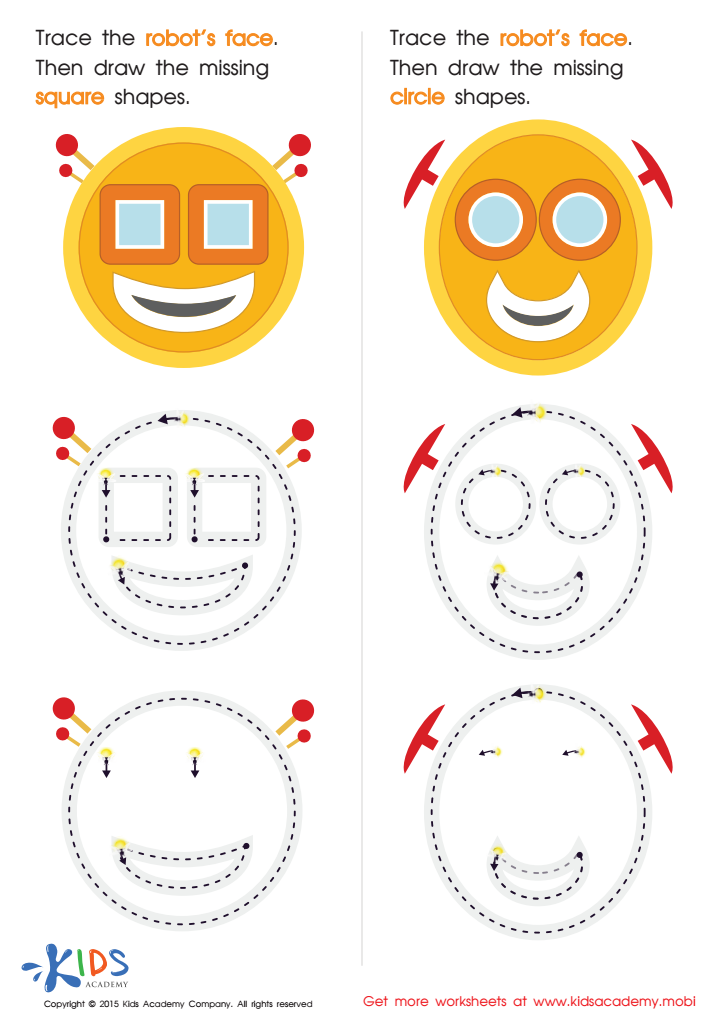
Practicing to Draw Circles And Squares Printable
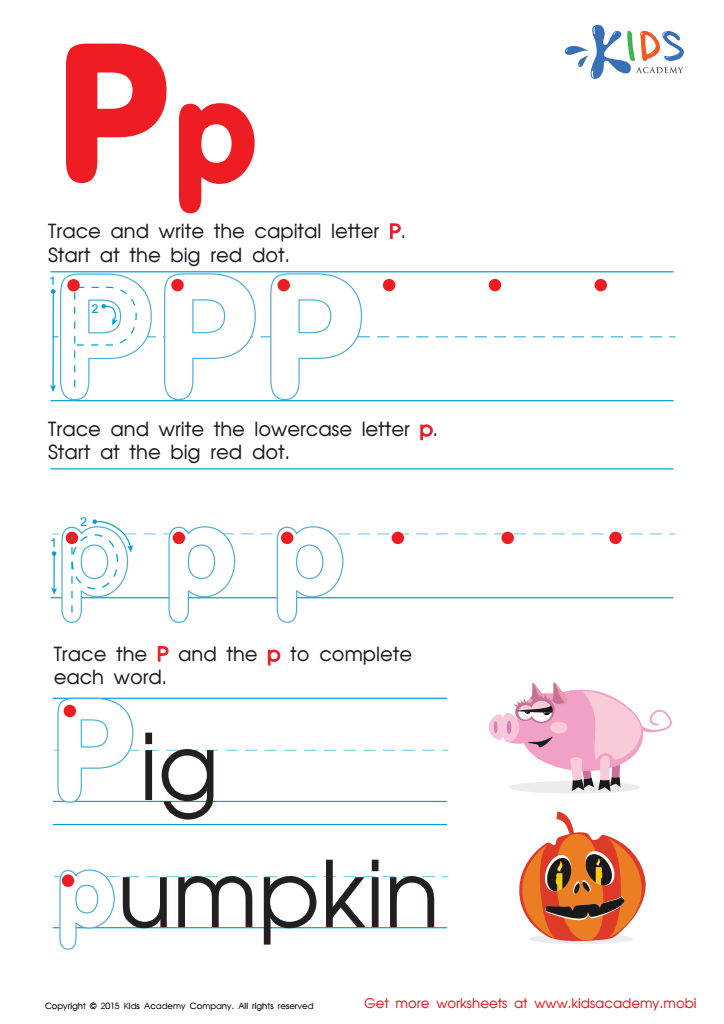
Letter P Tracing Page
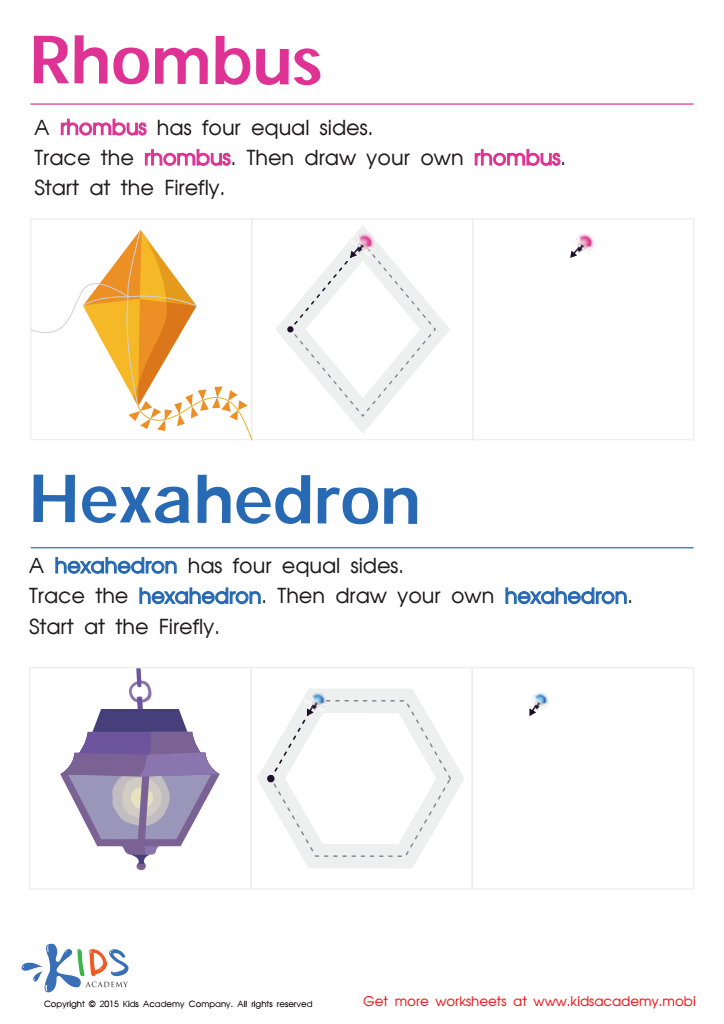
Draw a Rhombus And a Hexahedron Printable







Normal tracing activities are essential for children ages 5-8 as they significantly contribute to their cognitive and motor skill development. First, these activities enhance fine motor skills, which are crucial for tasks such as writing, drawing, and self-care activities. Tracing lines and shapes helps children improve their hand-eye coordination and dexterity, laying a strong foundation for future academic success.
Second, tracing activities help with shape and letter recognition, promoting early literacy skills. As children trace letters, numbers, and shapes, they begin to internalize their forms, leading to greater proficiency in writing. This recognition is also vital for their mathematical understanding, as it helps in pattern recognition and spatial awareness.
Furthermore, normal tracing can foster concentration and focus, enabling children to follow patterns carefully, which is a valuable cognitive skill for academic achievement. It also offers an opportunity for creativity and self-expression, allowing children to experiment with colors and designs, thereby nurturing their artistic skills.
Lastly, teachers and parents can use tracing as a fun, engaging way to bond while also reinforcing essential skills. By incorporating a variety of tracing activities, they provide a balanced approach to learning that stimulates intellectual growth and emotional development.








