Normal Tracing Letters worksheets activities for Ages 5-8 - Page 2
32 filtered results
-
From - To
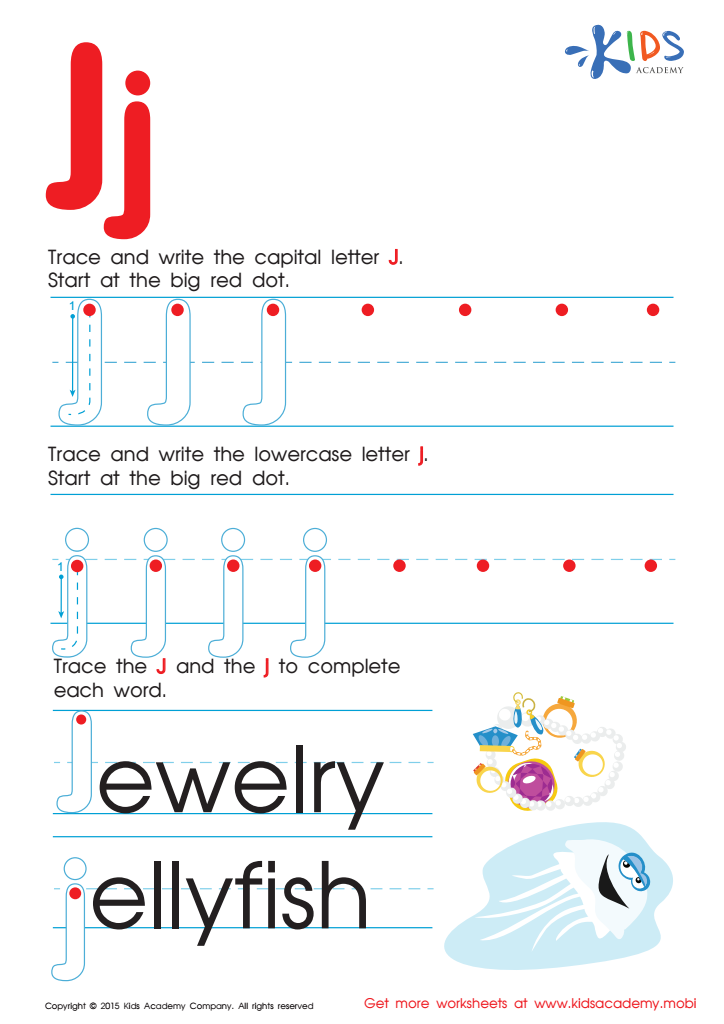
Letter J Tracing Page
 Assign to My Students
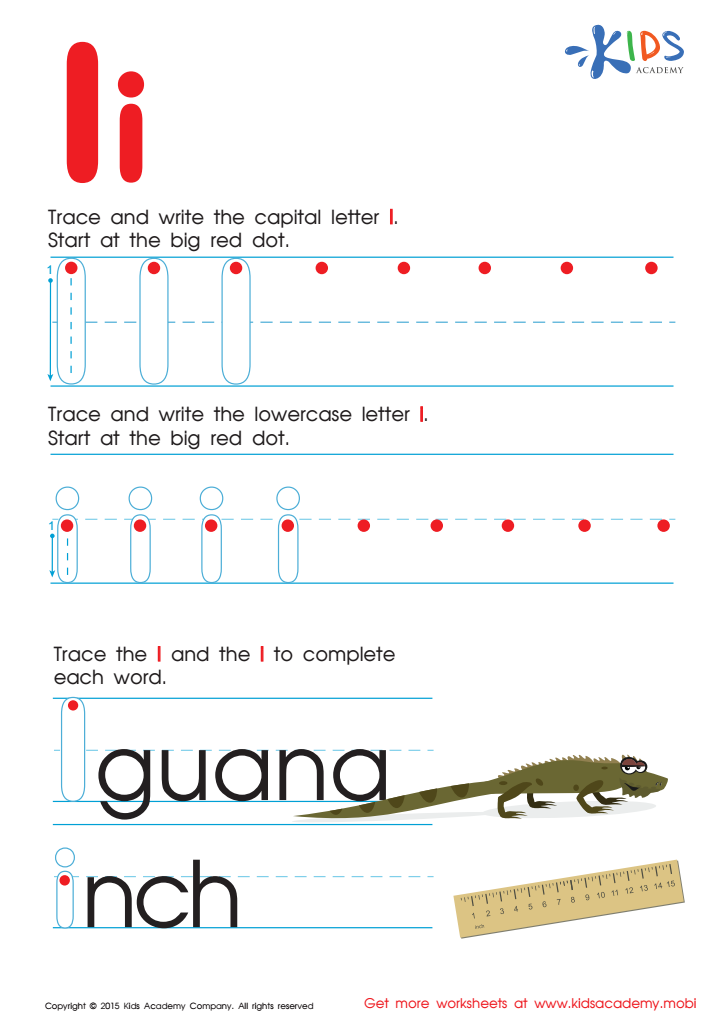
Letter I Tracing Page

Letter H Tracing Page

Letter G Tracing Page
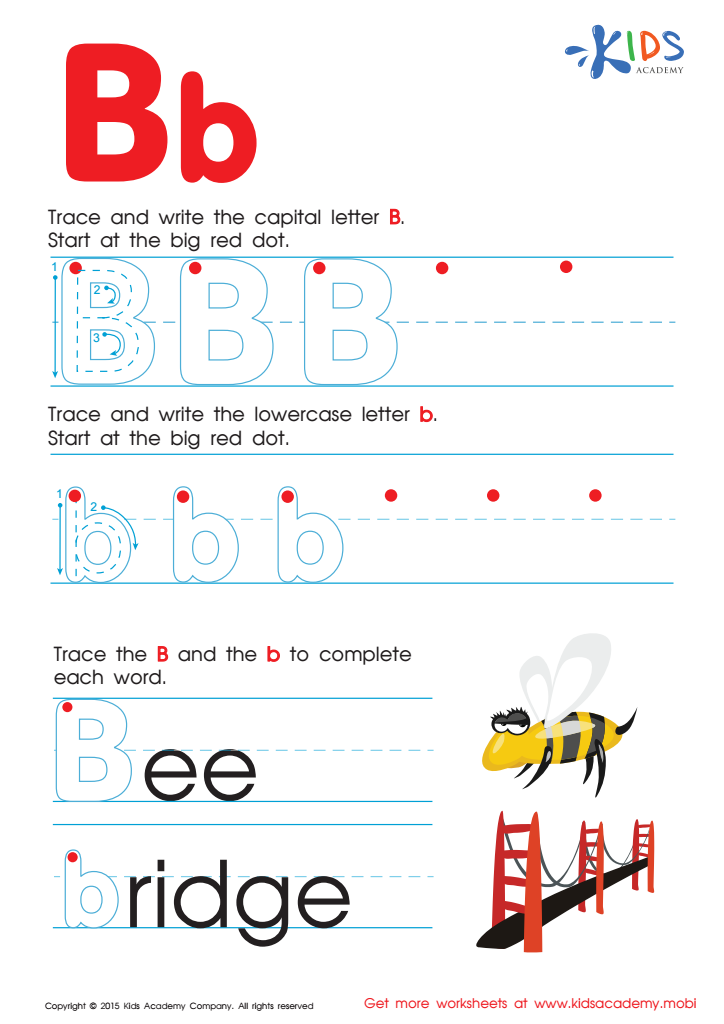
Letter B Tracing Page
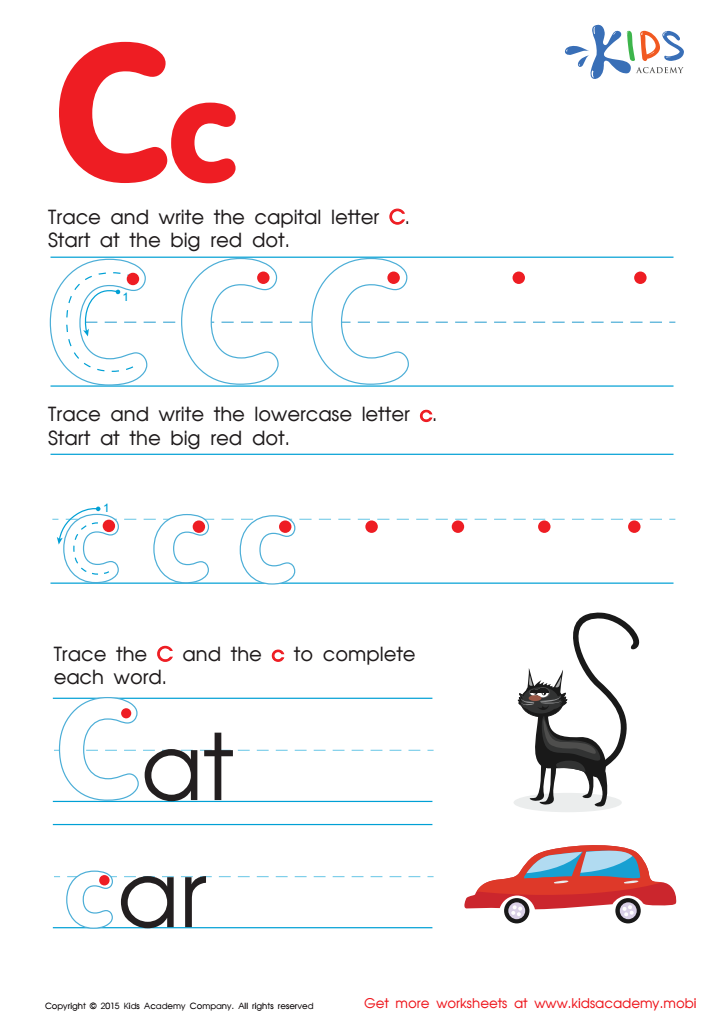
Letter C Tracing Page
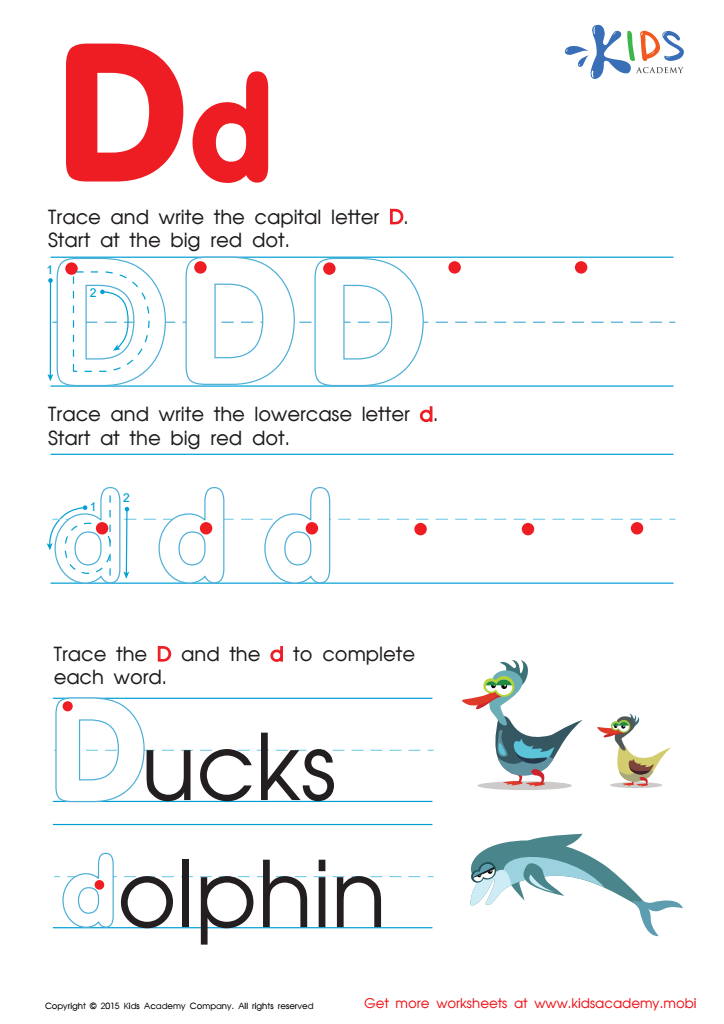
Letter D Tracing Page
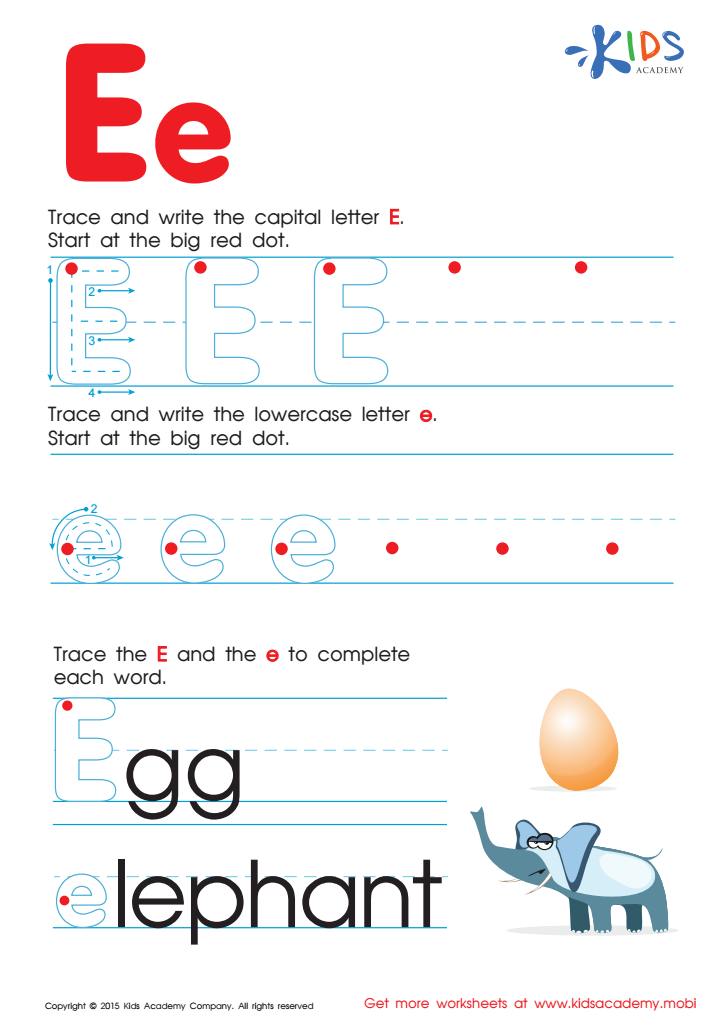
Letter E Tracing Page








Normal tracing letters activities are essential for children aged 5-8 as they serve as a foundational tool for developing early literacy skills. At this age, children are refining their fine motor skills, which are crucial for writing. Tracing letters helps them learn the correct formation of letters and aids in muscle memory, making it easier for them to write independently later.
Additionally, tracing letters enhances visual recognition of letters, which is vital for reading. As children trace, they become familiar with the shapes and nuances of each letter, fostering phonetic awareness and sounding them out during reading. This activity also encourages focus and concentration, crucial skills for classroom learning and beyond.
For parents and teachers, incorporating tracing activities into early education not only supports academic growth but can also be enjoyable. Engaging in tracing letters can be turned into a playful exercise, allowing for creativity through different colors or textures.
Moreover, regular practice can boost a child's confidence. As they see progress in their writing, they gain a sense of accomplishment, motivating them to take on more complex challenges ahead. Ultimately, tracing letters lays the groundwork for a lifetime of learning and love for language.








