Normal Tracing worksheets activities for 9-Year-Olds
35 filtered results
-
From - To
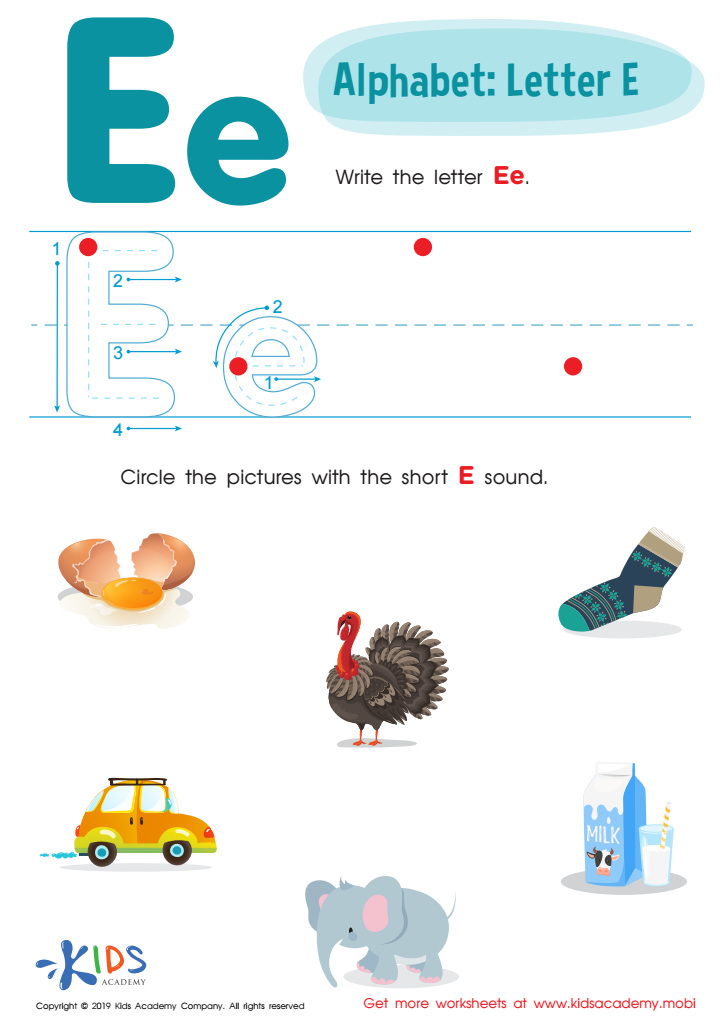
Letter E Tracing Worksheet
 Assign to My Students
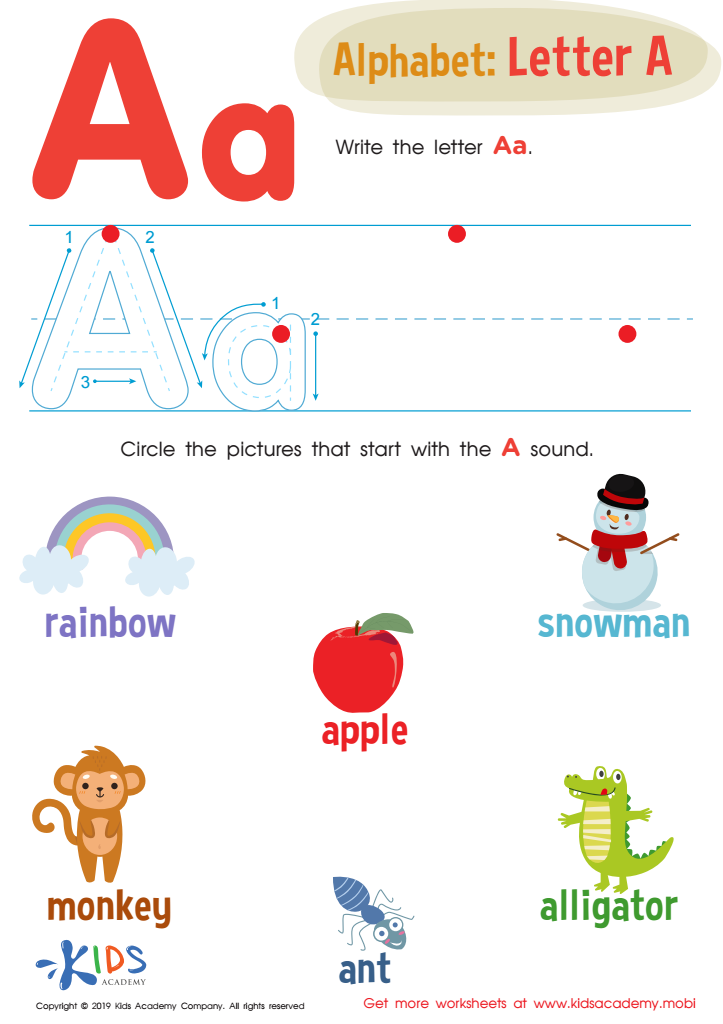
Letter A Tracing Worksheet
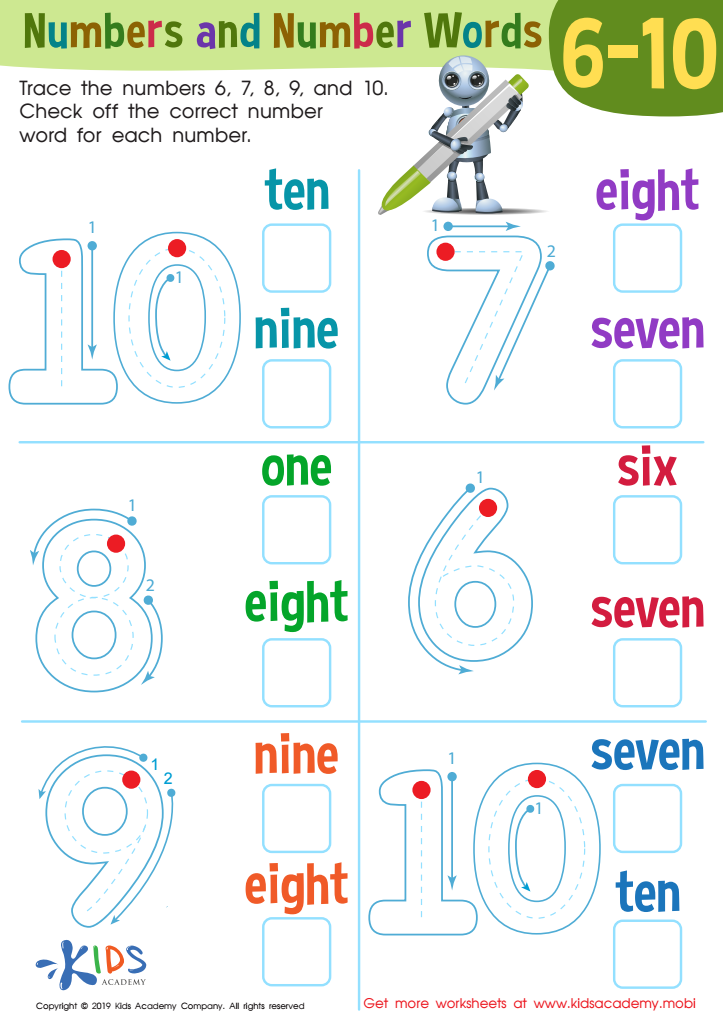
Numbers and Number Words 6–1 Worksheet
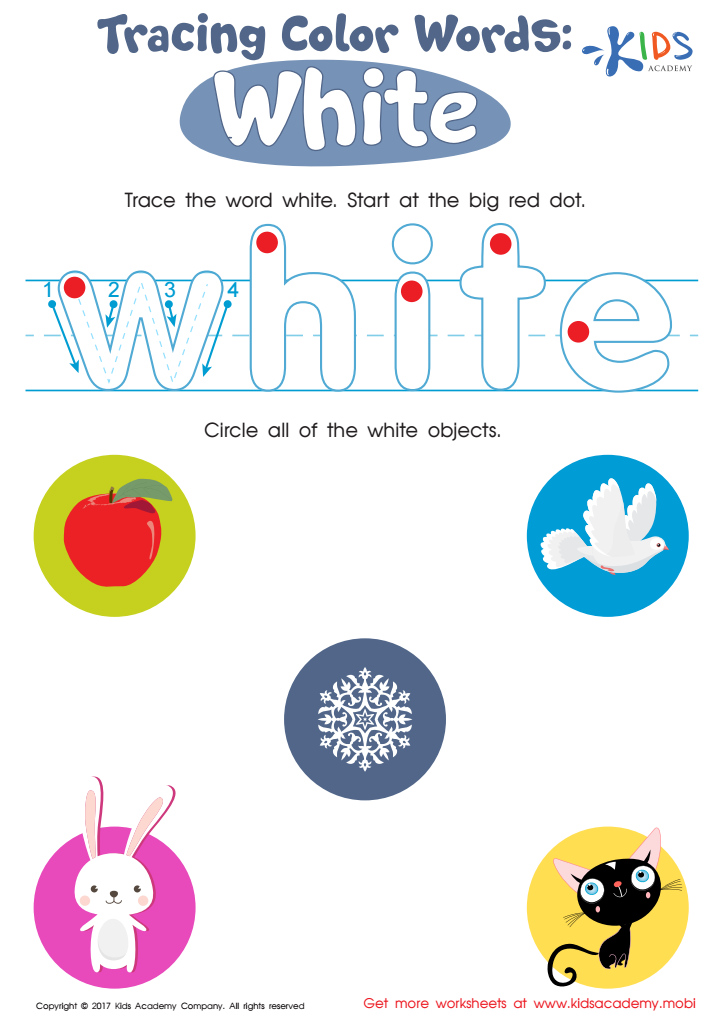
White Tracing Color Words Worksheet
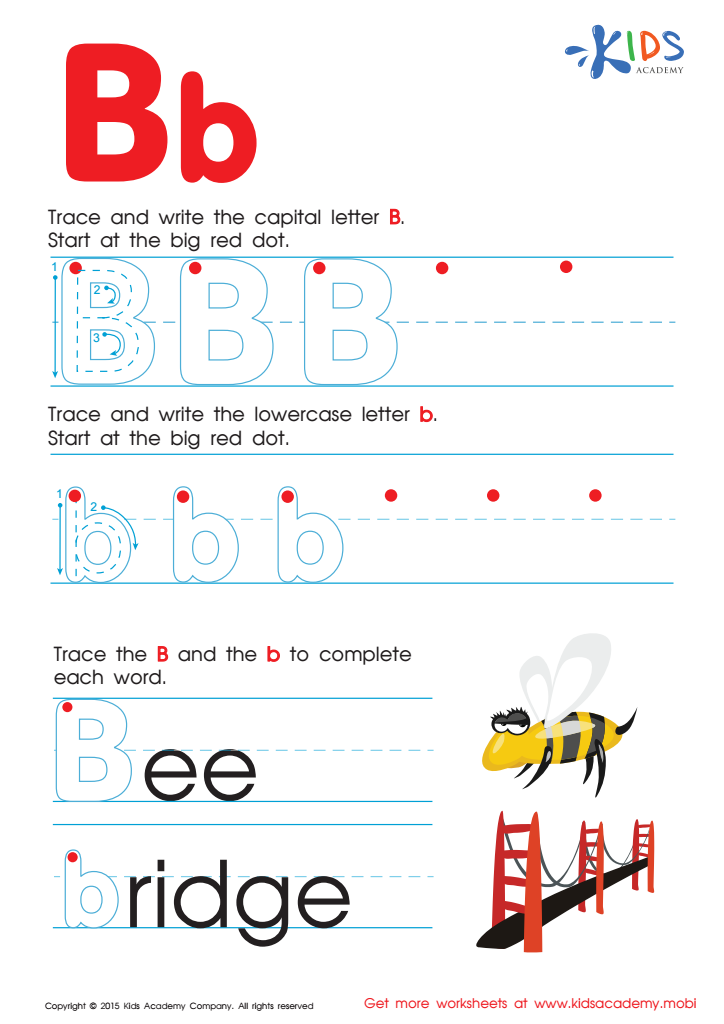
Letter B Tracing Page
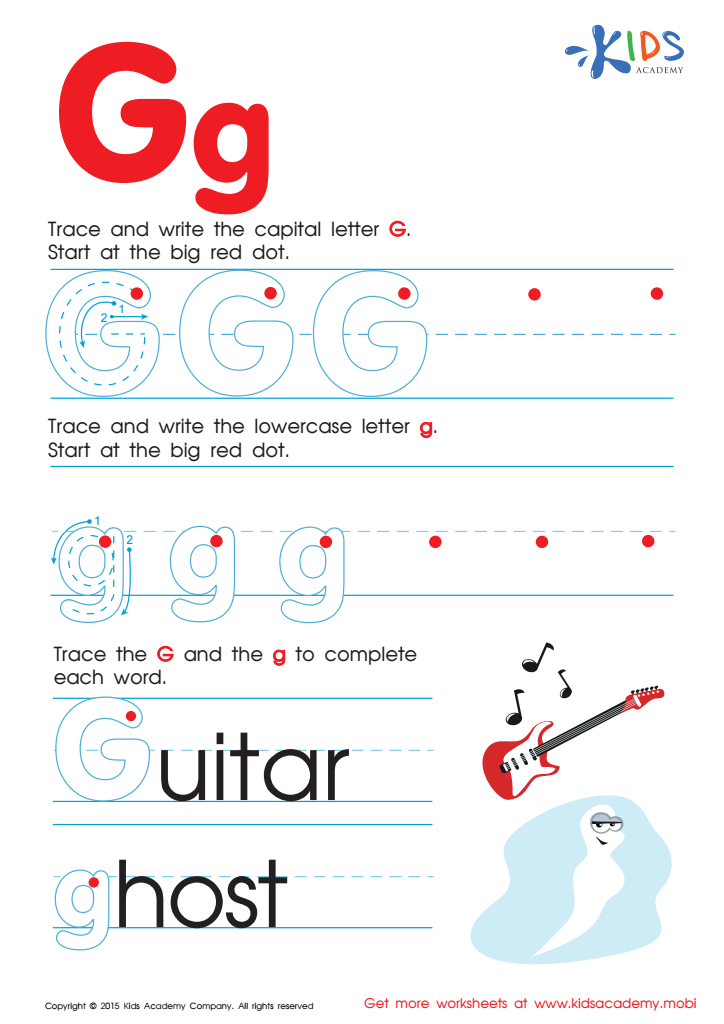
Letter G Tracing Page

Letter H Tracing Page
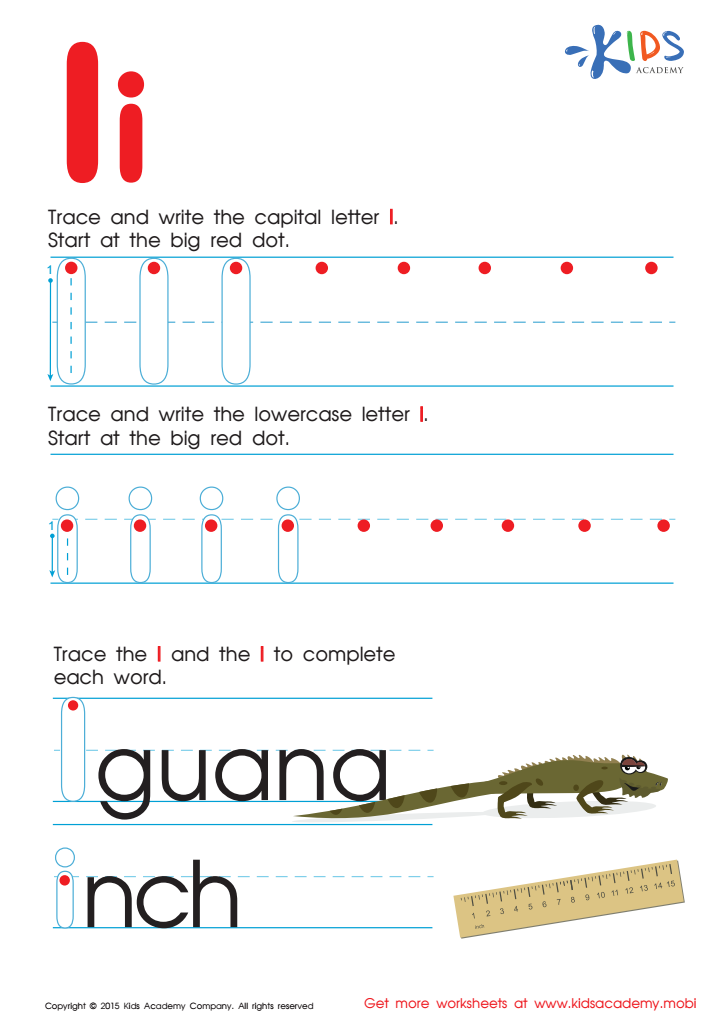
Letter I Tracing Page
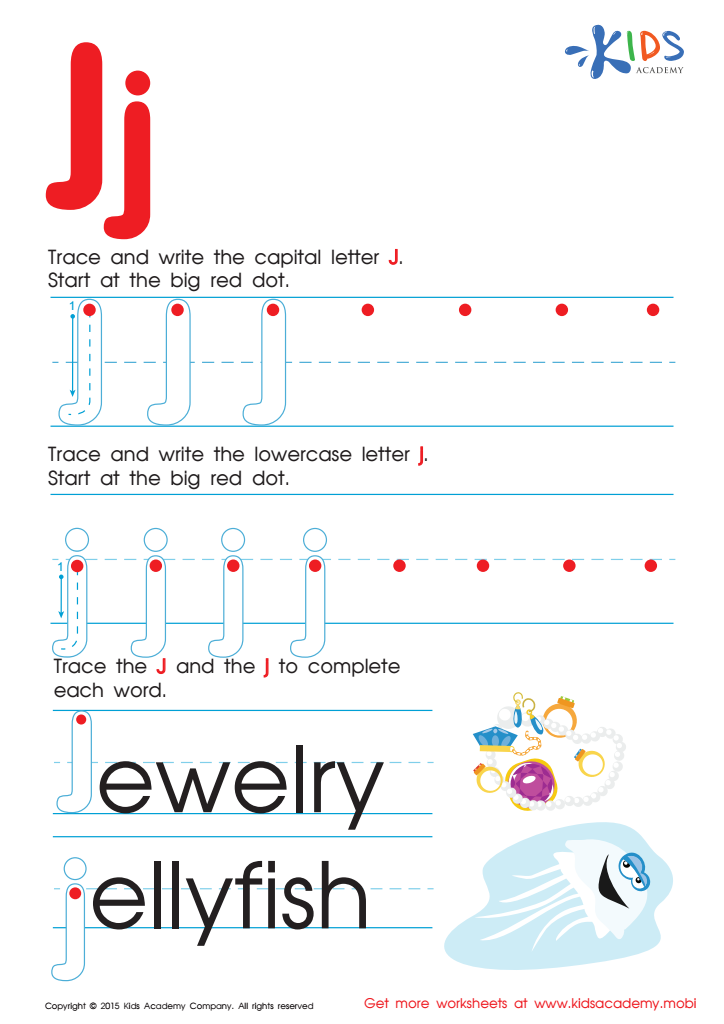
Letter J Tracing Page
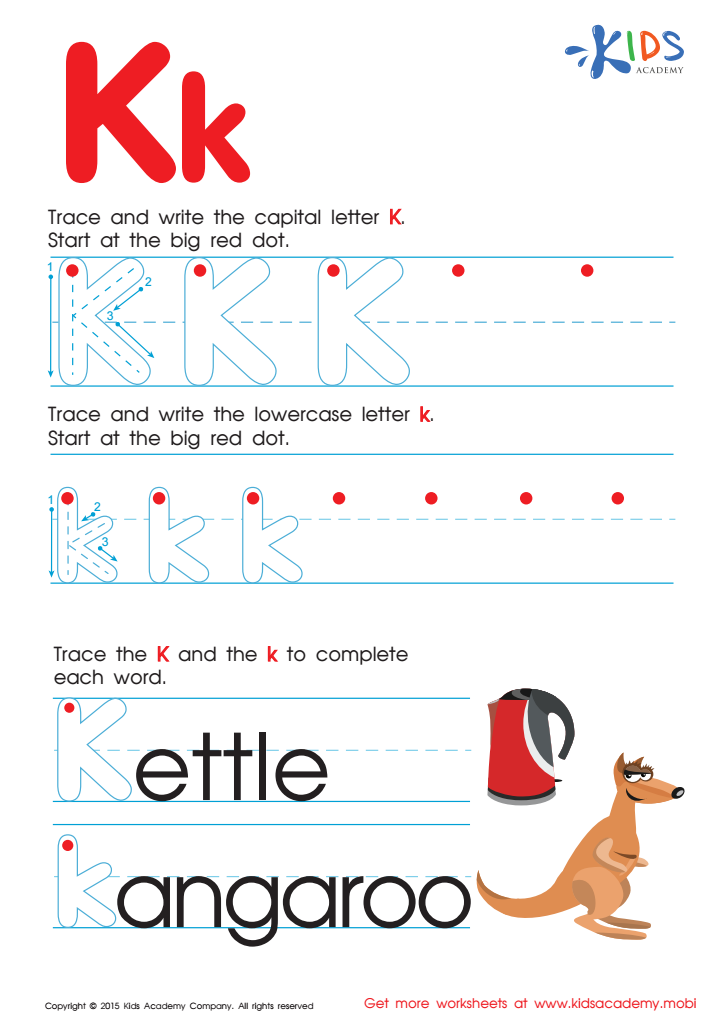
Letter K Tracing Page
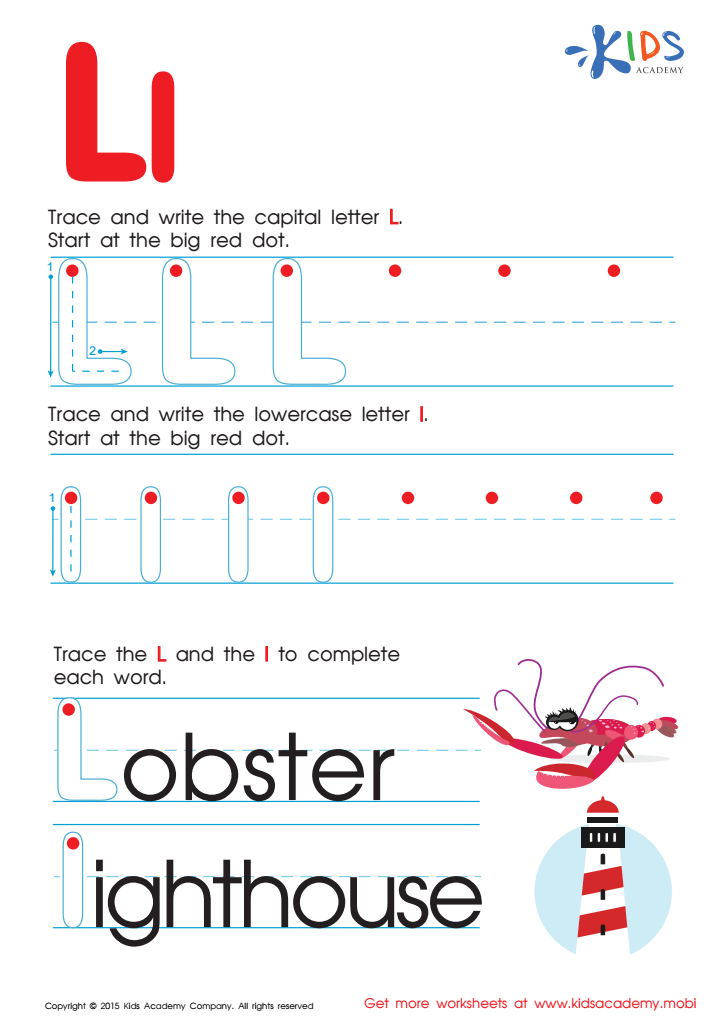
Letter L Tracing Page
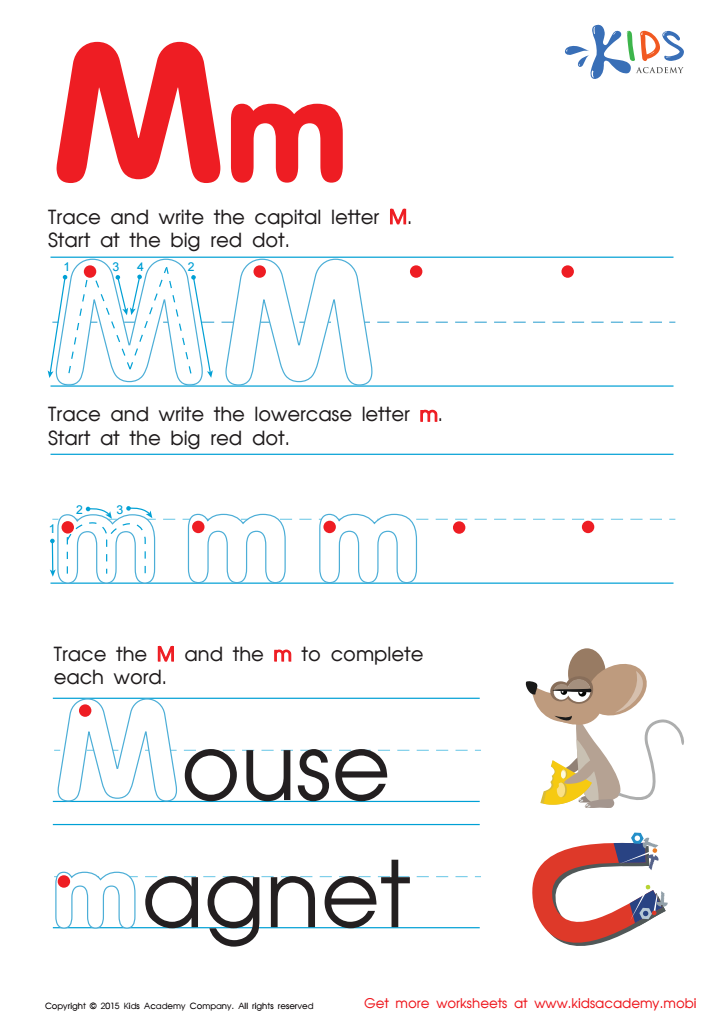
Letter M Tracing Page
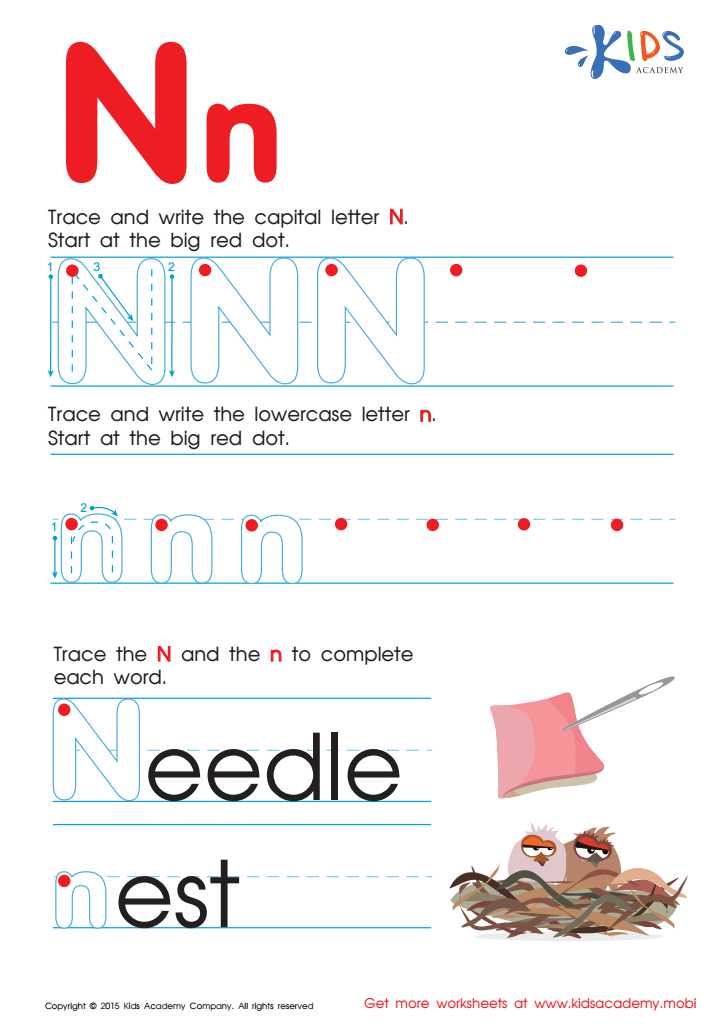
Letter N Tracing Page
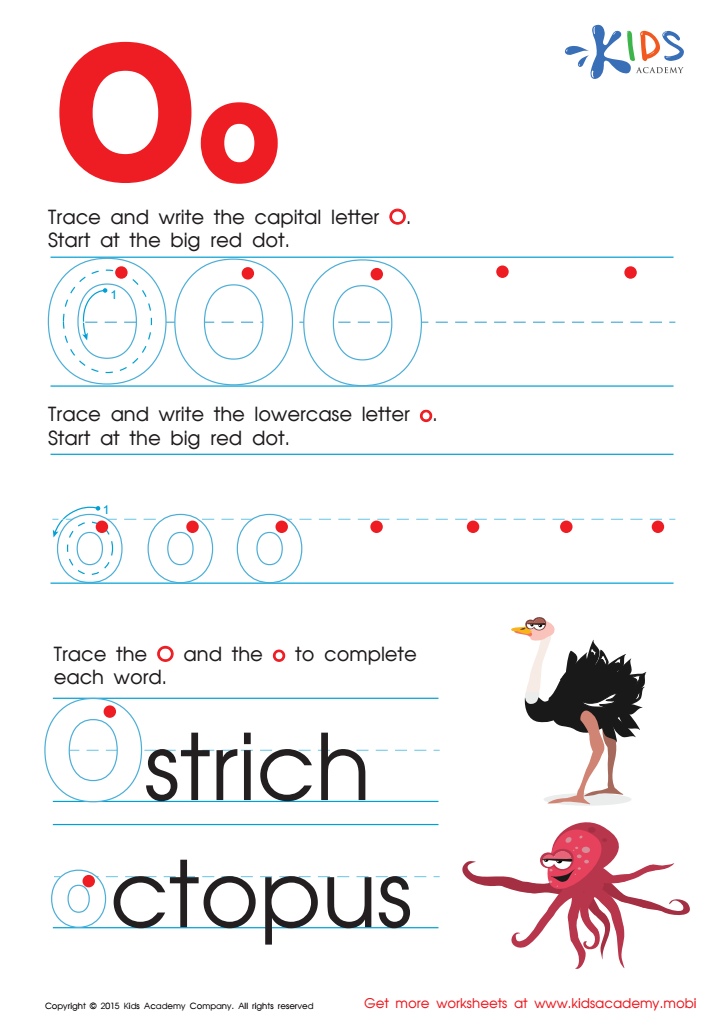
Letter O Tracing Page
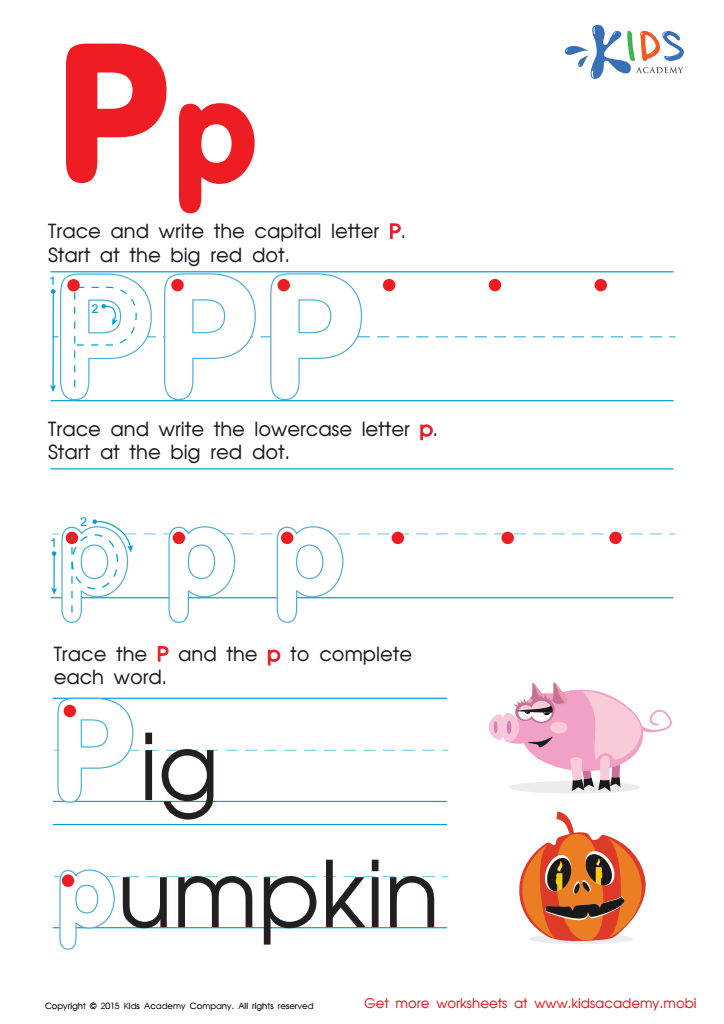
Letter P Tracing Page
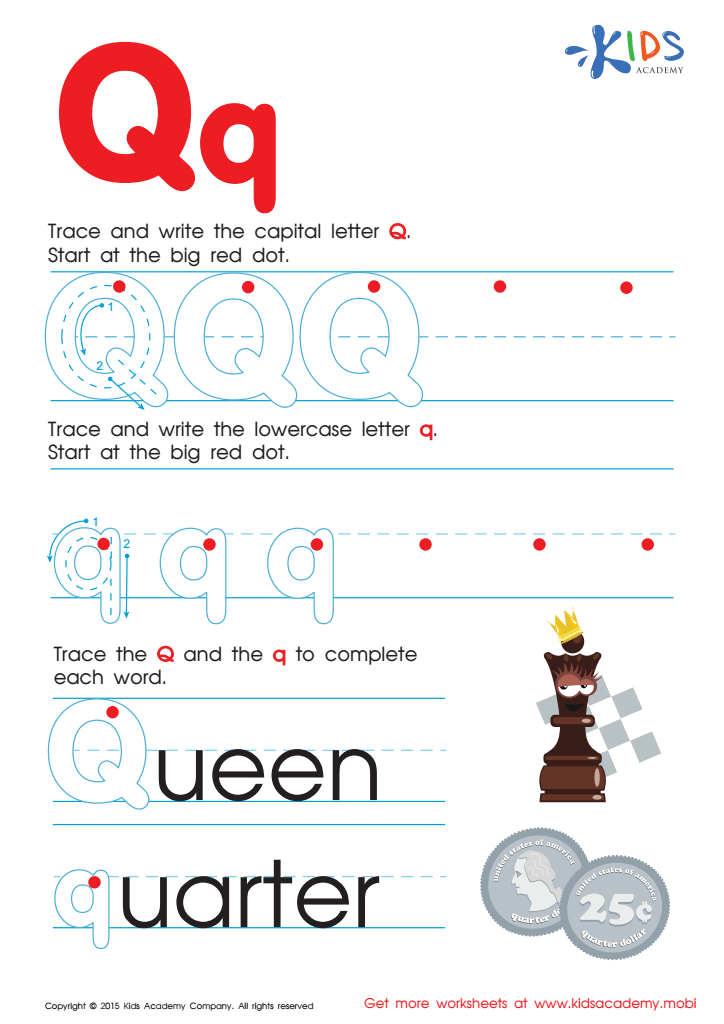
Letter Q Tracing Page
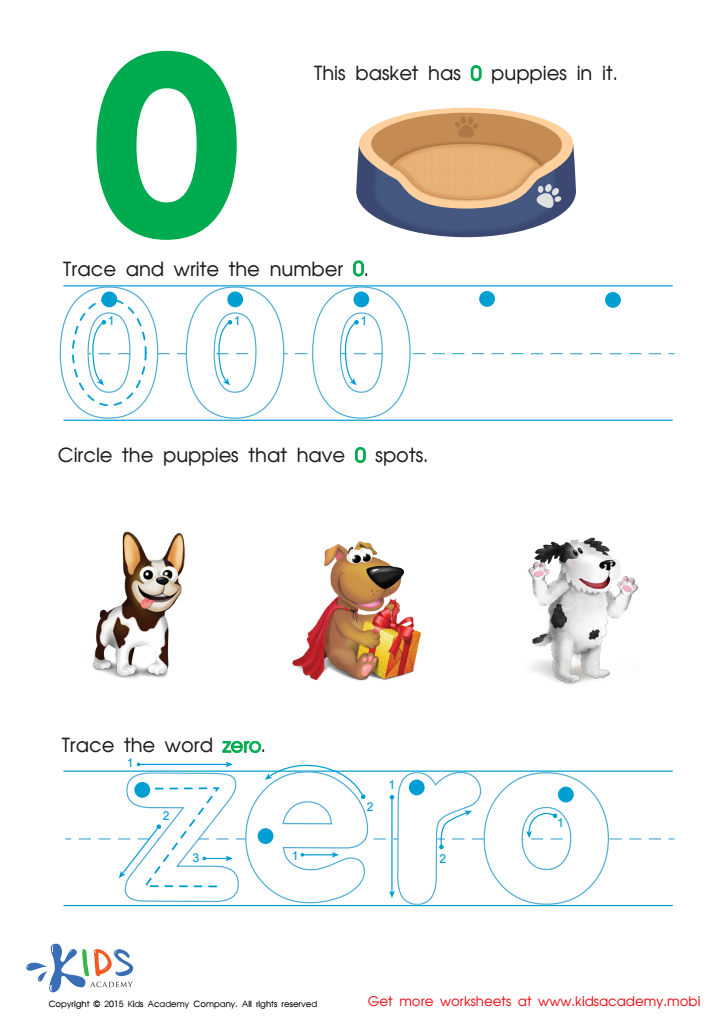
Trace And Write Number 0 Worksheet
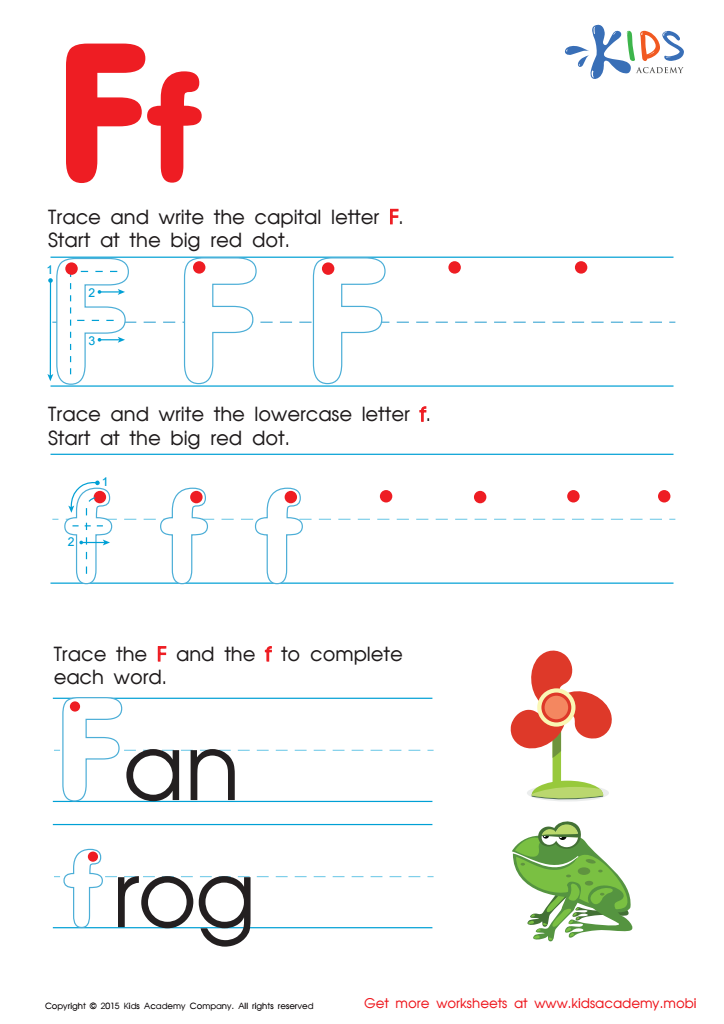
Letter F Tracing Page
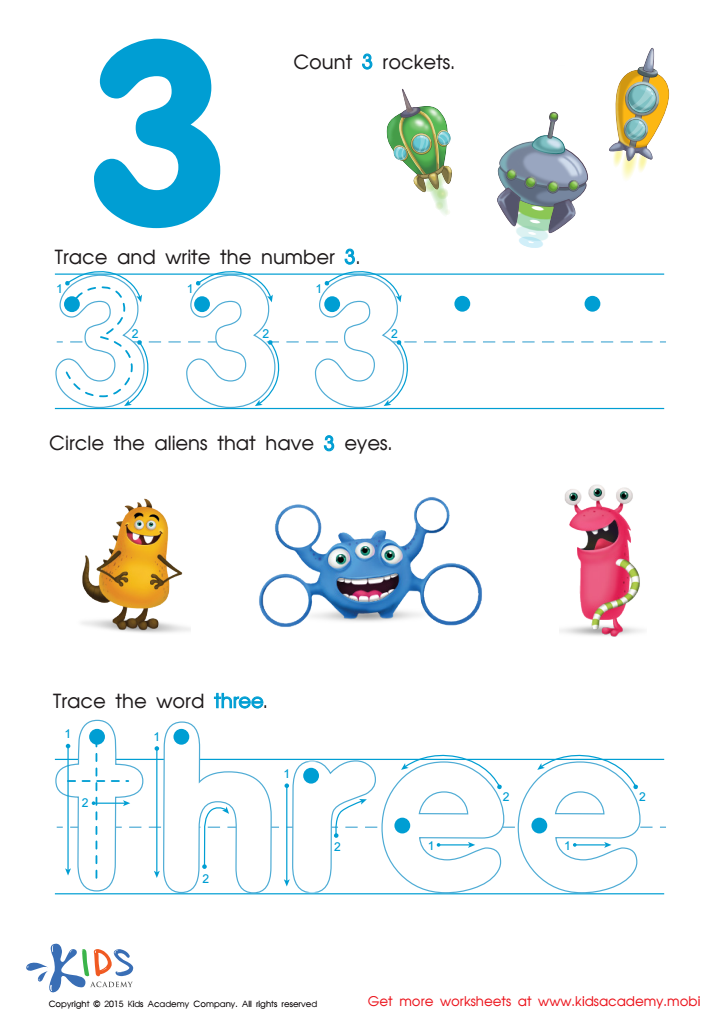
Learning Number Three Worksheet
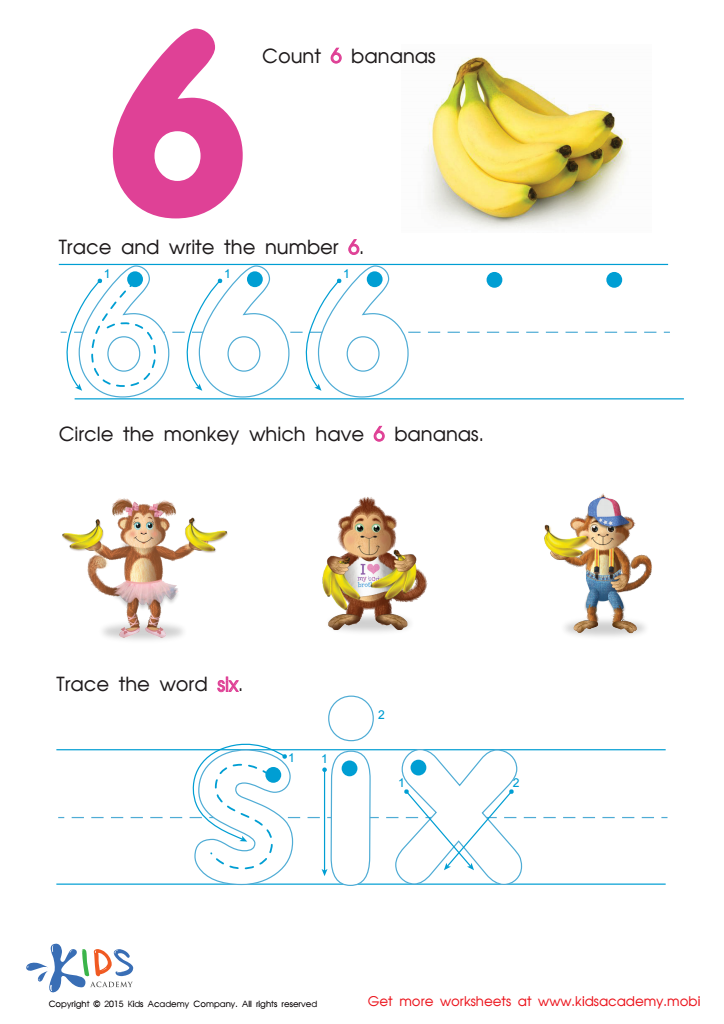
Tracing And Writing Number 6 Worksheet
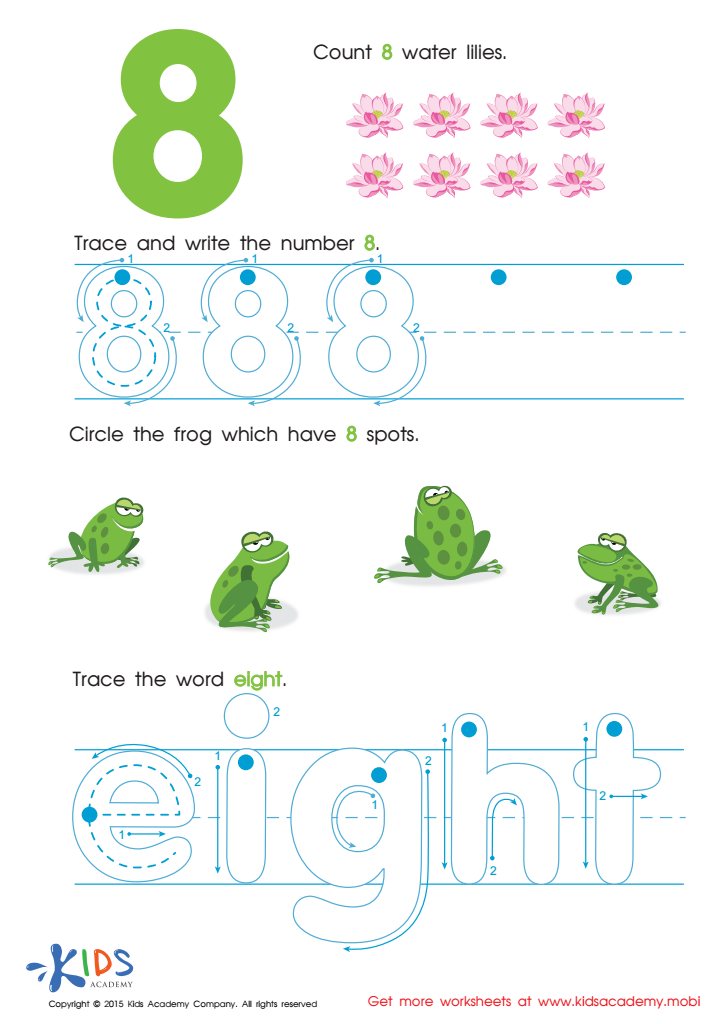
Learn Number 8 Easily Worksheet
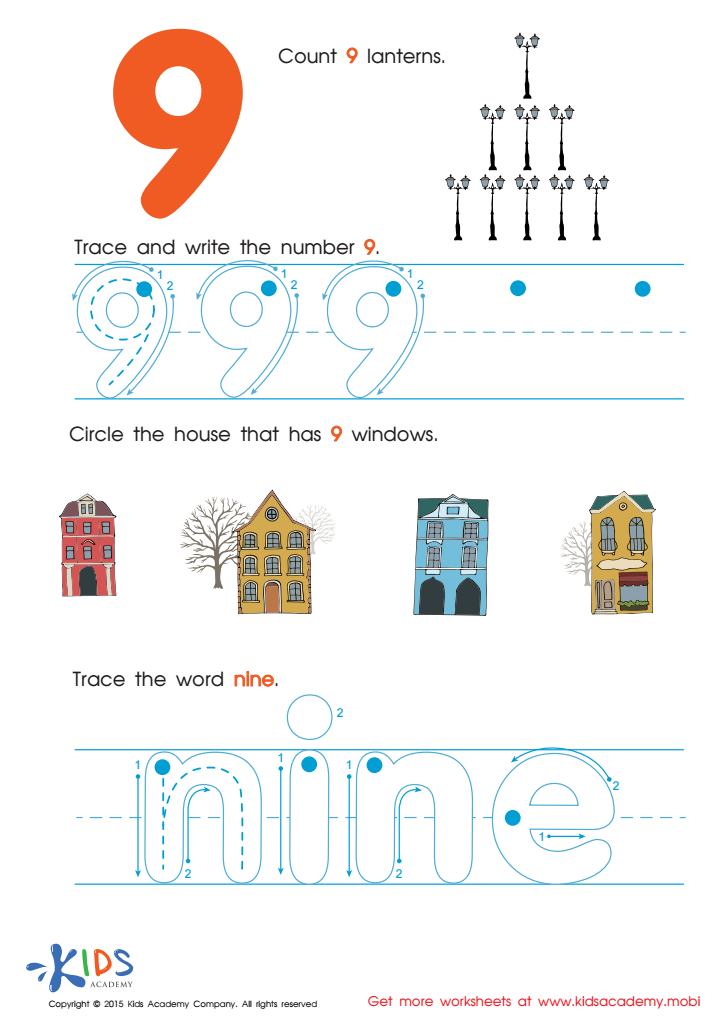
Tracing And Learning to Write Number 9 Worksheet
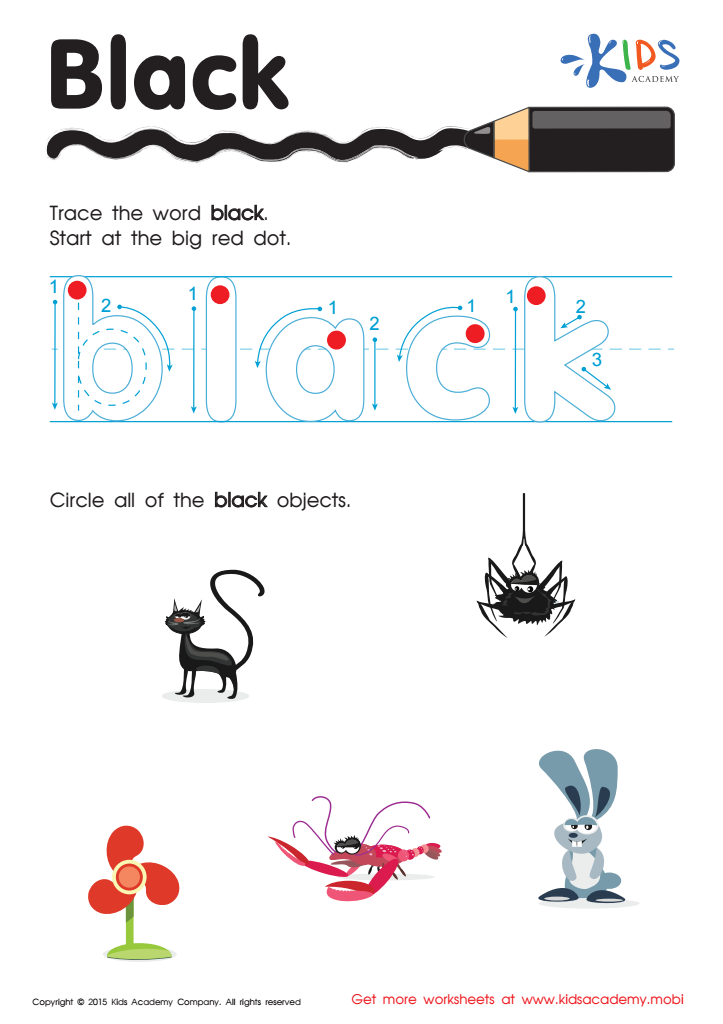
Black Tracing Color Words Printable
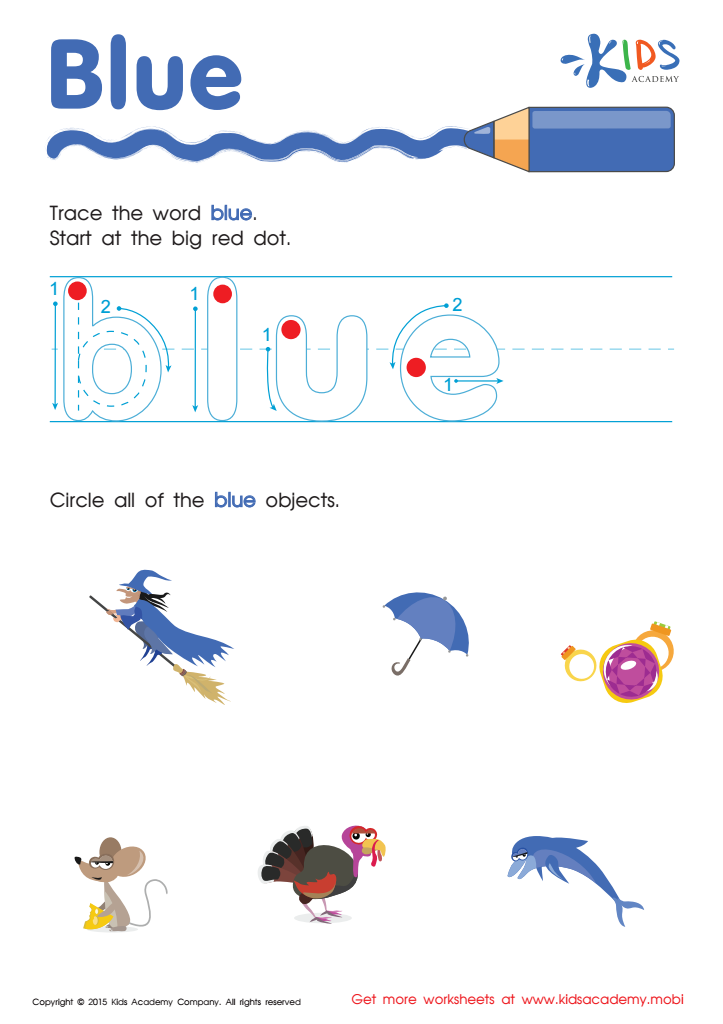
Blue Tracing Color Words Printable







.jpg)
Normal Tracing worksheets activities are highly beneficial for individuals of various ages, particularly young learners, due to their multifaceted approach to development in early education. These activities are designed to support and enhance fine motor skills, which are crucial for the daily tasks that require hand-eye coordination, such as writing, drawing, and cutting.
One of the primary advantages of Normal Tracing worksheets activities is their role in improving handwriting skills. By tracing over letters, numbers, and shapes, children gain a better understanding of their structures, which aids in memorization and ultimately leads to smoother and more accurate writing. The repetitive nature of tracing ensures that learners can gradually increase their confidence in writing, making the transition from tracing to independent writing much smoother.
Furthermore, these activities are instrumental in enhancing cognitive skills. As children focus on following patterns and lines, they develop concentration and attention to detail. This level of focus is beneficial not only in academic settings but also in everyday tasks and problem-solving situations. Moreover, the act of tracing can strengthen visual spatial skills, as learners must understand and process the orientation and relation of lines and shapes on the paper.
Normal Tracing worksheets activities also support the development of patience and discipline. The repetitive practice requires perseverance and dedication, qualities that are essential in all learning processes. Children learn the value of practice and hard work in achieving mastery over a skill, which is a lesson that extends beyond the classroom.
In addition, these worksheets can be a source of relaxation and therapeutic benefit. The focused activity can reduce anxiety and provide a sense of calm, making it an excellent tool for children who need a moment of quiet concentration.
In conclusion, Normal Tracing worksheets activities offer a comprehensive approach to development, from enhancing fine motor skills and handwriting to fostering cognitive abilities, patience, and even providing emotional benefits. Their versatility and effectiveness make them an invaluable resource in early education.








