Normal Tracing Numbers worksheets activities for 9-Year-Olds
7 filtered results
-
From - To
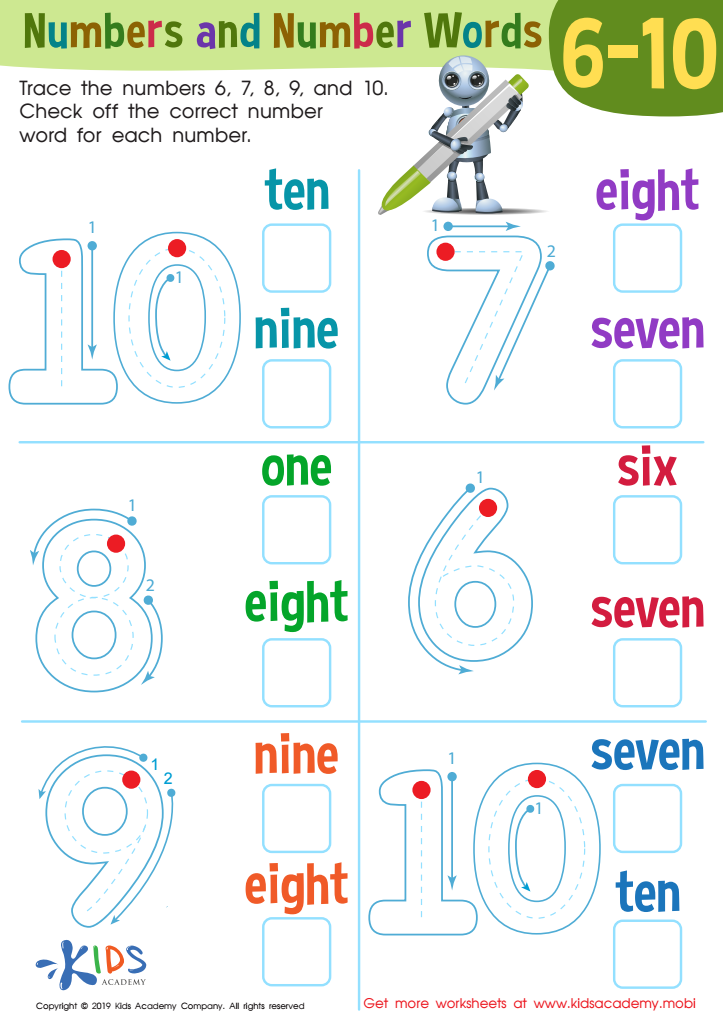
Numbers and Number Words 6–1 Worksheet
 Assign to My Students
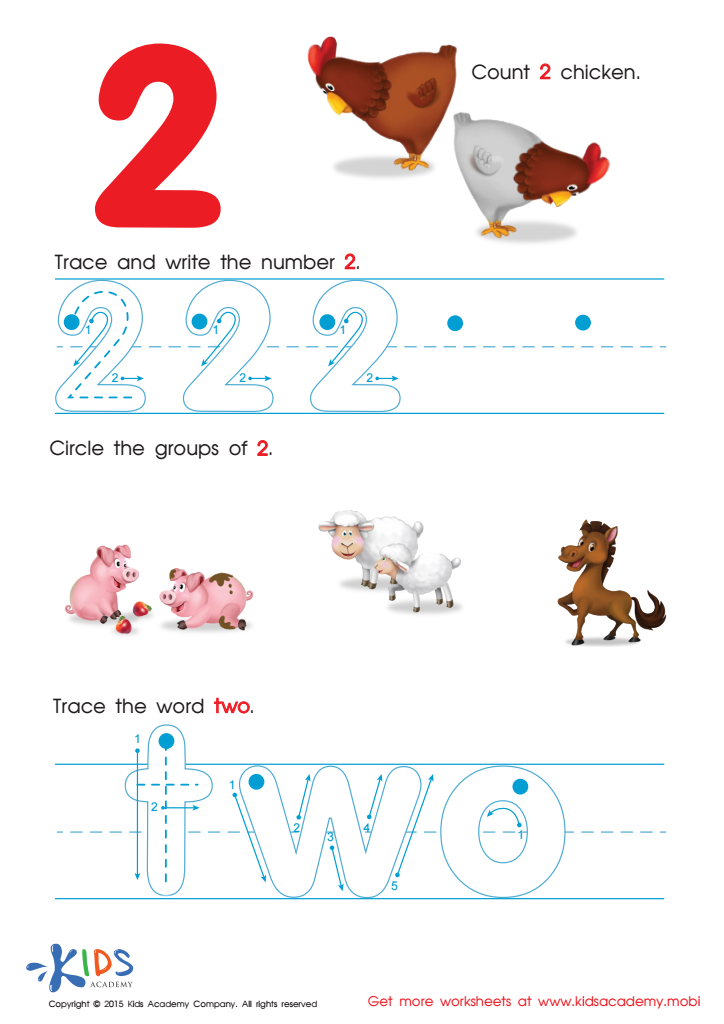
Learn to Write the Number 2 Worksheet
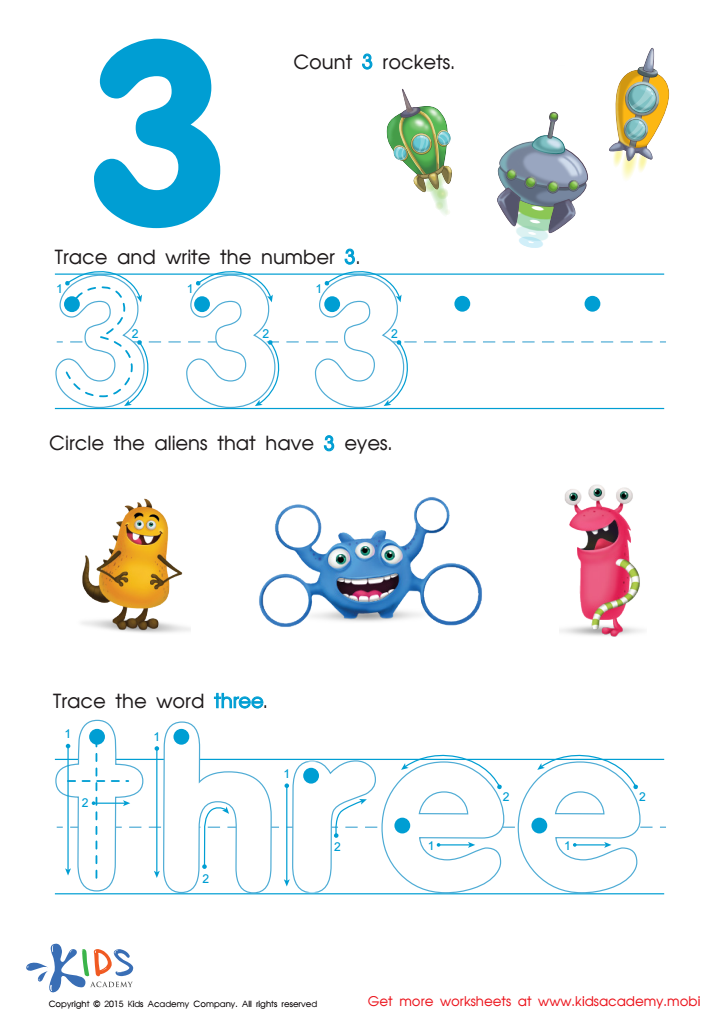
Learning Number Three Worksheet
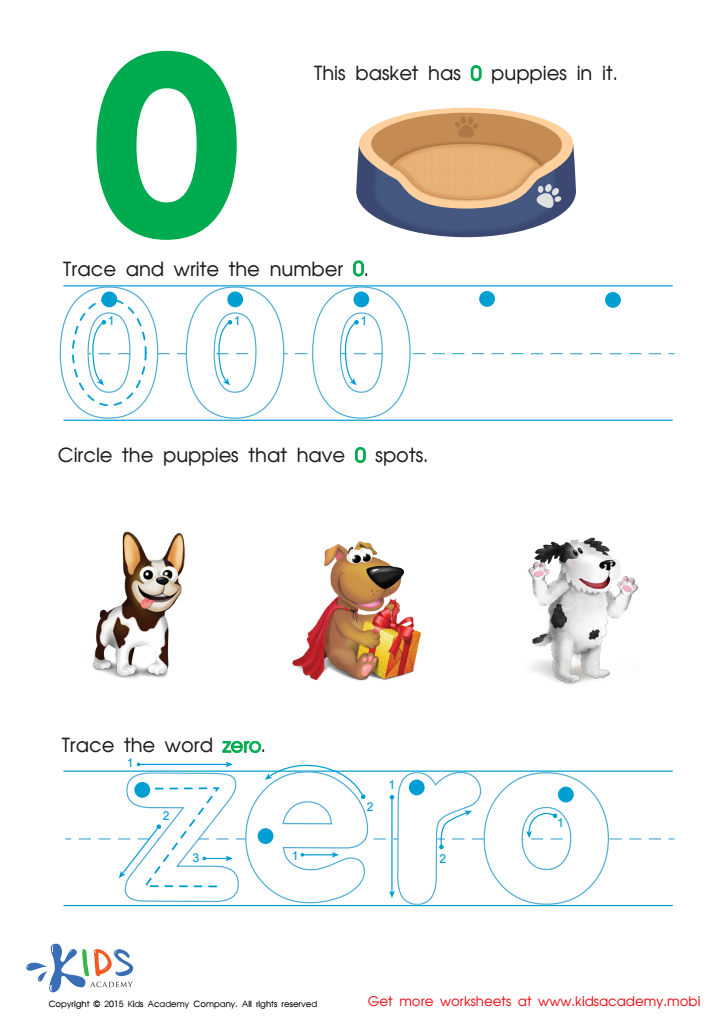
Trace And Write Number 0 Worksheet
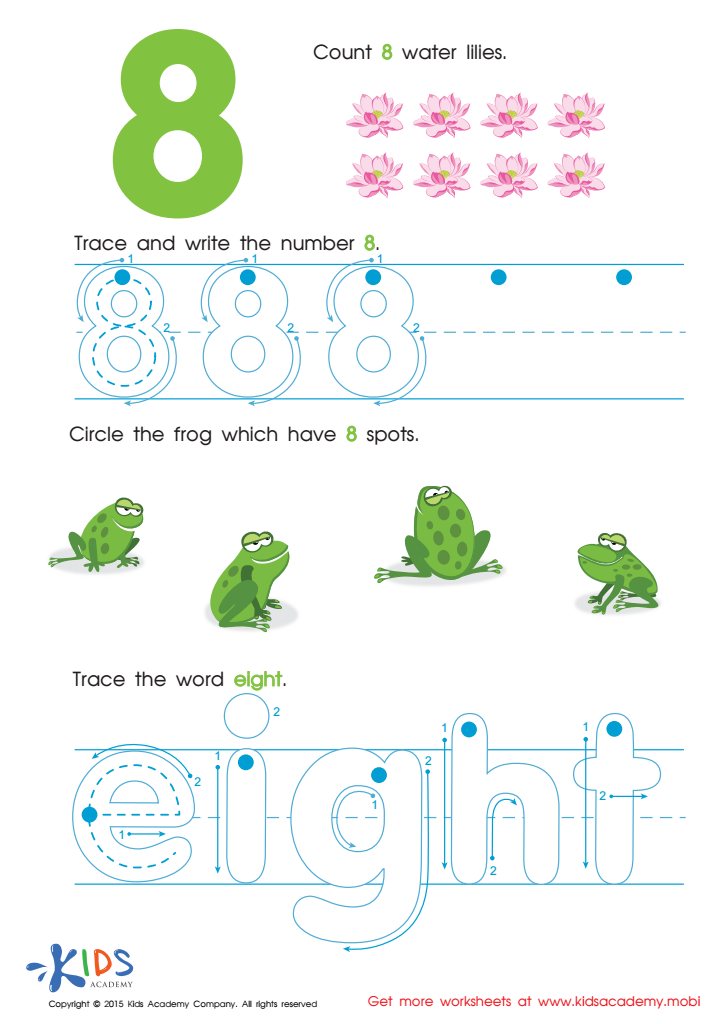
Learn Number 8 Easily Worksheet
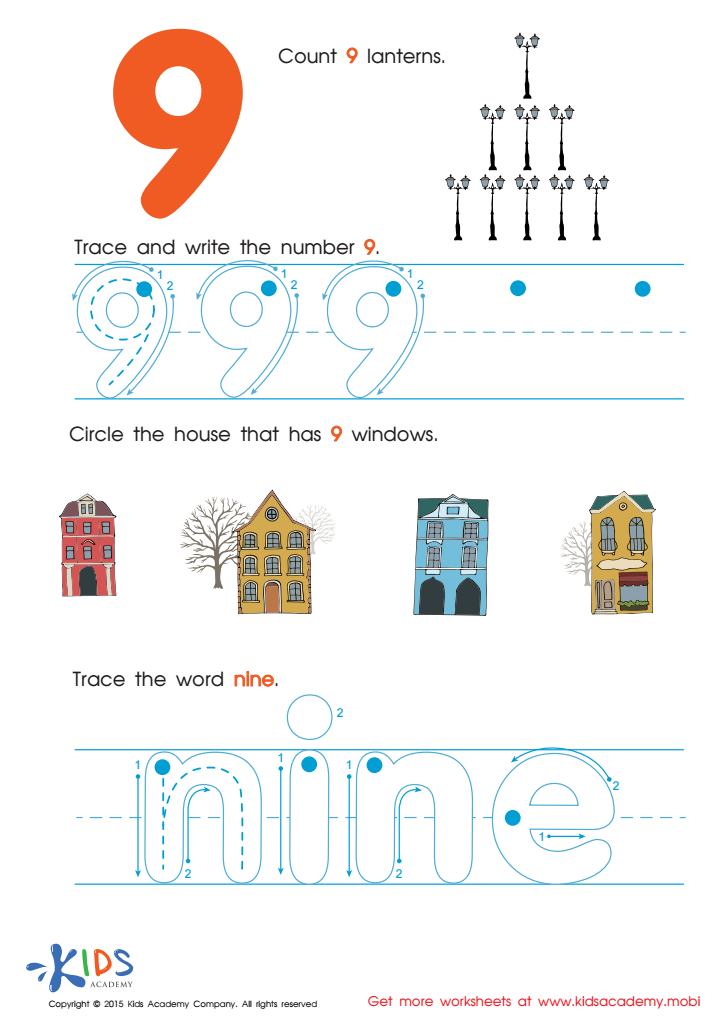
Tracing And Learning to Write Number 9 Worksheet
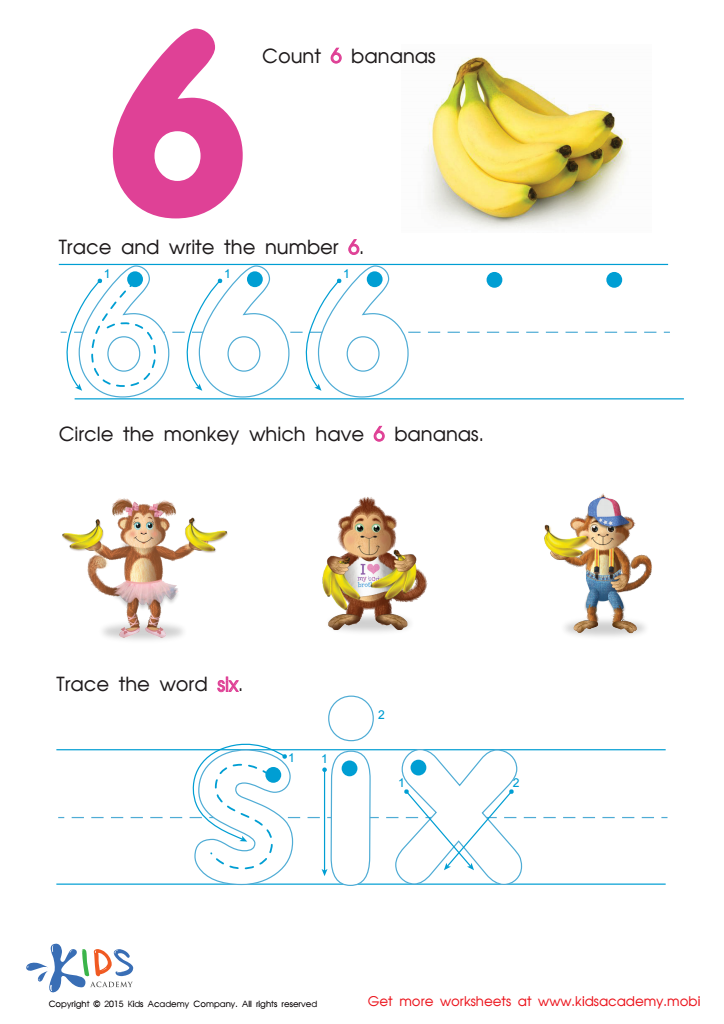
Tracing And Writing Number 6 Worksheet








Normal Tracing Numbers worksheets activities serve an essential role in early childhood education, offering numerous benefits for young learners. These structured exercises not only introduce children to the basics of numbers but also enhance their fine motor skills, cognitive development, and understanding of mathematical concepts.
Firstly, Normal Tracing Numbers worksheets activities are instrumental in improving hand-eye coordination. When children trace numbers, they learn to control their hand movements, which is crucial for writing and other daily tasks. This precise control lays the foundation for improved handwriting and the ability to perform tasks that require fine motor skills, such as tying shoelaces or using scissors.
Furthermore, these activities promote cognitive development. As children engage with Normal Tracing Numbers worksheets, they begin to recognize and differentiate between numbers, understanding their sequence and the concept of quantity. This early exposure to numbers prepares them for more complex mathematical operations and reasoning in the future.
In addition to cognitive benefits, Normal Tracing Numbers worksheets activities foster patience and concentration. Completing a worksheet requires focus and perseverance, qualities that are vital for academic success and problem-solving in everyday life. Through repeated practice, children learn to approach tasks with diligence and attention to detail.
Moreover, these activities offer a supportive environment for learning at one's own pace. They can be easily adapted to suit different learning styles and abilities, making them an inclusive tool for teaching numbers. Whether in a classroom setting or at home, Normal Tracing Numbers worksheets provide a stress-free way for children to explore numerical concepts, enhancing their confidence and interest in mathematics.
In summary, Normal Tracing Numbers worksheets activities are a valuable resource in early education. They not only help children master the basics of numbers but also support their overall development, preparing them for more complex learning experiences ahead.








