Alphabet Worksheets for Ages 3-6 - Page 12
290 filtered results
-
From - To
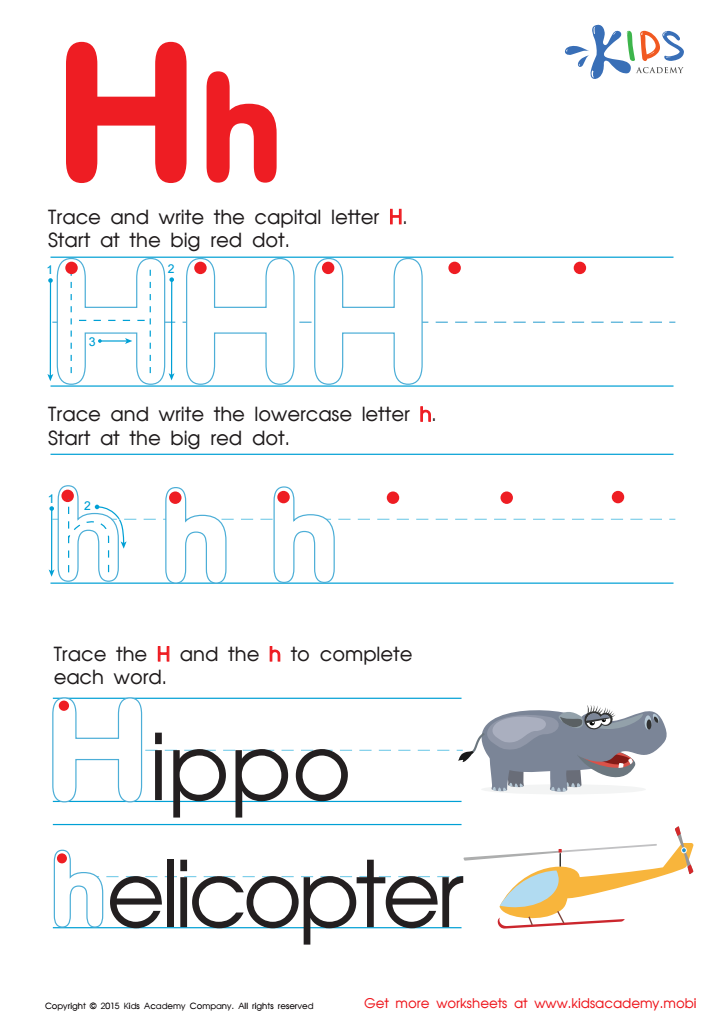
Letter H Tracing Page
 Assign to My Students
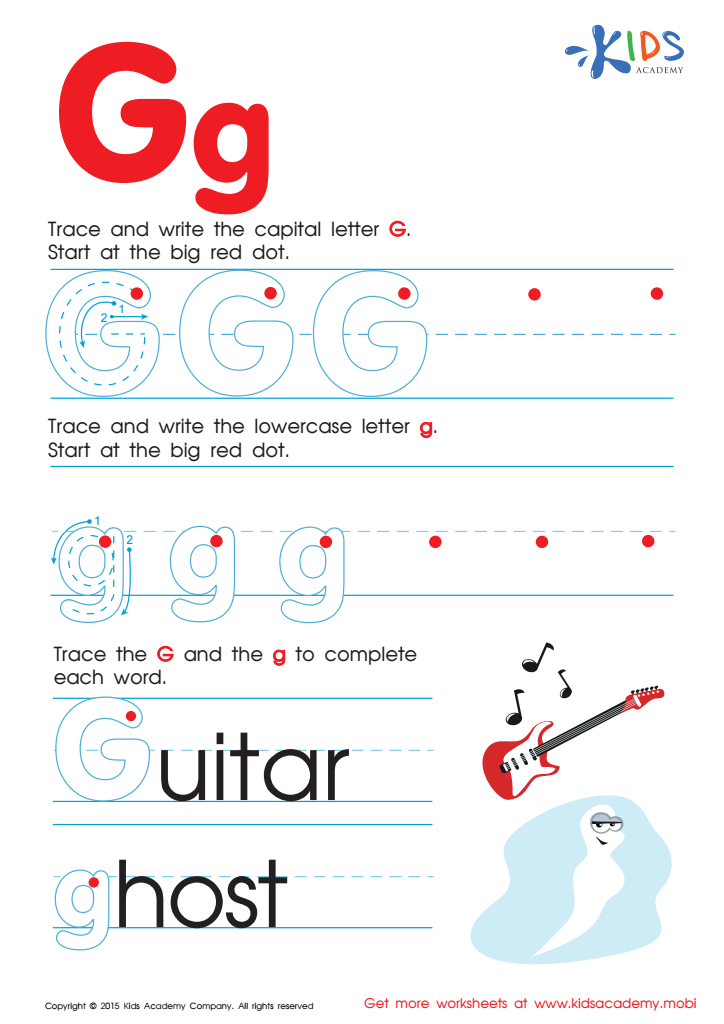
Letter G Tracing Page
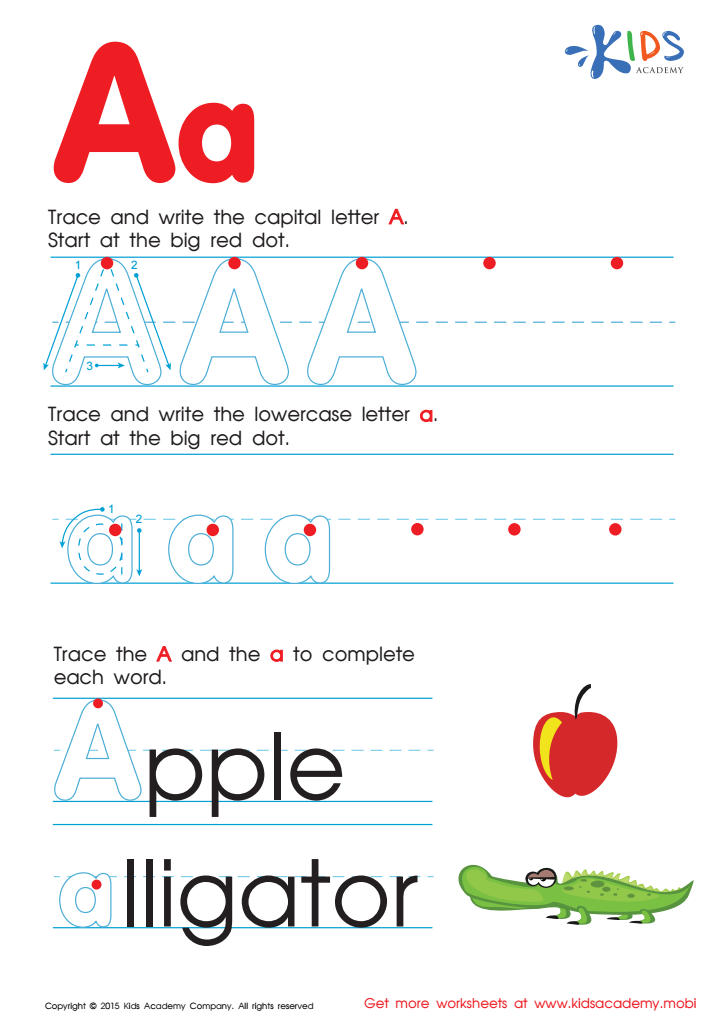
Letter A Tracing Page
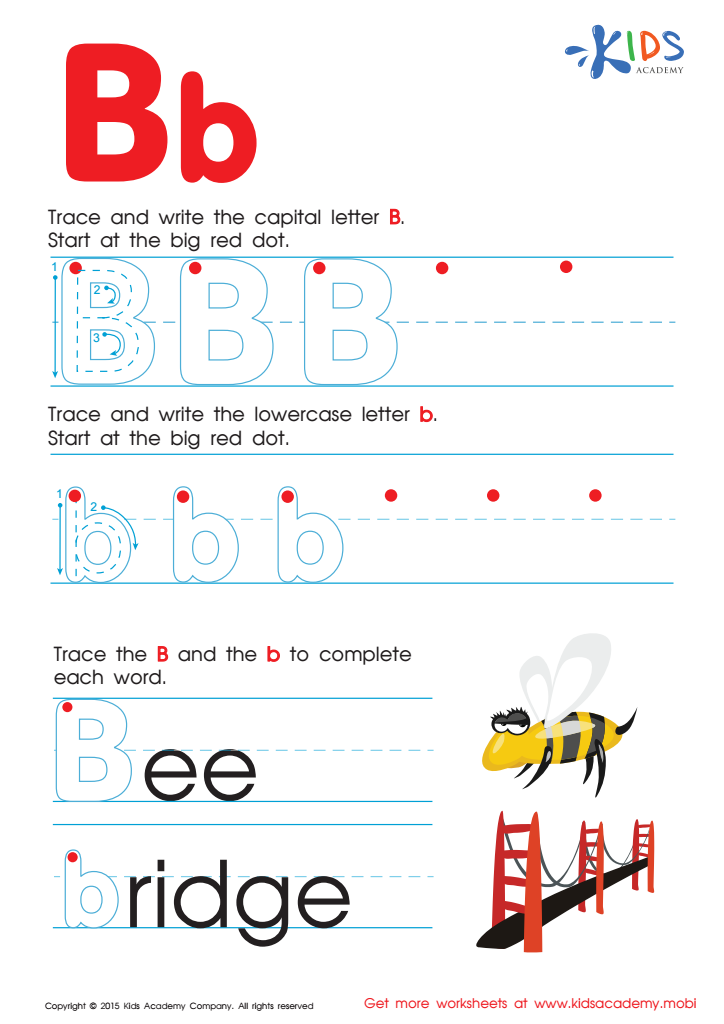
Letter B Tracing Page
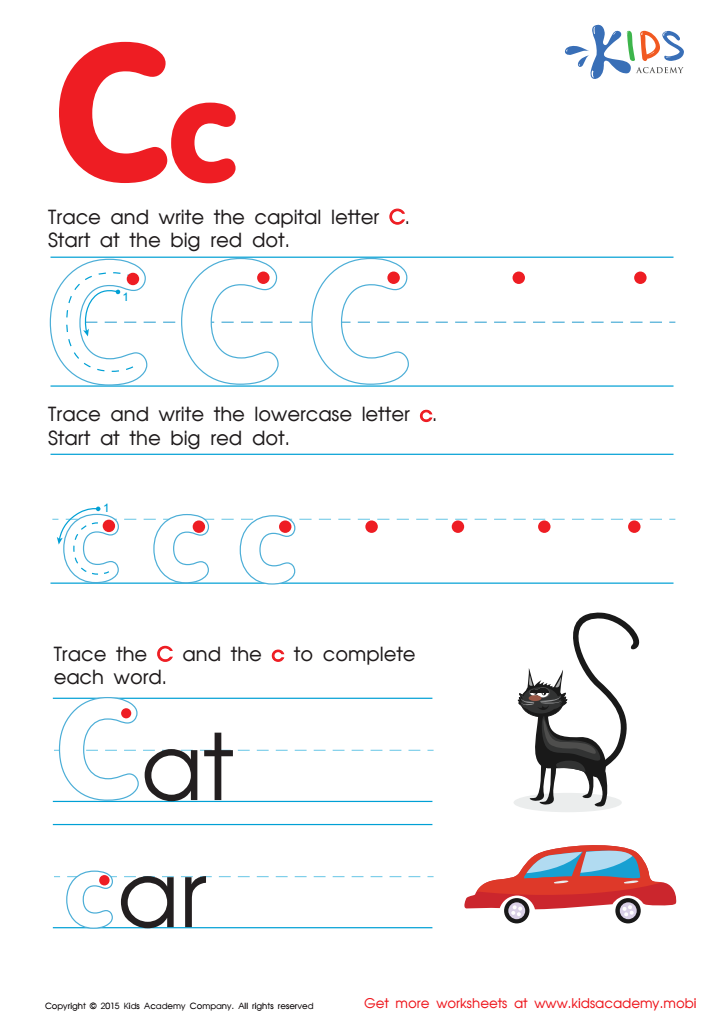
Letter C Tracing Page
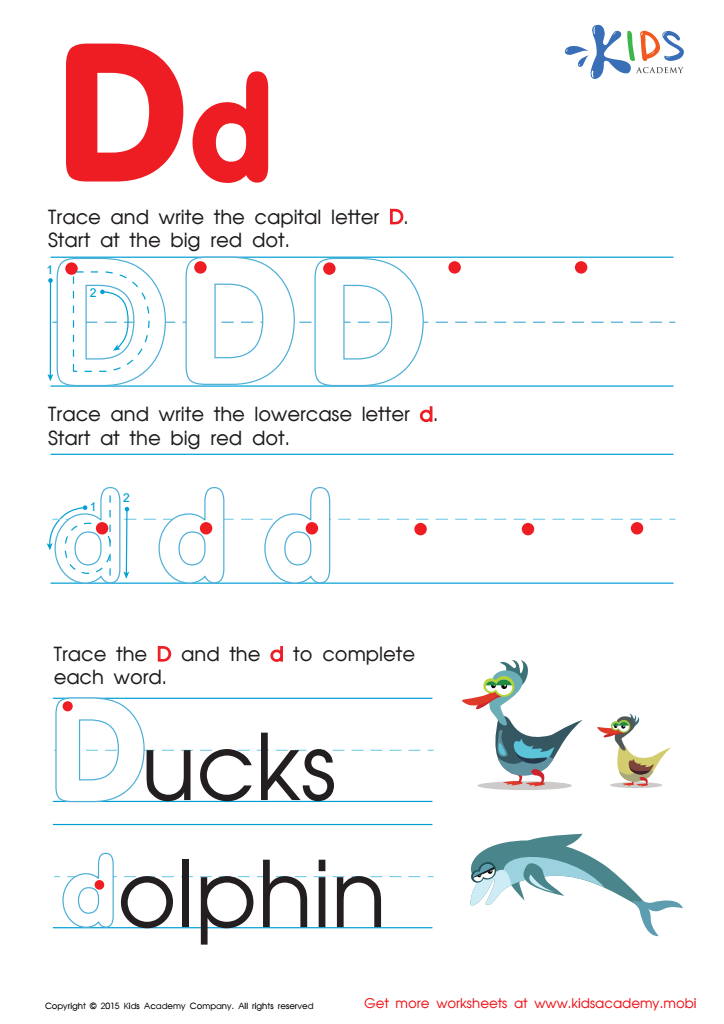
Letter D Tracing Page
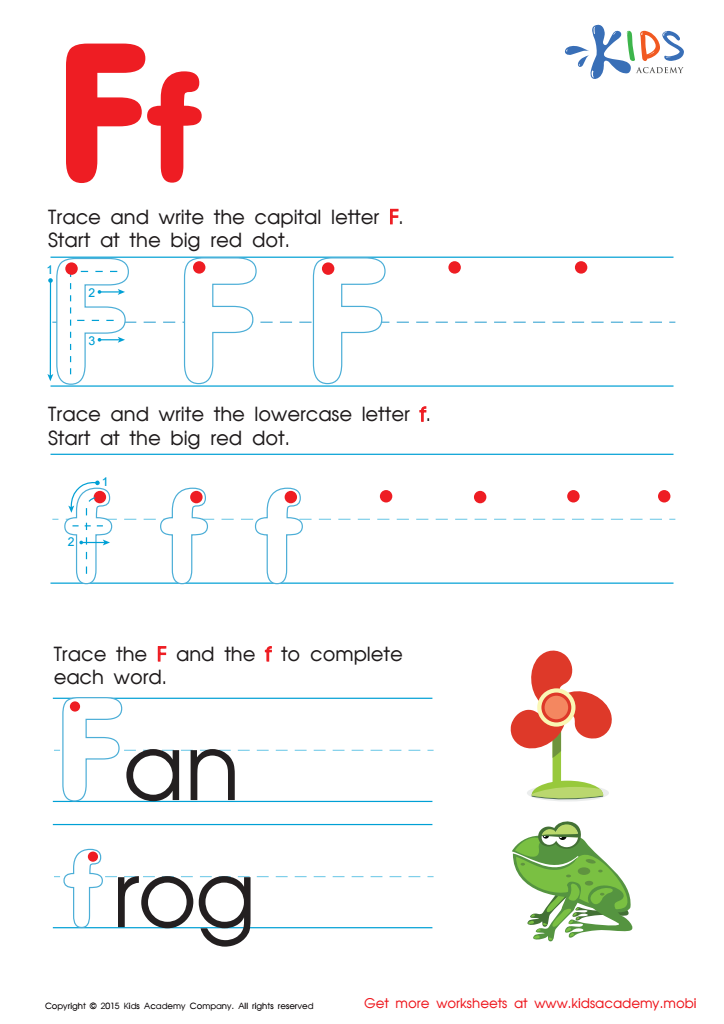
Letter F Tracing Page
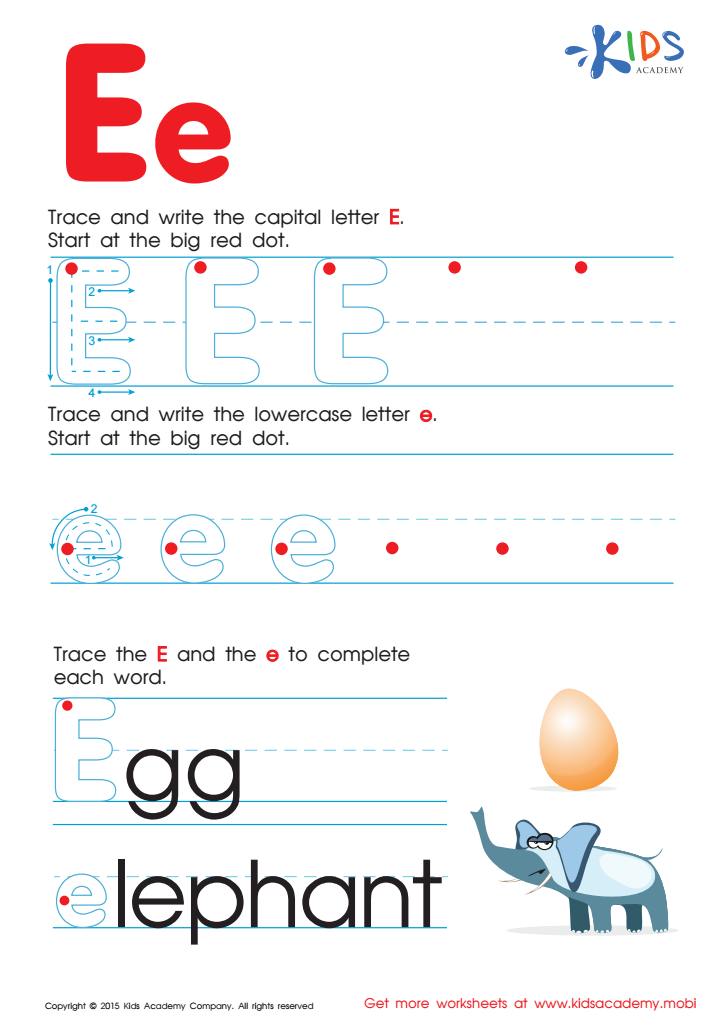
Letter E Tracing Page
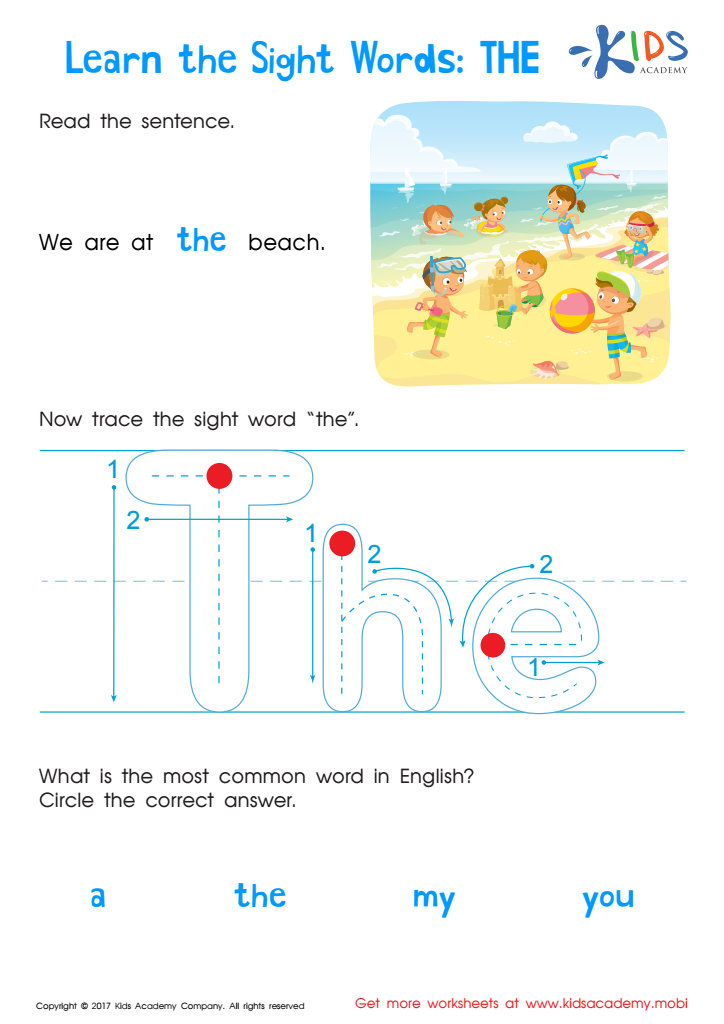
Sight Words: The Worksheet
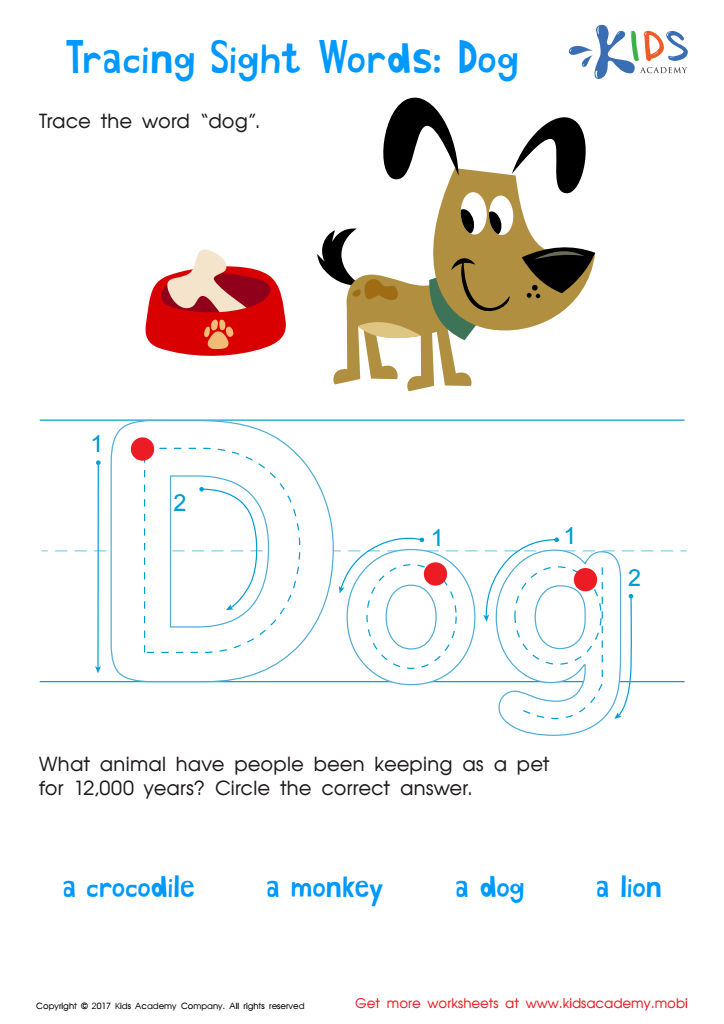
Dog Worksheet Sight Words Worksheet
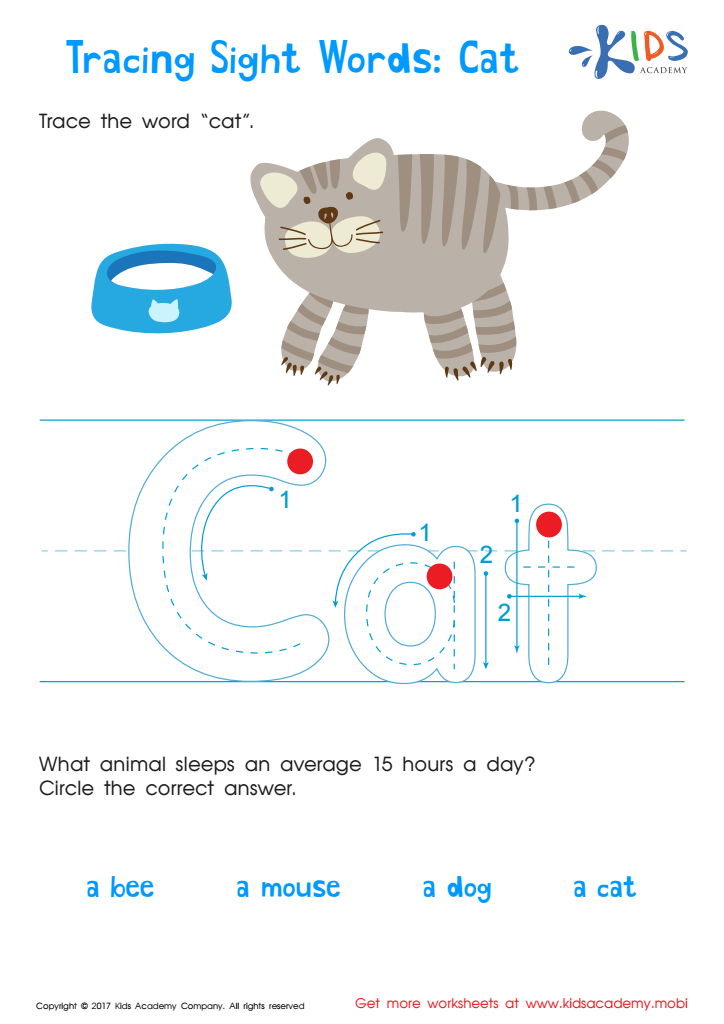
Cat Printable Sight Words Worksheet
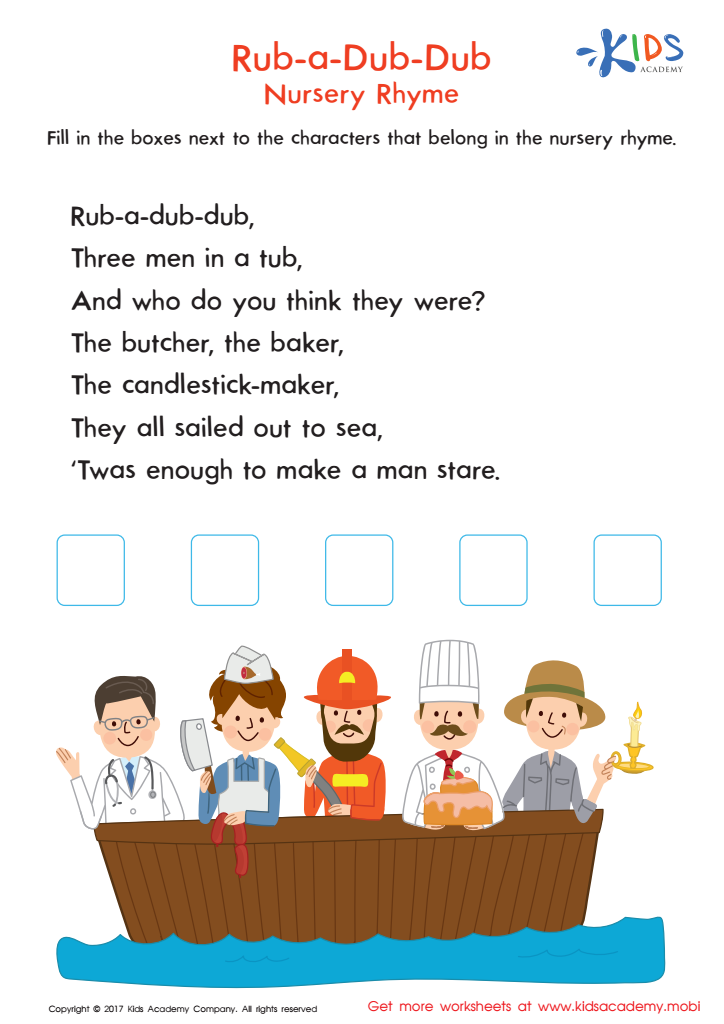
Rub a Dub Dub Printable
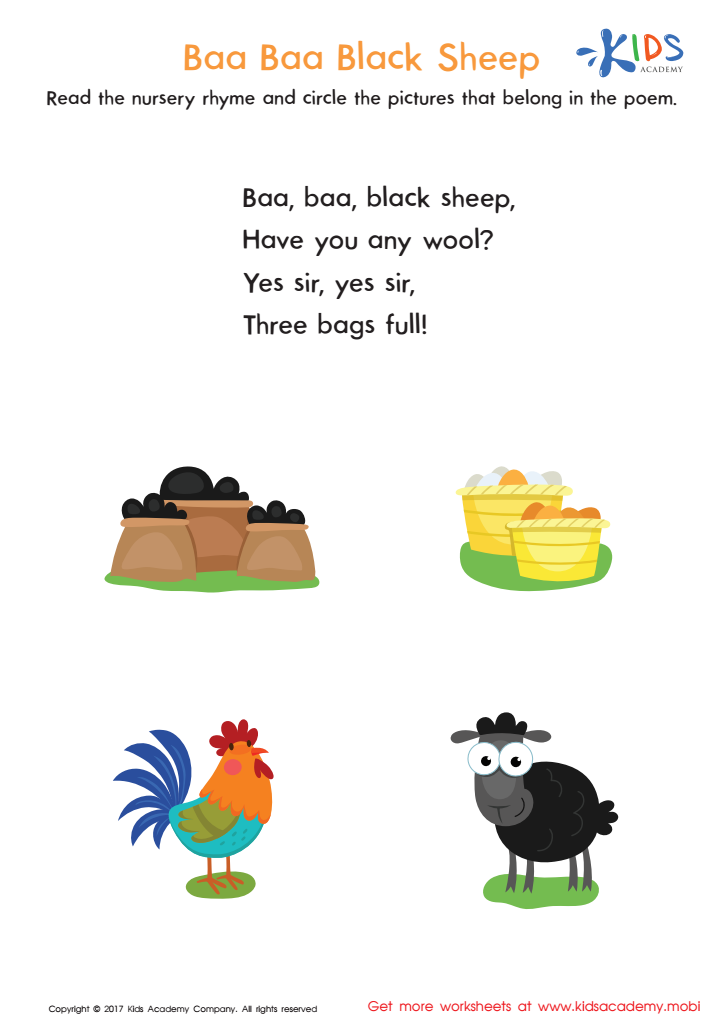
Baa Baa Black Sheep Printable
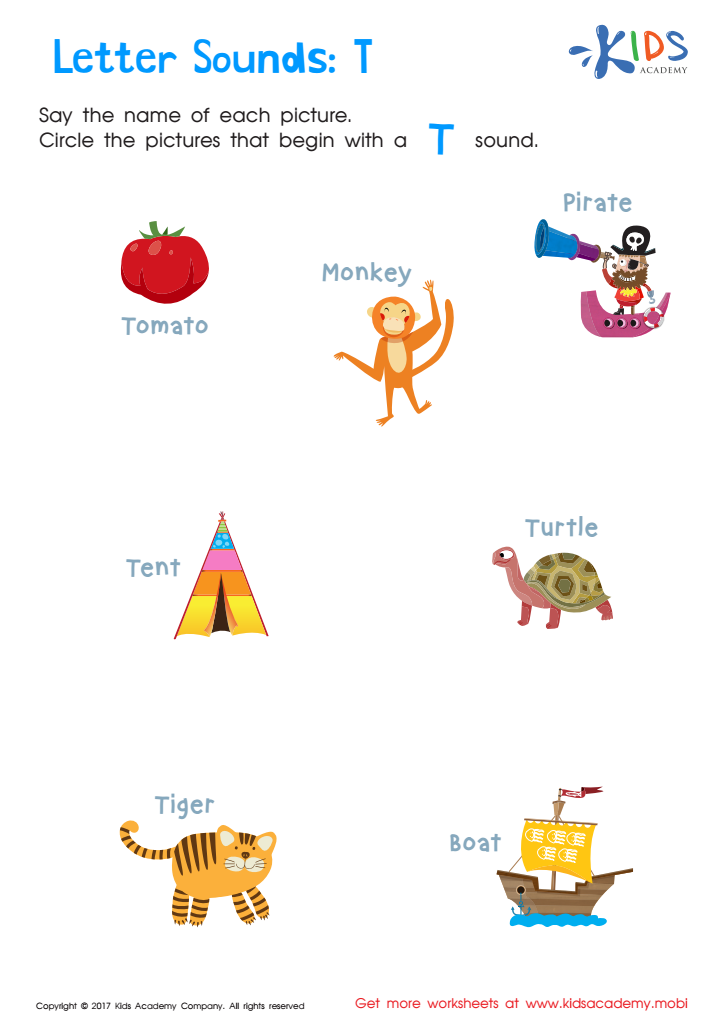
Letter T Sounds Worksheet
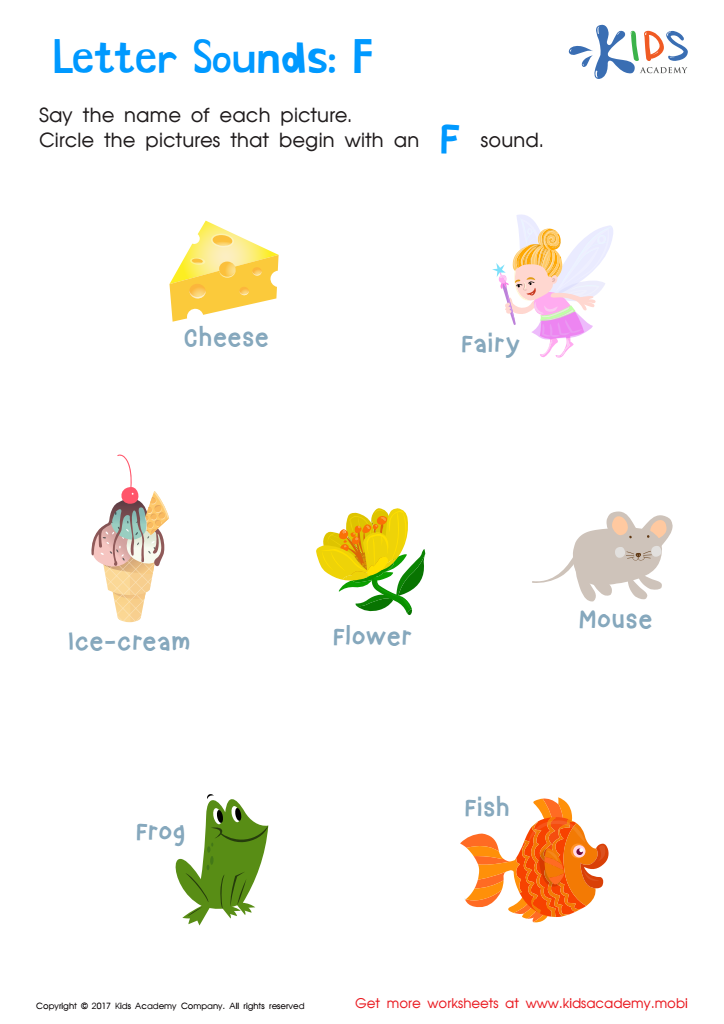
Letter F Sounds Worksheet
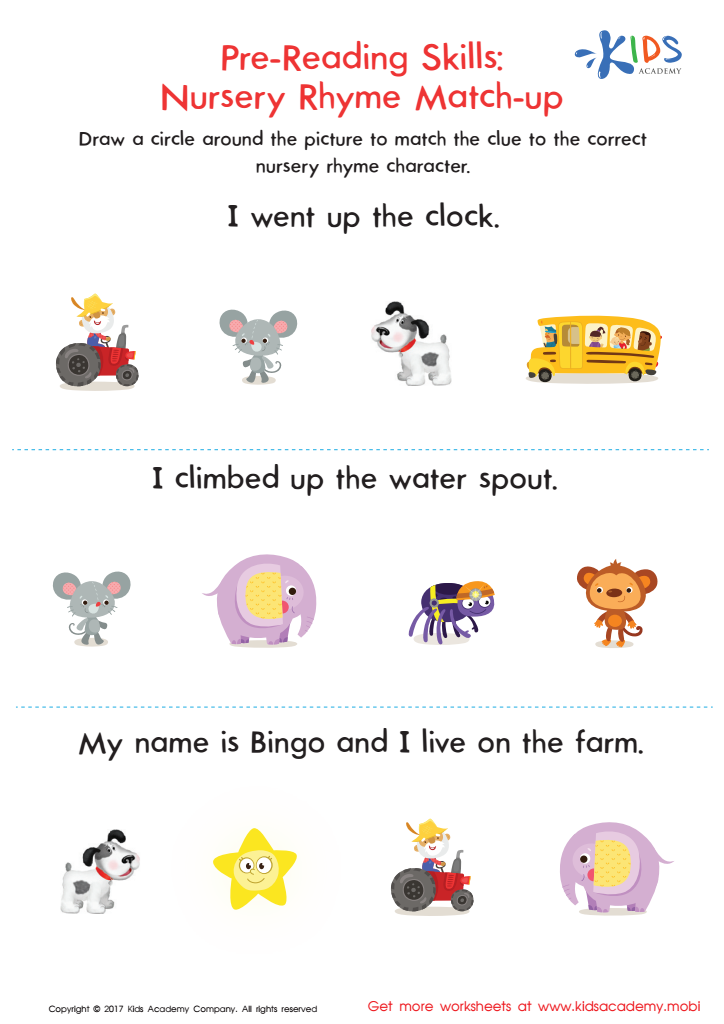
Nursery Rhyme Match–Up Worksheet
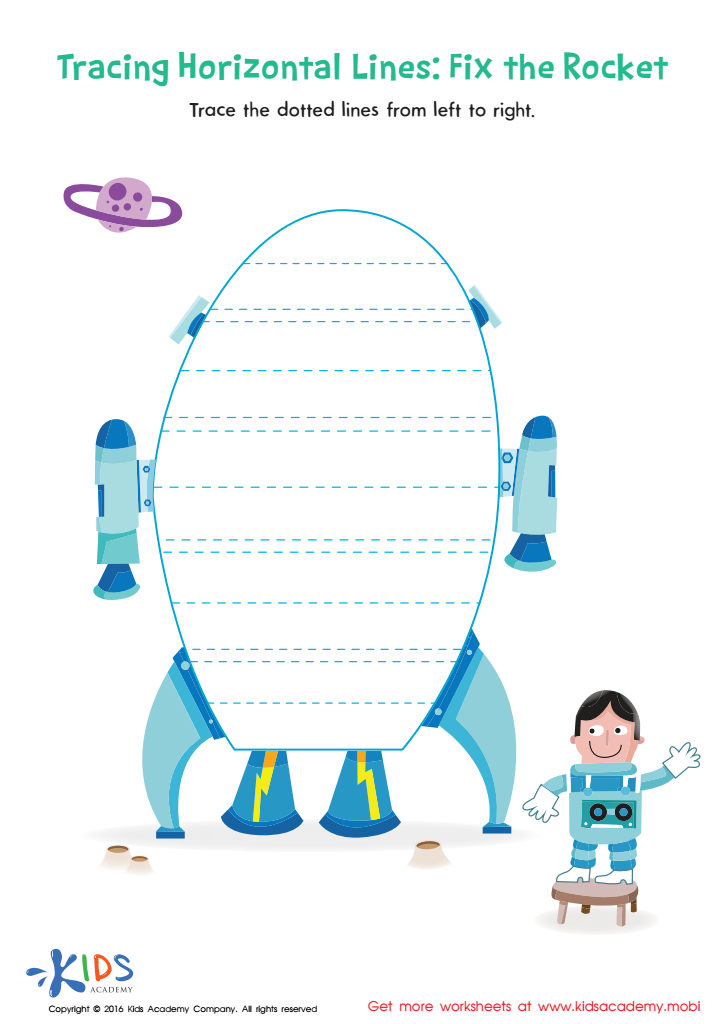
Tracing Horizontal Lines Worksheet
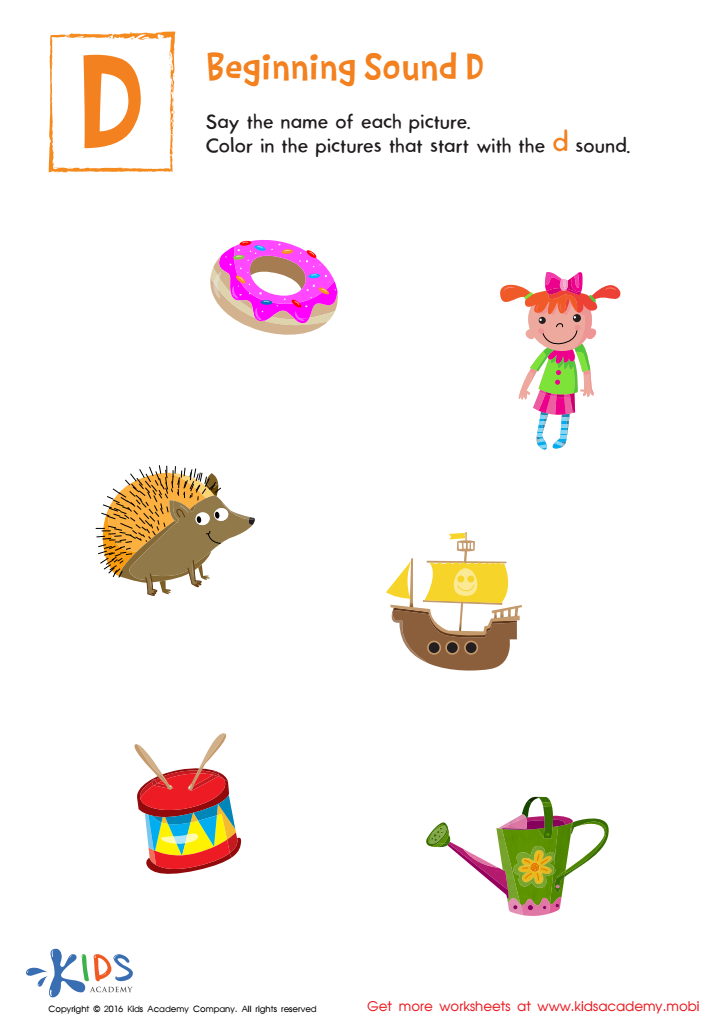
Beginning Sound D Worksheet
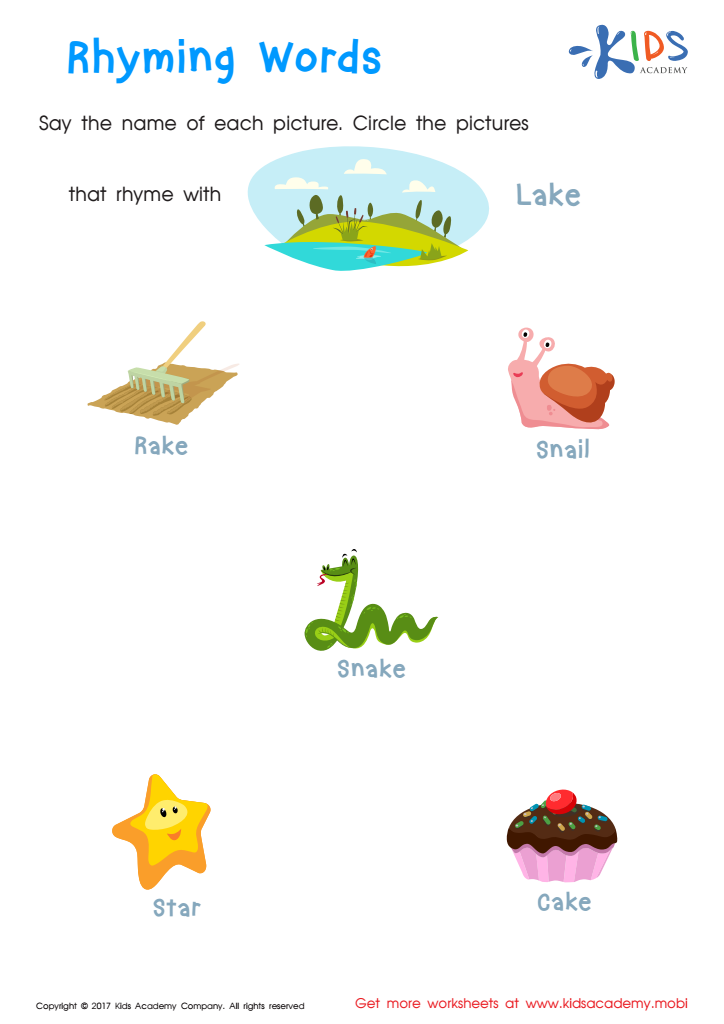
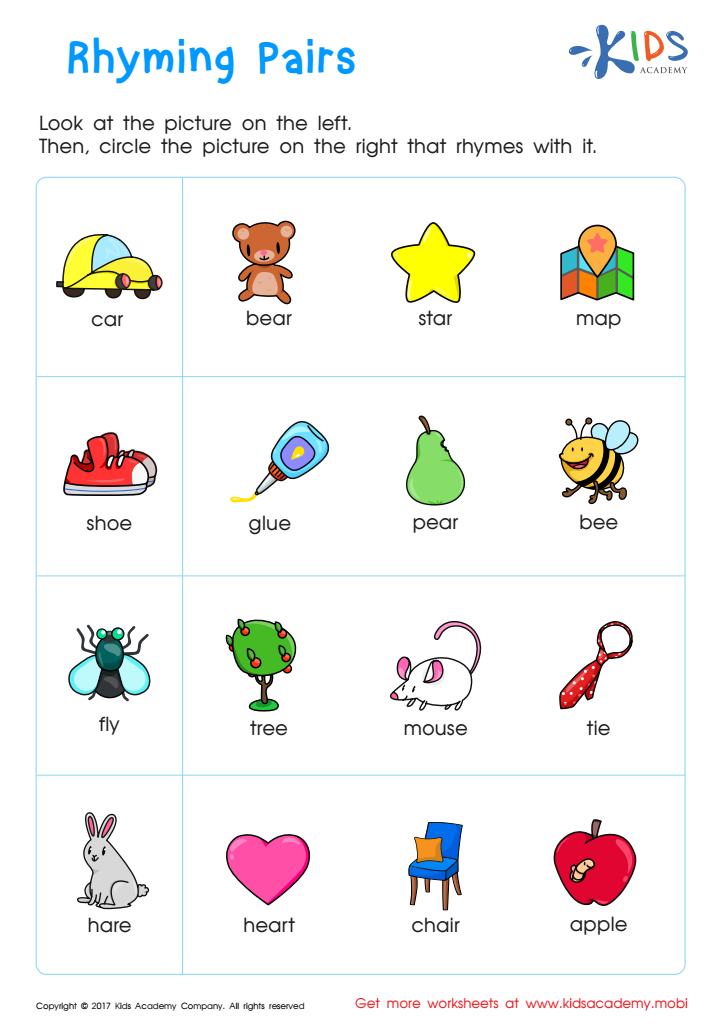
Rhyming Words Rhyming Worksheet
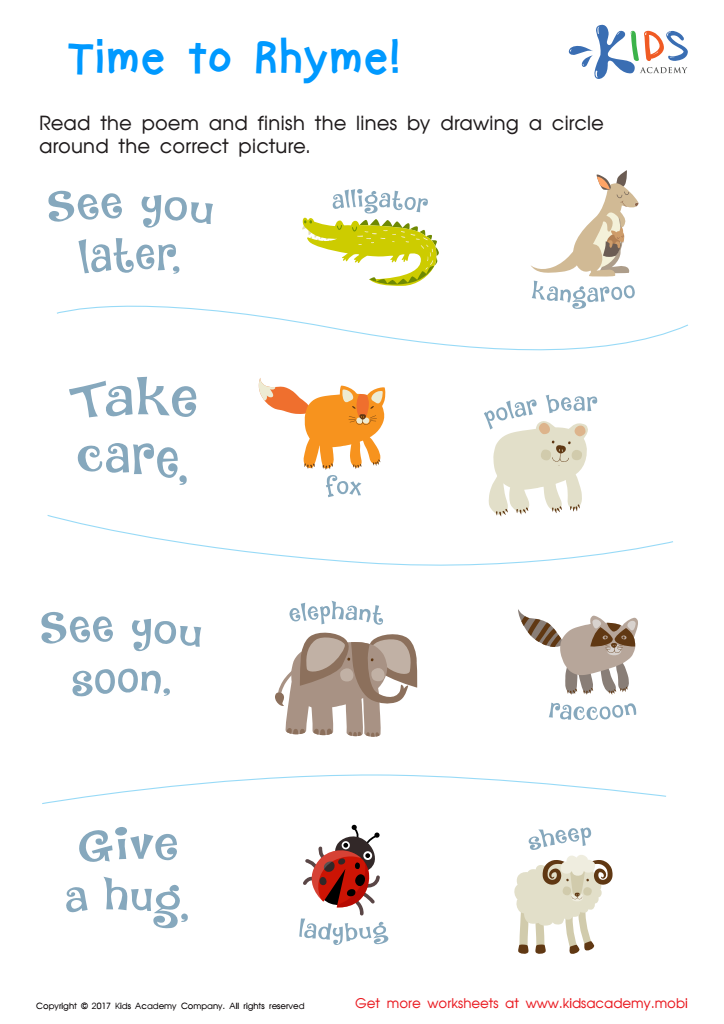
Time to Rhyme Rhyming Worksheet
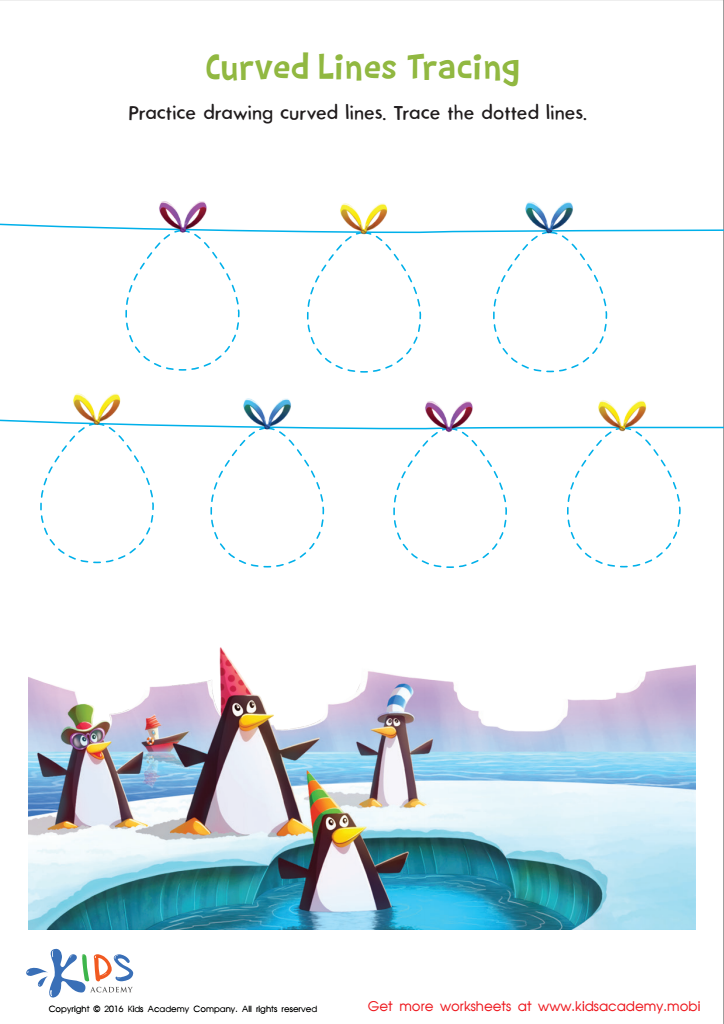
Curved Lines Tracing Worksheet
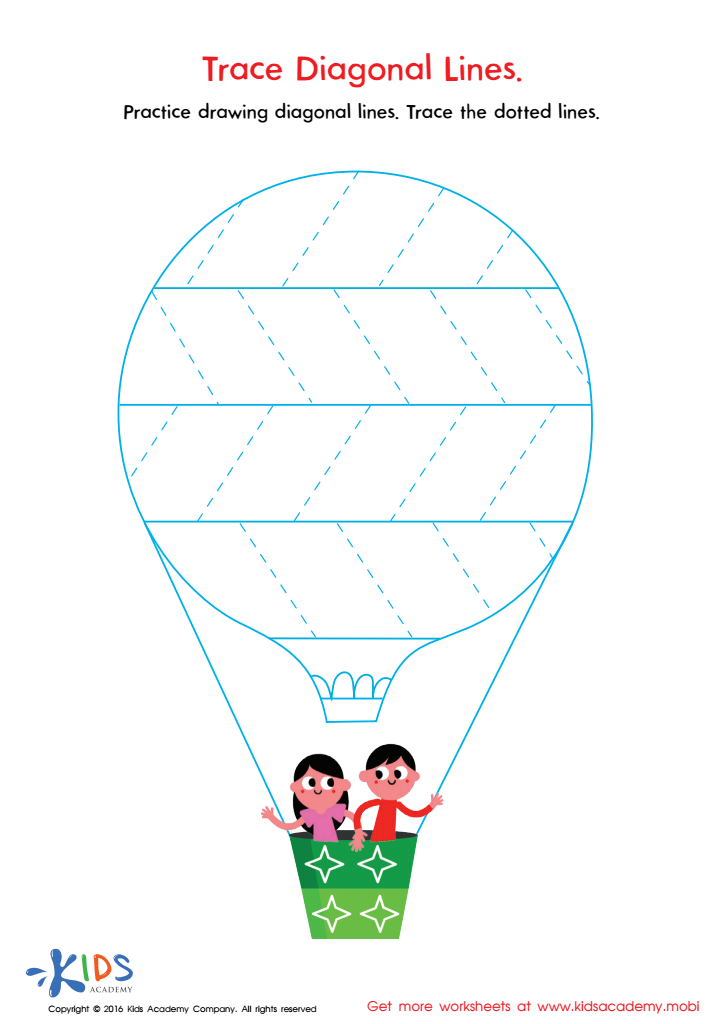
Trace Diagonal Lines Worksheet
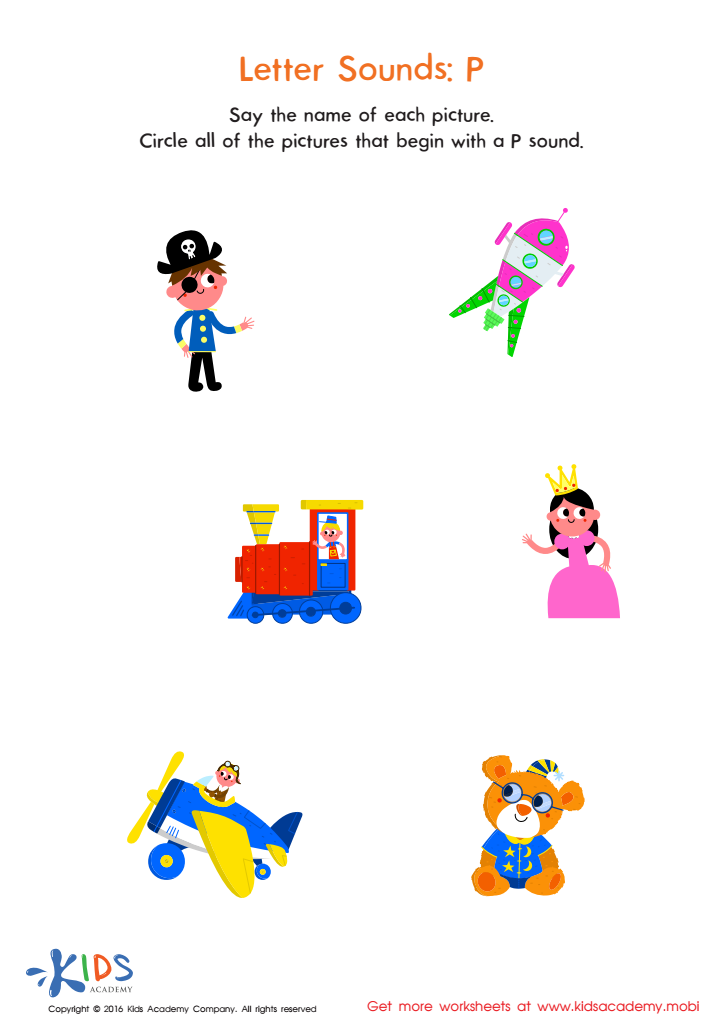
Letter P Sound Worksheet







Parents and teachers should prioritize alphabet learning for children aged 3-6 because it's foundational for literacy and overall cognitive development. At this stage, children's brains are highly receptive to new information, making it an ideal time to introduce the alphabet. Understanding letters and their sounds forms the bedrock for reading, writing, and communication skills.
Moreover, early familiarity with the alphabet fosters a love for reading, which is crucial for academic success. Children who recognize letters and associate them with sounds are more likely to enjoy books and develop critical thinking skills. This engagement also promotes social skills, as young learners often interact with peers during reading activities.
Additionally, alphabet learning aids in language development. As children practice letter recognition and sound association, they enhance vocabulary acquisition and improve their ability to articulate thoughts.
Furthermore, incorporating alphabet education into interactive and playful activities—such as songs, games, and crafts—can boost motivation and retention. When caregivers show enthusiasm for alphabet learning, it instills a positive attitude towards education in children. Thus, prioritizing alphabet exposure for ages 3-6 not only cultivates essential skills but also nurtures a lifelong appreciation for learning.







