Measurement Worksheets for Ages 3-7 - Page 4
103 filtered results
-
From - To
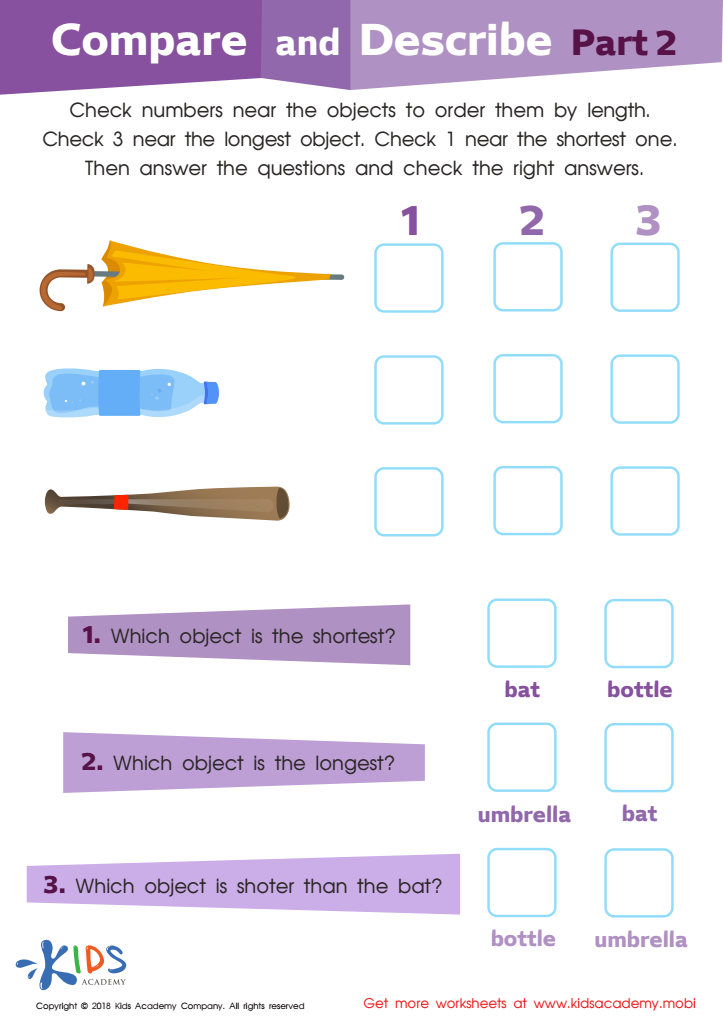
Compare and Describe: Part 2 Worksheet
 Assign to My Students
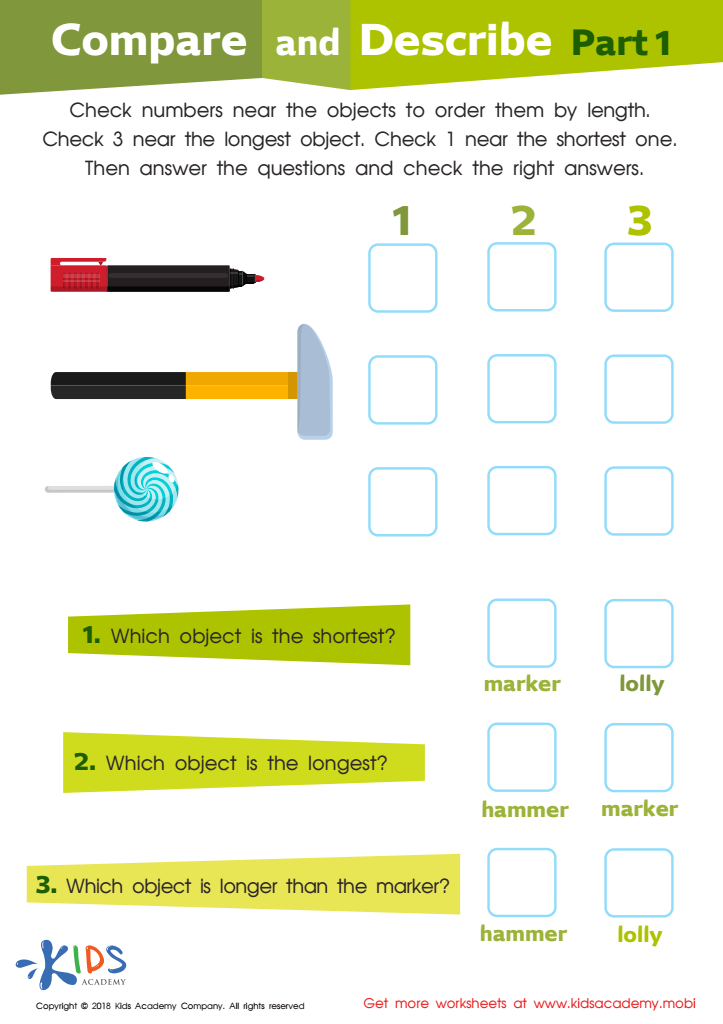
Compare and Describe: Part 1 Worksheet
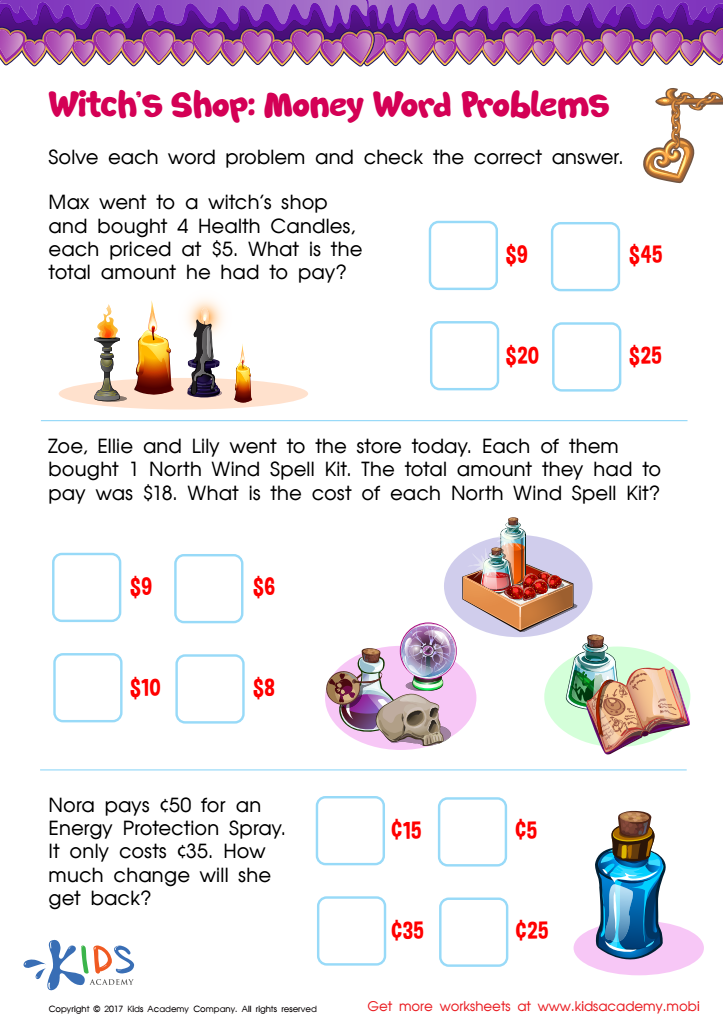
Money Word Problems Printable
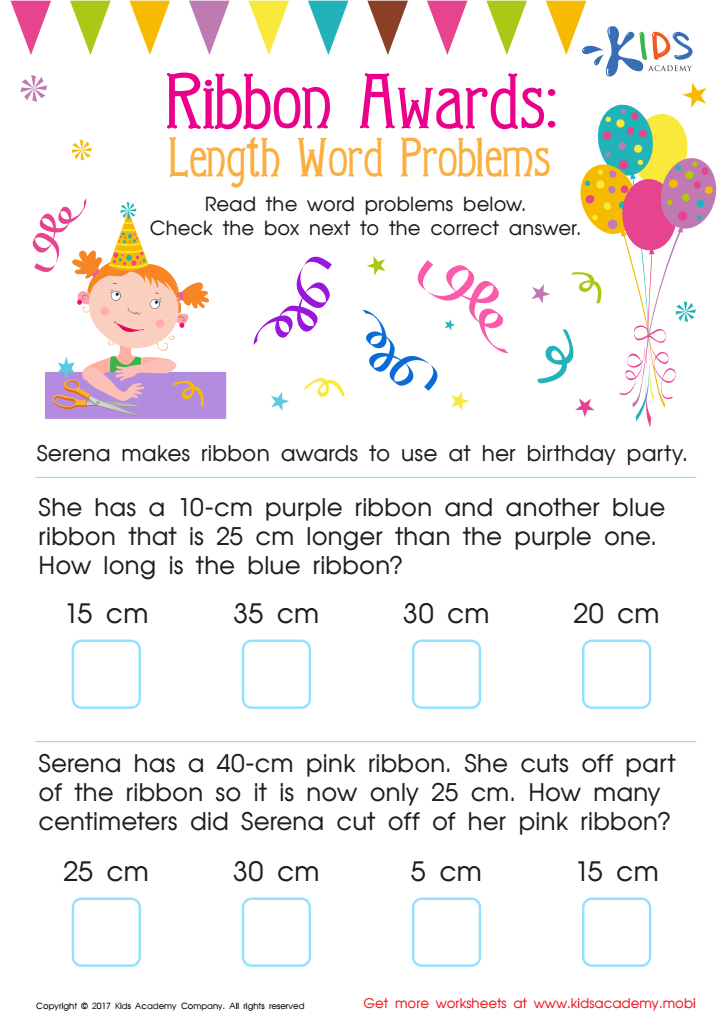
Length Word Problems Worksheet
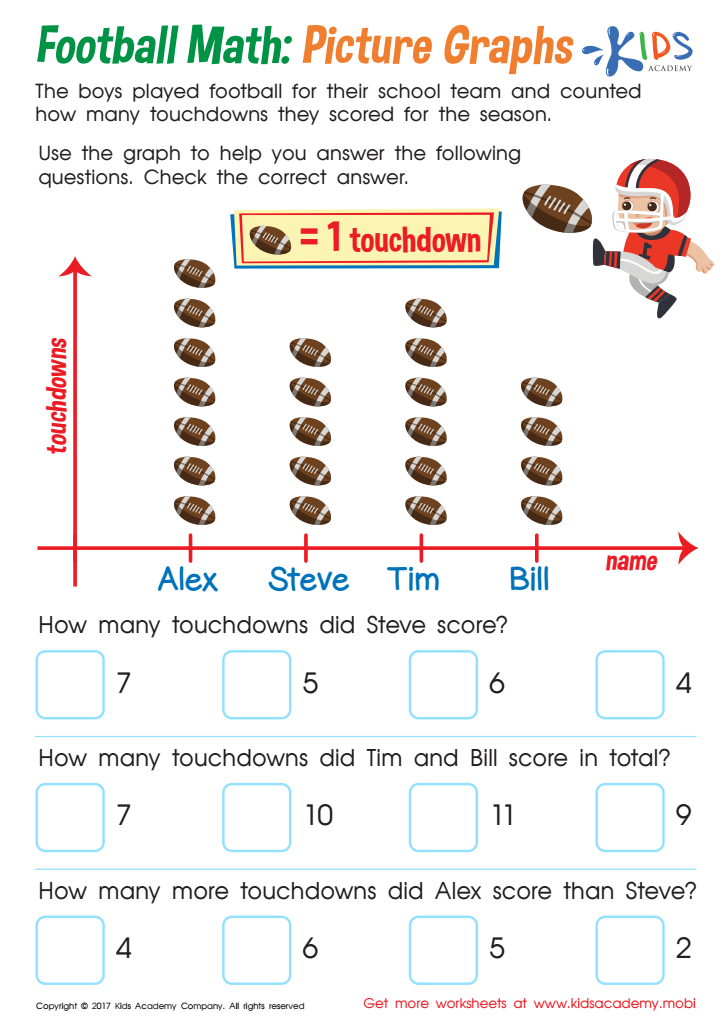
Football Math Worksheet
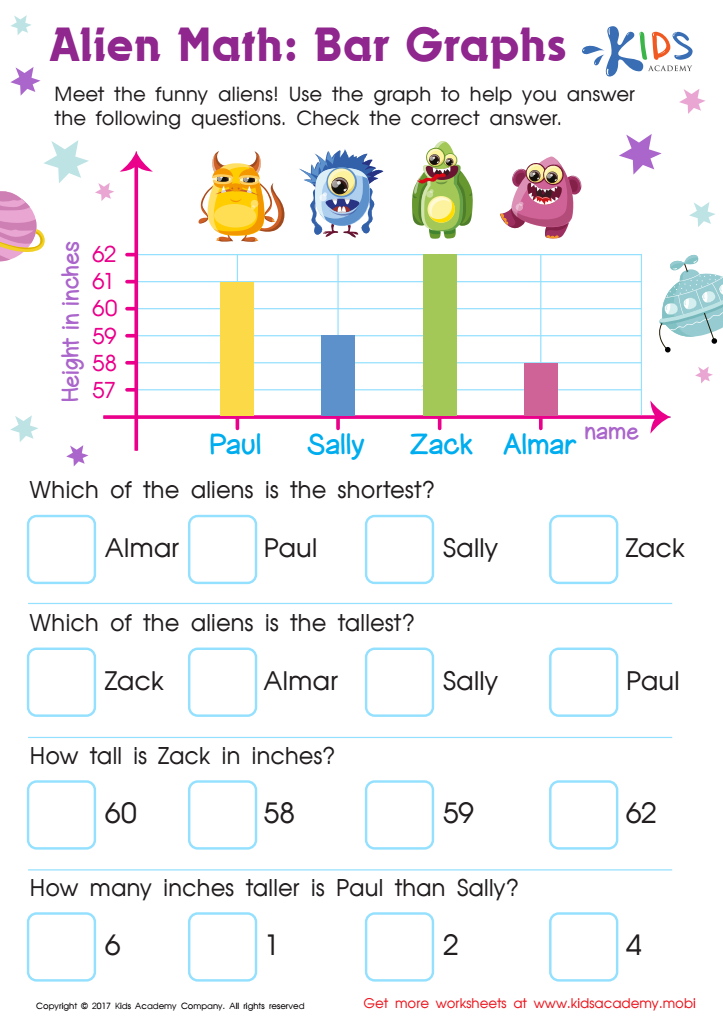
Bar Graphs Worksheet
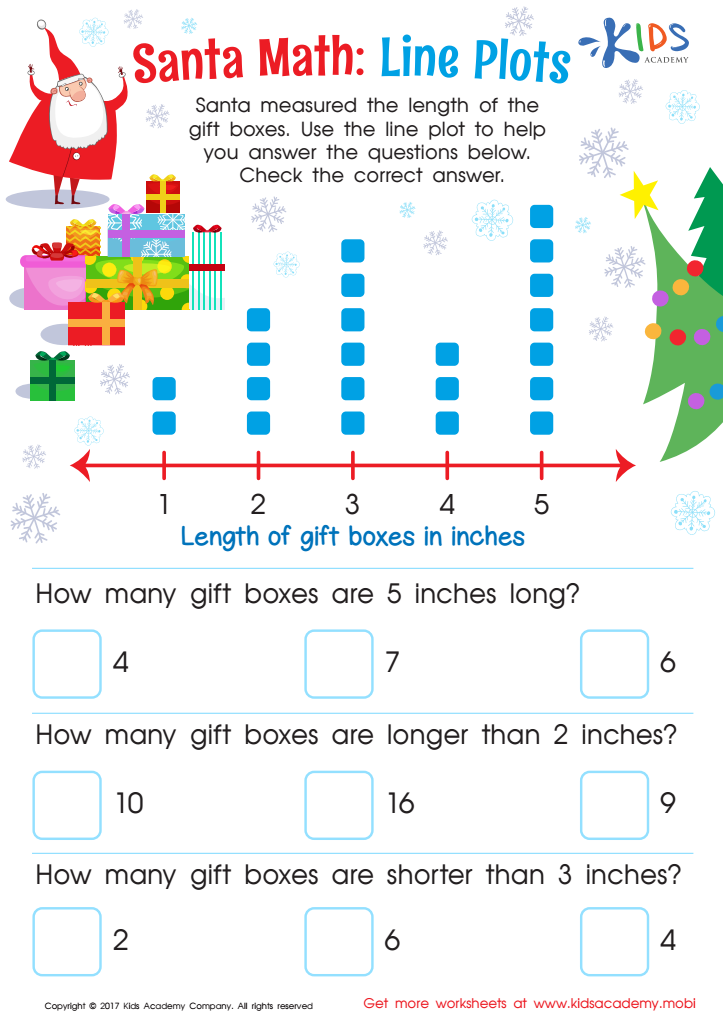
Line Plot Worksheet
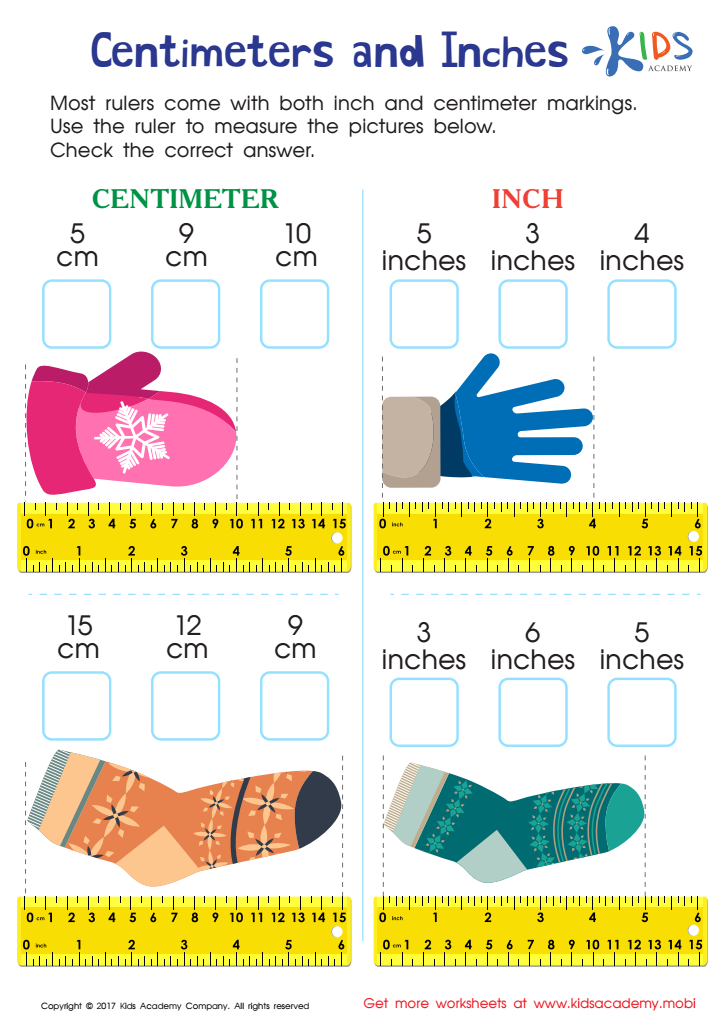
Centimeters and Inches Worksheet
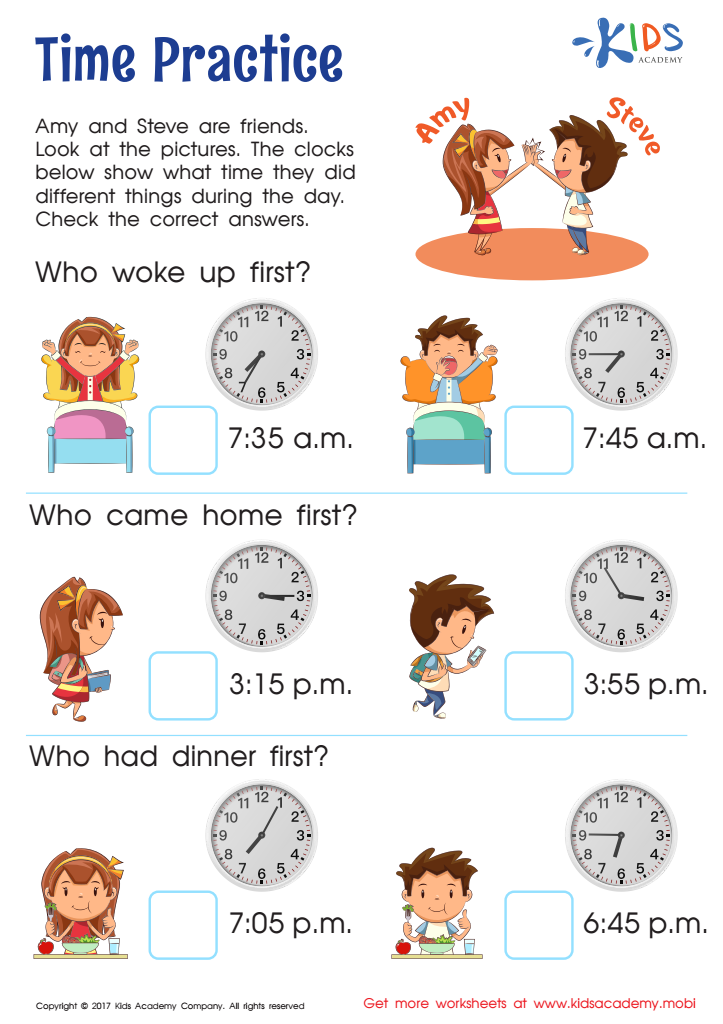
Time Practice Worksheet
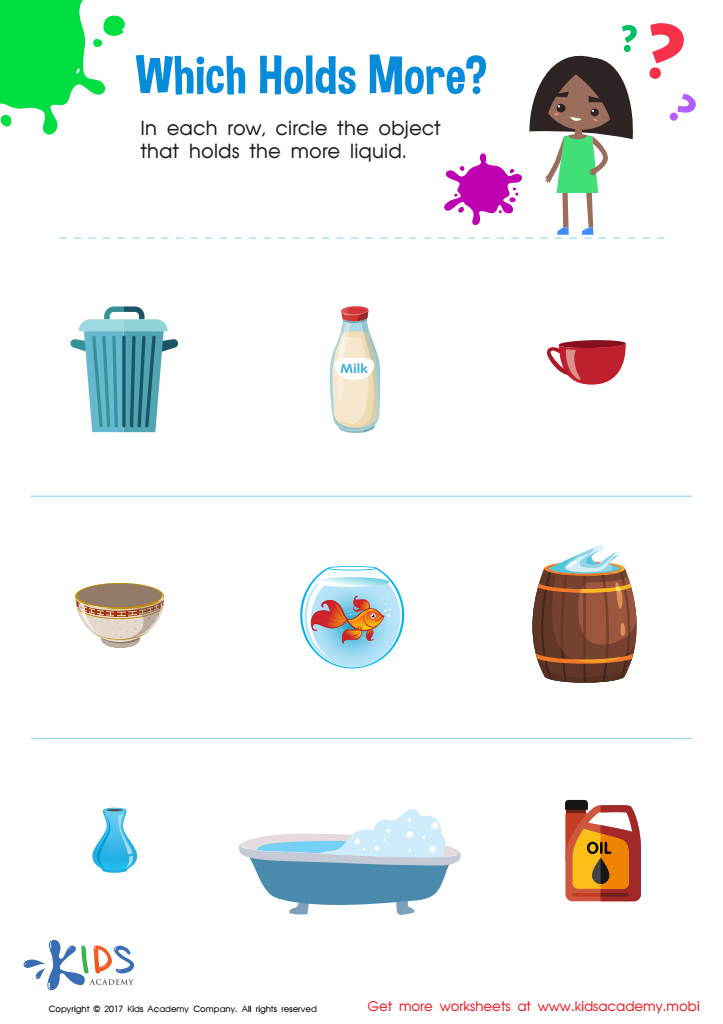
Which Holds More: Capacity Worksheet
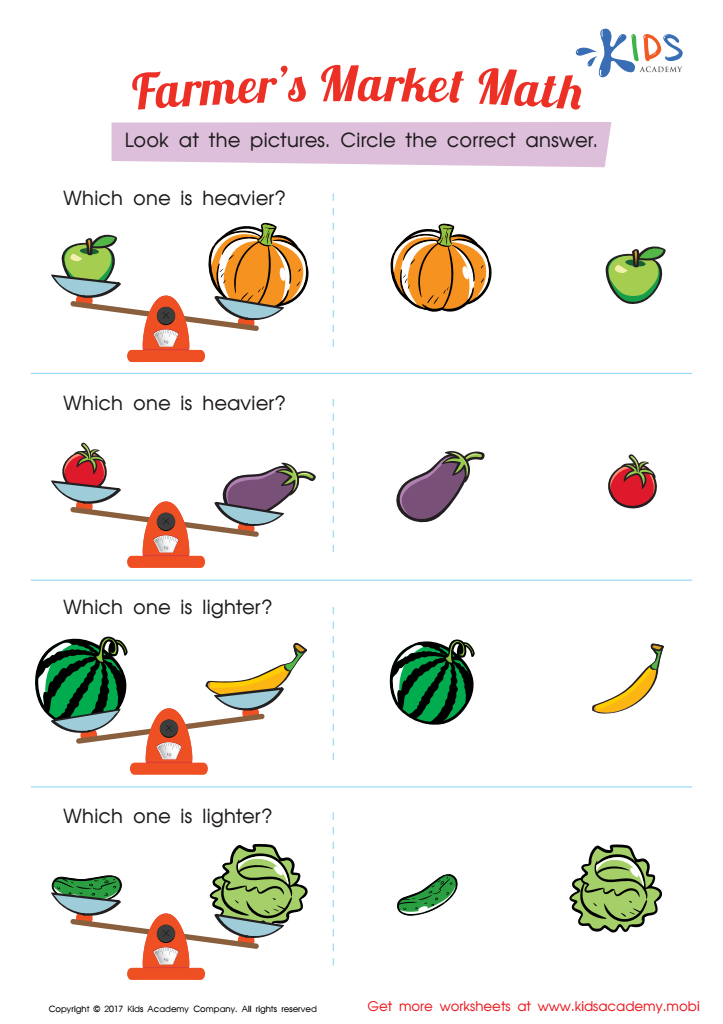
Which One Is Heavier Worksheet
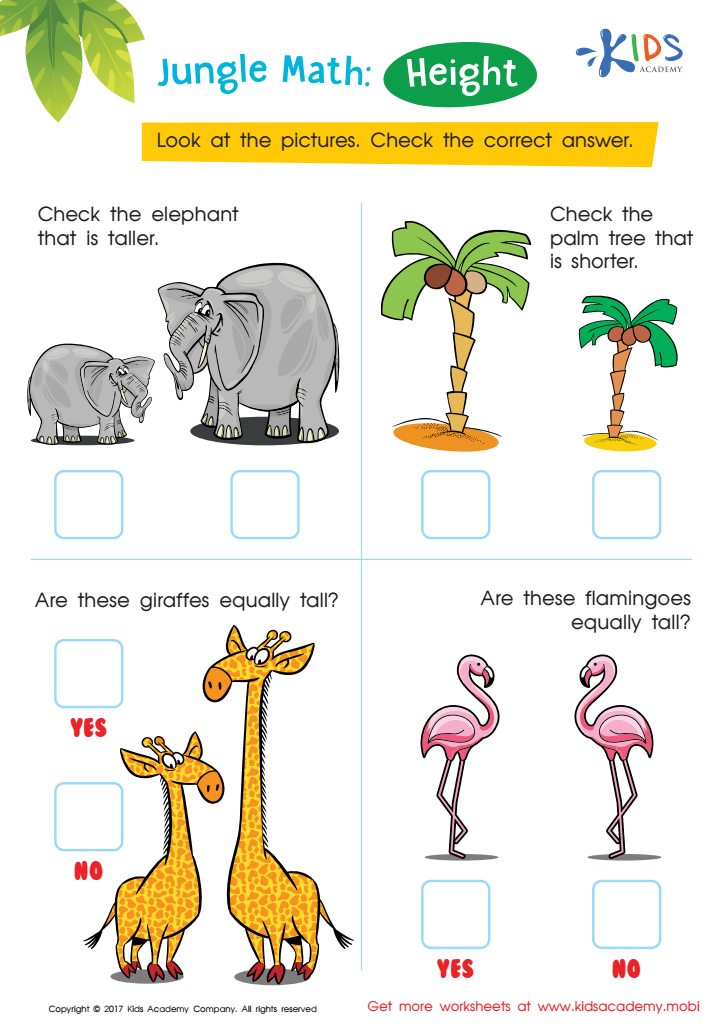
Which Is Taller Worksheet
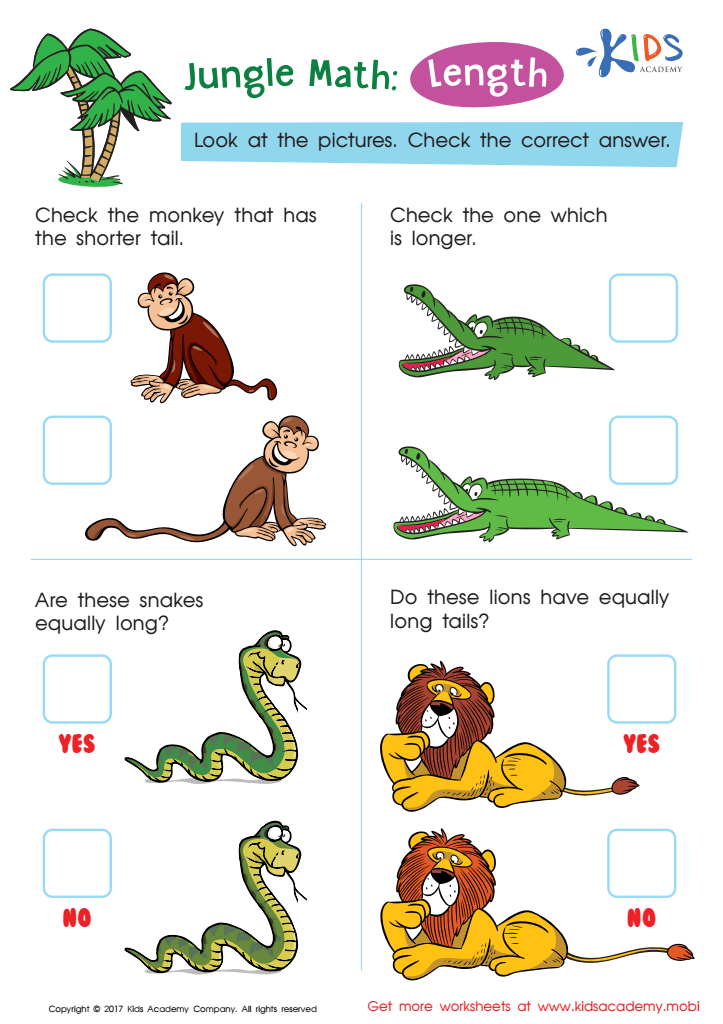
Which One Is Longer - Length Worksheet
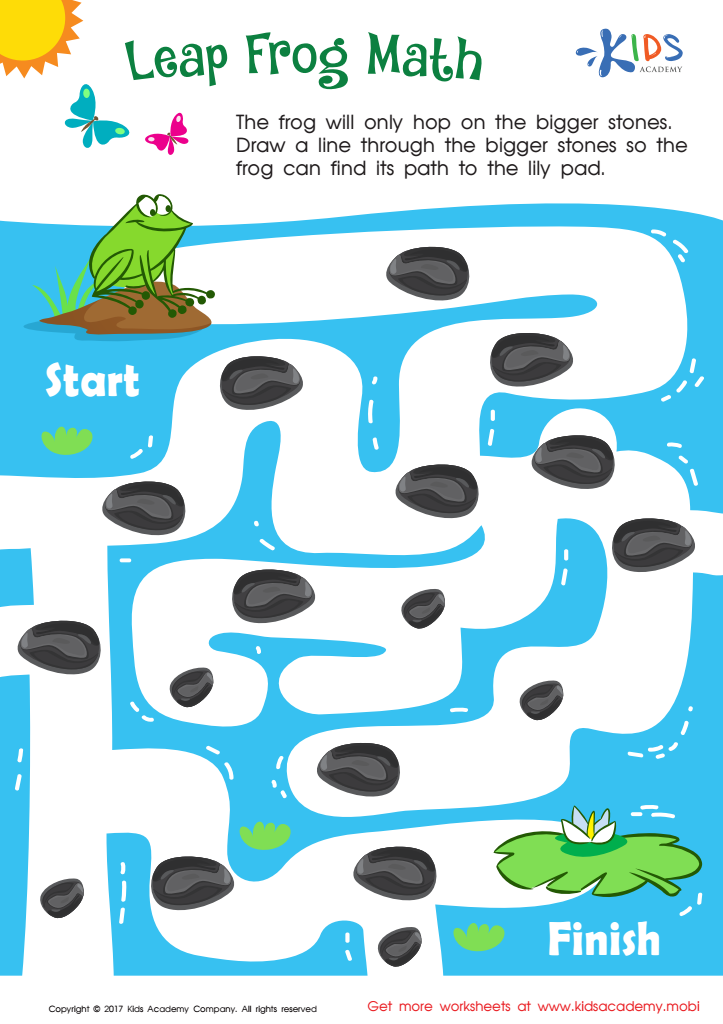
Math Puzzle Worksheet
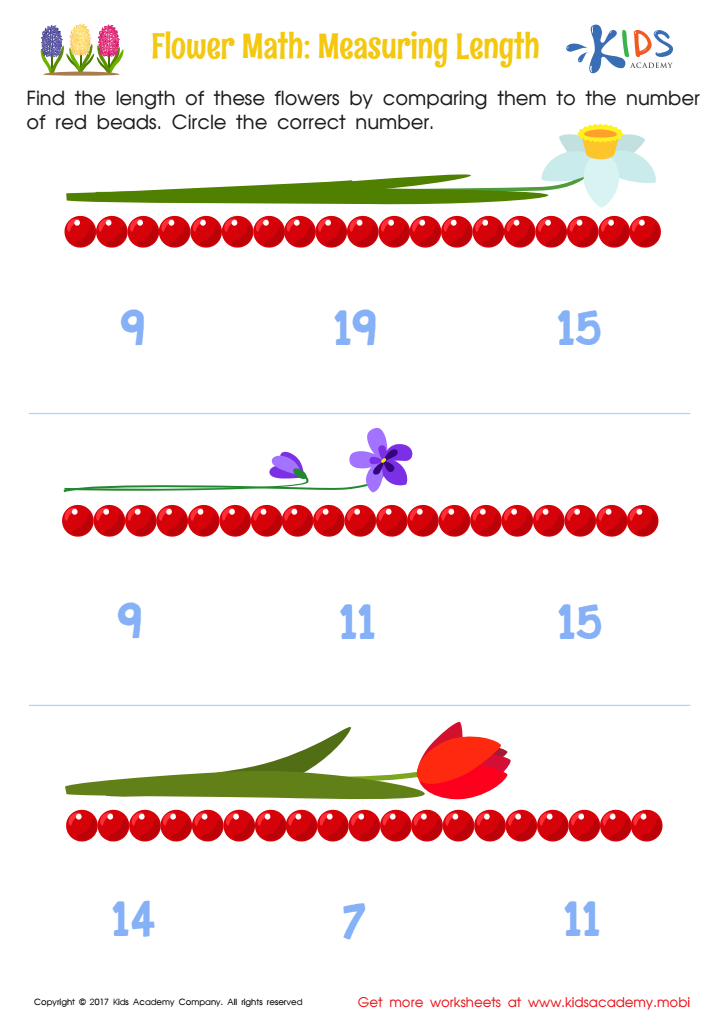
Flower Math: Measuring Height Worksheet
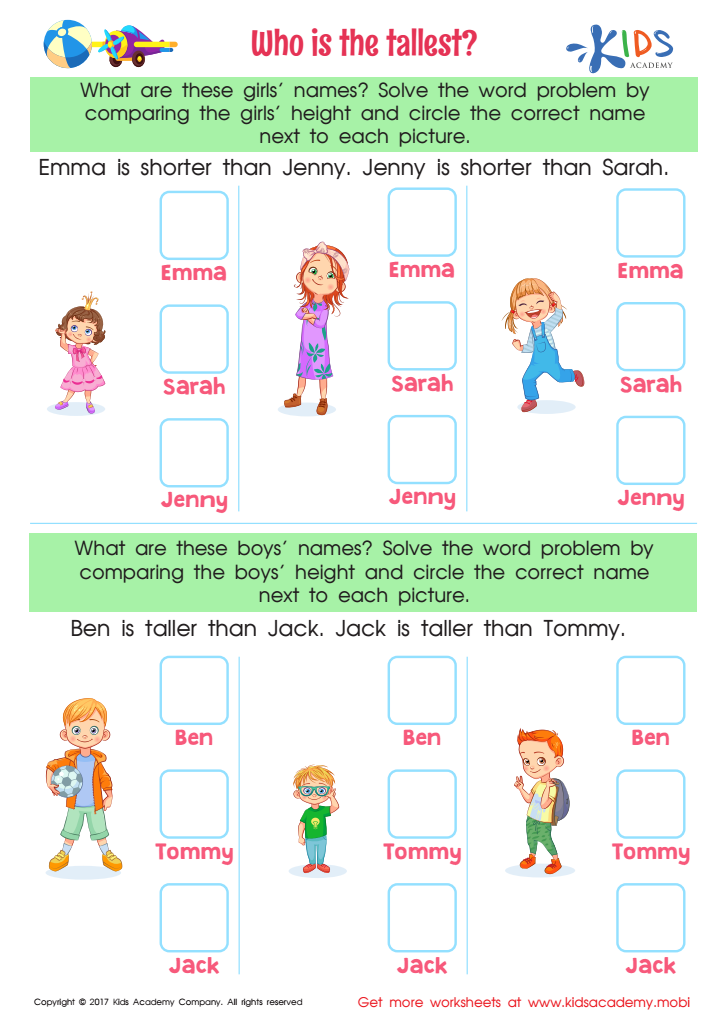
Who Tallest Printable
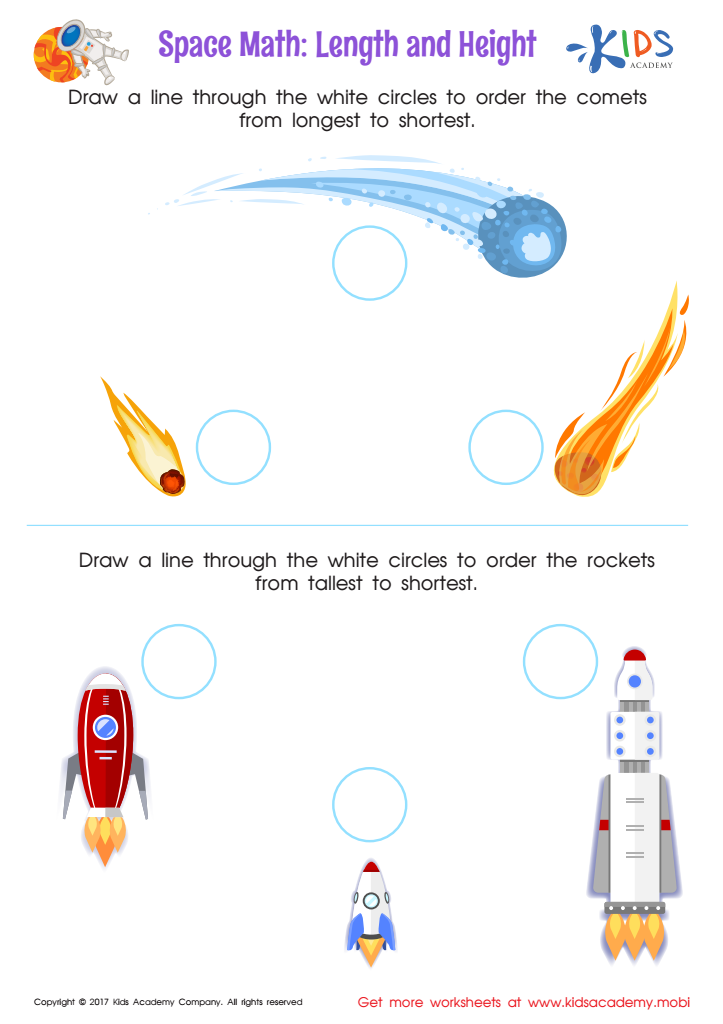
Space Math Worksheet
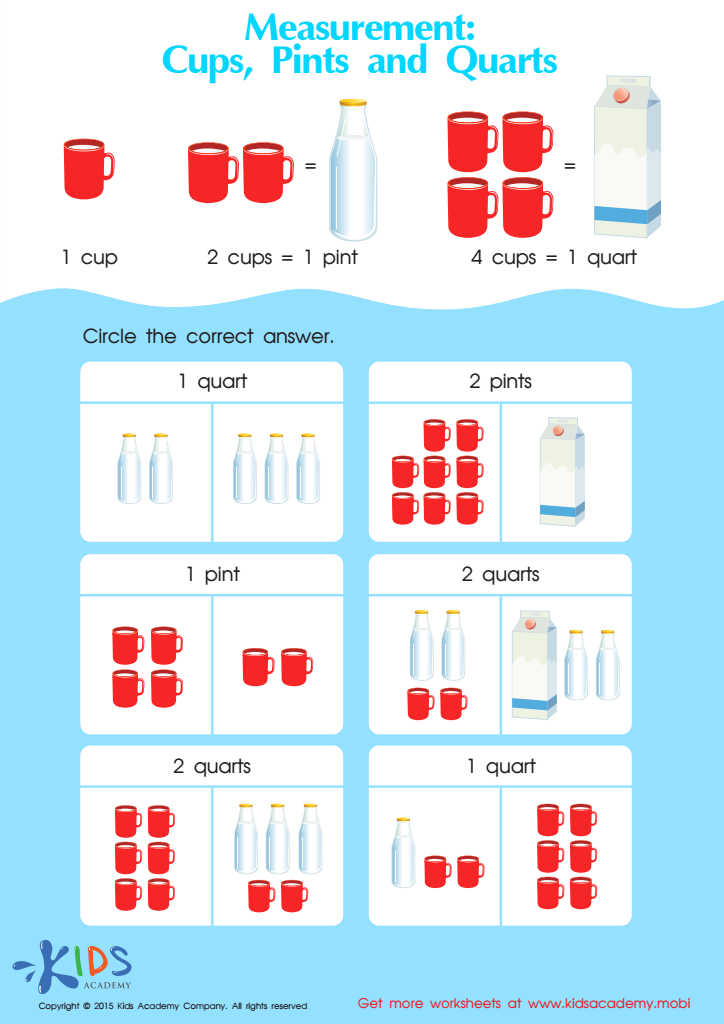
Cups, Pints and Quarts Worksheet
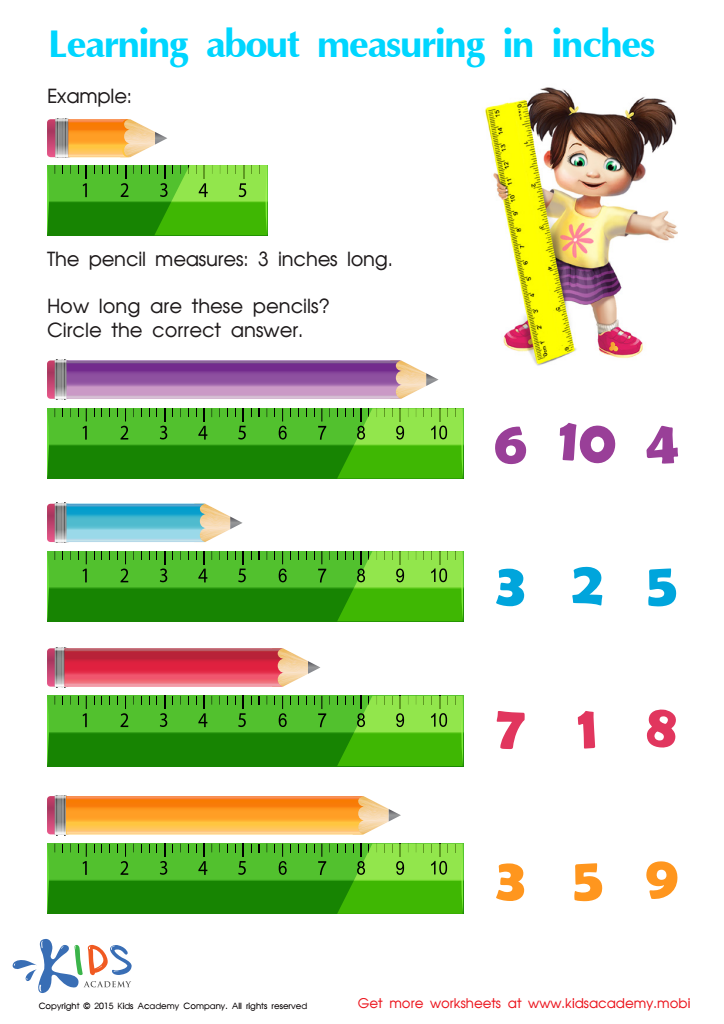
Learning About Measuring In Inches Printable
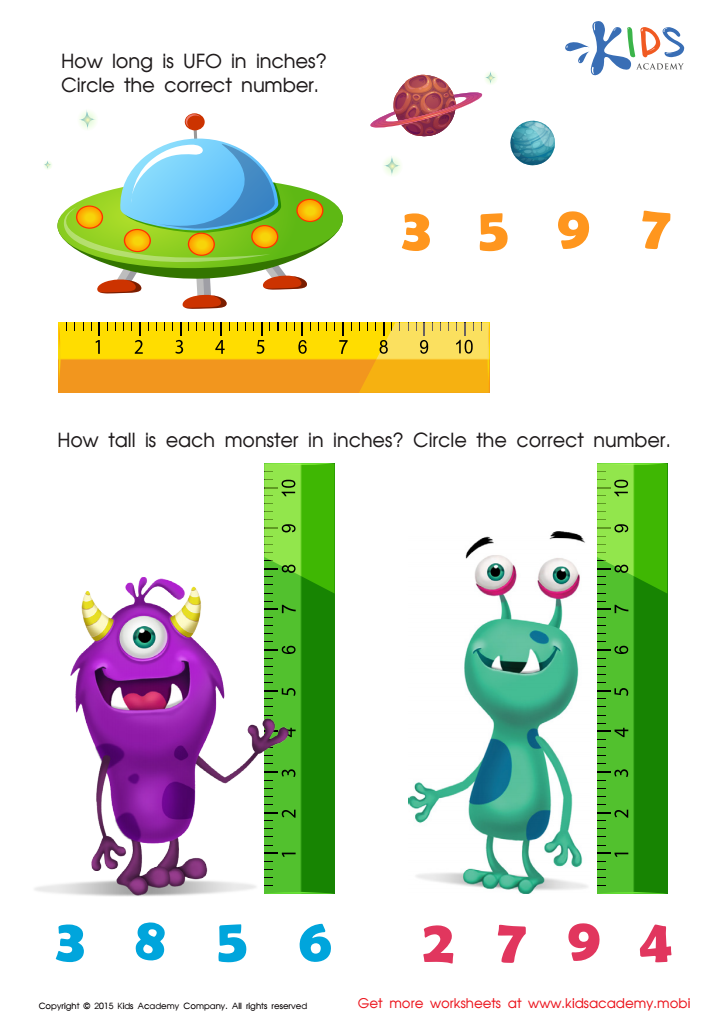
Measuring in Inches Worksheet
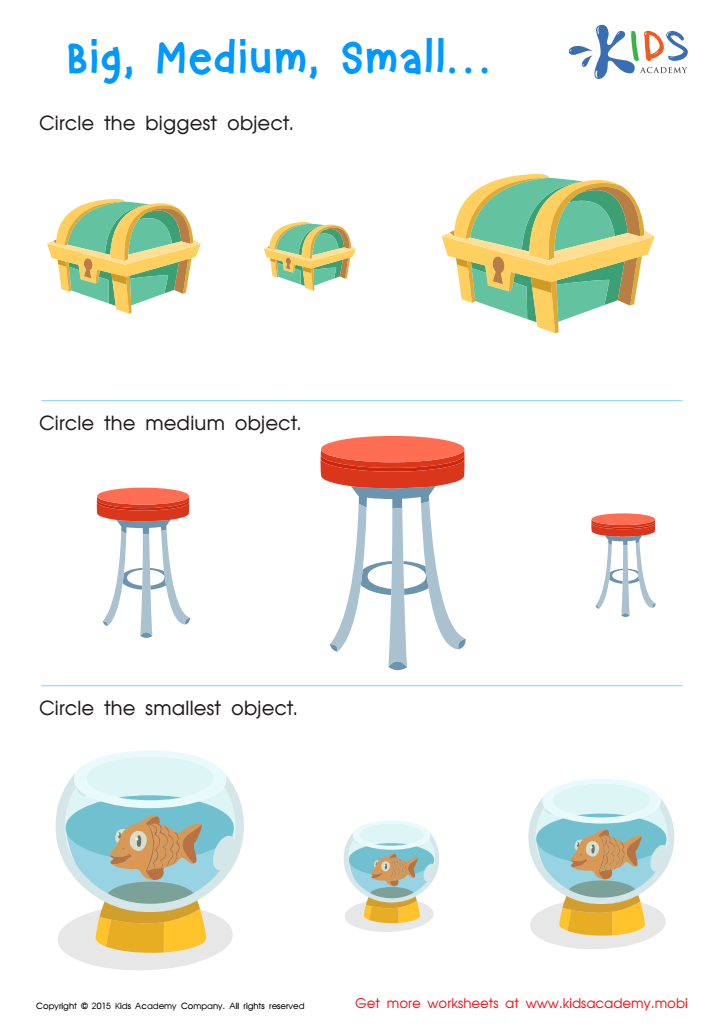
Big Medium Small Worksheet
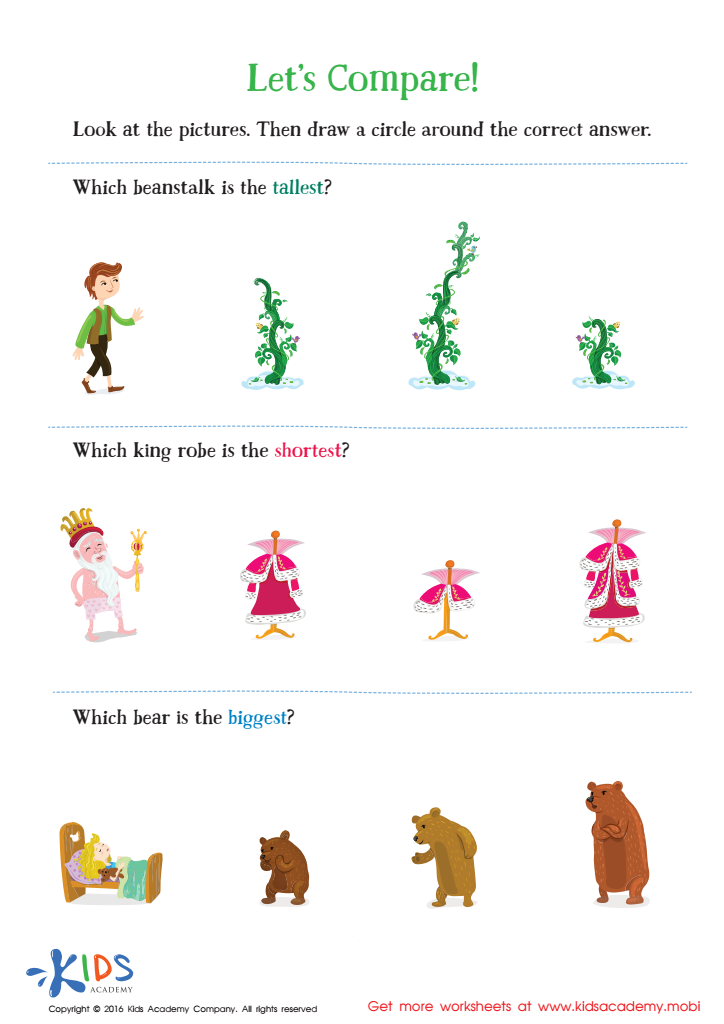
Fairy Tale Worksheet: Let's Compare
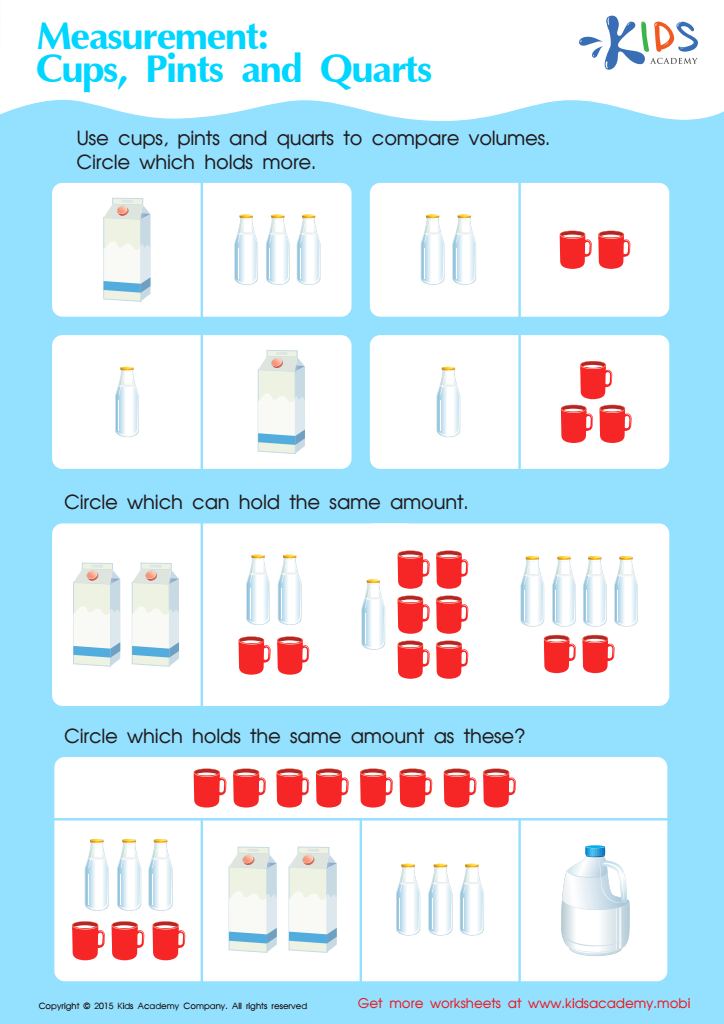
Measurement: Compare Volumes Worksheet
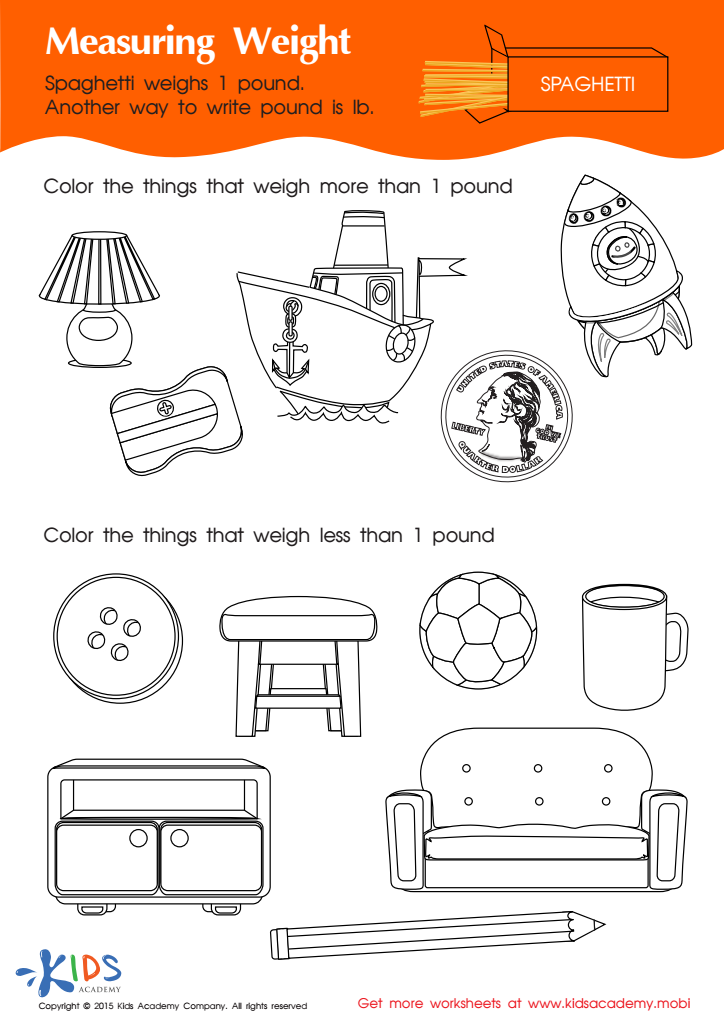








Measurement is a fundamental mathematical concept that lays the groundwork for a child's understanding of the world around them. For children ages 3-7, learning measurement enhances critical thinking, problem-solving, and reasoning abilities. During these formative years, children naturally explore concepts like size, volume, and length through play and everyday experiences.
Parents and teachers should care about measurement because it fosters cognitive development and paves the way for academic success. Engaging children in measurement activities—whether through cooking, sorting toys by size, or measuring height—helps them develop a sense of comparison and numerical literacy. Such experiences encourage inquiry and exploration, promoting a lifelong love for learning.
Furthermore, measuring skills are crucial in real-life situations; they support future learning in more complex mathematical concepts, science, and even art. By nurturing these skills early on, we equip children with tools to analyze and interpret the world intelligently. Measurement also enhances communication skills, as children learn to describe and express their observations.
Supporting measurement education at this age encourages not only mathematical competence but also builds a confident and curious mindset, essential traits for future learners and responsible citizens.








