Plants and Animals Worksheets for Ages 3-7 - Page 4
105 filtered results
-
From - To
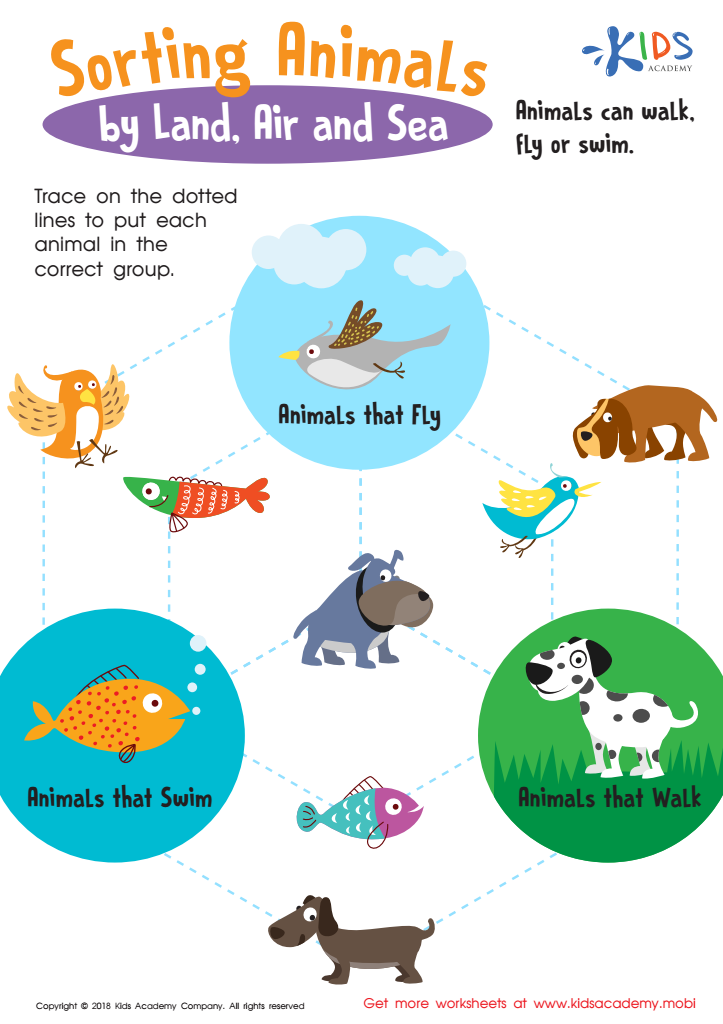
Sorting Animals by Land, Air and Sea Worksheet
 Assign to My Students











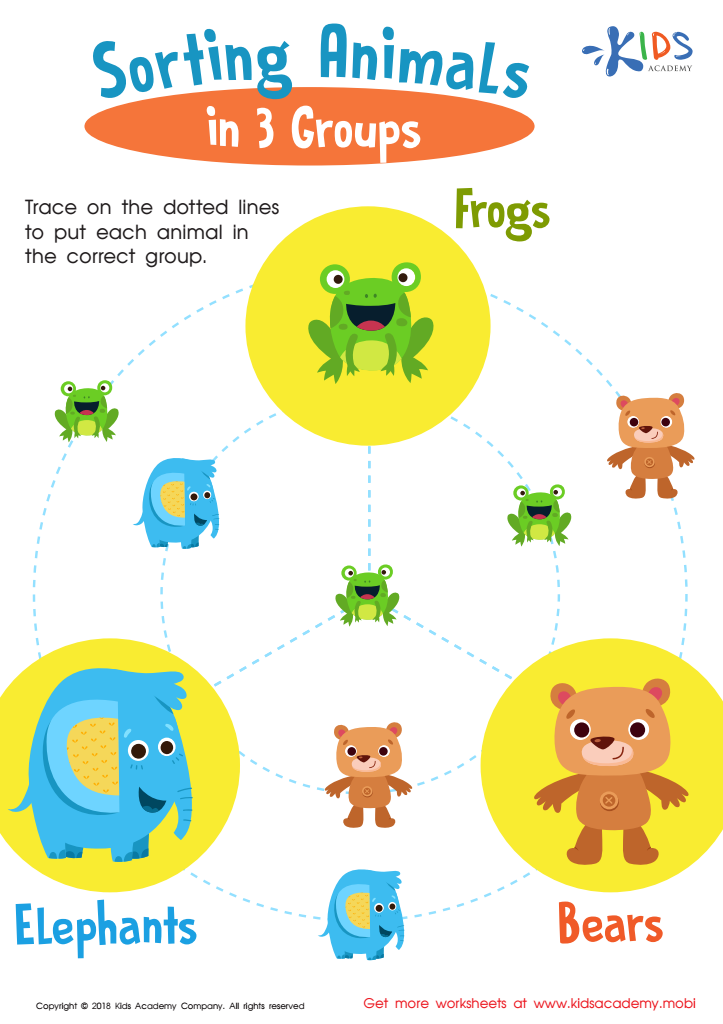
Sorting Animals in 3 Groups Worksheet
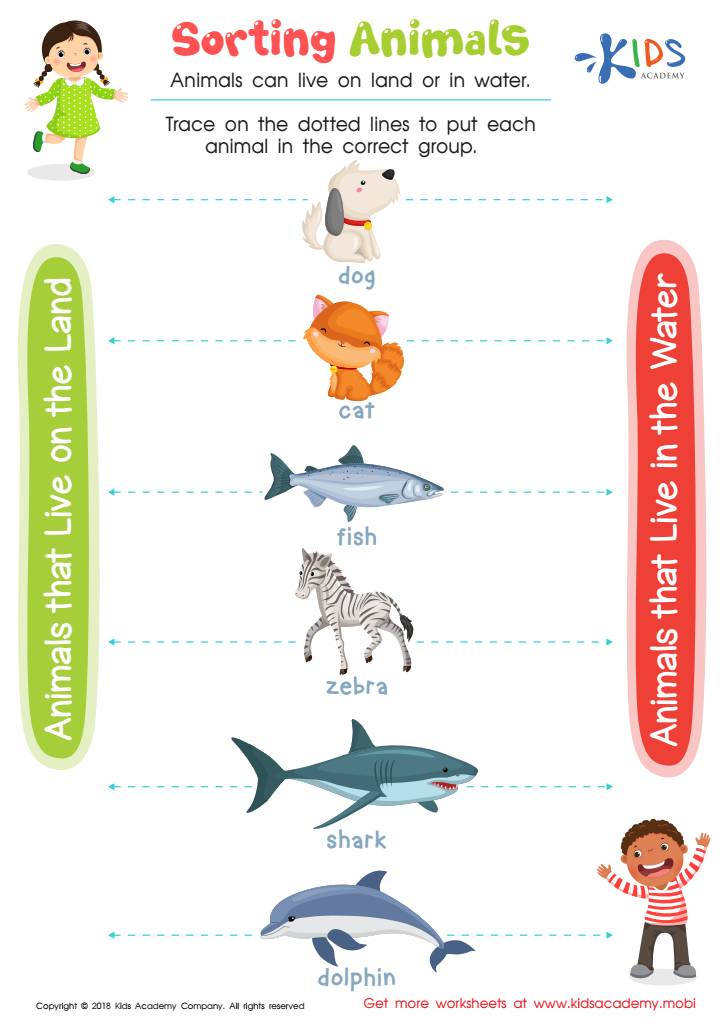
Sorting Animals Worksheet
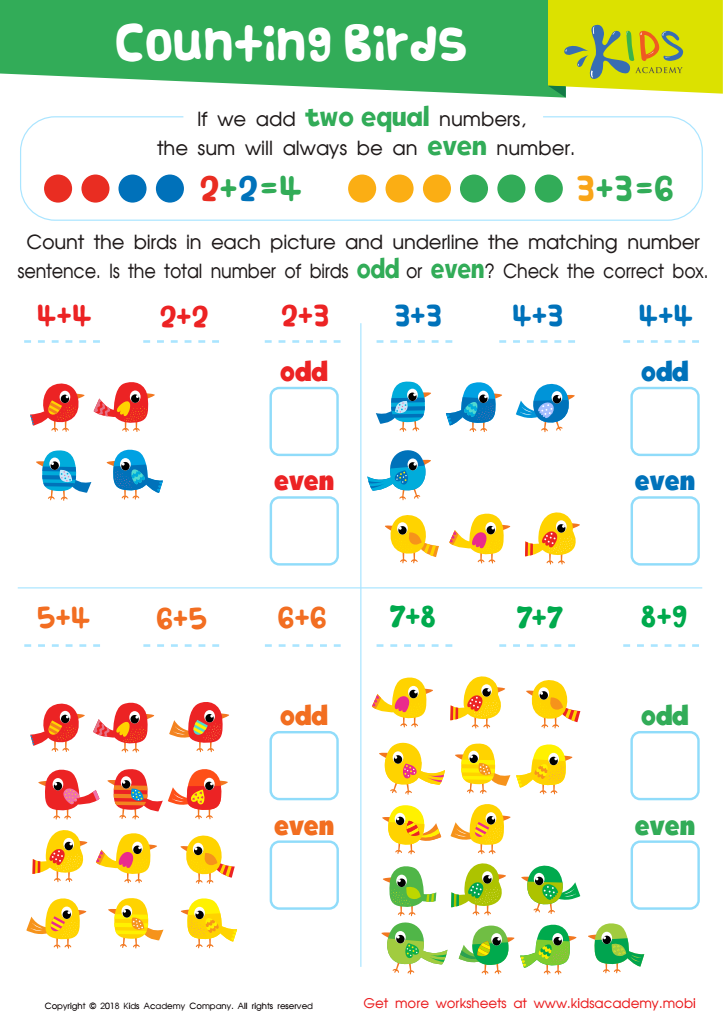
Counting Birds Worksheet
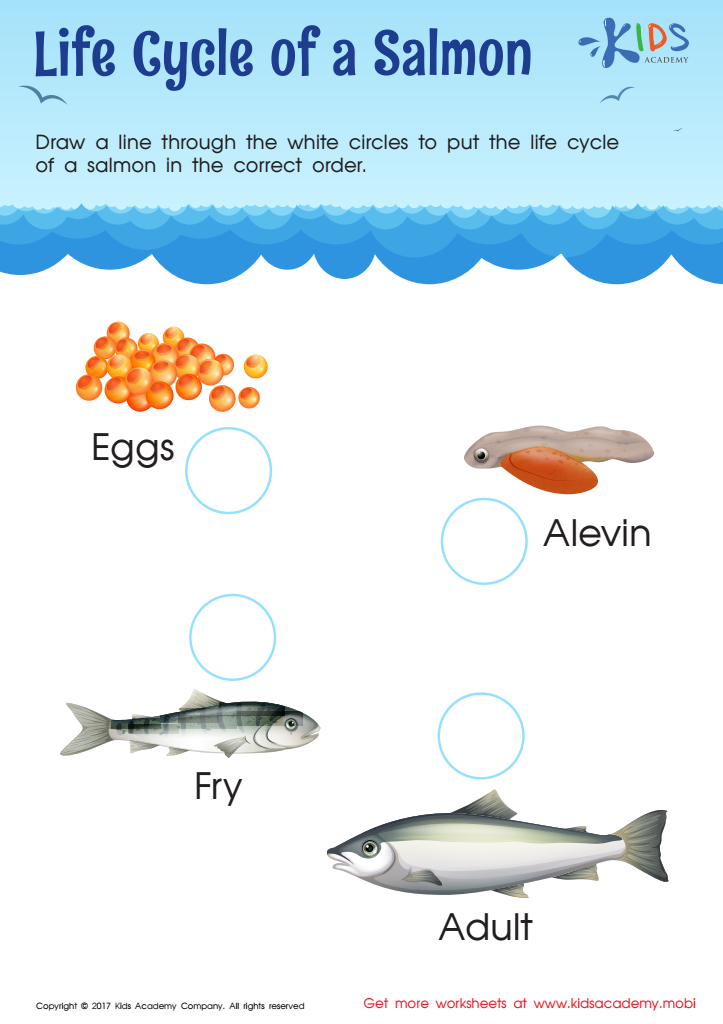
Cycle Of Salmon Worksheet
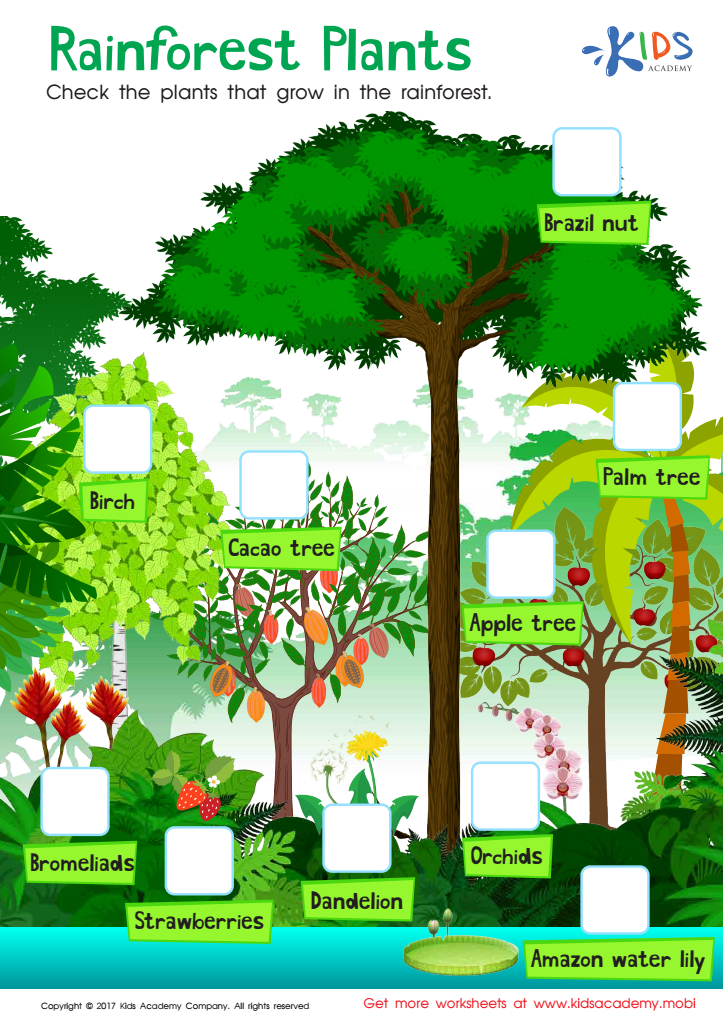
Rainforest Plants Worksheet
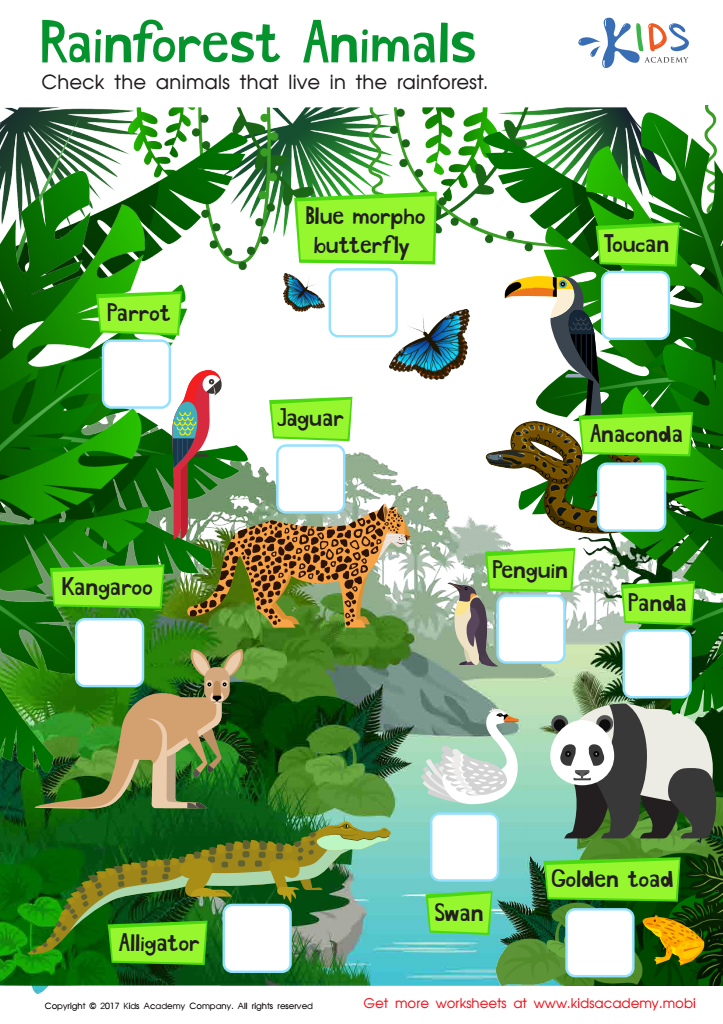
Rainforest Animals Worksheet
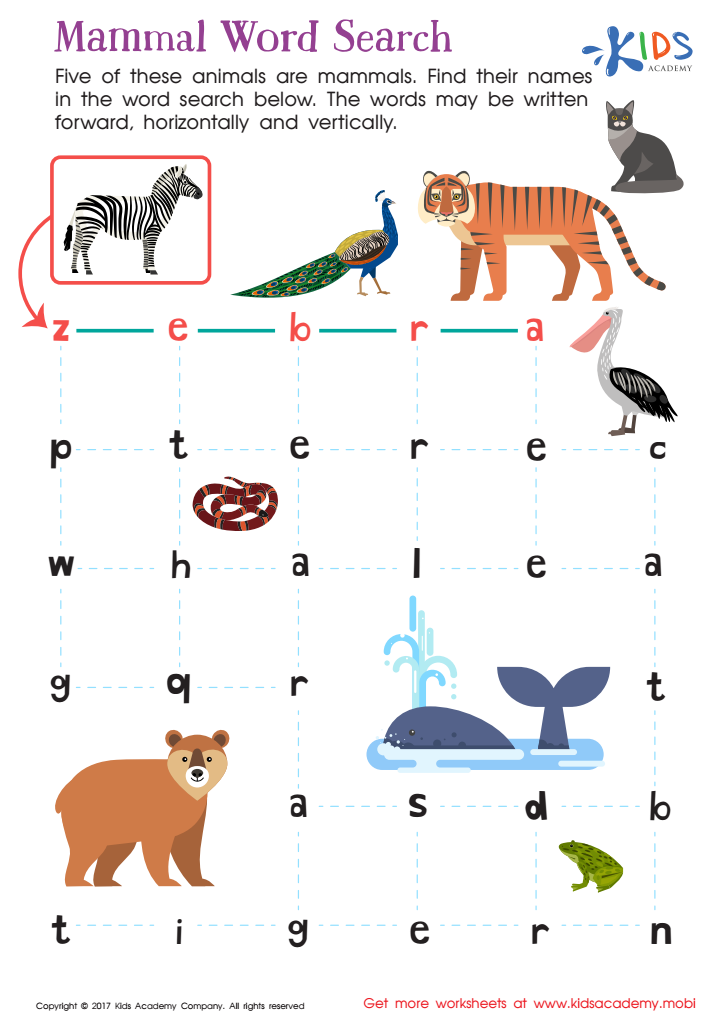
Printable Mammal Word Search
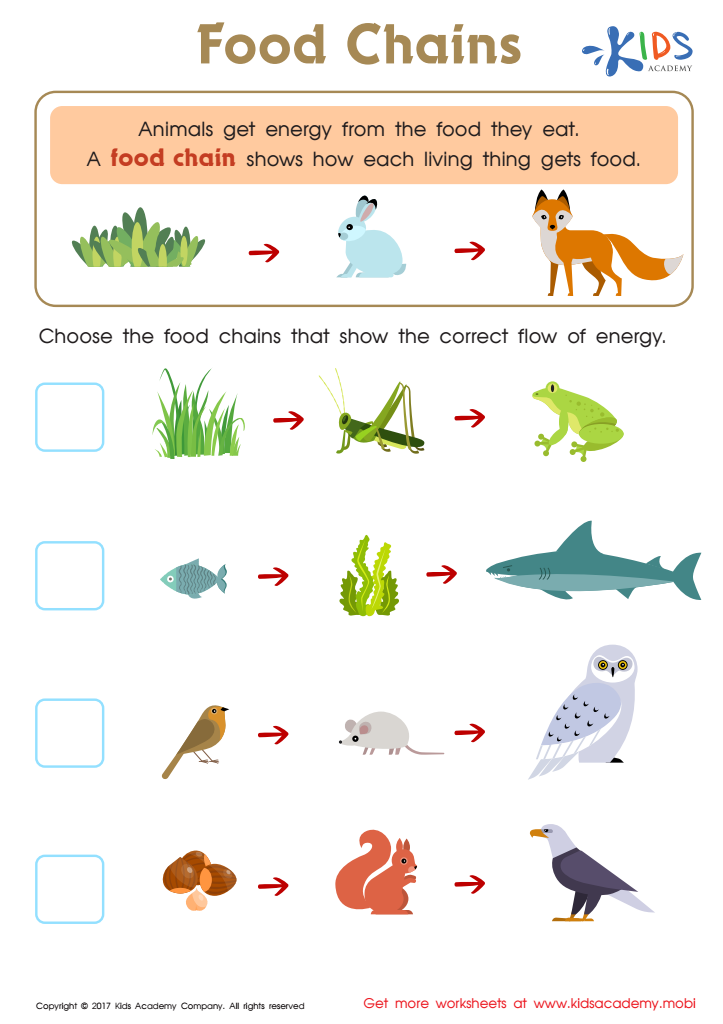
Food Webs and Food Chains Worksheet
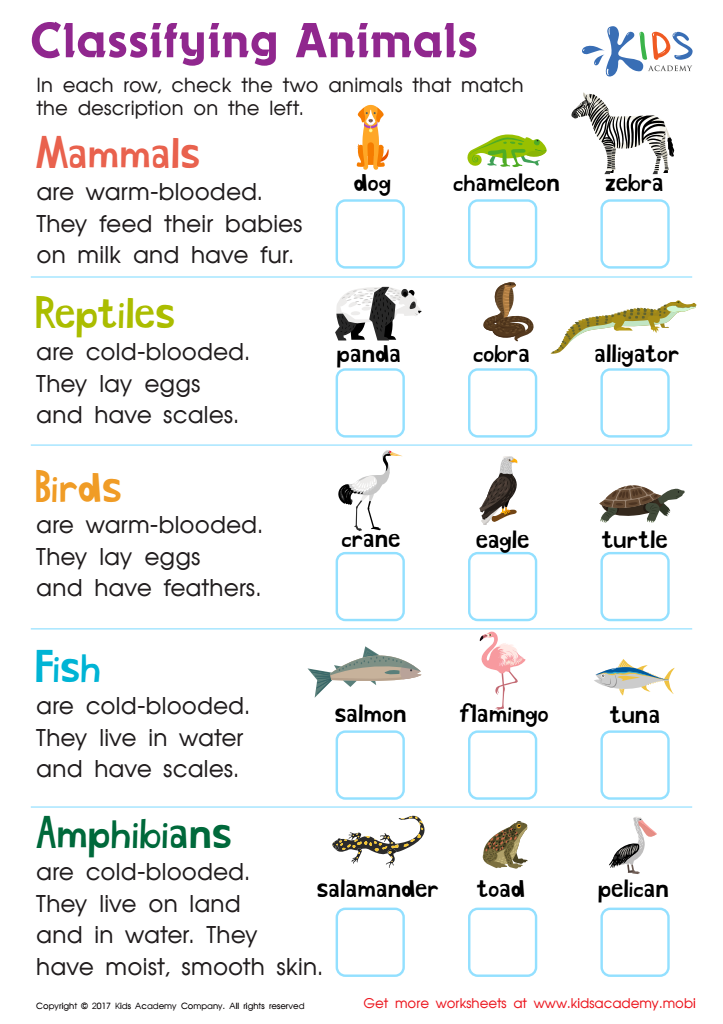
Classifying Animals Worksheet
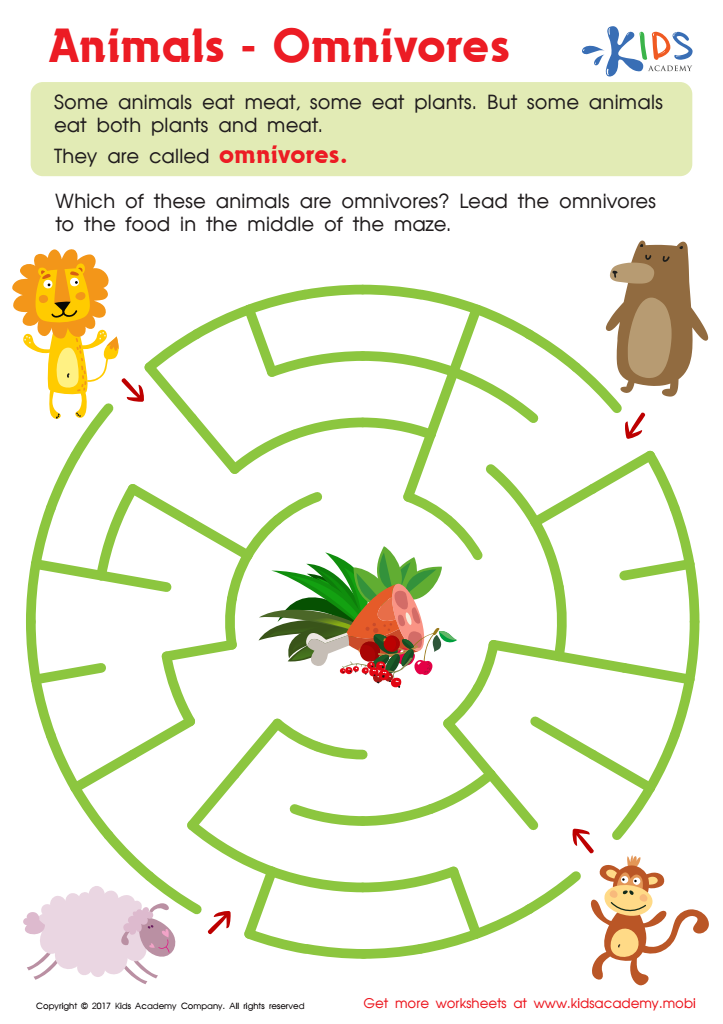
Omnivores Animals Worksheet
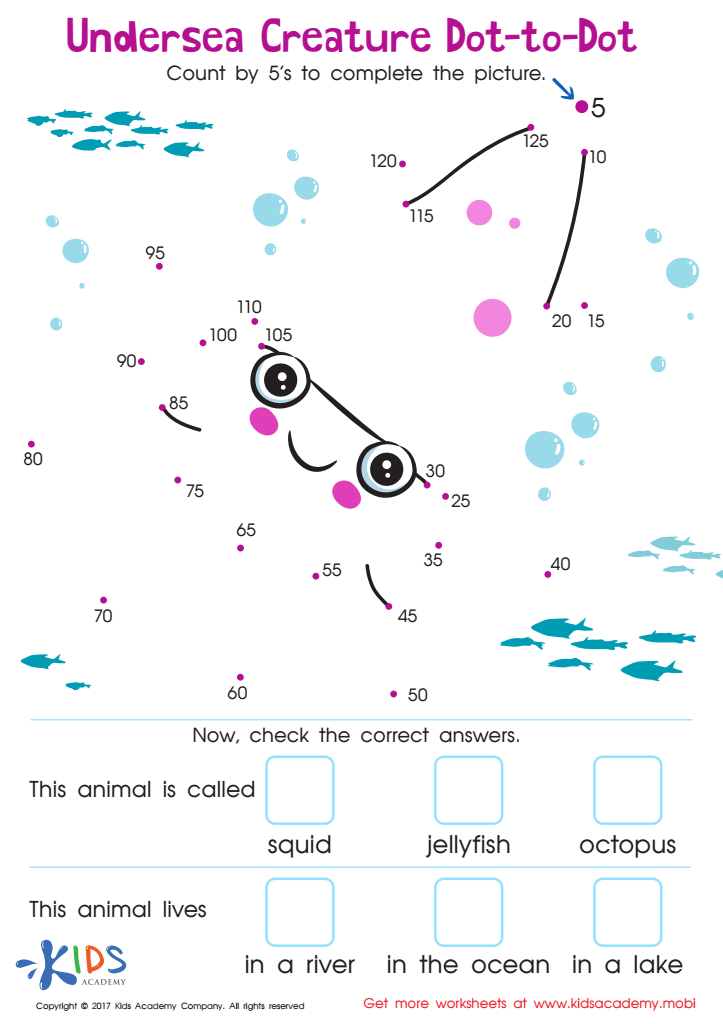
Undersea: Dot To Dot Worksheet
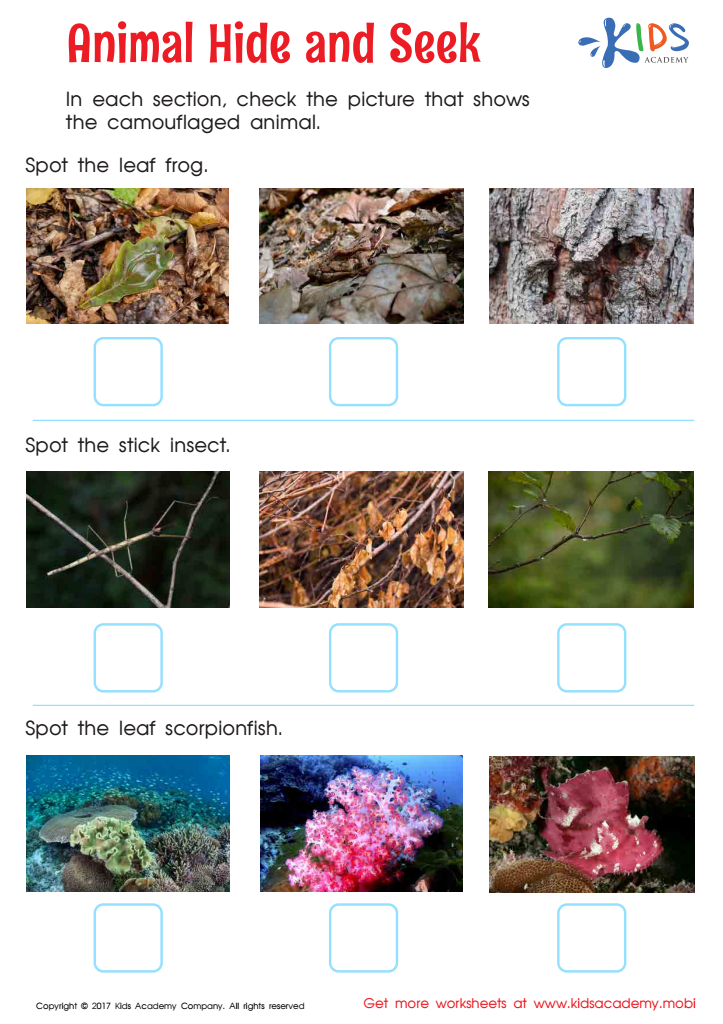
Animal Hide and Seek Worksheet
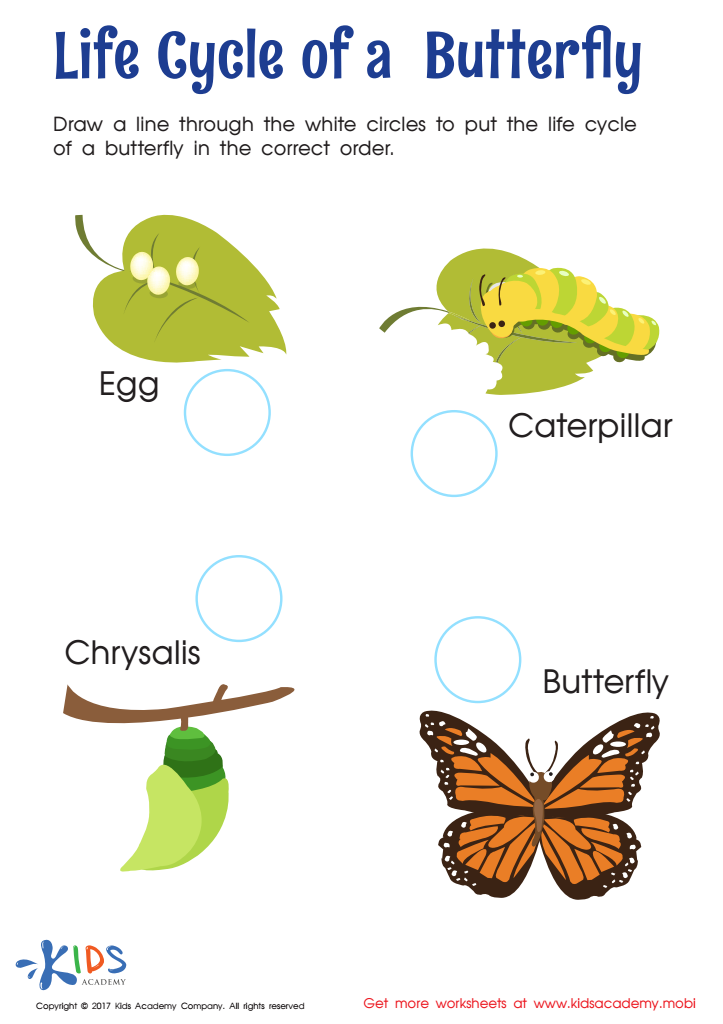
Life Cycle of Butterfly Worksheet
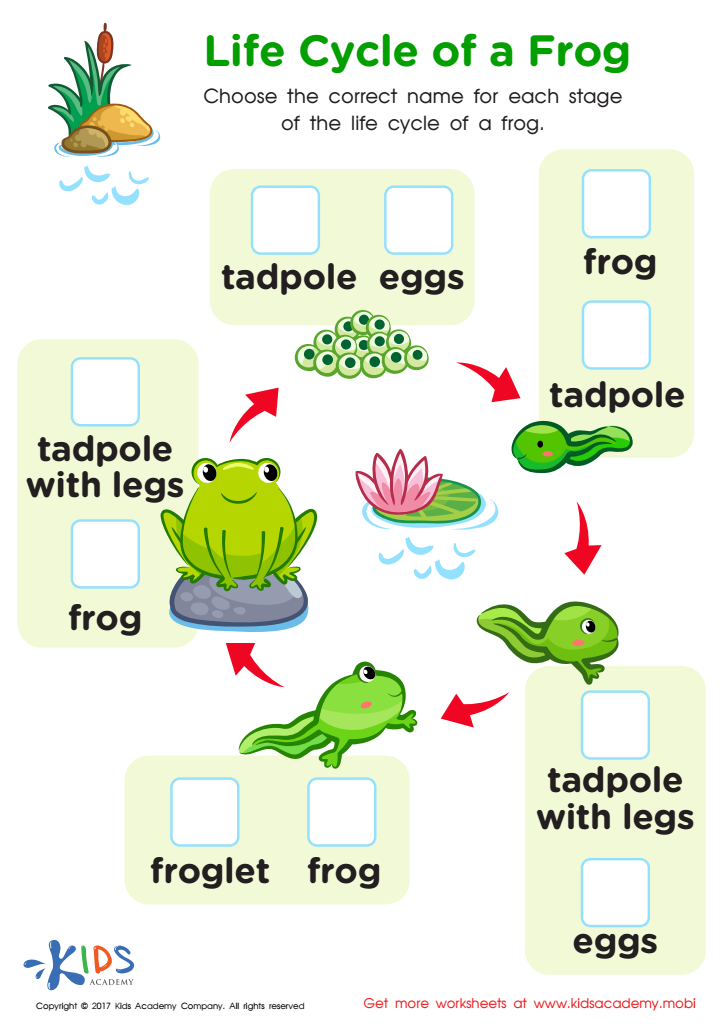
Life Cycle Frog Printable
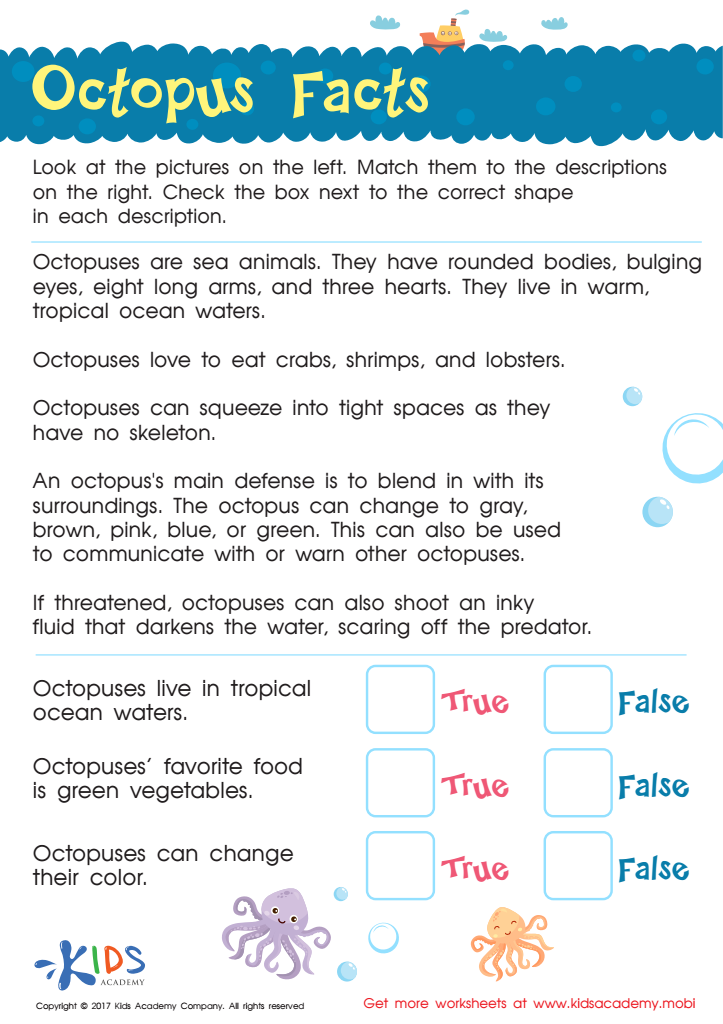
Octopus Facts Worksheet For Kids
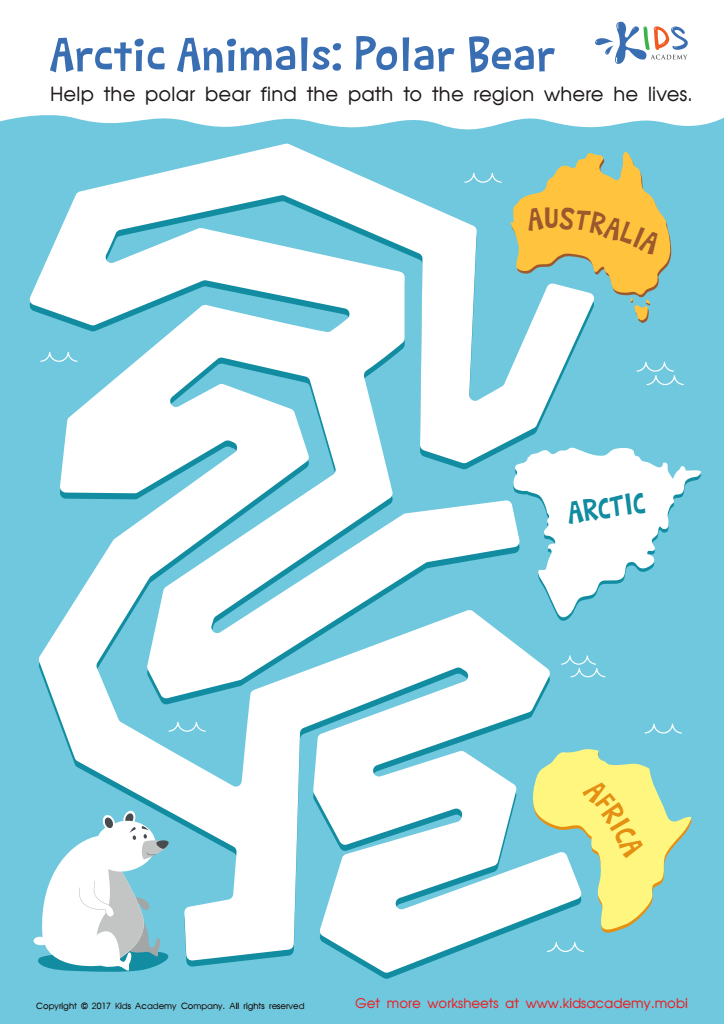
Arctic Animals: Polar Bear Worksheet

African Wildlife: Giraffe Worksheet
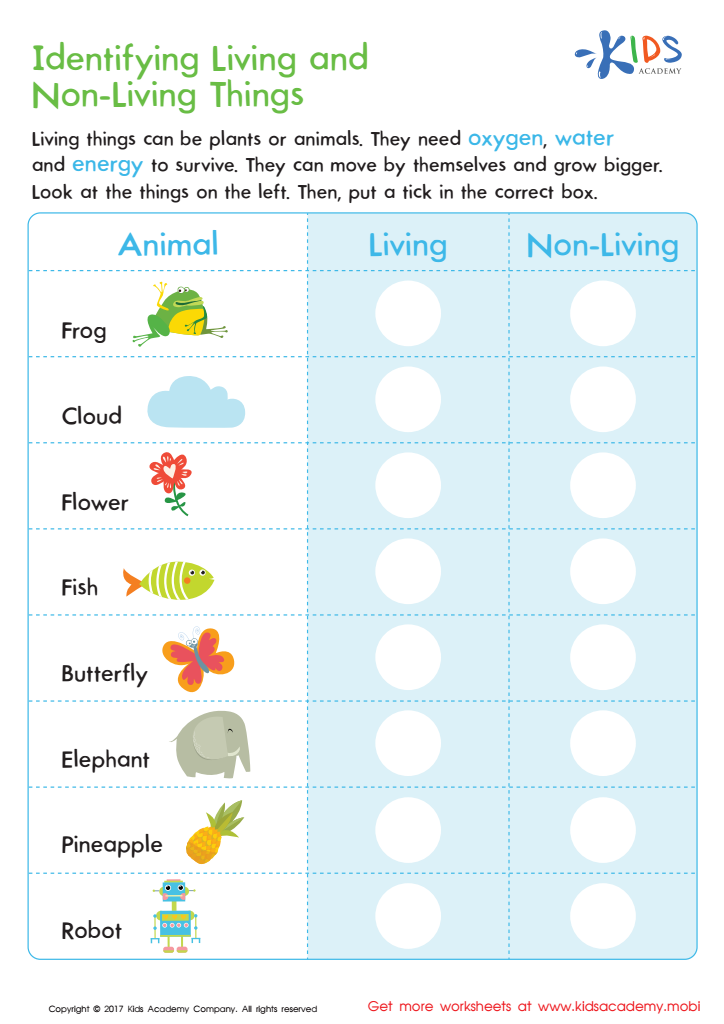
Identifying Living or Non–living Worksheet
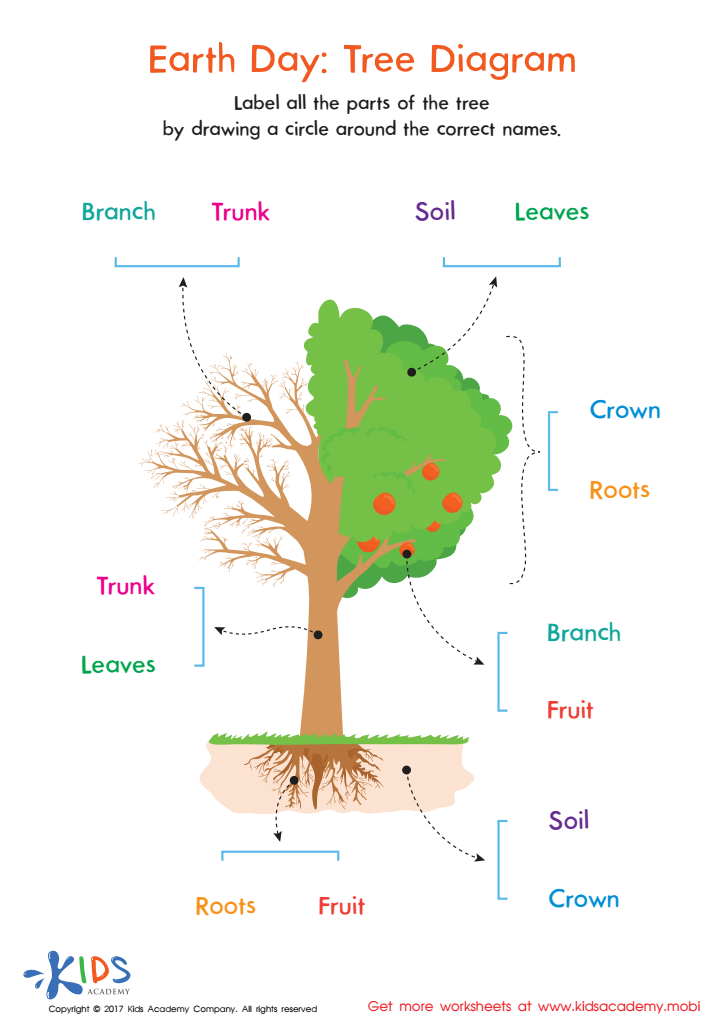
Earth Day: Tree Diagram Worksheet
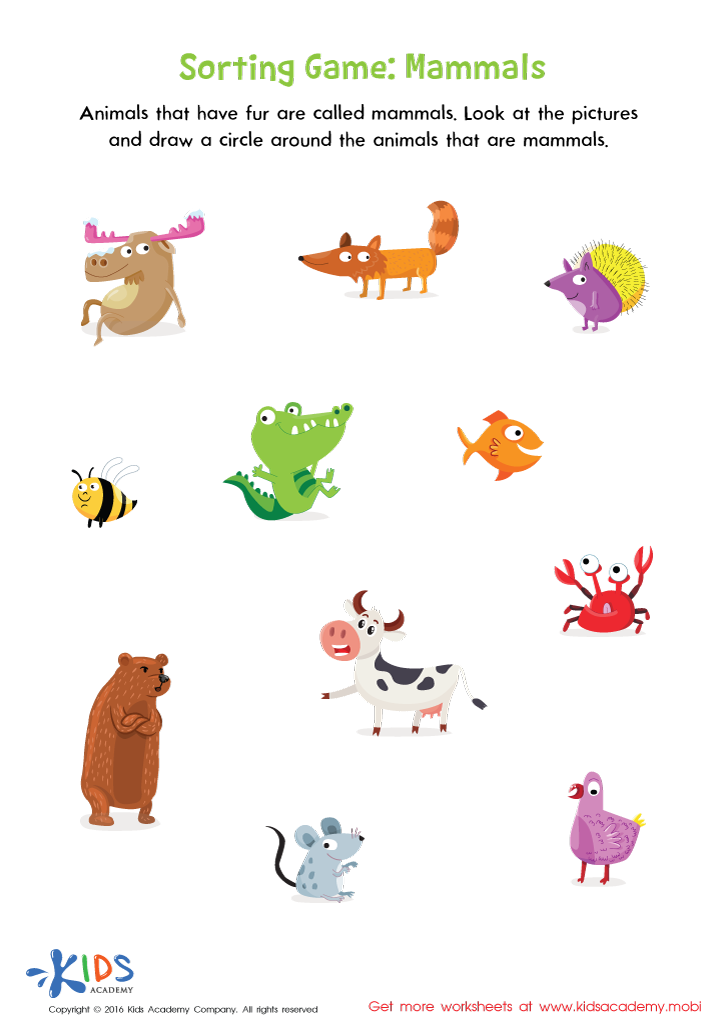
Mammals Sorting Worksheet
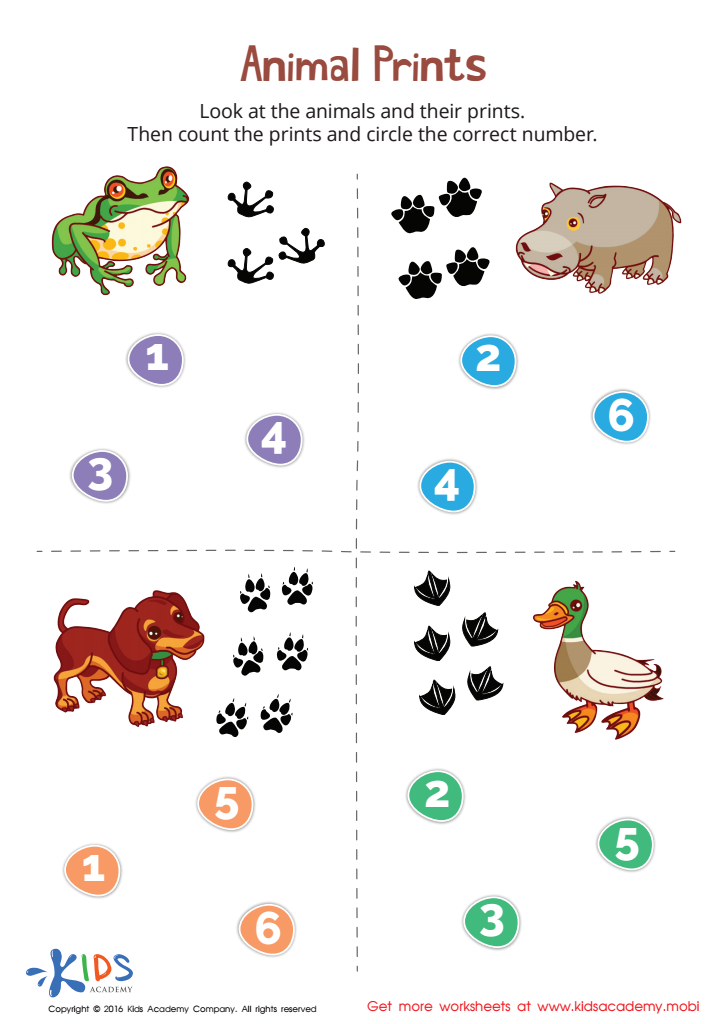
Animal Prints Match-Up Worksheet
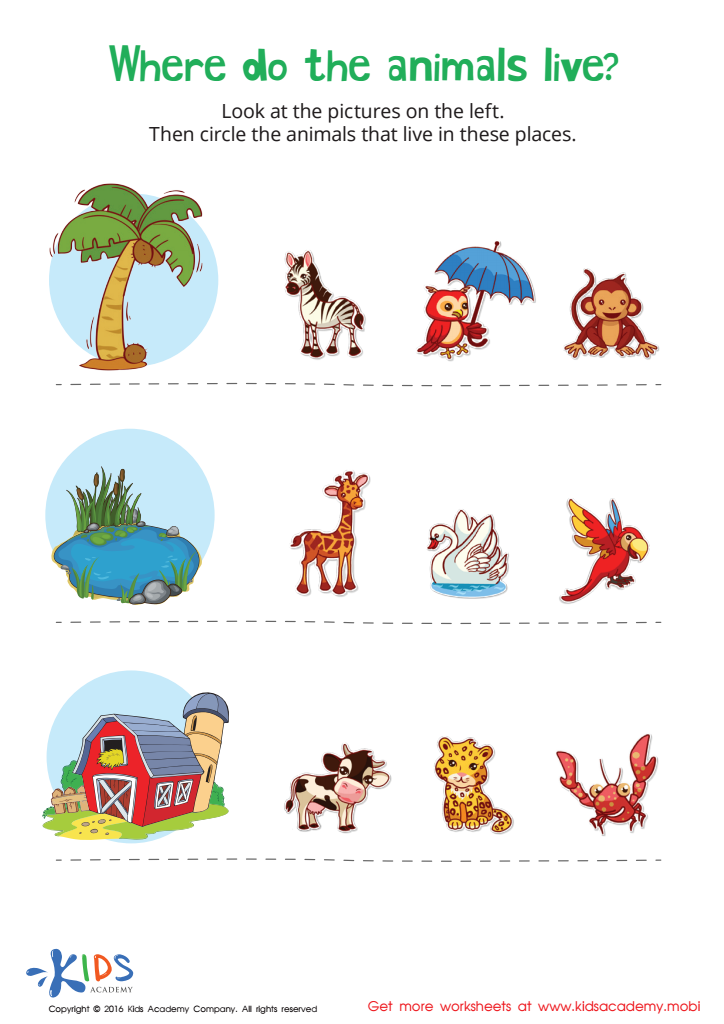
Where Animals Live Worksheet
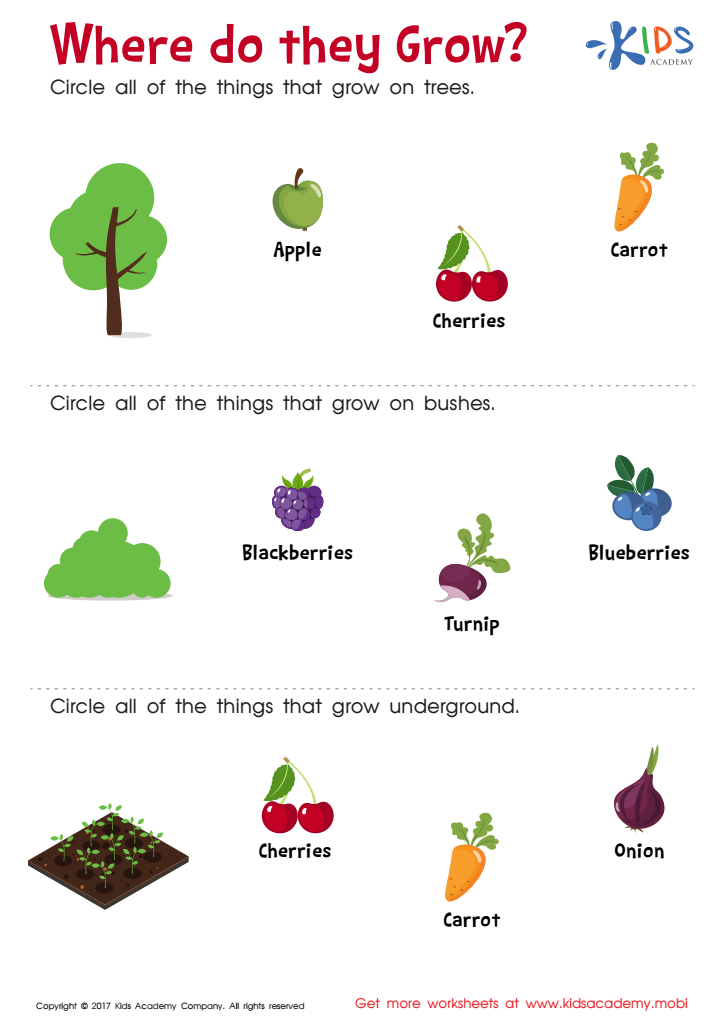
Where Do They Grow Worksheet






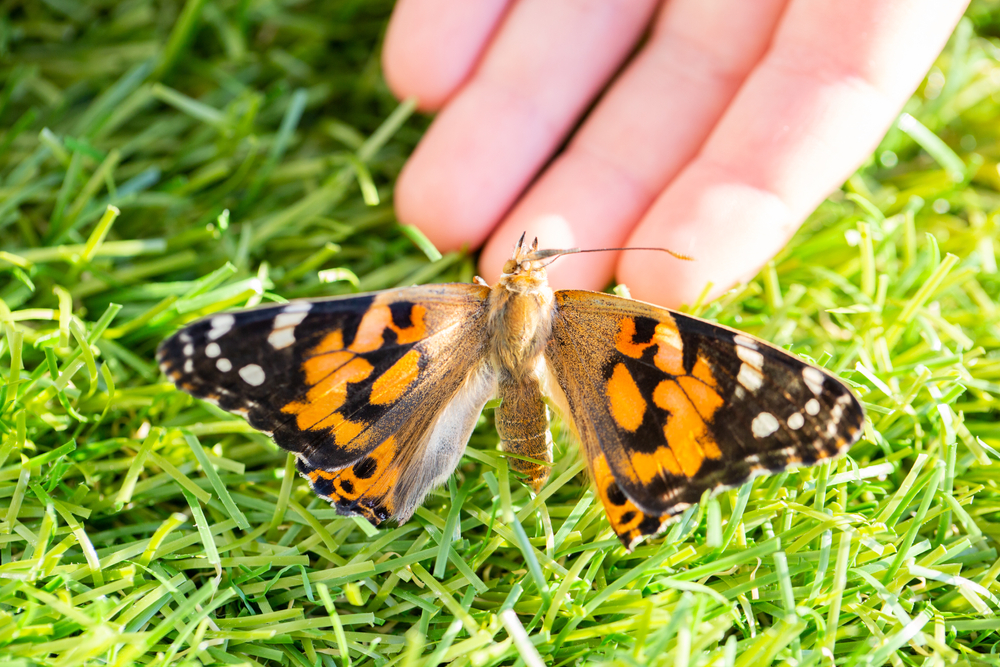

Understanding plants and animals is crucial for children aged 3 to 7 as it fosters a sense of wonder, curiosity, and responsibility towards the natural world. At this developmental stage, children are highly inquisitive and eager to explore their environment. Learning about plants and animals not only enhances their observational skills but also lays the groundwork for critical thinking and scientific inquiry.
Engaging with nature helps children understand essential concepts like life cycles, ecosystems, and biodiversity. Such knowledge is vital for their comprehension of the world around them, instilling a sense of empathy towards living beings. Additionally, learning about plants and animals can promote healthy habits, as children discover where their food comes from and the importance of conservation.
Moreover, educational activities centered around nature can strengthen cognitive skills, language development, and social interaction. Team projects like gardening or observing wildlife encourage cooperative play, communication, and problem-solving skills.
Lastly, instilling an appreciation for nature early on can lead to environmentally-conscious behaviors later in life, making it imperative for parents and teachers to prioritize these topics in educational settings. By nurturing an appreciation for plants and animals, we equip children with an enriched understanding of their world and impart values that contribute to a sustainable future.








